TorontoOntario · 36 tours
 Niagara FallsOntario · 25 tours
 New York CityNew York · 30 tours
 Las VegasNevada · 8 tours
 San FranciscoCalifornia · 16 tours
 VancouverBritish Columbia · 17 tours
 DubaiUAE · 54 tours
 Abu DhabiUAE · 5 tours
 Buenos AiresArgentina · 23 tours
 AthensGreece · 31 tours
 AucklandNew Zealand · 38 tours
 CancunMexico · 54 tours
No destinations match “”. Try searching all tours instead — that search understands full questions, not just place names.
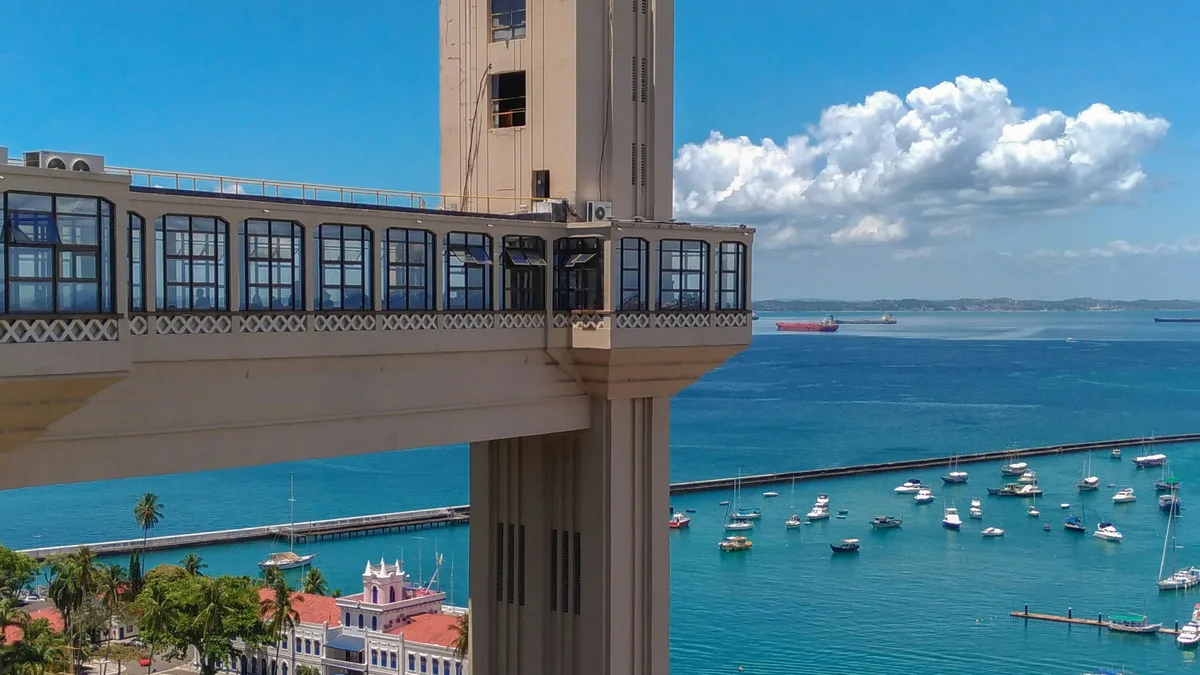
An Art Deco public elevator connecting Salvador's Lower City to its Upper City, carrying passengers 72 meters up in under 30 seconds since 1873 — one of the first urban elevators in the world and still a defining symbol of Salvador's split-level geography.
 Private Tours
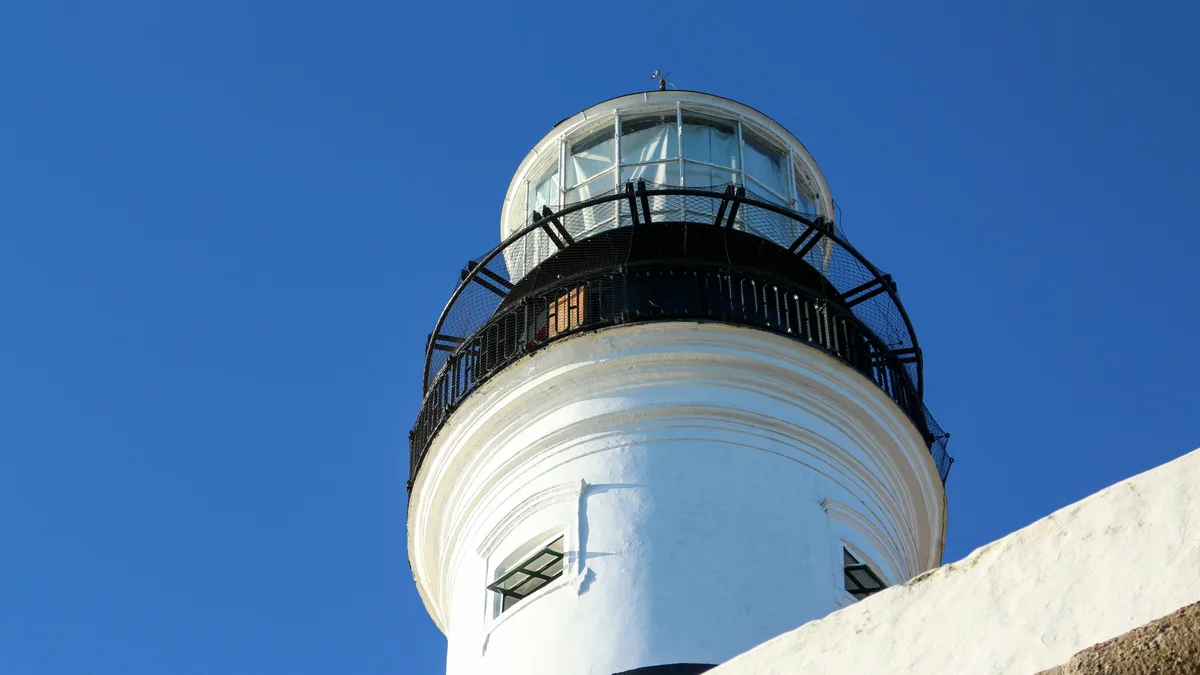
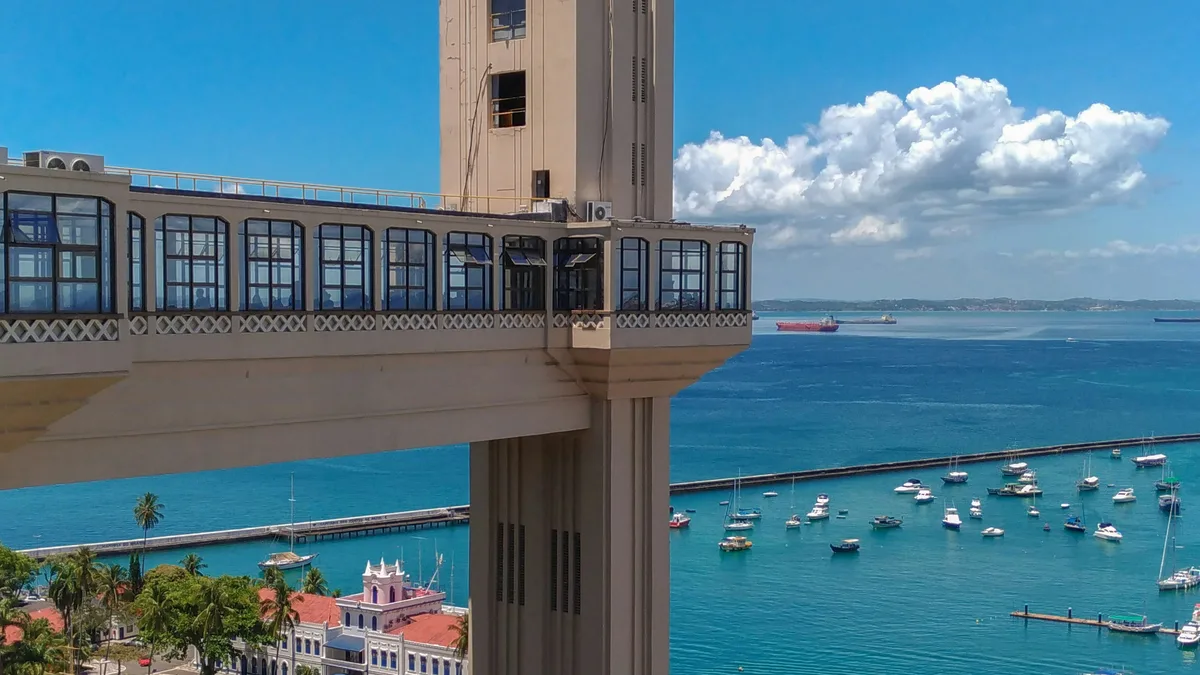
A private sightseeing tour through Salvador's must-see landmarks, from the Barra Lighthouse and Barra Fortress to the cobblestone streets of Pelourinho, with round-trip hotel transportation included.
 Private Tours
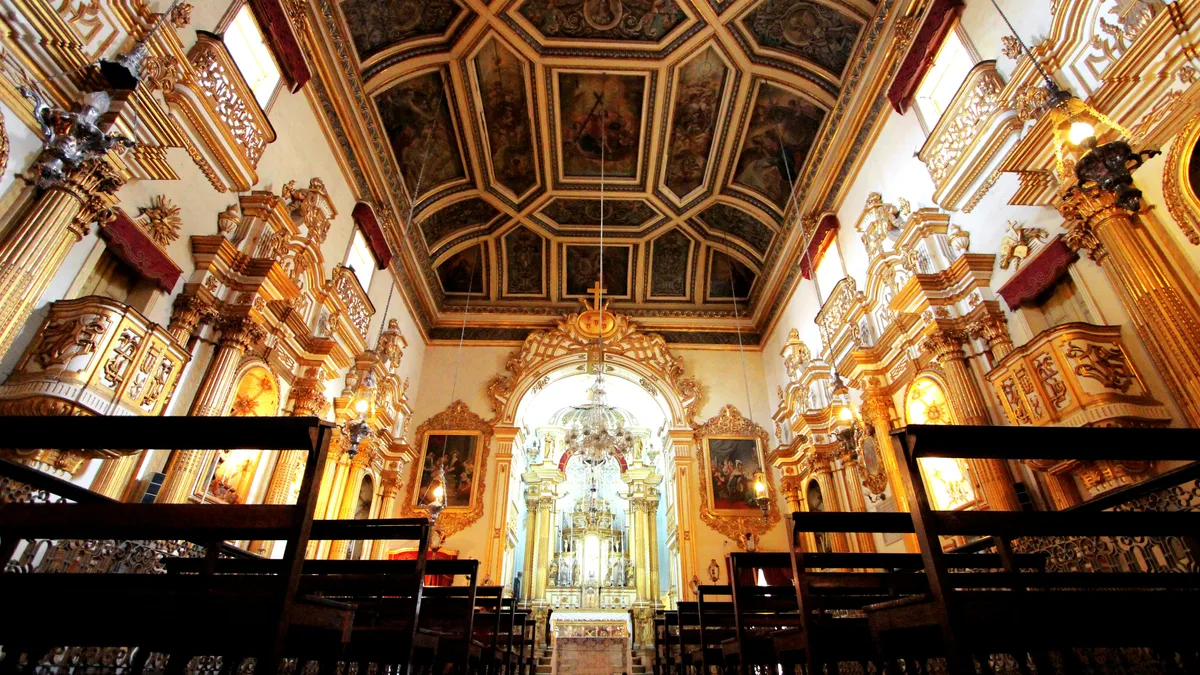
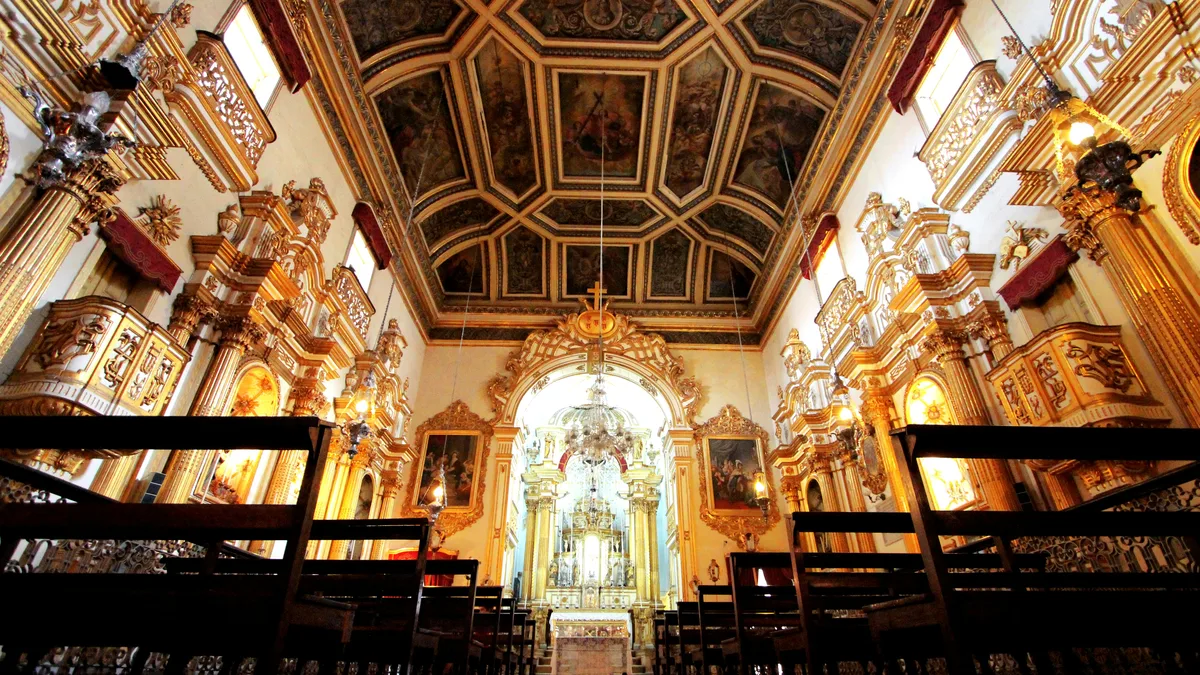
A private tour of the Igreja e Convento de São Francisco, famous for its gold-leafed Baroque interior and intricate azulejo tiles, with a licensed guide to explain the church's role in Brazil's colonial and cultural history.
Visitor guide
The Elevador Lacerda, or Lacerda Elevator, is a public urban elevator in Salvador, Bahia, Brazil, that connects the lower city, Cidade Baixa, with the upper city, Cidade Alta. The current structure is about 72 metres tall, and it is one of the best-known landmarks of the historic centre.
Salvador is built on two levels, separated by a steep escarpment. Portuguese Wikipedia explains that, before the elevator, goods and people relied on cranes and steep slopes to move between the port area and the upper city, a problem that grew as the city expanded. The elevator bridges the gap between Praca Cairu below and Praca Tome de Sousa above. The structure has two towers: one rises from the rock and pierces the Ladeira da Montanha, while the other, more visible tower connects to it and descends to the Cidade Baixa level.
The project was conceived by Antonio de Lacerda, who named it the Elevador Hidraulico da Conceicao. Portuguese Wikipedia describes it as a family effort involving his father, a property owner, and his brother, the engineer Augusto Frederico de Lacerda. Beyond linking the two levels, the plan aimed to ease transport toward the south, the direction of urban growth, by connecting the elevator with tram lines.
Works began on 17 October 1869. The article gives the opening as 8 December 1872 in one place and 1873 in others, so sources differ; the 8 December 1873 date is the one used for the anniversary. The article says it was the tallest elevator in the world at the time, at 63 metres, and calls it the world's first urban elevator, a superlative that is quoted from Wikipedia and not independently verified. The first elevator was nicknamed Parafuso, or Screw, and it was officially renamed Elevador Lacerda in honour of its designer, in 1896 according to some sources and 1894 according to the city government. In the early years passengers were weighed individually so that the load stayed within a safety limit.
The original hydraulic system worked until 1906, when the elevator was electrified. Portuguese Wikipedia lists five major reforms. In 1930 two more elevators and a new tower were added, giving the structure its Art Deco appearance, and the original two cabins became four. It reopened on 7 September 1930. A mechanical overhaul was completed in 1961, the concrete structure was revised in the early 1980s, and the electrical and electronic machinery was revised in 1997.
English-language sources describe four lifts of about 27 passengers each, while Portuguese Wikipedia says the current cabins carry 32. The ride takes about 30 seconds. In January 2019 a single-day record of 33,850 passengers was recorded, and the elevator carries well over 25,000 passengers on a typical day, so it remains a working piece of public transport. It is owned by the Salvador city government.
The elevator is listed by IPHAN, Brazil's national historic heritage institute. Sources disagree on the date, giving 7 December 2006 in one place and 2002 or 2011 elsewhere. The sambista Riachao referred to the elevator in his song Retrato da Bahia, and on 8 December 2018 Google marked the 145th anniversary of its opening with a doodle on its Brazilian homepage.
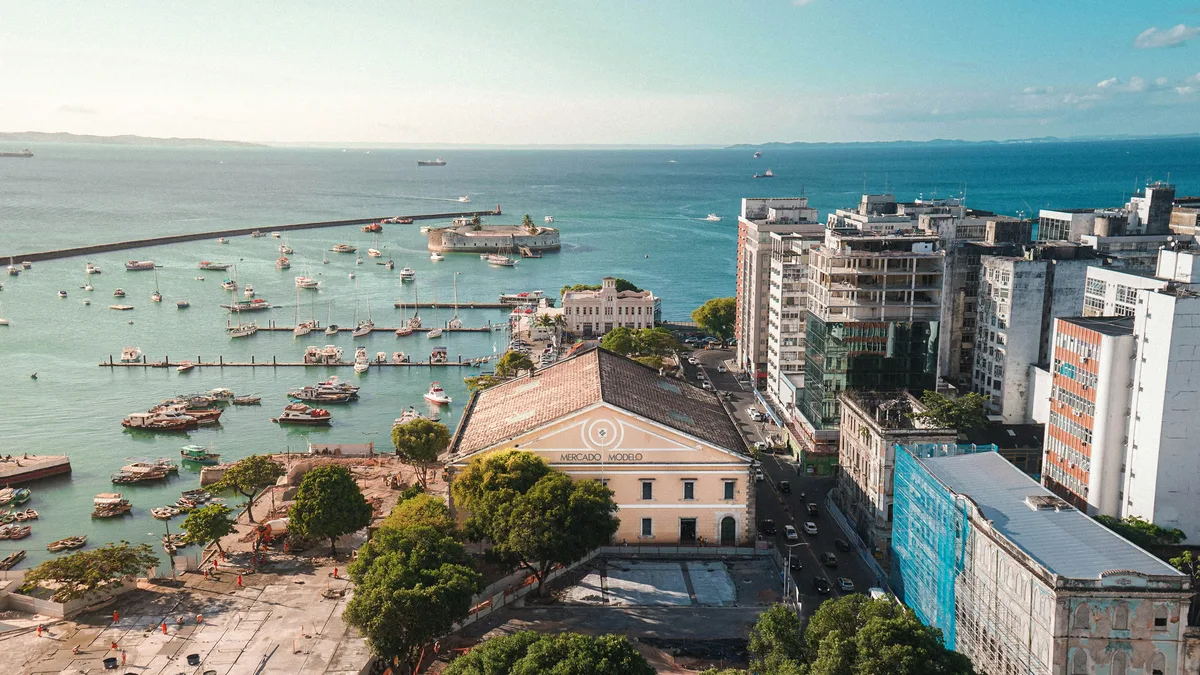
At the lower end is Praca Cairu, and the Mercado Modelo, a craft market facing the Bay of All Saints, stands beside it. At the upper end are the Praca Municipal and the colonial streets of the Pelourinho. The upper station offers views across the bay toward the Mercado Modelo and the Fort of Sao Marcelo. A private guide can include the elevator in a route that links the waterfront market and the historic centre, with a driver handling longer transfers.
See every tour and attraction we cover in Salvador.