TorontoOntario · 36 tours
 Niagara FallsOntario · 25 tours
 New York CityNew York · 30 tours
 Las VegasNevada · 8 tours
 San FranciscoCalifornia · 16 tours
 VancouverBritish Columbia · 17 tours
 DubaiUAE · 54 tours
 Abu DhabiUAE · 5 tours
 Buenos AiresArgentina · 23 tours
 AthensGreece · 31 tours
 AucklandNew Zealand · 38 tours
 CancunMexico · 54 tours
No destinations match “”. Try searching all tours instead — that search understands full questions, not just place names.
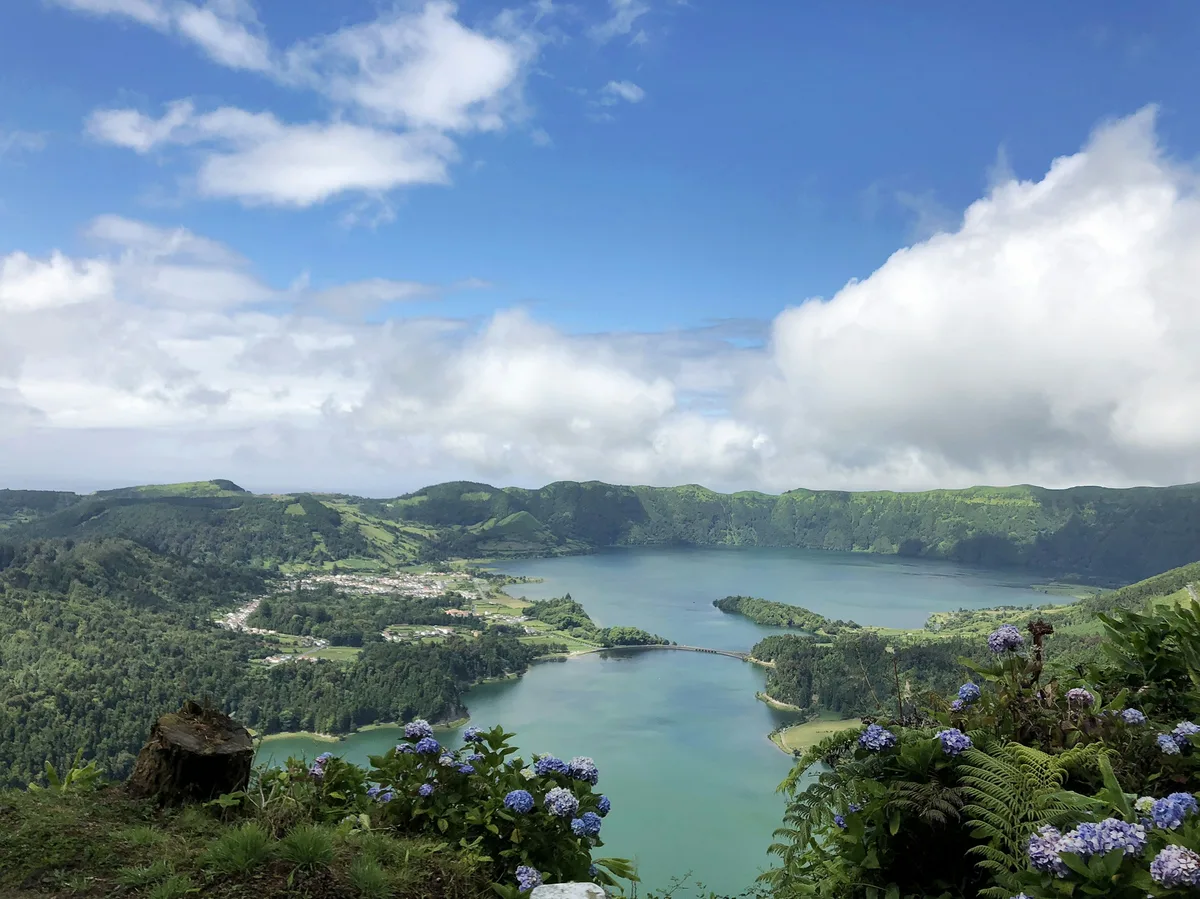
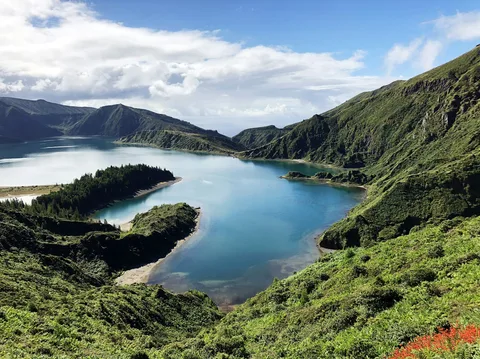
Twin volcanic crater lakes — one blue, one green — cradled inside a massive caldera on the western tip of São Miguel, famously viewed from the Vista do Rei viewpoint.
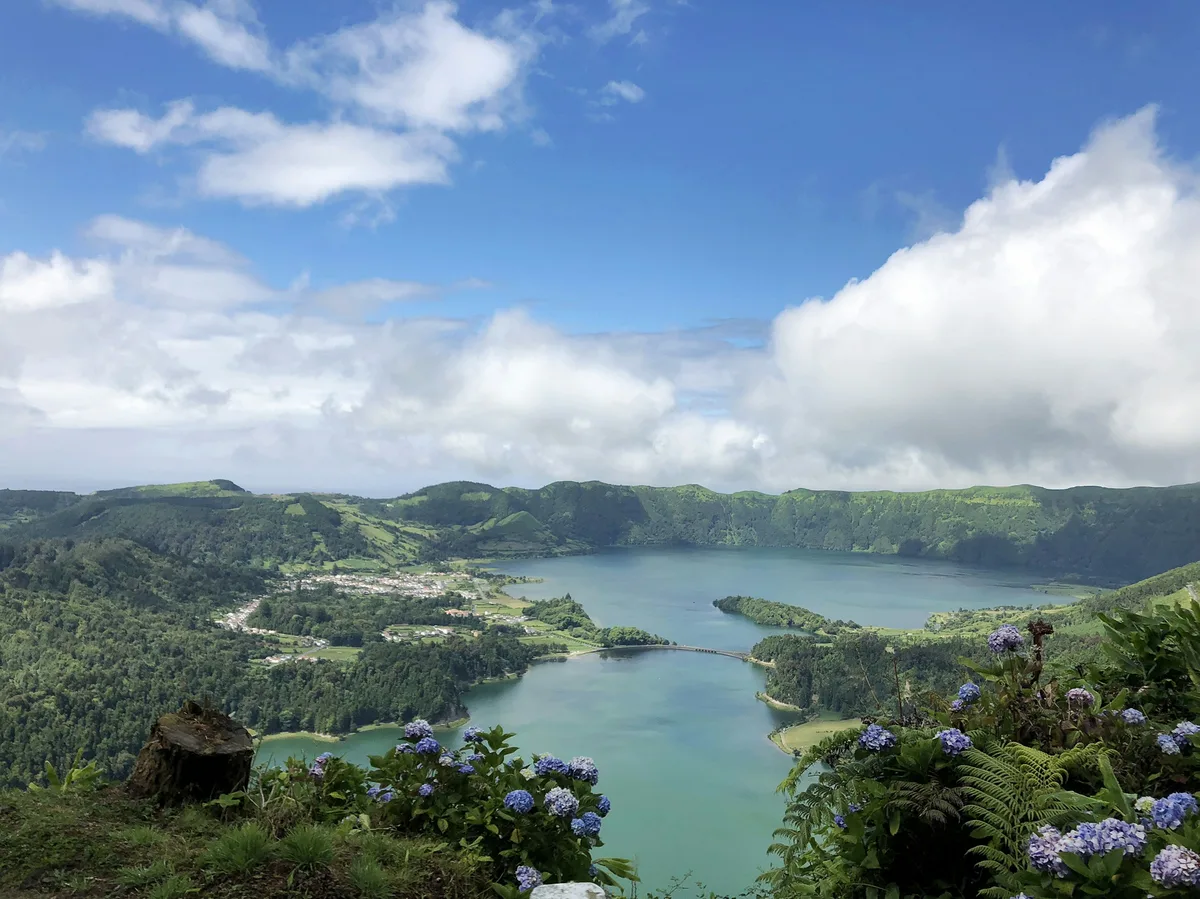 Multi-Day Tours Popular Pick
An 8-day journey across São Miguel, Faial and Pico islands — crater lakes, volcanic hikes, lava caves and whale-country waters — all with your own private guide and driver.
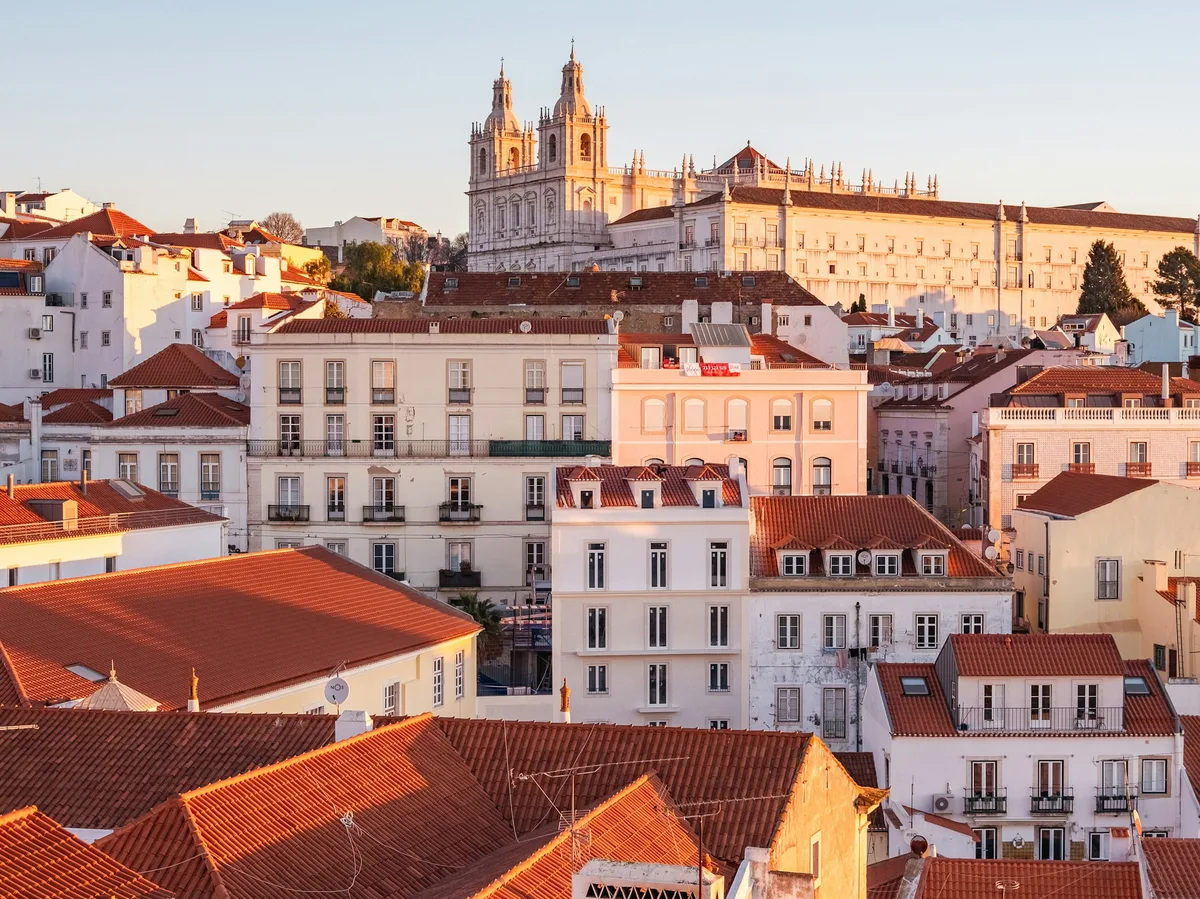 Multi-Day Tours
Four nights discovering Lisbon, Sintra and Cascais on mainland Portugal, then four nights exploring São Miguel in the Azores — with a private driver throughout instead of a rental car.
Visitor guide
The Sete Cidades Crater Lakes are a pair of lakes, the Lagoa Azul (Blue Lake) and Lagoa Verde (Green Lake), inside a large volcanic caldera on the western end of Sao Miguel Island in the Azores, Portugal. They sit next to the village of Sete Cidades and are among the island's most photographed landscapes.
The two lakes, together called the Lagoas das Sete Cidades, sit within the crater floor. Wikipedia explains the colours simply: the Blue Lake takes its colour from reflecting the sky, and the Green Lake from reflecting the surrounding ground and vegetation. The tuff cone of Lagoa do Santiago is also part of the setting. A well-known local legend, offered here as legend rather than history, says a princess and a young shepherd were forced to part, and their tears at farewell formed the two lakes, with the water taking the colour of their eyes.
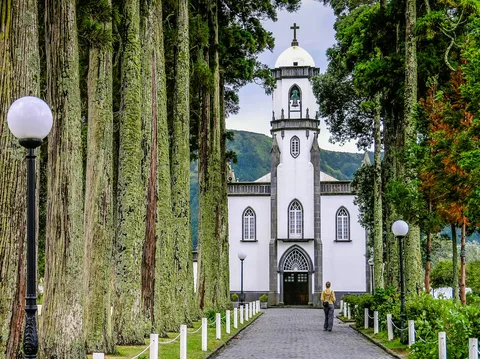
The village of Sete Cidades is the urban area of the parish and lies in the southwest of the crater, extending along the Blue Lake. Its population was 793 in the 2011 census, and the parish is part of the municipality of Ponta Delgada. Farmland, mostly pasture, surrounds the village. The crater is largely forested, with open parkland at its western end and some grassland in the southeast. A bridge at the junction of the two lakes carries the most direct road connection toward Ponta Delgada, and a 1.2-kilometre tunnel in the western crater carries water pipes and a footpath to the village of Mosteiros. The village church, dedicated to Saint Nicholas, is a Neo-Gothic building with a single nave and a central bell tower.
Wikipedia also records that the volcano's subaerial volume is about 70 cubic kilometres, growing at an estimated 0.02 to 0.03 cubic kilometres per century, which gives a sense of how recently the landscape was formed in geological terms. A photo caption on the page describes seven polygenetic cones formed over about 36,000 years of activity within the caldera. These details help explain why the crater floor holds not only the lakes but also cones, farmland and a small village in the same basin.
The caldera rim is the classic place to look down at both lakes, and viewing conditions on Sao Miguel can change quickly, so mist or cloud can hide the view for a time. A private driver can adjust the timing of a visit around the weather, and a guide can explain how the lakes, village and volcano fit together.
See every tour and attraction we cover in Azores.