TorontoOntario · 36 tours
 Niagara FallsOntario · 25 tours
 New York CityNew York · 30 tours
 Las VegasNevada · 8 tours
 San FranciscoCalifornia · 16 tours
 VancouverBritish Columbia · 17 tours
 DubaiUAE · 54 tours
 Abu DhabiUAE · 5 tours
 Buenos AiresArgentina · 23 tours
 AthensGreece · 31 tours
 AucklandNew Zealand · 38 tours
 CancunMexico · 54 tours
No destinations match “”. Try searching all tours instead — that search understands full questions, not just place names.
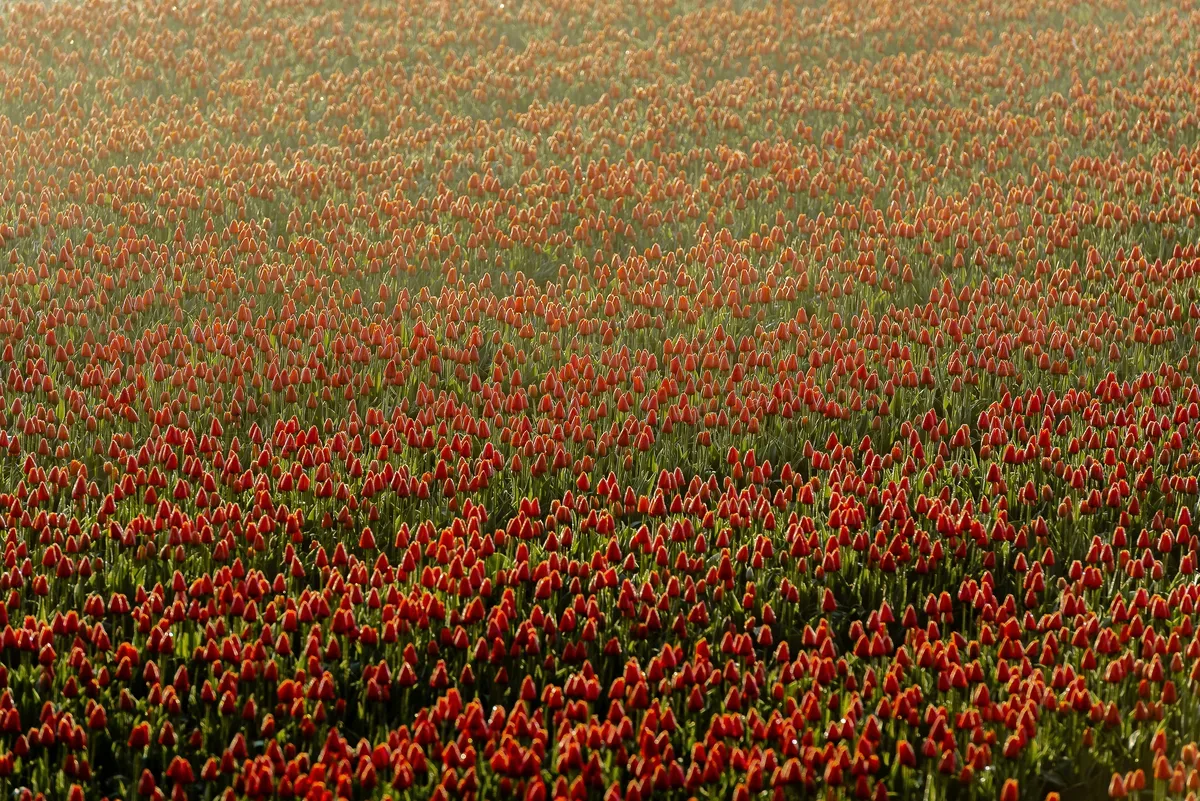
One of the world's largest flower gardens, with seven million tulips and other spring bulbs in bloom each year from mid-March to mid-May.
 Multi-Day Tours
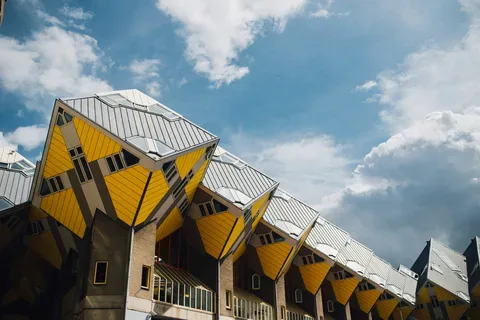
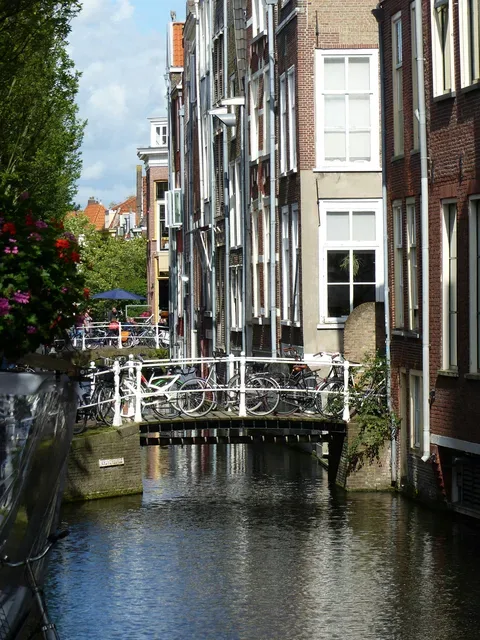
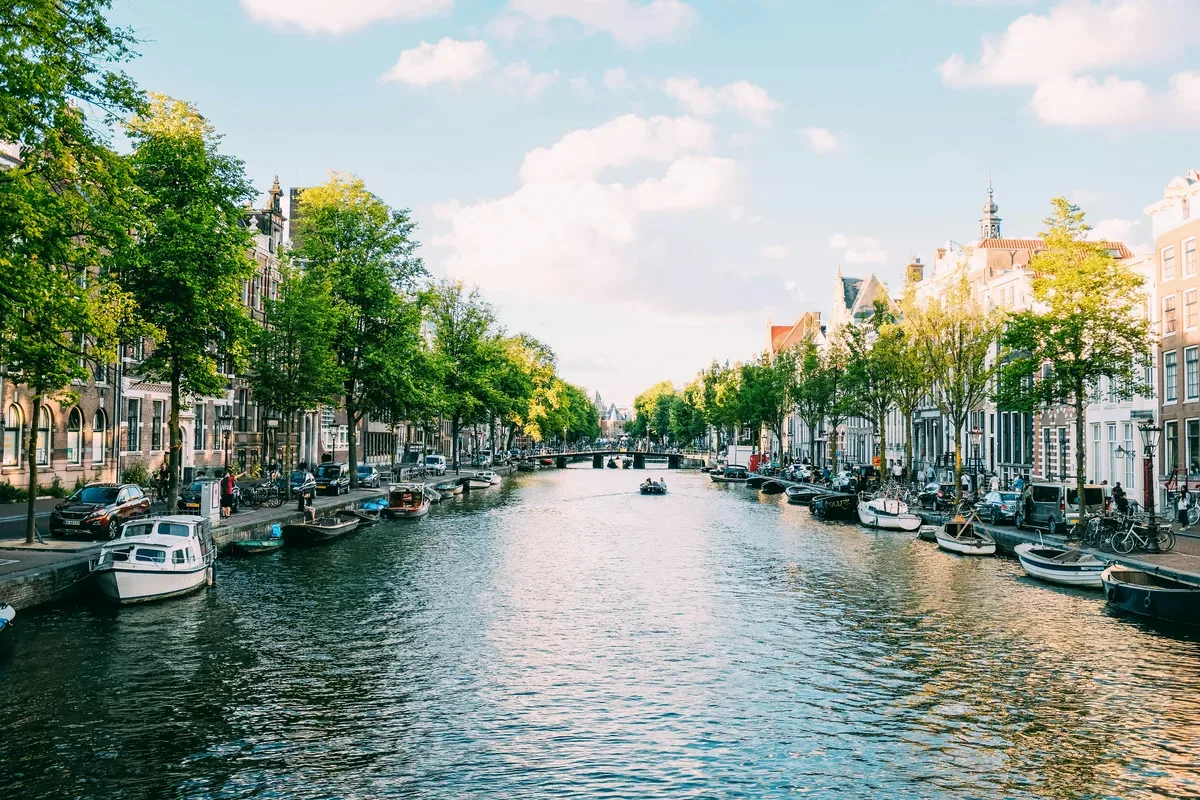
A 9-day luxury route through Amsterdam's canals and museums, the windmills and cheese markets of the Dutch countryside, Rotterdam's modern architecture, and The Hague's royal art collections, with fine dining throughout.
 Multi-Day Tours
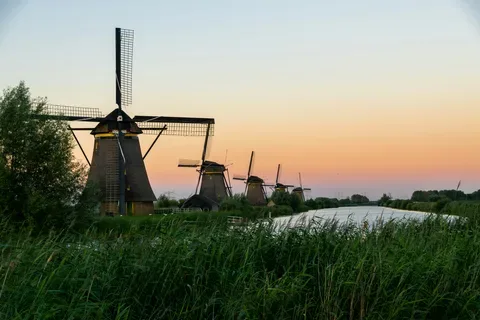
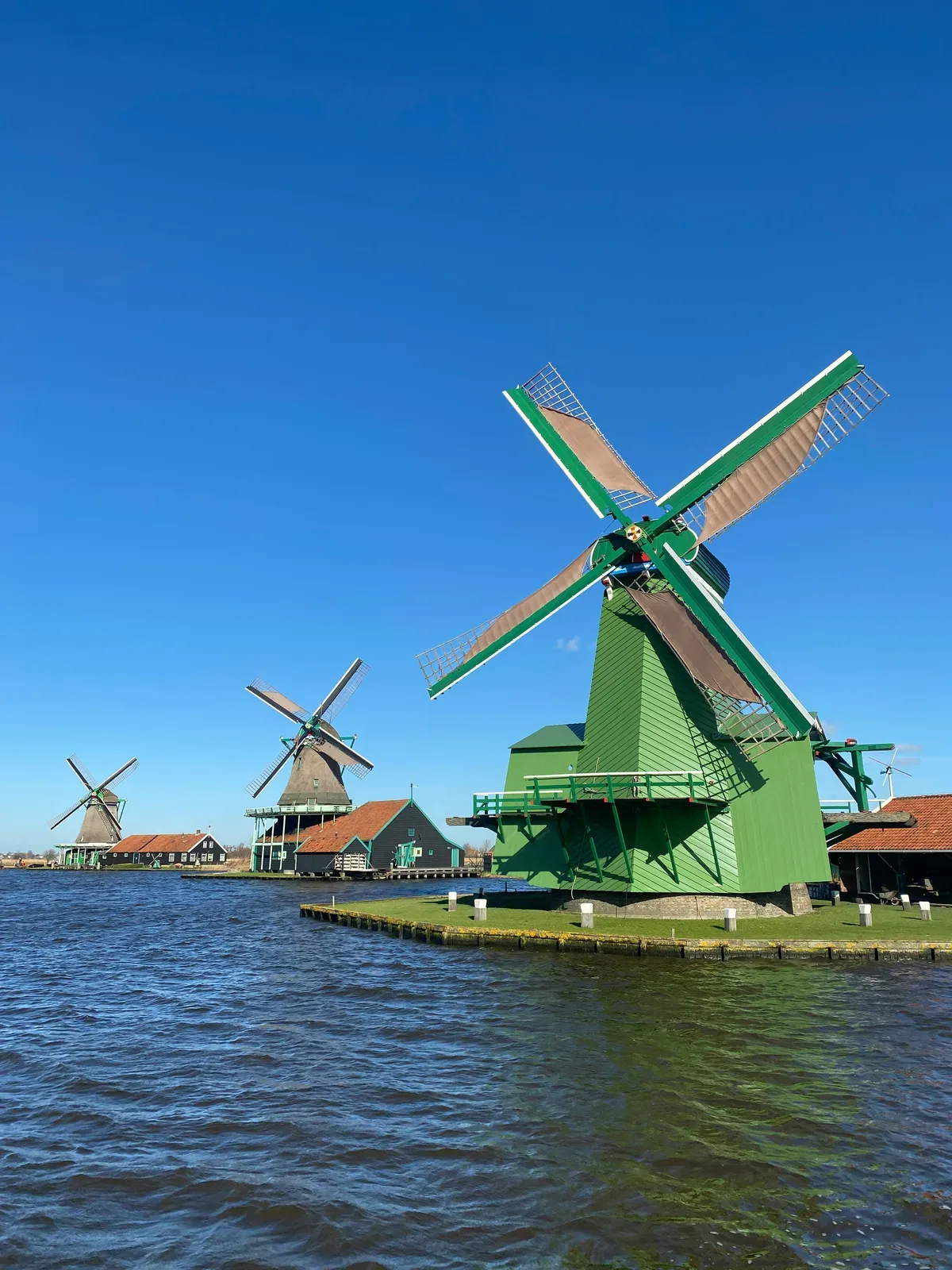
A 5-day route through North Holland's fishing villages, cheese markets, and windmills — Marken, Volendam, Edam, Hoorn, Medemblik, Den Helder, and Zaanse Schans — following the Markermeer and North Sea coast.
 Multi-Day Tours
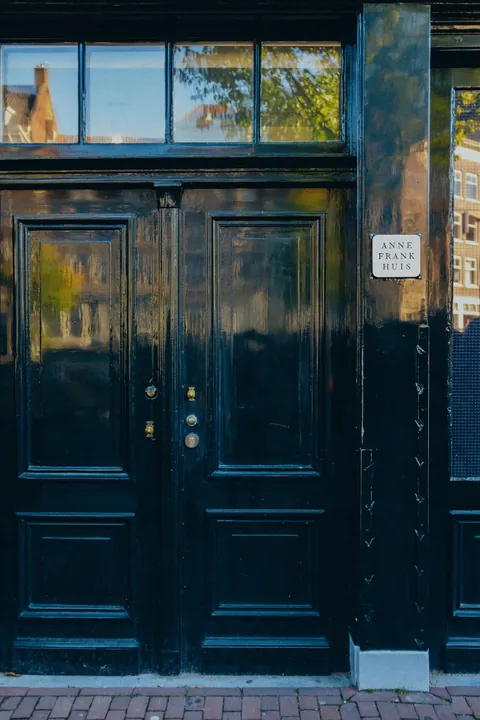
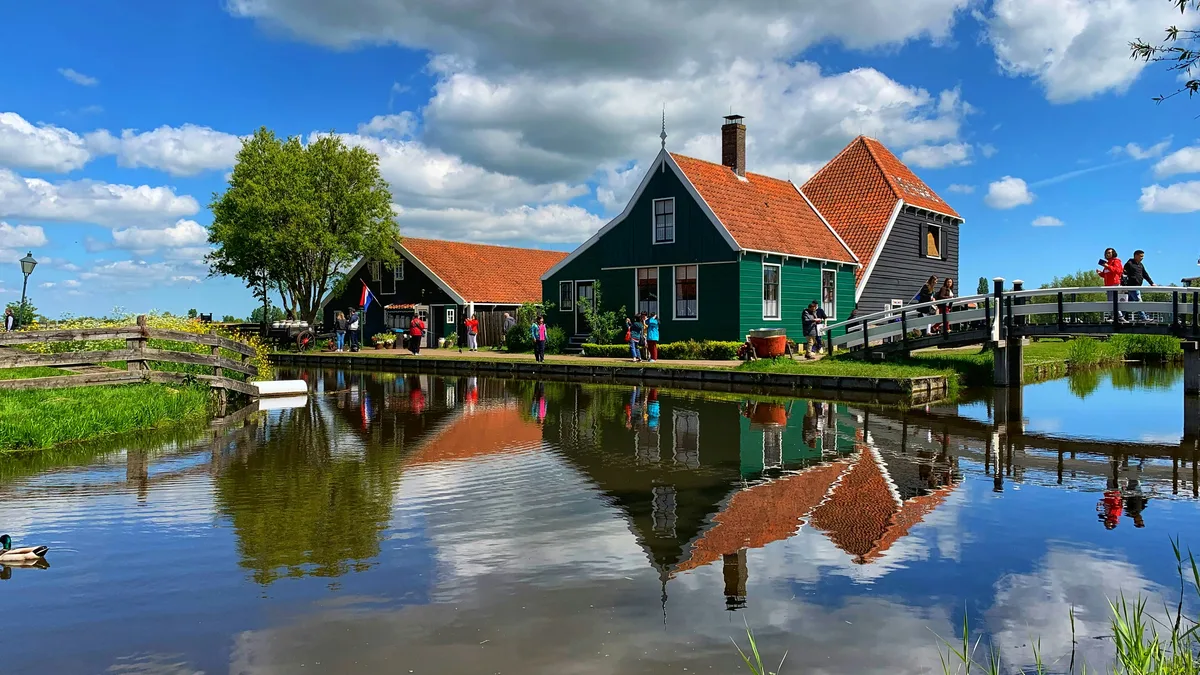
A 5-day trip through Amsterdam's Anne Frank House, Rijksmuseum, and canals, with day trips to Edam's cheese market, the windmills of Zaanse Schans, and either Keukenhof's tulip fields or historic Haarlem.
 Multi-Day Tours
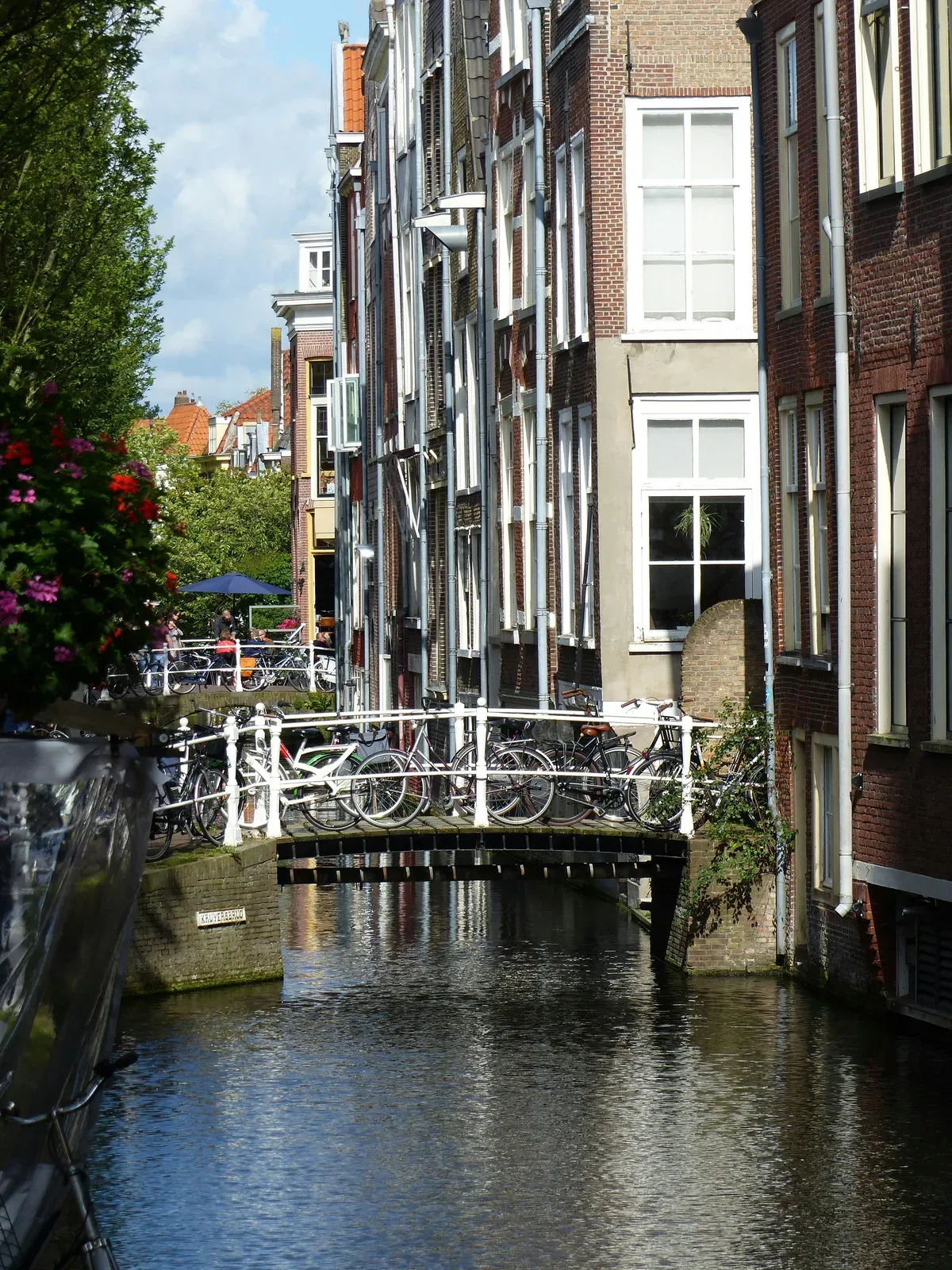
A relaxed 12-day tour based from just two hotels — Amsterdam and The Hague — covering the Rijksmuseum and Van Gogh Museum, Dutch countryside traditions, Delft's Delftware factory, and Rotterdam's architecture.
 Multi-Day Tours
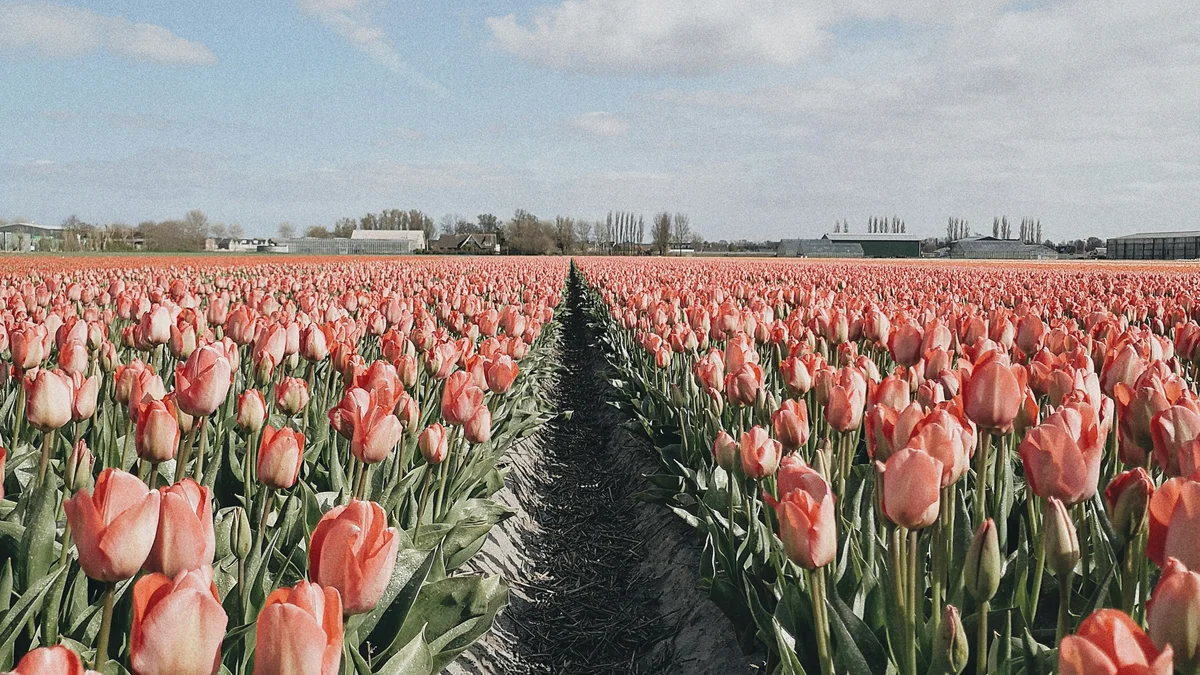
A 7-day springtime route through Amsterdam's flower auction and Floating Flower Market, the tulip fields of the Bollenstreek, Keukenhof Gardens, and Dutch cheese and windmill traditions, best from mid-March to early May.
Visitor guide
Keukenhof is a spring flower park in Lisse, South Holland, in the Netherlands' Dune and Bulb Region southwest of Amsterdam. Each year around seven million bulbs are planted across about 32 hectares, producing a public display of tulips, daffodils and hyacinths in spring.
According to Wikipedia, the site was part of the 15th-century hunting grounds of Slot Teylingen, a castle nearby, and served as the castle's kitchen garden, which is the origin of the name Keukenhof, meaning 'kitchen garden'. Countess Jacoba van Beieren, who lived from 1401 to 1436, is named as a notable beneficiary of the garden. In 1638 Adriaen Maertensz Block bought the estate, and in 1641 he built a manor house that he called Keukenhof.
In 1857 the landscape architects Jan David Zocher and Louis Paul Zocher, who also designed Amsterdam's Vondelpark, remodelled the grounds in the English landscape style. The park itself was founded in 1949 by bulb growers and flower exporters who wanted to showcase their products. It opened to the public in 1950 and drew more than 300,000 visitors that first year.
About 40 gardeners plant the bulbs from early October, usually finishing around 5 December. Roughly seven million bulbs are donated by more than 100 growers each year. Three bulbs are placed in each planting spot at different depths so that blooms continue for several weeks, with the shallowest flowering first. Besides tulips, the park features hyacinths, daffodils, lilies, roses, carnations and irises.
The park is arranged in several garden styles. There is an English landscape garden with winding paths, a walled historical garden of archival varieties, a Nature Garden that combines shrubs, perennials and bulbs, and a Japanese Country Garden. Four pavilions host rotating flower displays and exhibitions.
The public tulip display runs for about eight weeks, from mid-March to mid-May, with the peak viewing period generally around mid-April. Exact bloom timing depends on the weather in a given year, so it can shift earlier or later. Outside the main season the grounds host events such as the Castlefest festival and a Christmas fair, and the castle hosts classical concerts.
Wikipedia reports that a charitable foundation, Stichting Graaf Carel van Lynden, has owned Keukenhof and its castle since 1 January 2016, and that the park receives no government subsidies. Annual attendance was about 1.4 million in 2017 and 2018 and 1.5 million in 2019. The park closed in 2020 during the COVID-19 pandemic and recorded about 30,000 visitors in 2021. In 2019, around 20 percent of visitors were from the Netherlands, 15 percent from Germany and 10 percent from the United States.
Keukenhof lies in the heart of the bulb-growing region, where fields of colour are visible from the roads in season. A private tour with a driver can pair the park with the surrounding fields, Haarlem or Leiden, and allows the day to be timed around crowds.
See every tour and attraction we cover in Netherlands.