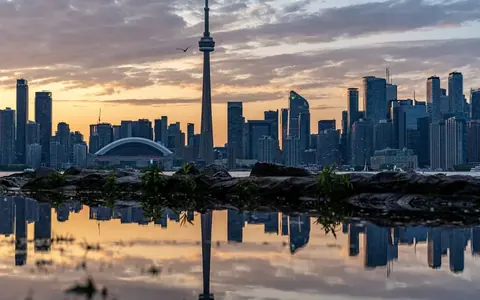
 TorontoOntario · 17 tours
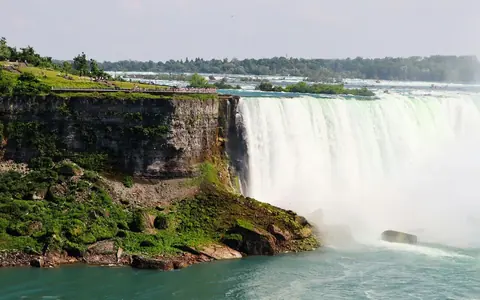 Niagara FallsOntario · 17 tours
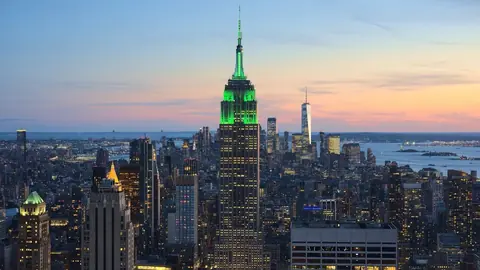 New York CityNew York · 8 tours
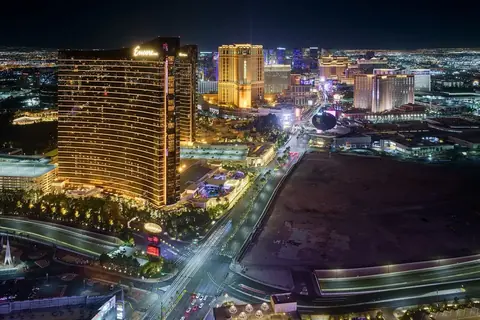 Las VegasNevada · 8 tours
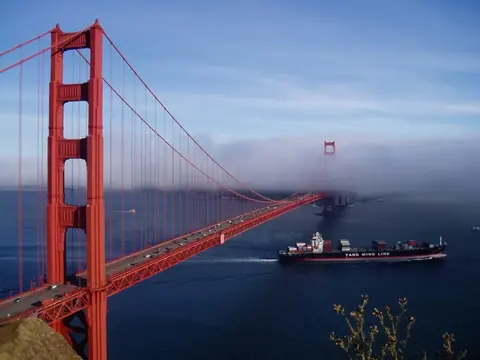 San FranciscoCalifornia · 16 tours
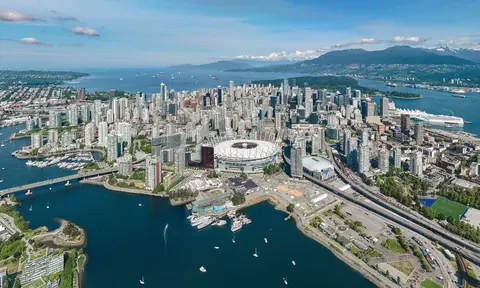 VancouverBritish Columbia · 17 tours
 DubaiUAE · 44 tours
 Abu DhabiUAE · 5 tours
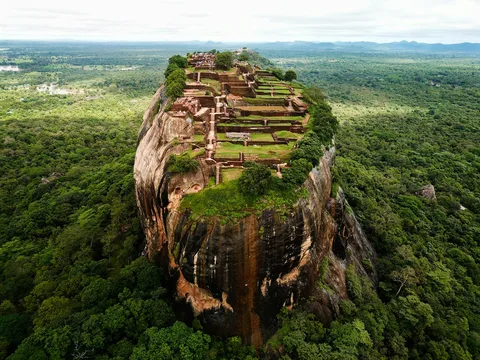 Sri LankaSri Lanka · 16 tours
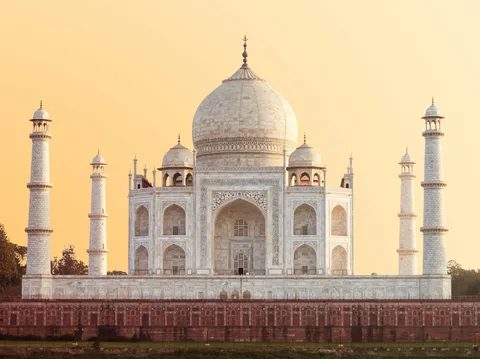 IndiaIndia · 13 tours
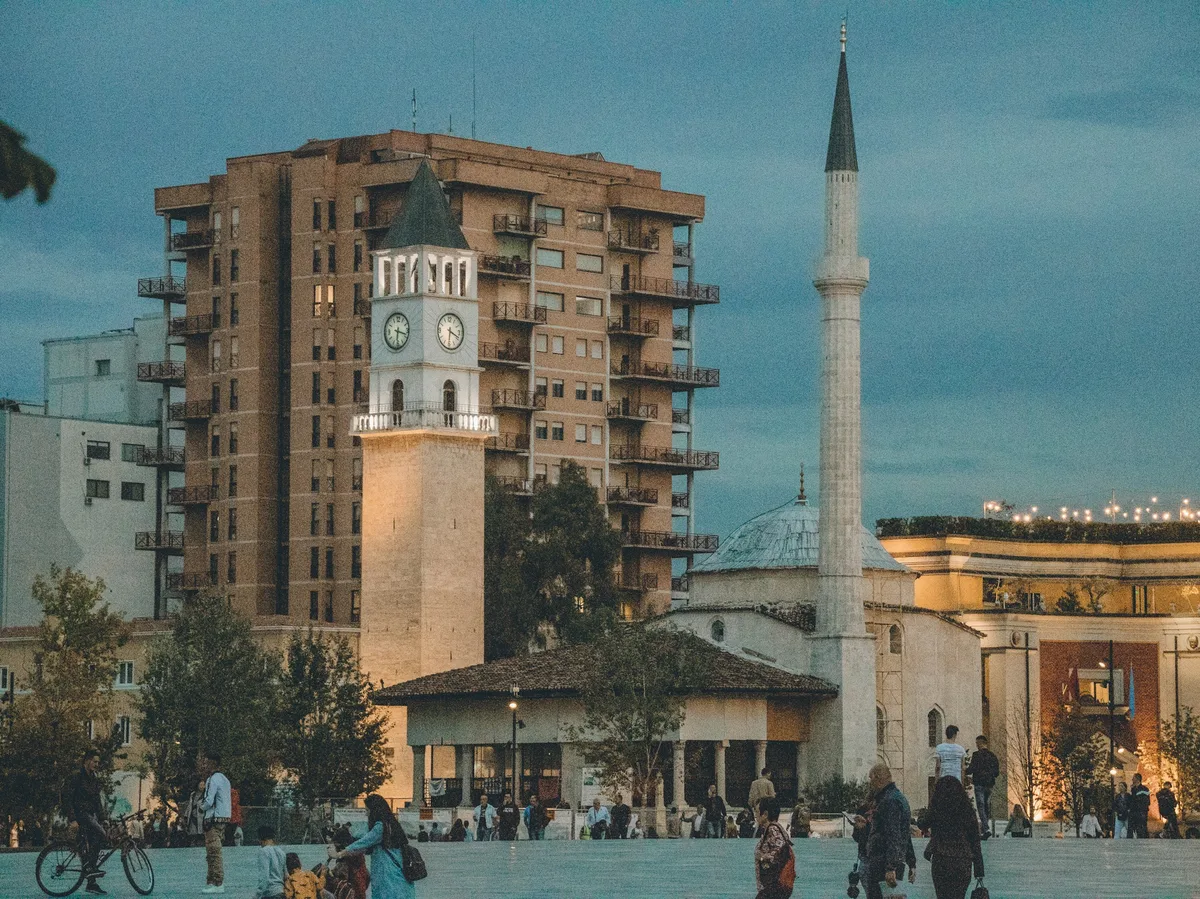
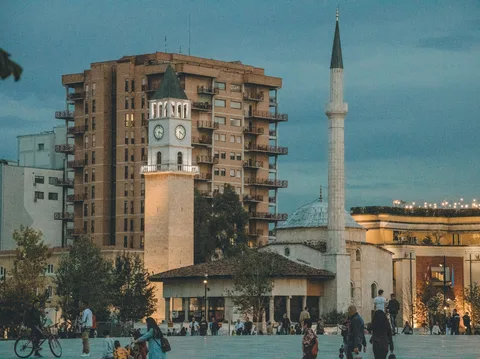 AlbaniaAlbania · 10 tours
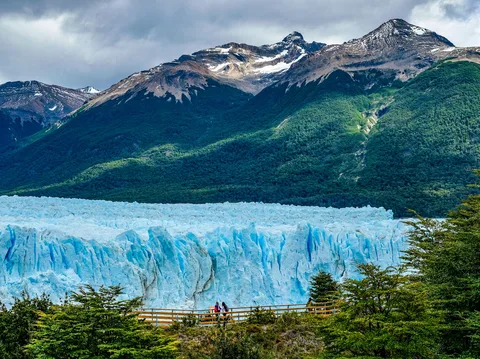 ArgentinaArgentina · 8 tours
No destinations match “”.
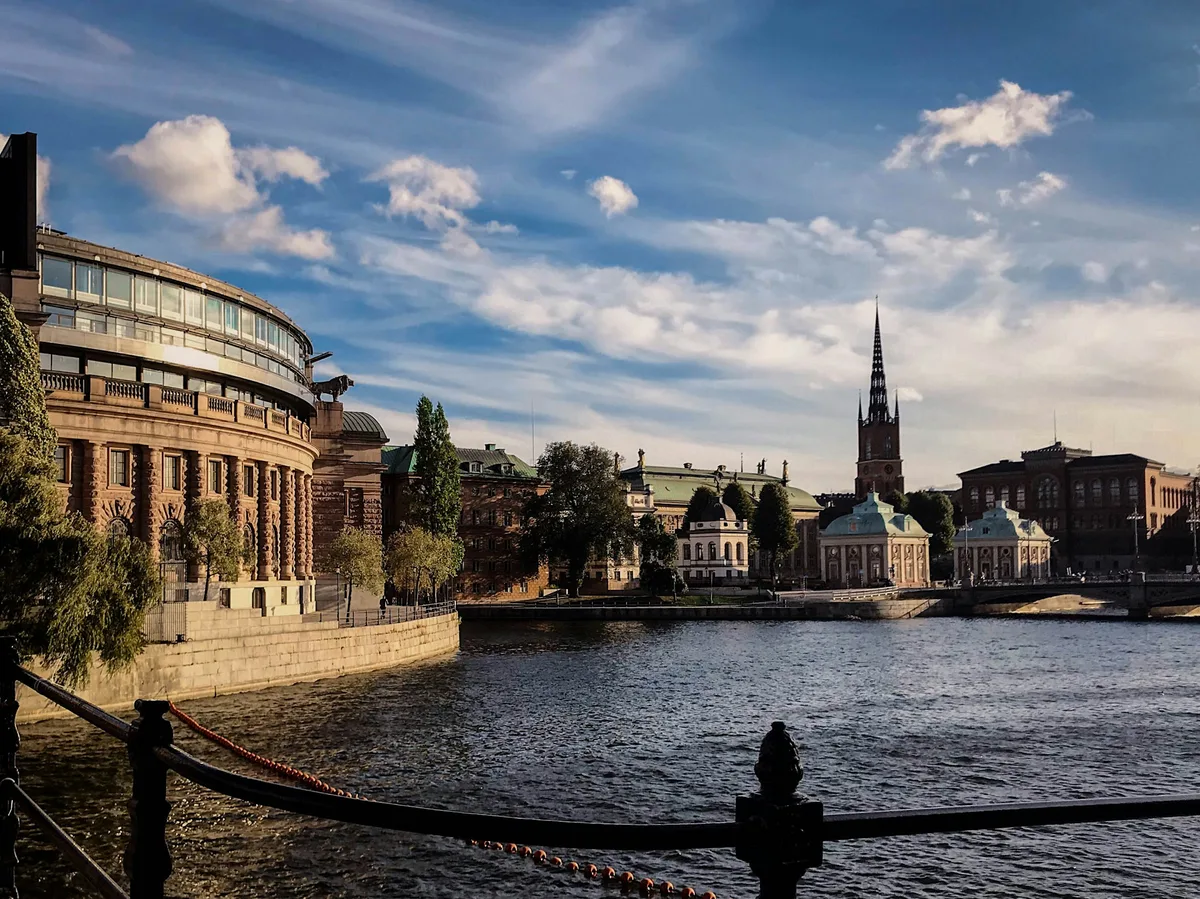
Voyzo runs 2 private tours across 1 destination in Sweden, covering 9 attractions — each with your own guide, driver, and vehicle, and an itinerary built around your group rather than a fixed bus schedule.
Sweden is the largest of the Scandinavian countries by both area and population, with about 10.5 million people concentrated mostly in its southern third. It's a constitutional monarchy and EU member that has kept its own currency, the krona, rather than adopting the euro, and it's known globally for design and manufacturing brands (IKEA, Volvo), the Nobel Prize, and an extensive social welfare state. Its northern reaches, in Swedish Lapland, sit within the Arctic Circle, giving the country a dramatic seasonal swing from near-endless summer daylight to the polar night and northern lights of winter.
Voyzo's Sweden tours start in Stockholm, the "14-island capital," then split in two directions — one south by ferry to the medieval island town of Visby on Gotland and on to the glass-making district of Kosta in Småland, the other north by air to Kiruna in Swedish Lapland for the Icehotel, dog sledding, and the northern lights.
Both routes run with a private vehicle and English-speaking guide throughout, arranging hotels, ferries or domestic flights, and activities for every day of the trip.
The real stops Voyzo's own itineraries are built around — tap any attraction to learn more.
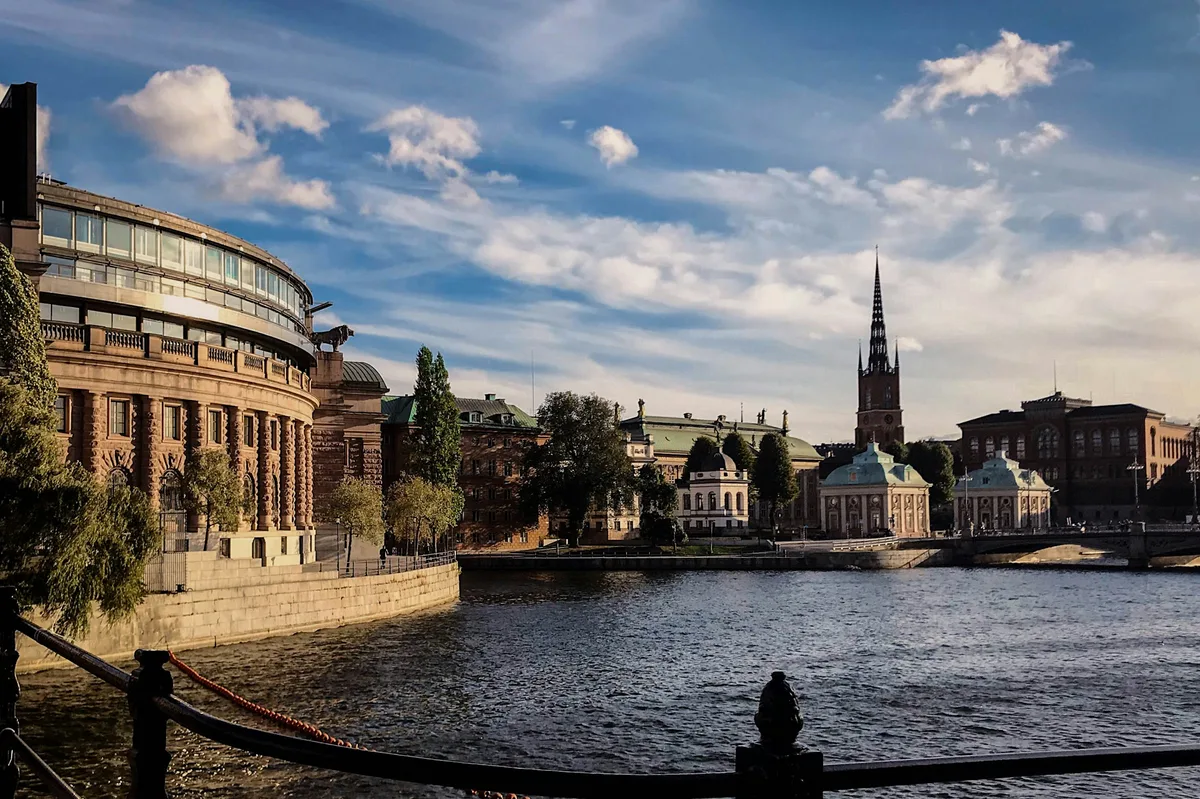 Gamla Stan
Sweden
Stockholm's medieval old town, its narrow cobbled streets, the Royal Palace, and the Stortorget square occupying its own small island at the city's center.
2
Gamla Stan
Sweden
Stockholm's medieval old town, its narrow cobbled streets, the Royal Palace, and the Stortorget square occupying its own small island at the city's center.
2
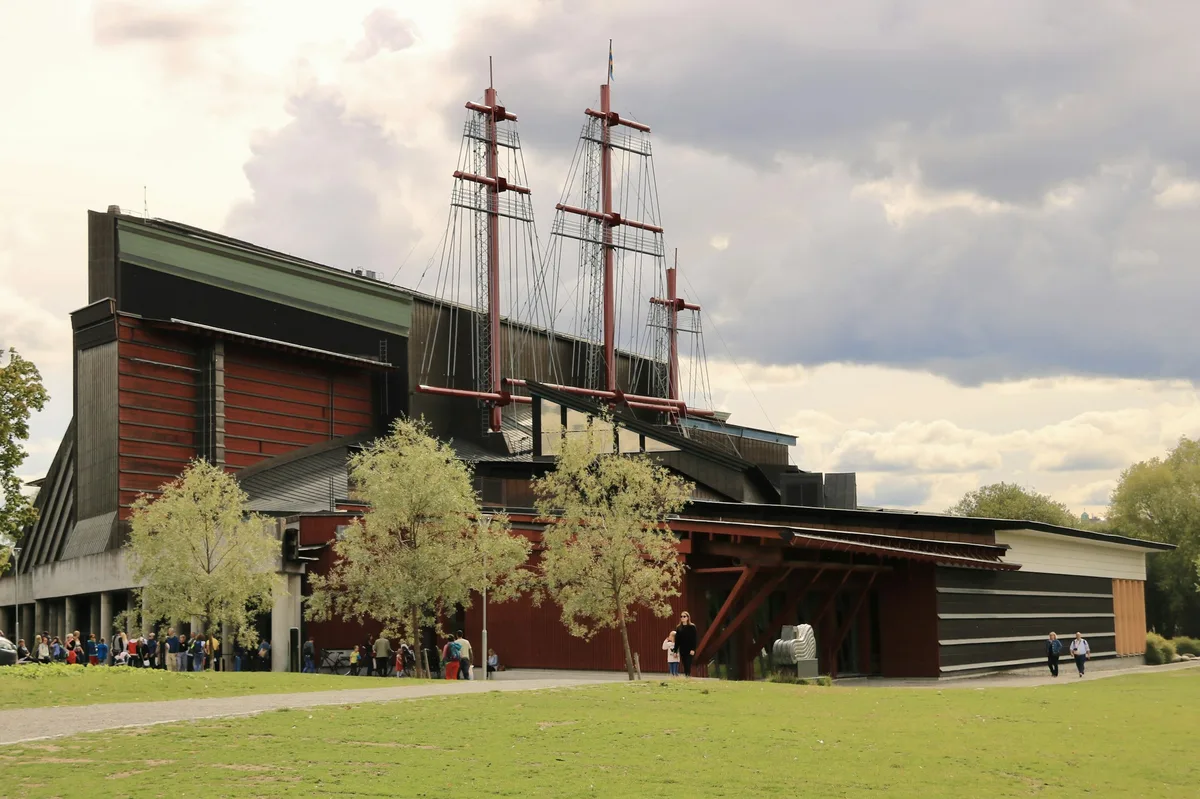 Vasa Museum
Sweden
A Stockholm museum built around the Vasa, a 17th-century royal warship that sank on her maiden voyage in 1628 and was raised almost fully intact more than 300 years later.
3
Vasa Museum
Sweden
A Stockholm museum built around the Vasa, a 17th-century royal warship that sank on her maiden voyage in 1628 and was raised almost fully intact more than 300 years later.
3
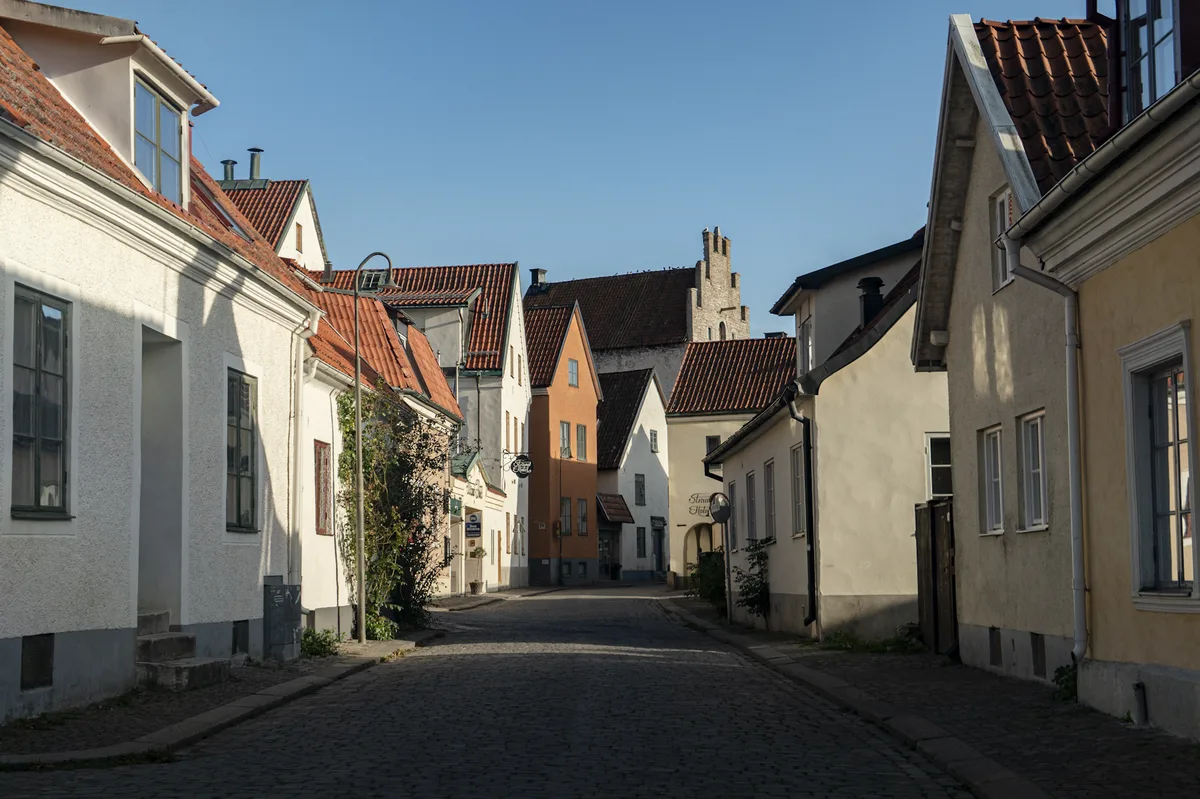 Visby
Sweden
Gotland's medieval walled town, a UNESCO World Heritage site of cobbled lanes, church ruins, and a nearly complete ring of 13th-century town walls.
4
Visby
Sweden
Gotland's medieval walled town, a UNESCO World Heritage site of cobbled lanes, church ruins, and a nearly complete ring of 13th-century town walls.
4
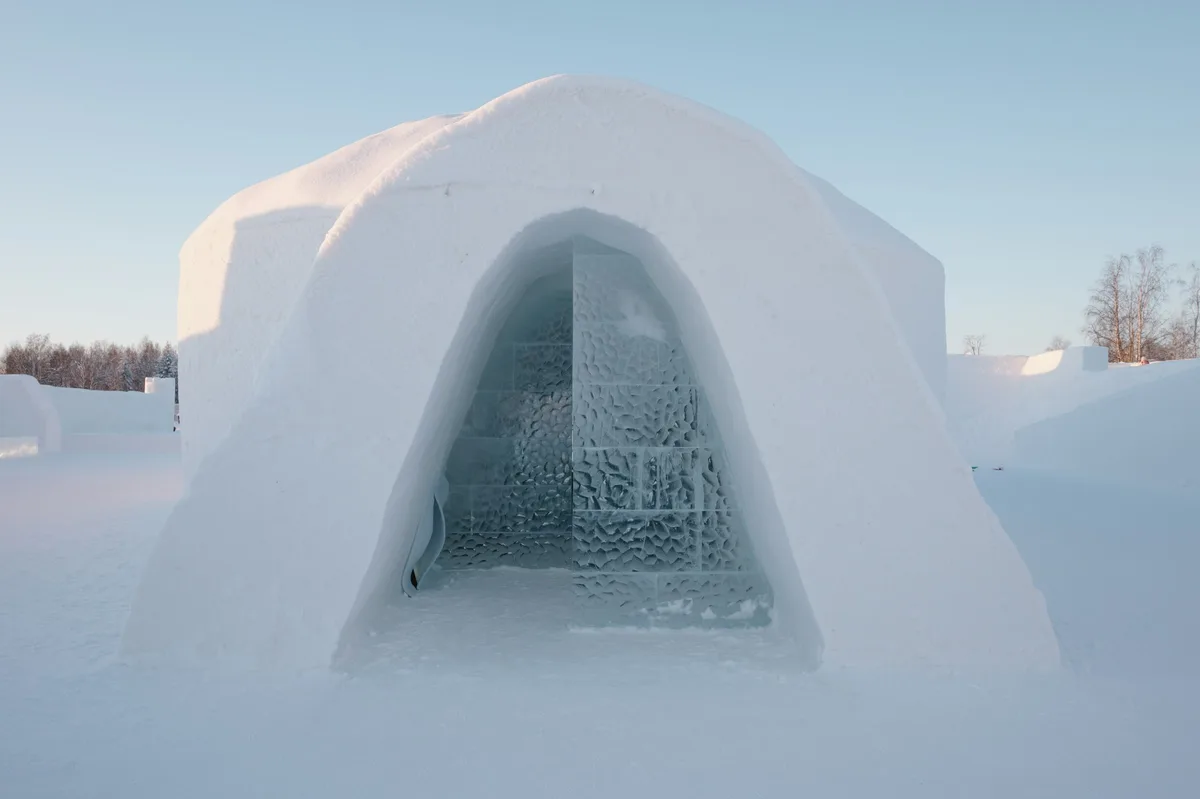 Icehotel
Sweden
A hotel near Kiruna rebuilt each winter from ice and snow harvested from the Torne River, with rooms carved by international ice artists.
5
Icehotel
Sweden
A hotel near Kiruna rebuilt each winter from ice and snow harvested from the Torne River, with rooms carved by international ice artists.
5
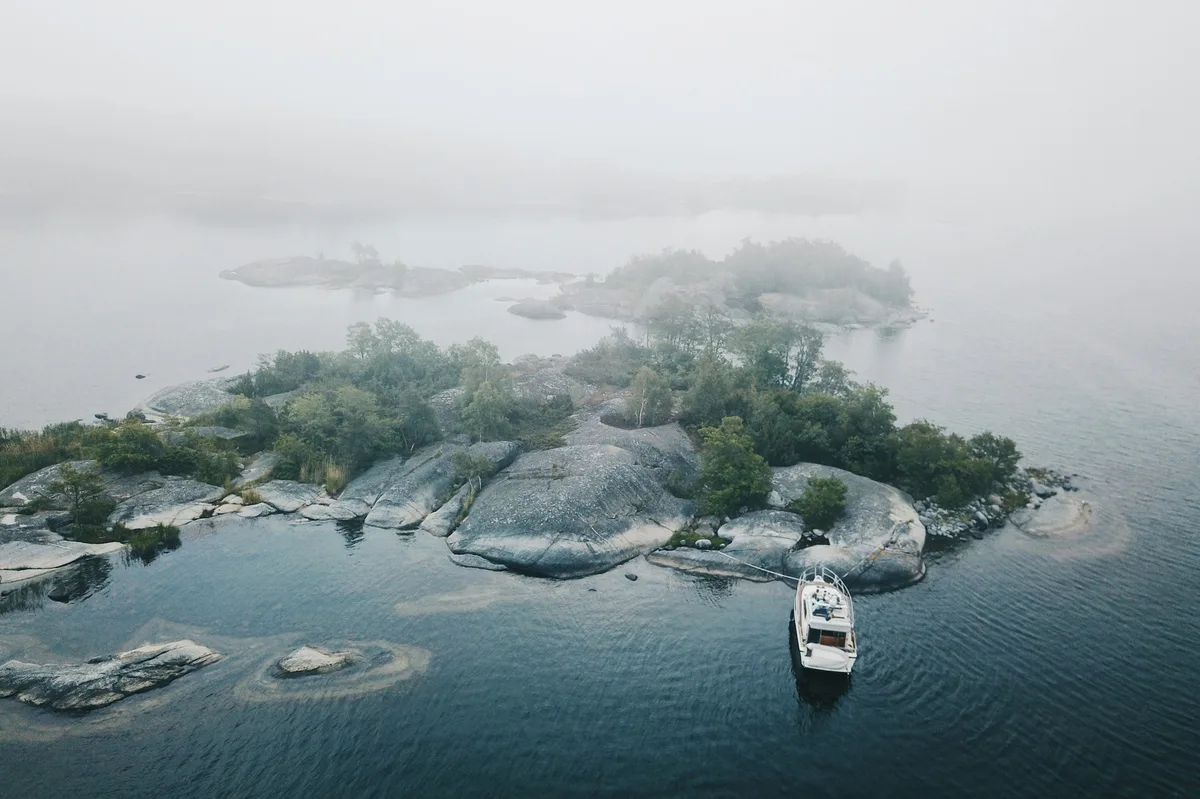 Stockholm Archipelago
Sweden
Tens of thousands of islands and skerries stretching east from Stockholm into the Baltic Sea, explored by kayak, ferry, or boat tour in the summer months.
6
Stockholm Archipelago
Sweden
Tens of thousands of islands and skerries stretching east from Stockholm into the Baltic Sea, explored by kayak, ferry, or boat tour in the summer months.
6
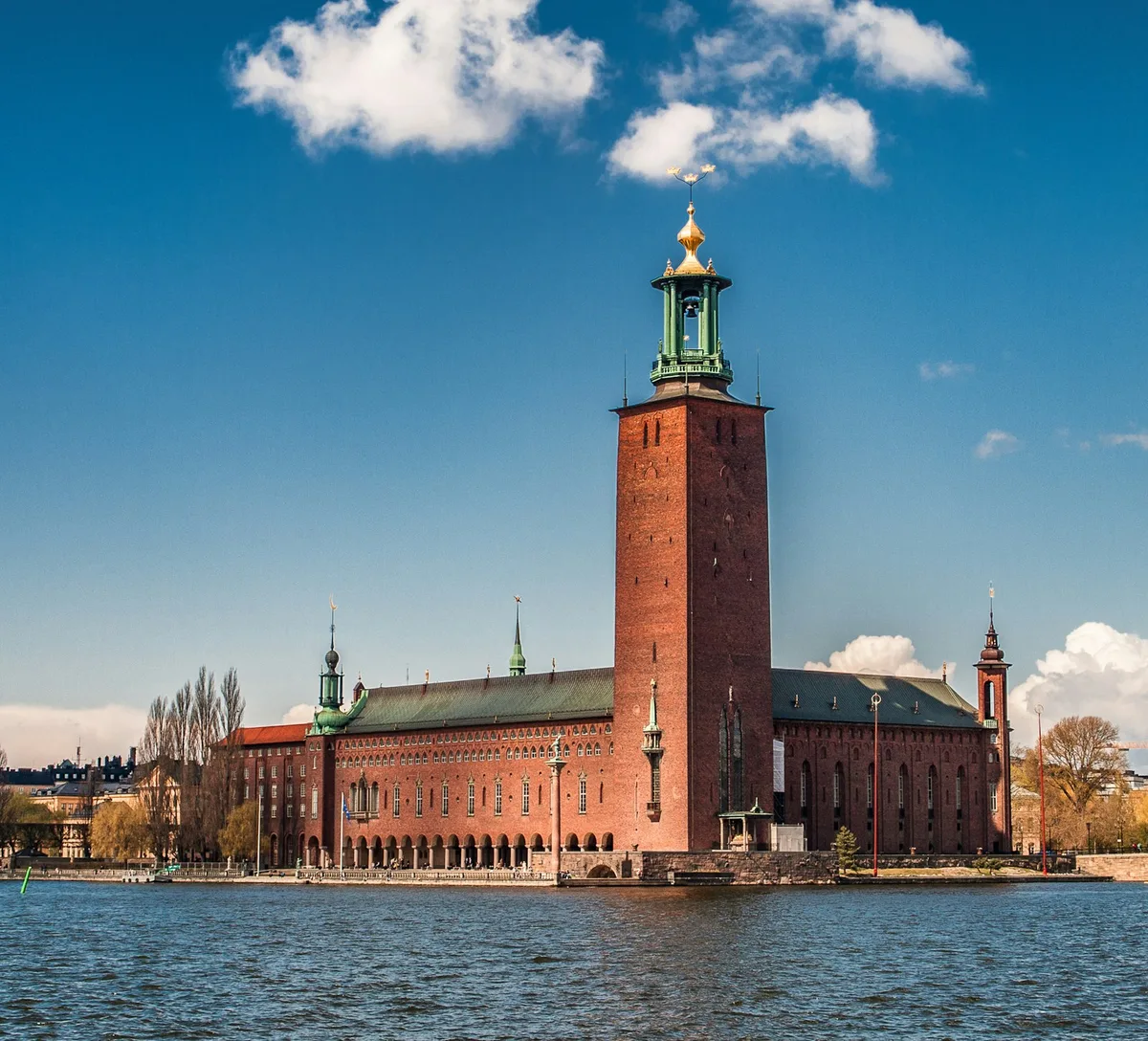 Stockholm City Hall
Sweden
The red-brick landmark on Kungsholmen where the Nobel Prize banquet is held every December, with a mosaic-lined Golden Hall and views from its 106-metre tower.
7
Stockholm City Hall
Sweden
The red-brick landmark on Kungsholmen where the Nobel Prize banquet is held every December, with a mosaic-lined Golden Hall and views from its 106-metre tower.
7
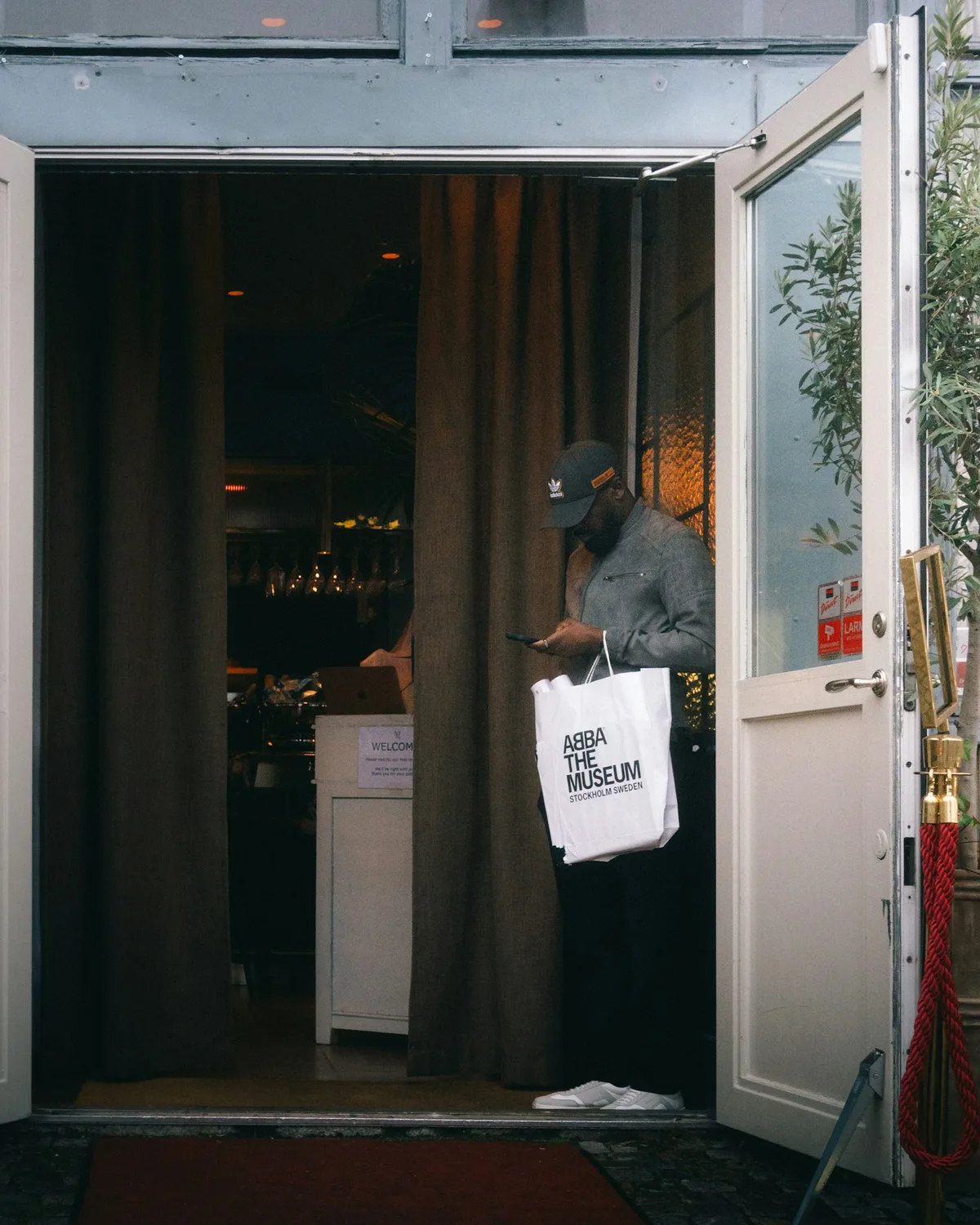 ABBA The Museum
Sweden
An interactive museum on Djurgården built around the pop group's stage costumes, gold records, and a recreated studio, run in partnership with the band itself.
8
ABBA The Museum
Sweden
An interactive museum on Djurgården built around the pop group's stage costumes, gold records, and a recreated studio, run in partnership with the band itself.
8
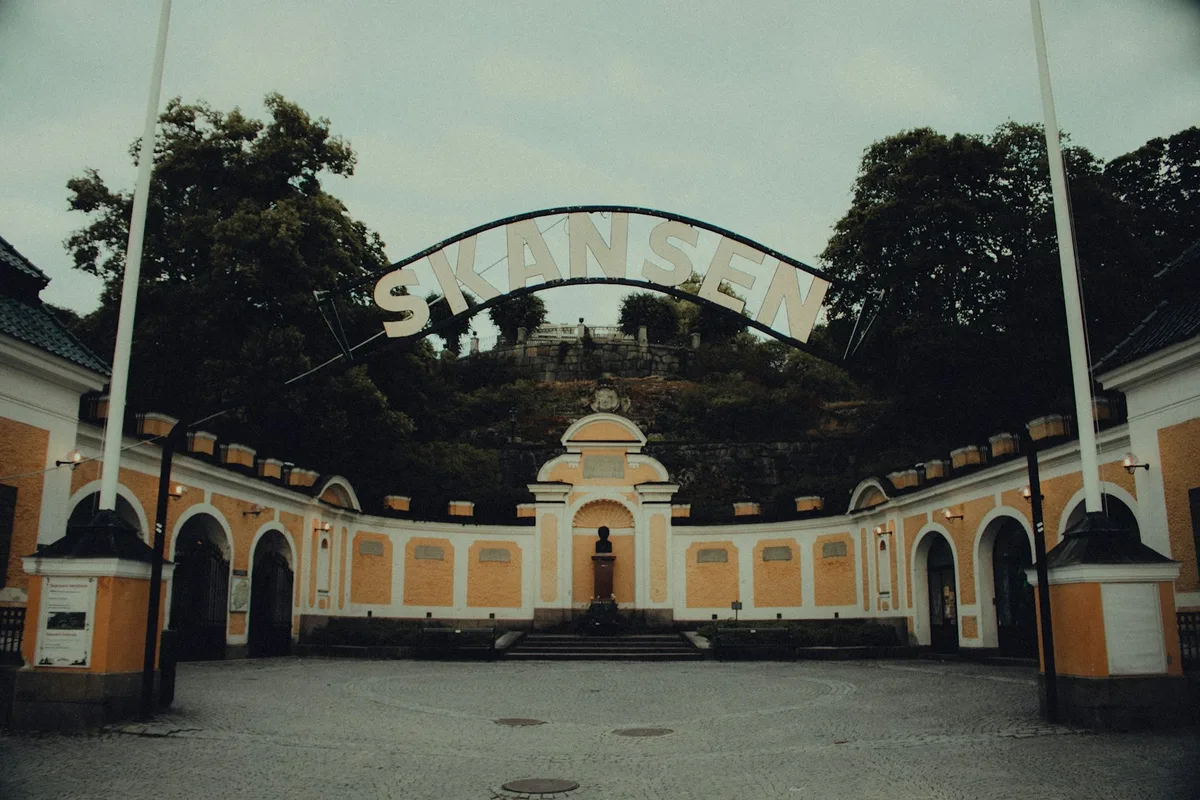 Skansen Open-Air Museum
Sweden
The world's oldest open-air museum, with historic buildings relocated from across Sweden and a Nordic wildlife park, spread across a hillside on Djurgården.
9
Skansen Open-Air Museum
Sweden
The world's oldest open-air museum, with historic buildings relocated from across Sweden and a Nordic wildlife park, spread across a hillside on Djurgården.
9
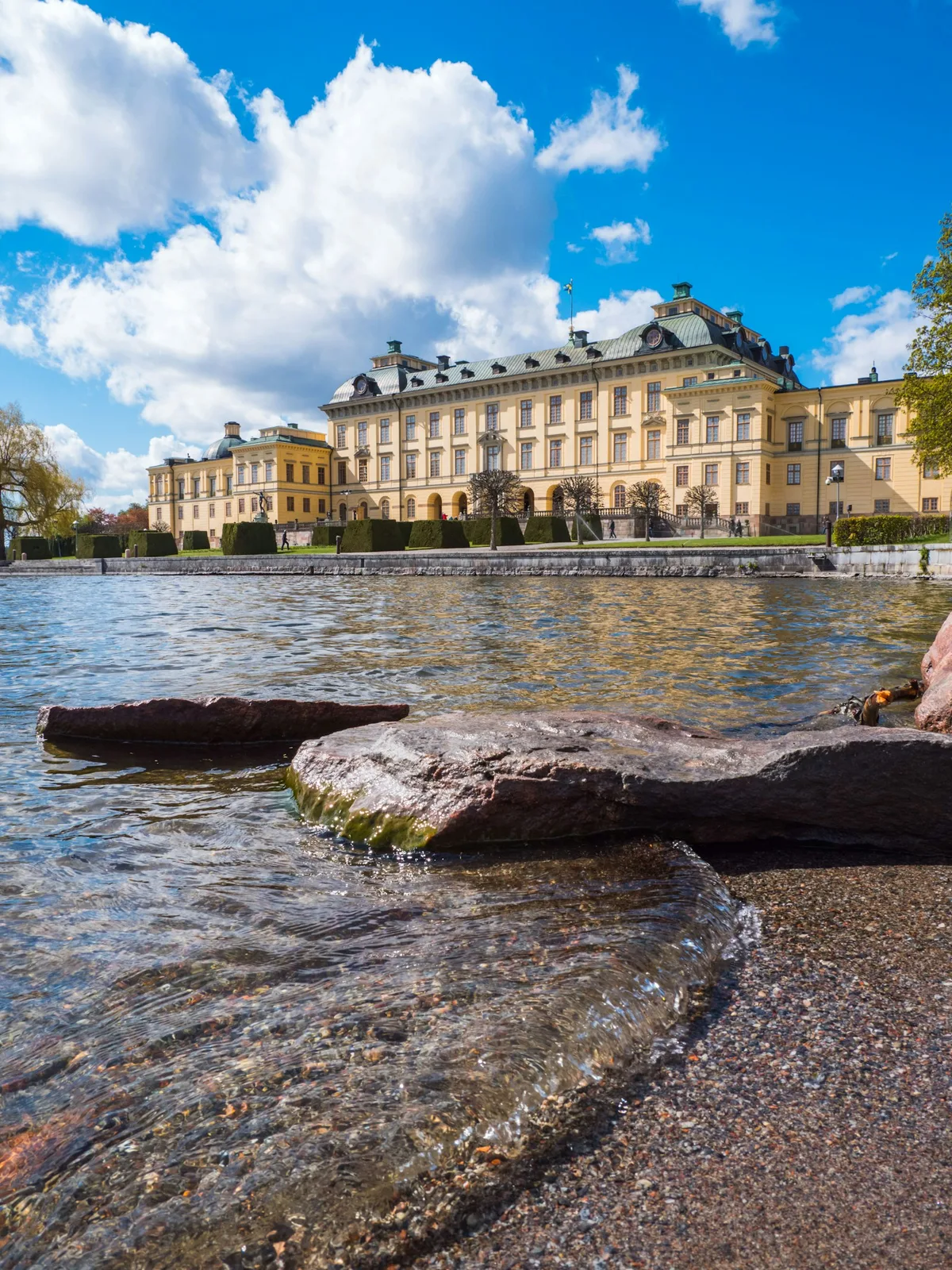 Drottningholm Palace
Sweden
A UNESCO-listed royal residence on Lake Mälaren, still the private home of the Swedish royal family, with formal gardens and a well-preserved 18th-century court theatre.
Multi-Day Tours
Drottningholm Palace
Sweden
A UNESCO-listed royal residence on Lake Mälaren, still the private home of the Swedish royal family, with formal gardens and a well-preserved 18th-century court theatre.
Multi-Day Tours
A 10-day Swedish summer route from Stockholm's archipelago and the Vasa Museum to the medieval island town of Visby on Gotland, and the glass-making district of Kosta in Småland.
 Multi-Day Tours
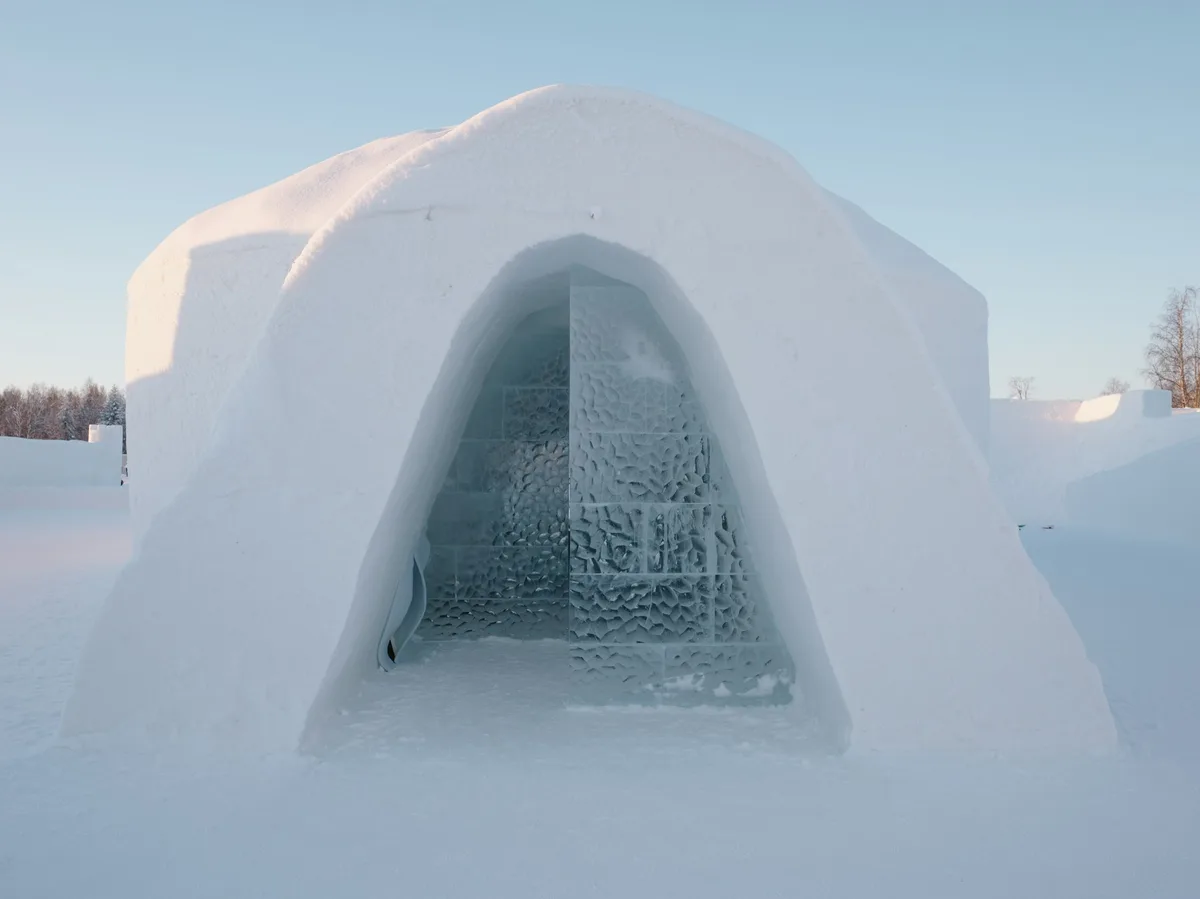
A 7-day Sweden trip pairing Stockholm's 14-island capital with an Arctic stay in Kiruna — the Icehotel, snowmobiling, husky dog sledding, and northern lights viewing in Swedish Lapland.
June through August brings Sweden's warmest weather and near-endless daylight in Stockholm, while a Lapland trip for the northern lights and Icehotel is best from December through March, when skies are dark enough to see the aurora.
Stockholm's islands are connected by an easy public transit system and ferries; reaching Gotland (Visby) requires a ferry crossing, and Lapland (Kiruna) is reached by a short domestic flight from Stockholm.
Summer in Stockholm is mild (18-22°C/64-72°F), while Kiruna in winter regularly drops below -15°C (5°F) — proper thermal layers are essential for dog sledding or snowmobiling, not just a warm coat.
Sweden uses the krona (SEK), not the euro, and is almost entirely cashless — cards and phone payments are accepted nearly everywhere, so carrying cash is rarely necessary; tipping 10% is appreciated but not expected.
Seeing the aurora in Kiruna depends on clear skies and solar activity, so even in peak season sightings aren't guaranteed on any single night — a multi-night stay improves the odds.
"Fika" — a coffee-and-pastry break, usually cinnamon buns — is a genuine daily ritual in Sweden, not just a tourist activity, and most cafes are built around it.
Tell us your group size and dates — we'll take care of the rest.