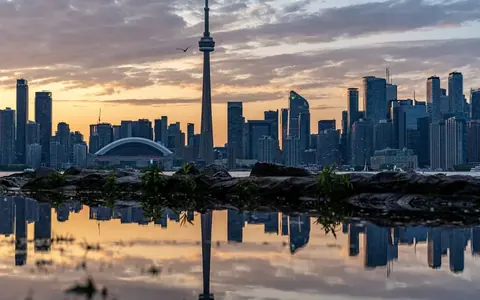
 TorontoOntario · 17 tours
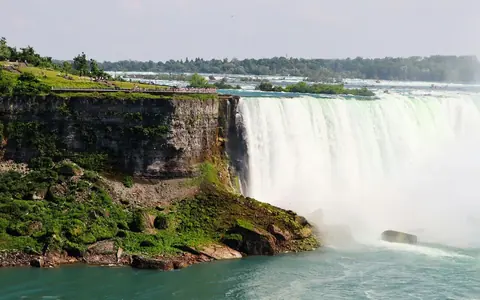 Niagara FallsOntario · 17 tours
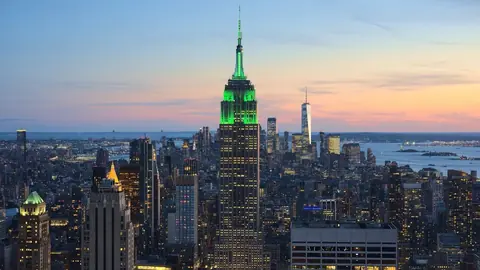 New York CityNew York · 8 tours
 Las VegasNevada · 8 tours
 San FranciscoCalifornia · 16 tours
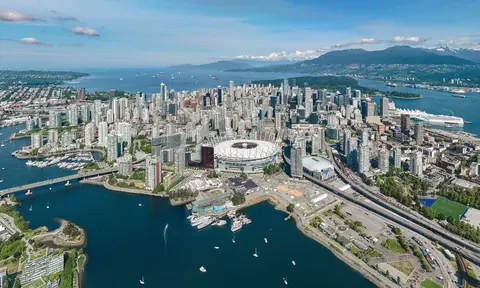 VancouverBritish Columbia · 17 tours
 DubaiUAE · 44 tours
 Abu DhabiUAE · 5 tours
 Sri LankaSri Lanka · 16 tours
 IndiaIndia · 13 tours
 AlbaniaAlbania · 10 tours
 ArgentinaArgentina · 8 tours
No destinations match “”.
Voyzo runs 5 private tours across 1 destination in Philippines, covering 8 attractions — each with your own guide, driver, and vehicle, and an itinerary built around your group rather than a fixed bus schedule.
The Philippines is a Southeast Asian archipelago of roughly 7,000 islands and around 115 million people, making it one of the largest English-speaking nations in the world — a legacy of nearly half a century as a US territory, following over 300 years as a Spanish colony before that (independence came in 1946). Filipino and English are both official languages, the currency is the Philippine peso, and the country's geography — thousands of islands scattered across three main groups, Luzon, Visayas, and Mindanao — shapes almost everything about how you travel it.
Voyzo's routes take in Manila's walled Spanish-colonial Intramuros on Luzon, Palawan's limestone-cliff lagoons at El Nido and karst-lake islands of Coron (plus Puerto Princesa's UNESCO-listed Underground River), and Siargao's surf breaks around Cloud 9 — three genuinely different island experiences reached by their own flight or ferry rather than a single road trip.
Because moving between island groups requires a domestic flight or ferry crossing no matter how the trip is planned, Voyzo pairs those inter-island legs with a private driver and vehicle for every day of ground transport within each stop, and hotels or resorts arranged throughout — so the on-the-ground experience stays private even though the islands themselves require flying or a boat to connect.
The real stops Voyzo's own itineraries are built around — tap any attraction to learn more.
 Intramuros
Philippines
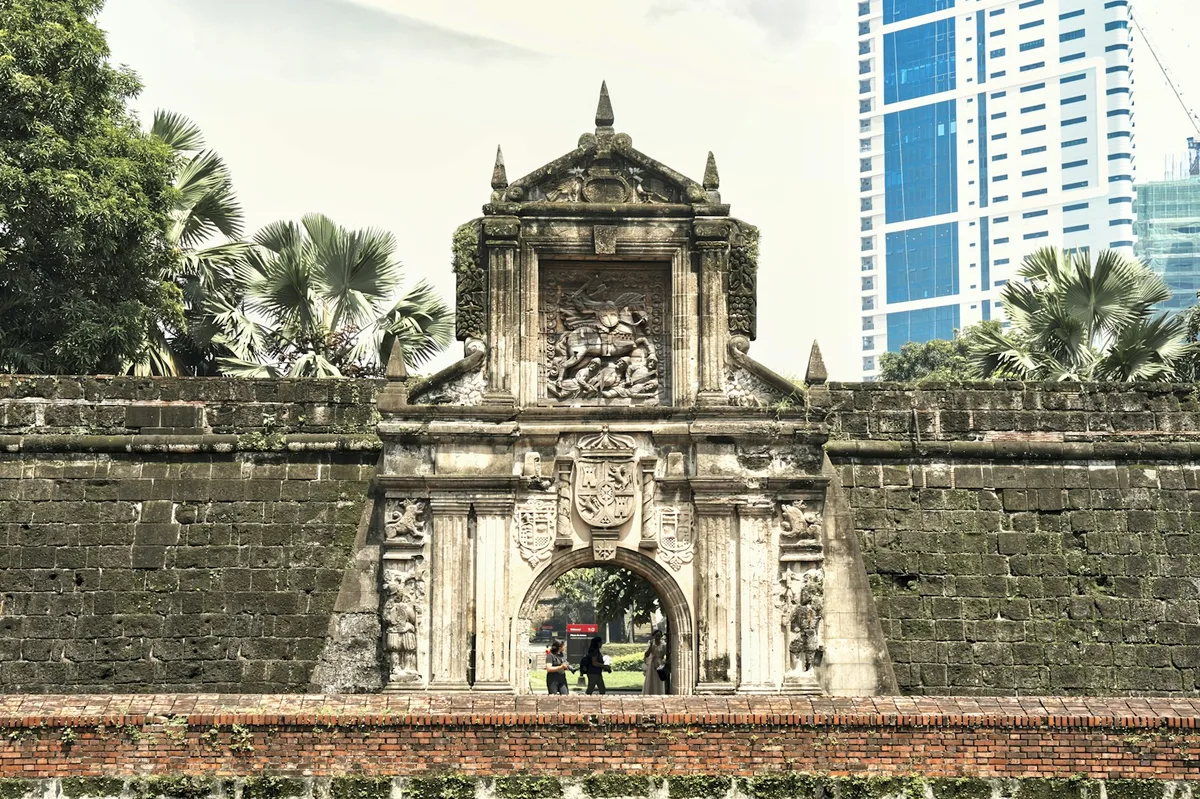
Manila's walled Spanish colonial old town, with Fort Santiago, cobblestone streets, and churches dating to the 16th and 17th centuries.
2
Intramuros
Philippines
Manila's walled Spanish colonial old town, with Fort Santiago, cobblestone streets, and churches dating to the 16th and 17th centuries.
2
 El Nido
Philippines
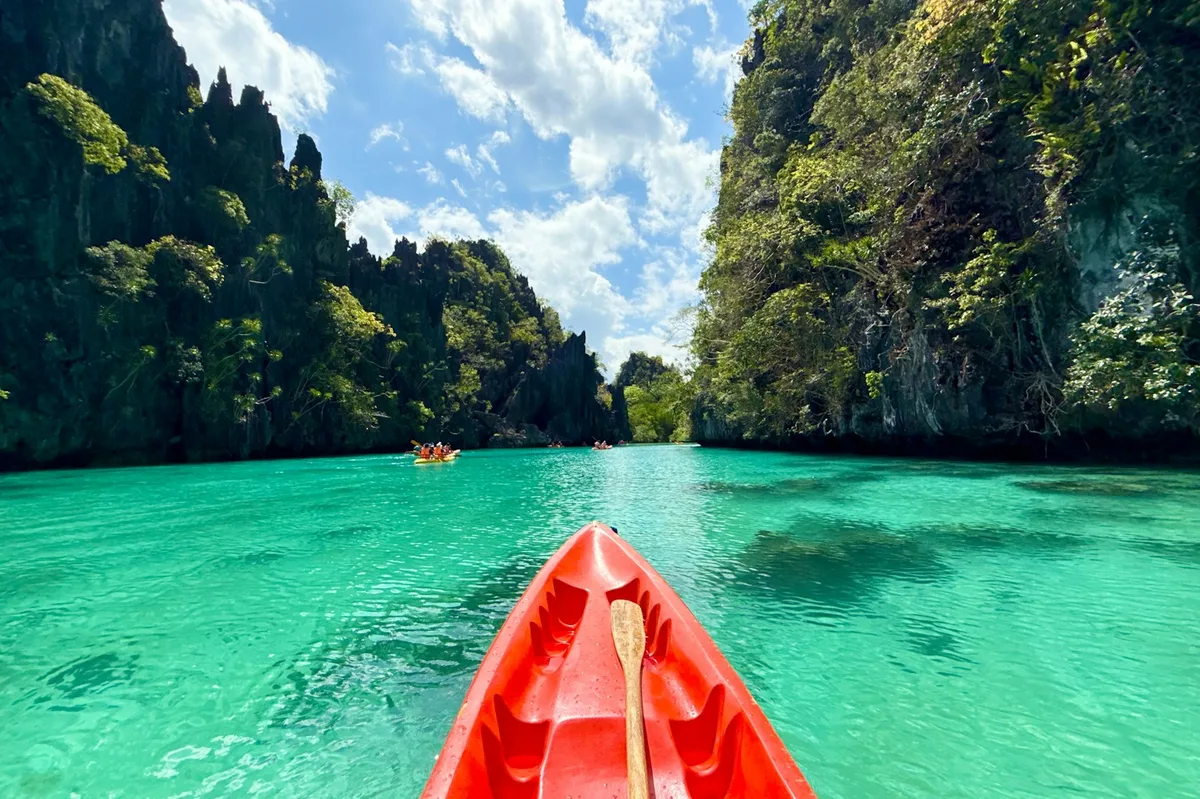
A cluster of limestone-cliff lagoons and hidden beaches in northern Palawan, reached by traditional banca boat on island-hopping tours.
3
El Nido
Philippines
A cluster of limestone-cliff lagoons and hidden beaches in northern Palawan, reached by traditional banca boat on island-hopping tours.
3
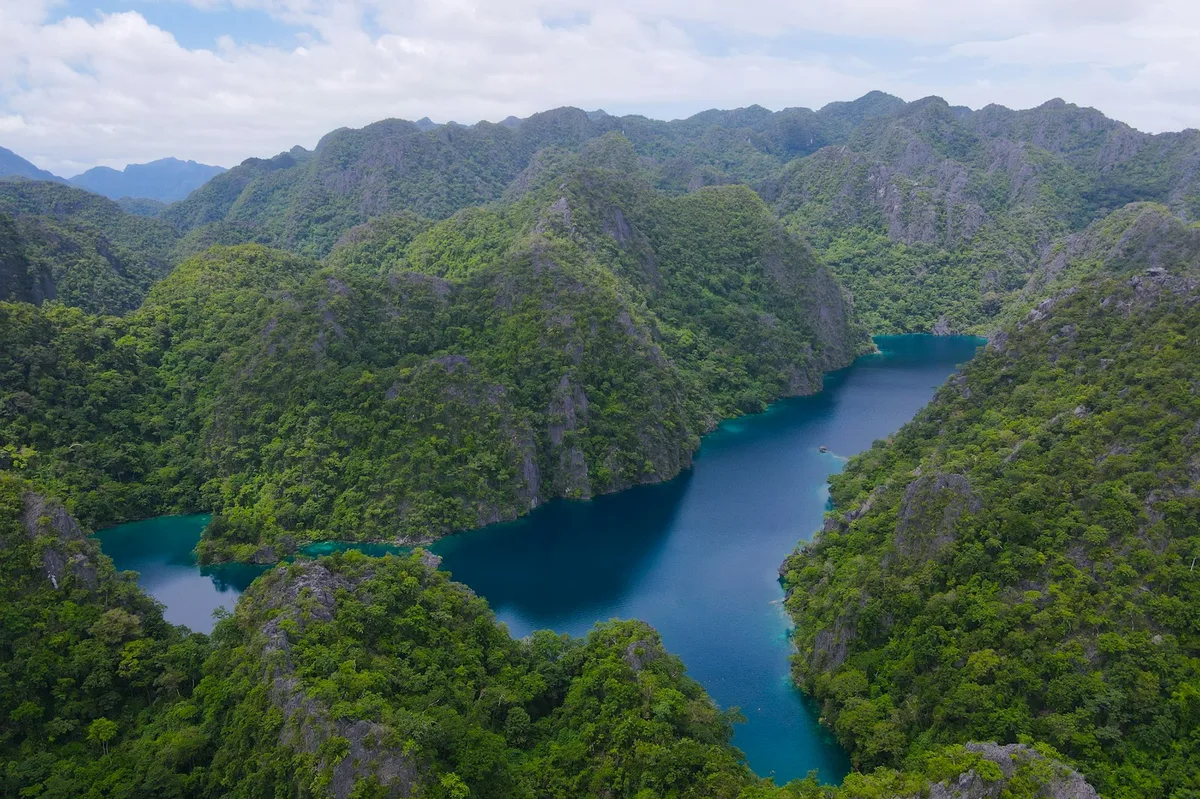 Coron
Philippines
A karst-island region in northern Palawan known for WWII shipwreck diving and Kayangan Lake, regularly rated among the Philippines' clearest freshwater lakes.
4
Coron
Philippines
A karst-island region in northern Palawan known for WWII shipwreck diving and Kayangan Lake, regularly rated among the Philippines' clearest freshwater lakes.
4
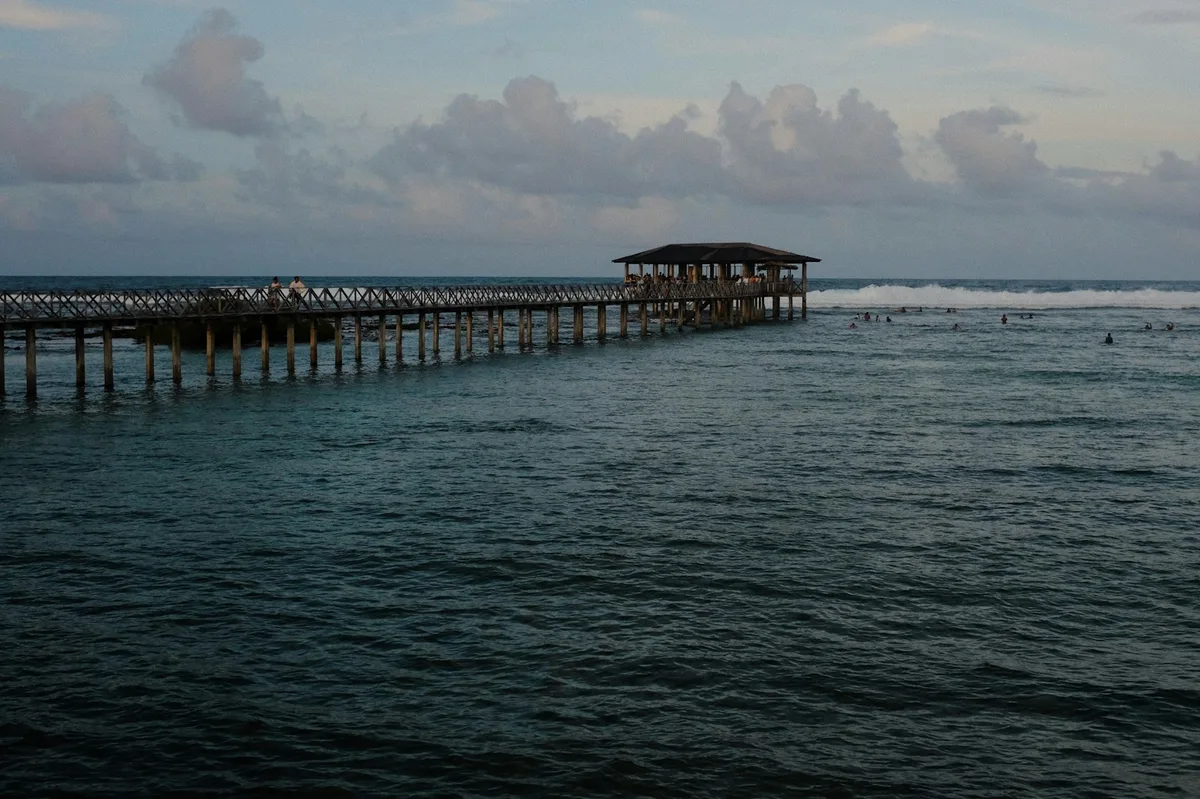 Siargao & Cloud 9
Philippines
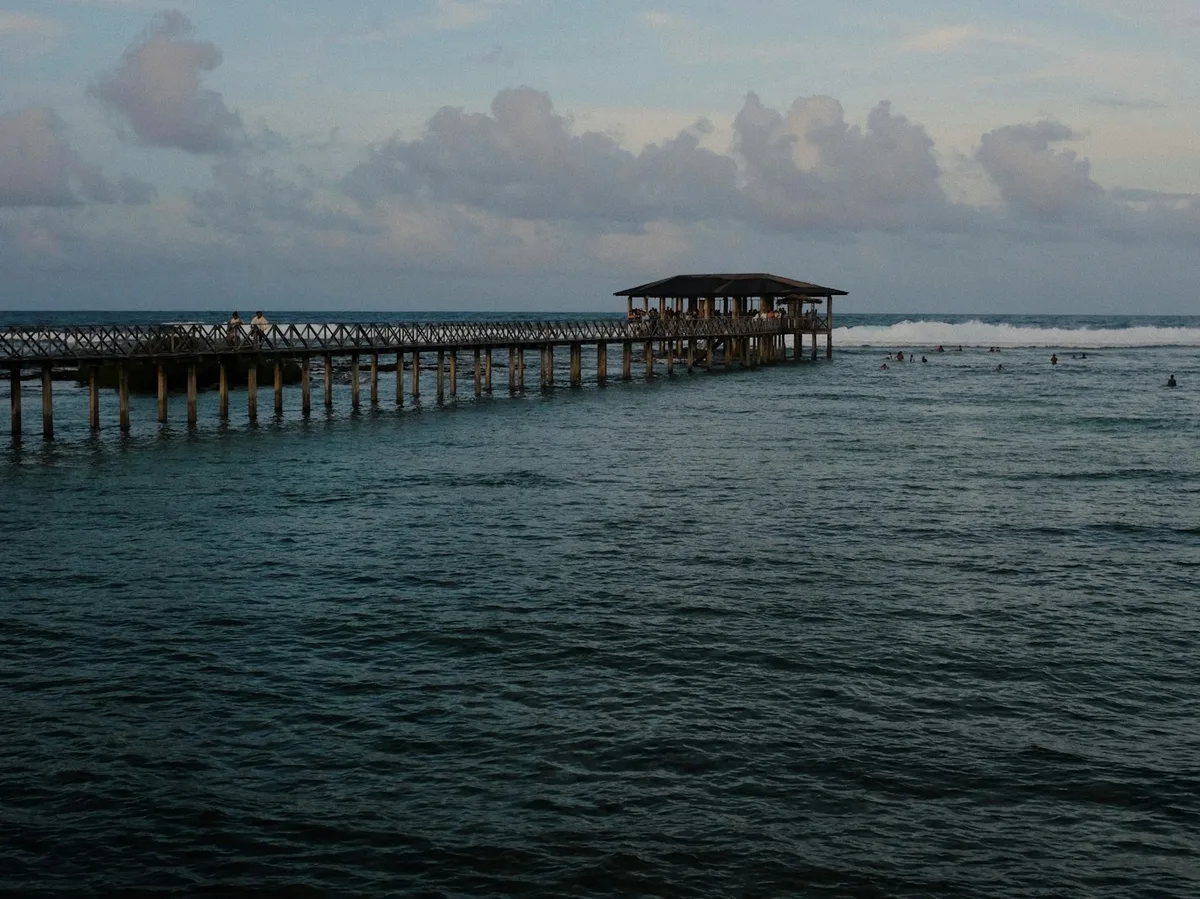
A teardrop-shaped island in Surigao del Norte and one of the world's best-known surf breaks, with a wooden boardwalk pier out over the reef.
5
Siargao & Cloud 9
Philippines
A teardrop-shaped island in Surigao del Norte and one of the world's best-known surf breaks, with a wooden boardwalk pier out over the reef.
5
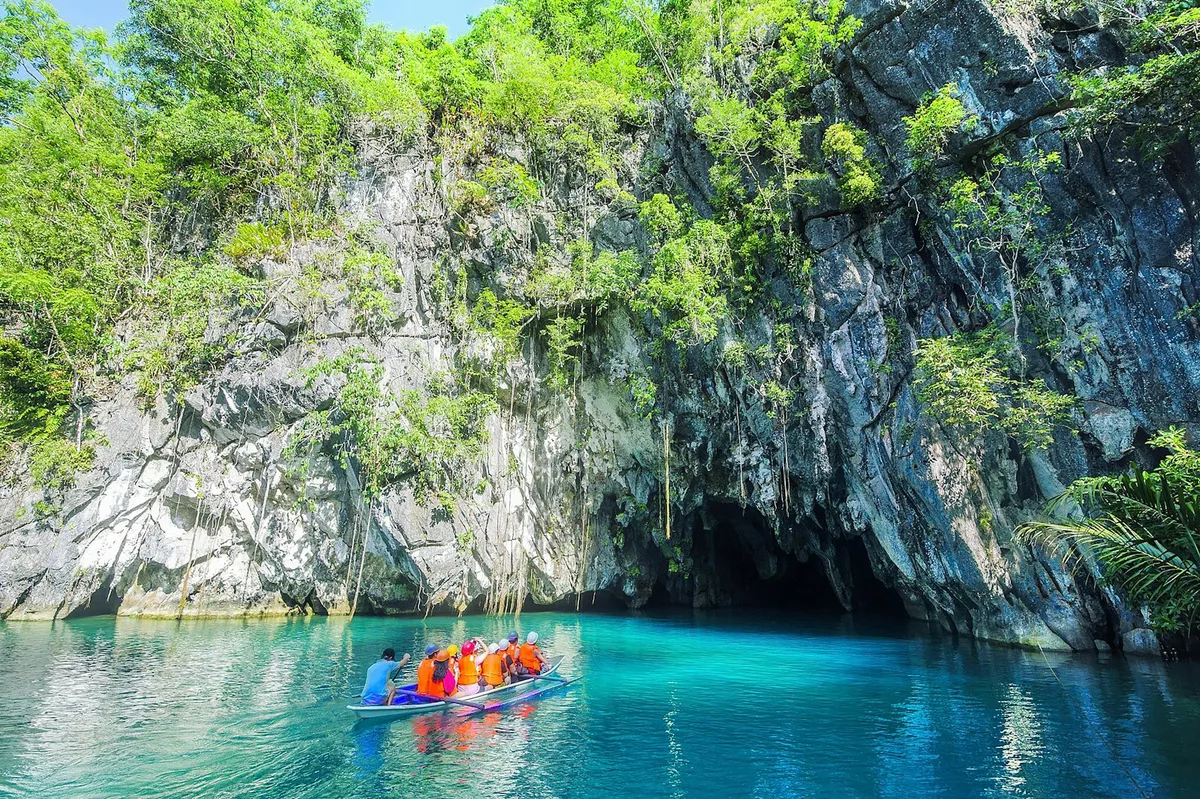 Puerto Princesa Subterranean River
Philippines
A navigable underground river winding through a limestone cave system in Palawan, one of the New7Wonders of Nature, explored by paddleboat past stalactite chambers.
6
Puerto Princesa Subterranean River
Philippines
A navigable underground river winding through a limestone cave system in Palawan, one of the New7Wonders of Nature, explored by paddleboat past stalactite chambers.
6
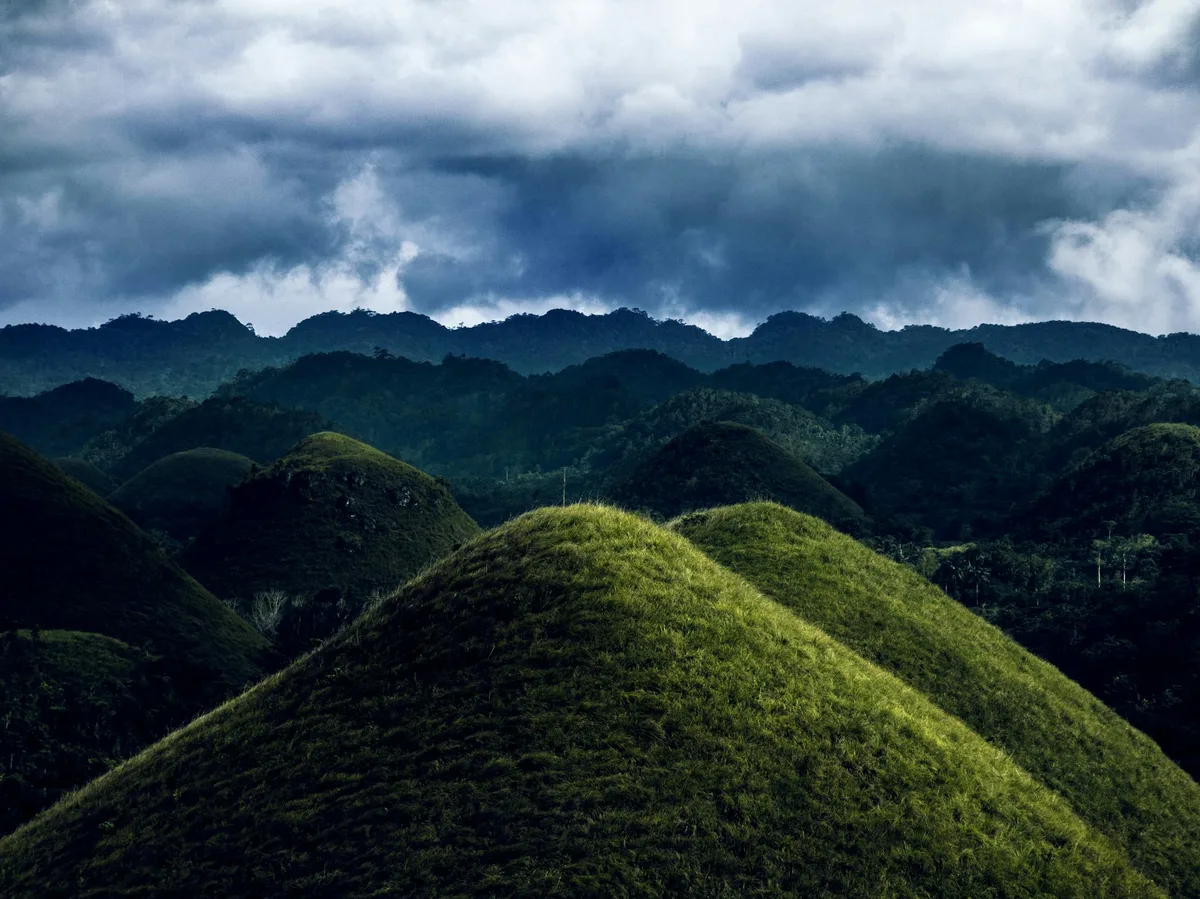
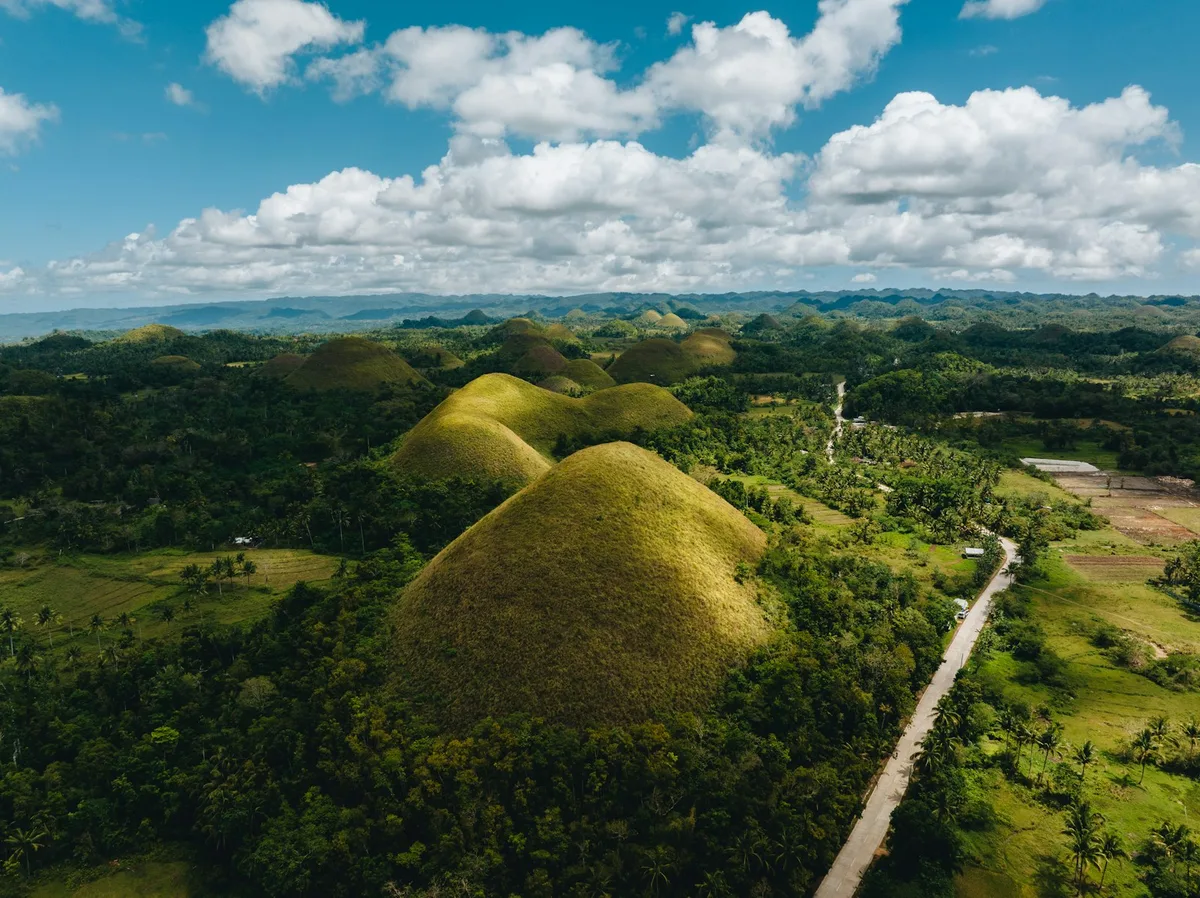 Chocolate Hills
Philippines
Over 1,000 near-identical grass-covered limestone mounds spread across Bohol's interior, turning brown in the dry season — the source of their name.
7
Chocolate Hills
Philippines
Over 1,000 near-identical grass-covered limestone mounds spread across Bohol's interior, turning brown in the dry season — the source of their name.
7
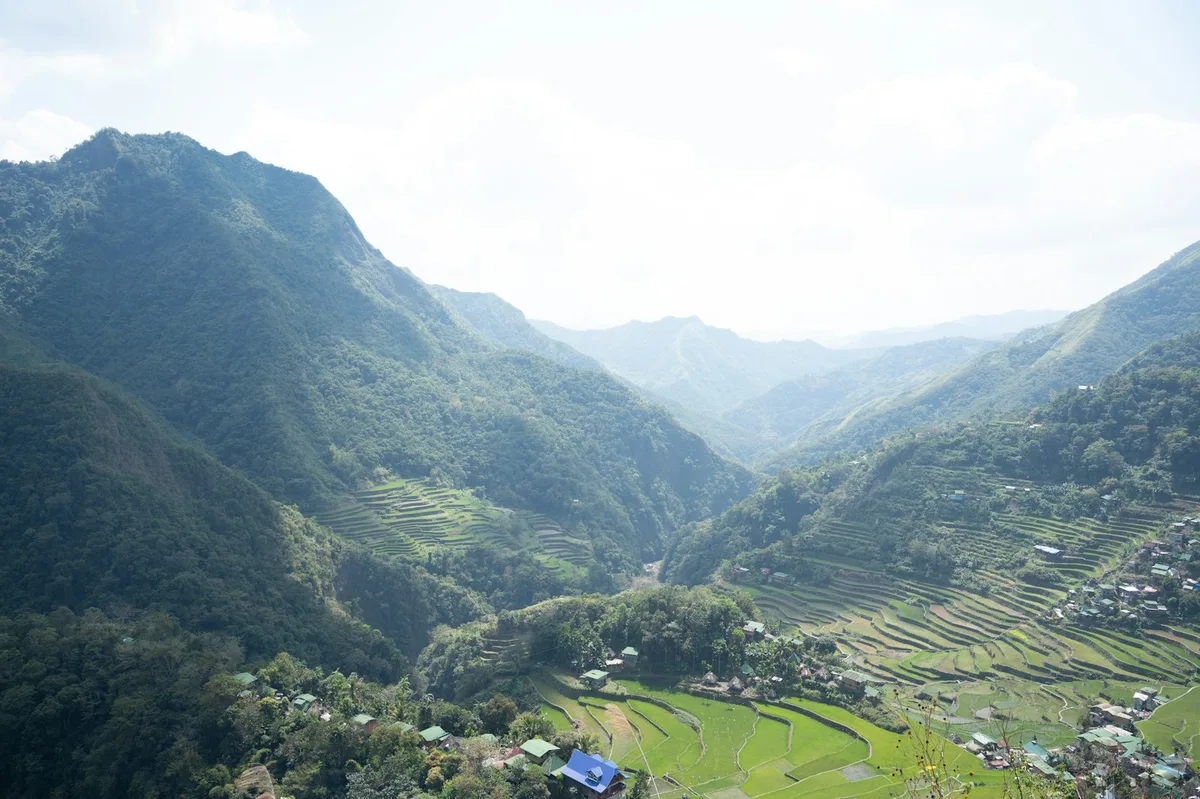 Banaue Rice Terraces
Philippines
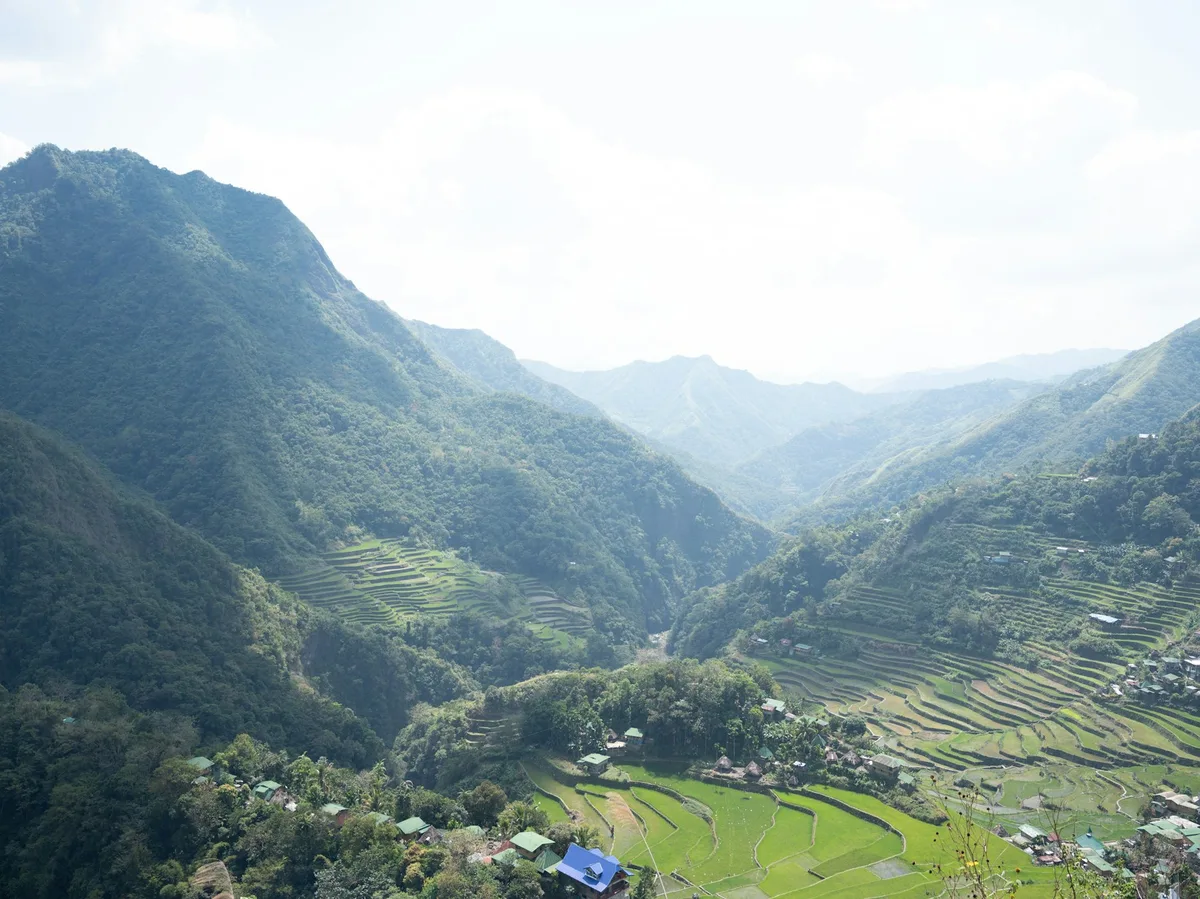
Hand-carved rice terraces climbing the Ifugao mountains of northern Luzon, farmed by the same communities for an estimated 2,000 years and often called the "Eighth Wonder of the World."
8
Banaue Rice Terraces
Philippines
Hand-carved rice terraces climbing the Ifugao mountains of northern Luzon, farmed by the same communities for an estimated 2,000 years and often called the "Eighth Wonder of the World."
8
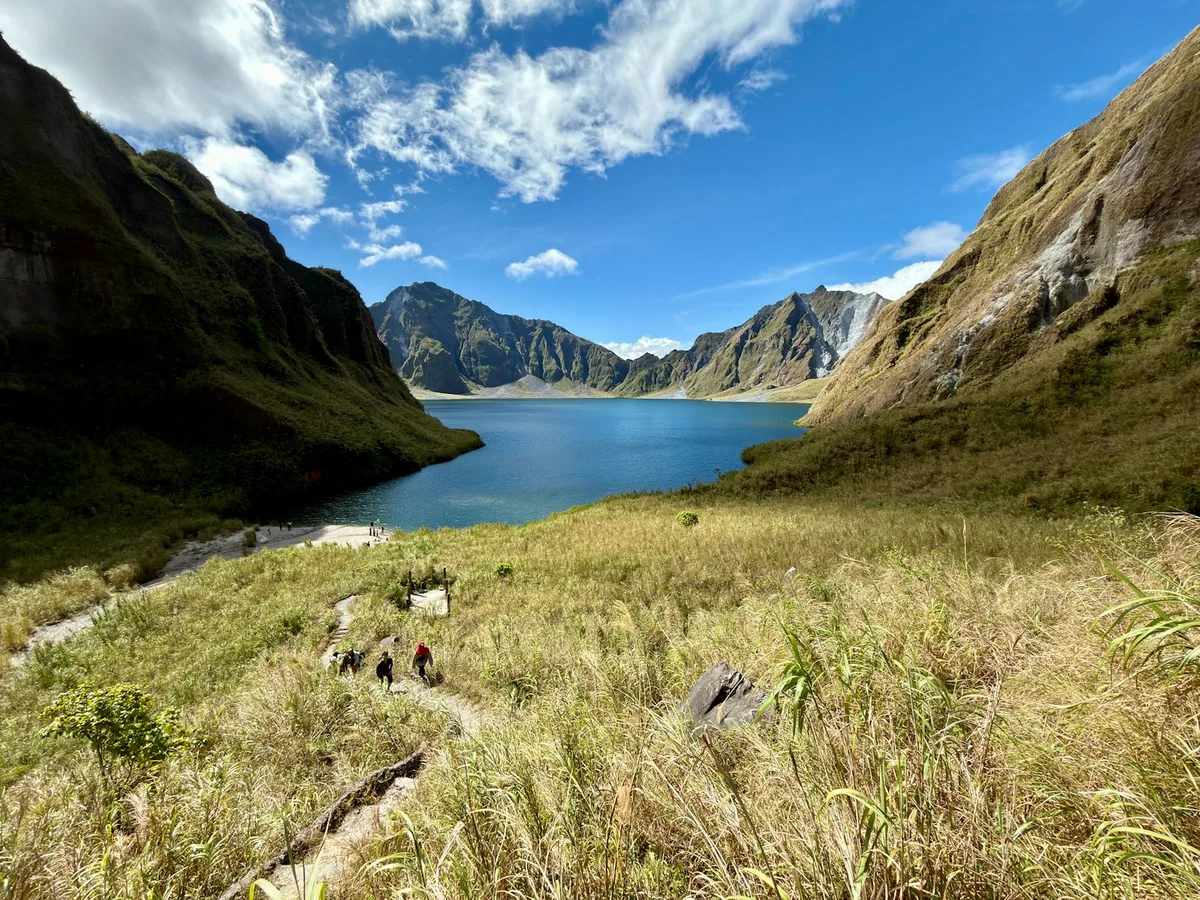 Mount Pinatubo
Philippines
A volcano north of Manila whose 1991 eruption was one of the 20th century's largest, its collapsed crater now holding a turquoise lake reached by a 4x4-and-hike trip through ash-carved canyons.
Multi-Day Tours
Mount Pinatubo
Philippines
A volcano north of Manila whose 1991 eruption was one of the 20th century's largest, its collapsed crater now holding a turquoise lake reached by a 4x4-and-hike trip through ash-carved canyons.
Multi-Day Tours
A 12-day private route from Manila's Intramuros and a Pagsanjan Falls canoe trip, through Puerto Galera's island-hopping, to Siargao's surf breaks, lagoons, and island-hopping around Cloud 9.
 Multi-Day Tours
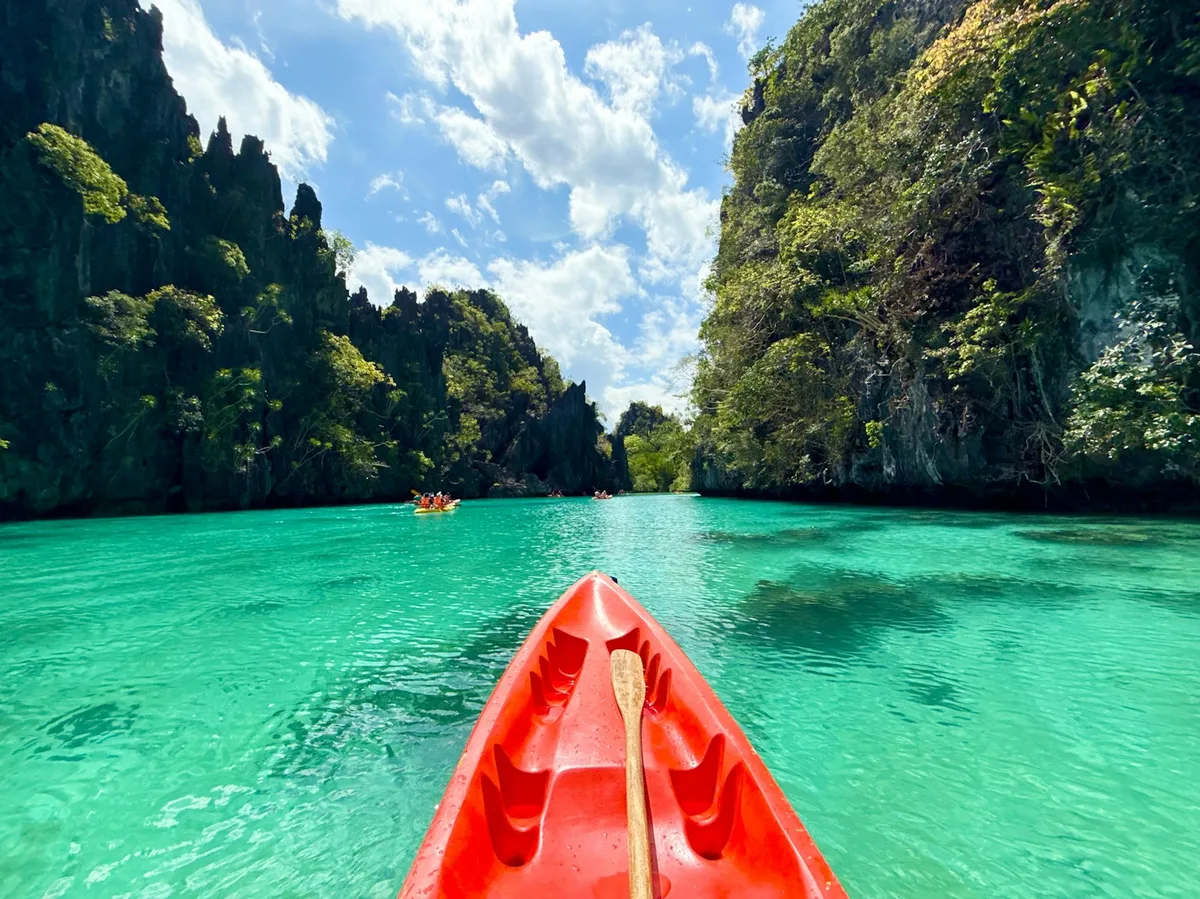
A 14-day private route through Palawan — the UNESCO-listed Puerto Princesa Underground River, Port Barton's island-hopping, El Nido's lagoons and cliffs, and Coron's shipwreck diving and karst lakes.
 Multi-Day Tours
A 14-day route through Cebu, Bohol, and Camiguin — the Chocolate Hills and tarsiers, Anda's cave pools and Lamanok Island's mangroves, then Camiguin's volcanic hot springs and White Island sandbar.
 Multi-Day Tours
A 14-day route from Mt. Pinatubo's crater lake and Sagada's hanging coffins to the UNESCO-listed Batad rice terraces, then Pagsanjan Falls and Puerto Galera's WWII wreck diving and island-hopping.
 Multi-Day Tours
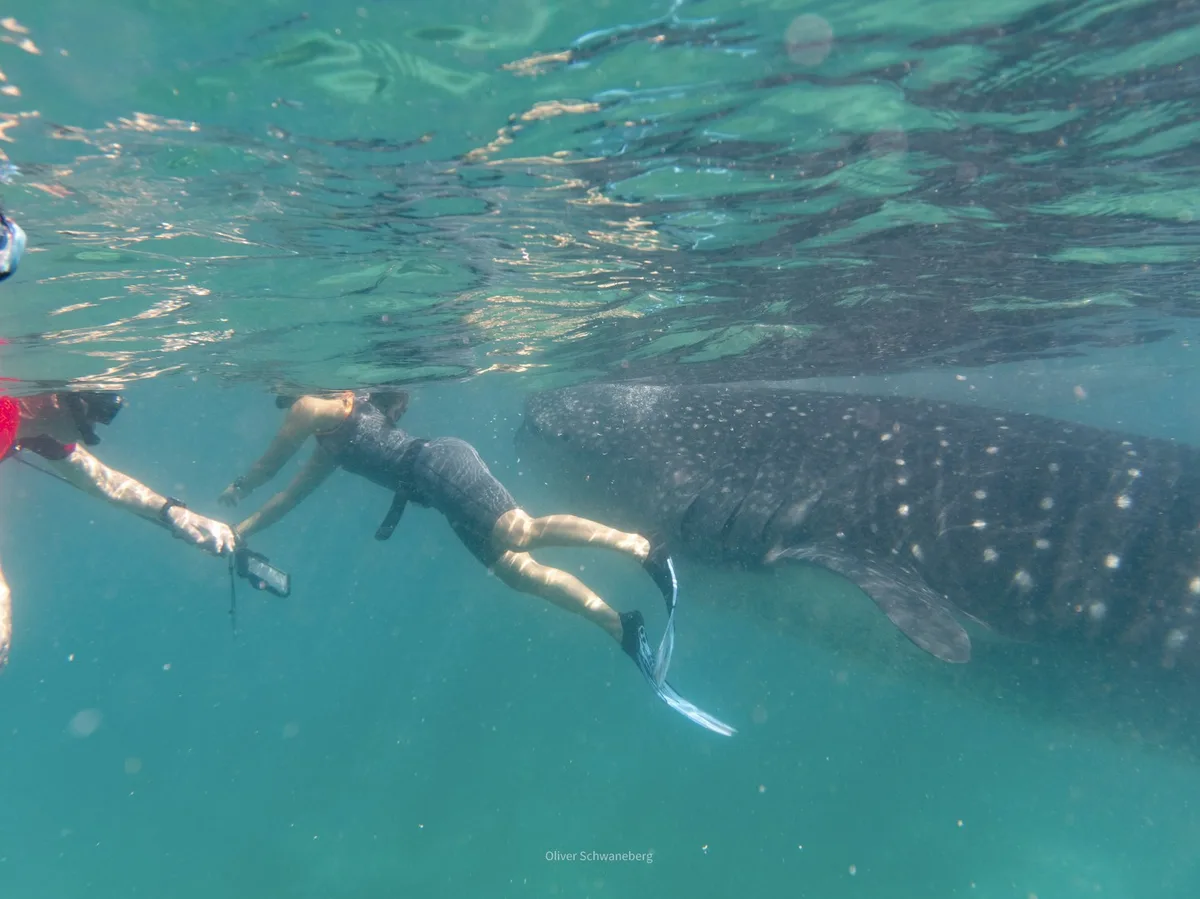
A 14-day island-hop through the Visayas — swimming with whale sharks at Oslob, Dumaguete's crater lakes, Siquijor's waterfalls, and Bohol's Chocolate Hills and tarsiers, ending with dolphin watching off Panglao.
Most Western nationalities — including US, UK, EU, Canadian, and Australian citizens — can enter the Philippines visa-free for tourism, typically for up to 30 days, extendable locally; worth confirming the current allowance before you travel.
Filipino and English are both official languages, and English is spoken widely and fluently across the islands, including in rural areas — the Philippines is one of the largest English-speaking countries in the world.
Manila, Palawan, Siargao, and the Philippines' other major tourist routes are generally considered safe for travelers, with the usual city precautions worth taking in parts of Manila, as in most large Southeast Asian capitals.
The Philippines sits in an active typhoon zone, mainly affecting the northern and eastern islands from roughly June through October — worth checking the season and current forecasts if your trip falls in that window, since inter-island flights and ferries can be disrupted.
The Philippines is part of the Coral Triangle, one of the world's richest marine biodiversity zones, and Coron in particular is known internationally for wreck diving on sunken WWII-era Japanese ships in addition to its karst-lake snorkeling.
The Philippine peso (PHP) is the currency; cards are accepted in cities and resorts, but cash is essential on smaller islands and for boat crews, tricycle drivers, and local guides.
Tell us your group size and dates — we'll take care of the rest.