TorontoOntario · 36 tours
 Niagara FallsOntario · 25 tours
 New York CityNew York · 30 tours
 Las VegasNevada · 8 tours
 San FranciscoCalifornia · 16 tours
 VancouverBritish Columbia · 17 tours
 DubaiUAE · 54 tours
 Abu DhabiUAE · 5 tours
 Buenos AiresArgentina · 23 tours
 AthensGreece · 31 tours
 AucklandNew Zealand · 38 tours
 CancunMexico · 54 tours
No destinations match “”. Try searching all tours instead — that search understands full questions, not just place names.
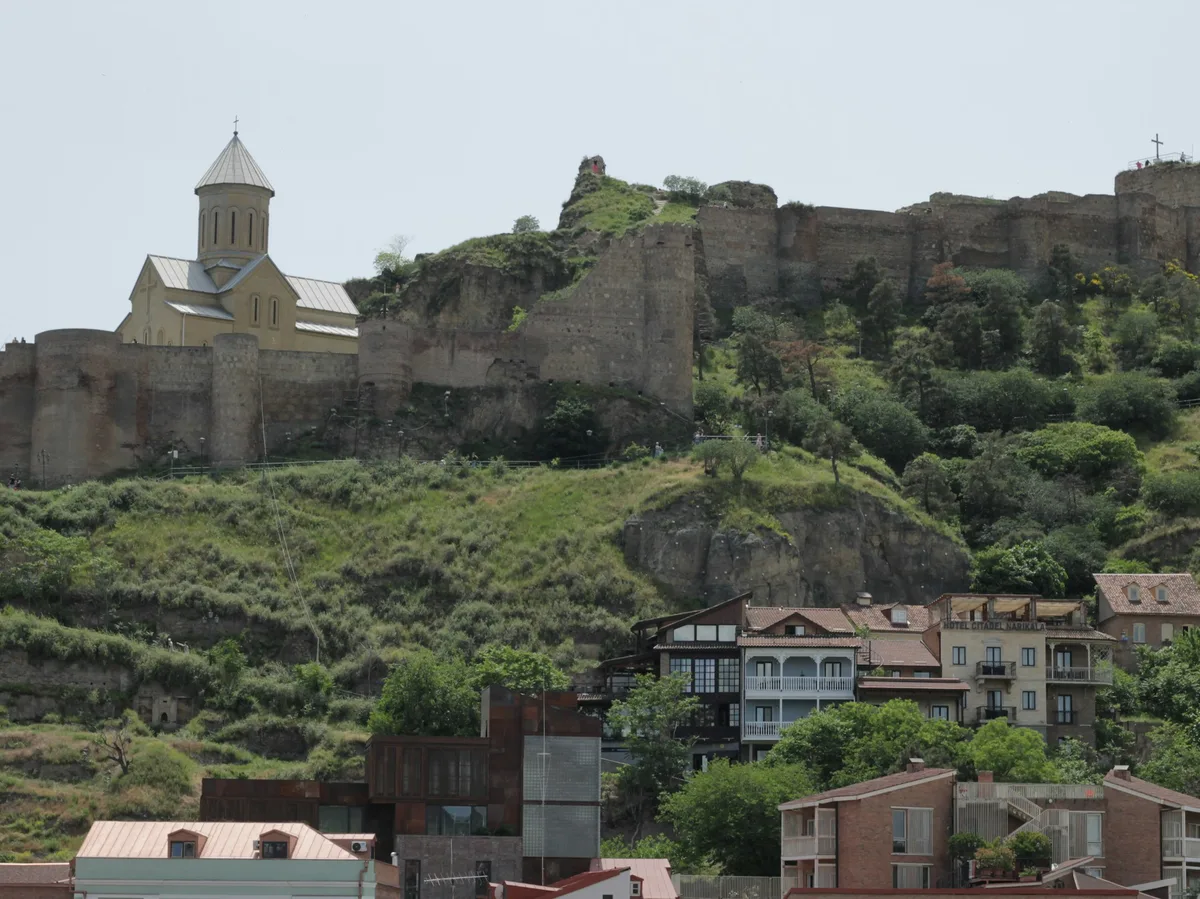
The balconied streets of Tbilisi's Old Town cluster below the 4th-century Narikala Fortress, reachable by cable car, with the sulfur bathhouses of the Abanotubani district — the source of the city's name, meaning 'warm location' — tucked beneath it.
 Multi-Day Tours
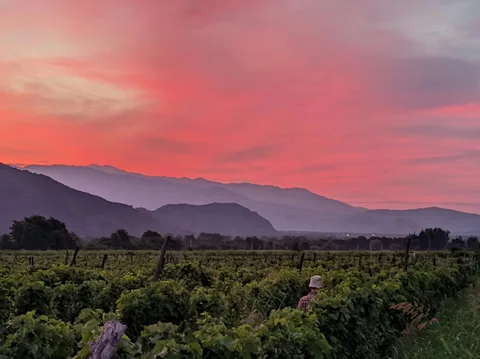
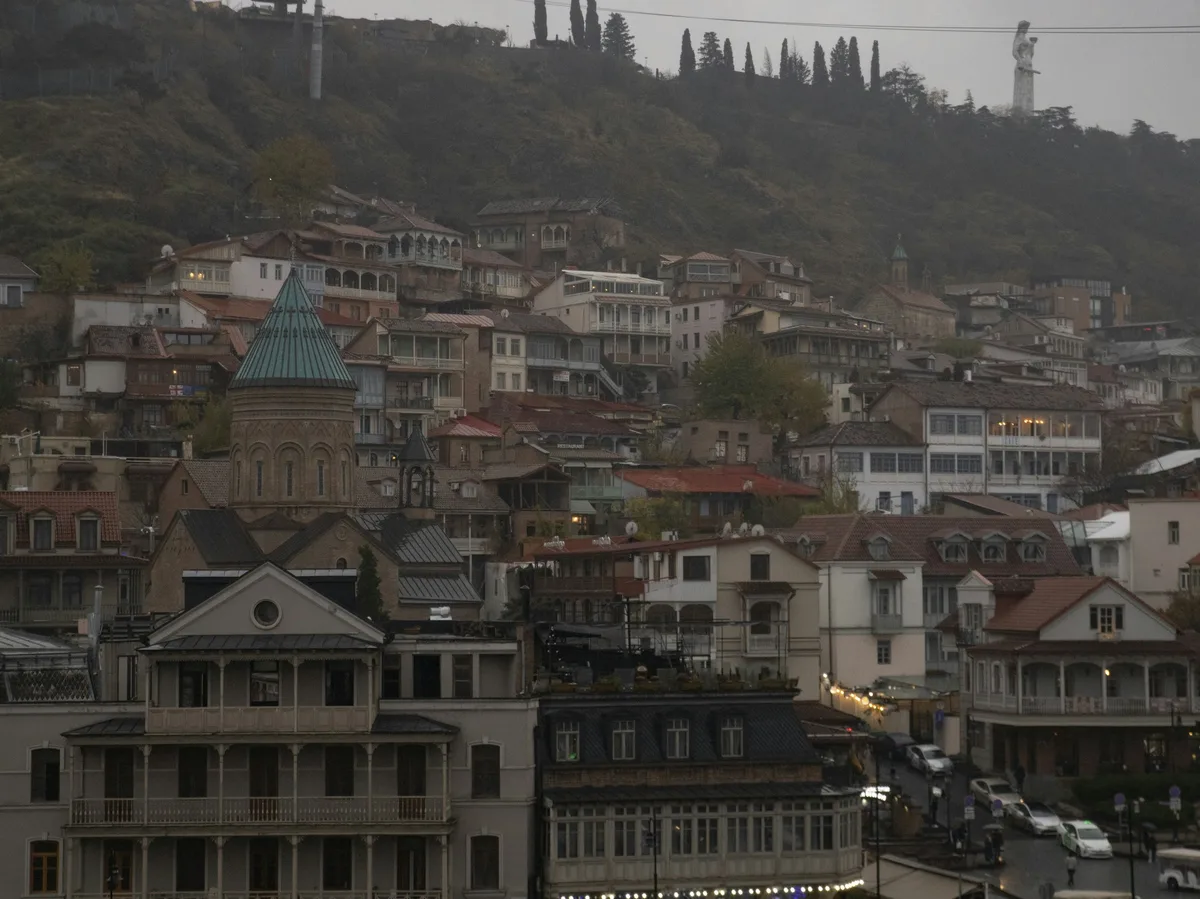
A 7-day food-focused tour through Georgia's culinary heartland — hands-on cooking lessons in Tbilisi, wine tastings and Sighnaghi's old town in Kakheti, and Khinkali-making with a local family at Kazbegi.
 Multi-Day Tours
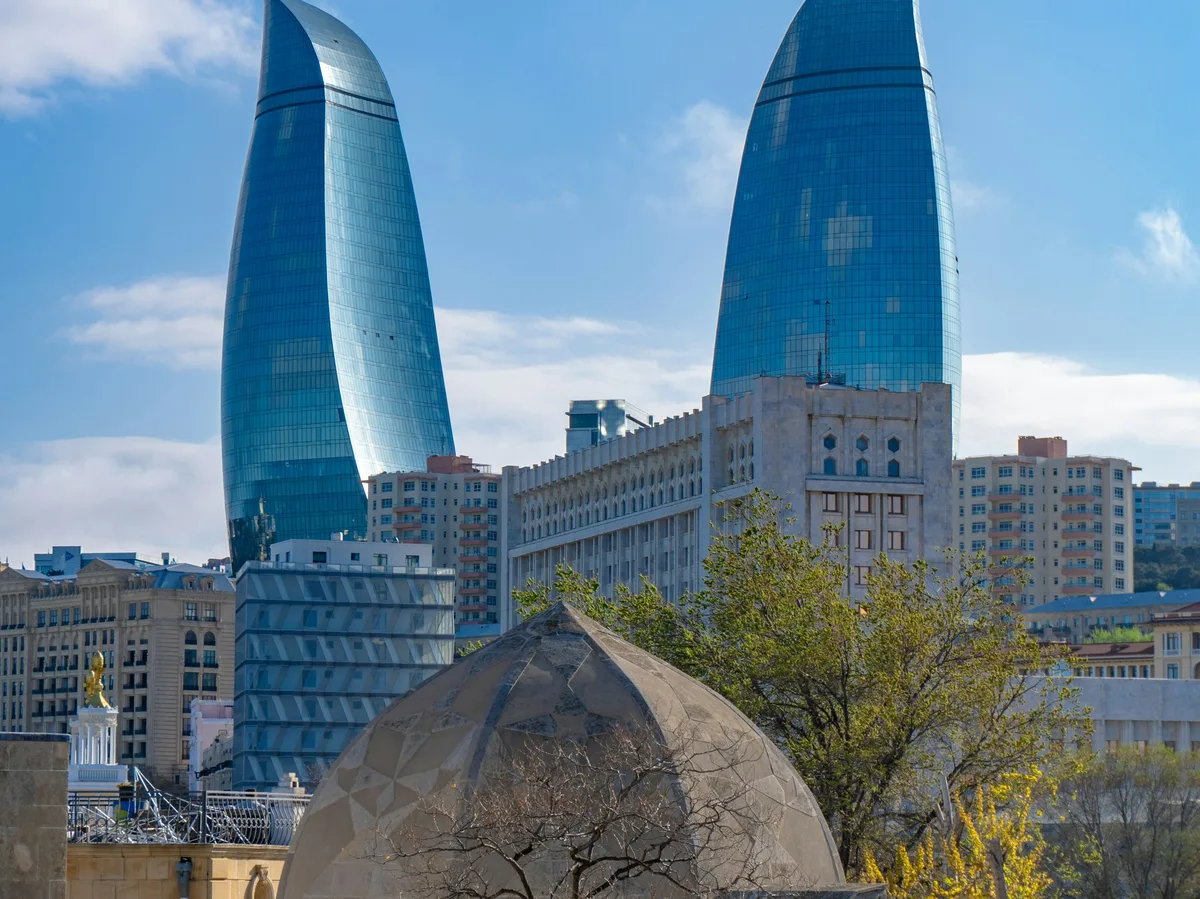
A 10-day tour of three Caucasus capitals — Baku's Old City and Flame Towers in Azerbaijan, Tbilisi's Old Town and Kakheti wine country in Georgia, and Yerevan, Lake Sevan, and Garni in Armenia — with confirmed hotels in every country along the way.
 Multi-Day Tours
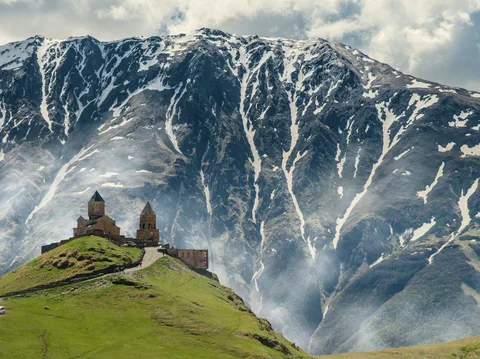
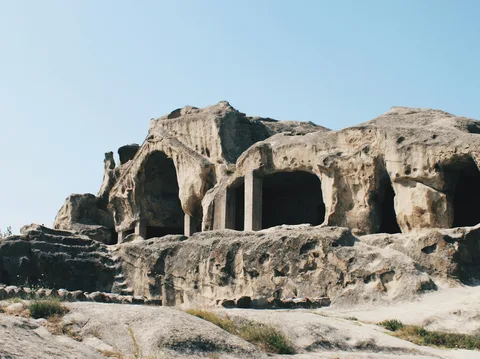
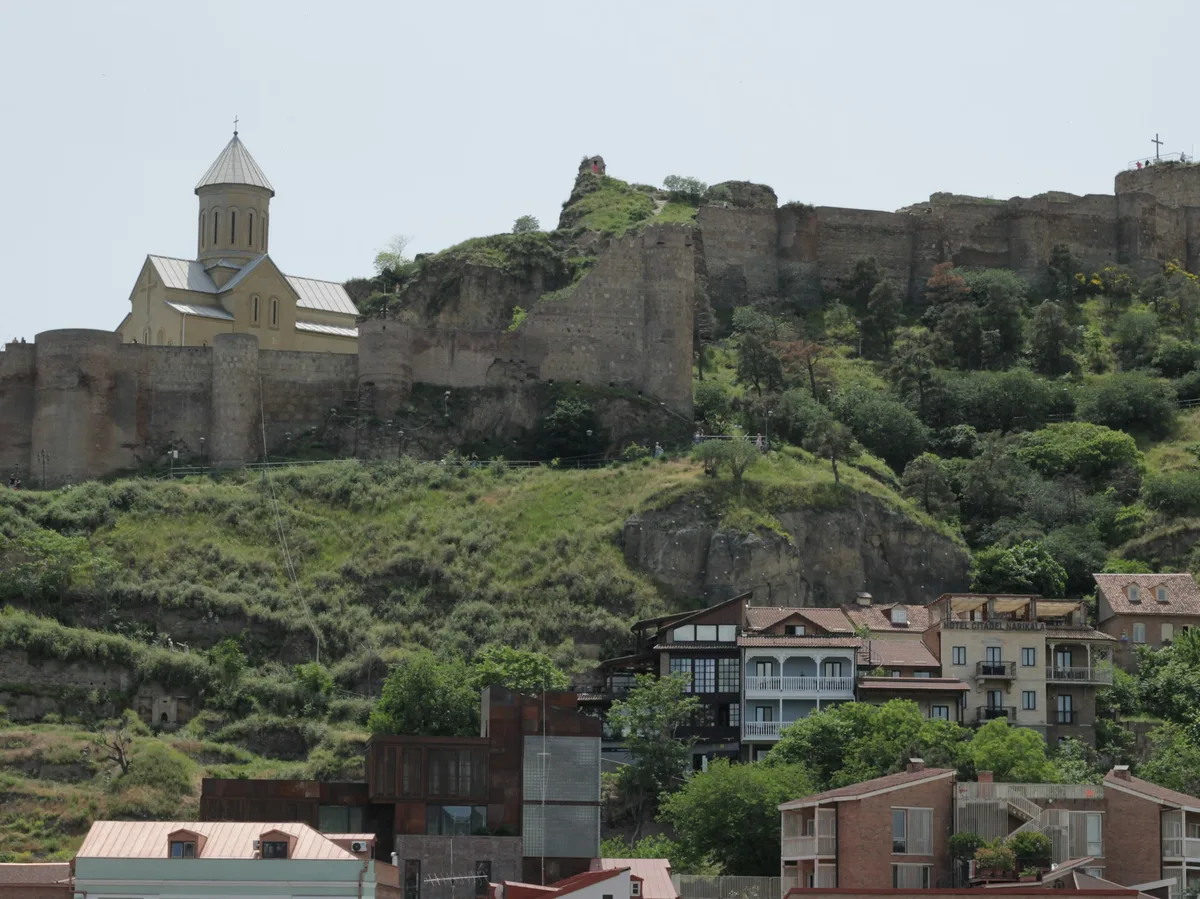
A 6-day introduction to Georgia's highlights — Tbilisi's Old Town, the Georgian Military Highway to Gergeti Trinity Church beneath Mount Kazbek, Stalin's Gori, Uplistsikhe cave town, and Kakheti wine country.
 Multi-Day Tours
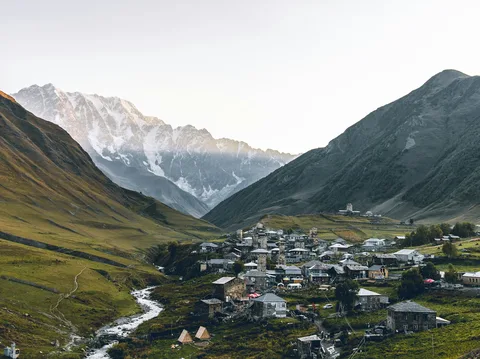
A 15-day loop around Georgia built for food lovers — Tbilisi's cooking traditions, the cave monastery of Vardzia, the Black Sea coast at Batumi, Svaneti's Mestia and Ushguli, and Kakheti's 8,000-year-old wine culture.
Visitor guide
Old Tbilisi is the historic core of Georgia's capital, spread along both banks of the Mtkvari (Kura) River beneath the ruined Narikala Fortress. It is known for carved wooden balconies, sulfur bathhouses in the Abanotubani district, and churches and winding streets that reflect centuries of Persian, Ottoman, Russian and Georgian influence.
According to legend, King Vakhtang I of Iberia founded Tbilisi in the 5th century after a hunting accident near hot springs. The name is linked to the Georgian word for warm, and the city's sulfur springs are its source. Because of its position between Europe and Asia, Tbilisi was contested by Persians, Arabs, Seljuks, Mongols, Ottomans and Qajar Iran, and repeatedly sacked. In 1122 King David IV took the city and made it the capital of a unified Georgian state, beginning what is remembered as Georgia's Golden Age.
Wikipedia notes that most of the pre-19th-century city was destroyed in the 1795 Persian invasion, so most of what visitors see in the old town is 19th-century urban fabric in an eclectic mix of styles. Old Tbilisi became an official administrative district in 2007, an arrangement that was abolished in 2013, though the name is still used for the historic neighbourhoods, and a renovation programme beginning in 2010 restored old houses and cobbled streets.
Narikala stands on a steep hill above the river. Legend credits Vakhtang Gorgasali, but archaeology shows settlement in the area by the 4th millennium BC, and the earliest written accounts date the fortress to the second half of the 4th century AD, under King Varaz-Bakur. Persians took it near the end of that century, and the kings of Kartli regained it by the middle of the 5th century.
The Umayyads enlarged the fortress in the 7th century, and David the Builder expanded it again. The Mongols are said to have renamed it Narin Qala, meaning Little Fortress. Most surviving fortifications date to the 16th and 17th centuries. An earthquake in 1827 damaged parts of the walls. The Church of St Nicholas, built in 1996-1997 in the lower court, replaced a 13th-century church destroyed by fire and has frescoes depicting biblical and Georgian historical scenes. Narikala has been a Cultural Heritage Monument of Georgia since 2007.
The old town is dominated by Mount Mtatsminda, the Narikala fortress and the Kartlis Deda monument. It holds churches, museums, sulfur bathhouses and wooden houses with carved balconies. The Abanotubani district, whose name means bath district, sits at the foot of Narikala across from the Metekhi area, and by the end of the 13th century 65 baths were recorded in Tbilisi.
A private guided walk suits the old town well, since street layouts are steep and winding. The fortress can be approached on foot or by cable car, and a local guide can link its history with the baths and churches below.
See every tour and attraction we cover in Georgia.