TorontoOntario · 36 tours
 Niagara FallsOntario · 25 tours
 New York CityNew York · 30 tours
 Las VegasNevada · 8 tours
 San FranciscoCalifornia · 16 tours
 VancouverBritish Columbia · 17 tours
 DubaiUAE · 54 tours
 Abu DhabiUAE · 5 tours
 Buenos AiresArgentina · 23 tours
 AthensGreece · 31 tours
 AucklandNew Zealand · 38 tours
 CancunMexico · 54 tours
No destinations match “”. Try searching all tours instead — that search understands full questions, not just place names.
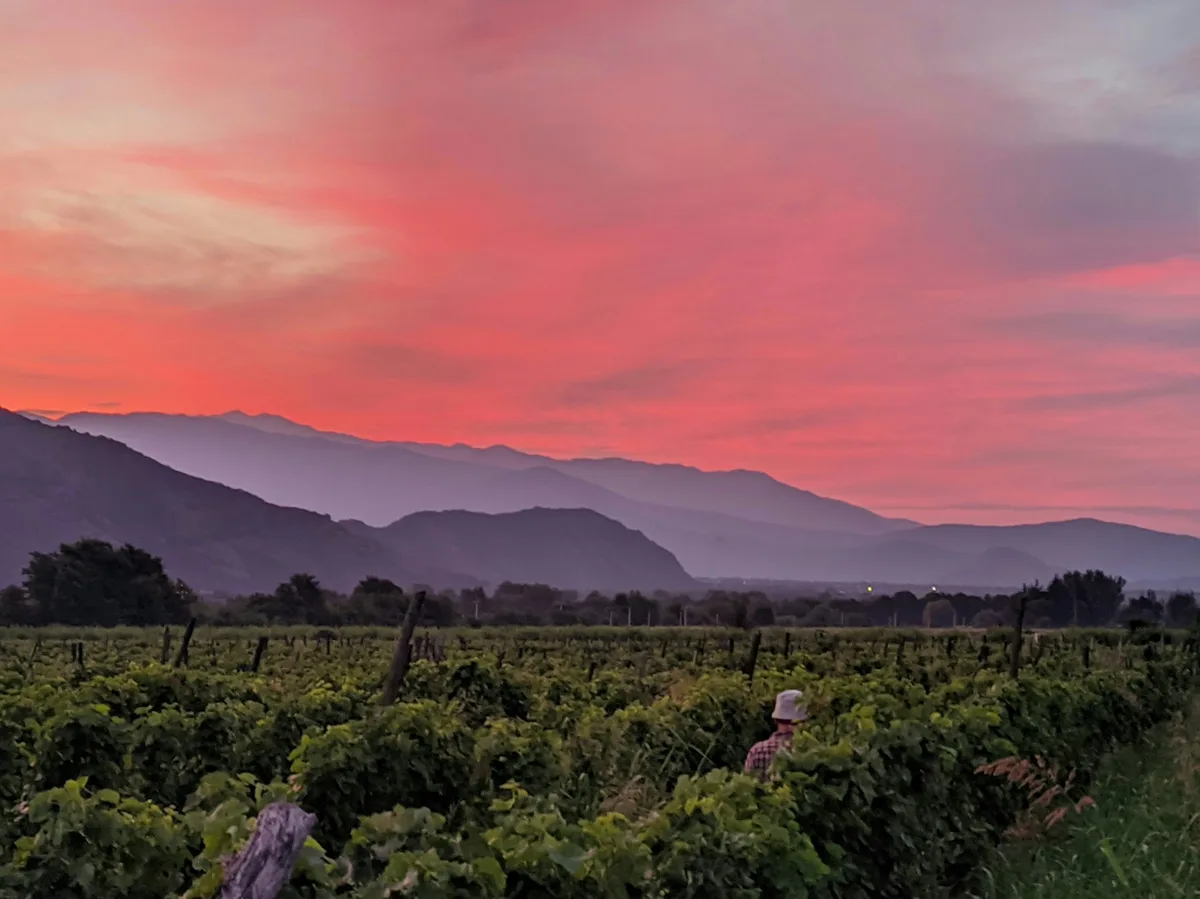
Georgia's Kakheti region has made wine in traditional clay Qvevri vessels for 8,000 years — a method recognized on UNESCO's Intangible Cultural Heritage list — and the hilltop 18th-century town of Sighnaghi, ringed by watchtowers above the Alazani Valley, sits at its heart.
 Multi-Day Tours
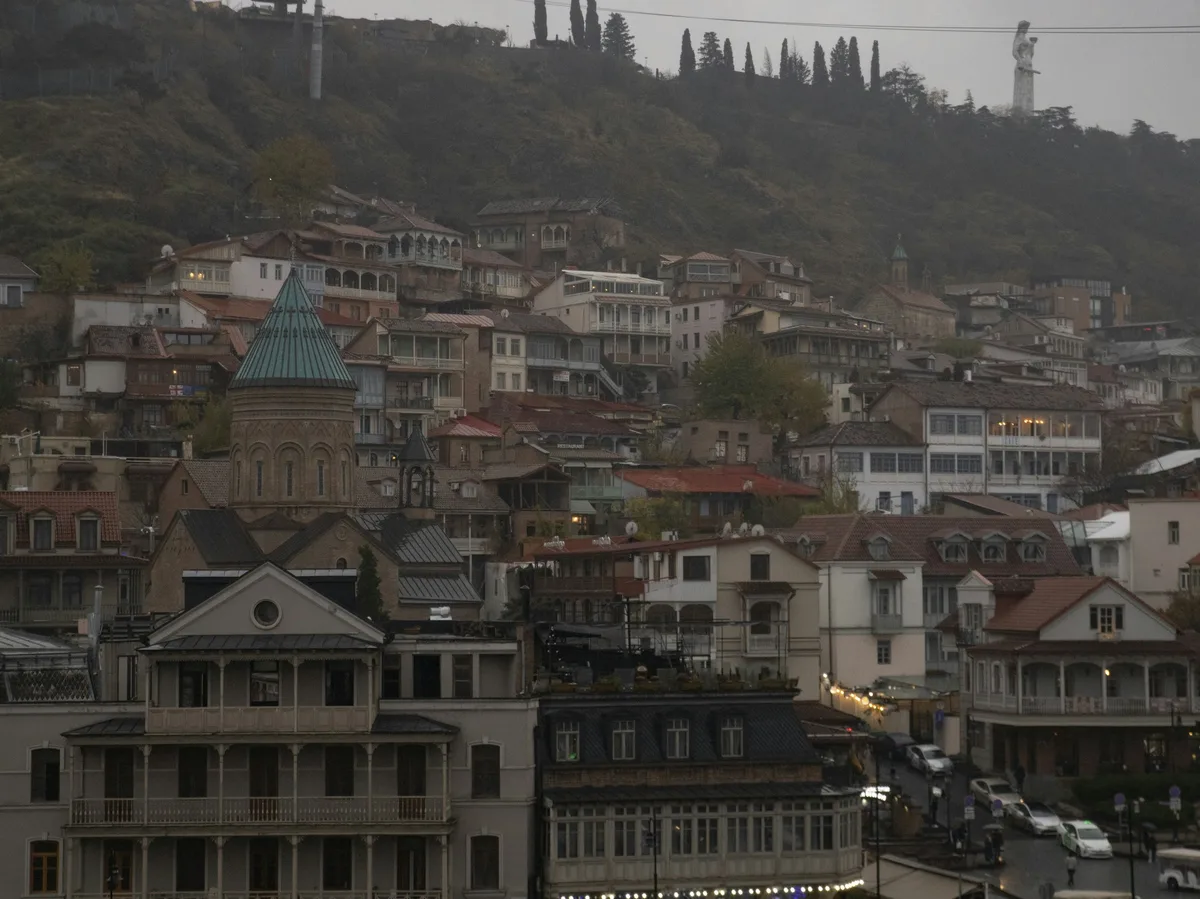
A 7-day food-focused tour through Georgia's culinary heartland — hands-on cooking lessons in Tbilisi, wine tastings and Sighnaghi's old town in Kakheti, and Khinkali-making with a local family at Kazbegi.
 Multi-Day Tours Popular Pick
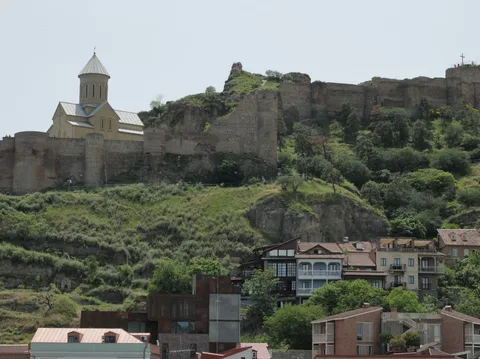
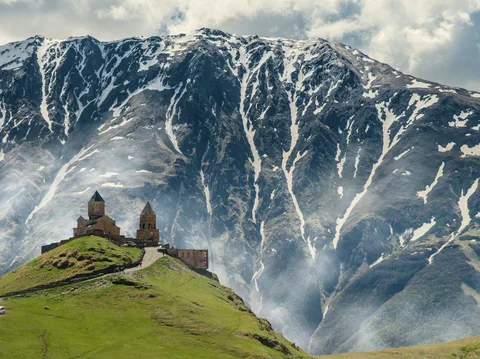
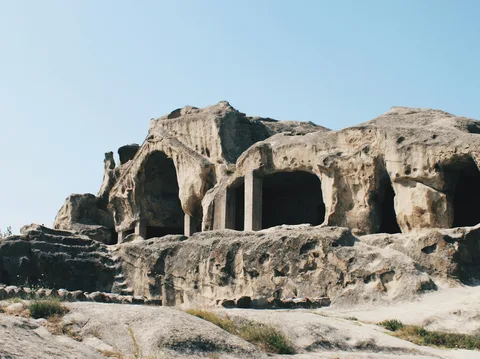
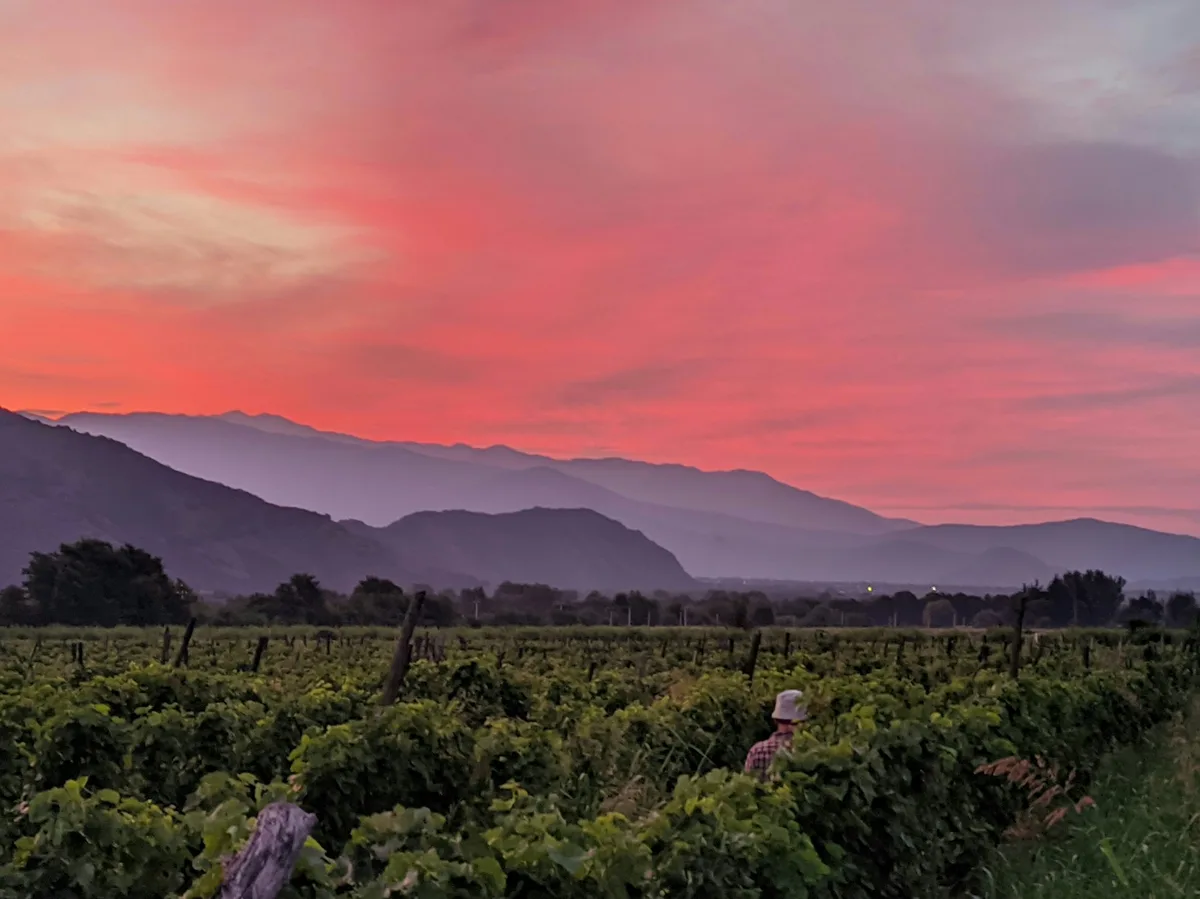
An 8-day tour through Georgia's UNESCO World Heritage sites and 8,000-year-old wine culture — Tbilisi's Old Town, the ancient capital Mtskheta, the rock-hewn town of Uplistsikhe, Mount Kazbek, and Kakheti's Qvevri wineries.
 Multi-Day Tours
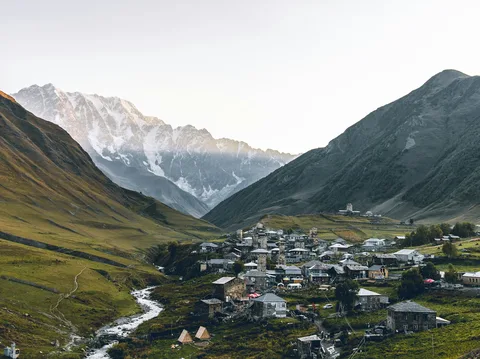
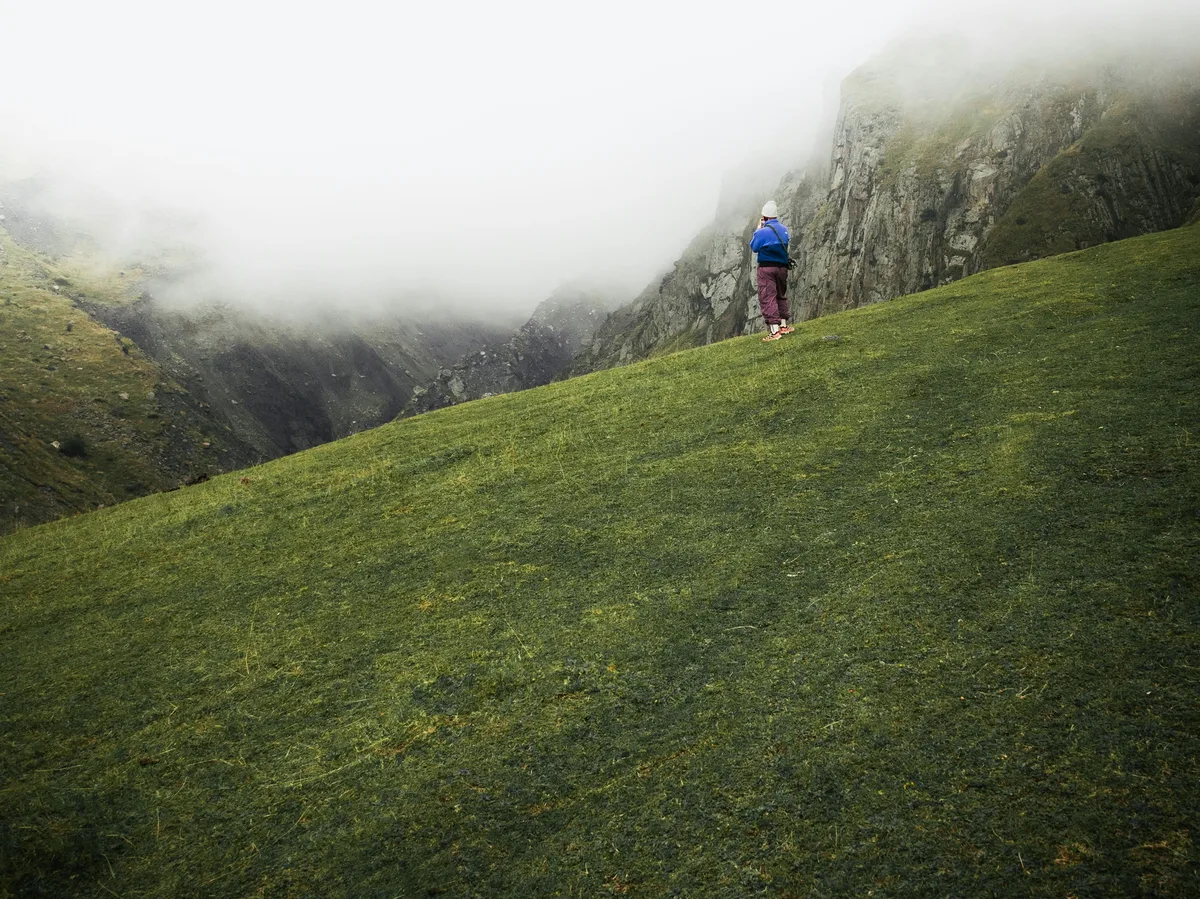
A 12-day active journey through Georgia's least-visited corners — hiking to Mount Chaukhi and the Kazbek glacier, mountain biking in Truso Valley, horseback riding near Sighnaghi, and the medieval villages of Khevsureti.
 Multi-Day Tours
A 10-day tour of three Caucasus capitals — Baku's Old City and Flame Towers in Azerbaijan, Tbilisi's Old Town and Kakheti wine country in Georgia, and Yerevan, Lake Sevan, and Garni in Armenia — with confirmed hotels in every country along the way.
Visitor guide
Kakheti is the principal wine region of Georgia, centred on the Alazani and Iori river basins in the east of the country, and Sighnaghi (Signagi) is its hilltop town overlooking the Alazani Valley. Georgia's traditional qvevri winemaking, in which wine ferments in buried clay vessels, was added to UNESCO's Intangible Cultural Heritage list in 2013.
Wikipedia records that King Heraclius II of Georgia sponsored the town's construction in 1762 and built a fortress to defend the area against raids by Dagestani tribesmen, although settlement there was first recorded in the early 18th century. The town is walled, with remnants of 18th-century fortifications, and it stands on a steep hill with the Caucasus Mountains visible in the distance.
Sighnaghi is small, with a population of 1,485 recorded in 2014. Bodbe Monastery lies about 2 km away and is a pilgrimage site linked to St Nino, the 4th-century apostle of Georgia. The town is a tourist destination partly because it sits at the heart of Georgia's wine-growing country.
Kakheti has Telavi as its administrative centre, covers about 11,310 square km, and had a population of about 310,000 in 2020. It borders Russia to the north and east and Azerbaijan to the southeast. It was an independent principality from the late 8th century and became a kingdom in the 1460s, merged with Kartli in 1762, and was annexed by the Russian Empire in 1801.
Vineyards typically sit at 400-700 metres. Rkatsiteli, a white grape, and Saperavi, a red grape, are the most prominent varieties. Other places that draw visitors include Telavi, Gremi, Alaverdi Monastery, Tusheti and the Lagodekhi protected areas.
Qvevri are large egg-shaped, handleless earthenware vessels used to ferment, store and age Georgian wine. They range from about 20 to 10,000 litres, with roughly 800 litres typical. In the Kakhetian method the vessel is buried so that even its neck sits below ground level.
Grapes are pressed, and the juice, skins, stalks and pips go into the sealed vessel, where wine ferments for at least five to six months before being decanted. Kakhetian white wine made this way, often called amber or orange wine, is macerated for months with skins, seeds and stems. After use, the empty vessel is washed, sterilised with lime and recoated with beeswax.
Archaeological work in Kvemo Kartli has found grape pips and qvevri from the 6th millennium BC, which supports the commonly cited claim that Georgian winemaking is around 8,000 years old, though Wikipedia does not state that figure directly.
A day in the region typically mixes a hilltop walk, a monastery visit and a cellar tasting, and a private driver means nobody has to limit tasting because of the road. Winemaking is seasonal, with the harvest in autumn, so a local guide can explain what is happening in the vineyards at the time of travel.
See every tour and attraction we cover in Georgia.