TorontoOntario · 36 tours
 Niagara FallsOntario · 25 tours
 New York CityNew York · 30 tours
 Las VegasNevada · 8 tours
 San FranciscoCalifornia · 16 tours
 VancouverBritish Columbia · 17 tours
 DubaiUAE · 54 tours
 Abu DhabiUAE · 5 tours
 Buenos AiresArgentina · 23 tours
 AthensGreece · 31 tours
 AucklandNew Zealand · 38 tours
 CancunMexico · 54 tours
No destinations match “”. Try searching all tours instead — that search understands full questions, not just place names.
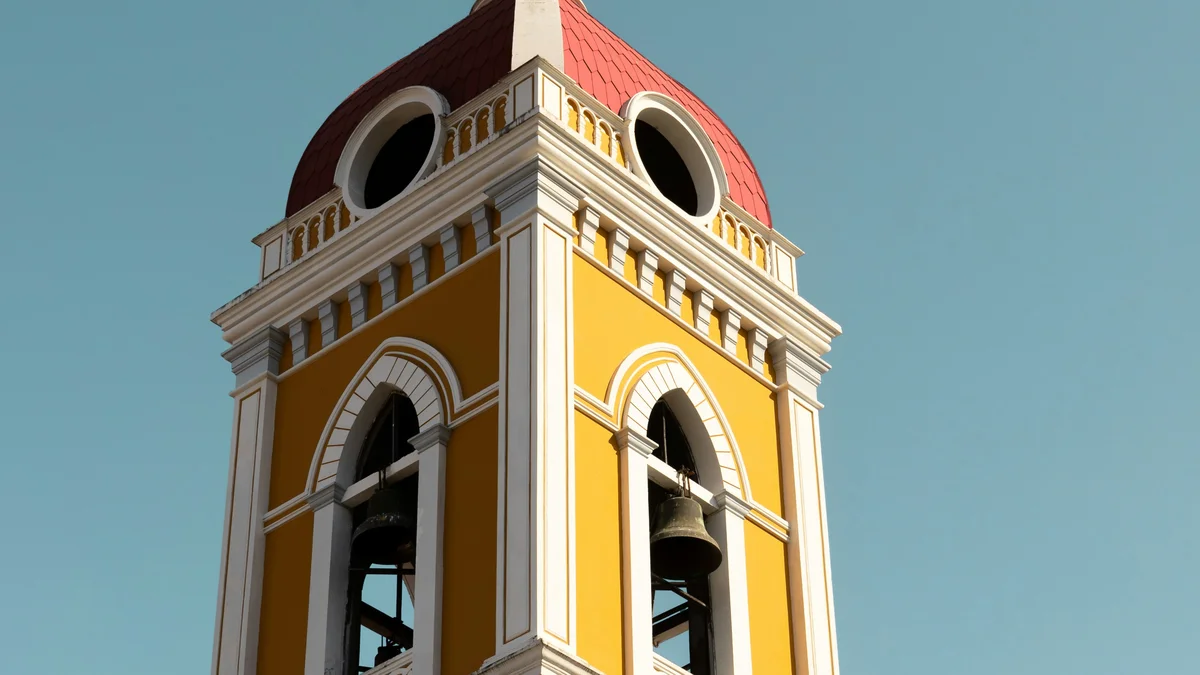
Founded in 1524 on the shore of Lake Nicaragua, Granada is one of the oldest European-founded cities in the Americas and Nicaragua's most-visited colonial town. Its compact center is built around the yellow-and-white Granada Cathedral and the Parque Central, with colorful low-rise colonial facades, horse-drawn carriages, and La Merced Church, whose bell tower can be climbed for views over the city's terracotta rooftops toward the Mombacho Volcano.
Visitor guide
Granada is a colonial city on the northwest shore of Lake Nicaragua, in southwestern Nicaragua, founded in 1524. Its compact historic centre is organised around the Parque Central and the cathedral, with churches, convents and low colonial-style buildings nearby. It is one of the best-known destinations for colonial history in Central America.
Spanish conquistador Francisco Hernández de Córdoba founded the settlement on 21 April 1524 and named it after the Spanish city of Granada. Wikipedia describes it as ostensibly the first European city on mainland America, a claim best treated cautiously. During the colonial era Granada traded with Atlantic ports via Lake Cocibolca, as Lake Nicaragua is also known, and the San Juan River. Its Moorish and Andalusian character earned it the nickname La Gran Sultana.
English, French and Dutch pirates attacked the city by sailing up the San Juan River, though according to Wikipedia none of these attempts succeeded in taking it. For many years Granada competed with León for dominance, with Granada favoured by Conservatives and León by Liberals; the rivalry sometimes turned violent, and the capital was eventually placed at Managua as a compromise.
In the mid-19th century the American filibuster William Walker took up residence in Granada and tried to establish colonies in Central America based on slavery. One of his generals, Charles Frederick Henningsen, set the city on fire before escaping, reportedly leaving the words Here was Granada on the ruins. The fire destroyed much of the colonial-era architecture, so many of the buildings visitors see today were rebuilt or restored after 1856.
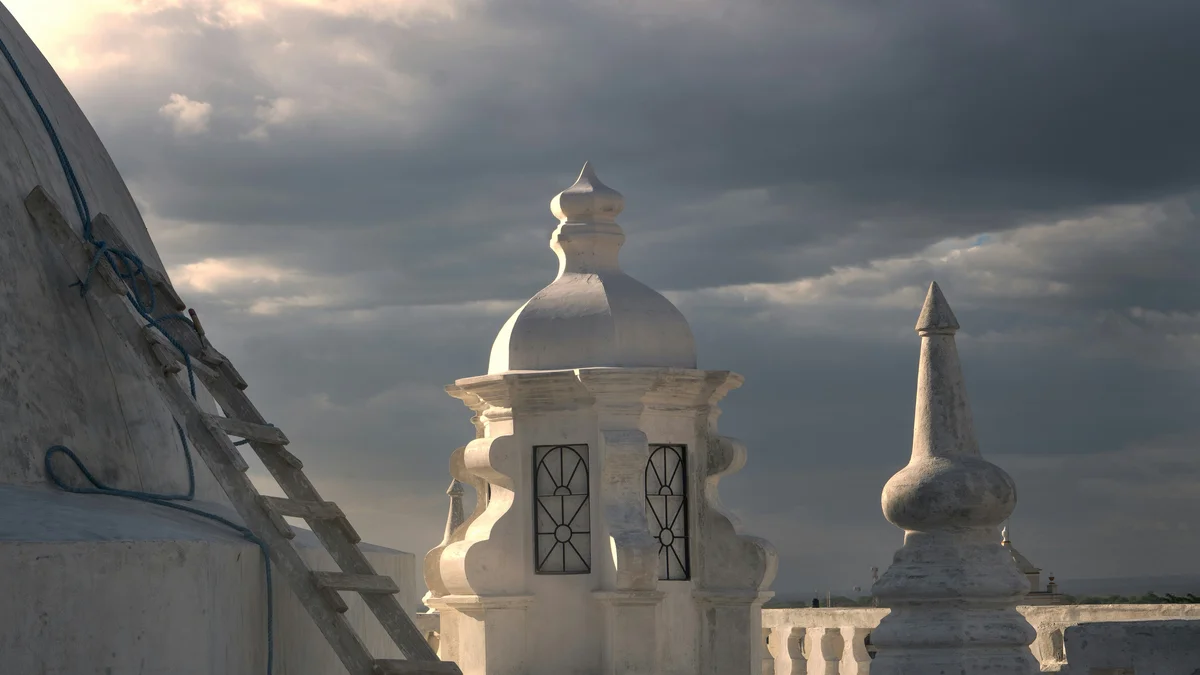
The Parque Central and the Plaza de la Independencia are the city's central public spaces. Granada's cathedral, dedicated to Our Lady of the Assumption, is a neoclassical building on the park. The Church of La Merced was built over a long period between 1534 and 1783 by the Order of Mercy, and it has a climbable bell tower. The Convent of San Francisco, built by Franciscans from 1685 into the late 18th century, now houses a museum with pre-Columbian statues. Xalteva Church, originally colonial and used as a military fortress, was destroyed by Walker's forces and rebuilt between 1890 and 1898.
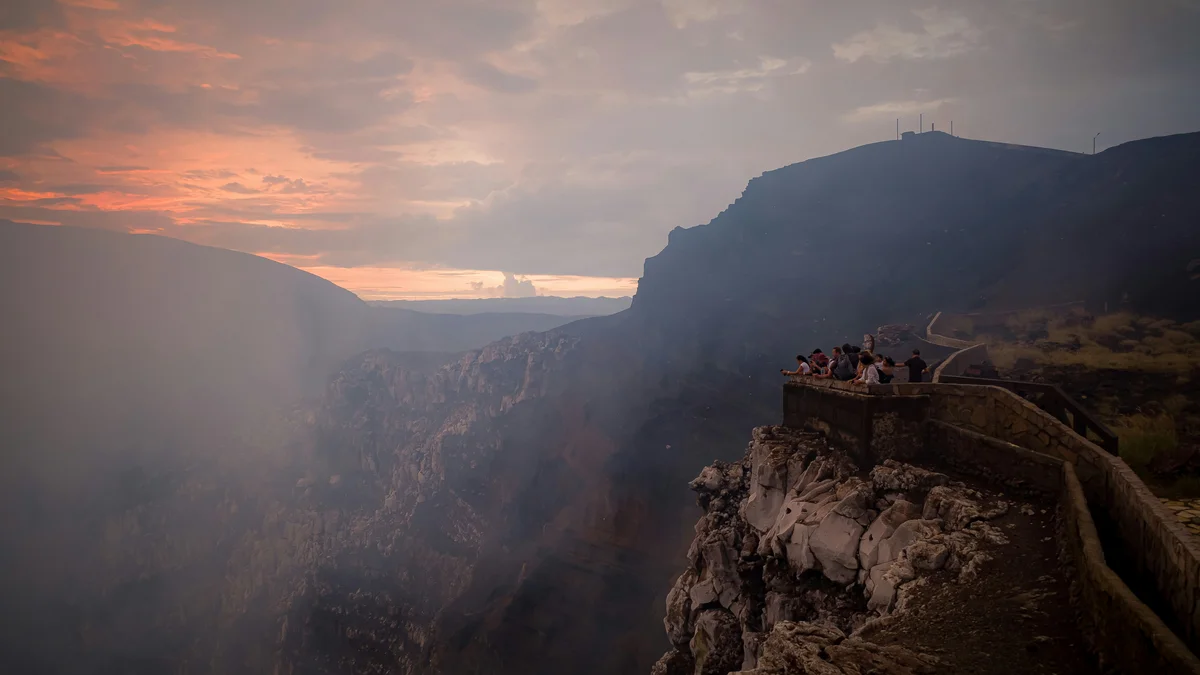
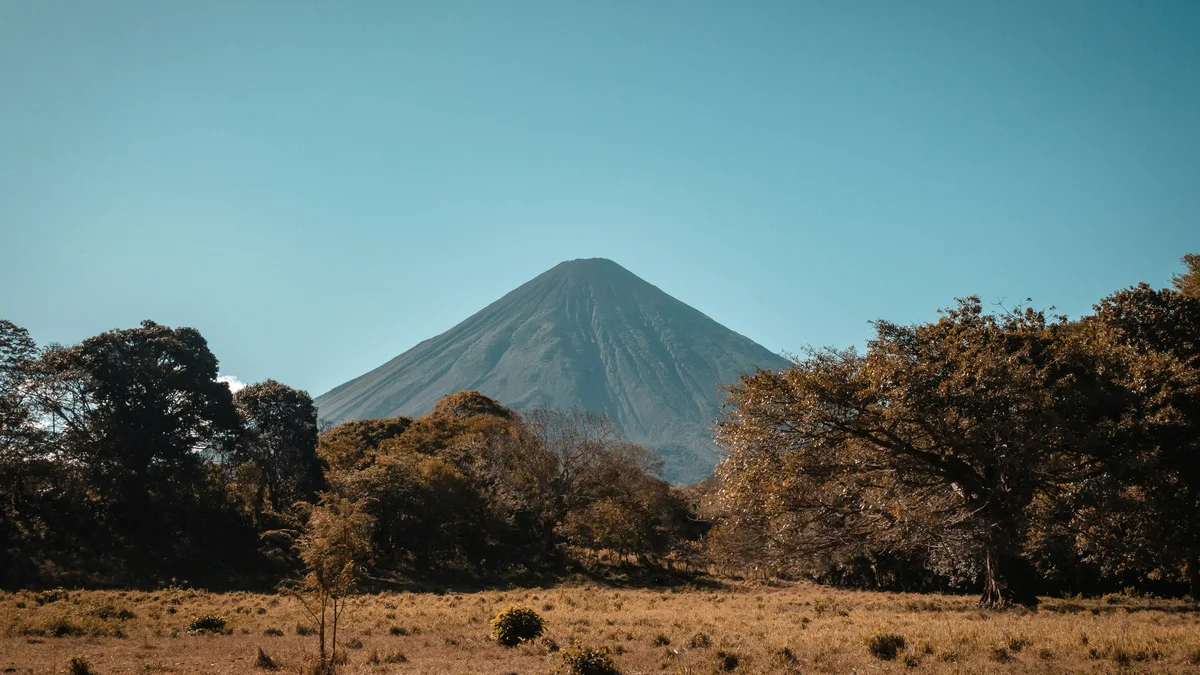
Granada sits on the shore of Lake Nicaragua, which Wikipedia describes as the twentieth largest lake in the world. Mombacho, a dormant volcano and the highest point in the area at 1,345 metres, rises nearby. Its past eruptions blew much of its cone into the lake, forming the 365 islets popularly known as Las Isletas.
Most streets in the centre are narrow and many are one-way. The street Calle La Calzada was being converted to a pedestrian street with Spanish government funding, according to Wikipedia. Granada has a tropical savanna climate, with an annual average of about 25.7 degrees Celsius, and the municipality had an estimated population of 134,104 in 2022.
A private guided walk lets visitors move between the cathedral, La Merced and the convent, and can be paired with the nearby islets and Mombacho.
See every tour and attraction we cover in Nicaragua.