TorontoOntario · 36 tours
 Niagara FallsOntario · 25 tours
 New York CityNew York · 30 tours
 Las VegasNevada · 8 tours
 San FranciscoCalifornia · 16 tours
 VancouverBritish Columbia · 17 tours
 DubaiUAE · 54 tours
 Abu DhabiUAE · 5 tours
 Buenos AiresArgentina · 23 tours
 AthensGreece · 31 tours
 AucklandNew Zealand · 38 tours
 CancunMexico · 54 tours
No destinations match “”. Try searching all tours instead — that search understands full questions, not just place names.
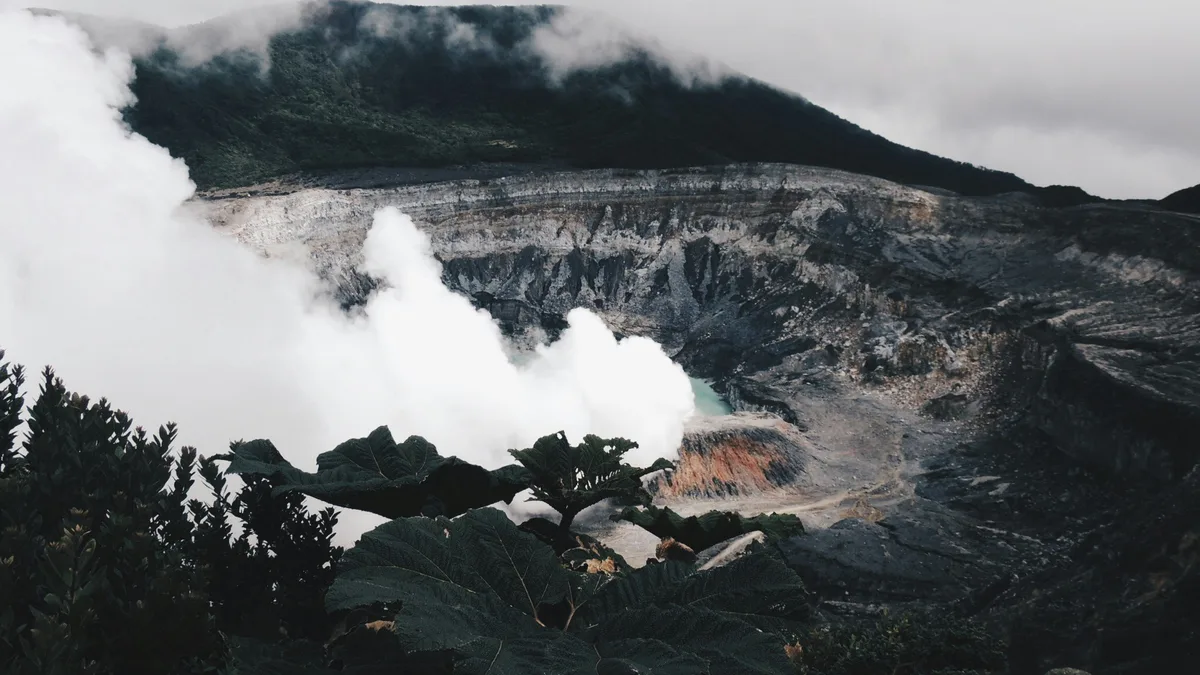
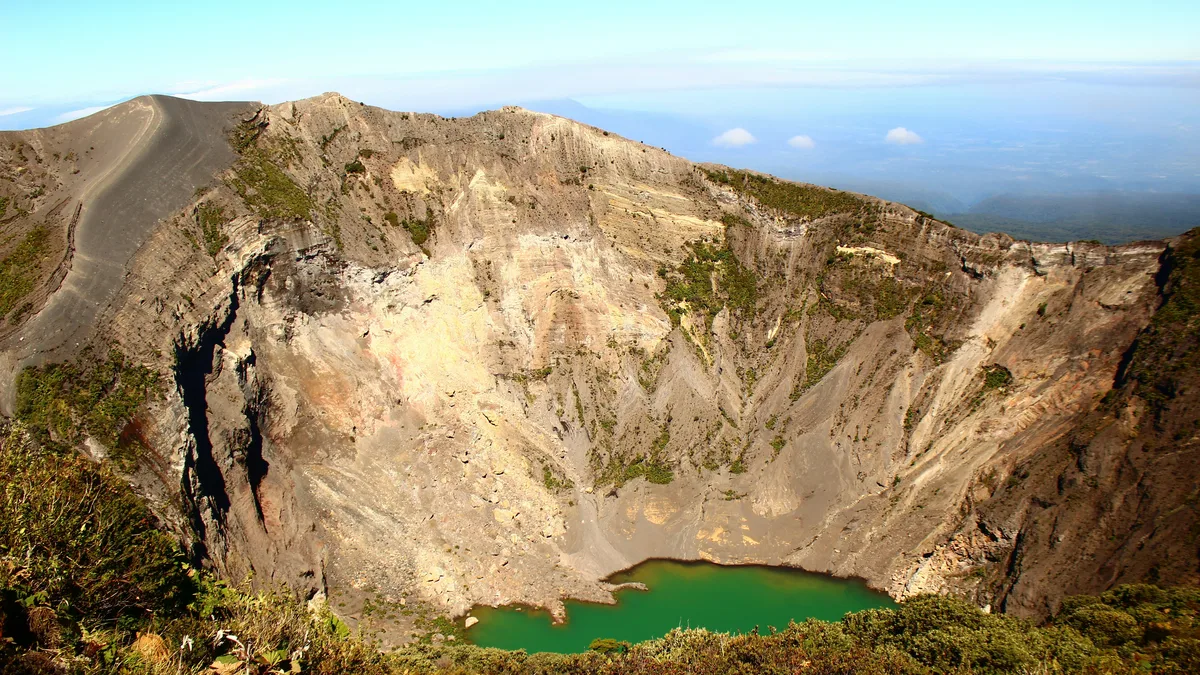
One of Costa Rica's most-visited national parks, Poás Volcano is an active stratovolcano roughly an hour and a half from San José, known for its enormous crater and turquoise, acidic crater lake. A short, mostly paved trail leads from the parking area to the main lookout point, making it one of the more accessible volcano viewpoints in the country. The volcano occasionally has restricted or closed access during periods of higher activity, so conditions can vary by visit.
 Private Tours Popular Pick
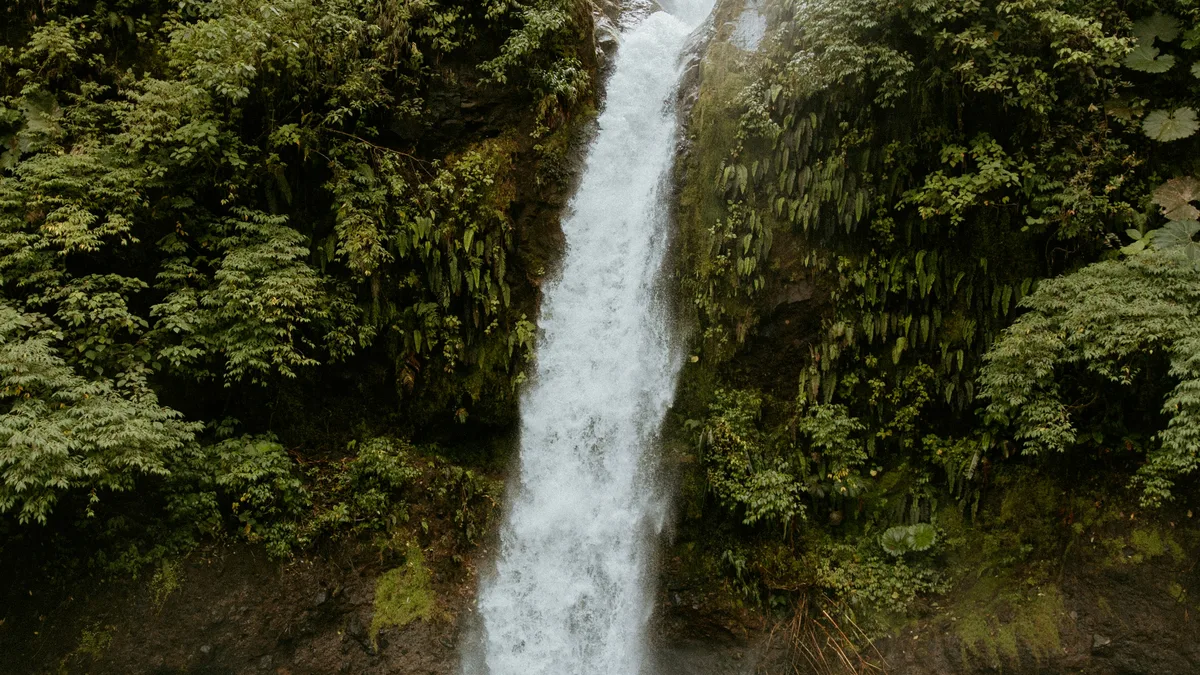
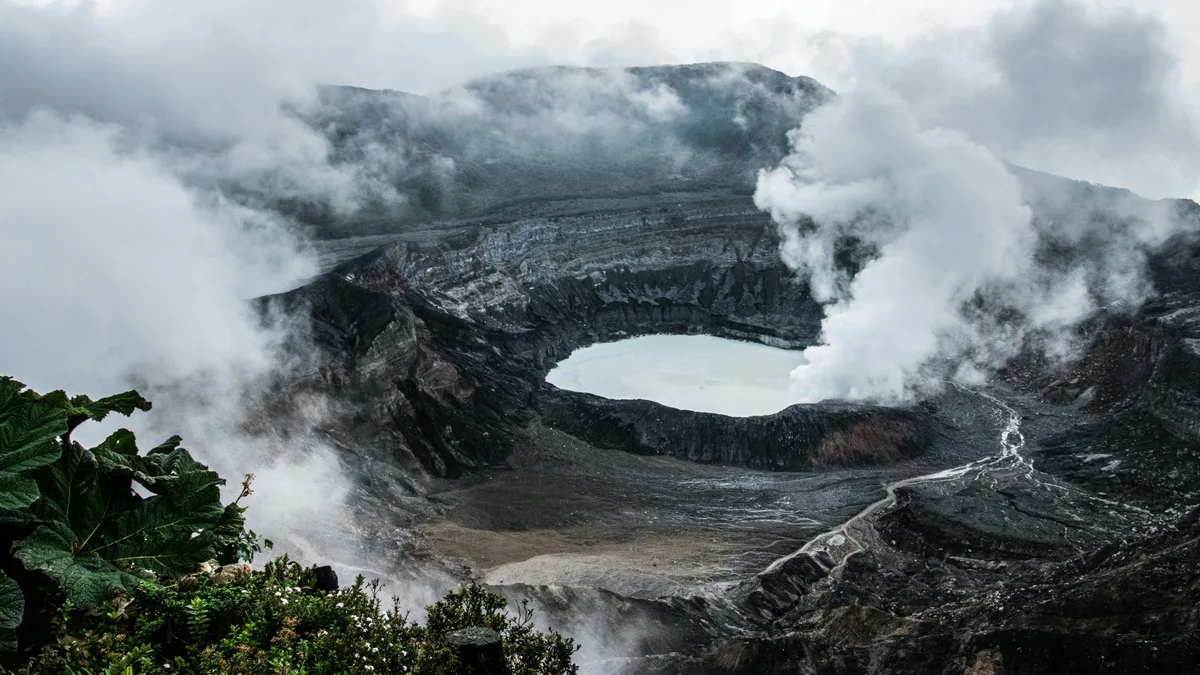
Stand at the crater rim of Poás Volcano, walk the trails of La Paz Waterfall Gardens, and learn how Costa Rican coffee is grown, all in one private, hotel-pickup day.
 Private Tours
Explore Poás Volcano's crater and Laguna Botos with your own guide, then hand-pick strawberries and taste homemade wine and treats at a small, family-run farm.
 Private Tours
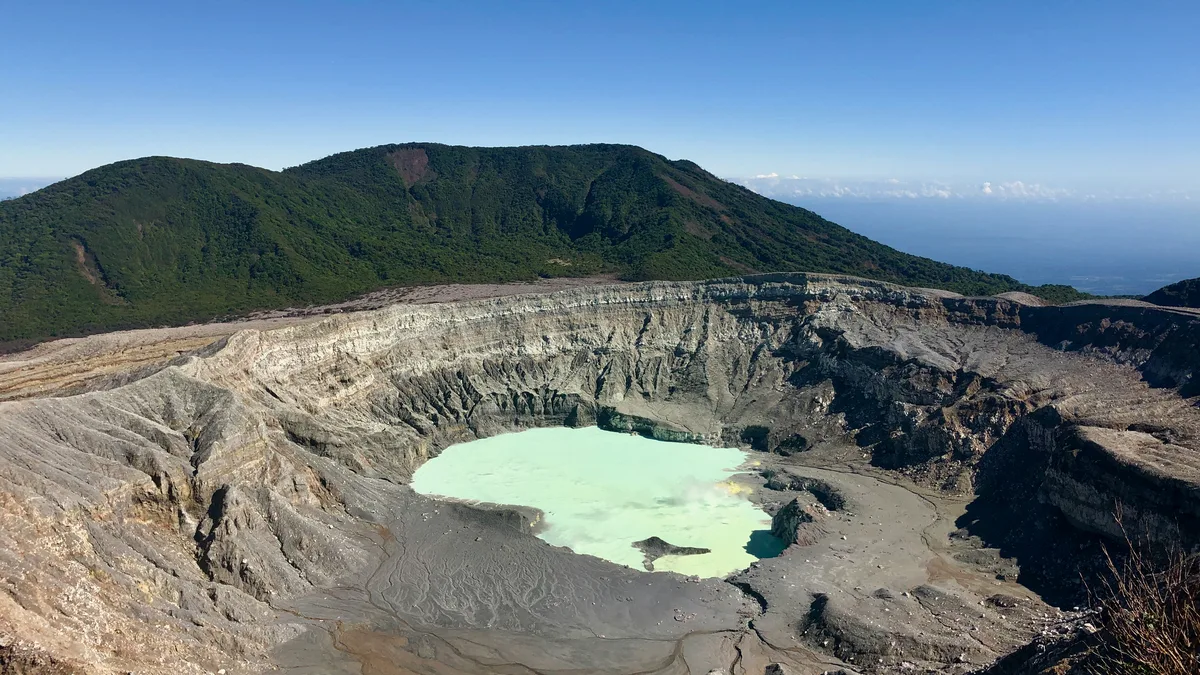
Get a bird's-eye view of Poás Volcano's massive crater, surrounding rainforest, and blue volcanic lagoon on a private scenic helicopter flight with pilot commentary.
Visitor guide
Poas Volcano National Park protects an active stratovolcano in the Cordillera Central of Costa Rica, in Alajuela Province north of San Jose. Established in 1971, the park is known for its wide summit crater, its acidic crater lake and a cloud forest that surrounds a second, cold-water lake.
Poas rises to about 2,700 metres, and its summit holds two crater lakes. Laguna Caliente, the northern lake, sits in the main active crater, which SINAC's park profile gives as roughly 1.3 kilometres across and about 300 metres deep. Wikipedia calls it one of the world's most acidic lakes, with a pH that can fall close to zero and a layer of liquid sulfur on its bottom. Its acidity shifts with rainfall and volcanic activity.
The southern lake, Lake Botos, fills an inactive crater whose last eruption is dated to around 7500 BC. Its water is cold and clear and the crater is ringed by cloud forest. A third crater, Von Frantzius, is also inactive and is reached by trails when conditions allow.
Poas has erupted about 40 times since 1828 according to Wikipedia. A major eruption cycle ran from 1953 to 1956, and eruptions often include geyser-like ejections of lake water. In January 2009 an earthquake near Poas caused heavy damage in the Cinchona area. In April 2017 a series of explosions sent ash and incandescent rock across a wide area and damaged park buildings, after which the park was closed for a long period and reopened with restrictions and a safety perimeter.
The volcano is monitored for gas emissions, and in 2022 the International Union of Geological Sciences included Poas among its first 100 geological heritage sites. Because volcanic conditions change, access to the crater viewpoint can be limited or suspended, and the national authorities are the reliable source on current arrangements.
The park covers about 65 square kilometres and was established on 25 January 1971. It is managed by SINAC and sits in the Central Conservation Area. Vegetation includes the Poas magnolia, and Wikipedia lists the resplendent quetzal, black guan, clay-colored robin and several hummingbirds, tanagers and toucan species among its birds.
Mammals are not abundant but include coyotes, long-tailed weasels, Dice's cottontail rabbits, striped hog-nosed skunks, Deppe's squirrels and nine-banded armadillos. Acid gas from the main crater damages vegetation nearby, which is visible as bare or stunted patches in satellite imagery.
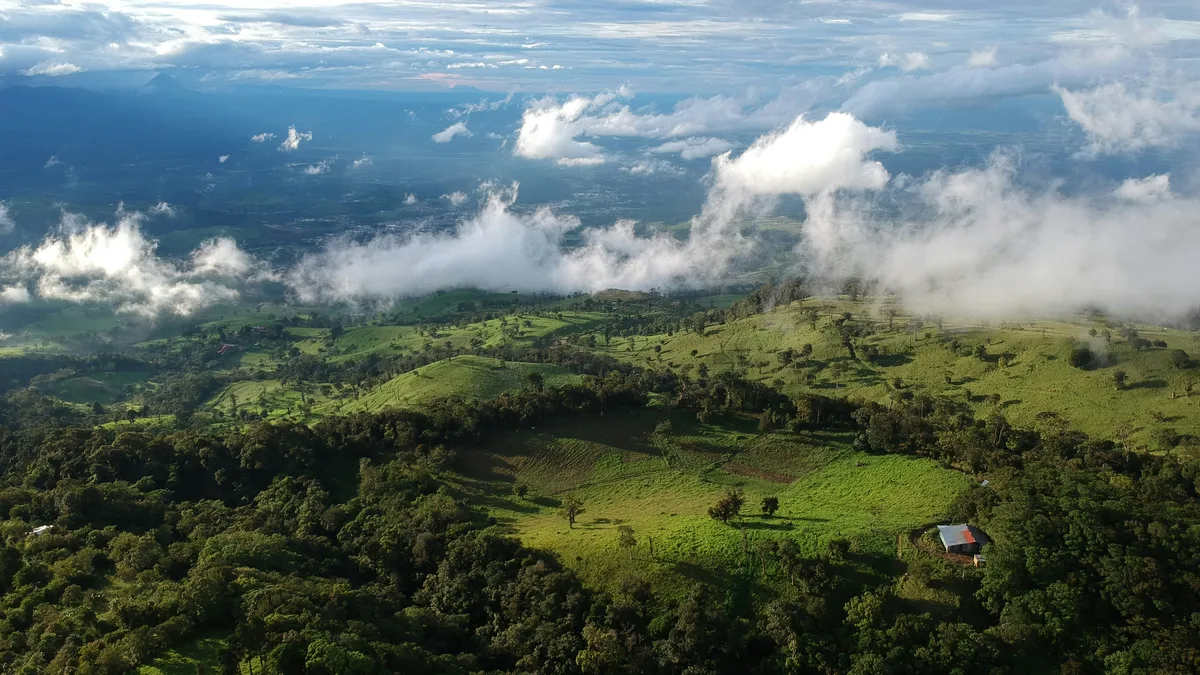
The volcano is within easy reach of the capital, and it is commonly combined with highland stops such as waterfall gardens and coffee farms. Weather matters: the crater is often hidden by cloud by midday, so early starts are typical. A private guided visit lets a driver handle the mountain road and a guide explain the volcanic features if the viewpoint is open on the day.
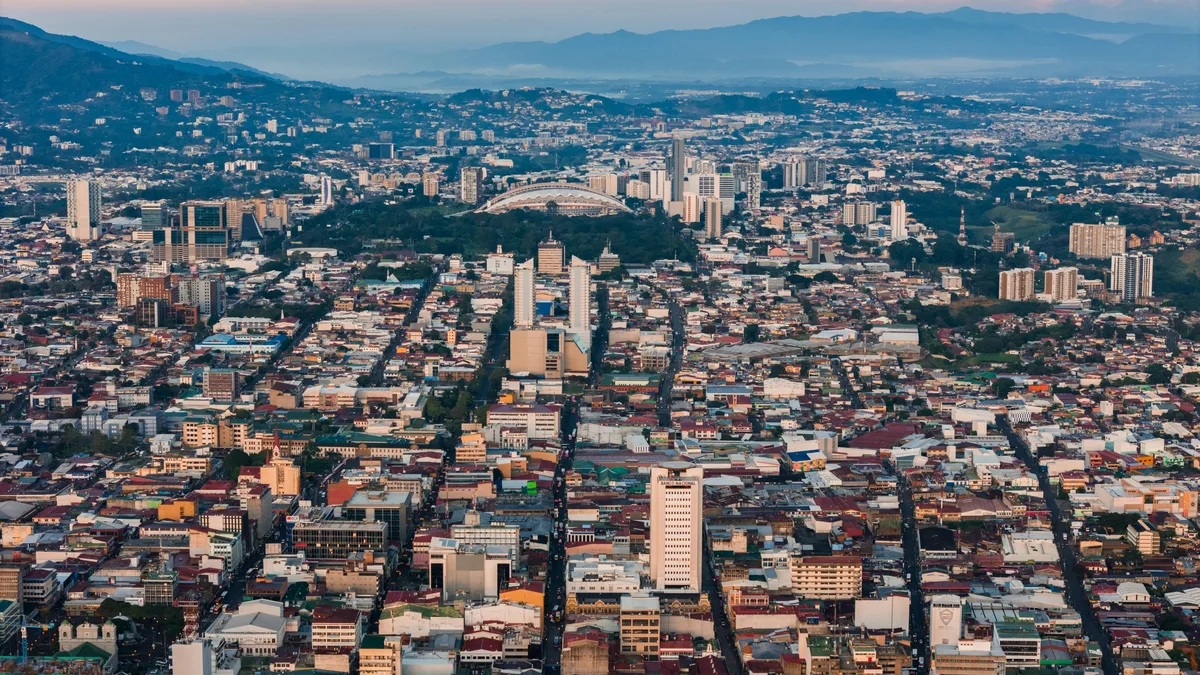
See every tour and attraction we cover in San Jose.