TorontoOntario · 36 tours
 Niagara FallsOntario · 25 tours
 New York CityNew York · 30 tours
 Las VegasNevada · 8 tours
 San FranciscoCalifornia · 16 tours
 VancouverBritish Columbia · 17 tours
 DubaiUAE · 54 tours
 Abu DhabiUAE · 5 tours
 Buenos AiresArgentina · 23 tours
 AthensGreece · 31 tours
 AucklandNew Zealand · 38 tours
 CancunMexico · 54 tours
No destinations match “”. Try searching all tours instead — that search understands full questions, not just place names.
A small town in Costa Rica's Central Valley, Sarchí is nationally famous as the birthplace of the hand-painted oxcart (carreta), a design so significant to Costa Rican identity that UNESCO has recognized it as part of the country's intangible cultural heritage. Family-run workshops still hand-paint carts in intricate geometric patterns, and the town displays what's said to be the world's largest oxcart alongside dozens of craft shops selling woodwork and other handmade goods.
Visitor guide
Sarchi is a town and canton in Alajuela Province, in the highlands of Costa Rica's Central Valley, widely known as the home of the country's painted oxcarts. Wikipedia describes it as the cradle of the craft of Costa Rica, with many workshops and factories that draw visitors.
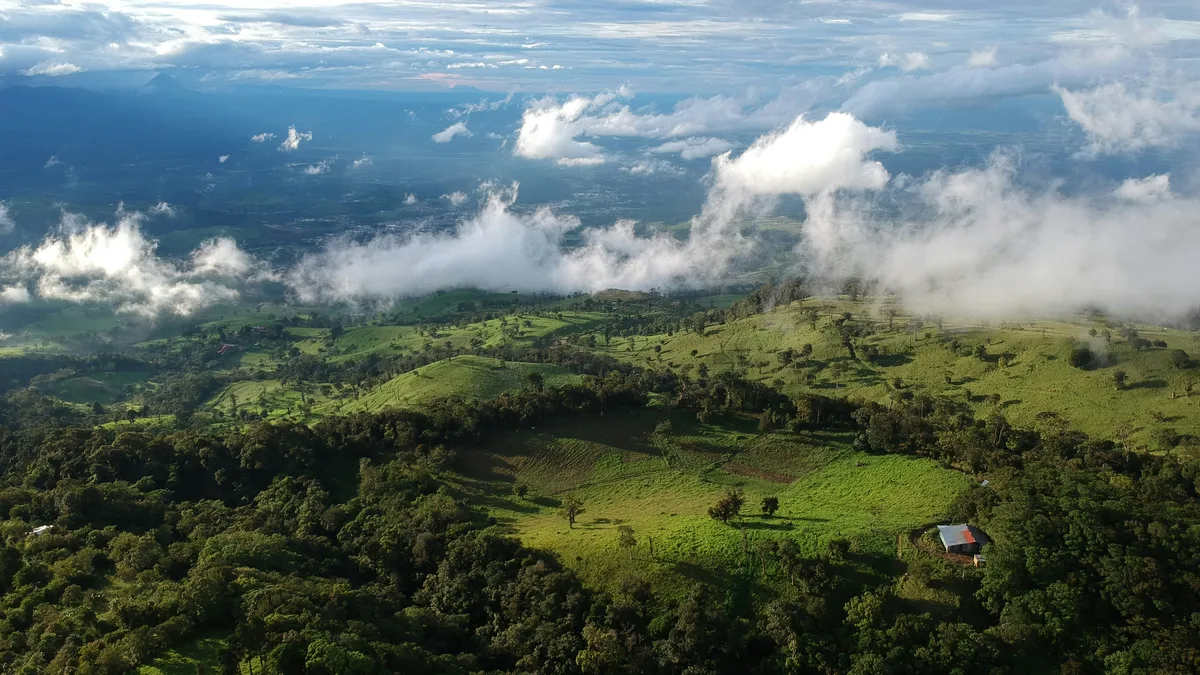
The canton covers about 120 square kilometres between the Molino and Toro rivers and the Sarchi River, and extends north into a high valley between the Poas and Platanar volcanoes. It was created in 1949 and inaugurated on 1 January 1950, first as Valverde Vega, a name changed to Sarchi in 2019. The name is reported to mean Open Field in the Huetar language. Its districts are Sarchi Norte, Sarchi Sur, Toro Amarillo, San Pedro and Rodriguez.
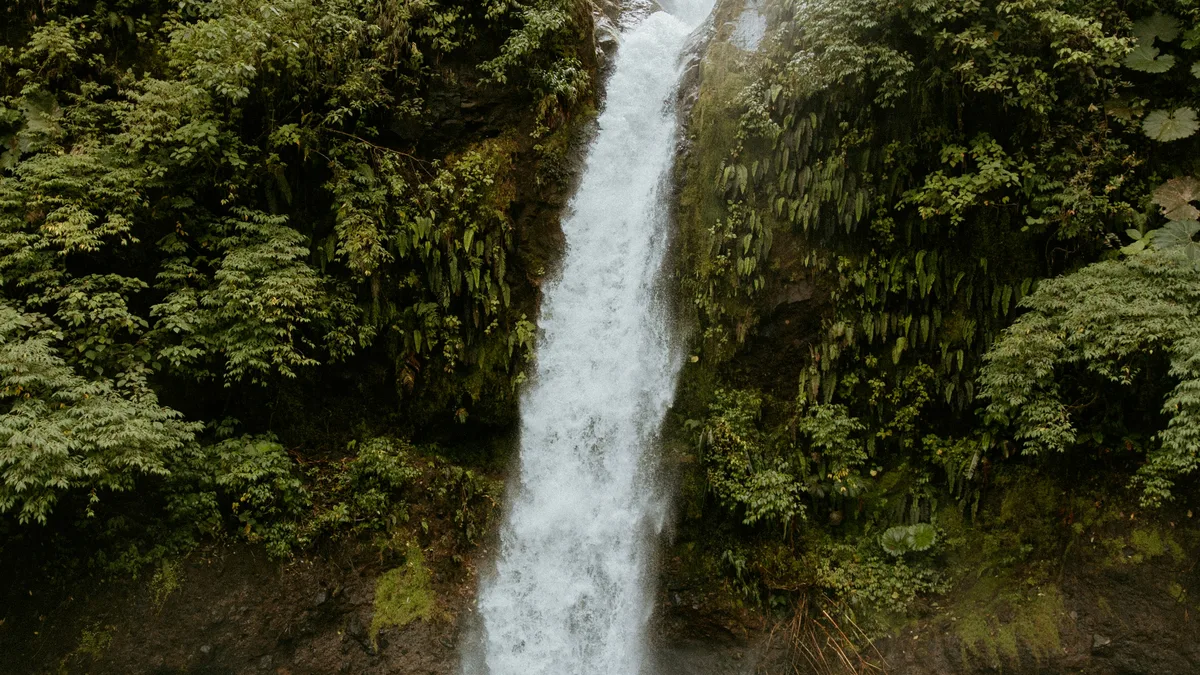
Population was 18,085 in the 2011 census, and several national routes cross the canton. Toro Amarillo has a waterfall, Toro's Waterfall, near a hotel designed by architect Ibo Bonilla.
Oxcarts, called carretas, are a national symbol. Spanish colonists introduced the design, but it repeatedly failed on Costa Rican terrain until a redesigned cart with spokeless wheels was developed in the nineteenth century. Coffee was the main cargo, carried from plantations toward ports, and the golden age of the cart ran from about 1850 to 1935 before railways and trucks replaced it, according to Wikipedia.
The cart was designated a National Labor Symbol in 1988, and on 24 November 2005 UNESCO proclaimed the traditional use of the oxcart in Costa Rica as intangible cultural heritage. UNESCO later inscribed it on its Representative List in 2008, so travel sites sometimes cite one year and sometimes the other.
The tradition of painting carts began in the early twentieth century. Regions developed their own patterns so that a driver's origin could be identified from the wheels, and designs later widened to flowers, stars, faces and landscapes. A metal ring striking the hub nut produced a distinctive chime as the cart moved.
Sarchi is described by travel sources as the centre of the tradition, with long-established workshops including the Joaquin Chaverri factory, often said to date to 1902. Those workshop dates come from travel sources rather than a primary record, so treat them as commonly reported. A large painted oxcart in town is a well-known landmark.
Visitors typically browse the workshops, watch wood and paint work and shop for handicrafts. Sarchi sits on the route between San Jose and the northern lowlands, so it combines naturally with highland stops. A private guided visit lets a driver handle the road and a guide explain the cart tradition. Workshop hours and demonstrations vary, so arrangements should be confirmed in advance.
Wikipedia also records that Sarchi has been marked by steady population growth, from 4,313 residents in 1950 to 21,562 in 2022, and that its workshops are part of a wider handicraft economy. Alongside carts, local makers are generally associated with furniture and decorative woodwork, so visitors can expect a mix of working factories and souvenir shops. Día de los Boyeros, the oxcart drivers' festival, is held each March in San Antonio de Escazú rather than in Sarchí itself, according to Wikipedia.
See every tour and attraction we cover in San Jose.