TorontoOntario · 36 tours
 Niagara FallsOntario · 25 tours
 New York CityNew York · 30 tours
 Las VegasNevada · 8 tours
 San FranciscoCalifornia · 16 tours
 VancouverBritish Columbia · 17 tours
 DubaiUAE · 54 tours
 Abu DhabiUAE · 5 tours
 Buenos AiresArgentina · 23 tours
 AthensGreece · 31 tours
 AucklandNew Zealand · 38 tours
 CancunMexico · 54 tours
No destinations match “”. Try searching all tours instead — that search understands full questions, not just place names.
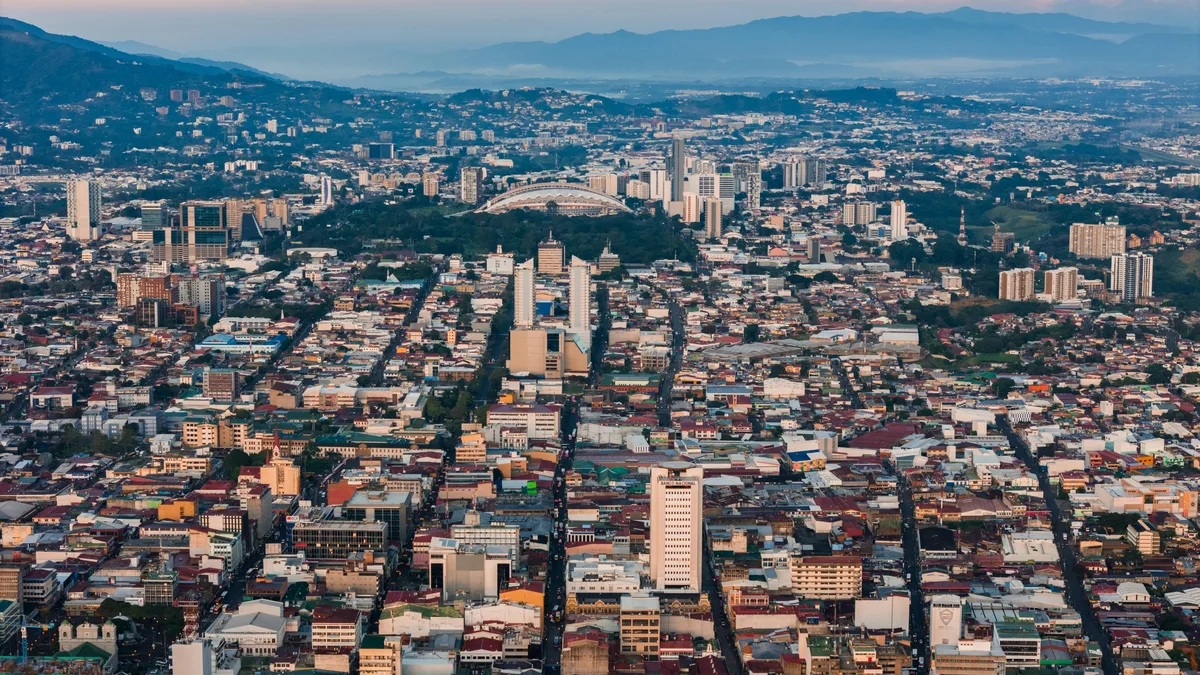
San José's ornate National Theater opened in 1897, built in a neoclassical style with funds partly raised through a national coffee export tax, reflecting how central coffee was to the country's development. It remains home to the National Symphony Orchestra and is one of the city's most recognizable landmarks on the Plaza de la Cultura, with a marble-and-gold interior that draws visitors even when no performance is on.
Visitor guide
The Teatro Nacional de Costa Rica is the country's national theatre, a historic building in central San Jose that opened in October 1897. Often said to have been funded through a tax on coffee exports, it is one of the capital's best-known historic landmarks and still hosts performances.
San Jose had only about 19,000 residents when construction began in the late nineteenth century. Its earlier theatre, the Teatro Mora, had been rendered unsafe by an earthquake. According to Wikipedia, President Jose Joaquin Rodriguez Zeledon financed the new theatre by placing a tax on coffee, the country's main export, and a coffee planter later asked that the tax be moved to rice and beans.
The building took seven years to complete and had a difficult start. An Italian engineer was brought in to direct the work and correct construction errors. The English Wikipedia gives the opening as 21 October 1897 with a performance of Goethe's Faust, while the Spanish article gives 19 October 1897 and a performance of Gounod's Faust by a French company, so the exact date and version are reported differently. Ruy Cristoforo Molinari is credited as structural engineer in the English article.
The popular story of a coffee tax paying for the theatre is only part of the picture. The Spanish-language Wikipedia article states that a tax on imported goods covered about 95 percent of the cost, with coffee growers contributing a few percent, so the coffee link is better described as symbolic of the era's coffee prosperity than as the sole source of funds. Construction began in January 1891 and took about six years, against an original expectation of two.
The neoclassical facade features statues of the playwright Pedro Calderon de la Barca and the composer Ludwig van Beethoven, and monuments near the entrance walkway include one of Frederic Chopin. Wikipedia describes the interior as ornate and richly furnished, with a capacity of 1,140.
One notable interior feature is the mural Allegory of Coffee and Bananas by the Milanese artist Aleardo Villa, which has also appeared on the five-colon banknote. The mural reflects the importance of the two crops to the country's economy in the period.
The Spanish Wikipedia names the architects as the Italian Cristoforo Molinari Acchipatti and the Costa Rican Nicolas Chavarria Mora, and describes an eclectic design mixing German, Pompeian, Baroque, Rococo and Neo-Renaissance influences. Materials include local precious woods, imported French iron, Italian marble and a metal dome made in Belgium. Pietro Bulgarelli made the three facade figures representing Music, Fame and Dance, and a foyer used for intermissions now hosts small concerts and state dinners.
The theatre was declared a National Monument in 1965, and in 1999 it received the Institucion Benemerita de las Artes Patrias award. The OTI Festival 1998 was staged here on 13 and 14 November that year.
Today the National Symphonic Orchestra performs regular seasons at the theatre, presenting works by Costa Rican and foreign composers, and Wikipedia says it holds performances several times a week. Programme details change, so check with the theatre before planning around a show.
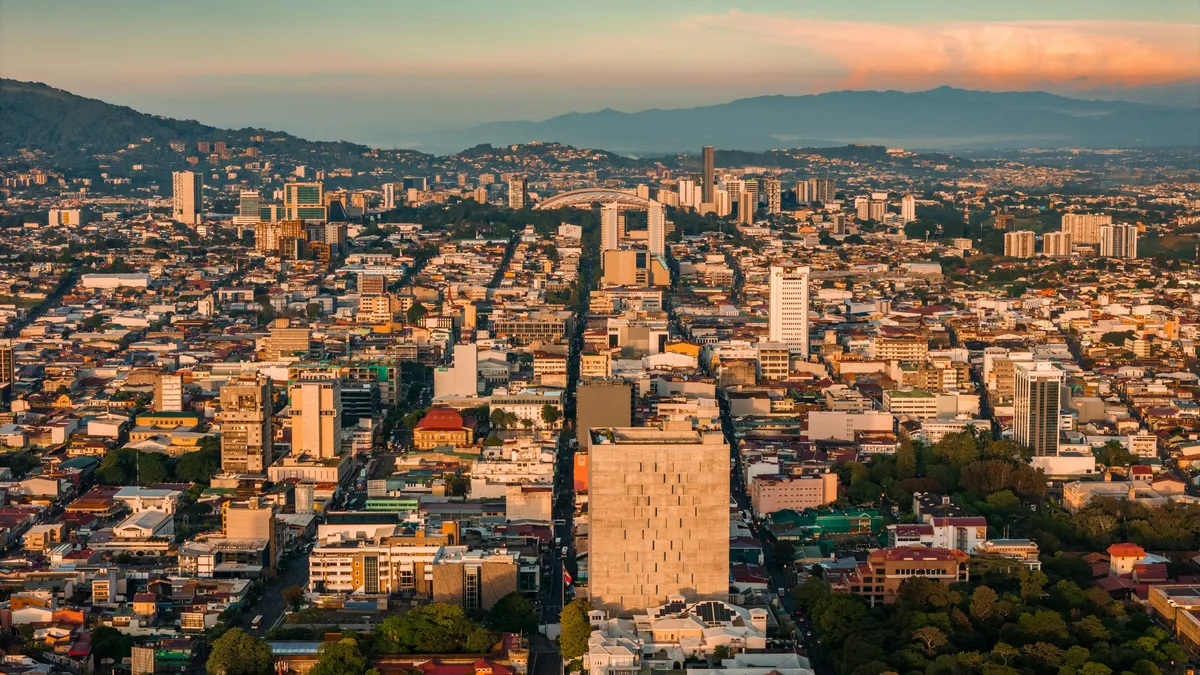
The theatre stands in the middle of San Jose and is easy to combine with other downtown sights. A private guided visit can explain the coffee-era history behind the building and its art, and a local driver removes the need to navigate city traffic. Interior access depends on the programme and any rehearsals, so confirm arrangements in advance.
See every tour and attraction we cover in San Jose.