TorontoOntario · 36 tours
 Niagara FallsOntario · 25 tours
 New York CityNew York · 30 tours
 Las VegasNevada · 8 tours
 San FranciscoCalifornia · 16 tours
 VancouverBritish Columbia · 17 tours
 DubaiUAE · 54 tours
 Abu DhabiUAE · 5 tours
 Buenos AiresArgentina · 23 tours
 AthensGreece · 31 tours
 AucklandNew Zealand · 38 tours
 CancunMexico · 54 tours
No destinations match “”. Try searching all tours instead — that search understands full questions, not just place names.
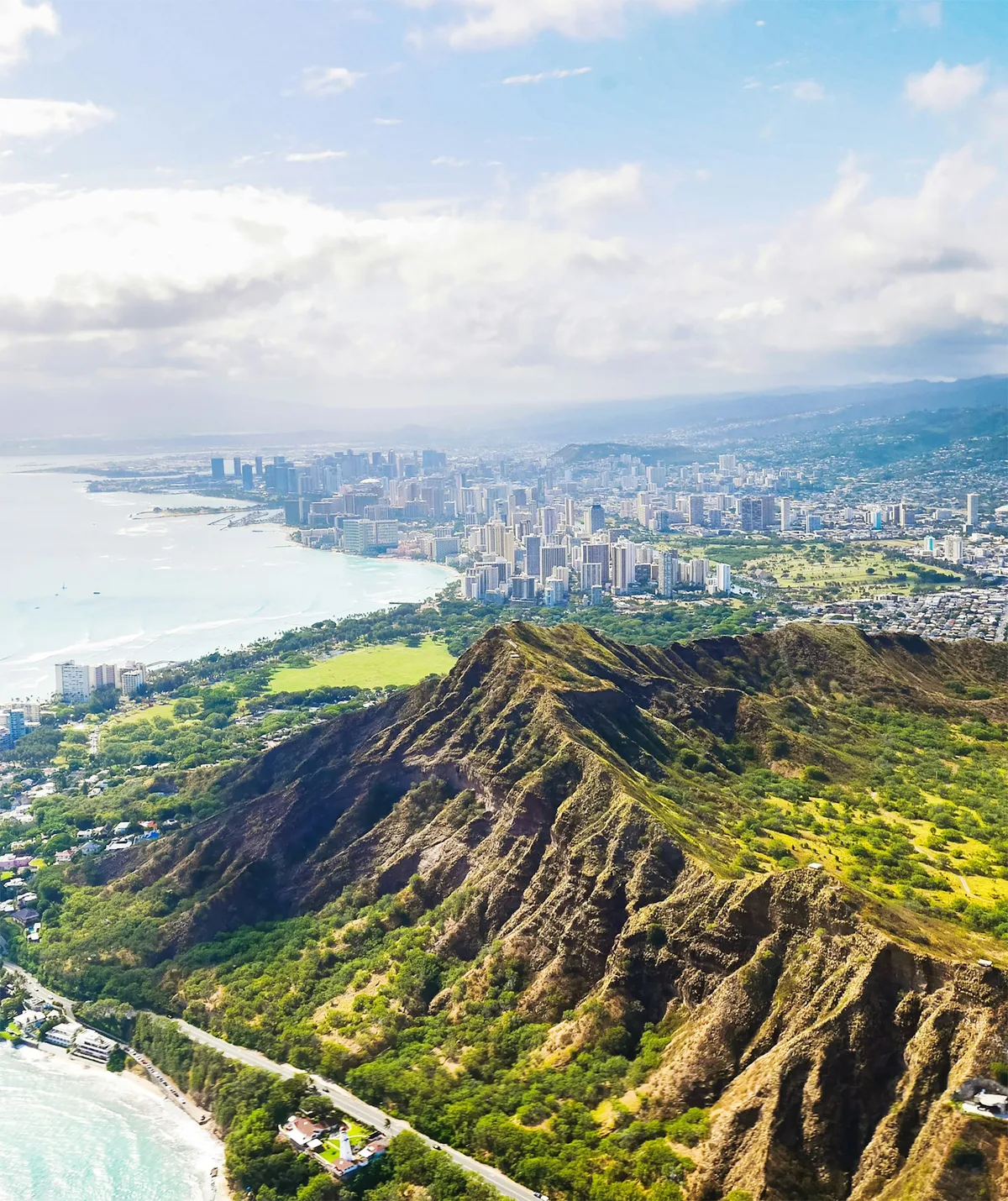
An iconic volcanic crater overlooking Honolulu's south shore, with panoramic views from its rim.
 Private Tours
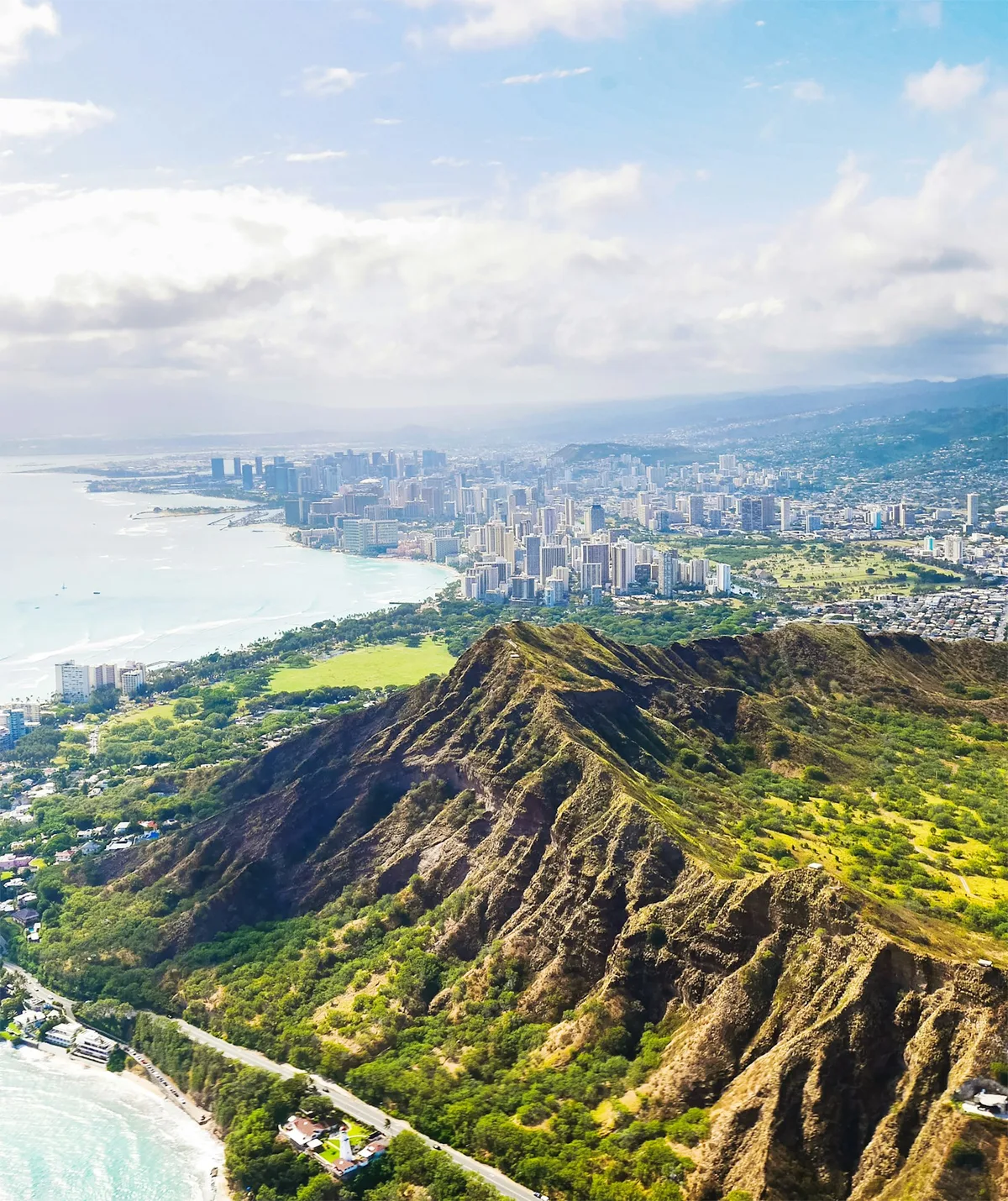
A private, fully customizable circle-island tour of Oahu — Diamond Head, the Windward Coast's Byodo-In Temple and Kualoa Ranch, and the North Shore's Dole Plantation — in an air-conditioned private van with a dedicated local guide.
 Private Tours
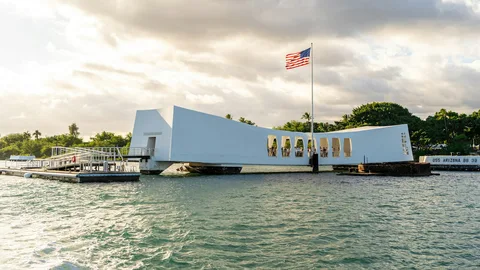
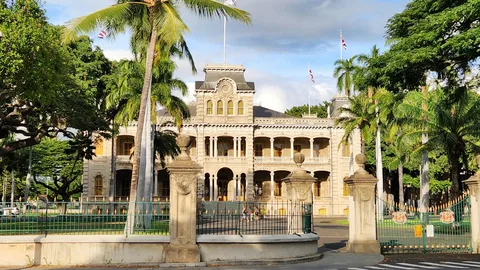
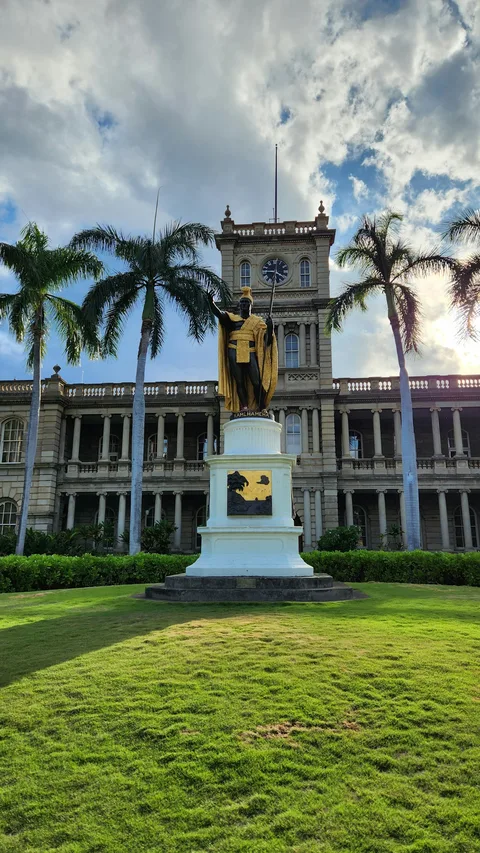
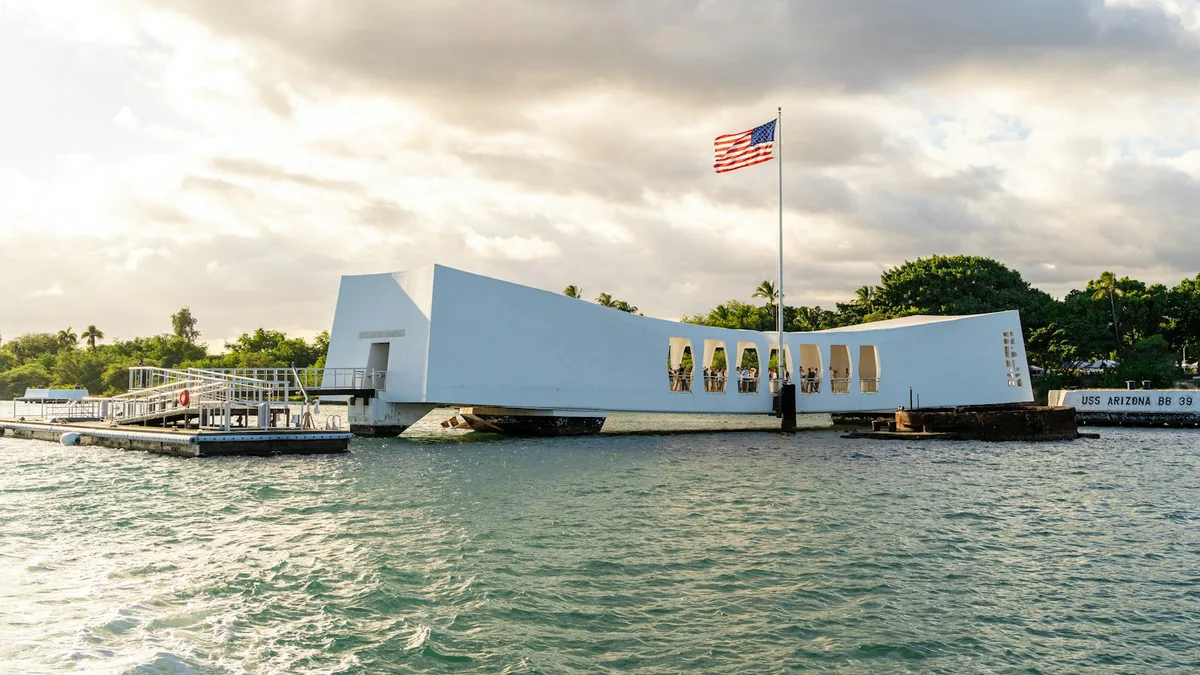
A private tour combining skip-the-line access to the USS Arizona Memorial at Pearl Harbor with downtown Honolulu's Iolani Palace, the Hawaii State Capitol, and the King Kamehameha Statue.
 Private Tours
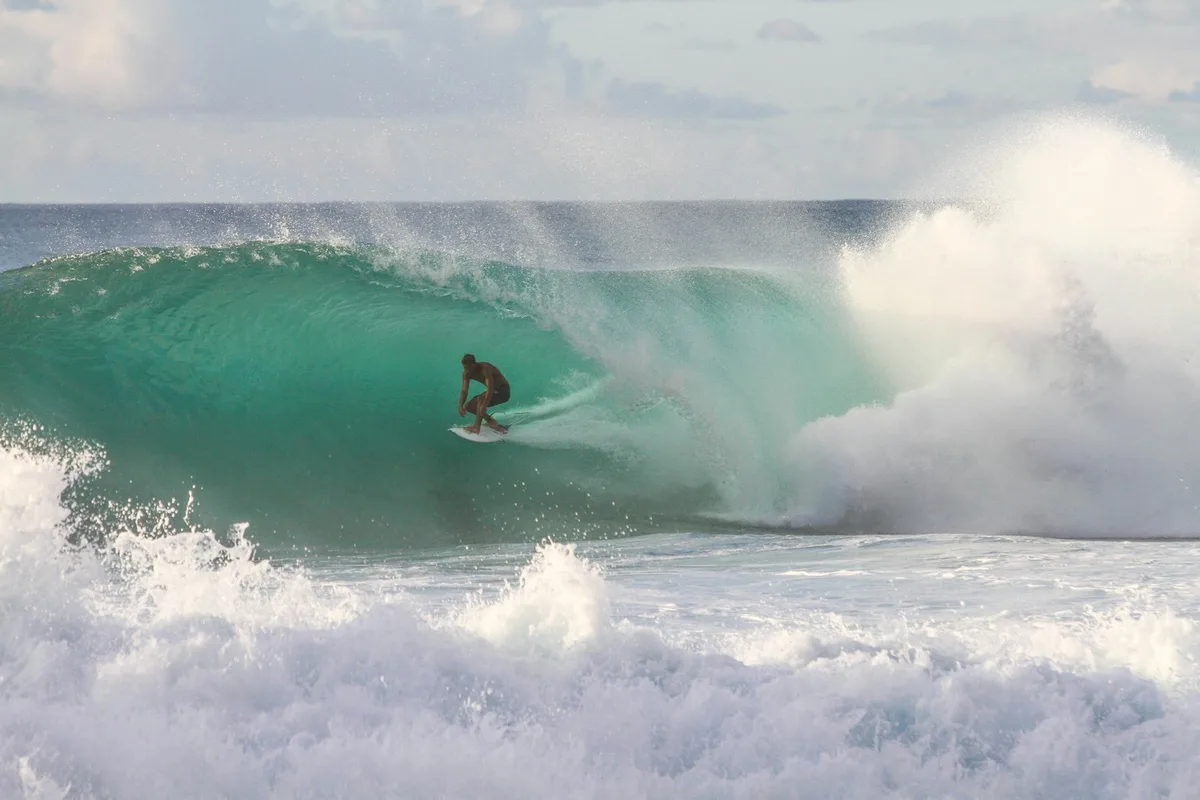
A private, fully custom full-day tour of Oahu for small groups — flexible stops from Halona Blow Hole to the North Shore, with snorkeling equipment and car seats included, offered in English and Japanese.
 Private Tours
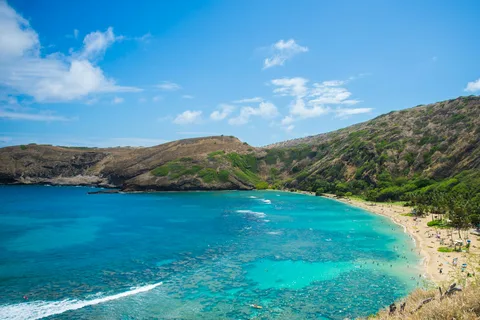
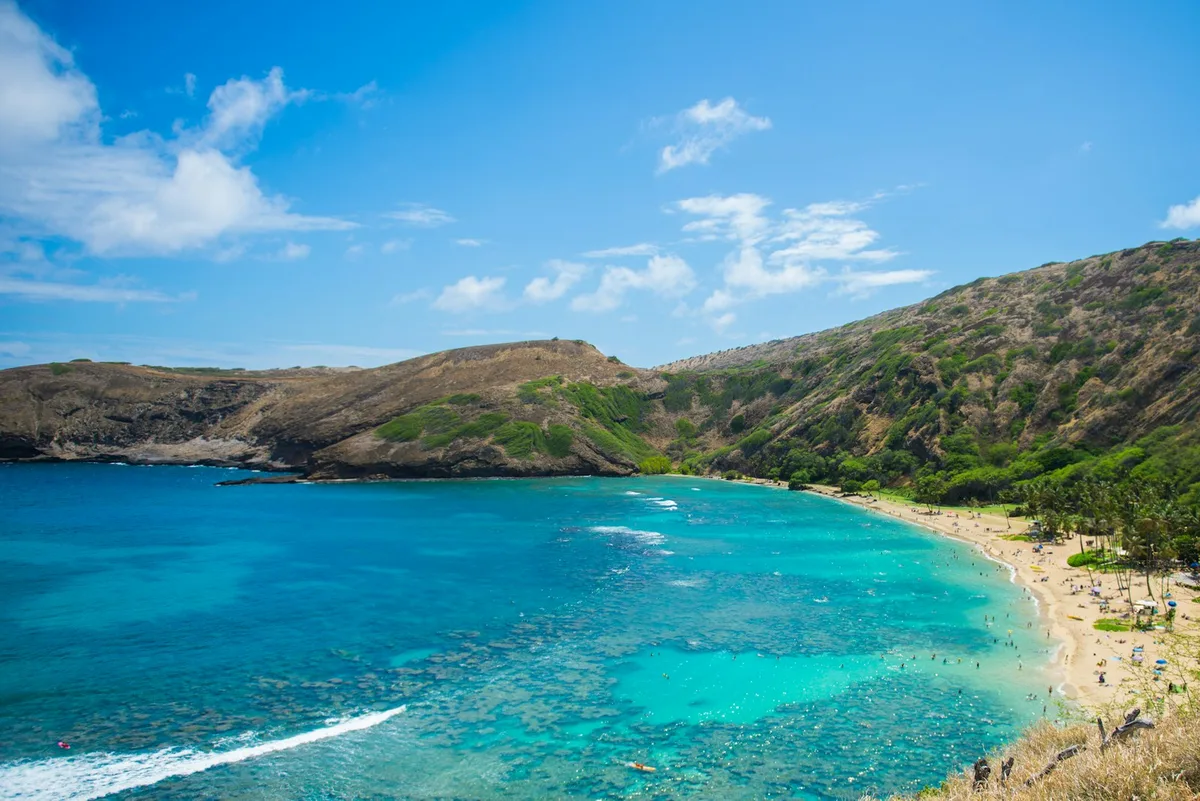
A private, full-day customizable circle-island tour of Oahu — Diamond Head, Hanauma Bay Nature Preserve, the North Shore, and the Nu'uanu Pali Lookout — in a private minivan with pickup from Waikiki, Honolulu, or your cruise ship terminal.
Visitor guide
Diamond Head, known in Hawaiian as Lēʻahi, is a volcanic tuff cone beside Waikīkī on Oʻahu's south shore. The state-managed monument covers over 475 acres, including the crater interior and its outer slopes. Its summit trail, built in 1908 as part of the island's coastal defences, is one of Hawaiʻi's best-known short hikes.
Hawaiʻi State Parks says the saucer-shaped crater formed roughly 300,000 years ago in a single explosive eruption, with ash cementing into the tuff visible along the trail. Wikipedia places it in the Honolulu Volcanic Series, a later phase of eruptions from the Koʻolau Volcano, and gives an age estimate of 400,000 to 500,000 years, while its infobox lists 200,000, so the figure is approximate. Its elevation is listed as 762 feet.
Lēʻahi is most likely from lae (brow or promontory) and ʻahi (tuna), after the ridgeline's resemblance to a tuna's dorsal fin. British sailors named it Diamond Hill in 1825 after mistaking calcite crystals for diamonds, and the name later became Diamond Head. It is a National Natural Landmark, designated in 1968.
The summit trail was constructed in 1908 as part of Oʻahu's coastal defence system. A fire control station was completed at the summit in 1911 and directed artillery fire from batteries in Waikīkī and Fort Ruger, which lies outside the crater. Bunkers survive at the summit, and the navigational lighthouse beside the crater was built in 1917. Wikipedia notes that an FAA air traffic control centre operated in the crater from 1963 to 2002 and that Battery 407 and the Birkhimer Tunnel, used by emergency management, remain in use; some of the summit is closed to the public for government antennas.
The trail is about 0.8 miles one way and gains about 560 feet. Hawaiʻi State Parks describes it as steep and strenuous: a concrete walkway built to reduce erosion gives way to natural tuff about 0.2 miles up, then many switchbacks, steep stairs and a lighted tunnel about 225 feet long. The last tenth of a mile is all stairs, and the park suggests allowing 1.5 to 2 hours. The summit trail is not ADA accessible, though facilities on the crater floor are. From the top the view runs from Koko Head to Waiʻanae, and humpback whales can sometimes be seen in winter.
The monument has an interpretive kiosk, built in 2000 and renovated in 2014, plus a self-guided audio tour covering the crater's history, plants, animals and scenery. A native wildlife exhibit developed in 2024 with students from Waikīkī Elementary School covers native birds and plants. State Parks notes that most of the vegetation and birds here were introduced in the late 1800s and early 1900s.
Non-resident visitors need entry and parking reservations through the state parks system, and hours, closures and requirements can change, so check Hawaiʻi State Parks before you go. A private tour with a driver and door-to-door pickup from Waikīkī is a practical way to arrive, since the reservation system is tied to parking and entry.
See every tour and attraction we cover in Honolulu.