TorontoOntario · 36 tours
 Niagara FallsOntario · 25 tours
 New York CityNew York · 30 tours
 Las VegasNevada · 8 tours
 San FranciscoCalifornia · 16 tours
 VancouverBritish Columbia · 17 tours
 DubaiUAE · 54 tours
 Abu DhabiUAE · 5 tours
 Buenos AiresArgentina · 23 tours
 AthensGreece · 31 tours
 AucklandNew Zealand · 38 tours
 CancunMexico · 54 tours
No destinations match “”. Try searching all tours instead — that search understands full questions, not just place names.
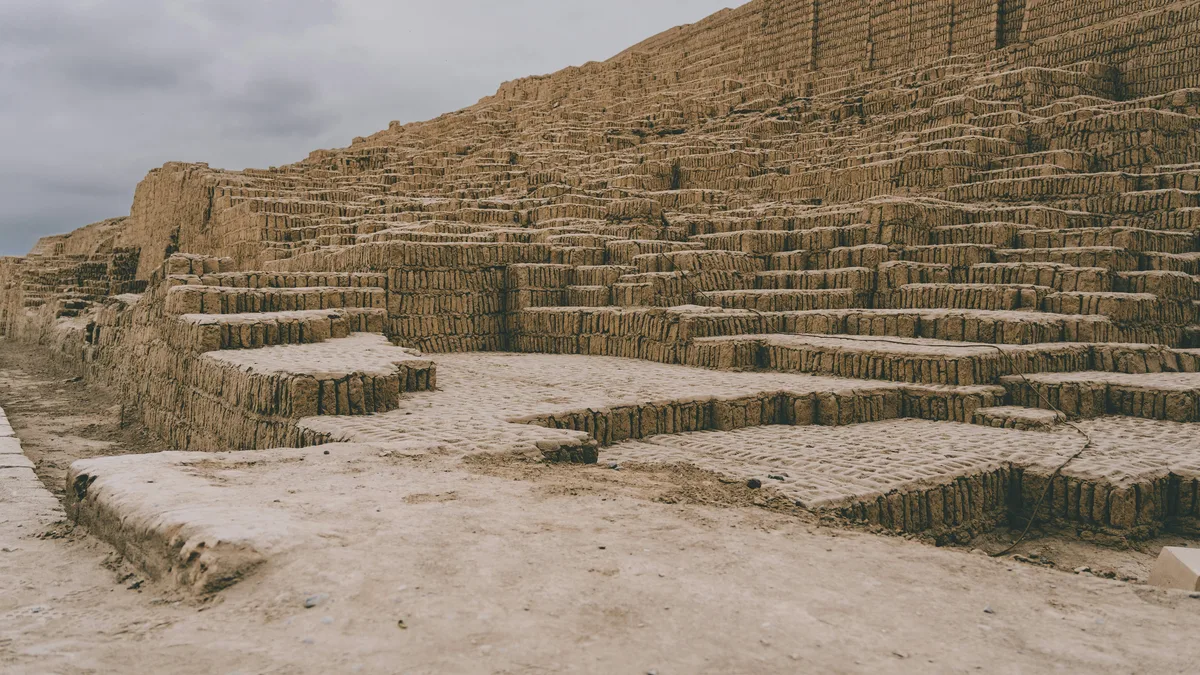
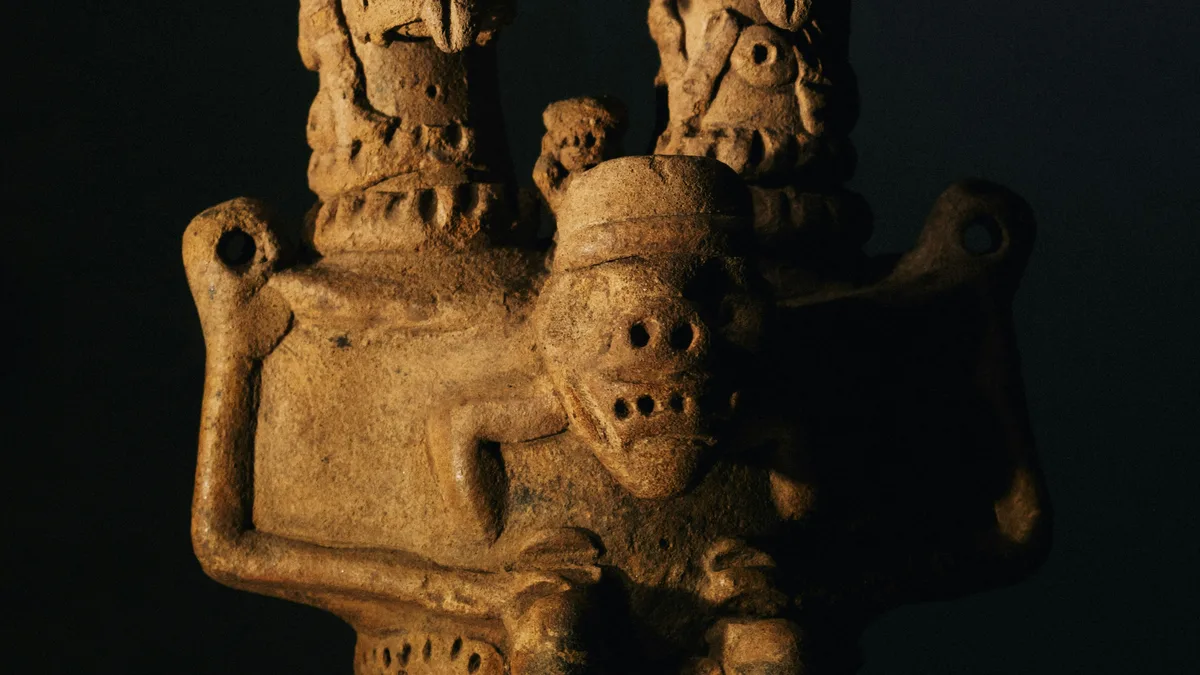
A pre-Inca adobe and clay pyramid complex built by the Lima Culture around 500 AD, standing directly in the middle of the modern Miraflores district. Excavations continue at the site today, and its museum displays ceramics and textiles recovered from the surrounding temple grounds.
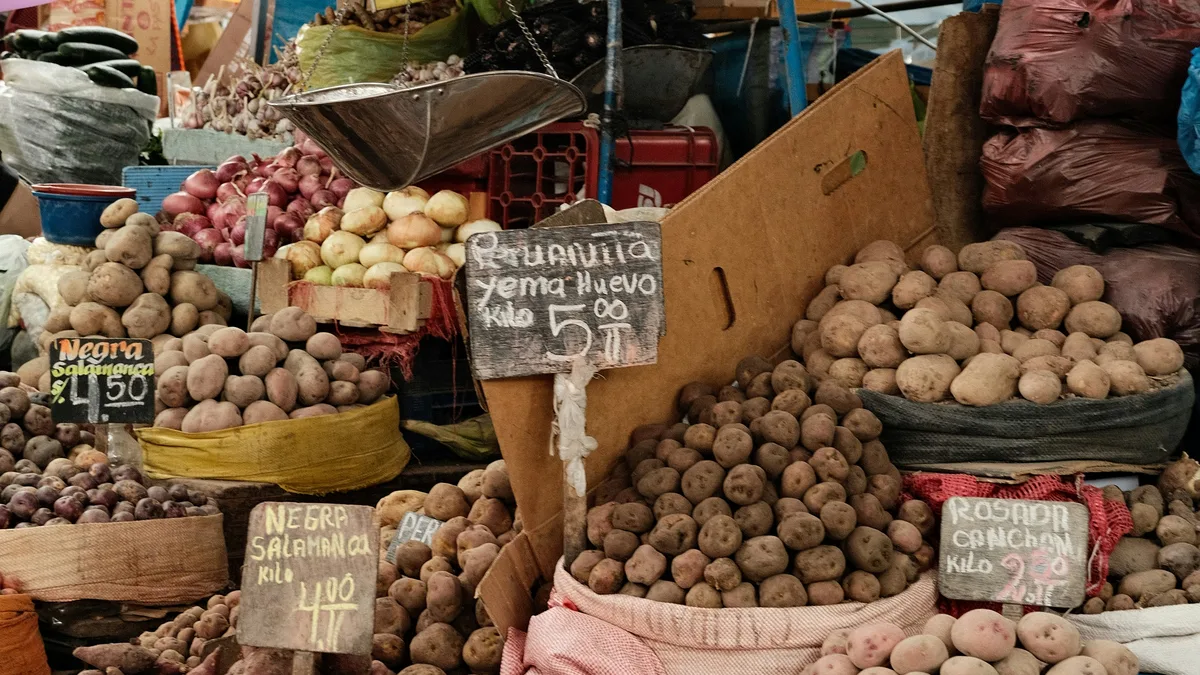 Private Tours
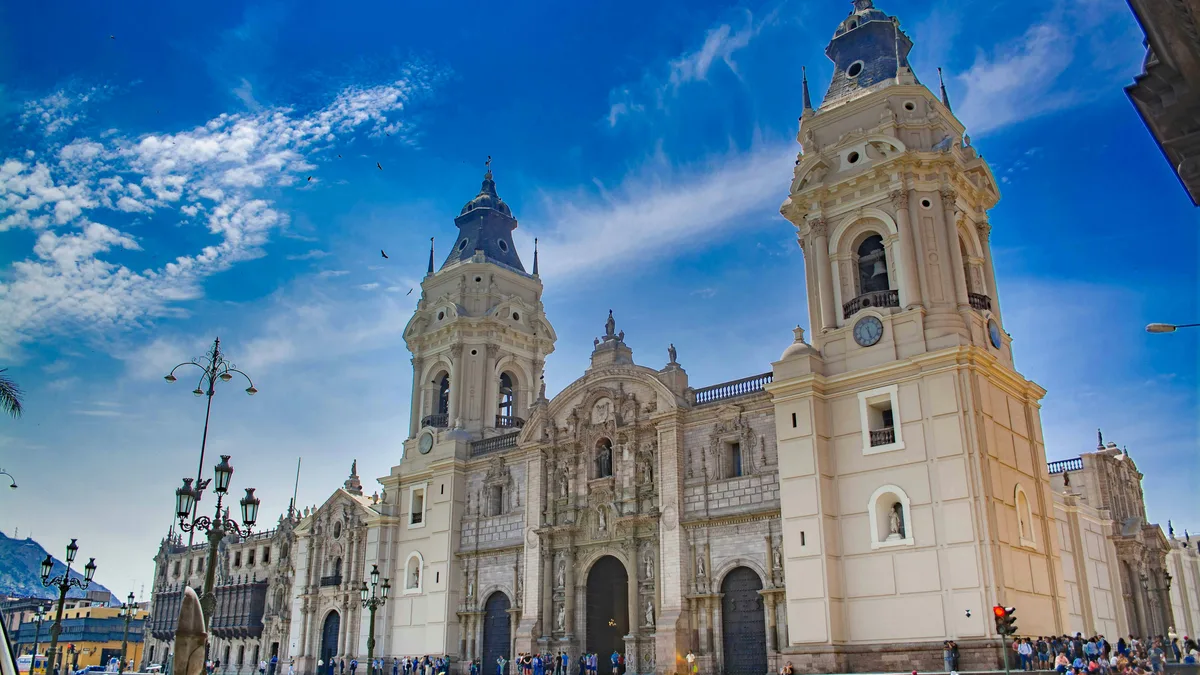
A private car tour covering Lima's colonial-era historic center, a stop at a local artisan market, and Huaca Pucllana, the adobe pyramid standing in the middle of Miraflores.
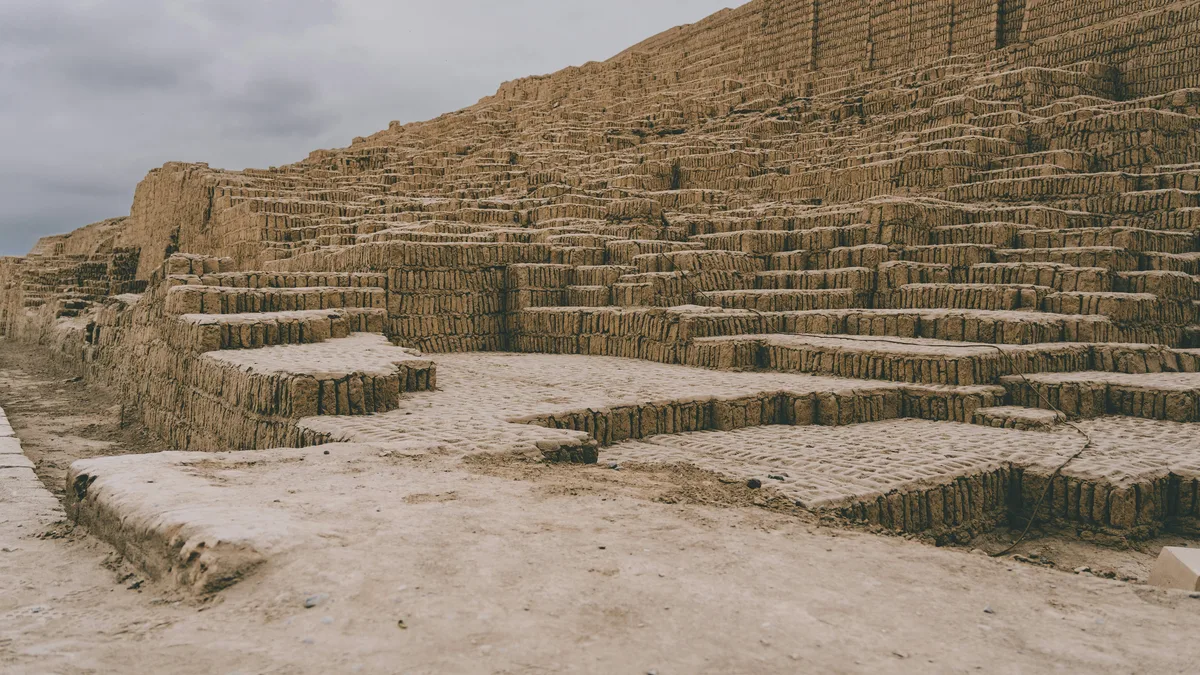 Private Tours
This private tour of Huaca Pucllana is led by a guide who spent years as an official site guide there, working alongside archaeologists — a genuinely deeper read of the pyramid than a standard visit.
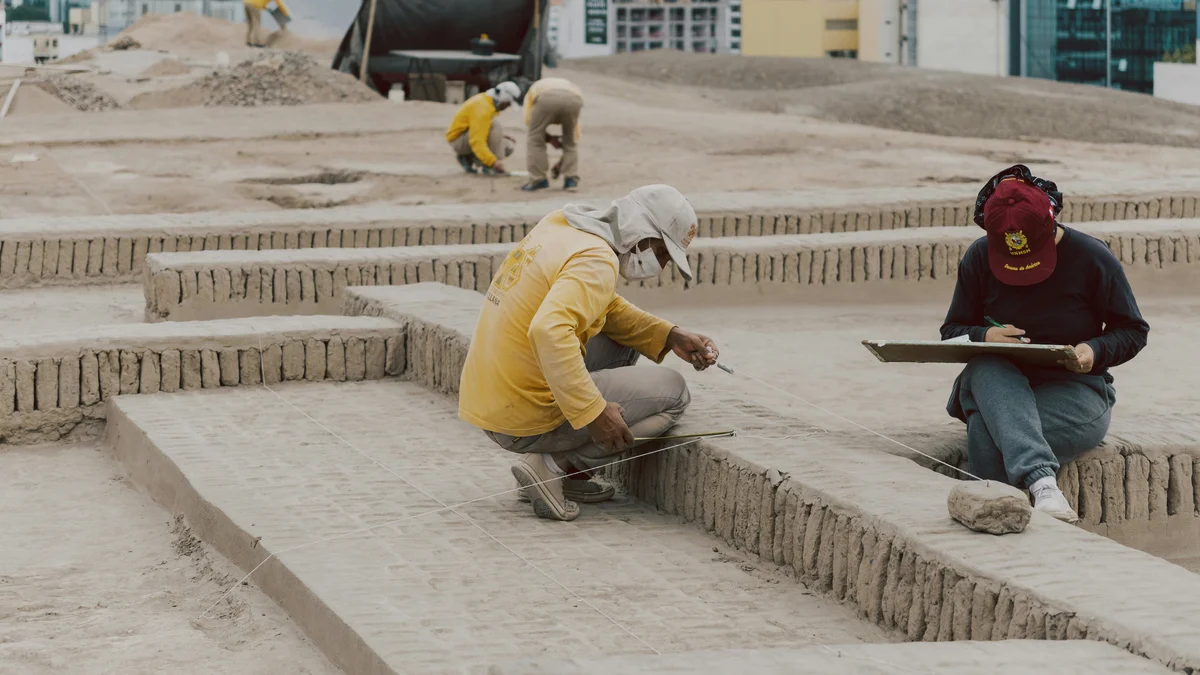 Private Tours
Explore two genuine pre-Inca huacas — Huaca Pucllana in Miraflores and Huaca Mateo Salado — with a private guide who explains how these ceremonial adobe complexes fit into Lima's pre-Columbian history.
Visitor guide
Huaca Pucllana, also called Huaca Juliana, is a large adobe and clay pyramid and ceremonial complex in the Miraflores district of Lima, Peru. It was built by the Lima Culture and stands among modern apartment blocks, preserving a pre-Inca religious and administrative centre in the middle of a capital city.
According to Wikipedia, the Lima Culture developed on Peru's central coast between about 200 and 700 AD, and Huaca Pucllana was one of its important ceremonial and administrative centres. The article explains the Great Pyramid as a way for the elite clergy, who governed several neighbouring valleys, to display religious power and to control the zone's water resources. The structure is built of seven staggered platforms, and the enclosure is described as more than 500 metres long, 100 metres wide and 22 metres high.
The name is thought to derive from the Quechua words wak'a, meaning a shrine or sacred place, and pukllana, meaning a game or play area. Another suggestion is that it refers to a pre-Inca chief of the area, so the origin of the name is not settled.
A plaza borders the outer limits, and a large wall divides the complex into two sections. One section contains benches and deep pits that were used for offerings of fish and other marine life, which fits the importance of the nearby sea to the culture. The other is an administrative area with small clay structures and adobe huts that appear to have served as courtyards and patios.
Remains of the Wari culture, which dates from roughly 500 to 1000 AD, are also present at the site. The Wari had a direct influence on Lima Culture society toward the end of its period, and the later layers record that change. Burials have been found, including the tomb known as the Senor de los Unkus, or Lord of the Unkus. It was the first tomb in the ceremonial centre found completely intact, and it held three burial shrouds with the remains of three adults, two of them wearing masks, as well as a sacrificed child.
A site museum opened in 1984 and presents finds from the area. Wikipedia flags that its article on the site needs further sources, so details of the excavation history are best confirmed on site. The pyramid is a rare example of an ancient monument that can be seen from a modern street, and walking its terraces with a guide helps explain how adobe was used to build a monument on such a scale.
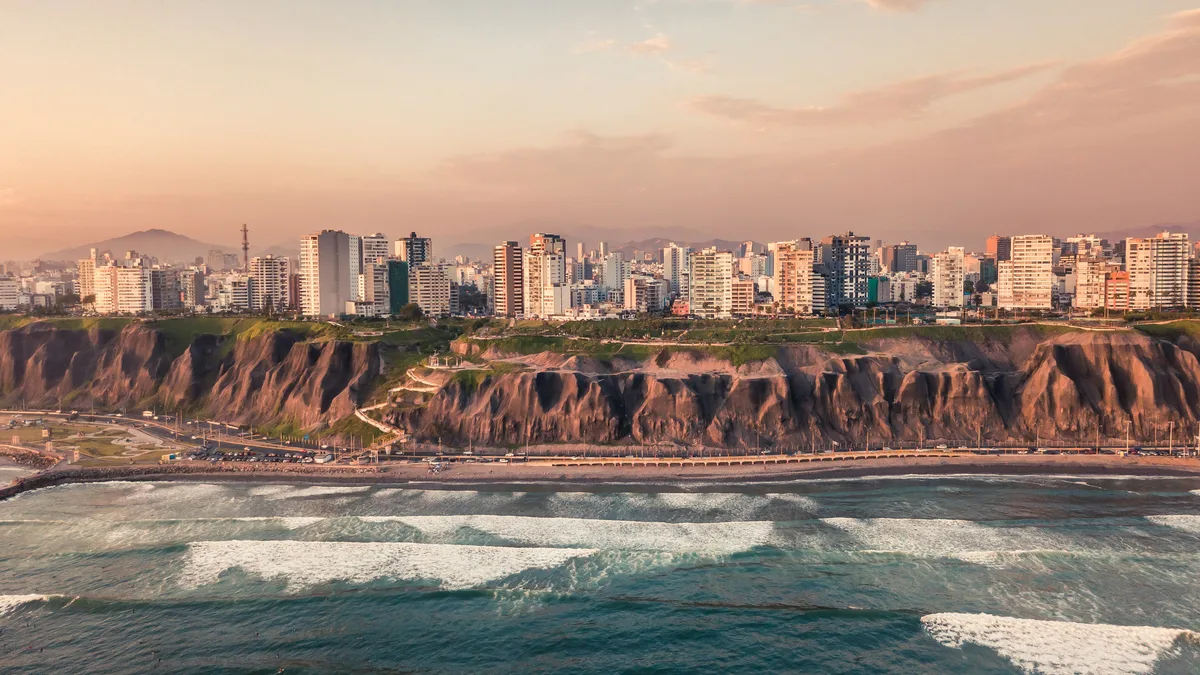
Because the site sits in a busy district, a private guided visit with a driver fits easily into a wider day in Lima, alongside the Miraflores coastline and the historic centre.
Wikipedia also notes that the Great Pyramid was meant to demonstrate the clergy's religious power and their control over nearby saltwater and freshwater resources, which helps explain why such a monument was built on the central coast. The combination of ritual pits, plazas and administrative huts shows a site that served both religion and governance.
See every tour and attraction we cover in Lima.