TorontoOntario · 36 tours
 Niagara FallsOntario · 25 tours
 New York CityNew York · 30 tours
 Las VegasNevada · 8 tours
 San FranciscoCalifornia · 16 tours
 VancouverBritish Columbia · 17 tours
 DubaiUAE · 54 tours
 Abu DhabiUAE · 5 tours
 Buenos AiresArgentina · 23 tours
 AthensGreece · 31 tours
 AucklandNew Zealand · 38 tours
 CancunMexico · 54 tours
No destinations match “”. Try searching all tours instead — that search understands full questions, not just place names.
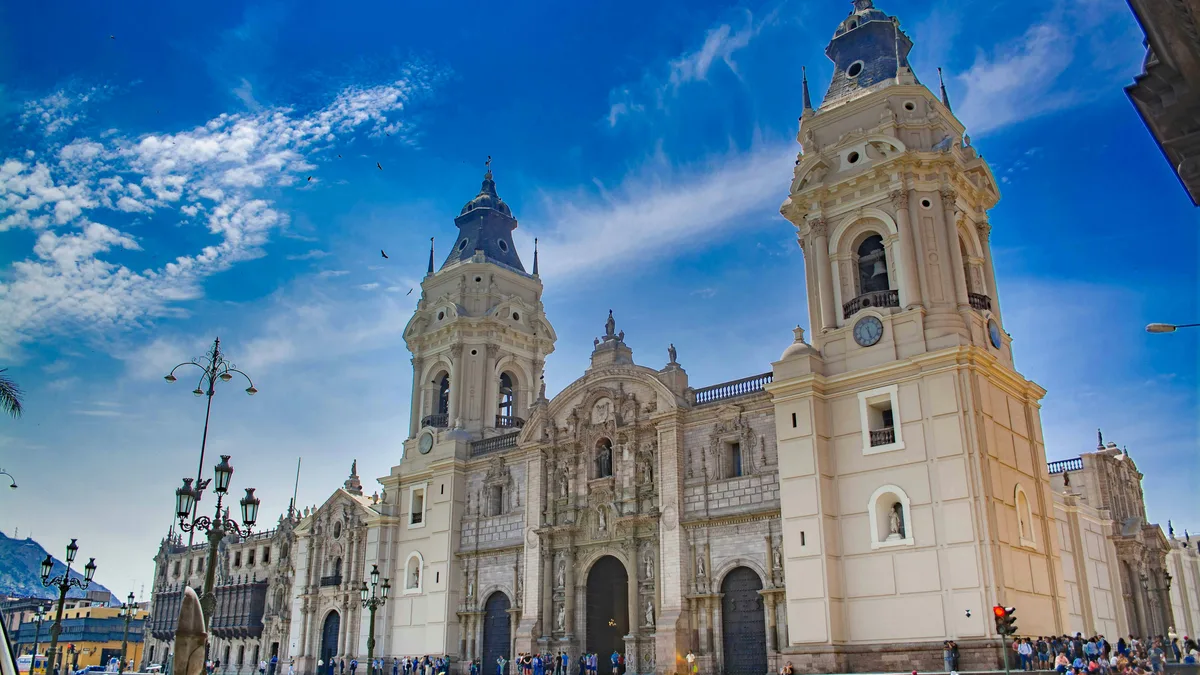
The colonial-era main square at the heart of Lima's historic center, part of the Historic Centre of Lima, a UNESCO World Heritage Site (first inscribed in 1988 as the San Francisco convent ensemble and extended to the wider historic centre in 1991). It's surrounded by the Cathedral of Lima, the Government Palace, and the Archbishop's Palace, and has served as the ceremonial and political heart of the city since its founding by Francisco Pizarro in 1535.
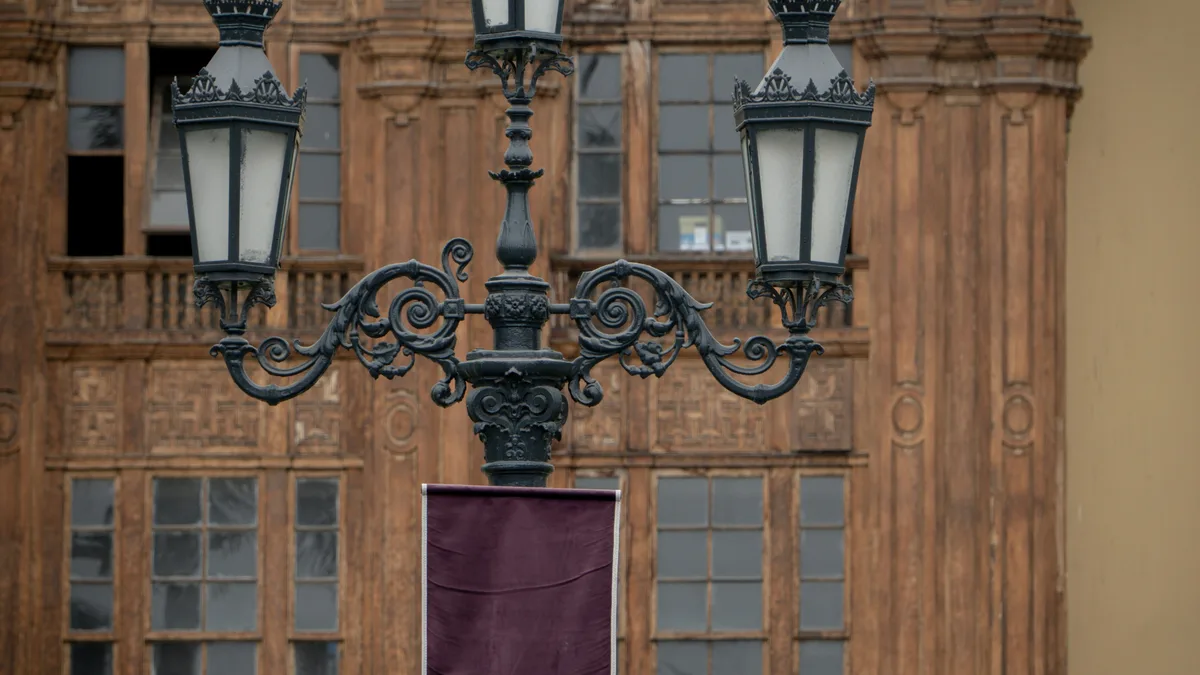 Private Tours
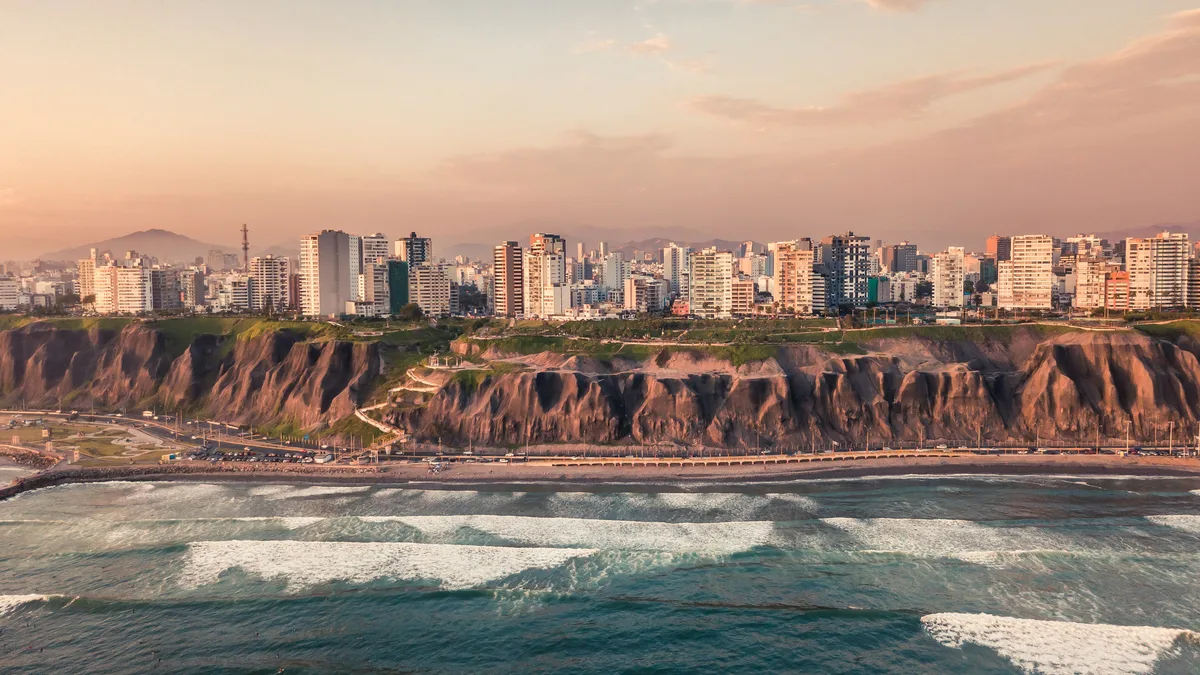
Spend a full private day with your own guide and driver covering Lima's UNESCO-listed historic center, the Larco Museum's pre-Columbian collection, and the clifftop Miraflores neighborhood.
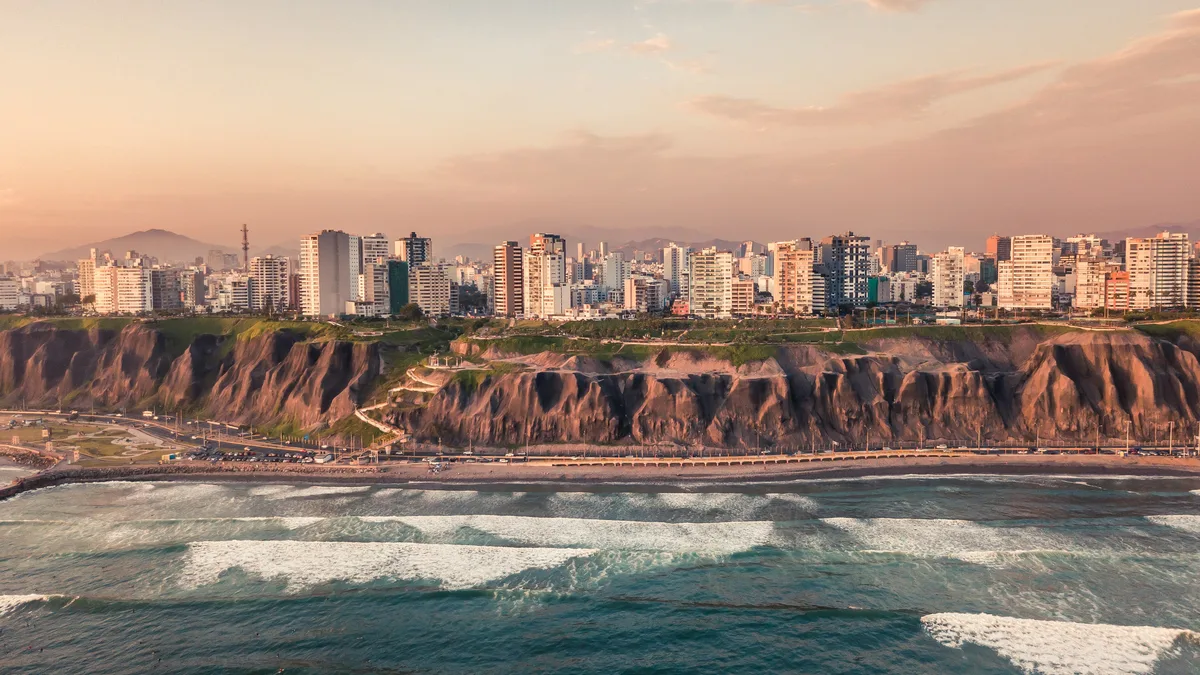 Private Tours
A convenient private half-day sightseeing tour covering Lima's Plaza de Armas, the San Francisco Convent and Catacombs, and Miraflores' Love Park (Parque del Amor), with hotel pickup included.
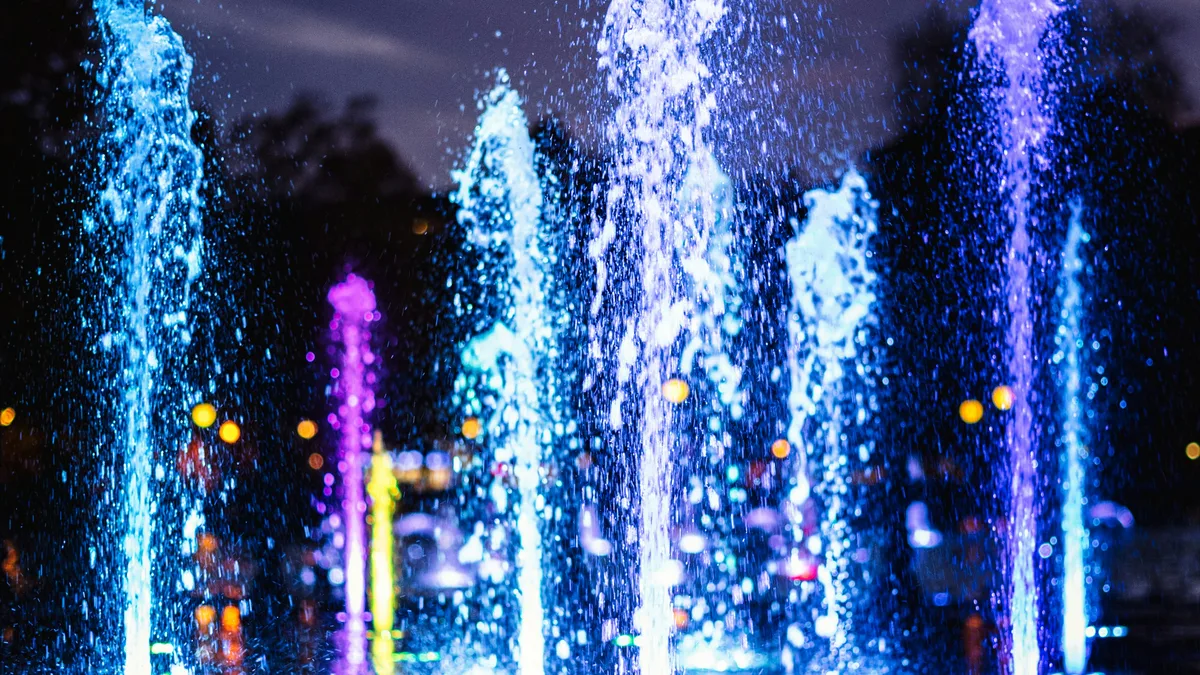 Private Tours
Experience the beauty of Lima at night with a private tour of the Magic Water Circuit (Circuito Mágico del Agua) at the Park of the Reserve, followed by sightseeing and photos around Lima's illuminated Main Square.
Visitor guide
The Plaza Mayor of Lima, also known as the Plaza de Armas, is the main public square of the city's historic centre in Peru. Founded with the city by Francisco Pizarro in 1535, it is lined by the Metropolitan Cathedral, the Government Palace, the Archbishop's Palace and the Municipal Palace.
Wikipedia dates the plaza to the founding of Lima on 18 January 1535. In 1523 Charles I of Spain had issued procedures for creating New World cities, which called for a grid growing out from a central plaza, and Lima follows that pattern. The square is bounded by the streets Carabaya, Junin, Huallaga and Union. The 17th-century historian Bernabe Cobo called it the finest and best-formed plaza he had seen, even compared with those in Spain.
The first fountain was inaugurated by Viceroy Francisco de Toledo on 21 October 1578. Viceroy Garcia Sarmiento de Sotomayor replaced it and inaugurated the present bronze fountain on 8 September 1651. During the colonial period the plaza served as a market, a bullring and a place of public executions. It was also the setting of Inquisition autos-da-fe, the first conviction there being recorded on 15 November 1573.
The Metropolitan Cathedral, completed in 1622 according to Wikipedia, occupies one side. Other landmarks include the Archbishop's Palace, completed in 1922, the Government Palace, completed in 1938, and the Municipal Palace, completed in 1944. The Palacio de la Union, home of a private club, also faces the plaza. Many of these buildings are later structures on colonial foundations, so the square shows several centuries of style, from viceregal to early twentieth century.
The plaza has been the stage for national events. In 1821 Jose de San Martin proclaimed Peru's independence here. In 1855 President Ramon Castilla inaugurated the first public gas lighting and gardens were planted, and tram rails were laid across the square in 1860. The article also records that the square was attacked with car bombs in 1985 and 1986 during the internal conflict, a reminder of its role as a symbolic centre of the state.
The square's role has changed over time. Under the viceroyalty it was the commercial and administrative core, with merchants' arcades and the seats of church and crown facing each other across open ground. After independence it became the place where the republic staged its ceremonies and protests, and today pedestrians, guards and tour groups share the space around the central fountain.
The plaza is part of the Historic Centre of Lima, which UNESCO designated a World Heritage Site in 1991. The square is open and walkable, with the surrounding streets forming a dense district of colonial balconies and churches. A private guided visit with a driver can place the plaza in the wider story of the viceroyalty and the republic.
See every tour and attraction we cover in Lima.