TorontoOntario · 36 tours
 Niagara FallsOntario · 25 tours
 New York CityNew York · 30 tours
 Las VegasNevada · 8 tours
 San FranciscoCalifornia · 16 tours
 VancouverBritish Columbia · 17 tours
 DubaiUAE · 54 tours
 Abu DhabiUAE · 5 tours
 Buenos AiresArgentina · 23 tours
 AthensGreece · 31 tours
 AucklandNew Zealand · 38 tours
 CancunMexico · 54 tours
No destinations match “”. Try searching all tours instead — that search understands full questions, not just place names.
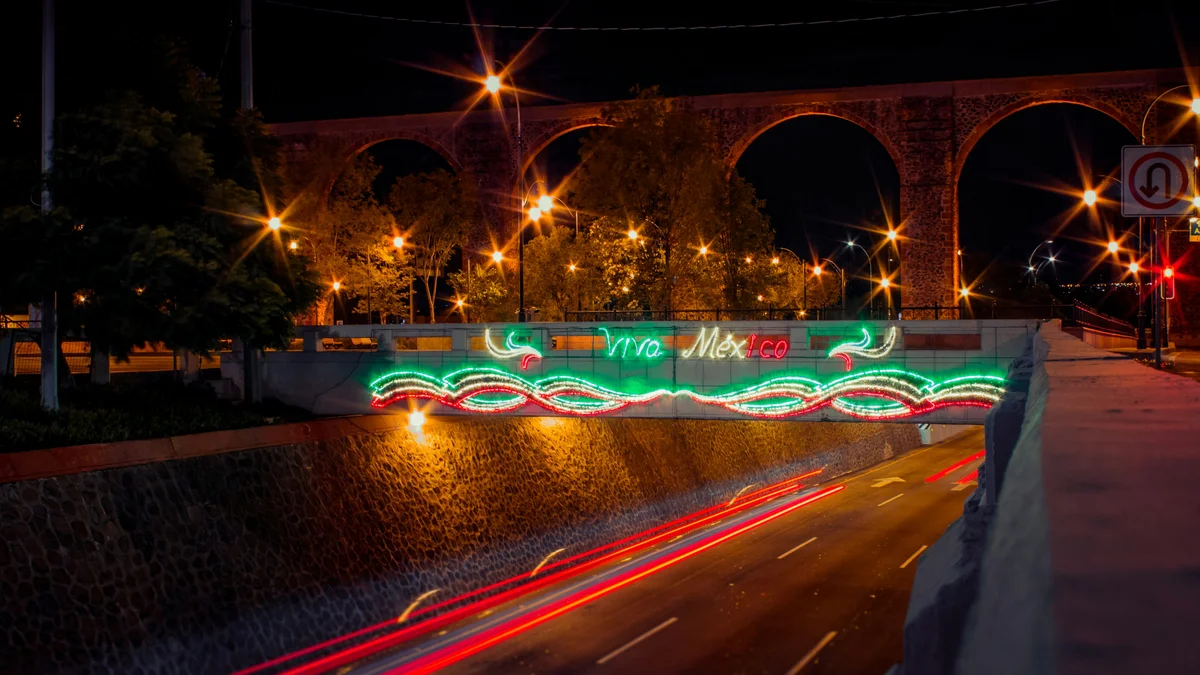
A genuine 18th-century stone aqueduct running roughly 1,280 meters through the city on 74 real arches, some rising over 20 meters high, built between 1726 and 1738 to bring water from the nearby La Cañada springs into the growing colonial city. It remains one of Querétaro's most recognizable landmarks and still frames views across the modern city skyline.
 Private Tours
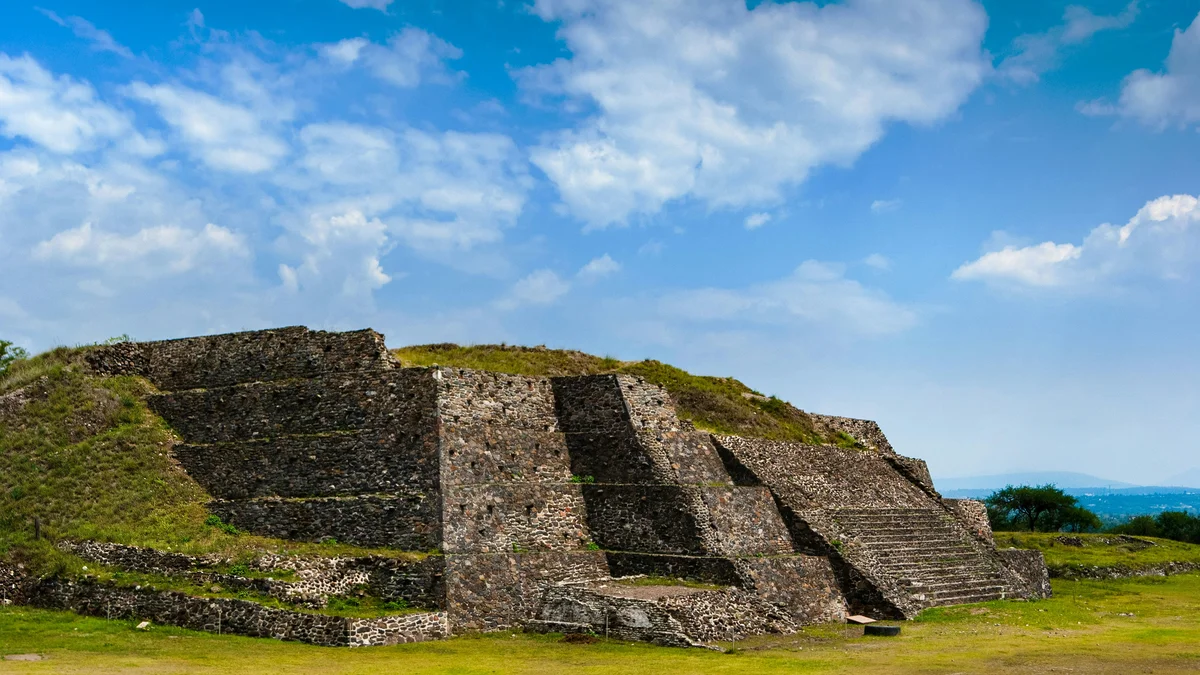
A private day trip pairing Tula, home to the towering Atlantes stone warrior sculptures of the Toltec Empire, with Querétaro's UNESCO-listed historic center and its real 74-arch aqueduct.
 Private Tours
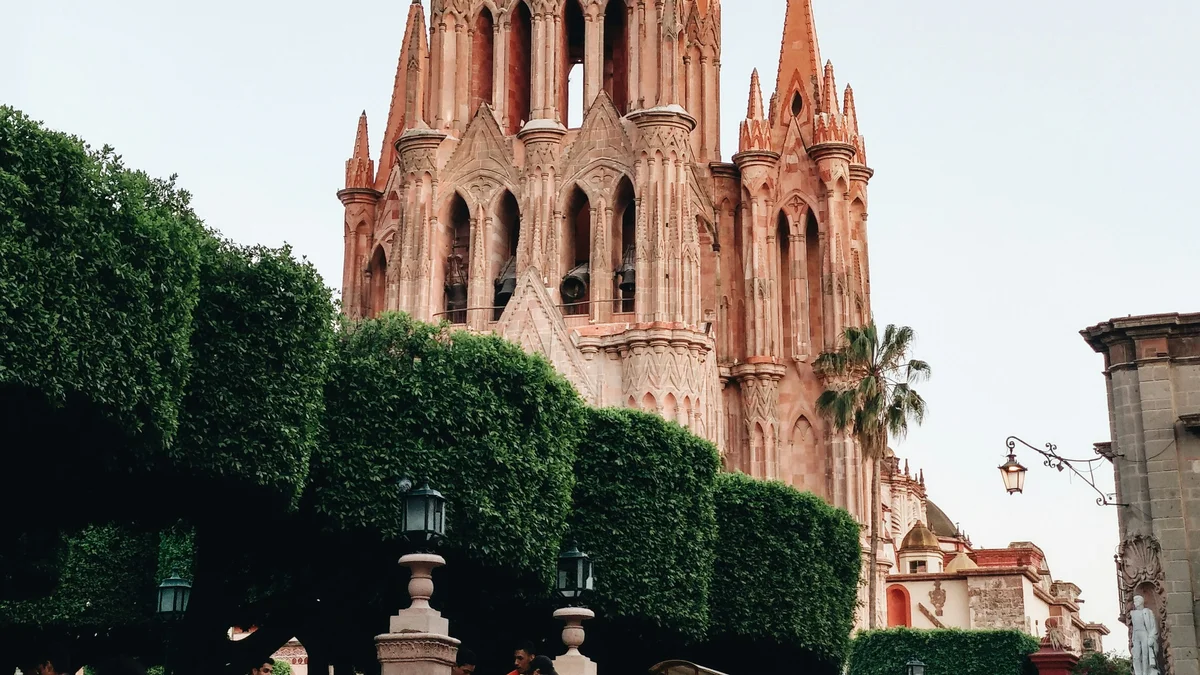
A private day trip to Querétaro and San Miguel de Allende, covering Querétaro's real role in Mexico's independence movement, its 74-arch aqueduct, and San Miguel's Allende Institute, cathedral, and murals.
Visitor guide
The Aqueduct of Queretaro, known locally as Los Arcos, is an eighteenth-century stone aqueduct in the city of Queretaro, Mexico. It is about 1,280 meters long, carried on 74 arches, and forms part of the city's historic center, which UNESCO inscribed as a World Heritage Site in 1996.
Wikipedia explains that in the second half of the seventeenth century Queretaro, then called the Third City of New Spain, had become one of the colony's most prosperous towns, yet it lacked clean drinking water. The old canals and pipes carried water contaminated by butcher shops, and the Capuchin nuns of the La Cruz convent complained to the Marquis who oversaw them about the need for clean water. The Marquis, identified as Juan Antonio de Urrutia y Arana, took the project to the city council, which pledged up to 25,000 pesos to be collected from residents.
The engineer Miguel Mendoza surveyed the source and found at least eighteen springs at the site, which were collected into a large fenced pool at a place called Ojo de Agua del Capulin, named for a tree in La Canada. Wikipedia says the last door key to the pool was given to a councilman, and that a statue of Saint Anthony once stood in a niche on its front. A lime-and-stone canal about two leagues long carried the water from the pool to the start of the arches. Alejandro Ibarra did most of the construction design.
The aqueduct crosses a wide ravine from the western hill of La Canada to the La Cruz area, and its arches were built so that gravity alone would move the water.
Wikipedia's article on the city dates the aqueduct to between 1726 and 1738. Water reached the water box in the small square of La Cruz on 22 October 1735, and public fountains were supplied about three years later. The water box was a fountain base with a reddish stone wall and a stone lion whose jaws released the water, and it bore the royal coat of arms and an image of Our Lady of the Pillar. Construction was finished on 17 October 1738, and a thanksgiving mass was held on 29 October 1738. The total cost is given as 125,000 pesos, of which the Marquis donated more than 88,000 from his wife's fortune. The celebrations lasted at least fifteen days and included parades of floats, comedies, bullfights, cockfights, fireworks and acrobatic performances.
The structure is 1,280 meters long with 74 arches. Wikipedia gives their average height as 28.5 meters in the aqueduct article but 23 meters in the article on the city, so the height is best described as roughly 23 to 28 meters at the tallest, with some arches taller than others. The American Society of Civil Engineers has named the aqueduct an International Historic Civil Engineering Landmark.
Santiago de Queretaro was founded on 25 July 1531 by the Spaniard Hernan Perez Bocanegra y Cordoba together with the Otomi leader Conin, who took the name Hernando de Tapia. UNESCO notes that the historic center keeps its Spanish geometric street plan alongside the twisting alleys of the Otomi quarters, and that the city has many Baroque monuments from the seventeenth and eighteenth centuries. Queretaro is also associated with the 1810 conspiracy against Spanish rule, the execution of Emperor Maximilian in 1867 and the Constitution of 1917.
The line of arches runs across a busy part of the city and is one of Queretaro's most recognizable landmarks. It is easily combined with other stops in the historic center. A private guided visit can explain the engineering and the story behind it, along with the city's role in Mexican history.
See every tour and attraction we cover in Queretaro.