TorontoOntario · 36 tours
 Niagara FallsOntario · 25 tours
 New York CityNew York · 30 tours
 Las VegasNevada · 8 tours
 San FranciscoCalifornia · 16 tours
 VancouverBritish Columbia · 17 tours
 DubaiUAE · 54 tours
 Abu DhabiUAE · 5 tours
 Buenos AiresArgentina · 23 tours
 AthensGreece · 31 tours
 AucklandNew Zealand · 38 tours
 CancunMexico · 54 tours
No destinations match “”. Try searching all tours instead — that search understands full questions, not just place names.
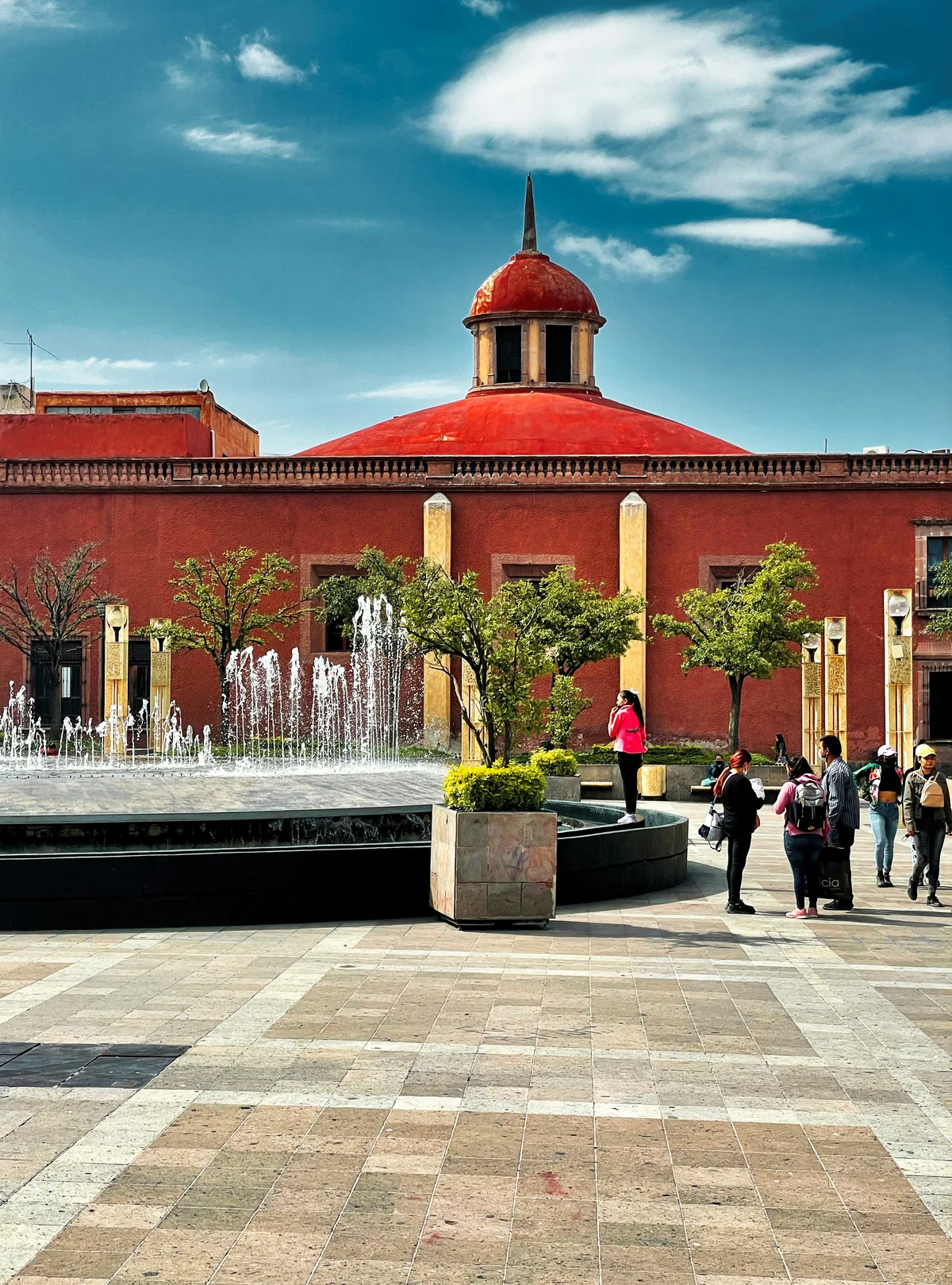
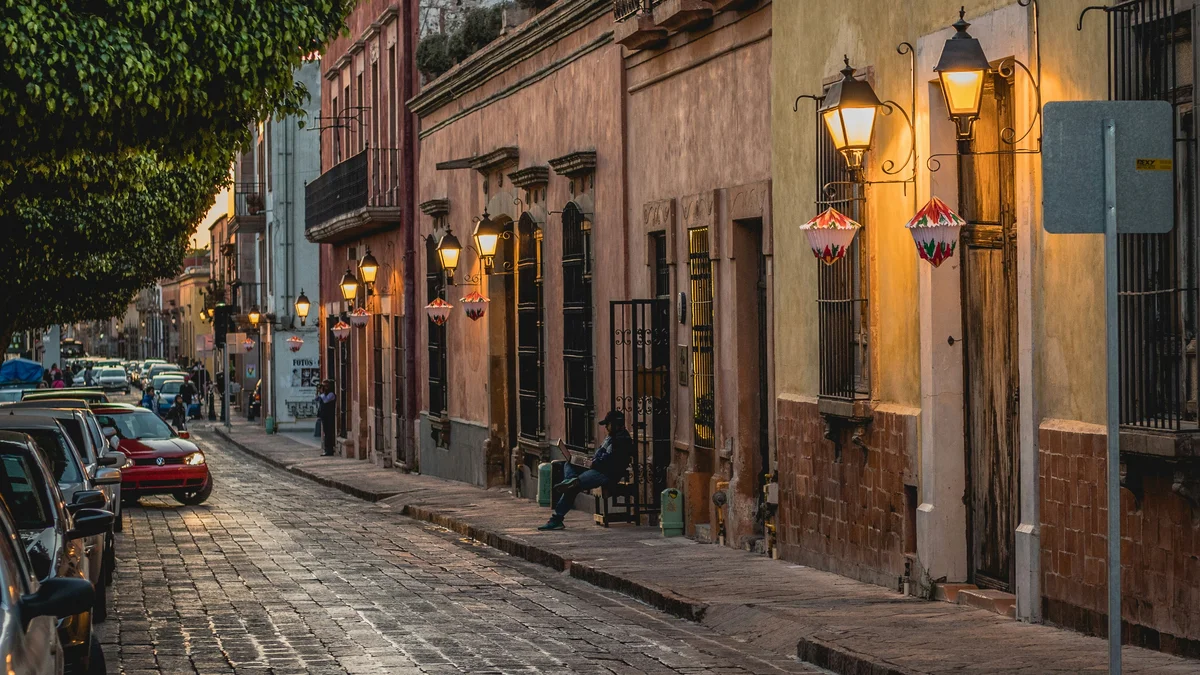
Querétaro's real central plaza, a shaded colonial-era garden square framed by the city's cathedral and municipal buildings, and the traditional gathering point for both locals and visitors in the historic center. It's a genuine starting point for exploring Querétaro's pedestrian-friendly UNESCO World Heritage core on foot.
Visitor guide
Jardin Zenea is the central garden plaza of the historic center of Queretaro, Mexico, also known as Jardin Obregon. Spanish Wikipedia says it was named after the Queretaro governor Benito Santos Zenea and describes it as the most representative garden of the municipality.
Spanish Wikipedia traces the site to the Plaza de San Francisco, which took shape after the San Francisco church was completed around 1560 and was also known as the Plaza de abajo and Plaza del recreo. A wooden bullring was built there in 1660 and operated for roughly 170 years, hosting royal and viceregal celebrations, until it was dismantled in 1830. A public fountain topped by a metal statue of Neptune was inaugurated in 1738. In 1861 liberal forces bombarded the convent walls and chapels, and the ruins left on the site were for a time known as the Plaza de los escombros, where a market was held.
The garden itself was built under Governor Zenea; the article gives 1870 for the naming in one passage and 1874 for the start of construction in another, so the exact date is uncertain. Oil lamps replaced earlier lighting in 1876, a horse-drawn tram terminal was installed on the west side in 1882, and electric lighting arrived in 1890. The Gran Hotel opened on the south side in 1893. An iron fountain of 1881, topped by a statue of the goddess Hebe with four swans, was donated by the Rubio family, owners of the Fabrica El Hercules. A pink quarry-stone kiosk was inaugurated in 1887 and replaced by a more elaborate one in 1906. The garden was renamed Jardin Obregon in 1928 and was restored in 2016, according to the same source.
English Wikipedia's article on the city says the plaza is crowded every night and all day Sunday, when the municipal band plays dance music from the 1940s to the 1960s. Spanish Wikipedia adds that a monumental nativity scene with life-size sculptures is installed among the garden's iron planters each December.
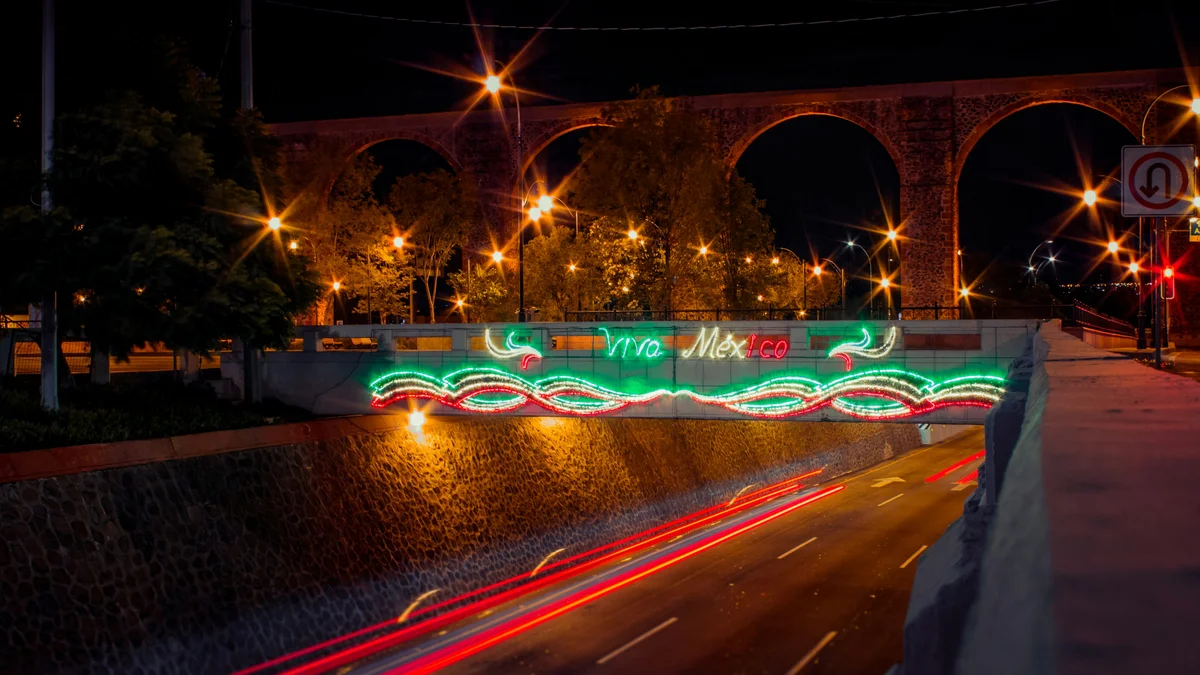
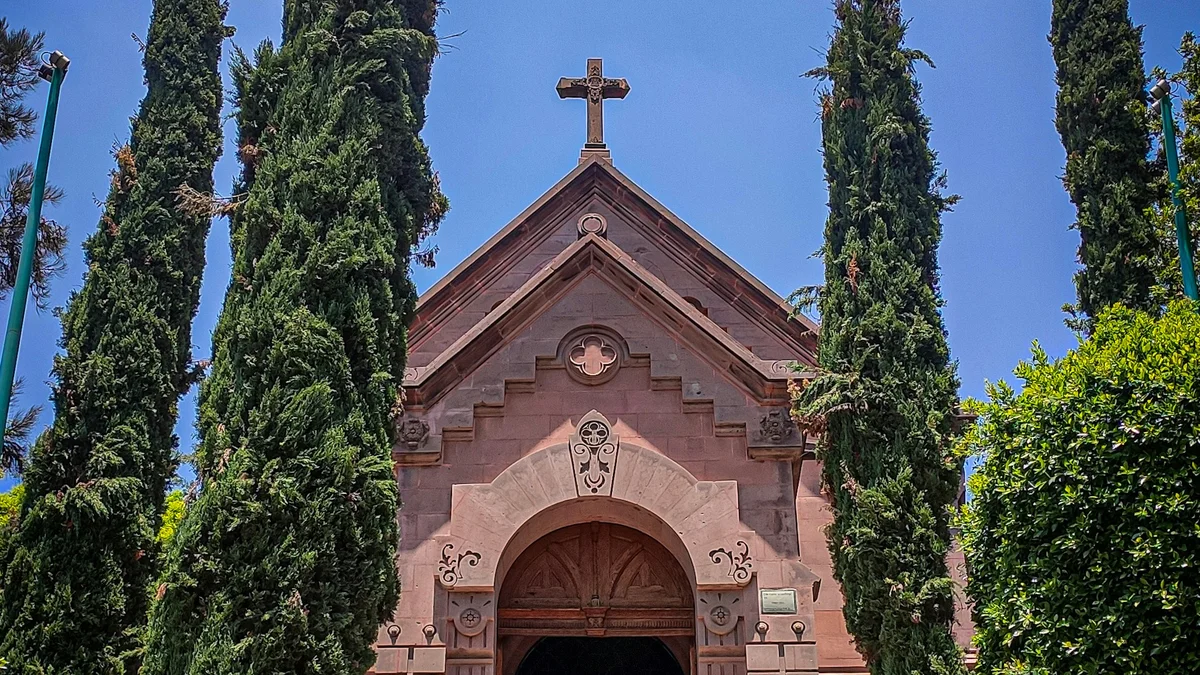
The Queretaro Cathedral was built between 1786 and 1805, and Wikipedia reports that Miguel Hidalgo y Costilla opened and blessed it. Pope Benedict XV declared it a cathedral in 1921. It is built of tezontle, a volcanic stone, and its facade marks the transition from Baroque to Neoclassical. Other sites nearby include the Teatro de la Republica, where the Constitution of 1917 was drafted, and the colonial aqueduct, built between 1726 and 1738.
Queretaro's historic center was declared a UNESCO World Heritage Site in 1996. The center keeps the Spanish geometric street plan alongside the winding alleys of the Otomi quarters. The city was founded on 25 July 1531 by Hernan Perez Bocanegra and the Otomi leader Conin, and it became the state capital in 1823. A private guided walk can place the garden within this layered history.
See every tour and attraction we cover in Queretaro.