TorontoOntario · 36 tours
 Niagara FallsOntario · 25 tours
 New York CityNew York · 30 tours
 Las VegasNevada · 8 tours
 San FranciscoCalifornia · 16 tours
 VancouverBritish Columbia · 17 tours
 DubaiUAE · 54 tours
 Abu DhabiUAE · 5 tours
 Buenos AiresArgentina · 23 tours
 AthensGreece · 31 tours
 AucklandNew Zealand · 38 tours
 CancunMexico · 54 tours
No destinations match “”. Try searching all tours instead — that search understands full questions, not just place names.
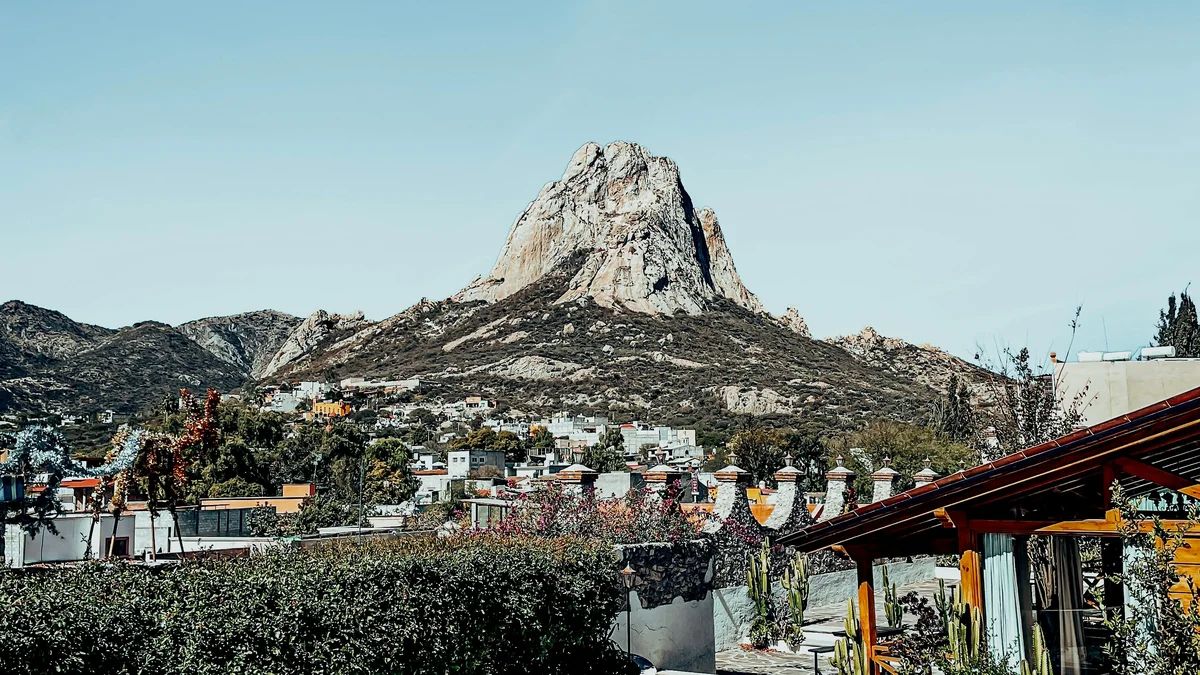
A real monolith rising more than 350 meters above the surrounding valley, widely cited as the third-largest monolith in the world after Brazil's Sugarloaf Mountain and the Rock of Gibraltar. It sits beside the Pueblo Mágico of Bernal and is a genuine, popular destination for climbers, via ferrata routes, and travelers simply photographing it from the town below.
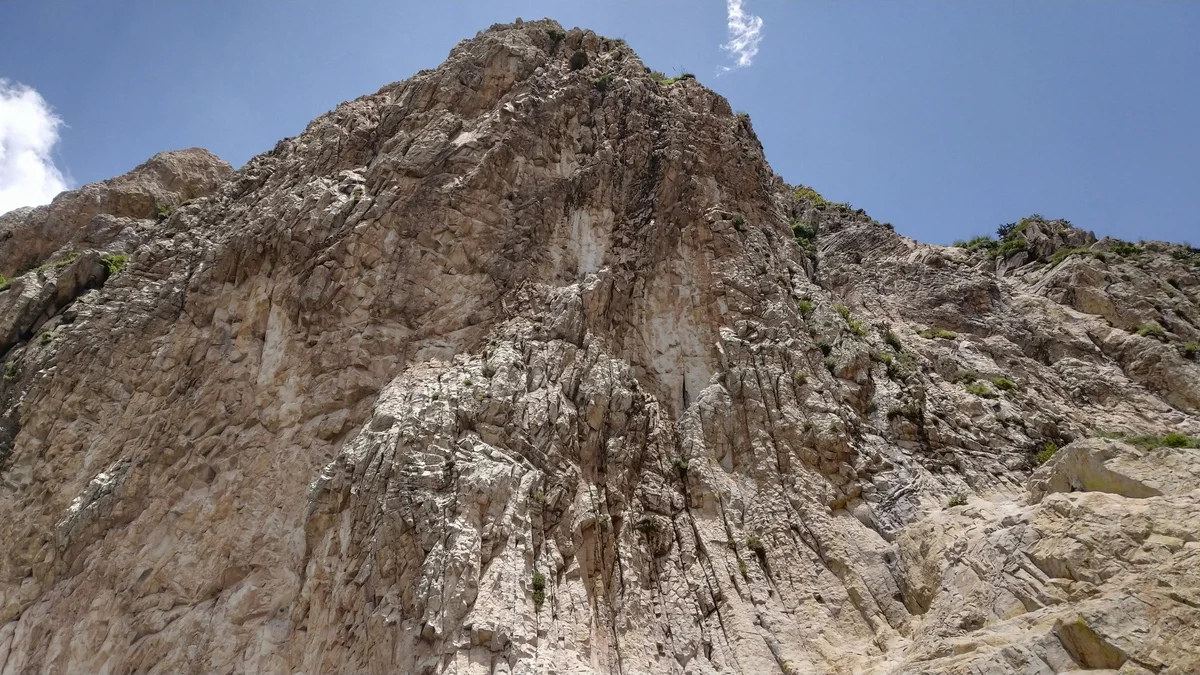 Private Tours
A private via ferrata adventure on Peña de Bernal, a monolith often called the world's third-largest, led by professional rock climbers exclusively for your group.
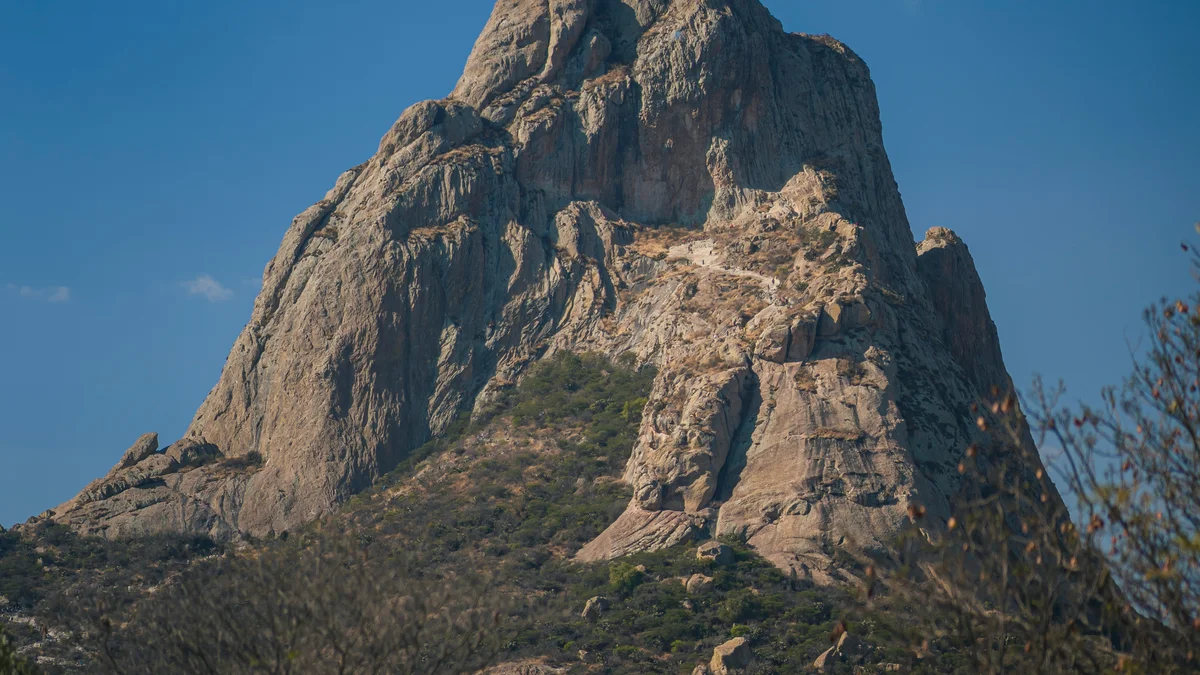 Private Tours
A multi-pitch or single-pitch technical climb of Peña de Bernal with your guide, capped at a maximum of four climbers per booking for a personalized, safe experience.
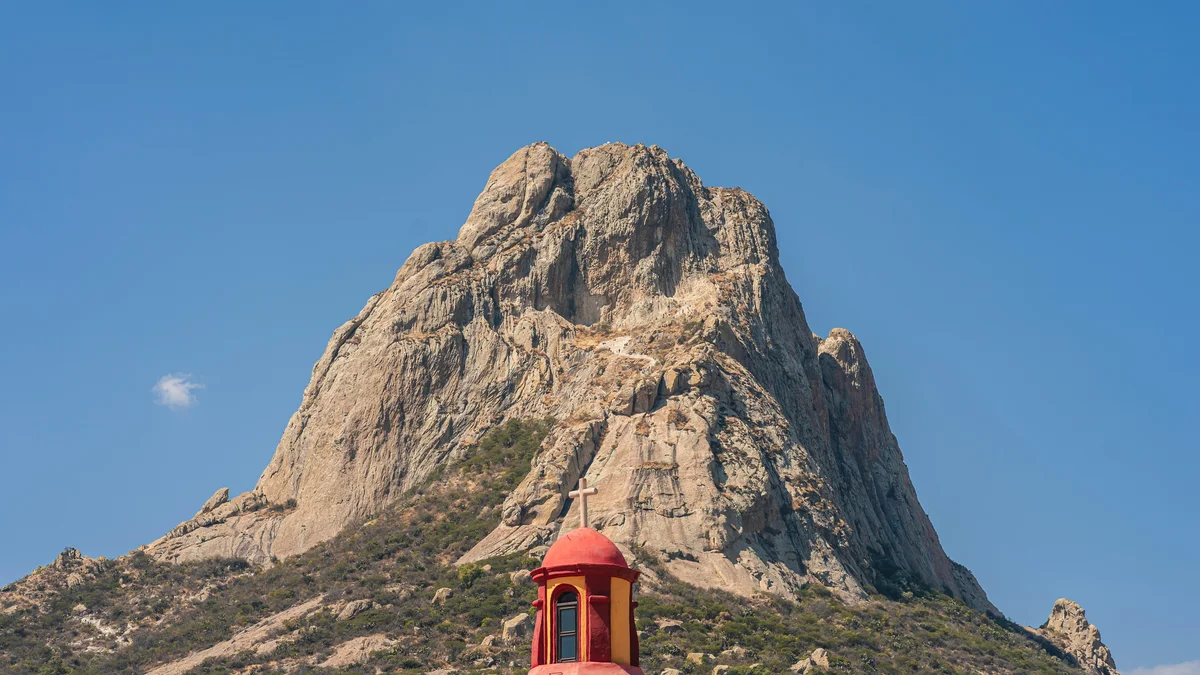 Private Tours
A private day trip from Guanajuato to Querétaro's Plaza de Armas and the real Peña de Bernal, a monolith often called the third-largest on the planet.
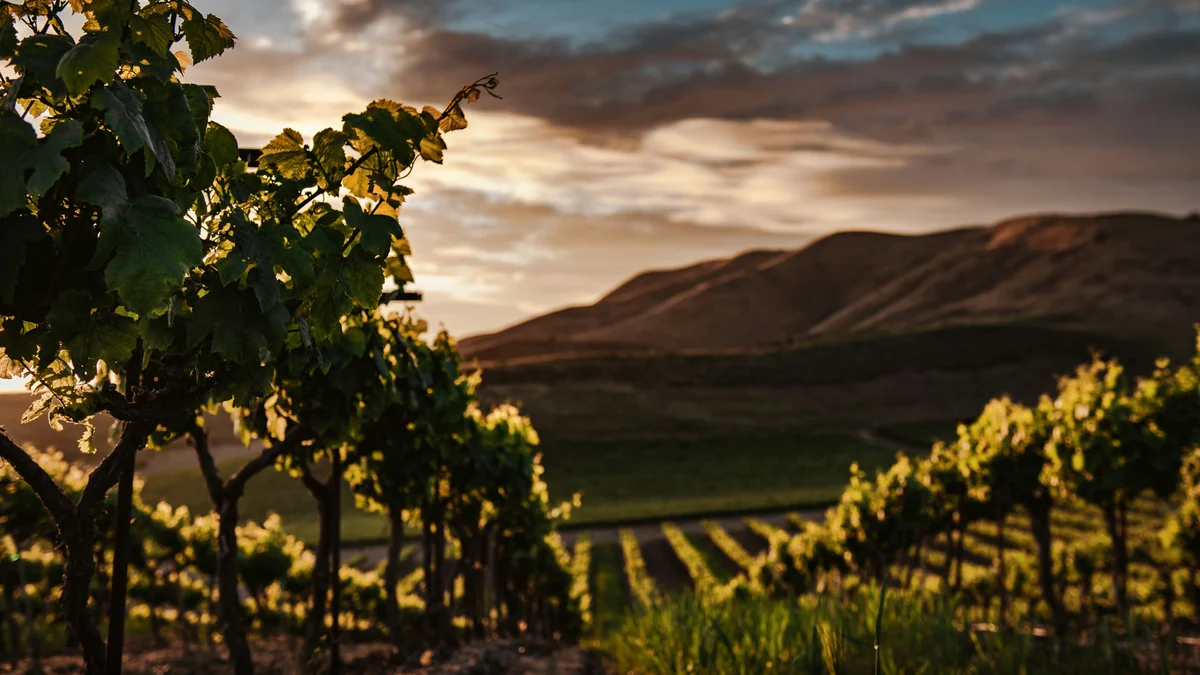 Private Tours
A private, skip-the-line tour through Querétaro's genuine wine region near Ezequiel Montes, paired with a visit to Peña de Bernal, a monolith often called the world's third-largest.
Visitor guide
Pena de Bernal is a monolith about 433 metres high rising above the town of San Sebastian Bernal, in the state of Queretaro, Mexico. English Wikipedia says it is among the tallest monoliths in the world and one of the most visited sites near Queretaro city, while Spanish Wikipedia places it in the municipality of Ezequiel Montes about 57 kilometres from the state capital.
Geological studies, according to English Wikipedia, indicate that the rock is the exposed core of an ancient volcano: after the volcano went extinct the lava inside solidified, and erosion over millions of years removed most of the surrounding cone. Spanish Wikipedia describes a volcanic dome of viscous lava that intruded into older marine rocks. Its age is disputed: one passage gives about 8.7 million years, while a geological study cited on the same page describes a dacitic dome formed about 67 million years ago. The summit is given as roughly 2,510 to 2,515 metres above sea level.
Tourism sources describe the Pena as the third-largest monolith in the world after Gibraltar and Sugarloaf in Rio de Janeiro, but Spanish Wikipedia points out that this ranking comes mainly from tourism material rather than specialized geological studies. In November 2007 it was named one of Mexico's 13 Wonders in a campaign by the tourism secretariat and TV Azteca. In 2009 UNESCO inscribed the Otomi-Chichimeca places of memory and living traditions of Tolimán, centered on the Pena, on its list of intangible cultural heritage.
Spanish Wikipedia says the town was founded at the foot of the rock in 1641, when Captain Cristobal Hernandez Tovar received land and brought 26 Spanish families. The name Bernal is said to derive from a Spanish term for a large, elongated, isolated boulder. The Otomi word Ma'hando and the Chichimeca word De'hendo are reported to mean roughly in the middle of two. Bernal was designated a Pueblo Magico by Mexico's tourism secretariat in 2005.
Hikers can walk to a small chapel at the highest point reachable without climbing equipment, a place of pilgrimage for many. The final section of about 45 metres is vertical, and Spanish Wikipedia says metal staples driven into the rock act as a ladder, while several equipped sport routes attract rock climbers from Mexico and abroad. Every 21 March, at the spring equinox, thousands of visitors gather for a mystical-religious festival, believing the monolith transmits energy.
The rock rises directly above the town. A private tour with a driver can include Bernal as part of a day from Queretaro, with the choice of how far to hike left to each traveler.
See every tour and attraction we cover in Queretaro.