TorontoOntario · 36 tours
 Niagara FallsOntario · 25 tours
 New York CityNew York · 30 tours
 Las VegasNevada · 8 tours
 San FranciscoCalifornia · 16 tours
 VancouverBritish Columbia · 17 tours
 DubaiUAE · 54 tours
 Abu DhabiUAE · 5 tours
 Buenos AiresArgentina · 23 tours
 AthensGreece · 31 tours
 AucklandNew Zealand · 38 tours
 CancunMexico · 54 tours
No destinations match “”. Try searching all tours instead — that search understands full questions, not just place names.
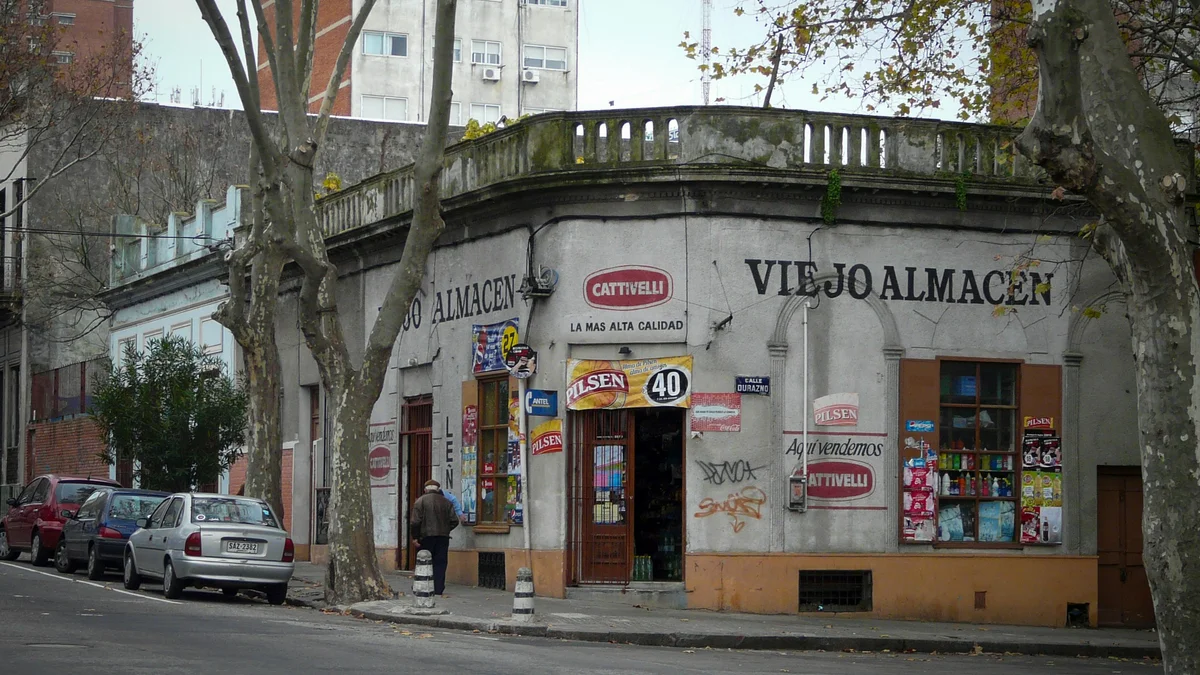
Montevideo's original historic core, laid out by Spanish colonists in the 1720s on a peninsula between the bay and the Río de la Plata. Today it's a dense mix of Art Deco towers, 19th-century government buildings, and cobblestone plazas, anchored by Plaza Independencia and Plaza Constitución (Plaza Matriz). It remains the seat of Uruguay's national government alongside its oldest surviving streets.
Visitor guide
Ciudad Vieja, the Old City, is the historic neighbourhood of Montevideo, Uruguay, occupying the peninsula at the entrance to the city's natural port. Founded by Spain in the early eighteenth century as a fortified town, it holds the capital's oldest colonial buildings, its main cathedral and theatre, and a mix of Art Deco and Neoclassical architecture.
Wikipedia describes Ciudad Vieja as a barrio on a peninsula, founded by the Spanish Empire in 1724 as a fortified town. The earlier fort had been established by Portuguese forces in 1723 and taken by Spanish forces under Bruno Mauricio de Zabala in 1724. Montevideo's own history says it was named San Felipe y Santiago de Montevideo, and that it became independent from Buenos Aires as a city in 1730. In 1776 Spain made it the main naval base for the South Atlantic.
A wall protected the town until 1829, when it was demolished. Only the Puerta de la Ciudadela, a gateway of the old citadel fort that stood where Plaza Independencia is today, survives, and it has become an emblem of the city. The street names Ciudadela and Brecha preserve the memory of the wall, and Brecha refers to the gap the British opened in the wall during their brief invasion of 1807.
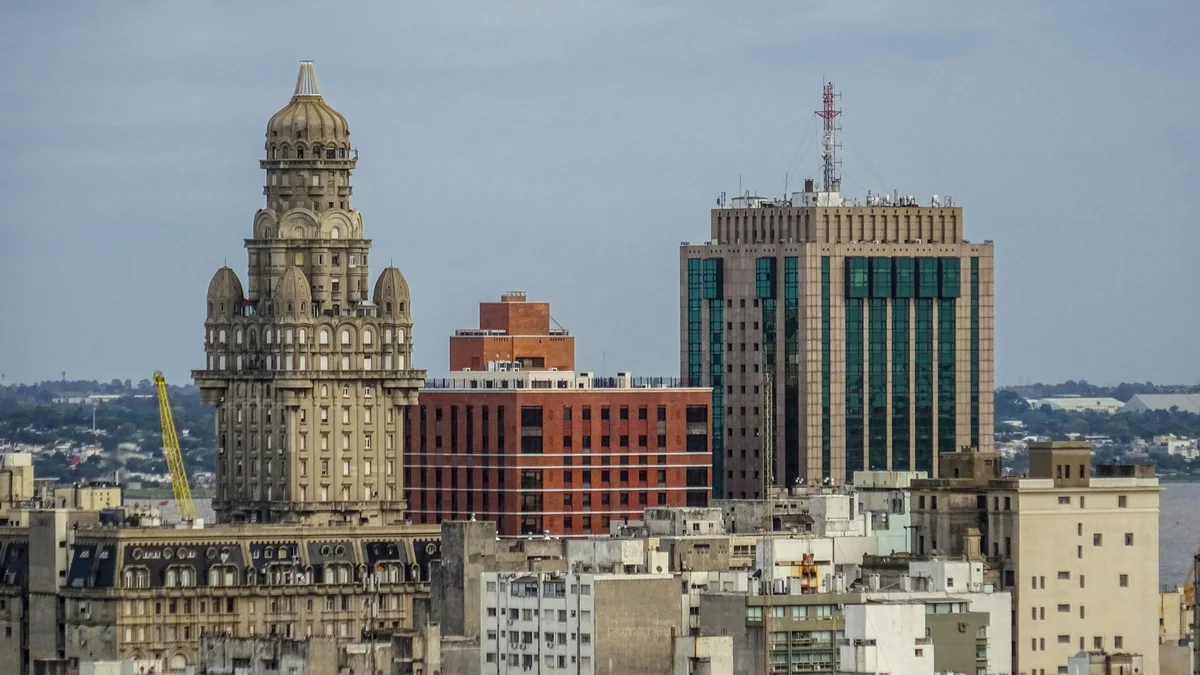
Constitution Square, known as Plaza Constitucion or Plaza Matriz, is home to the Metropolitan Cathedral of Montevideo, the seat of the Catholic Church in Uruguay. Beside it the Cabildo, built between 1804 and 1812, is among the most notable colonial buildings and now houses a municipal historical museum and archive. The Teatro Solis, which opened in 1856 and is named for the explorer Juan Diaz de Solis, is one of the district's best-known cultural venues. Plaza Independencia marks the edge of the old town, with the Palacio Salvo nearby.
Museums include the Museo Torres Garcia, and notable buildings include the Palacio Taranco, the Central Bank of Uruguay, the stock exchange and an Anglican church popularly known as the English Temple. The Mercado del Puerto, the port market, stands near the waterfront.
Wikipedia says Ciudad Vieja has a notable concentration of Art Deco, Art Nouveau and Neoclassical buildings, alongside colonial structures from the first decades after independence. The main street, Sarandi, became a pedestrian walkway in 1992 and was extended beyond Constitution Square in 2005, which boosted its appeal for visitors. Streets near the port have design shops and converted lofts.
Alongside Centro, the neighbourhood is one of Montevideo's main office districts, with commercial banks, government buildings, theatres and art galleries. That means it is busy on working days and quieter on weekends, when some businesses close.
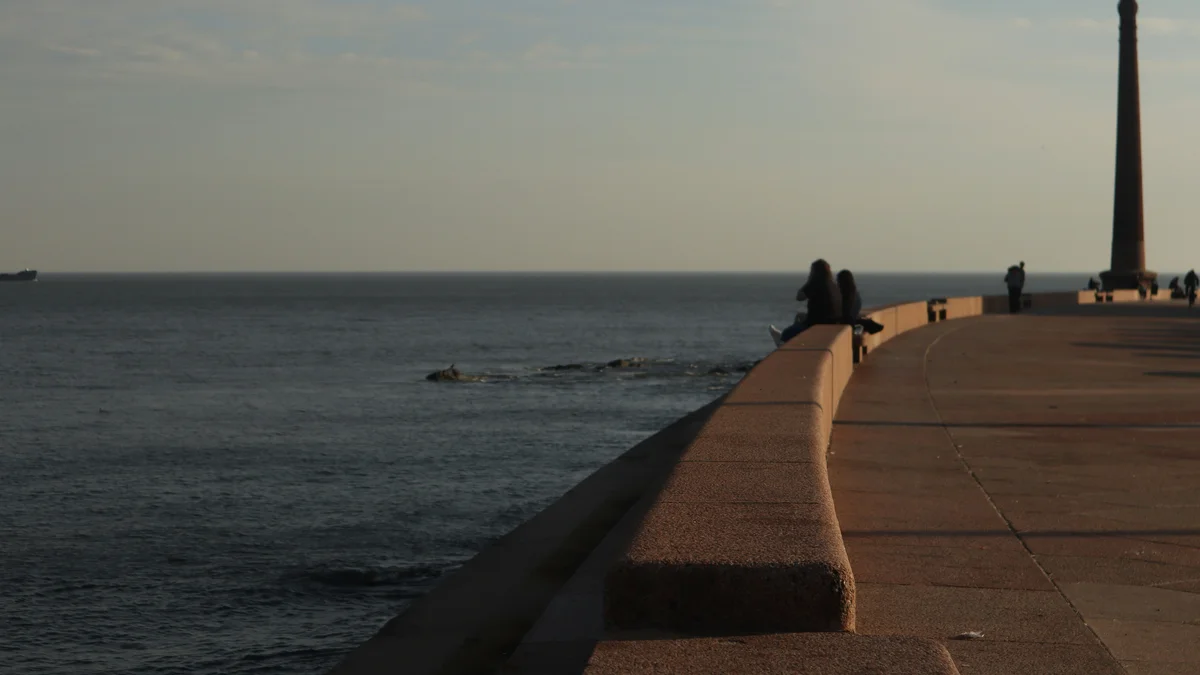
The port sits on a bay that Wikipedia calls a natural harbour, the country's largest. The Rambla, the waterfront promenade, runs along the southern edge of the old town, which links the historic area to the wider city shoreline.
The peninsula is compact and best explored on foot, with a private driver handling pickup and drop-off on the edges where traffic and parking are limited. A local guide can explain the colonial layers and point out details that are easy to miss, such as the old wall's trace in street names. Conditions vary by day, so it is useful to confirm which museums and buildings are open before building a route.
See every tour and attraction we cover in Montevideo.