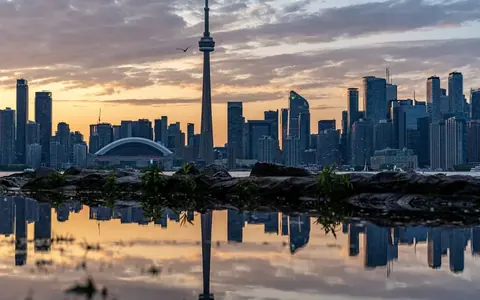
 TorontoOntario · 17 tours
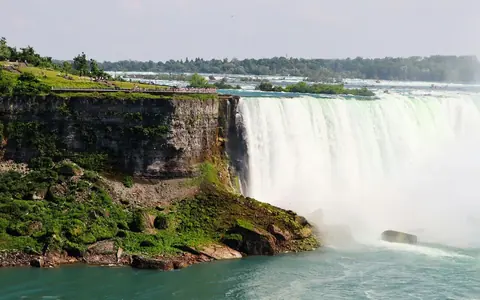 Niagara FallsOntario · 17 tours
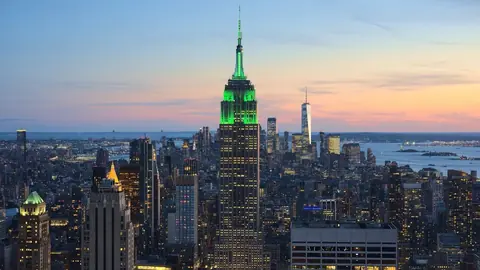 New York CityNew York · 8 tours
 Las VegasNevada · 8 tours
 San FranciscoCalifornia · 16 tours
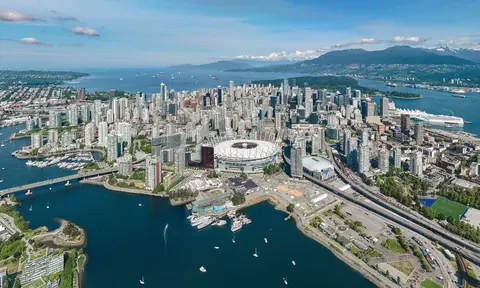 VancouverBritish Columbia · 17 tours
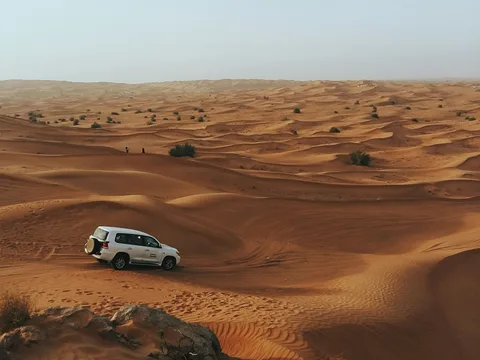 DubaiUAE · 44 tours
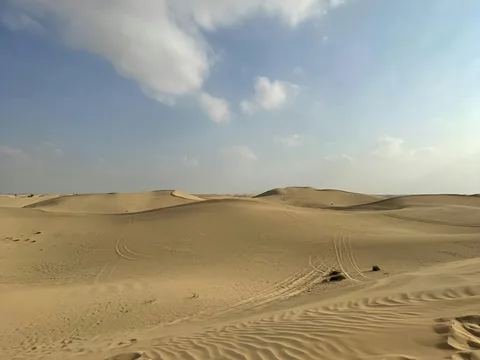 Abu DhabiUAE · 5 tours
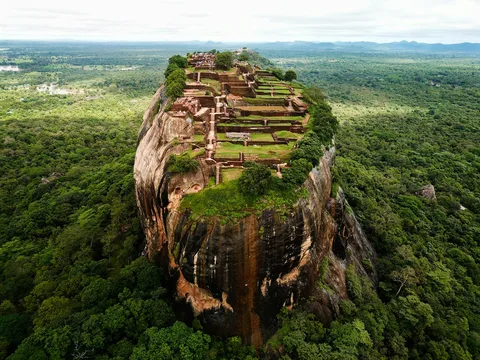 Sri LankaSri Lanka · 16 tours
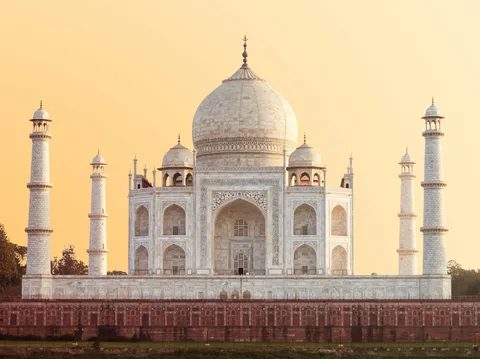 IndiaIndia · 13 tours
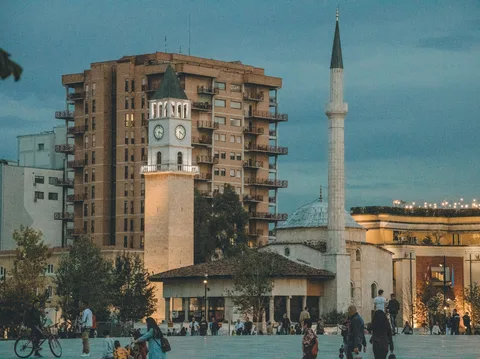 AlbaniaAlbania · 10 tours
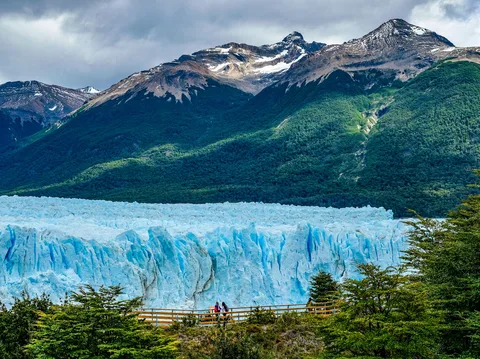 ArgentinaArgentina · 8 tours
No destinations match “”.
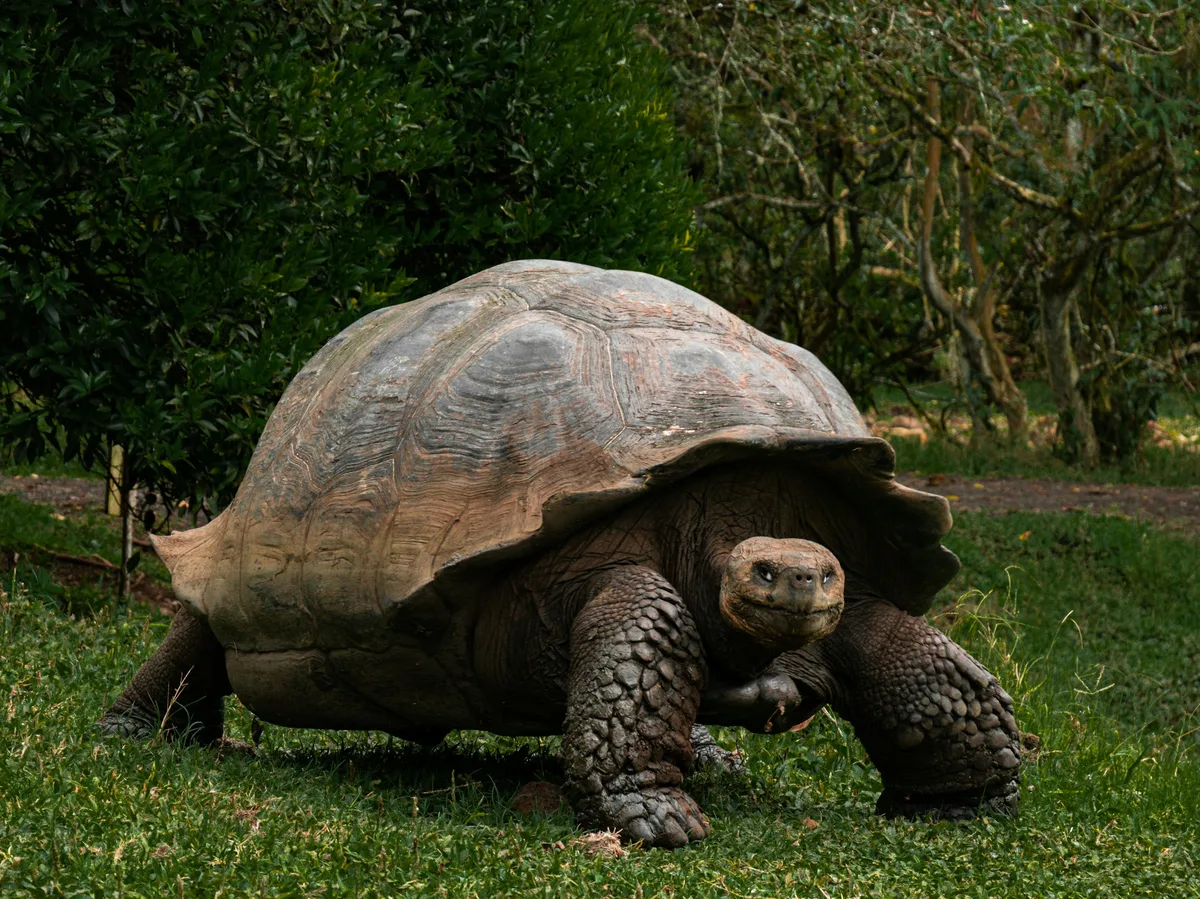
Voyzo runs 17 private tours across 1 destination in Ecuador, covering 9 attractions — each with your own guide, driver, and vehicle, and an itinerary built around your group rather than a fixed bus schedule.
Ecuador is named for the equator, which runs directly through the country just north of Quito, and it packs an outsized range of landscape into a small footprint — divided into four distinct regions: the Pacific coast (Costa), the Andean highlands (Sierra), the Amazon rainforest (Oriente), and the Galápagos Islands (Insular region), roughly 1,000 kilometres offshore. Quito, the capital, sits at nearly 2,850 metres and was among the first cities in the world designated a UNESCO World Heritage Site, in 1978.
The Galápagos, annexed by Ecuador in 1832 and made famous by Charles Darwin's 1835 visit, are a volcanic archipelago where giant tortoises, marine iguanas, and blue-footed boobies show little fear of people — a product of strict national park protections and limited visitor numbers that have kept the islands close to their natural state. On the mainland, the Andes and Amazon sit within a day's drive of each other from Quito, a compression of ecosystems that's unusual even by South American standards.
Voyzo runs a mix of trip styles across Ecuador: private mainland circuits through the Andes and Amazon with your own driver, land-based Galápagos itineraries hopping between islands by ferry and small boat, and a handful of routes connecting onward into Peru, Bolivia, or Colombia for a wider South America trip.
The real stops Voyzo's own itineraries are built around — tap any attraction to learn more.
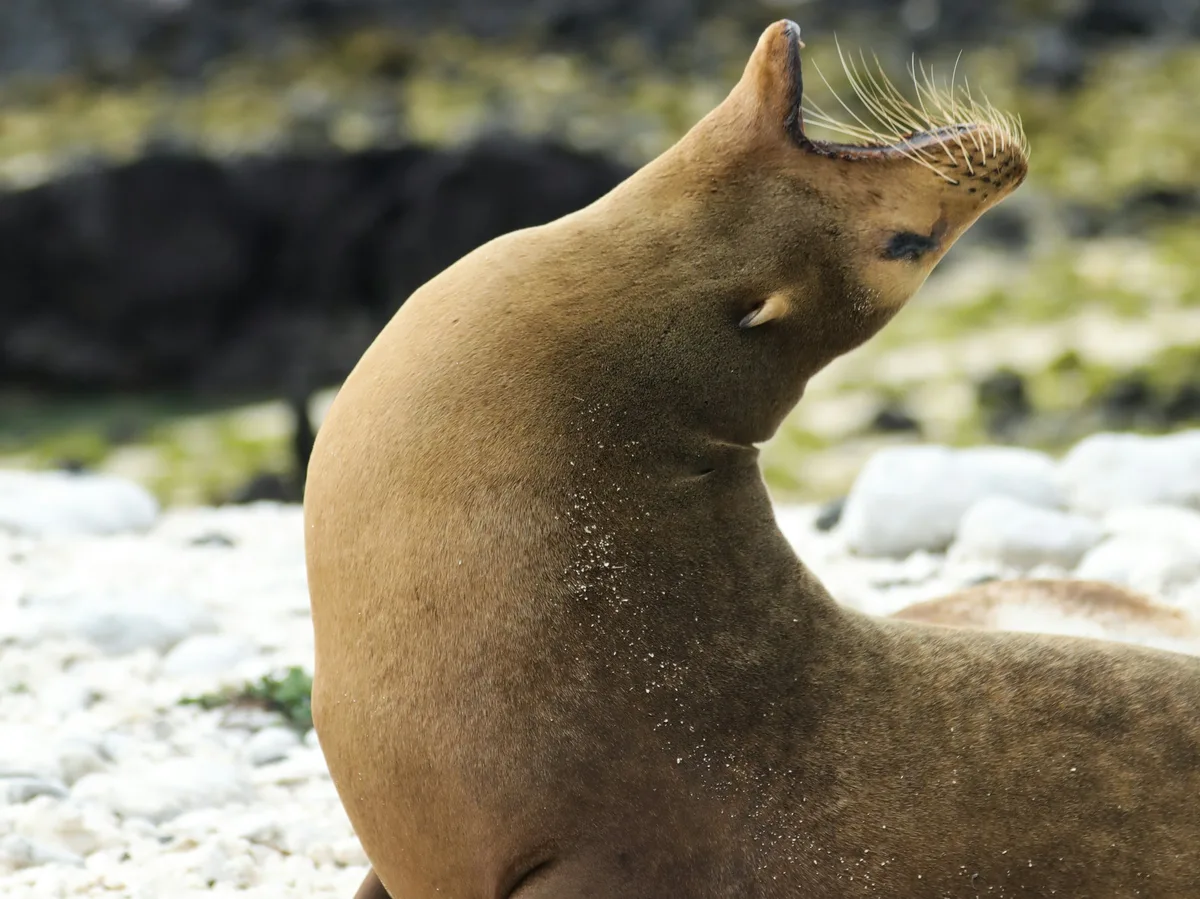
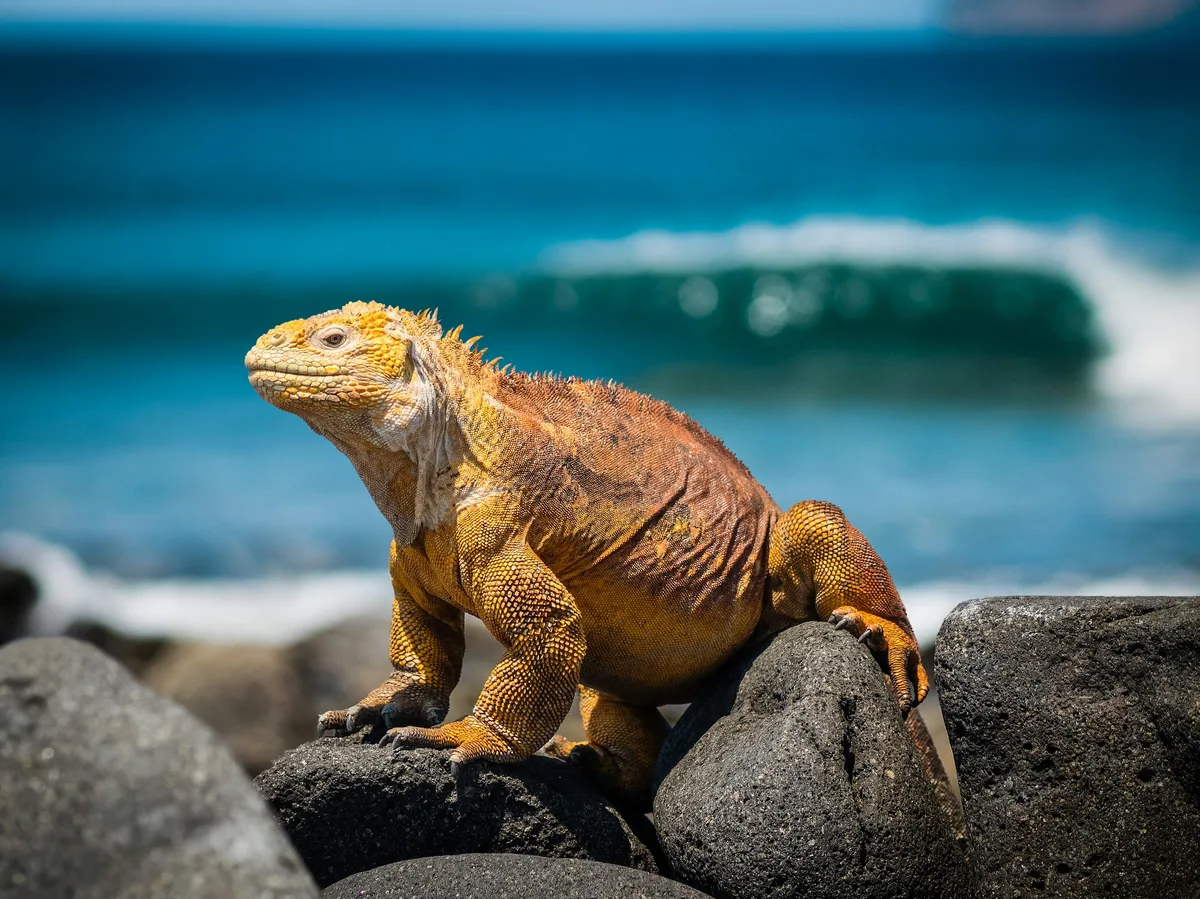
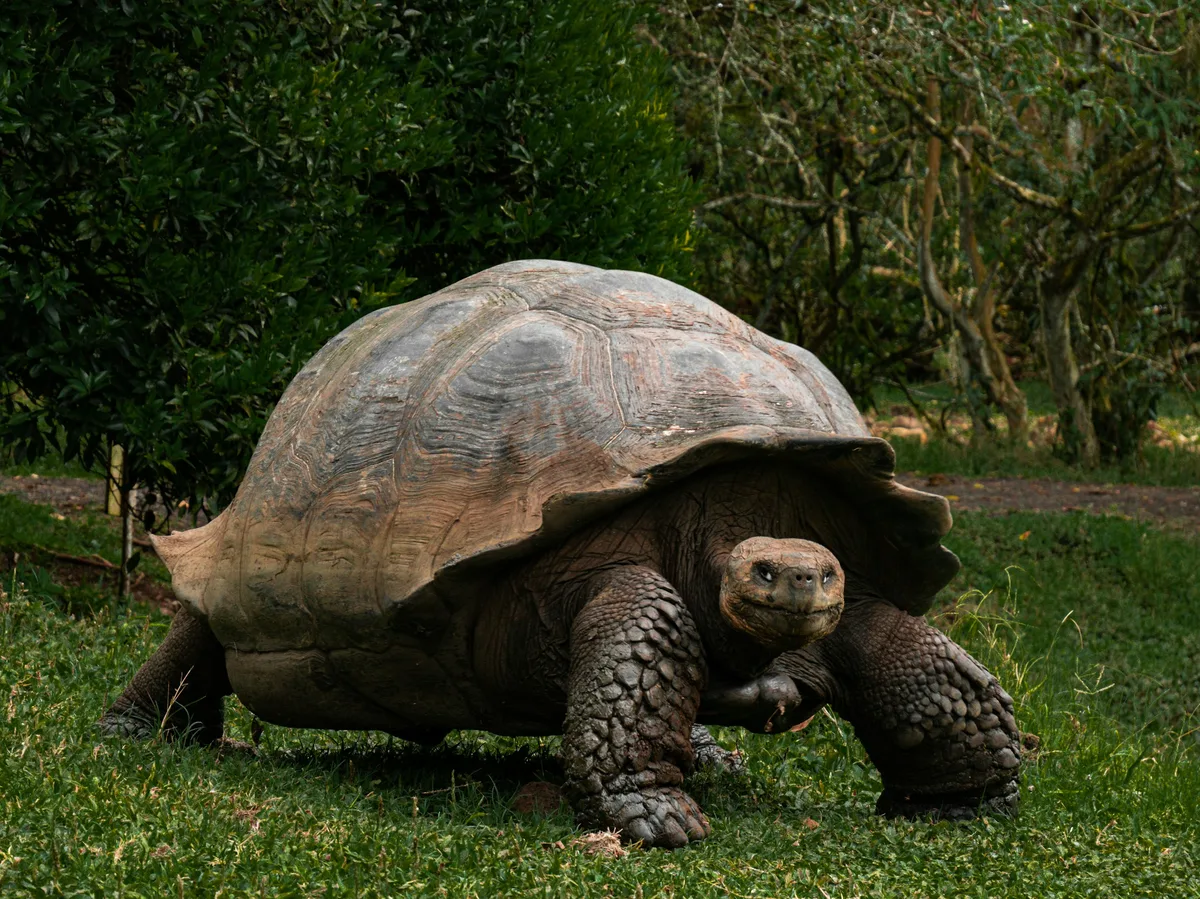 Galápagos Islands Wildlife
Ecuador & Galapagos
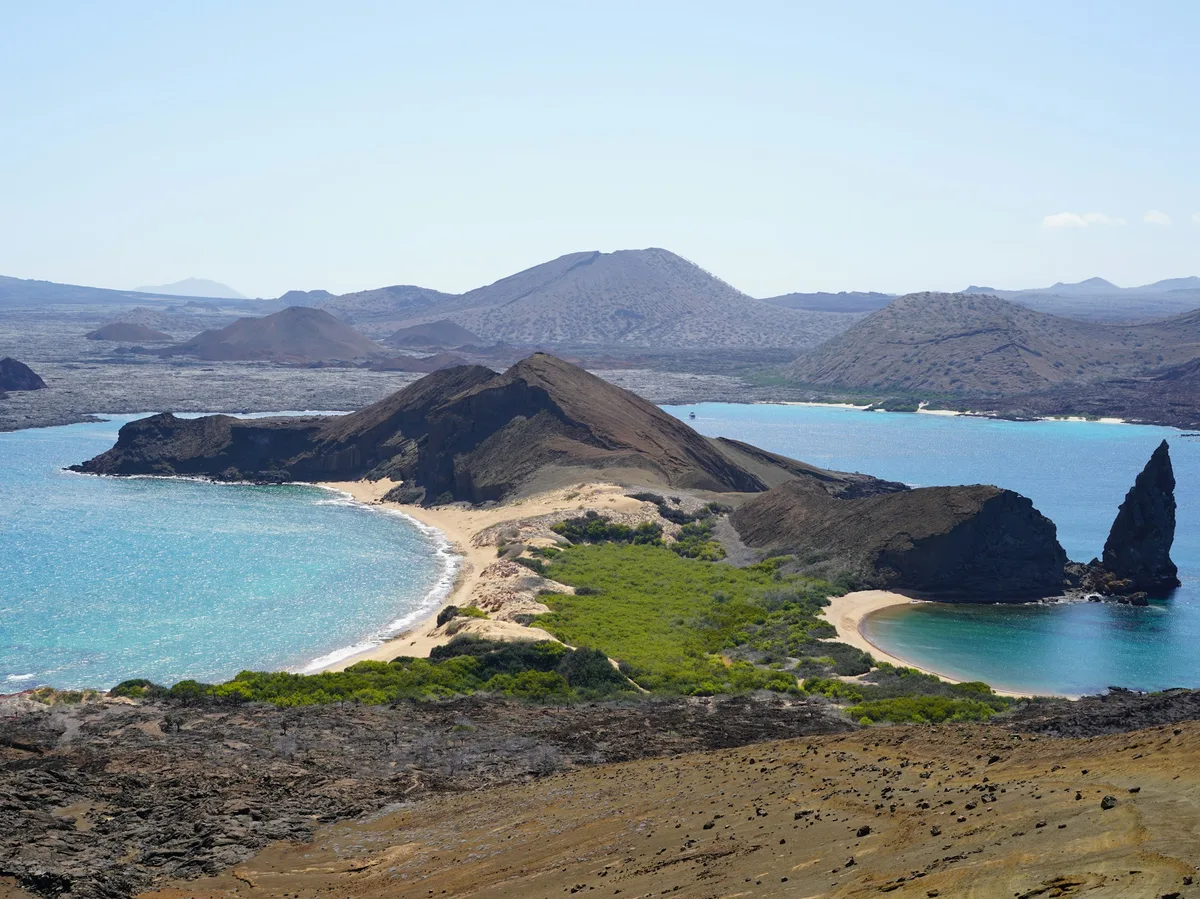
A UNESCO World Heritage archipelago where giant tortoises, marine iguanas, blue-footed boobies, and sea lions live largely undisturbed by natural predators, making close, unscripted wildlife encounters part of everyday island life.
2
Galápagos Islands Wildlife
Ecuador & Galapagos
A UNESCO World Heritage archipelago where giant tortoises, marine iguanas, blue-footed boobies, and sea lions live largely undisturbed by natural predators, making close, unscripted wildlife encounters part of everyday island life.
2
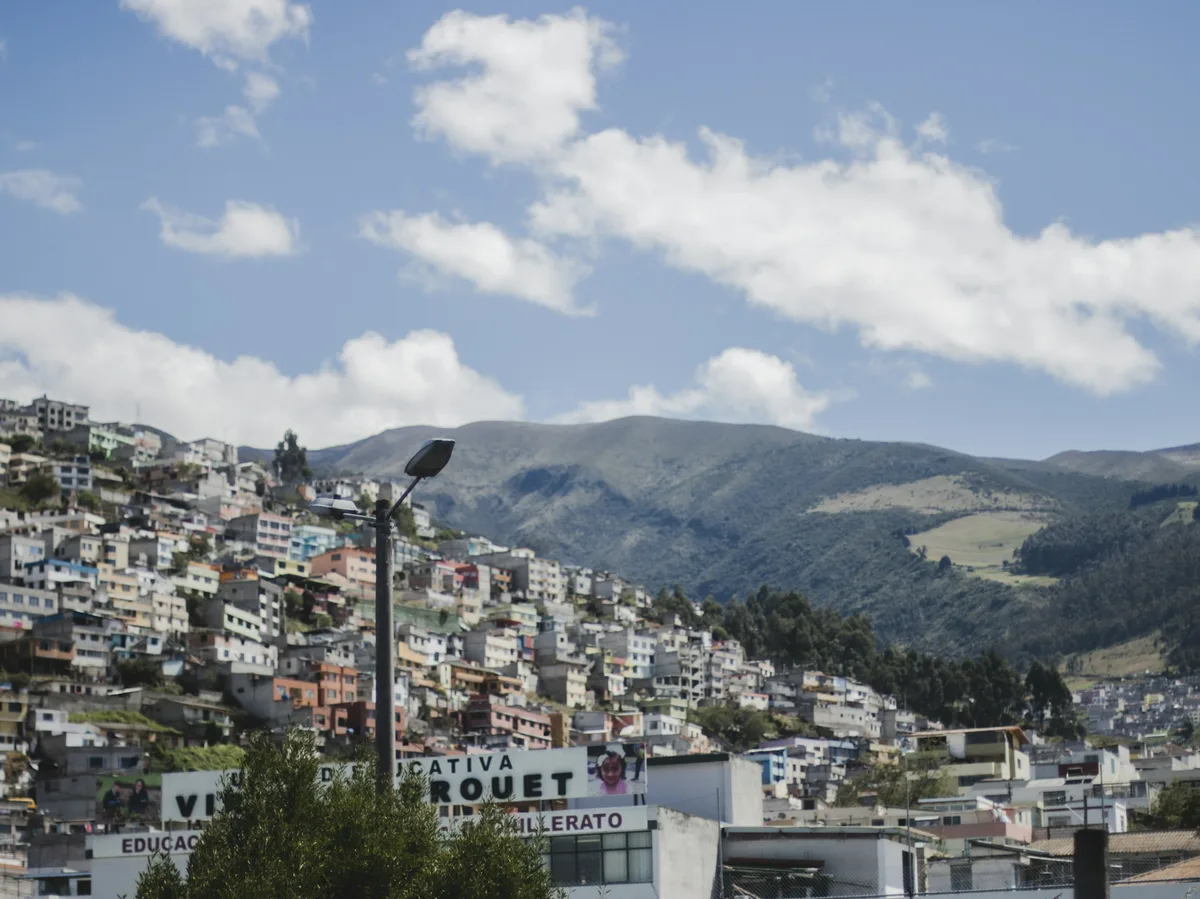 Quito's Historic Center
Ecuador & Galapagos
One of the largest, best-preserved colonial old towns in the Americas and a UNESCO World Heritage Site, with cobbled plazas, gilded churches, and views over the city from El Panecillo hill.
3
Quito's Historic Center
Ecuador & Galapagos
One of the largest, best-preserved colonial old towns in the Americas and a UNESCO World Heritage Site, with cobbled plazas, gilded churches, and views over the city from El Panecillo hill.
3
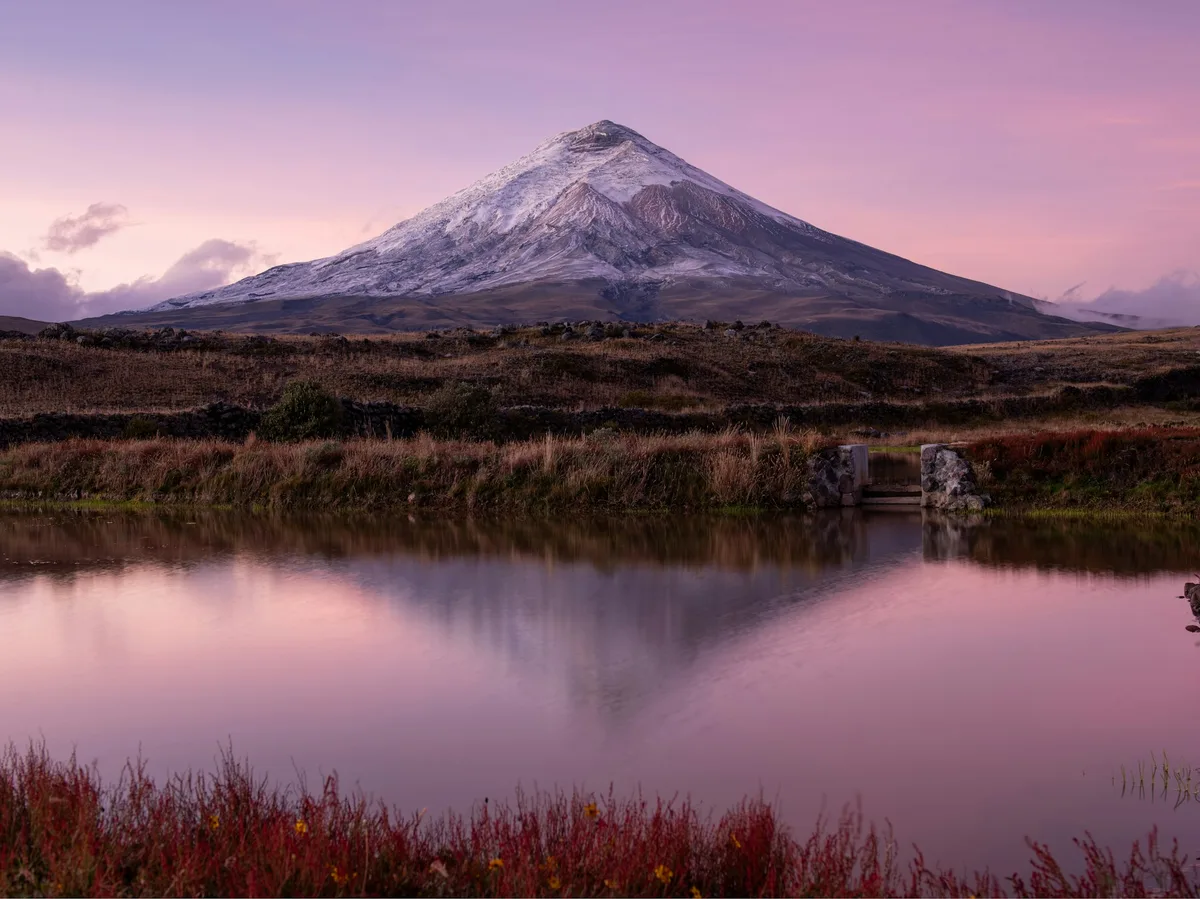
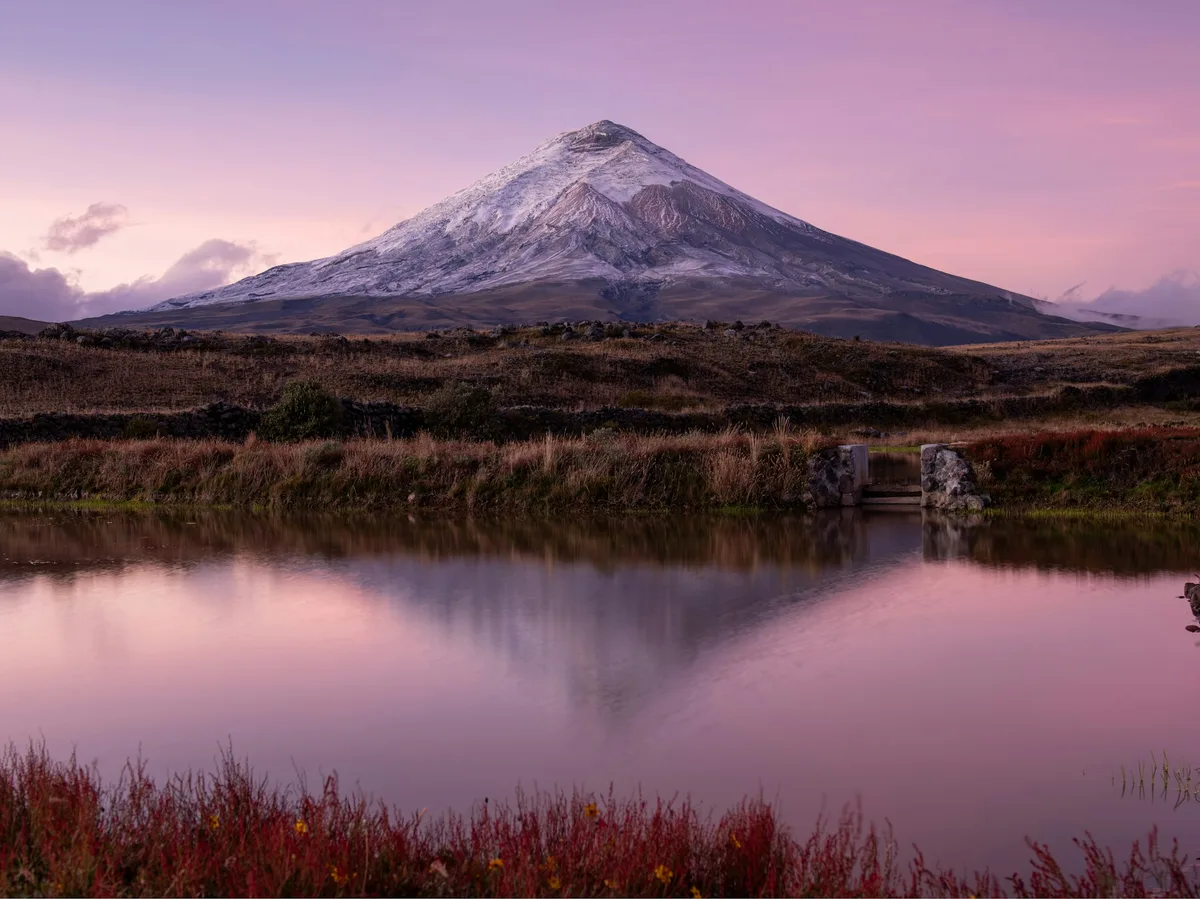 Cotopaxi Volcano
Ecuador & Galapagos
One of the world's highest active volcanoes, its near-symmetrical snow-capped cone rising over Cotopaxi National Park's páramo grasslands and Limpiopungo Lagoon, a short drive south of Quito.
4
Cotopaxi Volcano
Ecuador & Galapagos
One of the world's highest active volcanoes, its near-symmetrical snow-capped cone rising over Cotopaxi National Park's páramo grasslands and Limpiopungo Lagoon, a short drive south of Quito.
4
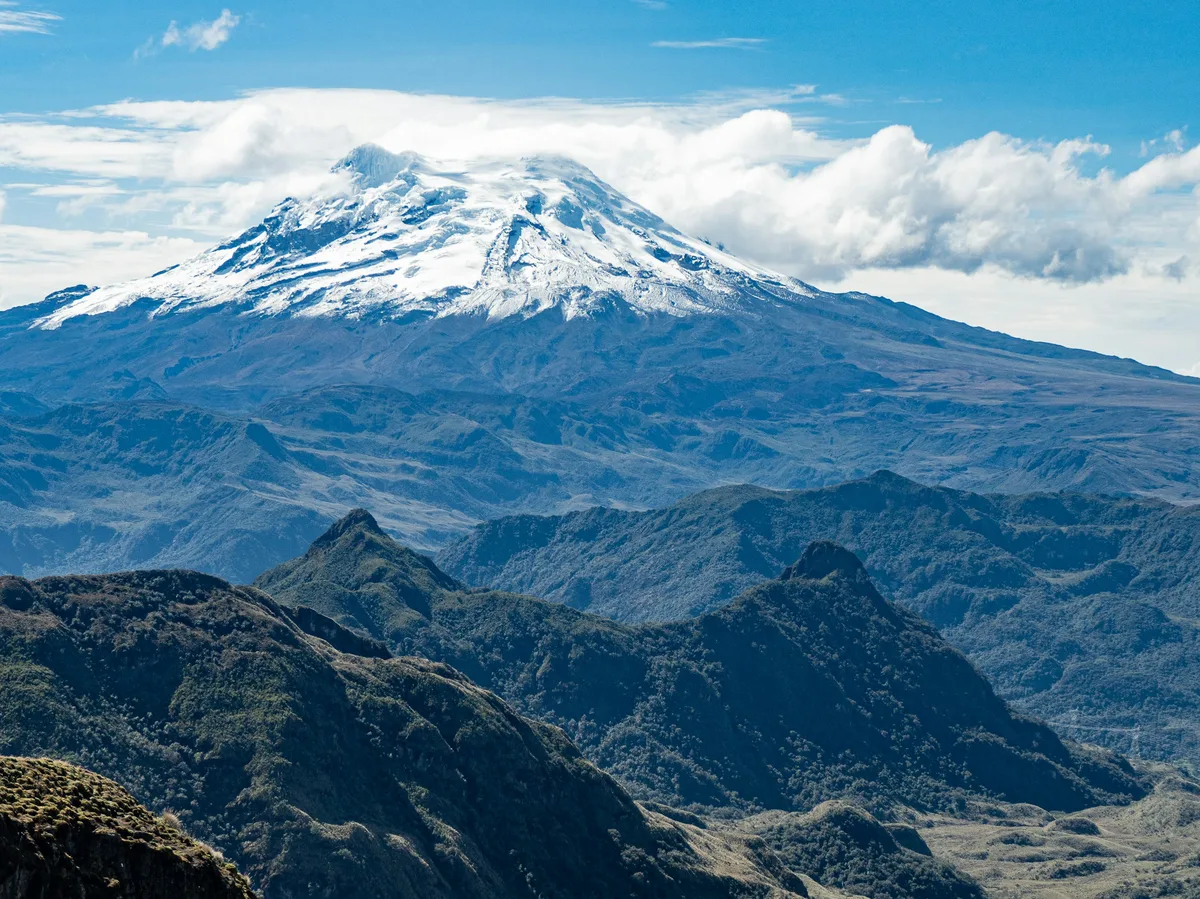
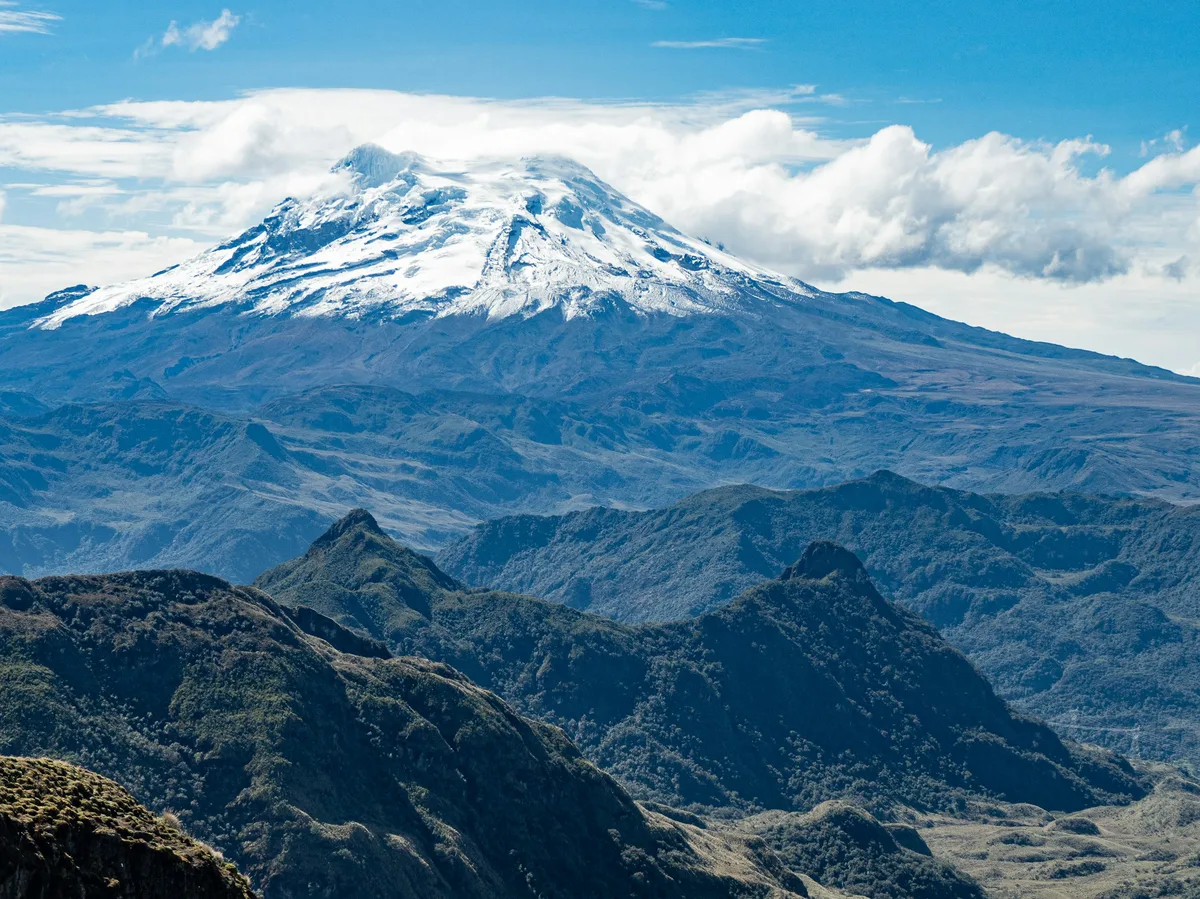 Avenue of the Volcanoes
Ecuador & Galapagos
The dramatic stretch of the Ecuadorian Andes between Quito and Riobamba, flanked by a chain of snow-capped peaks including Cotopaxi and Chimborazo — the country's highest mountain and the point on Earth's surface farthest from its core.
5
Avenue of the Volcanoes
Ecuador & Galapagos
The dramatic stretch of the Ecuadorian Andes between Quito and Riobamba, flanked by a chain of snow-capped peaks including Cotopaxi and Chimborazo — the country's highest mountain and the point on Earth's surface farthest from its core.
5
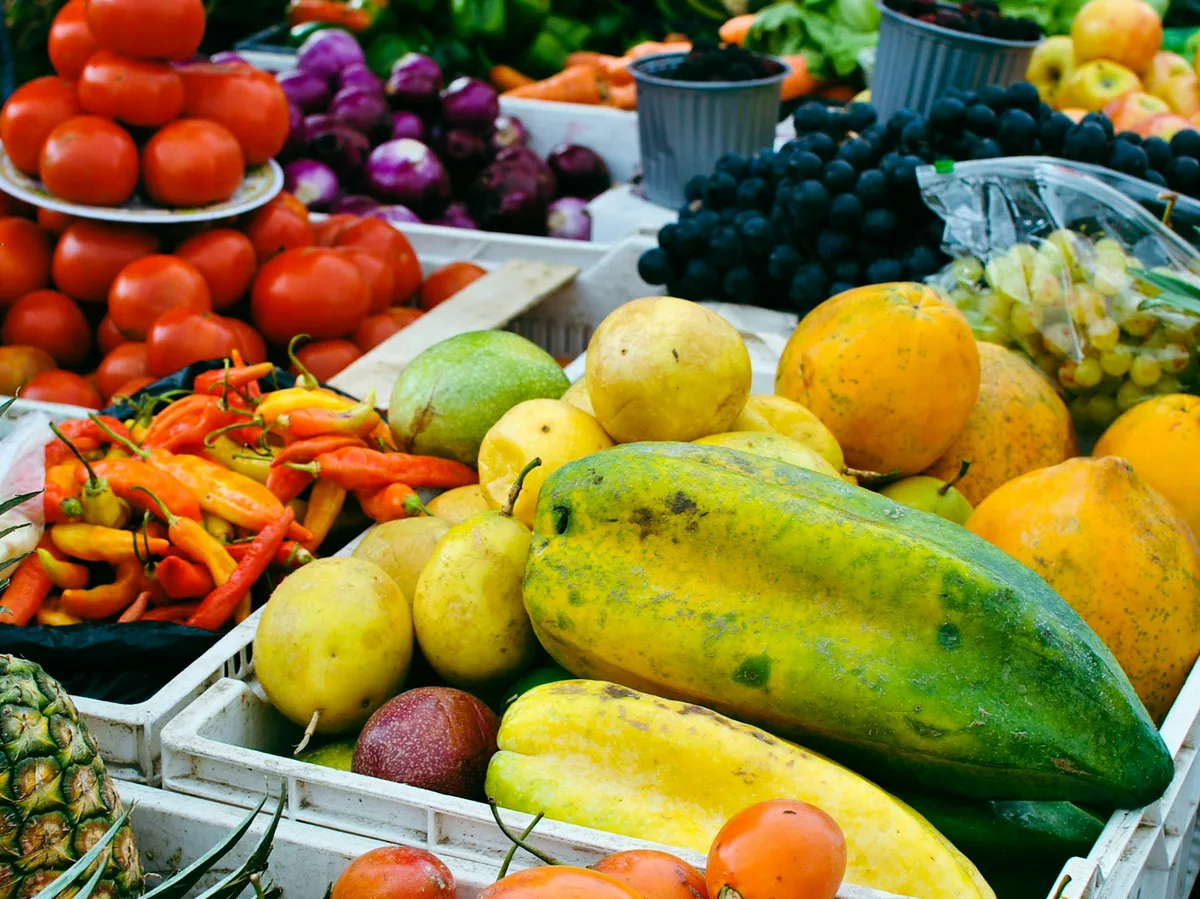 Otavalo Market
Ecuador & Galapagos
One of South America's largest and oldest indigenous markets, where Kichwa-Otavalo artisans have sold hand-woven textiles, leather goods, and crafts in the Plaza de Los Ponchos for generations.
6
Otavalo Market
Ecuador & Galapagos
One of South America's largest and oldest indigenous markets, where Kichwa-Otavalo artisans have sold hand-woven textiles, leather goods, and crafts in the Plaza de Los Ponchos for generations.
6
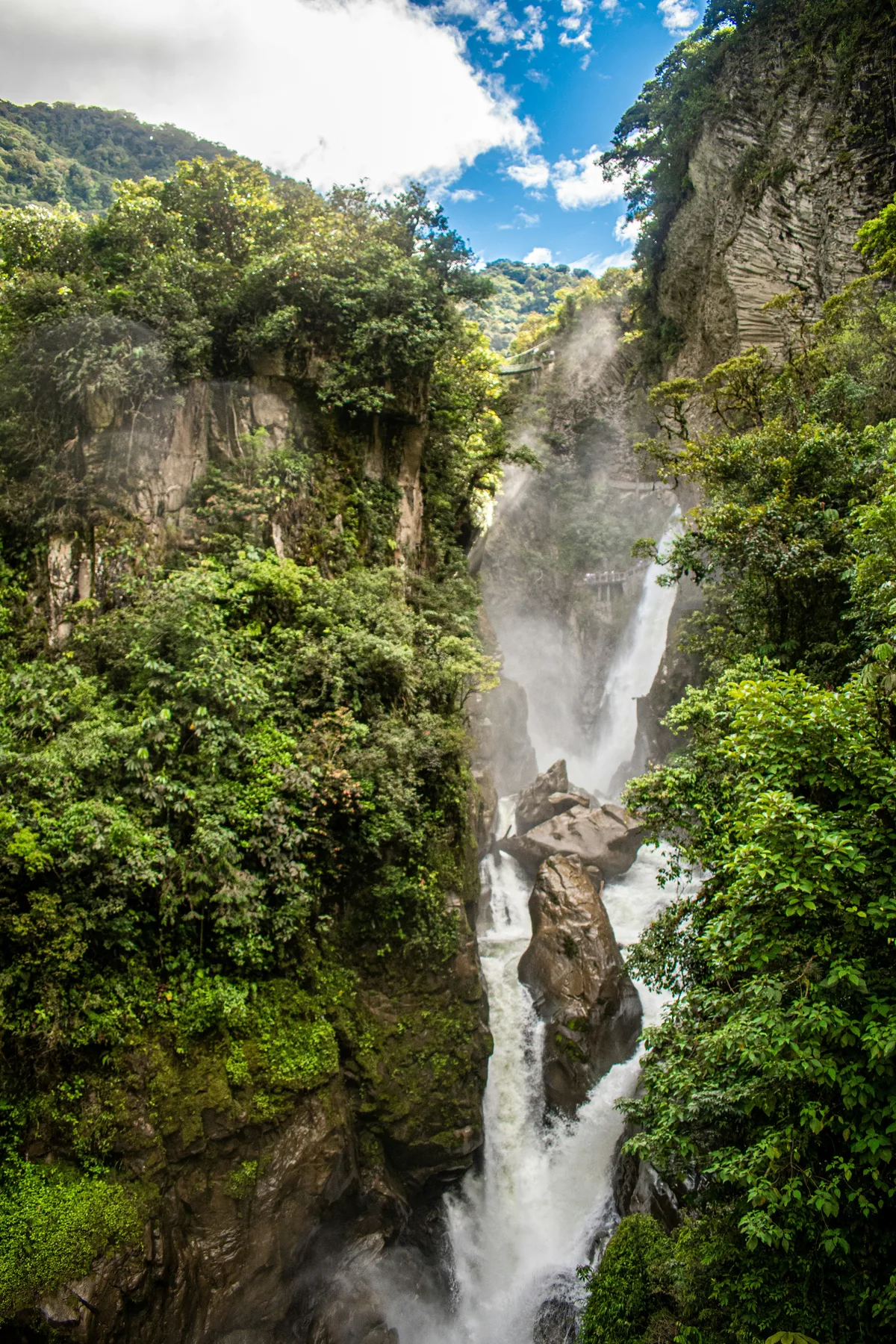 Banos de Agua Santa
Ecuador & Galapagos
A small Andean town wedged in a valley below the Tungurahua volcano, built around thermal hot springs and known as Ecuador's adventure-sports base for canyoning, rafting, and waterfall routes like the Pailon del Diablo.
7
Banos de Agua Santa
Ecuador & Galapagos
A small Andean town wedged in a valley below the Tungurahua volcano, built around thermal hot springs and known as Ecuador's adventure-sports base for canyoning, rafting, and waterfall routes like the Pailon del Diablo.
7
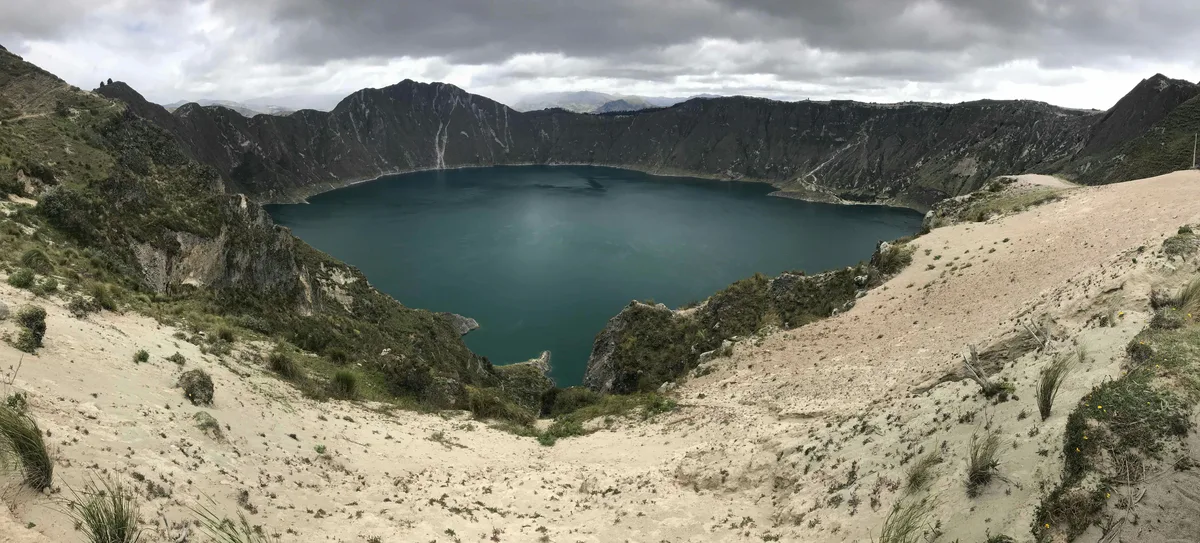 Quilotoa Crater Lake
Ecuador & Galapagos
A water-filled volcanic caldera in the Ecuadorian Andes, its turquoise-green lake ringed by a rim trail with views down into the crater and out over surrounding indigenous farming villages.
8
Quilotoa Crater Lake
Ecuador & Galapagos
A water-filled volcanic caldera in the Ecuadorian Andes, its turquoise-green lake ringed by a rim trail with views down into the crater and out over surrounding indigenous farming villages.
8
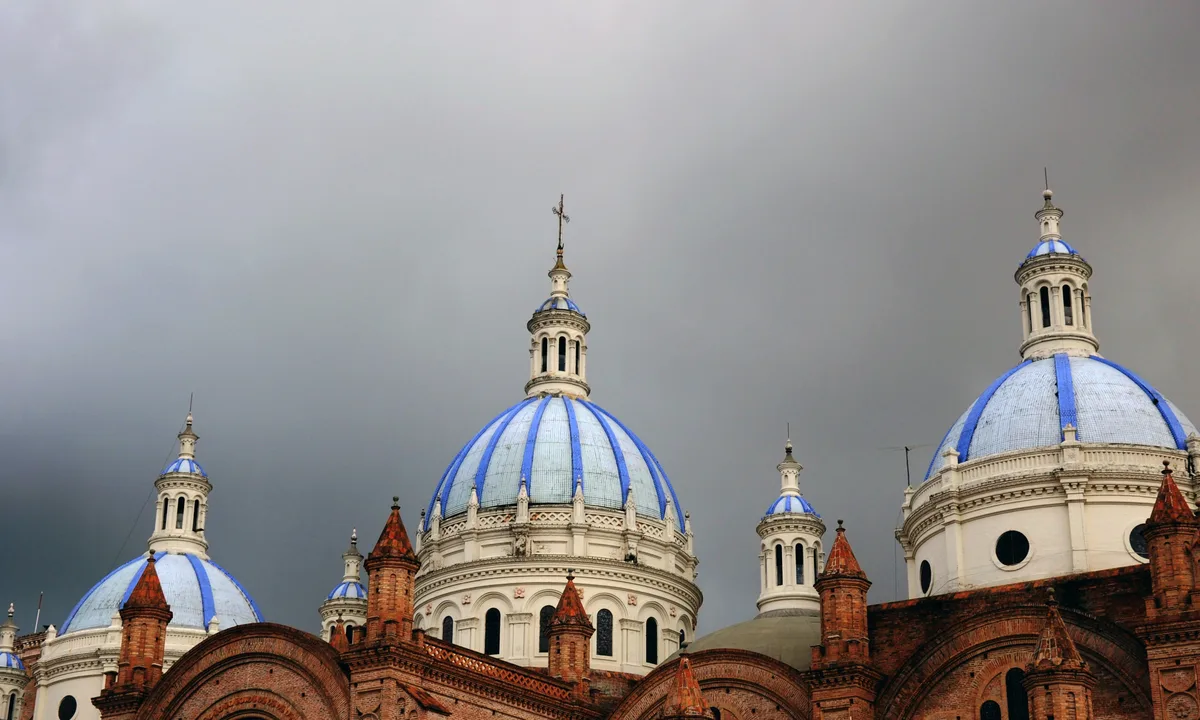 Cuenca's Historic Center
Ecuador & Galapagos
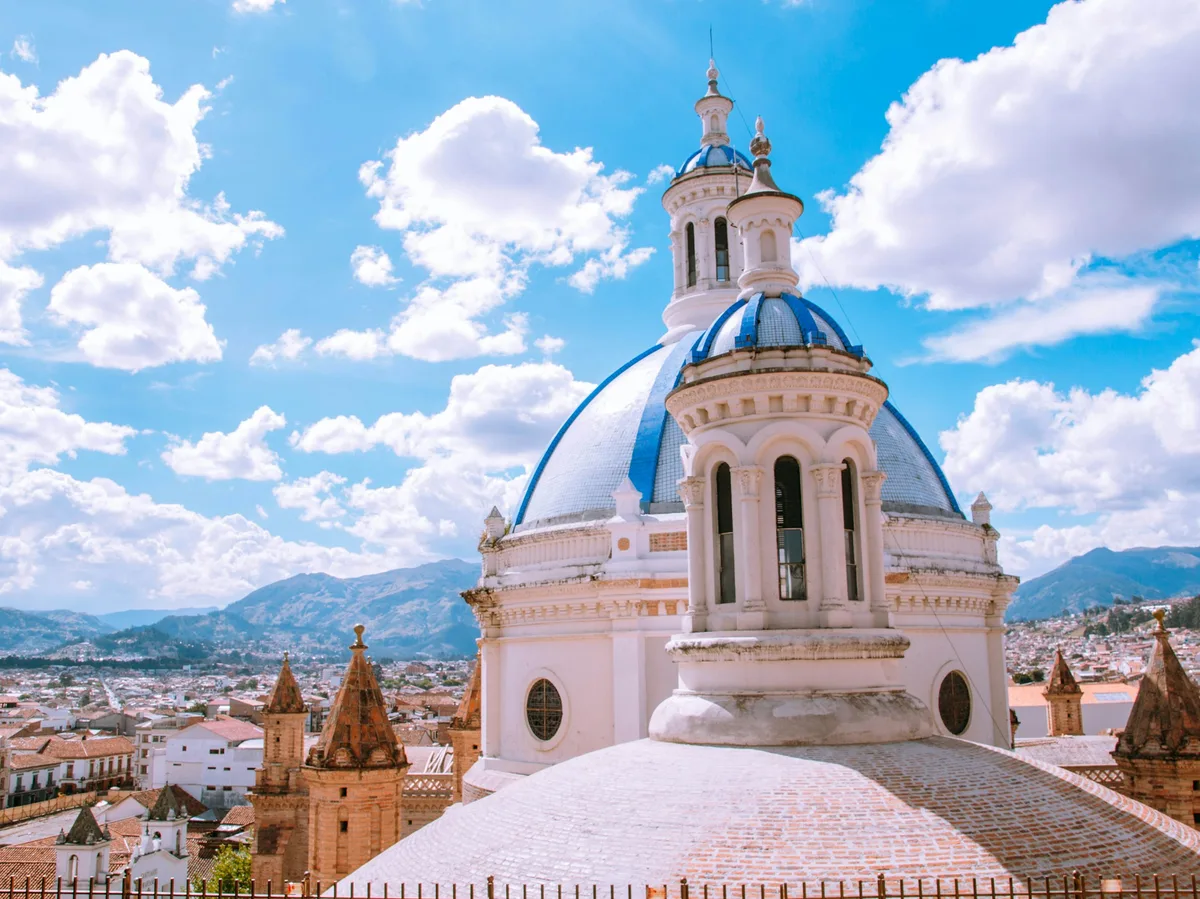
A UNESCO World Heritage colonial city in Ecuador's southern highlands, known for its blue-domed cathedral, the Tomebamba River running through town, and being a center of Panama hat weaving despite the name.
9
Cuenca's Historic Center
Ecuador & Galapagos
A UNESCO World Heritage colonial city in Ecuador's southern highlands, known for its blue-domed cathedral, the Tomebamba River running through town, and being a center of Panama hat weaving despite the name.
9
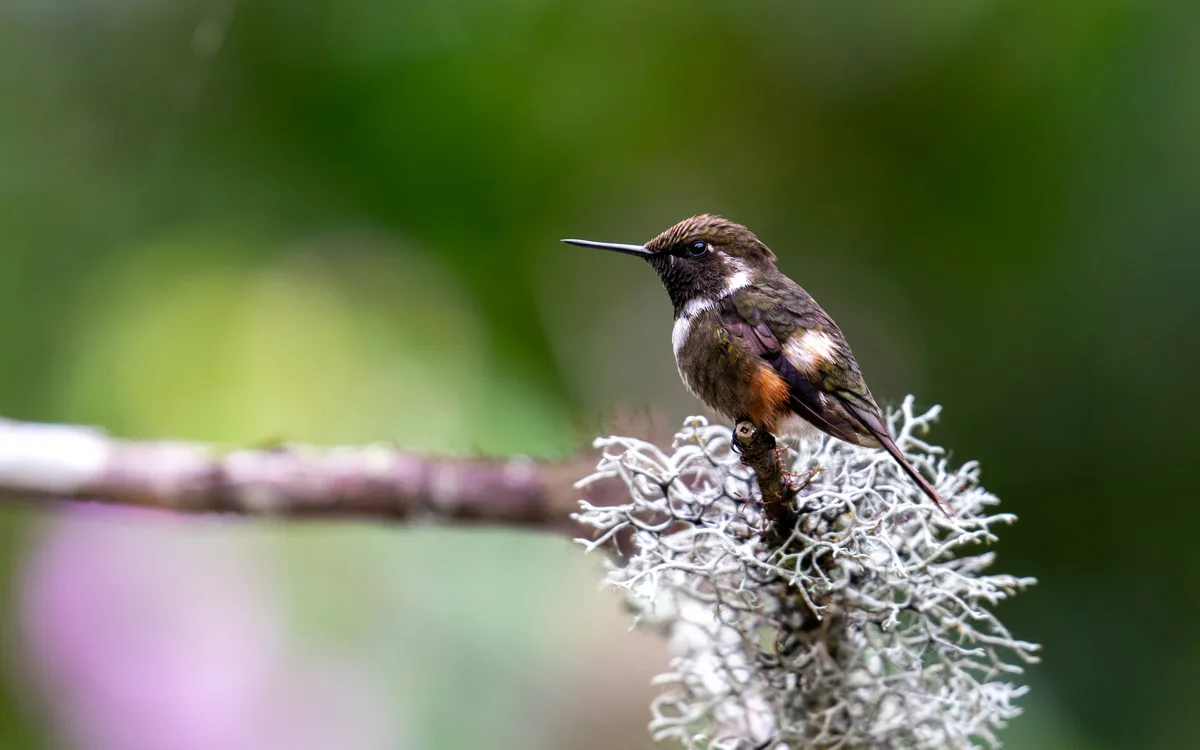 Mindo Cloud Forest
Ecuador & Galapagos
A cloud forest reserve a couple of hours from Quito on the western slope of the Andes, known for hummingbird feeders, butterfly farms, and some of Ecuador's best birdwatching.
Multi-Day Tours
Mindo Cloud Forest
Ecuador & Galapagos
A cloud forest reserve a couple of hours from Quito on the western slope of the Andes, known for hummingbird feeders, butterfly farms, and some of Ecuador's best birdwatching.
Multi-Day Tours
A 10-day island-hopping circuit through the Galapagos — Santa Cruz, Isabela, and San Cristobal — built around giant tortoises, snorkeling, and volcanic landscapes, with a Quito arrival on either end.
 Multi-Day Tours
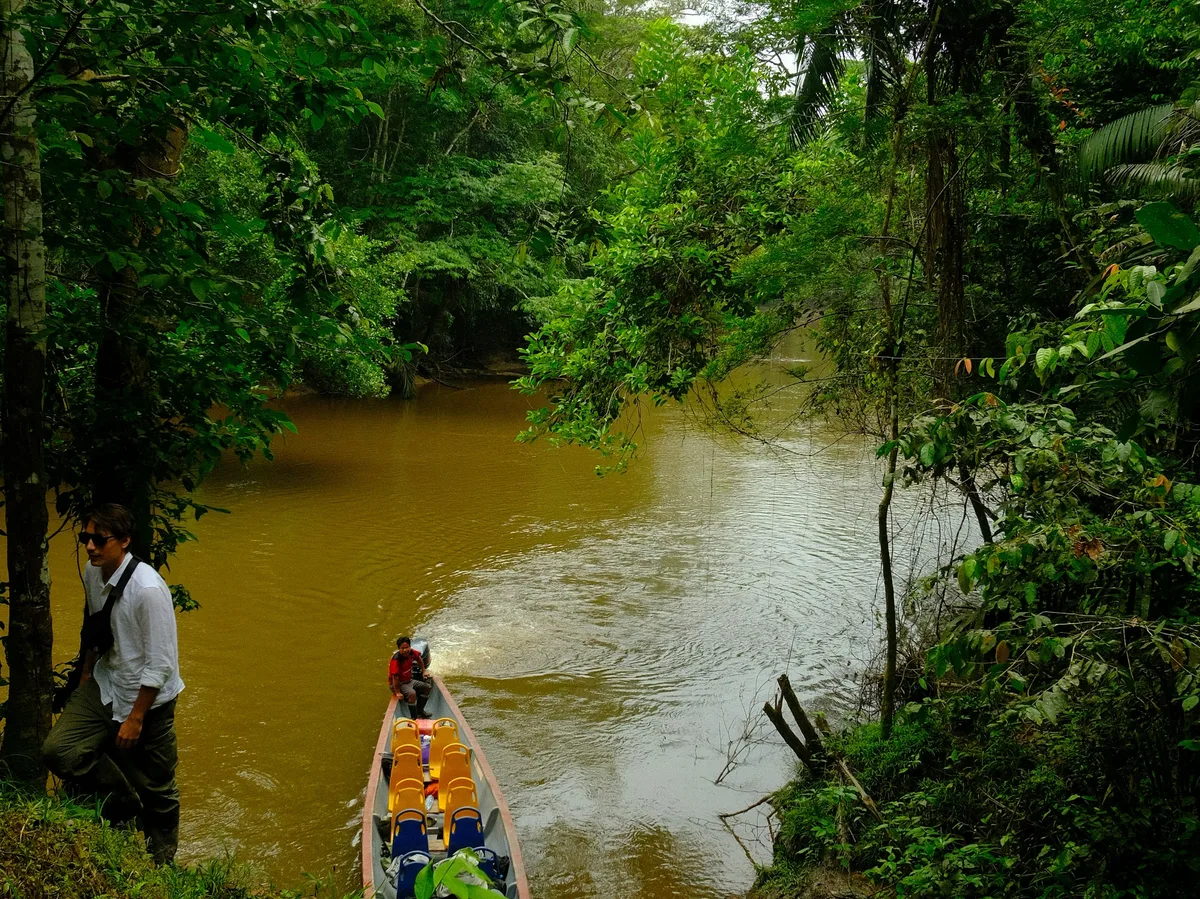
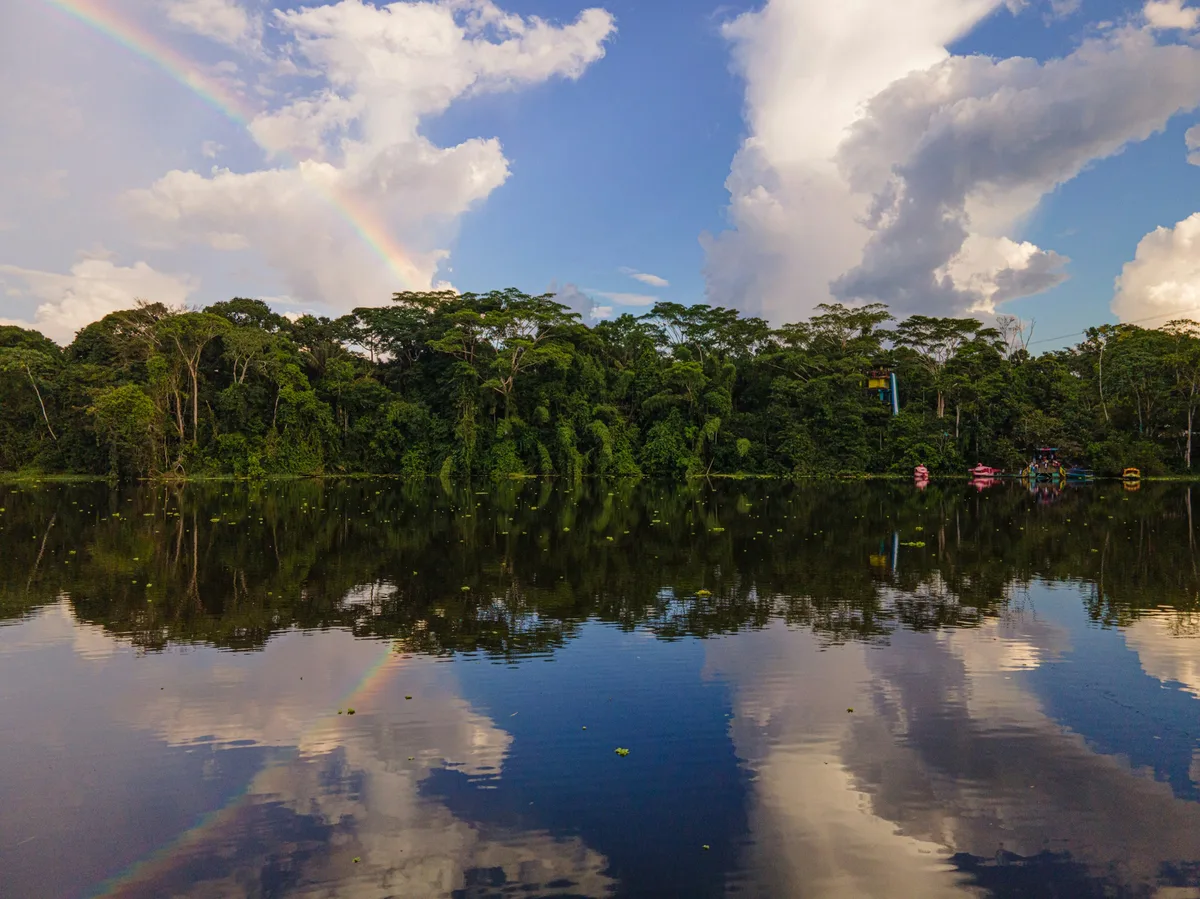
A sweeping 19-day route through Ecuador's highlands, the Amazon rainforest of Yasuni, the colonial cities of the Andes, and a five-island Galapagos finale.
 Multi-Day Tours
A 14-day mainland circuit through Quito, Otavalo, the Amazon foothills, Baños, Cotopaxi, the Quilotoa Loop, and the UNESCO city of Cuenca — Ecuador's culture and landscapes without the Galapagos crossing.
 Multi-Day Tours
A grand 28-day South America journey linking Lima, Cusco, and Machu Picchu with the Uyuni Salt Flats in Bolivia, Ecuador's Andes and Amazon, and a six-day Galapagos finale.
 Multi-Day Tours
A compact 8-day adventure from Quito through Cotopaxi, Quilotoa, Baños, and into the Upper Amazon, finishing with a soak in Papallacta's hot springs.
 Multi-Day Tours Popular Pick
A comprehensive 14-day cross-section of Ecuador — the northern Andes, the Cuyabeno Amazon reserve, and four days island-hopping the Galapagos — built around wildlife and landscape at every stage.
 Multi-Day Tours
Five days island-hopping San Cristobal and Santa Cruz in the Galapagos, followed by a nine-day sweep through Peru — Lima, Machu Picchu, Rainbow Mountain, and Lake Titicaca.
 Multi-Day Tours
The full picture of Ecuador over 31 days — cloud forest, indigenous markets, Cotopaxi, Quilotoa, Cuenca, the Yasuni Amazon, and a ten-day island-hopping finale across San Cristóbal, Isabela, and Santa Cruz.
 Multi-Day Tours
Two weeks through Colombia's Coffee Triangle and Caribbean coast, followed by a week island-hopping Santa Cruz and Isabela in the Galapagos.
Ecuador allows visa-free entry for citizens of the US, Canada, the UK, the EU, and many other countries, typically for stays of up to 90 days per year. The Galápagos also charge a separate national park entrance fee, payable on arrival at the islands.
There's no direct international access to the islands — you fly from Quito or Guayaquil to Baltra or San Cristóbal, then move between inhabited islands by small boat or ferry. It's worth building a night or two in mainland Ecuador into your itinerary rather than treating the Galápagos as a standalone trip.
Quito and much of the Andean highlands sit above 2,500 metres, and altitude sickness is a real consideration for visitors arriving from sea level. Taking the first day easy, staying hydrated, and avoiding alcohol on arrival all help with acclimatization.
Ecuador has used the US dollar as its official currency since 2000. This makes cash planning simple for US travelers, though smaller coins can be scarce, so bring a mix of denominations.
The Galápagos have two seasons: warm and wet (December-May, calmer seas, better snorkeling visibility) and cool and dry (June-November, choppier seas, more wildlife activity from nutrient-rich currents). Quito stays cool year-round because of altitude, not season, so pack layers for the highlands and reef-safe sunscreen for the islands.
The islands are a strictly regulated national park — visitors must stay with a licensed naturalist guide on marked trails, and entrance and transit fees directly fund conservation work that has helped several species recover from near-extinction.
Tell us your group size and dates — we'll take care of the rest.