TorontoOntario · 36 tours
 Niagara FallsOntario · 25 tours
 New York CityNew York · 30 tours
 Las VegasNevada · 8 tours
 San FranciscoCalifornia · 16 tours
 VancouverBritish Columbia · 17 tours
 DubaiUAE · 54 tours
 Abu DhabiUAE · 5 tours
 Buenos AiresArgentina · 23 tours
 AthensGreece · 31 tours
 AucklandNew Zealand · 38 tours
 CancunMexico · 54 tours
No destinations match “”. Try searching all tours instead — that search understands full questions, not just place names.
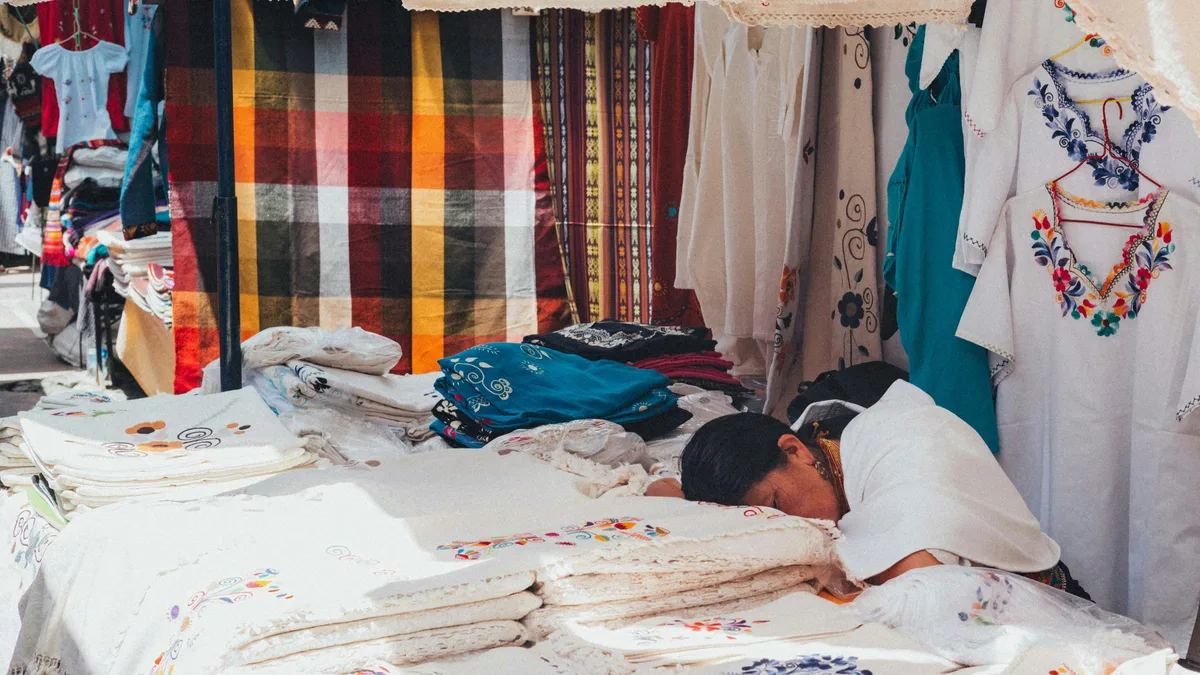
Otavalo Market, roughly two hours north of Quito, is widely considered the largest indigenous market in South America. Kichwa artisans from the surrounding Andean villages sell handwoven textiles, ponchos, tapestries, and jewelry, with the market especially lively on Saturdays.
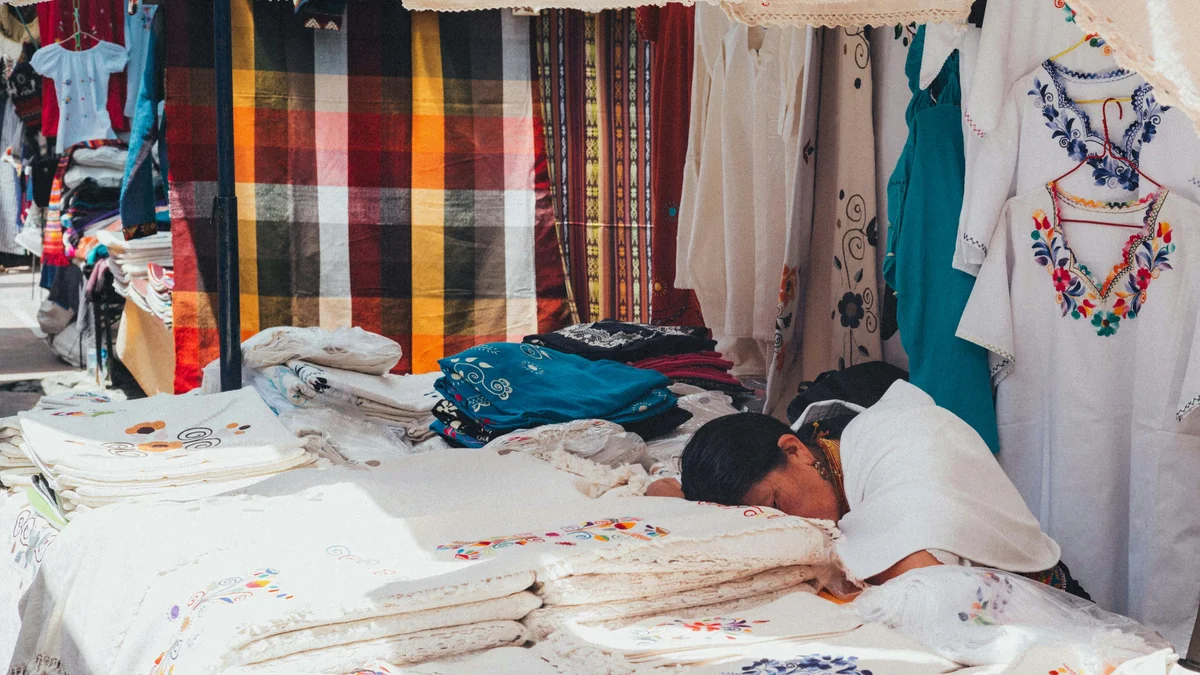 Private Tours
A private day trip to Otavalo with a private guide, featuring a traditional weaving demonstration, panoramic views of Lake San Pablo, and a stop at Peguche Waterfall.
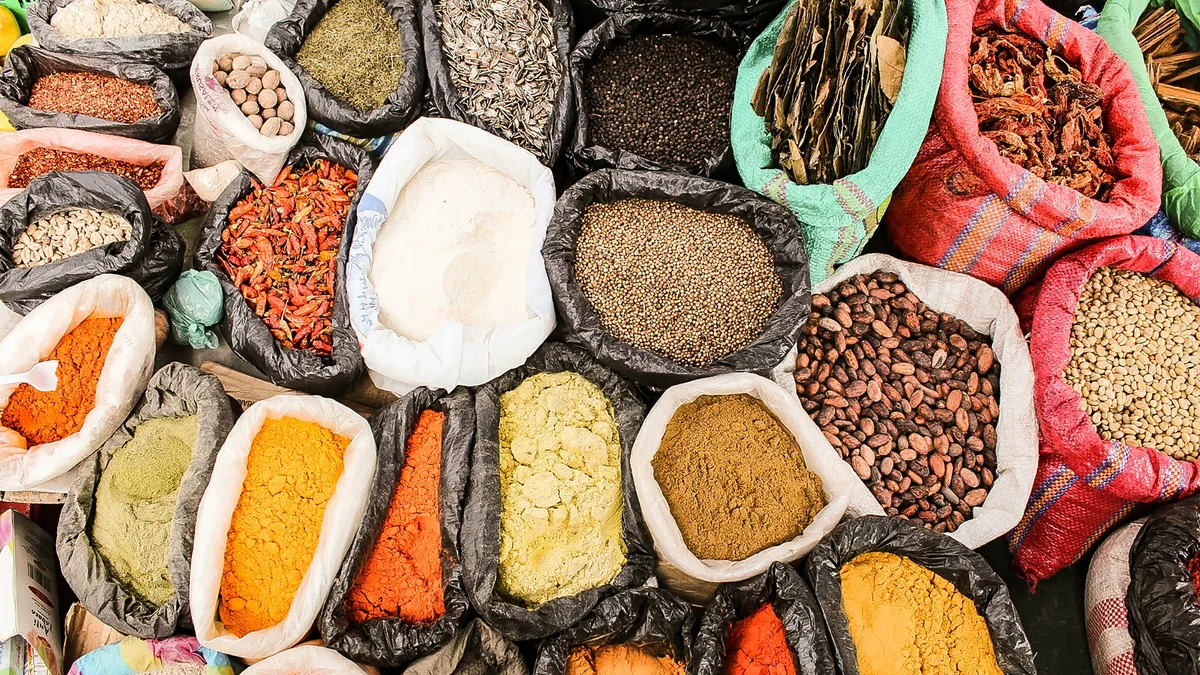 Private Tours
A private sightseeing day trip covering the largest indigenous market in South America at Otavalo, plus Lake San Pablo, the leather-goods town of Cotacachi, and Cayambe.
Visitor guide
Otavalo is a town in Imbabura Province in the northern Ecuadorian Andes, roughly two hours' drive from Quito, famous for its market of textiles and handicrafts run by the indigenous Otavalo people. It sits at about 2,532 metres in a valley ringed by the Imbabura, Cotacachi and Mojanda volcanoes.
According to Wikipedia, the largest market is held on Saturdays, but goods are sold through the week in the Plaza de los Ponchos and nearby shops. At its peak, a large part of the town fills with stalls selling textiles, jewellery, musical instruments, leather goods and other items. The concrete umbrella-like structures in the plaza were designed in 1970 by the Dutch architect Tonny Zwollo. The same source notes that many goods are now factory-made and sold through middlemen, and that more hand-made work can be found in neighbouring communities. Descriptions of it as the largest indigenous market in South America are common in travel writing but should be treated as a popular claim rather than a verified ranking.
The Otavalo are an Indigenous people of Imbabura Province whose main economic activities are trade and handicrafts. Before the Inca conquest they were one of several small chiefdoms north of Quito, practising irrigated agriculture, and long-distance traders called mindaláes exchanged goods with lowland peoples. After the Spanish arrived in the 1530s, forced labour and epidemics sharply reduced the population. The Otavalo survived as a distinct group and today speak Kichwa and Spanish, blending Catholic practice with Andean beliefs. Many families combine subsistence farming with weaving traditional garments from wool and, in some cases, selling textiles abroad.
The surrounding area offers more than the market. Wikipedia mentions the Peguche waterfall, the Lagos de Mojanda crater lakes and the Parque Cóndor bird rescue centre. Nearby Cotacachi is known as the centre of Ecuador's leather industry, and neighbouring villages specialise in their own crafts. Each June, the indigenous festival Inti Raymi, marking the southern winter solstice, fills the area with music. The Museo Viviente Otavalango, a former textile factory turned into a community museum, tells part of the local labour history.
A trip from Quito is usually a full day. Saturdays are the busiest, while other days are quieter with smaller stalls. A private guide and driver can help with context on the weaving traditions, suggest communities where artisans work, and make the journey comfortable. Visitors are encouraged to buy with respect for the makers and to ask before photographing people.
Otavalo is a canton of Imbabura Province, which has Ibarra as its capital and was established as a province in 1824. Wikipedia lists the Cotacachi volcano at 4,944 metres and the Imbabura volcano at 4,609 metres among the peaks of the province, with Imbabura described as climbable in a single day. A large portion of residents speak Imbaburan Kichwa alongside Spanish, and the 2010 census recorded about a quarter of the province as Indigenous. The railway from Otavalo toward Ibarra closed around 1980 and reopened for tourism in 2015, according to Wikipedia. The volcanic soils around the town have supported farming for generations.
See every tour and attraction we cover in Quito.