TorontoOntario · 36 tours
 Niagara FallsOntario · 25 tours
 New York CityNew York · 30 tours
 Las VegasNevada · 8 tours
 San FranciscoCalifornia · 16 tours
 VancouverBritish Columbia · 17 tours
 DubaiUAE · 54 tours
 Abu DhabiUAE · 5 tours
 Buenos AiresArgentina · 23 tours
 AthensGreece · 31 tours
 AucklandNew Zealand · 38 tours
 CancunMexico · 54 tours
No destinations match “”. Try searching all tours instead — that search understands full questions, not just place names.
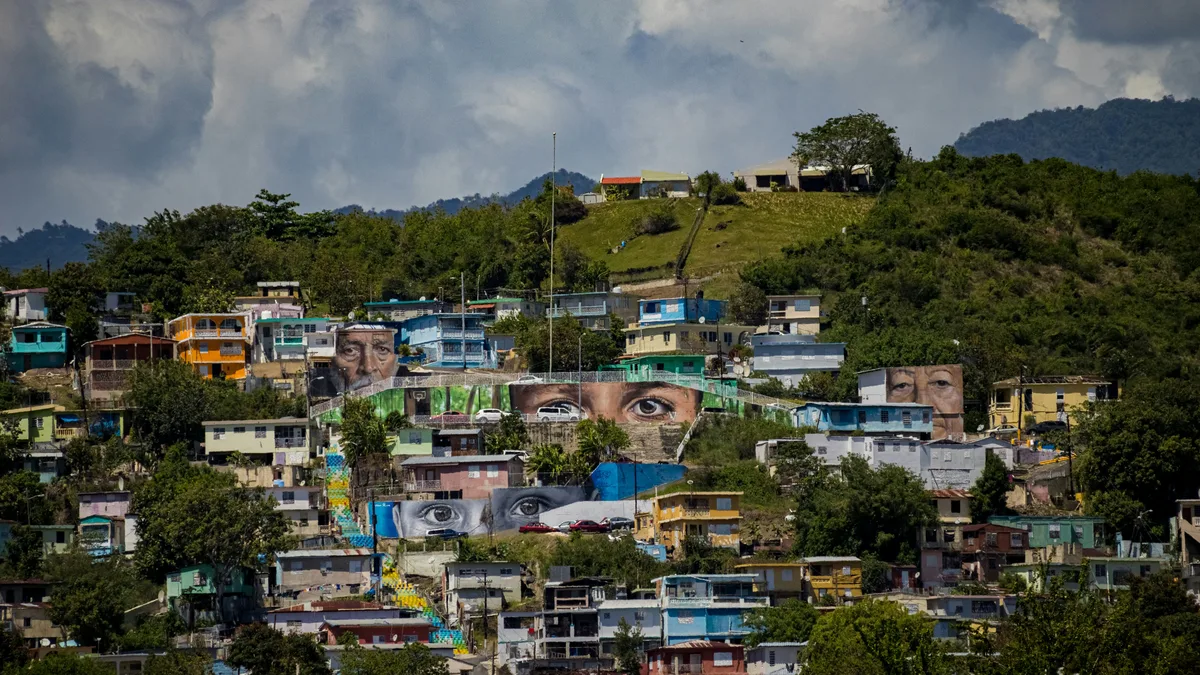
Once one of Medellin's most dangerous neighborhoods, Comuna 13 has become a globally recognized example of urban transformation, driven by public infrastructure like outdoor escalators and resident-led street art. Today its hillside murals and community-run 'graffitour' route draw visitors from around the world, with many original artists still active in the neighborhood.
 Private Tours Popular Pick
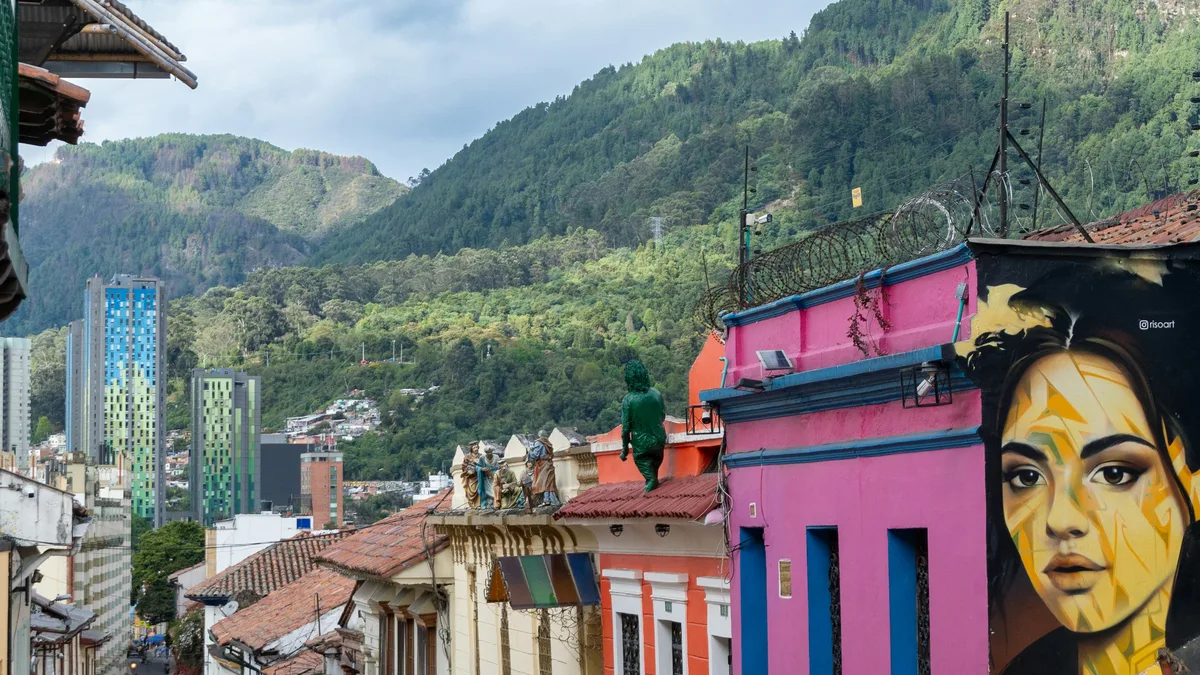
A full-day private introduction to Medellin combining Comuna 13's street art and outdoor escalators with a ride on the real Metrocable aerial cable system, all in air-conditioned comfort with your own guide.
 Private Tours Popular Pick
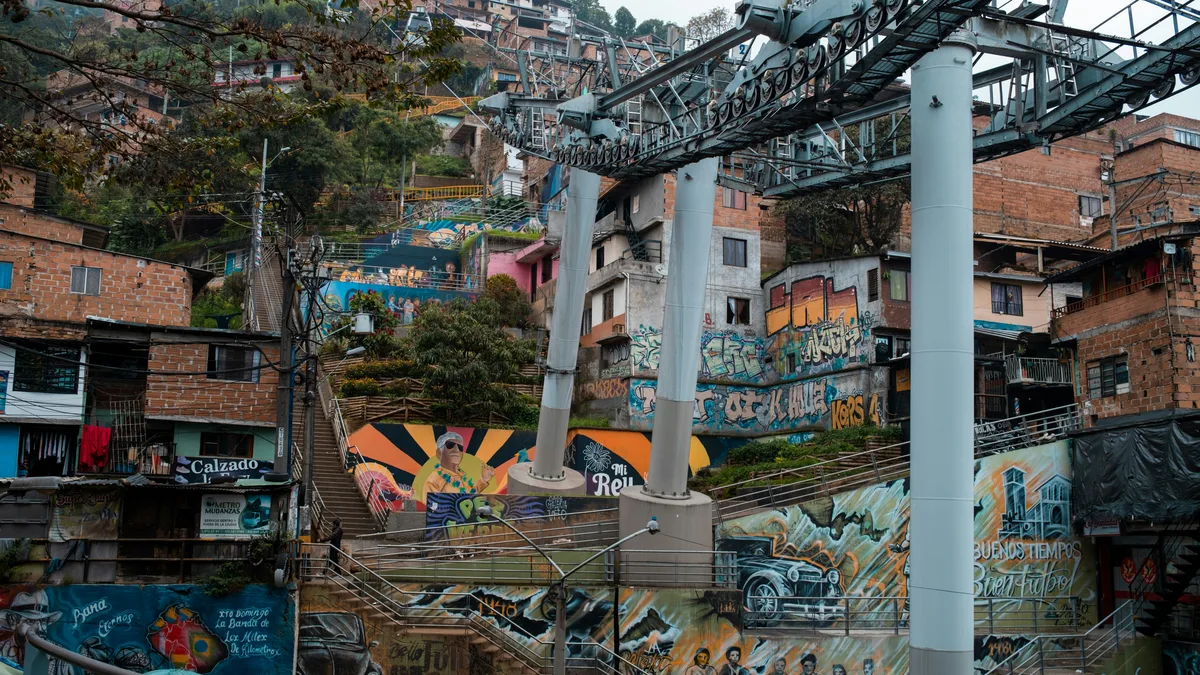
A private walking tour through Comuna 13, once one of Medellin's most dangerous neighborhoods, now known for community-led street art and public outdoor escalators. Your guide shares the real, factual story of its transformation.
 Private Tours
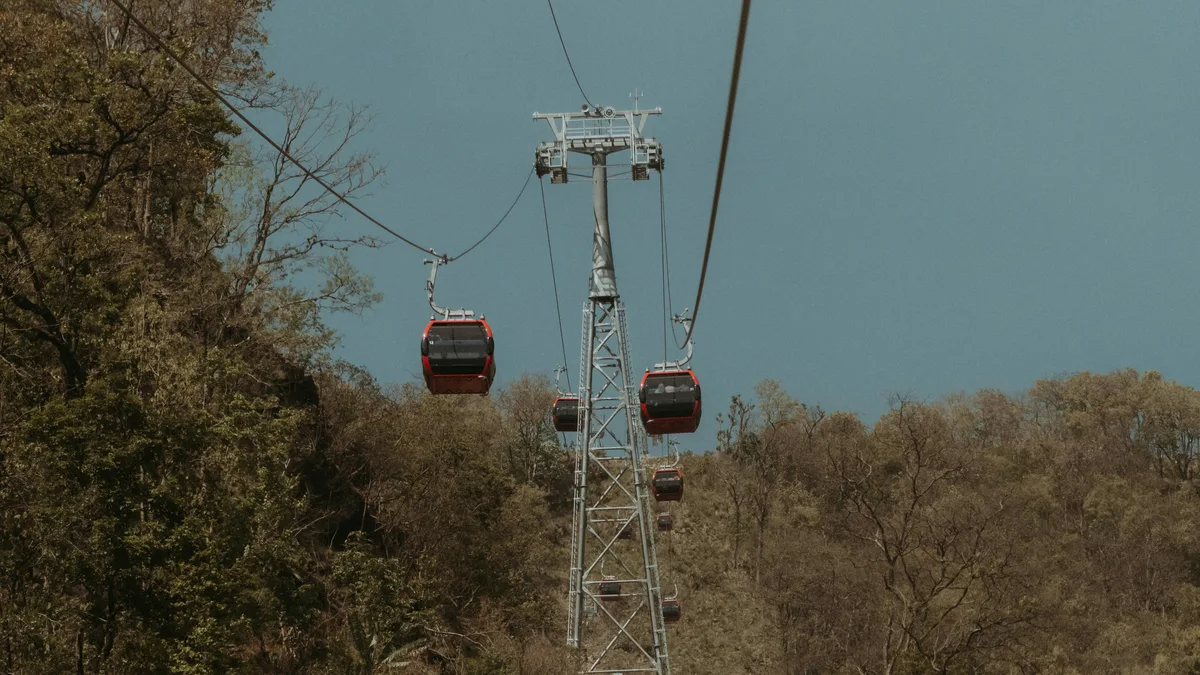
A private tour pairing Comuna 13's escalators and murals with a ride on the Metrocable, the aerial cable-car system that also serves as everyday public transit for the city's hillside neighborhoods.
Visitor guide
Comuna 13, officially San Javier, is one of the 16 communes of Medellin, Colombia, a hillside neighbourhood of roughly 130,000 to 160,000 people depending on the source on the city's western slopes. It is now widely known for its street art, graffiti tours and story of community-led change.
Wikipedia describes Comuna 13 as a district of brick and cement houses stacked closely together and clinging to the Andes on Medellin's western hills. Many are painted in vivid colours, although some are left unfinished because of resource limits. The steep geography is a defining feature, with some sectors on very high slopes at the edge of the urban perimeter.
The area began as a farming community called Las Granjas, originally founded by farmers displaced by rural violence, and it shifted towards housing with a cooperative in 1946. Waves of migrants fleeing La Violencia and rural conflict continued to settle in the hills in the following decades and built neighbourhoods such as Las Independencias and Nuevos Conquistadores.
For years the commune was affected by the wider armed conflict, which made movement between neighbourhoods difficult. Residents responded with community action, including symbolic acts such as hanging white flags and cloths from their homes to call for an end to the fighting. Wikipedia credits the later change to community-led programmes together with public investment under the Medellin Model of social urbanism, championed by mayors including Sergio Fajardo. That approach built libraries, parks, schools and community spaces in poorer districts, along with childcare and support services.
Infrastructure was part of it. Escalators and two Metrocable gondola lines were built to connect the isolated hillside communities with the city centre and the metro network, helping residents reach employment and services. The outdoor escalators, which carry people up the steep slope, have become one of the district's best-known sights.
Art is now the neighbourhood's calling card. Colourful murals depict community figures, past events and local concerns, while poetry, hip-hop, breakdance and gardens also form part of the cultural life. One well-known graffiti artist from the area is Chota 13, and community centres such as Casa Kolacho, which is based on hip-hop, were created to give young people constructive alternatives. Casa Kolacho and other local groups run graffiti tours that explain the history, politics and art on the walls.
Comuna 13 is described as one of the most visited places in Medellin, with weekend visitor numbers that can reach several thousand in a day. Stalls along the lanes sell art, snacks, drinks and clothing. Residents live among the visitors, so respectful behaviour, asking before photographing people and supporting local businesses all matter. The slopes are steep and often wet, so comfortable shoes are important.
Local guides are especially valuable here, because the murals carry specific stories that are easy to miss without explanation. A private guided visit can also give the history of the neighbourhood a thoughtful context, led by someone who knows the community, rather than a quick photo stop.
See every tour and attraction we cover in Medellin.