TorontoOntario · 36 tours
 Niagara FallsOntario · 25 tours
 New York CityNew York · 30 tours
 Las VegasNevada · 8 tours
 San FranciscoCalifornia · 16 tours
 VancouverBritish Columbia · 17 tours
 DubaiUAE · 54 tours
 Abu DhabiUAE · 5 tours
 Buenos AiresArgentina · 23 tours
 AthensGreece · 31 tours
 AucklandNew Zealand · 38 tours
 CancunMexico · 54 tours
No destinations match “”. Try searching all tours instead — that search understands full questions, not just place names.
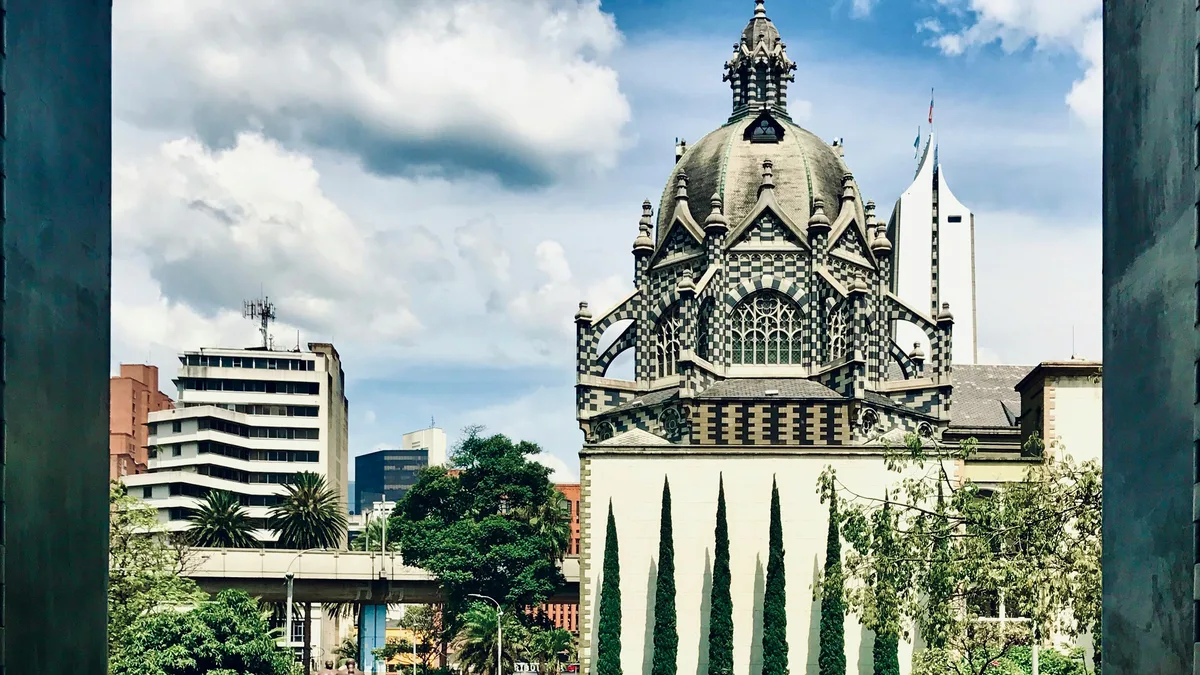
A public plaza in downtown Medellin displaying 23 large bronze sculptures donated by native artist Fernando Botero, whose signature rotund, exaggerated figures have become internationally recognized. The plaza sits alongside the Museum of Antioquia and the distinctive neo-Gothic Palacio de la Cultura Rafael Uribe Uribe.
 Private Tours
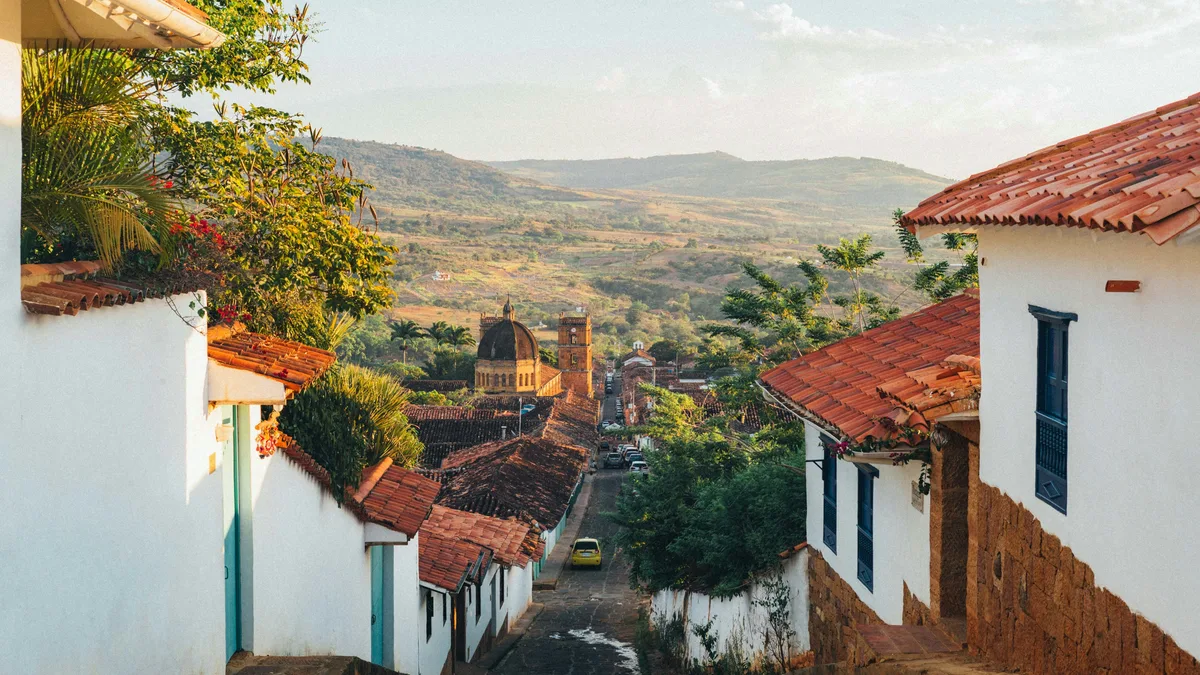
A private half-day tour to Pueblito Paisa, the hilltop replica of a traditional Antioquian village, followed by Plaza Botero and its nearly two dozen bronze sculptures by native son Fernando Botero.
 Private Tours
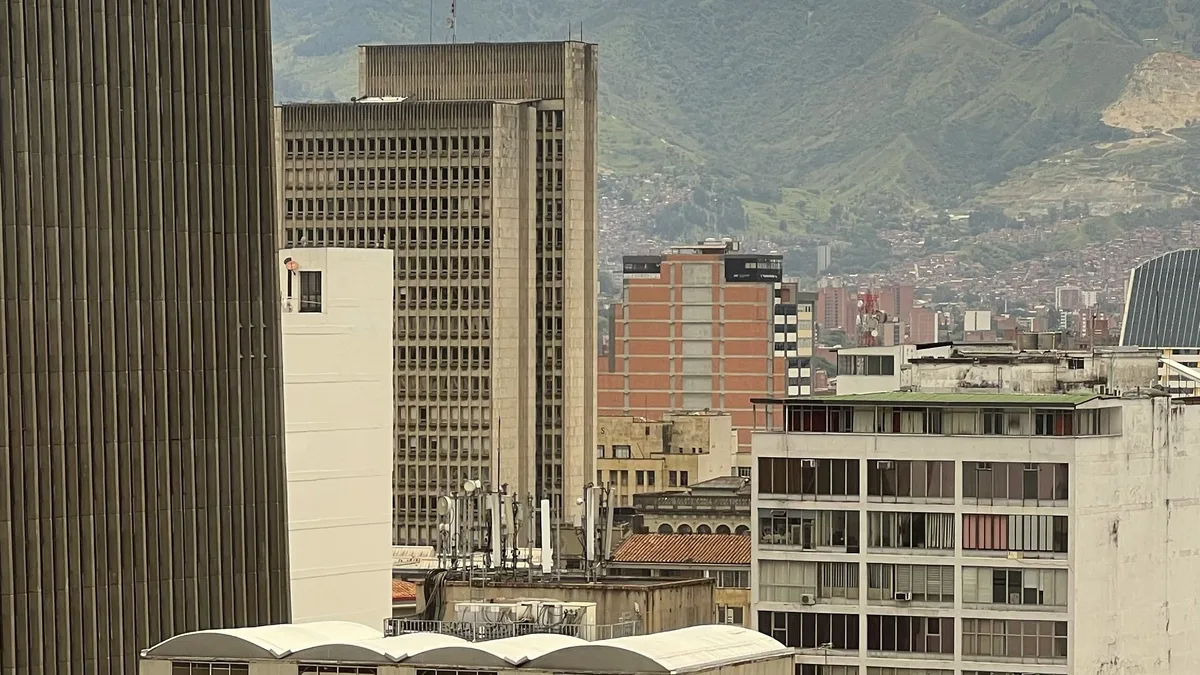
A private downtown deep-dive covering Fernando Botero's sculptures, the neo-Gothic Palacio de la Cultura Rafael Uribe Uribe, historic Salon Malaga, a ride on the Metrocable, a traditional fruit market, and a visit to the House of Memory Museum.
 Private Tours
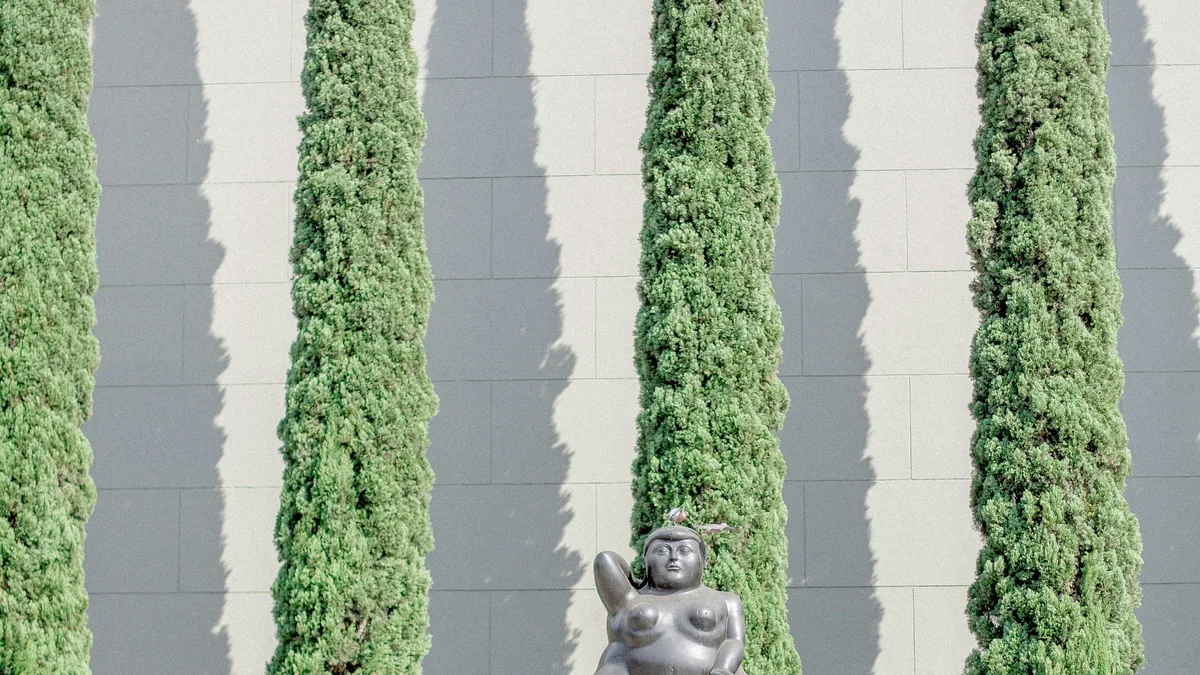
A private 4-hour cultural tour centered on Fernando Botero's 'Boterismo' style, visiting the Museum of Antioquia's permanent Botero collection, Plaza Botero, and the 'Birds of Peace' sculpture.
Visitor guide
Plaza Botero is a public plaza in the Old Quarter of Medellin, Colombia, displaying 23 bronze sculptures by the Colombian artist Fernando Botero. The open-air space of about 7,000 square metres lies between the Museum of Antioquia and the Rafael Uribe Uribe Palace of Culture.
Fernando Botero was born in Medellin on 19 April 1932 and became one of Latin America's most recognised artists. His signature style, known as Boterismo, depicts people and animals in large, rounded volumes that can carry humour or political comment. He began making sculpture after moving to Paris in 1973, and his work is exhibited around the world.
Botero donated the sculptures in the plaza, along with other artworks, for the renovation of the Museum of Antioquia; Wikipedia dates this to 2004, while other sources say the plaza was installed in 2002. He also gave 119 pieces to the museum itself. Four more of his sculptures are found elsewhere in Medellin, at Berrio Park and San Antonio Plaza. In 2000 he had separately donated 208 pieces to Bogota, creating the Botero Museum there.
All 23 works in the plaza are bronze. Wikipedia notes that many were previously shown in museums in Paris, New York and Madrid. They tend to have simple titles such as The Hand, Eve, Maternity, Man on Horseback and Roman Soldier. Their exaggerated volume gives the figures a monumental presence, and people often walk among them as they would in a sculpture garden. Wikipedia mentions a so-called Botero legend, which holds that rubbing the statues brings love and good fortune. That is a popular local belief, not a documented tradition.
The plaza sits in front of the Museum of Antioquia, the museum that received 119 pieces from Botero, and beside the Rafael Uribe Uribe Palace of Culture. The setting places the sculptures in the middle of downtown Medellin, among civic buildings, so everyday city life and the art share the same space. Because the plaza is open and public, it works as both a gathering place and an open-air gallery.
The plaza is a downtown space with little shade, and the sun can be strong, so sun protection helps. The Old Quarter around it is a busy central district. The metro and the nearby Parque Berrio make it easy to combine with other central sights.
Wikipedia places the plaza in the part of Medellin known as the Old Quarter. Botero is a native of the city, and the plaza is a prominent public showcase of his sculpture in his hometown, which makes it a natural starting point for understanding why his work resonates in Colombia.
A private guide can explain how the sculptures relate to Botero's wider career and why the exaggerated forms became his trademark, while a driver handles transfers to hillside attractions such as Pueblito Paisa or Comuna 13.
See every tour and attraction we cover in Medellin.