TorontoOntario · 36 tours
 Niagara FallsOntario · 25 tours
 New York CityNew York · 30 tours
 Las VegasNevada · 8 tours
 San FranciscoCalifornia · 16 tours
 VancouverBritish Columbia · 17 tours
 DubaiUAE · 54 tours
 Abu DhabiUAE · 5 tours
 Buenos AiresArgentina · 23 tours
 AthensGreece · 31 tours
 AucklandNew Zealand · 38 tours
 CancunMexico · 54 tours
No destinations match “”. Try searching all tours instead — that search understands full questions, not just place names.
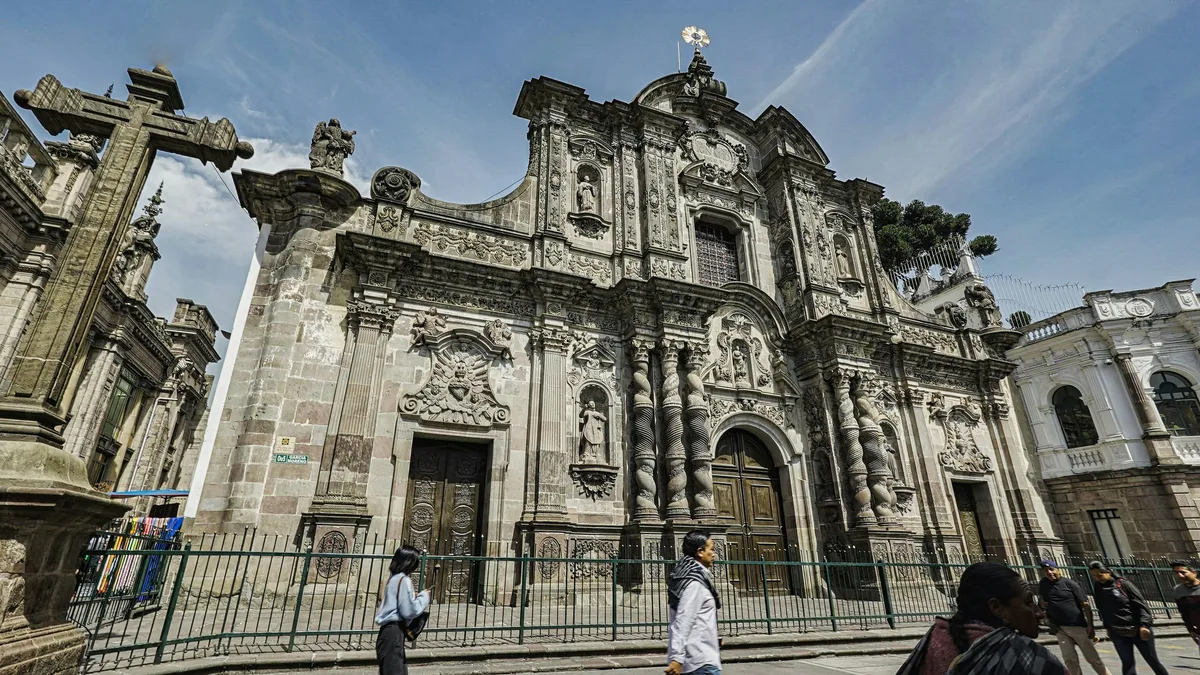
Quito's colonial Old Town is a UNESCO World Heritage Site and one of the largest, best-preserved historic centers in the Americas. Its cobblestone streets hold dozens of 16th- and 17th-century churches, monasteries, and plazas, including the Plaza de la Independencia and the ornately gilded La Compañía de Jesús church.
 Private Tours
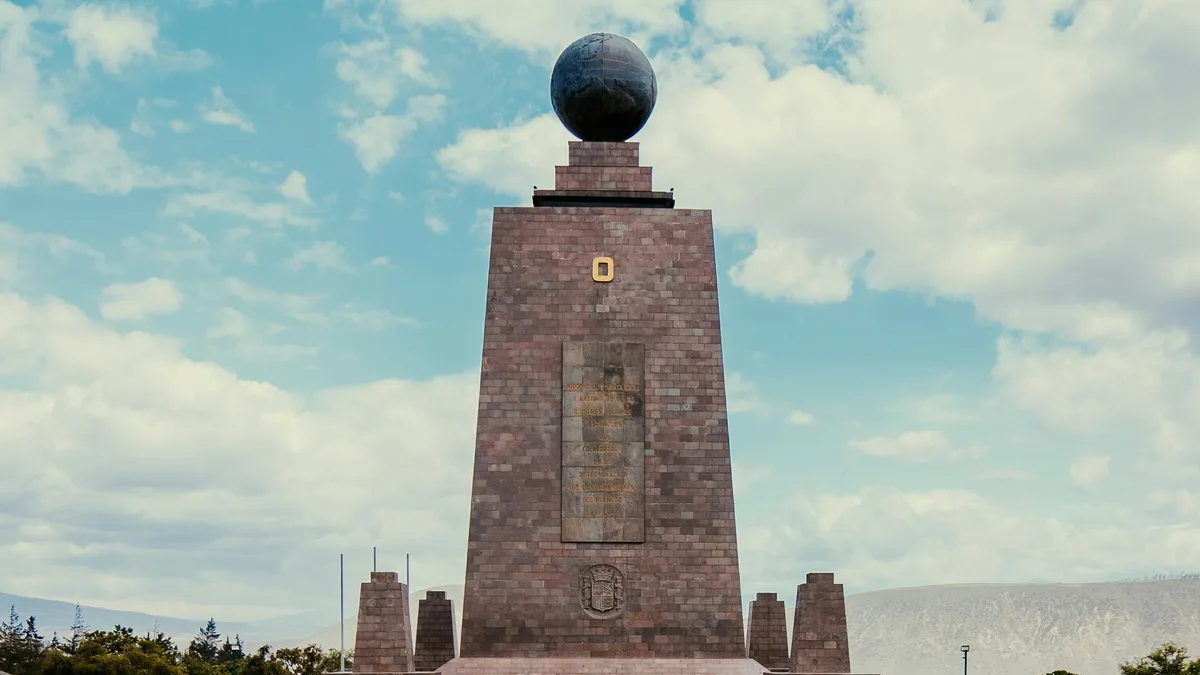
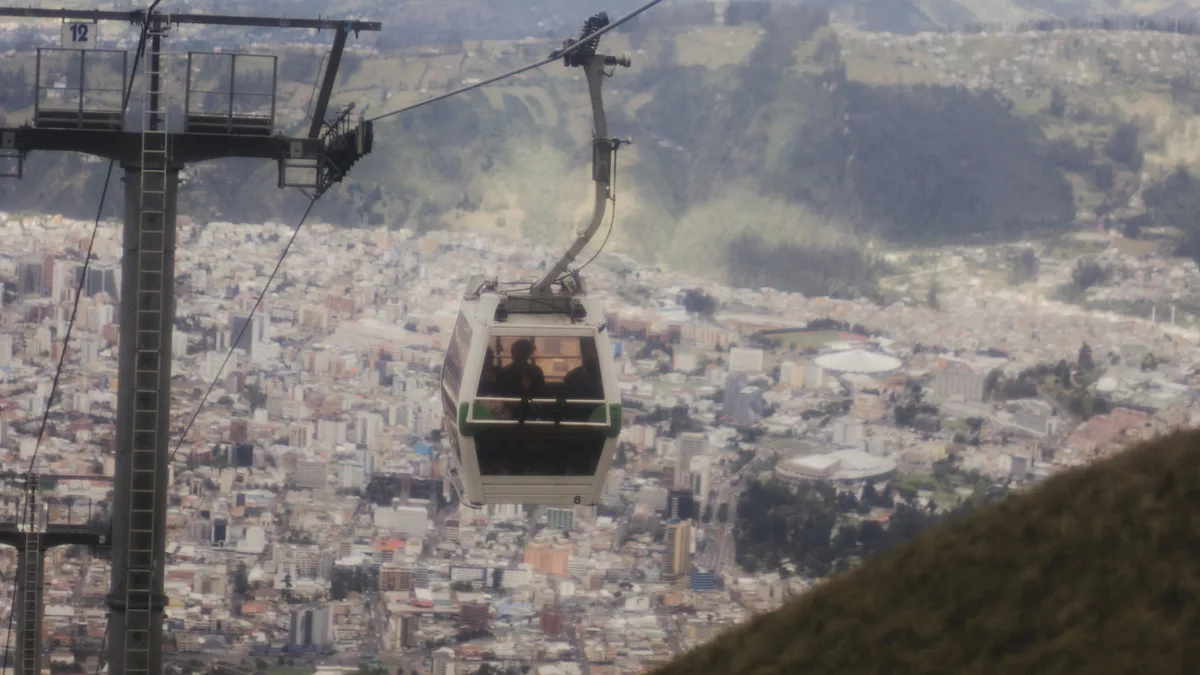
A 100% private, personalized full-day tour combining a ride on Quito's TelefériQo cable car, a walk through the UNESCO-listed Old Town, and a stop at the Mitad del Mundo equator monument.
 Private Tours
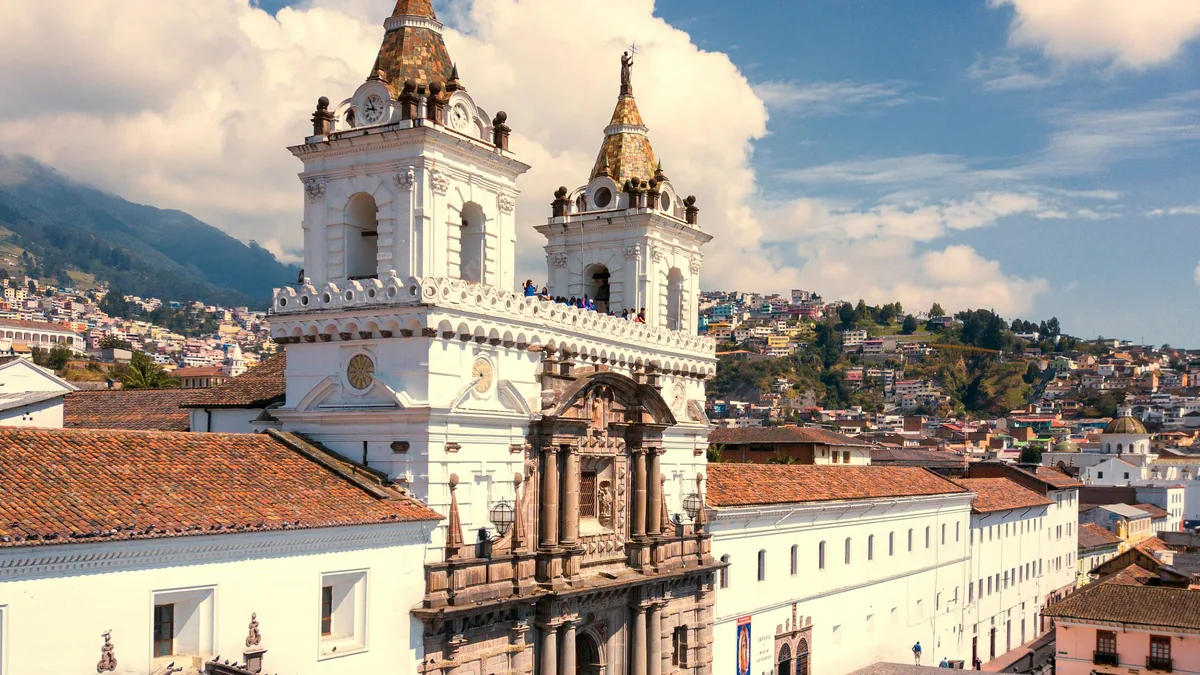
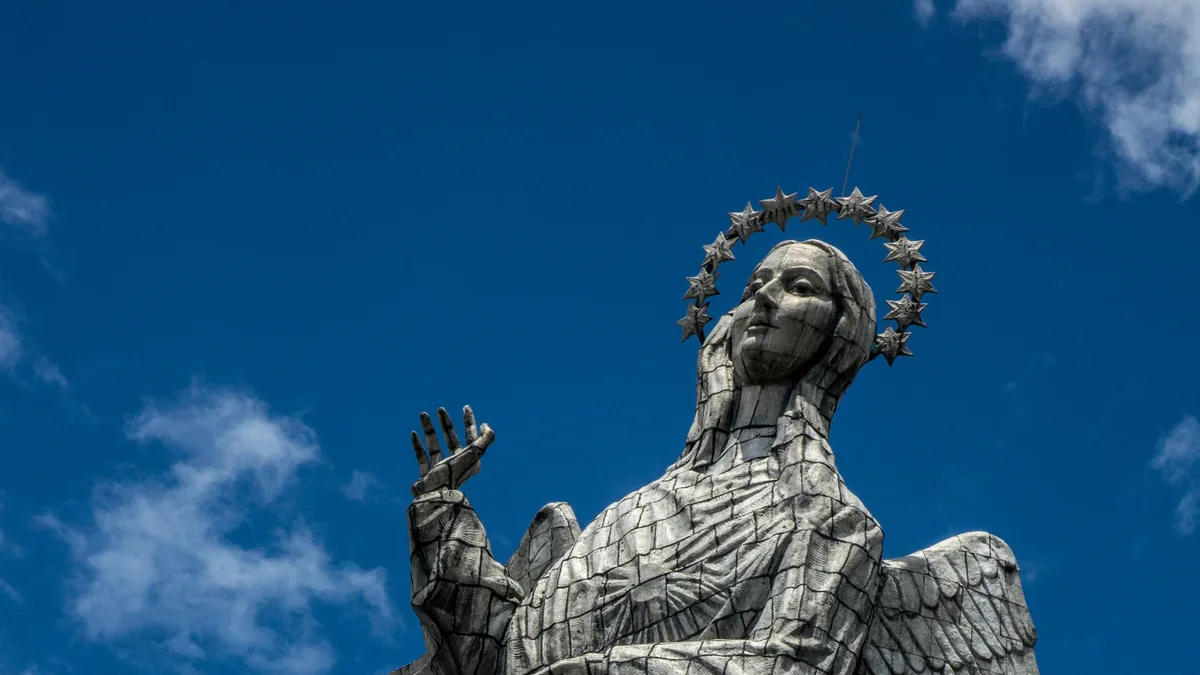
A private tour through the heart of Quito's UNESCO-listed Old District, taking in the San Francisco and La Compañía de Jesús churches, the Basilica of the National Vow, Independence Plaza, and the government palace, finishing at the Panecillo Hill viewpoint.
Visitor guide
Quito's Historic Centre is the colonial Old Town of Ecuador's capital, set high in the Andes on the eastern slopes of the Pichincha volcano. UNESCO listed it as a World Heritage Site in 1978, and it is known for its cobblestone streets, plazas, monasteries and richly decorated churches.
According to Wikipedia, the historic centre was declared a World Heritage Site in September 1978 and was among the first cultural sites to be listed, alongside the historic centre of Kraków. It covers about 320 hectares and holds around 130 monumental buildings and some 5,000 properties in the municipal heritage inventory. Wikipedia describes it as among the least altered and best preserved historic centres in the Americas. The city itself lies at roughly 2,850 metres above sea level, and altitude is part of the experience of walking its slopes.
Before the Spanish arrived, the Inca emperor Huayna Capac defeated the Quitu, the region's original inhabitants, and made Quito the northern capital of the Inca Empire. Spanish forces under Sebastián de Benalcázar refounded the city at its present site on 6 December 1534, and the colonial grid of streets and squares grew from there. Over the following centuries the city filled with churches and convents built by religious orders.
Plaza Grande, also called Independence Square, is bordered by the Carondelet Palace, seat of Ecuador's government, along with the Archbishop's Palace, the Municipal Palace and the Metropolitan Cathedral. The cathedral, built between 1535 and 1799 according to Wikipedia, holds the remains of Antonio José de Sucre and several presidents. The Basilica and Convent of San Francisco, built from 1535 to 1650, is described as a vast architectural ensemble. The Church of La Compañía de Jesús began in 1605 and took about 160 years to build, and its Baroque façade, completed in 1765, is considered among the finest of its style in the Americas. The Churches of El Sagrario and Santo Domingo are other notable colonial buildings.
The centre is compact enough to explore on foot, with narrow streets, balconies, small squares and views toward the surrounding hills. Church interiors are known for gilded altars and carved wood, so a private guide can add context on the religious orders and artists behind them. The equator line itself does not cross the historic centre; it runs through the northern part of the metropolitan area.
Quito's altitude and variable mountain weather mean mornings are often clearer and afternoons can bring rain, so layers are sensible. A private vehicle and driver can handle the hills between the Old Town and other parts of the city.
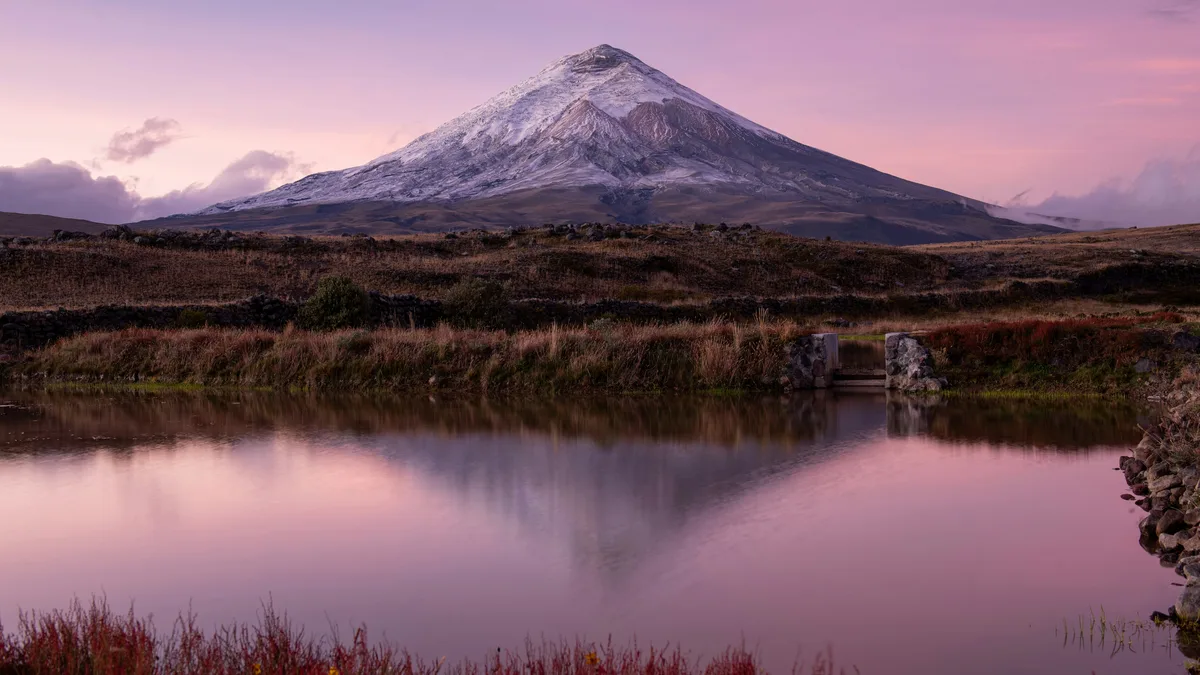
The old town lies on the eastern slopes of Pichincha, a stratovolcano whose two highest peaks, Wawa Pichincha at about 4,784 metres and Ruku Pichincha at about 4,698 metres, are visible from the city. Wikipedia notes that a large eruption in 1660 spread ash across Quito. The Battle of Pichincha, fought on the volcano's southeast slopes on 24 May 1822 under General Antonio José de Sucre, secured independence from Spain for the territories of present-day Ecuador, and Sucre's remains rest in the Metropolitan Cathedral. The mountain setting means the streets are steep in places, and the surrounding hills frame many views down narrow lanes.
See every tour and attraction we cover in Quito.