TorontoOntario · 36 tours
 Niagara FallsOntario · 25 tours
 New York CityNew York · 30 tours
 Las VegasNevada · 8 tours
 San FranciscoCalifornia · 16 tours
 VancouverBritish Columbia · 17 tours
 DubaiUAE · 54 tours
 Abu DhabiUAE · 5 tours
 Buenos AiresArgentina · 23 tours
 AthensGreece · 31 tours
 AucklandNew Zealand · 38 tours
 CancunMexico · 54 tours
No destinations match “”. Try searching all tours instead — that search understands full questions, not just place names.
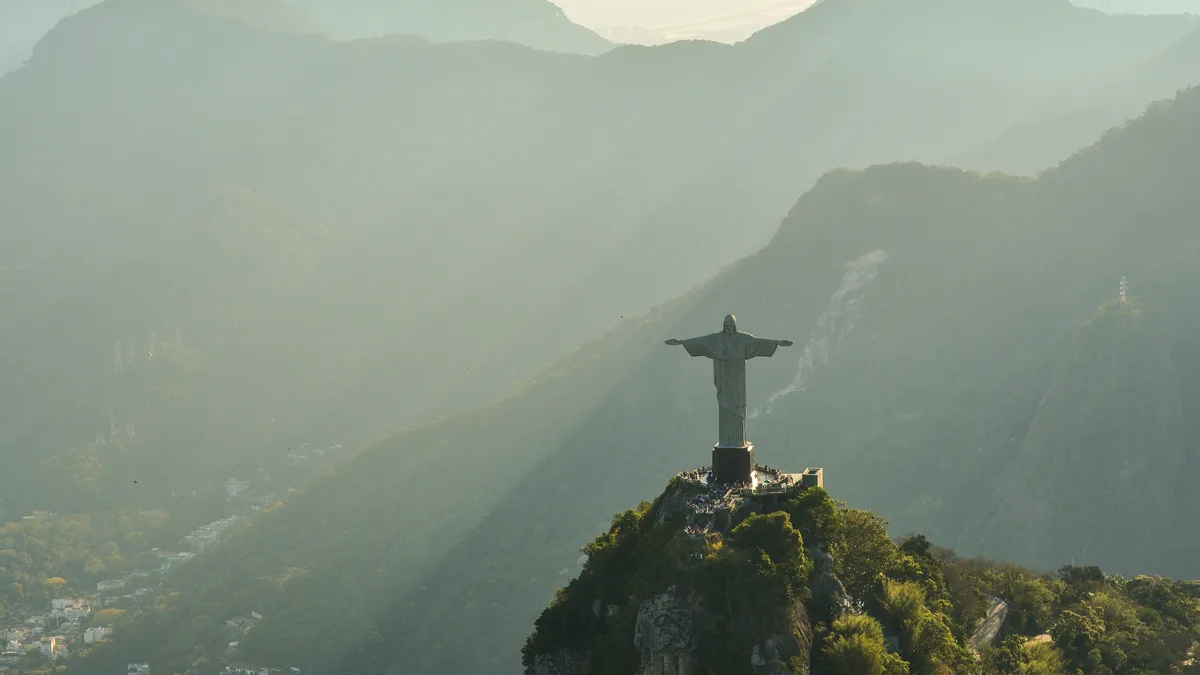
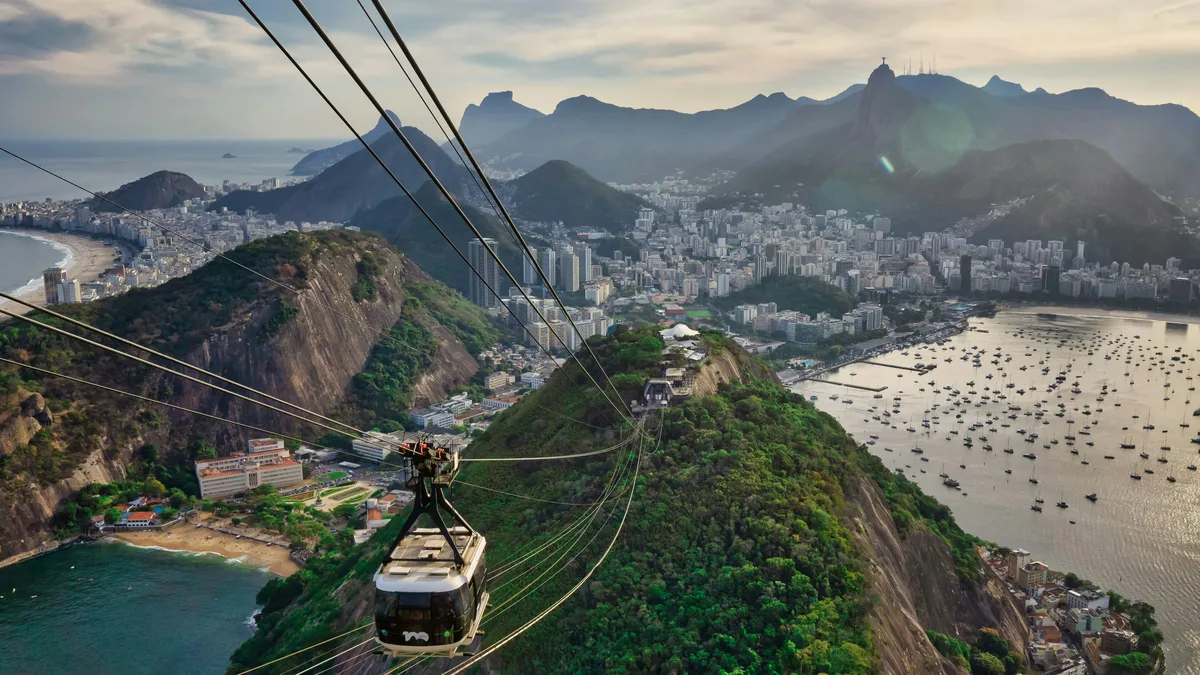
Standing 38 meters tall atop Corcovado Mountain, this Art Deco statue of Jesus Christ has watched over Rio de Janeiro since 1931. One of the New 7 Wonders of the World, it offers sweeping views over the city, Sugarloaf Mountain, and Guanabara Bay from 700 meters above sea level.
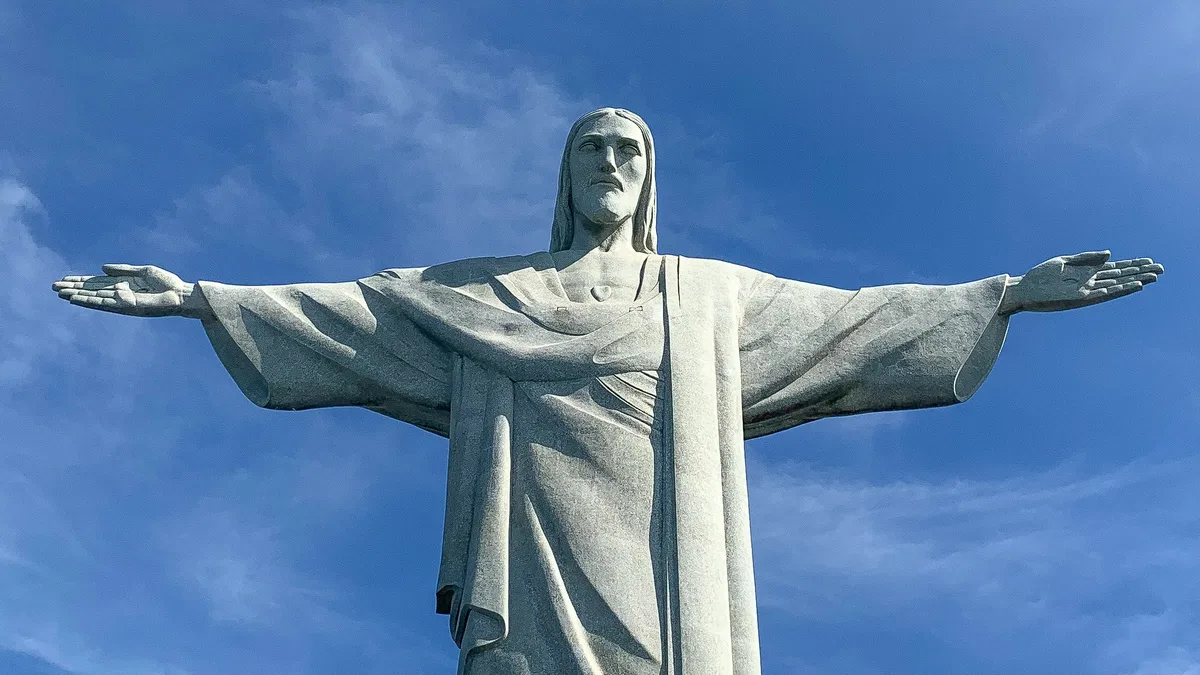 Private Tours
A fully customizable full-day private tour visiting the landmarks you choose most, from Christ the Redeemer to Sugarloaf Mountain and the city's famous beaches.
 Private Tours
Tick off Christ the Redeemer and Sugarloaf Mountain with a private driver-guide who tailors the pace and themes of the day to your interests.
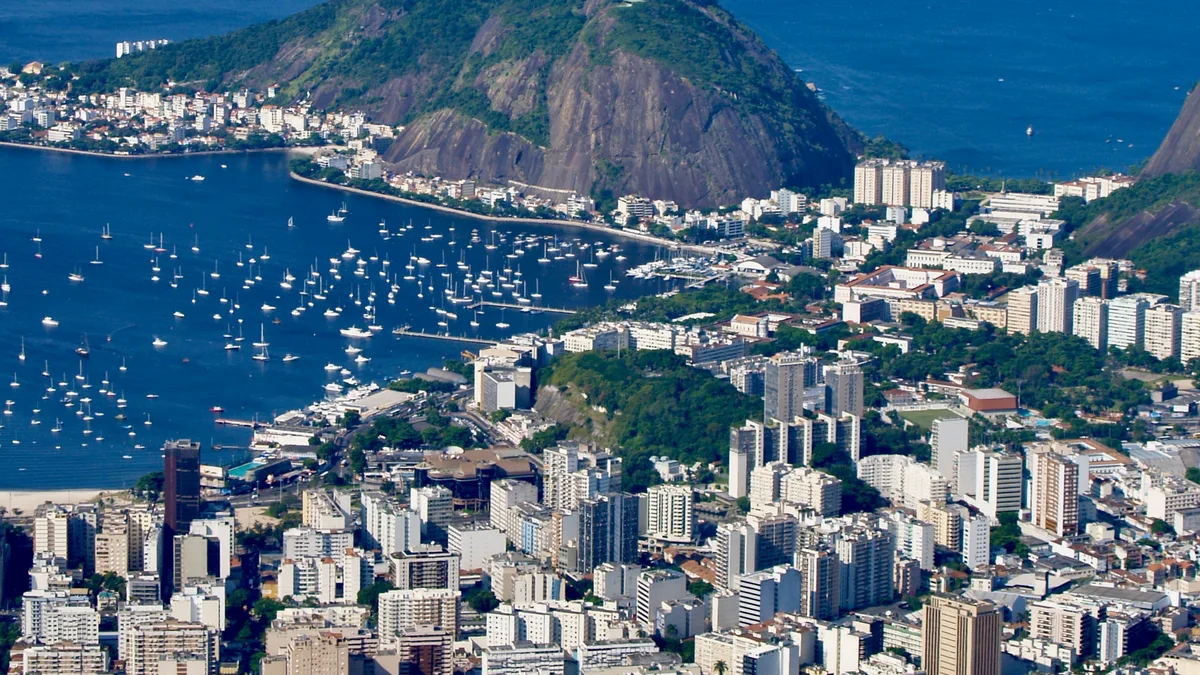 Private Tours
A private helicopter flight over Rio's most famous landmarks — Christ the Redeemer, Sugarloaf Mountain, Ipanema, and the coastline — with hotel transfers included.
Visitor guide
Christ the Redeemer, or Cristo Redentor, is a statue of Jesus Christ on the peak of Corcovado mountain in Tijuca National Park, overlooking Rio de Janeiro, Brazil. Completed in 1931, it is one of the best-known landmarks in the country and was named one of the New Seven Wonders of the World in 2007.
Wikipedia gives the statue's height as 30 metres, or 38 metres including its 8-metre pedestal, with an arm span of 28 metres and a weight of 635 metric tons. It is made of reinforced concrete covered with a veneer of soapstone. Corcovado itself rises to about 700 metres, so the statue stands high above the city and can be seen from many neighbourhoods.
The monument is credited to several people. The French-Polish sculptor Paul Landowski designed the statue, the Brazilian engineer Heitor da Silva Costa oversaw its construction, and the French engineer Albert Caquot worked out the reinforced-concrete approach. The Romanian sculptor Gheorghe Leonida is credited with the face. Wikipedia also credits the artist Carlos Oswald in the design. Construction ran from 1922 to 1931, and the statue was dedicated on 12 October 1931.
In October 2006 a chapel beneath the statue, dedicated to Our Lady of the Apparition, was consecrated. The statue was announced as one of the New Seven Wonders of the World on 7 July 2007, a title chosen in a global poll rather than by a scholarly body.
Because of its exposed position, the statue has been struck by lightning. Wikipedia records damage to the fingers, head and eyebrows on 10 February 2008, and a dislodged finger on 17 January 2014. Restoration work has taken place over the years, including a four-month project in 2010 involving about 100 people and more than 60,000 pieces of stone from the original quarry. Escalators, walkways and elevators were installed in 2003 to help visitors reach the platform.
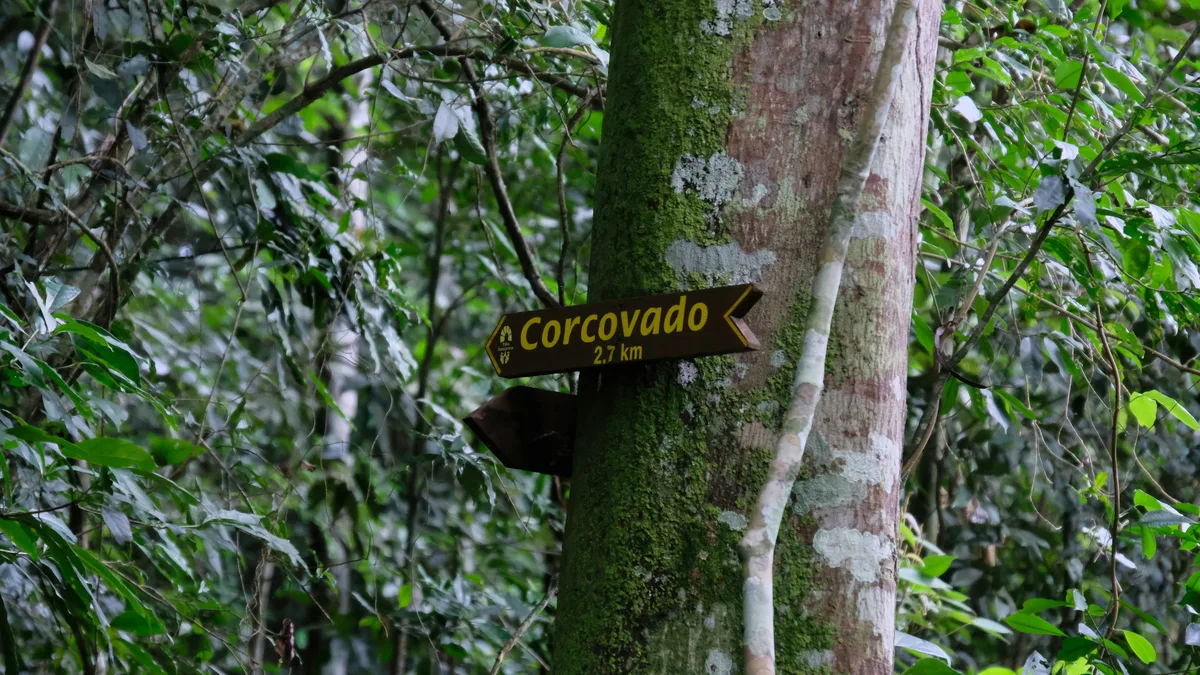
The statue lies within Tijuca National Park, a large urban forest, and the surrounding landscape is part of the Rio de Janeiro landscapes inscribed by UNESCO in 2012. From the platform visitors see across the city, Sugarloaf Mountain and Guanabara Bay, though views depend on cloud, which often gathers around the summit.
The statue's setting is a heavily managed landscape. Wikipedia records that in 1990 several organisations, including the Archdiocese of Rio and the city government, agreed to carry out restoration work on the monument. The same stretch of forest, replanted in the nineteenth century, provides the green backdrop that frames the statue from the city below, and a cog railway to Corcovado was built before the statue itself was completed between 1922 and 1931. Together these details show that the monument and its mountain have long been treated as a single cultural and natural landmark.
A private guided visit lets the group choose timing around weather and crowds, with a driver managing the route up the mountain, and a guide can explain the history of the monument and the park around it.
See every tour and attraction we cover in Rio de Janeiro.