TorontoOntario · 36 tours
 Niagara FallsOntario · 25 tours
 New York CityNew York · 30 tours
 Las VegasNevada · 8 tours
 San FranciscoCalifornia · 16 tours
 VancouverBritish Columbia · 17 tours
 DubaiUAE · 54 tours
 Abu DhabiUAE · 5 tours
 Buenos AiresArgentina · 23 tours
 AthensGreece · 31 tours
 AucklandNew Zealand · 38 tours
 CancunMexico · 54 tours
No destinations match “”. Try searching all tours instead — that search understands full questions, not just place names.

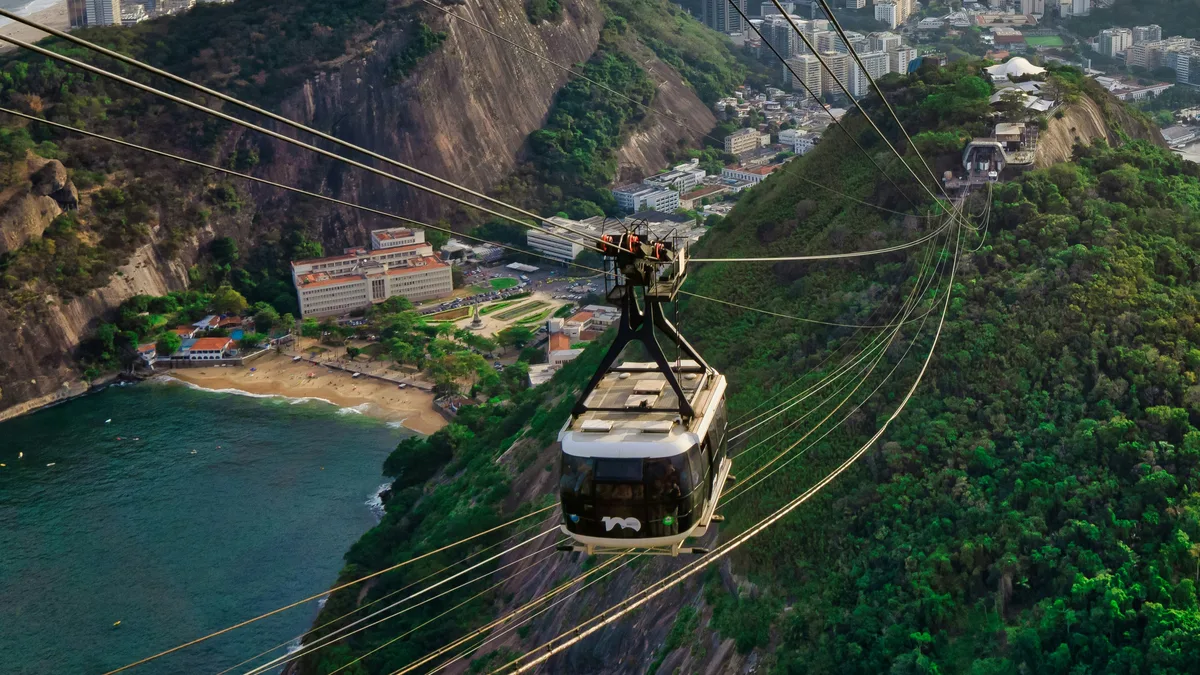
Pão de Açúcar rises 396 meters straight from Guanabara Bay, reached by a two-stage cable car opened in 1912, one of the first of its kind in the world. From the summit, visitors get panoramic views over Copacabana, the bay's boat-filled marinas, and Christ the Redeemer on the neighboring peak.
 Private Tours
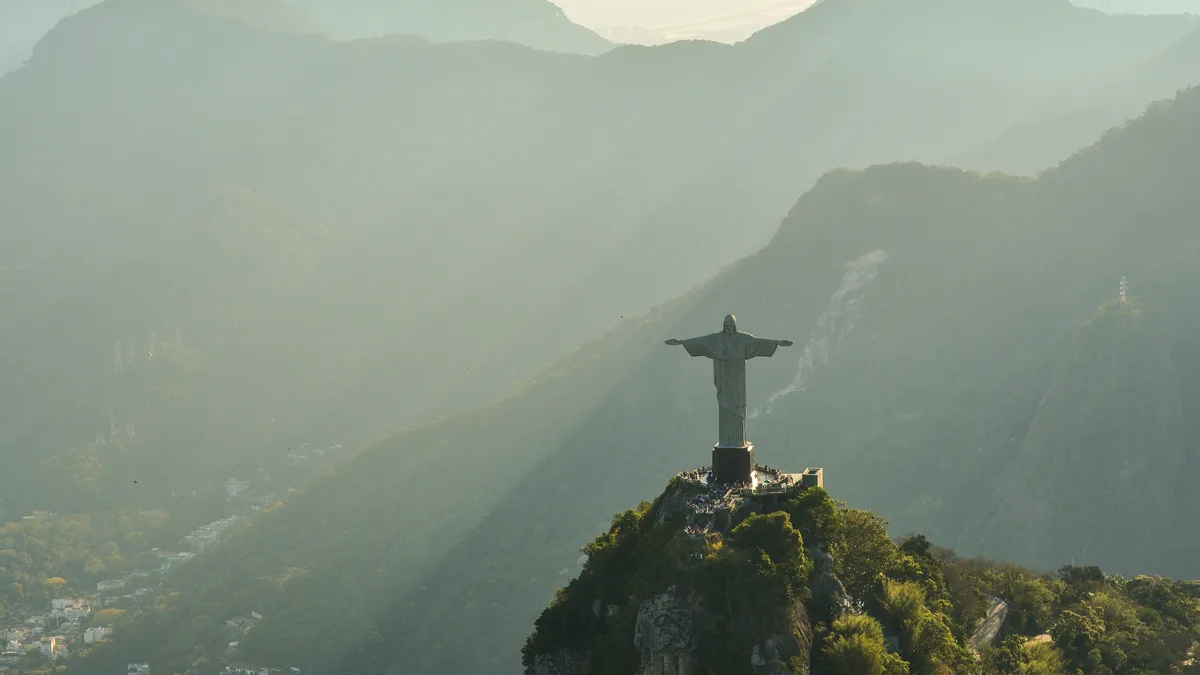
Tick off Christ the Redeemer and Sugarloaf Mountain with a private driver-guide who tailors the pace and themes of the day to your interests.
 Private Tours
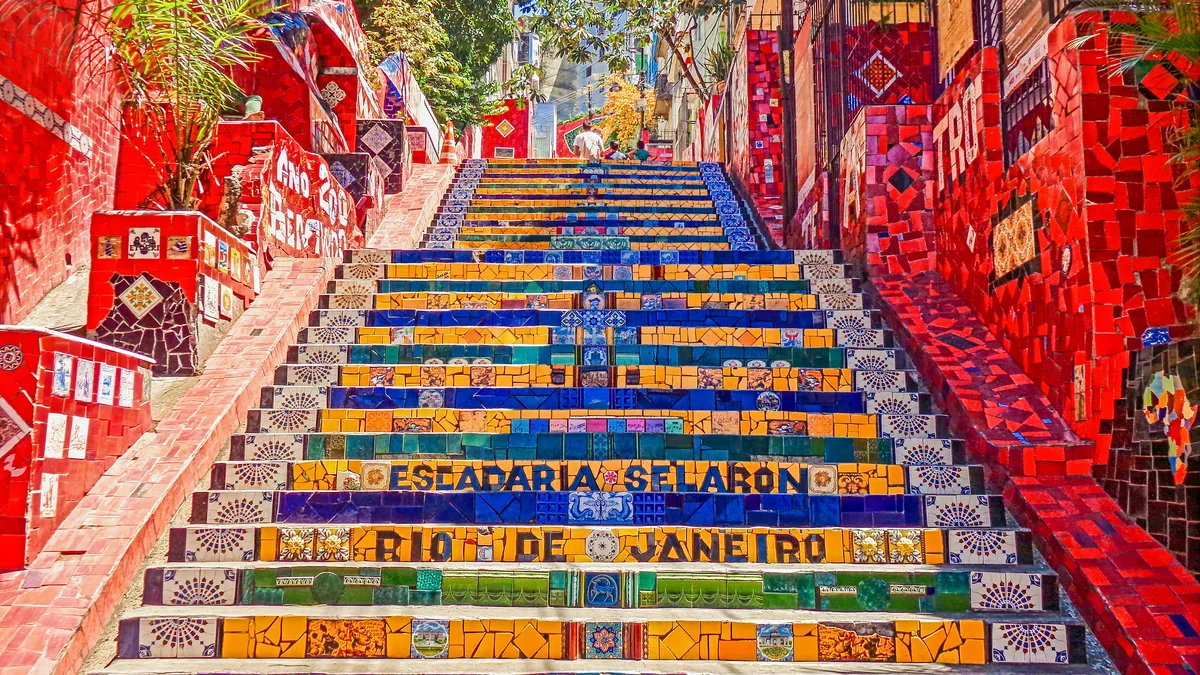
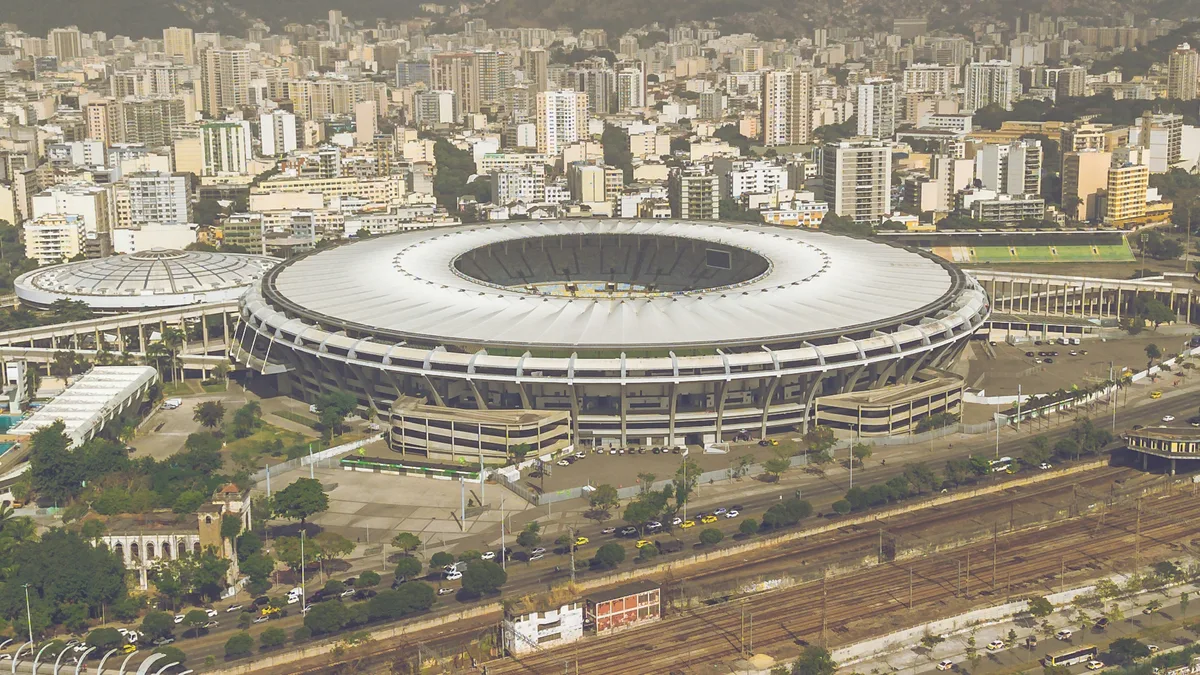
Visit Christ the Redeemer, Maracanã Stadium, Sugarloaf Mountain, the historic Old Downtown, and the Selarón Steps in one private, fully guided day.
 Private Tours
Ride the cable car to the top of Urca Mountain and Sugarloaf with a professional photographer-guide, taking in Botafogo and Guanabara Bay before a panoramic sunset from the summit.
Visitor guide
Sugarloaf Mountain, or Pão de Açúcar, is a granite peak that rises about 396 metres above the harbour at the mouth of Guanabara Bay in Rio de Janeiro, Brazil. It is reached by a two-stage cable car and is one of the city's best-known viewpoints.
According to Wikipedia, the historian Vieira Fazenda says the Portuguese coined the name in the sixteenth century during the sugarcane trade. Refined sugar was shipped in conical clay moulds, and the peak was thought to resemble that shape. Geologically it is one of several monolithic granite and quartz mountains that rise directly from the water's edge around Rio, and it is classed as a bornhardt, a steep-sided rock outcrop.
The cable car, known as the bondinho, travels in two legs. The first runs to Morro da Urca, a hill about 220 metres high, and the second continues to the summit of Sugarloaf. The cars are Swiss-made and bubble-shaped, offering 360-degree views, and each holds 65 people, and the link between Morro da Urca and the summit is several hundred metres long (the operator gives about 735 metres).
The idea dates to 1907, when the engineer Augusto Ferreira Ramos proposed an aerial path linking the hills. Work began after he founded the Society of Sugar Loaf in 1910, and the cableway opened in 1912, described by Wikipedia as the first in Brazil and the third of its kind in the world. The original wooden cars served for 61 years, until the bubble-shaped models arrived in the early 1970s (the operator dates them to 1972), and newer Swiss-built cabins followed later (the operator dates them to 2008).
Sugarloaf is also a climbing area. Wikipedia reports more than 270 routes of one to ten pitches across Sugarloaf, Morro da Urca and Morro da Babilônia, mixing sport and traditional climbing, which makes it one of the larger urban climbing areas in the world.
The mountain is protected by the Sugarloaf Mountain and Urca Hill Natural Monument, created in 2006, and forms part of the Rio de Janeiro landscapes declared a UNESCO World Heritage Site in 2012. It has appeared in artwork since the sixteenth century, including paintings by Nicolas-Antoine Taunay, Charles Landseer and Eduard Hildebrandt in the early and mid nineteenth century.
The first stop of the cable car, Morro da Urca, is a hill in its own right and a viewpoint before the final ascent. The ground station sits at the base of Morro da Babilônia, the third of the three connected hills used by climbers. Wikipedia notes that the ascent on each leg of the cable car is brief, and that the service was closed in March 2020 and reopened in August of that year, a reminder that operating details can change, so it is worth checking current arrangements before a visit.
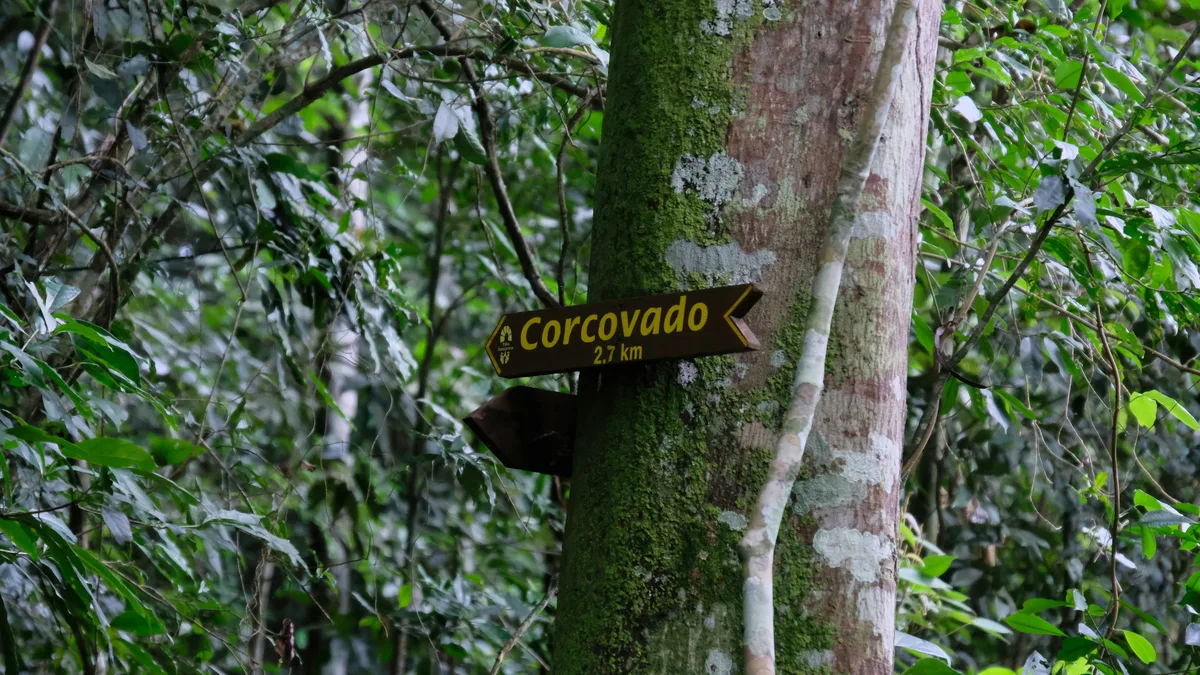
From the summit, visitors look across Guanabara Bay, the city and the coastline, and the Tijuca Forest and Corcovado are visible as viewpoints. Weather affects visibility, so timing matters. A private guided visit with a driver makes it simple to pair Sugarloaf with other sites in the city.
See every tour and attraction we cover in Rio de Janeiro.