TorontoOntario · 36 tours
 Niagara FallsOntario · 25 tours
 New York CityNew York · 30 tours
 Las VegasNevada · 8 tours
 San FranciscoCalifornia · 16 tours
 VancouverBritish Columbia · 17 tours
 DubaiUAE · 54 tours
 Abu DhabiUAE · 5 tours
 Buenos AiresArgentina · 23 tours
 AthensGreece · 31 tours
 AucklandNew Zealand · 38 tours
 CancunMexico · 54 tours
No destinations match “”. Try searching all tours instead — that search understands full questions, not just place names.
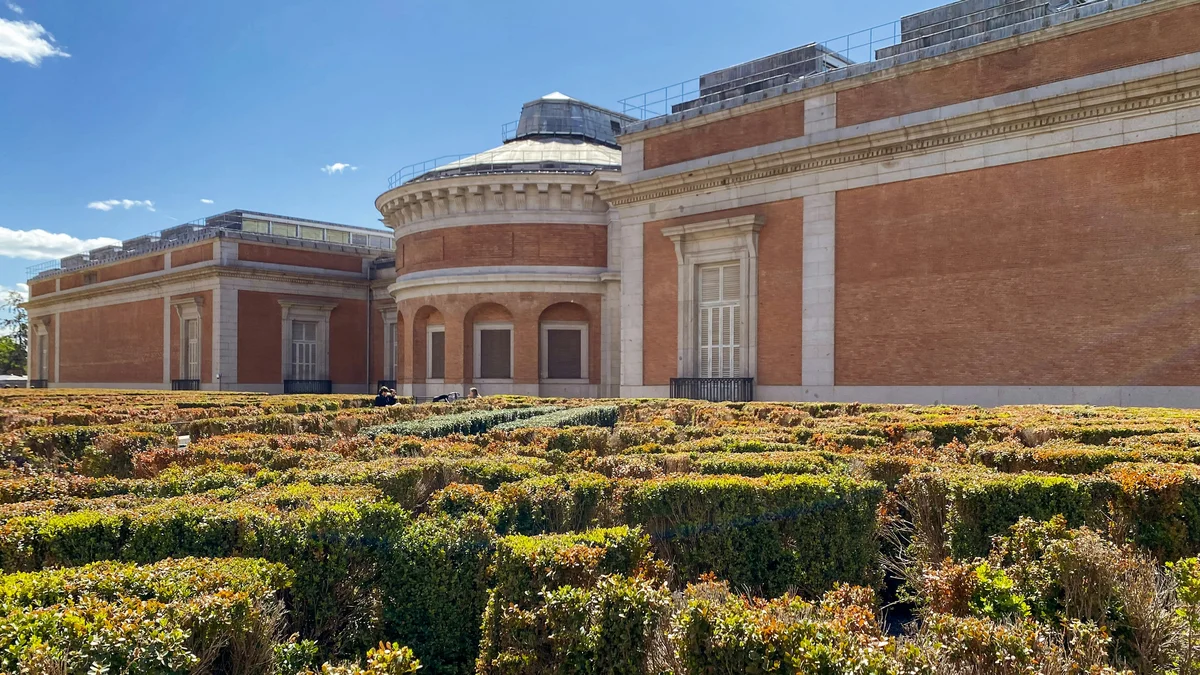
Spain's national art museum, opened in 1819, holds one of the world's finest collections of European painting, including the largest gatherings of works by Velázquez and Goya anywhere. Its most famous single painting is Velázquez's Las Meninas, and the collection also spans El Greco, Titian, Rubens, and Hieronymus Bosch.
Private Tours
An information-packed private tour of the Prado Museum's highlights, adapted to novice art-lovers or serious art history buffs.
 Private Tours
A small-group (7 people maximum) tour of the Prado Museum with skip-the-line tickets and an expert art historian guide.
Visitor guide
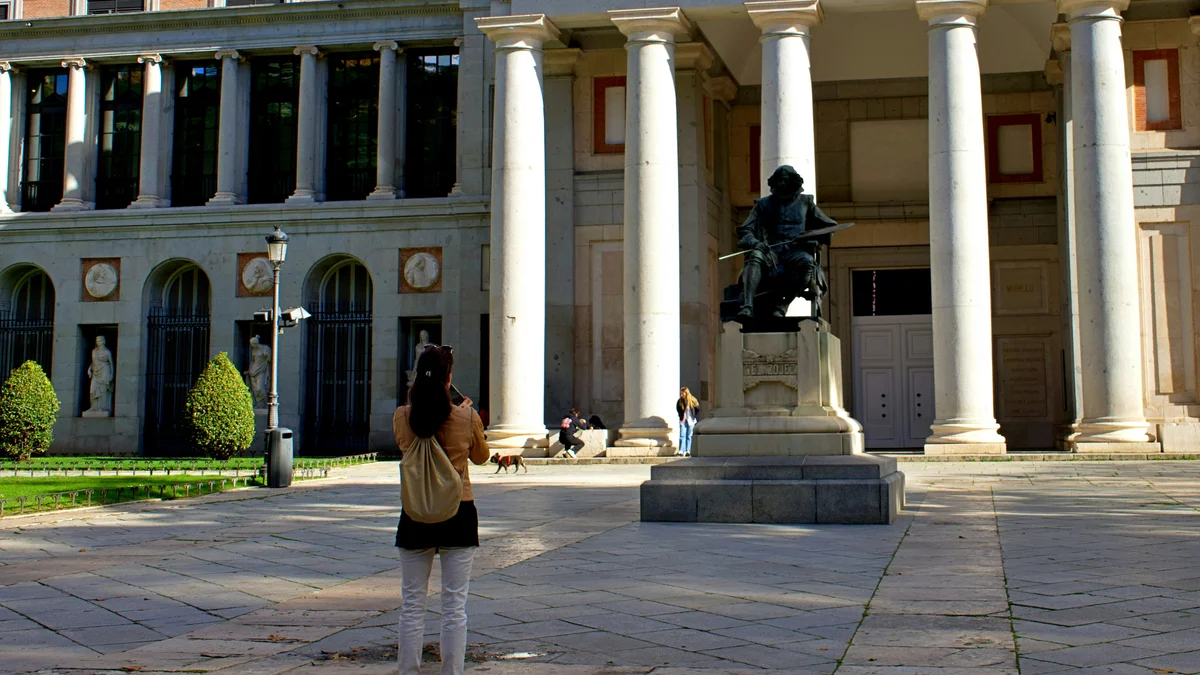
The Prado Museum is Spain's national museum of art, housed in a neoclassical building in the centre of Madrid. It is known for its collection of European painting from the twelfth to early nineteenth centuries, and especially for its holdings of Spanish artists such as Velazquez and Goya. It stands along the Paseo del Prado, which was added to the UNESCO World Heritage list in 2021.
According to Wikipedia, the architect Juan de Villanueva designed the building in 1785 on the orders of Charles III, originally to house a natural history cabinet. Work was interrupted by the Peninsular War and resumed under Ferdinand VII. Encouraged by his wife, Queen Maria Isabel de Braganza, the king chose the building as a Royal Museum of Paintings and Sculptures.
It opened to the public in November 1819. Its first catalogue listed 311 paintings, though the building held 1,510 works from the royal residences. The museum was nationalised in 1868, when Isabella II was deposed, and took the name Museo del Prado.
The Prado grew from the Spanish royal collection, which explains its depth in Habsburg and Bourbon taste. Wikipedia reported in 2012 that the holdings included about 7,600 paintings, 8,200 drawings, 4,800 prints and 1,000 sculptures, with only about 1,300 works on display in the main buildings.
Goya is the most extensively represented artist, with works including La Maja Desnuda and La Maja Vestida, The Third of May 1808 and Saturn Devouring His Son. Baron Emile d'Erlanger donated Goya's Black Paintings in 1881. Velazquez's Las Meninas, painted in 1656-1657, is among the museum's best-known works. Other highlights include Bosch's The Garden of Earthly Delights, El Greco's The Nobleman with His Hand on His Chest, Titian's Equestrian Portrait of Charles V, Rubens's The Three Graces and Murillo's Immaculate Conception of Soult.
The Casón del Buen Retiro, a nearby annex, was used to display the bulk of 20th-century art from 1971 to 1997 and was later renovated. The architect Rafael Moneo led an expansion completed in 2007, which added around 16,000 square metres of exhibition space and incorporated the sixteenth-century Cloister of Jeronimos, dismantled stone by stone and rebuilt. Norman Foster was selected in 2016 to renovate the Hall of Realms into an extension.
In 2021, UNESCO inscribed the Paseo del Prado and Buen Retiro as a landscape of arts and sciences, and the Prado is regarded as one of three major museums along the Paseo del Prado, together with the Thyssen-Bornemisza and the Reina Sofia, which are often called the Golden Triangle of Art. Wikipedia reports that the museum received 3,337,550 visitors in 2023.
The museum is large, and its collection is dense, so it helps to choose a few themes in advance. A private guided visit can focus on the highlights, and Voyzo can arrange this with a private vehicle and driver.
See every tour and attraction we cover in Madrid.