TorontoOntario · 36 tours
 Niagara FallsOntario · 25 tours
 New York CityNew York · 30 tours
 Las VegasNevada · 8 tours
 San FranciscoCalifornia · 16 tours
 VancouverBritish Columbia · 17 tours
 DubaiUAE · 54 tours
 Abu DhabiUAE · 5 tours
 Buenos AiresArgentina · 23 tours
 AthensGreece · 31 tours
 AucklandNew Zealand · 38 tours
 CancunMexico · 54 tours
No destinations match “”. Try searching all tours instead — that search understands full questions, not just place names.
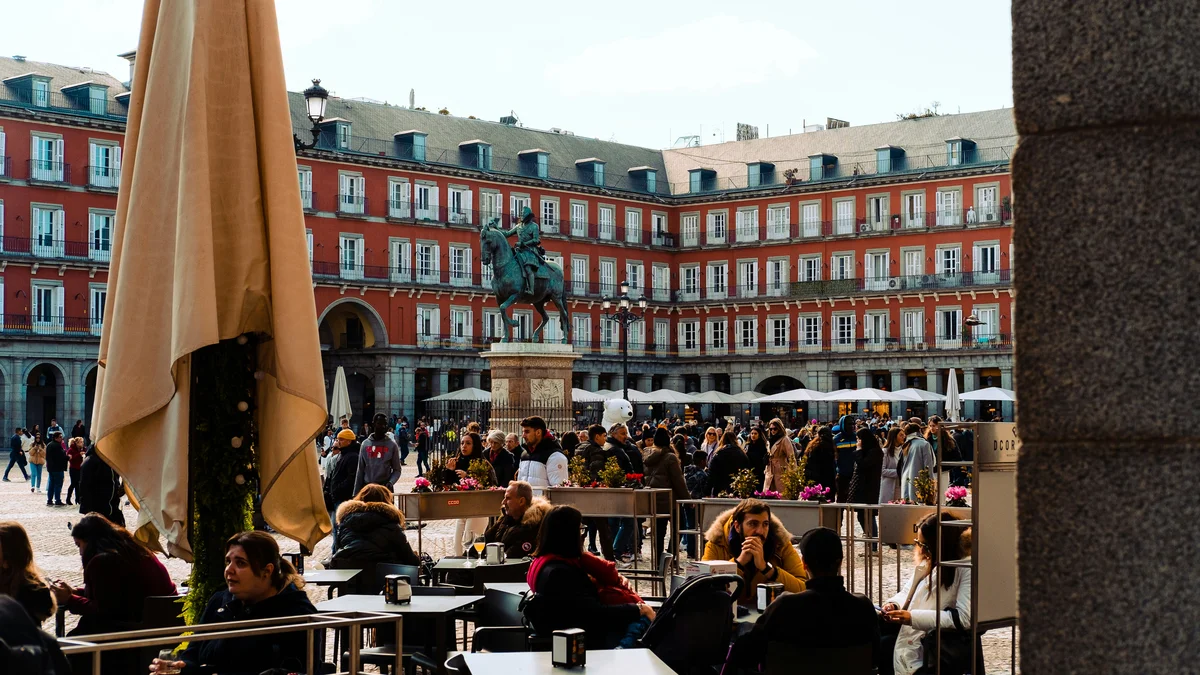
Madrid's grand central square, completed in 1619 under King Philip III, whose bronze equestrian statue still stands at its center. Historically used for markets, coronations, bullfights, and public trials of the Spanish Inquisition, it remains the symbolic heart of the old city.
 Private Tours
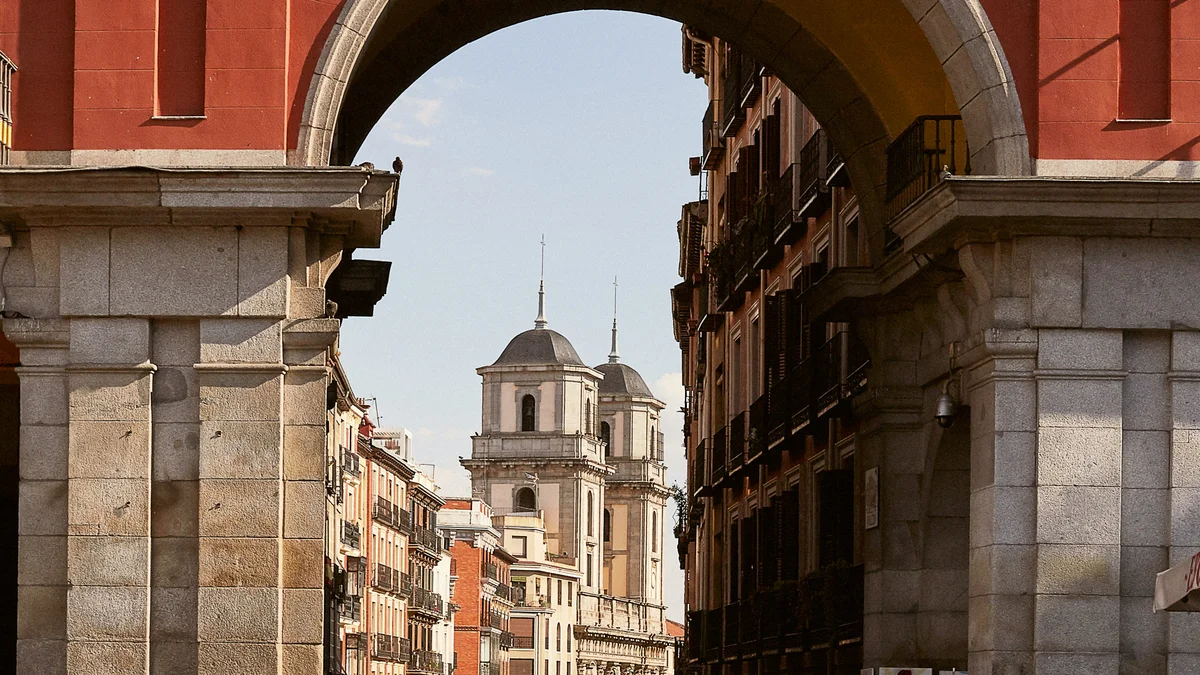
A private walking tour blending Madrid's headline landmarks with lesser-known corners, at your own pace with a dedicated local host.
 Private Tours
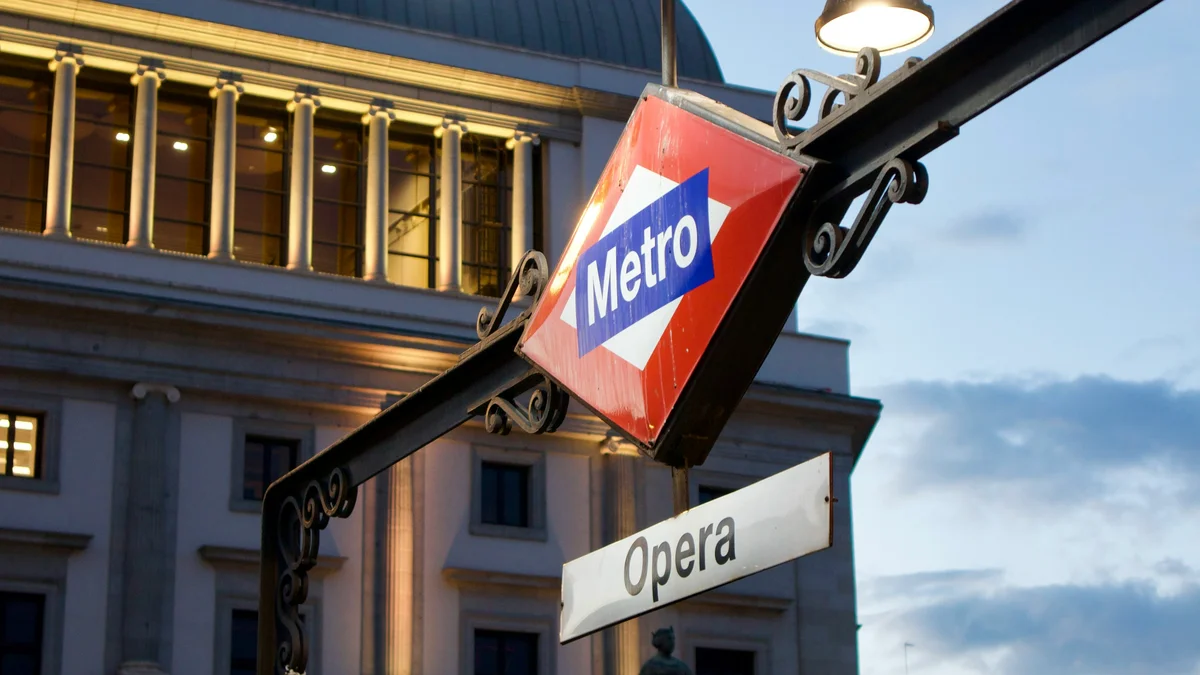
A private half-day walk through Madrid's top neighborhoods and landmarks led by an art historian, with the itinerary adaptable to your interests.
Visitor guide
Plaza Mayor is a large rectangular public square in the historic centre of Madrid, Spain, enclosed by uniform residential buildings with arcades at ground level. Wikipedia gives its dimensions as 129 by 94 metres, with 237 balconies overlooking the square. It has been a marketplace, a festival ground and a place of public punishment over the centuries.
In the fifteenth century the site was the Plaza del Arrabal, the town's main marketplace. According to Wikipedia, Philip II commissioned Juan de Herrera to redesign it in a classical style, and construction began in 1617 under Philip III, led by Juan Gomez de Mora. The plaza was completed in 1619. The article's lead gives the overall building period as 1580 to 1619.
Over time it has been renamed several times, including Plaza de la Constitucion, Plaza Real and Plaza de la Republica, before becoming Plaza Mayor.
The square suffered three major fires. The first, in 1631, was followed by reconstruction led by Gomez de Mora. A second fire came in 1670 and was repaired by Tomas Roman. The third, in 1790, was the most devastating and destroyed nearly a third of the square. Juan de Villanueva led the rebuilding, which defines much of the current appearance: he reduced the buildings from five storeys to three, closed off the corners and added large entrance arches. Villanueva died before the work was finished, and it was completed in 1854 by Antonio Lopez Aguado and Custodio Moreno.
The Casa de la Panaderia, framed by two towers, takes its name from its original use as the city's main bakery. It was restored in 1880 and reformed in 1921 and 1935, and in 1992 murals by Carlos Franco were painted on it, depicting mythological figures such as the goddess Cibeles.
At the centre stands a bronze equestrian statue of Philip III. Wikipedia says it was made in 1616 by Giambologna and Pietro Tacca, who worked for the Medici family of Florence, and was a gift from Cosimo II de' Medici. Originally displayed in the Casa de Campo, it was moved to the centre of the square in 1848 on the instruction of Isabella II.
The square hosted markets, bullfights, football games and public executions. On 30 June 1680, a major auto de fe took place here: Wikipedia reports that 117 people were sentenced by the Spanish Inquisition before a large public audience, with 21 condemned to death by burning. More than half of the accused were conversos, Christians of Jewish descent charged with Judaizing.
In the 1960s the plaza was closed to road traffic and underground parking was added. Today it hosts an annual Christmas market and a stamp and coin collectors' market on Sunday and holiday mornings, according to Wikipedia. Ten entrances lead into the square. The Sobrino de Botin restaurant, beside it, is described by Wikipedia as the oldest restaurant in the world, a claim that should be treated with caution.
The square is easy to reach on foot from nearby streets. A private guided visit can combine it with the surrounding old town, and Voyzo can arrange this with a private vehicle and driver.
See every tour and attraction we cover in Madrid.