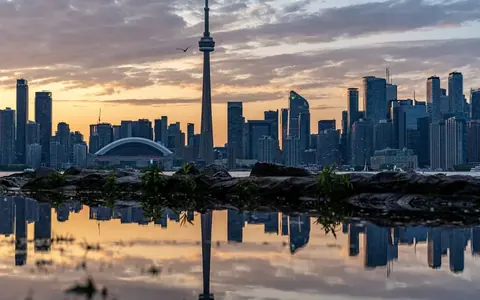
 TorontoOntario · 17 tours
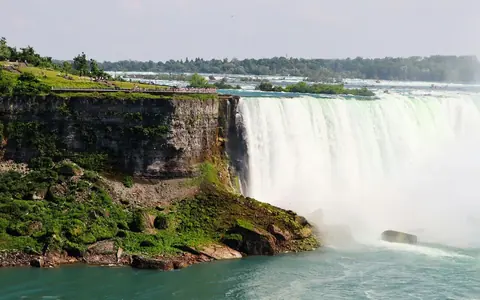 Niagara FallsOntario · 17 tours
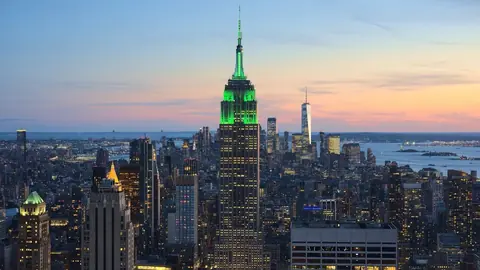 New York CityNew York · 8 tours
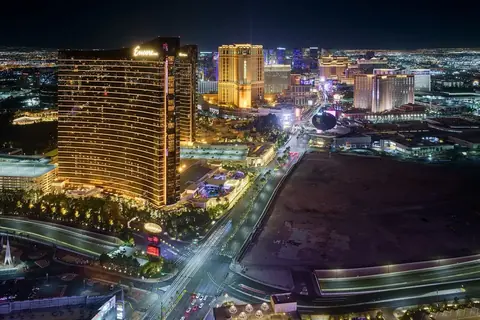 Las VegasNevada · 8 tours
 San FranciscoCalifornia · 16 tours
 VancouverBritish Columbia · 17 tours
 DubaiUAE · 44 tours
 Abu DhabiUAE · 5 tours
 Sri LankaSri Lanka · 16 tours
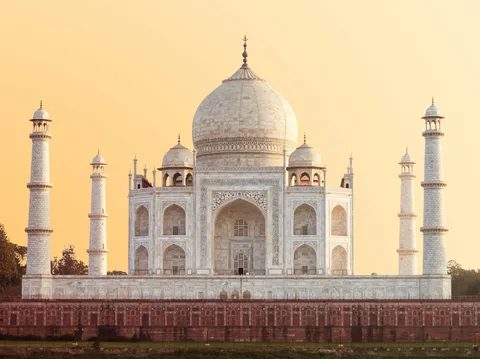 IndiaIndia · 13 tours
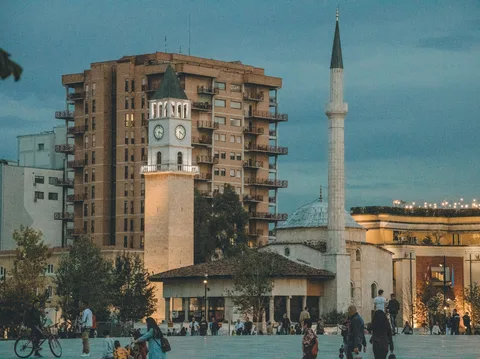 AlbaniaAlbania · 10 tours
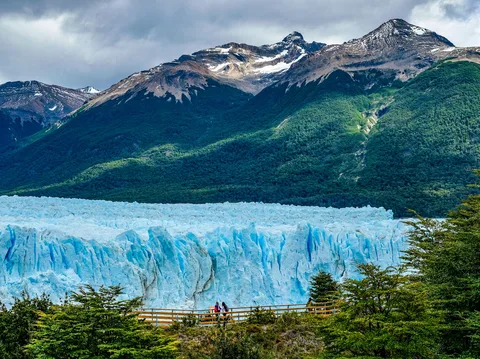 ArgentinaArgentina · 8 tours
No destinations match “”.
Voyzo runs 9 private tours across 1 destination in Japan, covering 10 attractions — each with your own guide, driver, and vehicle, and an itinerary built around your group rather than a fixed bus schedule.
Japan is an island nation in East Asia made up of four main islands — Honshu, Hokkaido, Kyushu, and Shikoku — plus thousands of smaller ones, with a population of roughly 123 million concentrated heavily in cities like Tokyo, Osaka, and Nagoya. It's a constitutional monarchy with an Emperor as symbolic head of state and an elected parliament (the Diet) running the government, and its long isolation followed by rapid modernization after 1868 left a country where centuries-old Shinto shrines and Buddhist temples sit blocks from some of the world's most advanced cities.
Voyzo's Japan routes cover this range deliberately — Tokyo and Kyoto's temples and torii gates for the classic itinerary, Mount Fuji and Hakone for the mountain and hot-spring side, and regional routes into Kyushu's volcanic landscapes, Hokkaido's winter ski country, and Okinawa's subtropical islands for travelers wanting to see beyond the two biggest cities.
Japan's rail network is one of the most efficient in the world, and most independent travelers get around by train with a Japan Rail Pass. Two of Voyzo's Japan routes are adapted from that self-guided rail format and run instead with a private driver and vehicle throughout, which matters most for regional itineraries in Kyushu and Hokkaido where sights are more spread out than in Tokyo or Kyoto.
The real stops Voyzo's own itineraries are built around — tap any attraction to learn more.
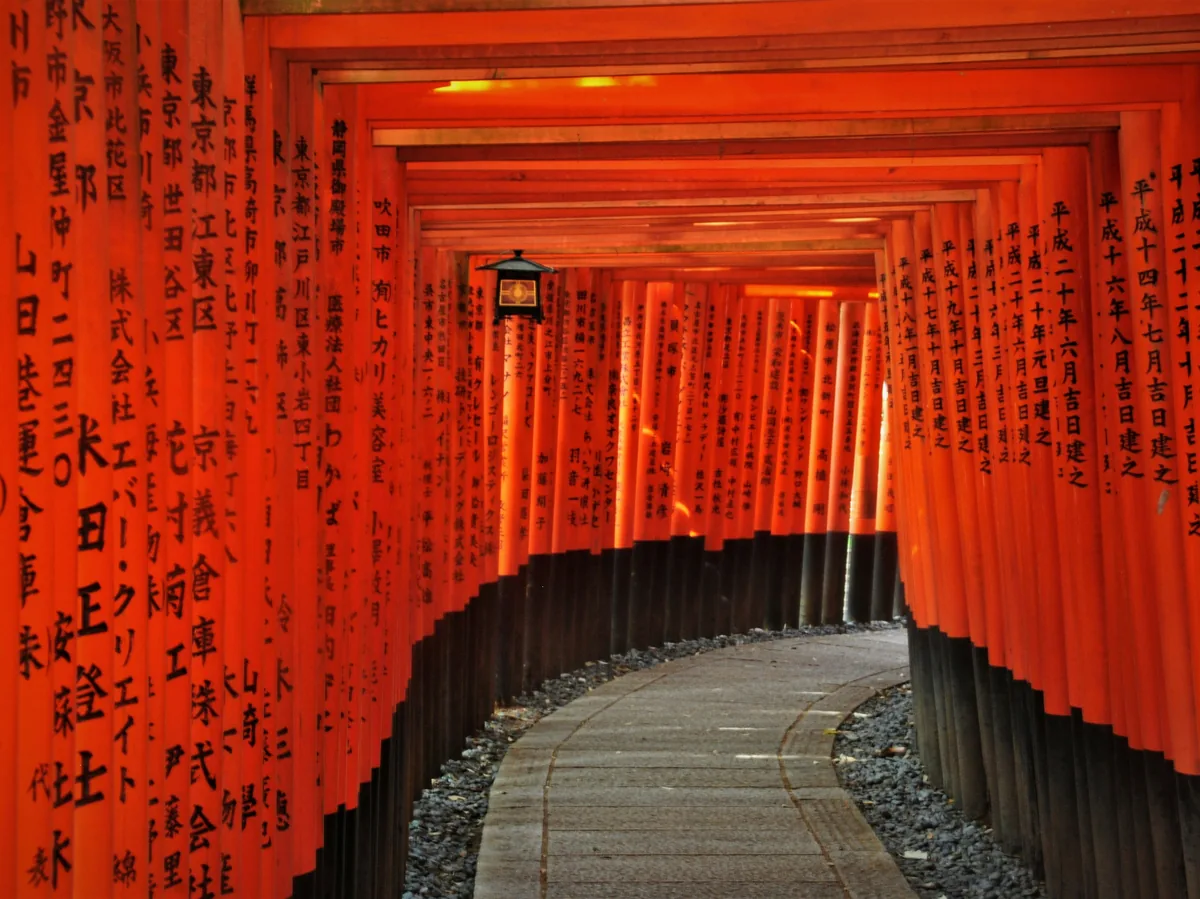
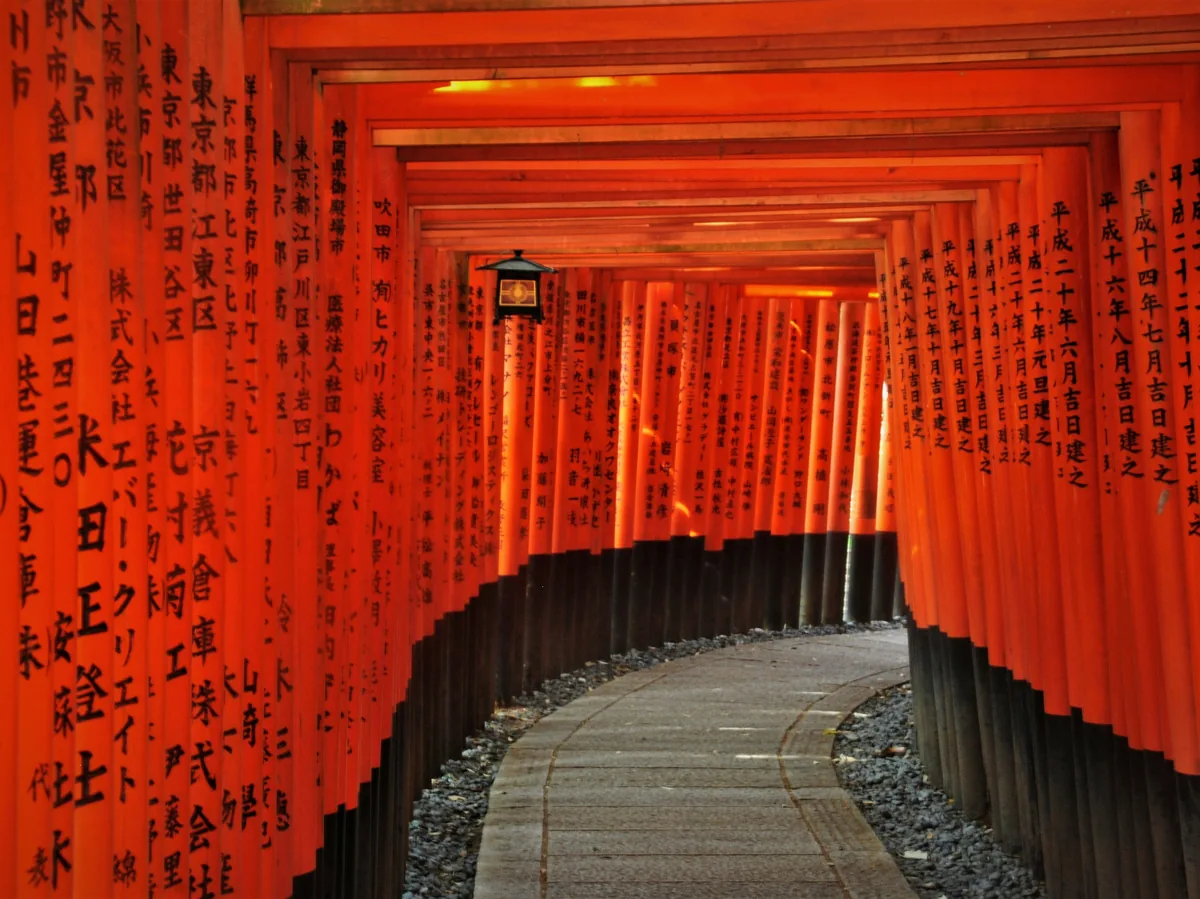 Fushimi Inari Taisha
Japan
Thousands of vermilion torii gates climb the forested slopes of Mount Inari in Kyoto, forming one of Japan's most photographed pilgrimage trails.
2
Fushimi Inari Taisha
Japan
Thousands of vermilion torii gates climb the forested slopes of Mount Inari in Kyoto, forming one of Japan's most photographed pilgrimage trails.
2
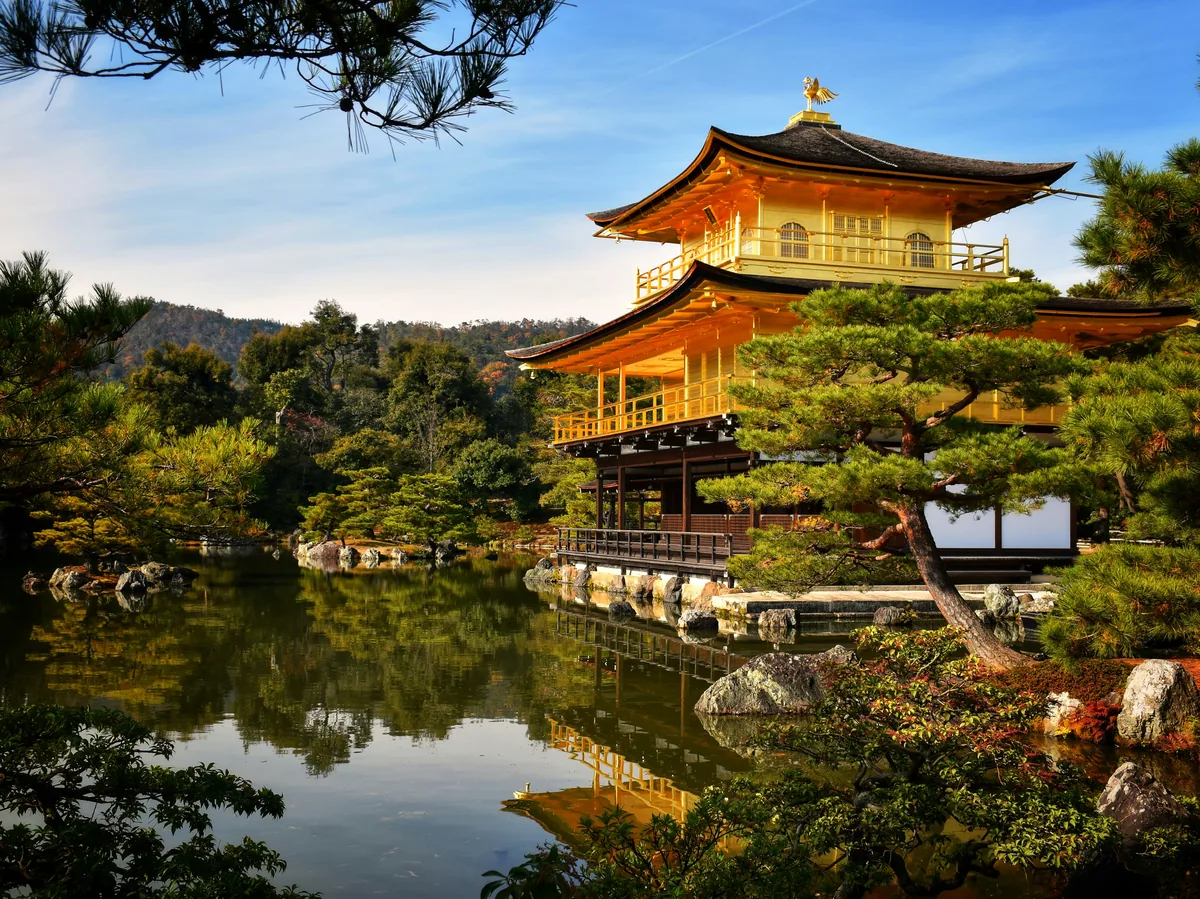
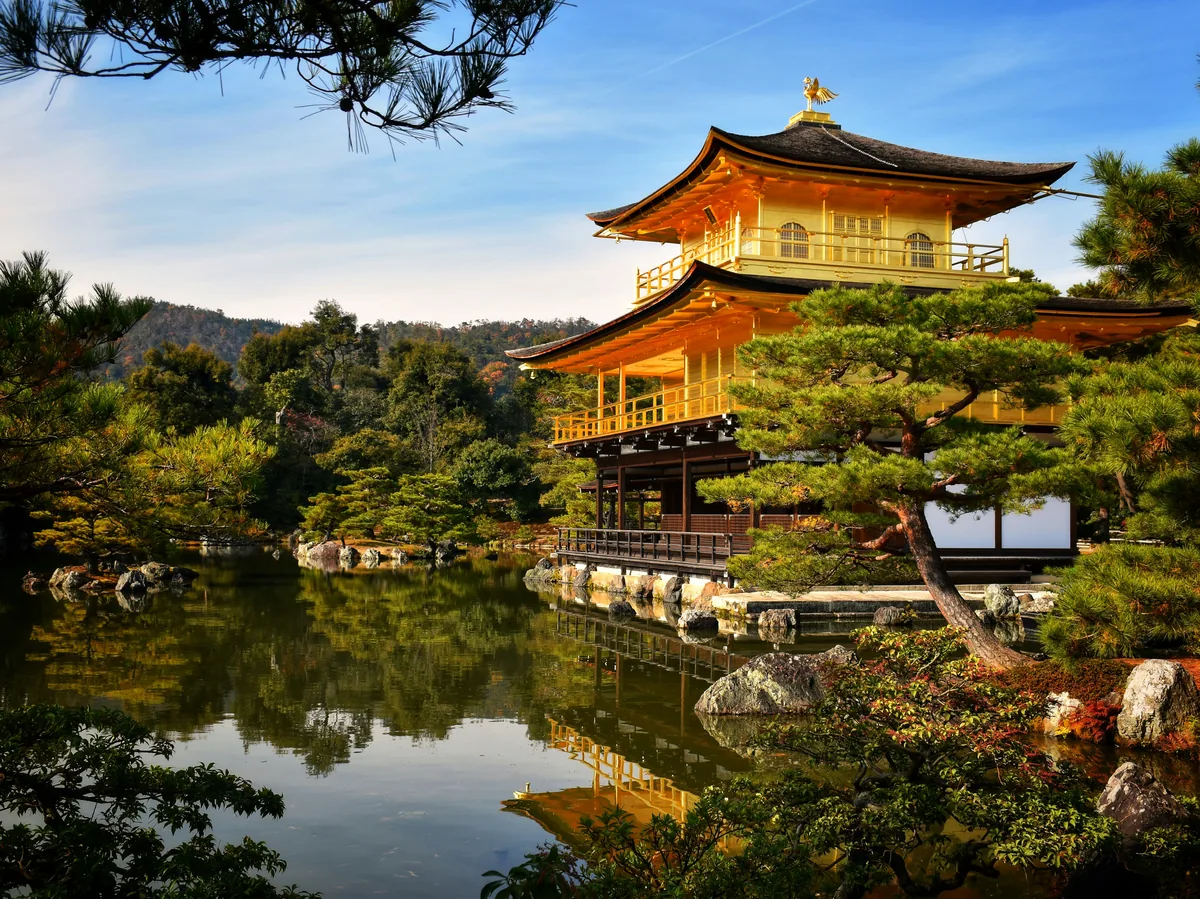 Kinkaku-ji (Golden Pavilion)
Japan
A gold-leafed Zen Buddhist temple reflected in its still pond in Kyoto's Kita-ku district, one of Japan's most recognizable UNESCO World Heritage sites.
3
Kinkaku-ji (Golden Pavilion)
Japan
A gold-leafed Zen Buddhist temple reflected in its still pond in Kyoto's Kita-ku district, one of Japan's most recognizable UNESCO World Heritage sites.
3
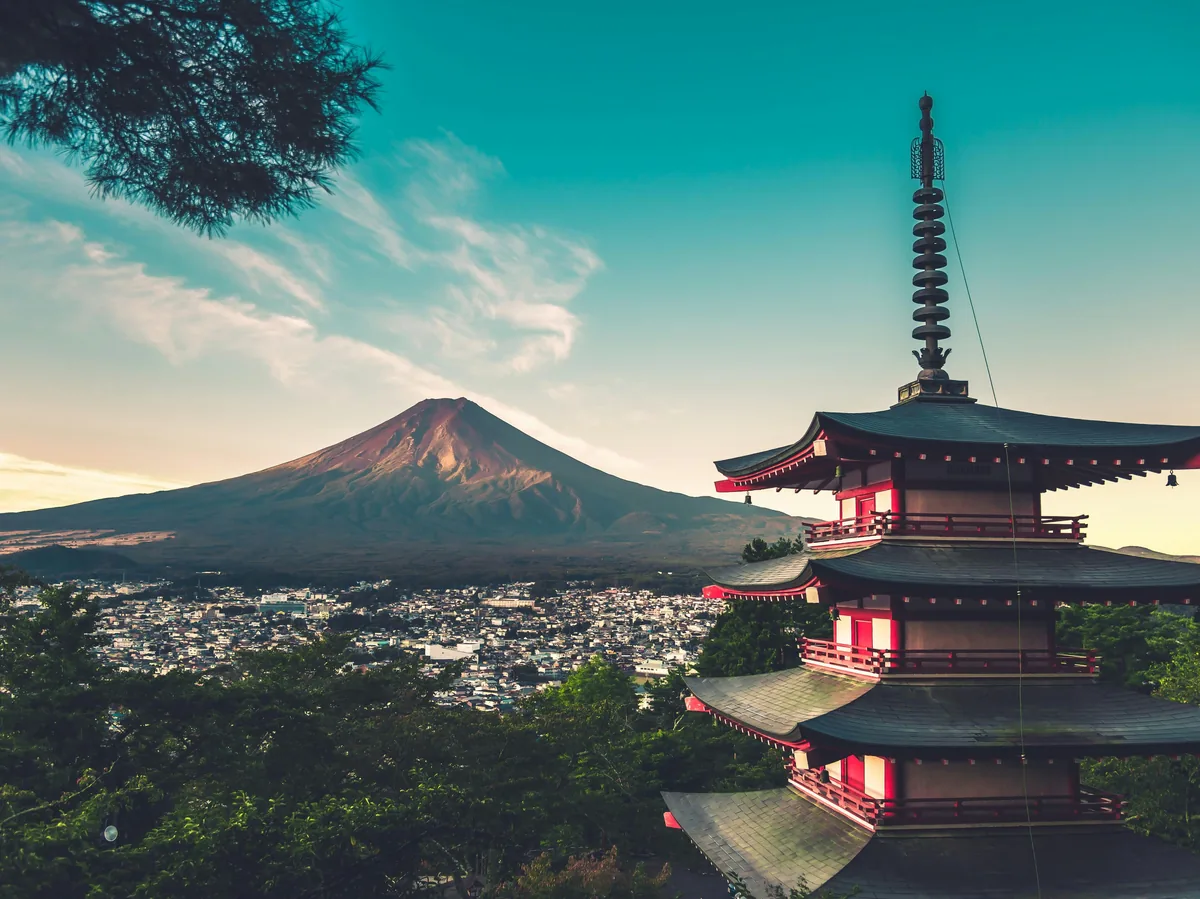 Mount Fuji & Chureito Pagoda
Japan
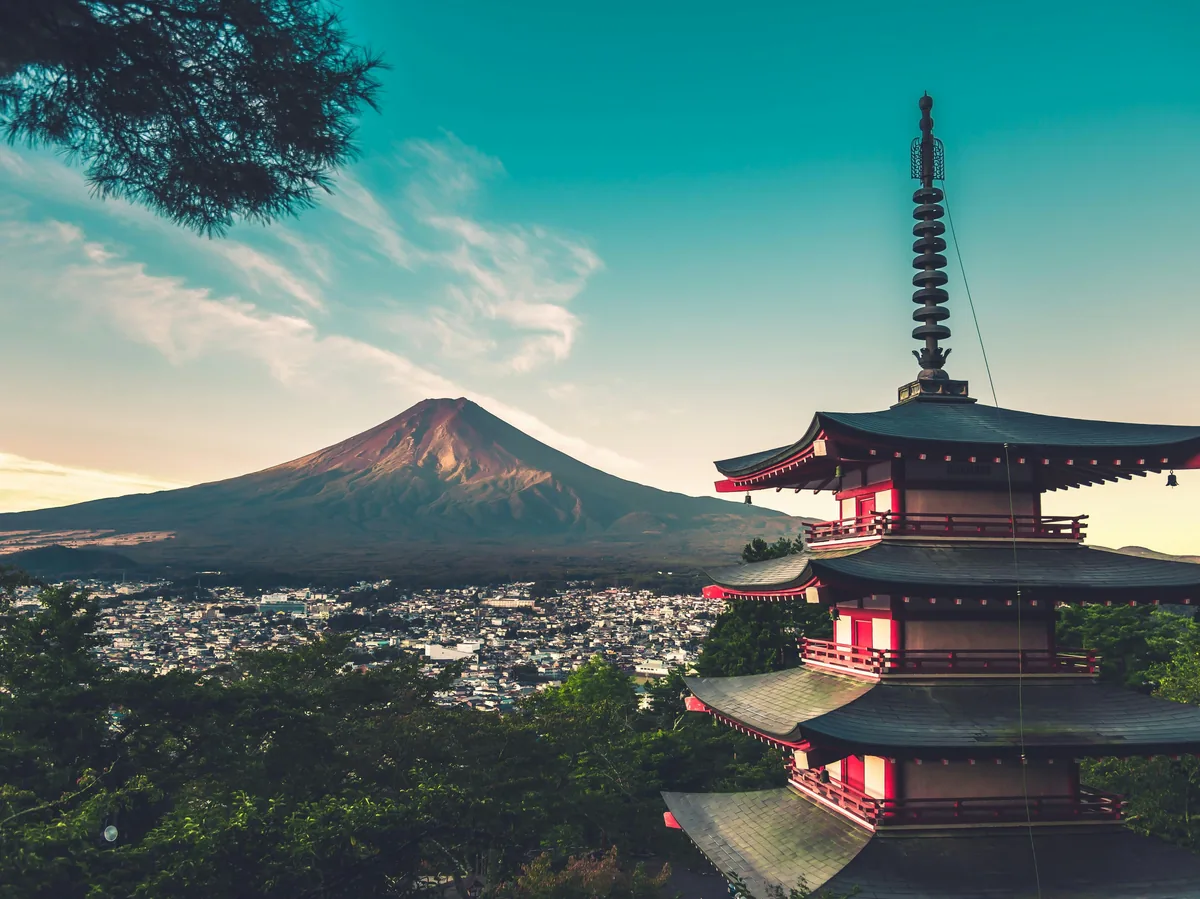
Japan's iconic snow-capped volcano, framed from the five-story Chureito Pagoda near Fujiyoshida for one of the country's most famous views.
4
Mount Fuji & Chureito Pagoda
Japan
Japan's iconic snow-capped volcano, framed from the five-story Chureito Pagoda near Fujiyoshida for one of the country's most famous views.
4
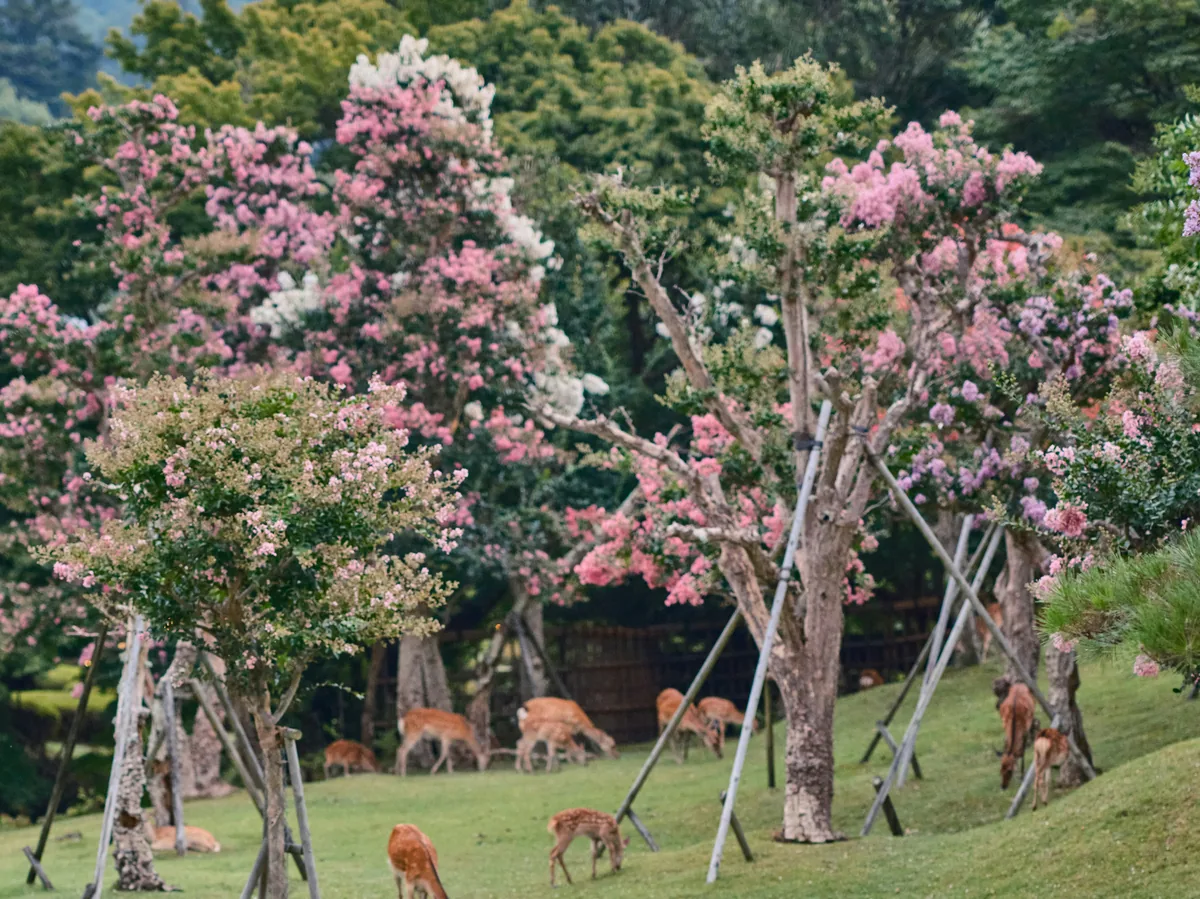 Nara Park & Todai-ji
Japan
Free-roaming sacred deer share this park with Todai-ji Temple's Great Buddha hall, the largest wooden building in the world, a short trip from Kyoto.
5
Nara Park & Todai-ji
Japan
Free-roaming sacred deer share this park with Todai-ji Temple's Great Buddha hall, the largest wooden building in the world, a short trip from Kyoto.
5
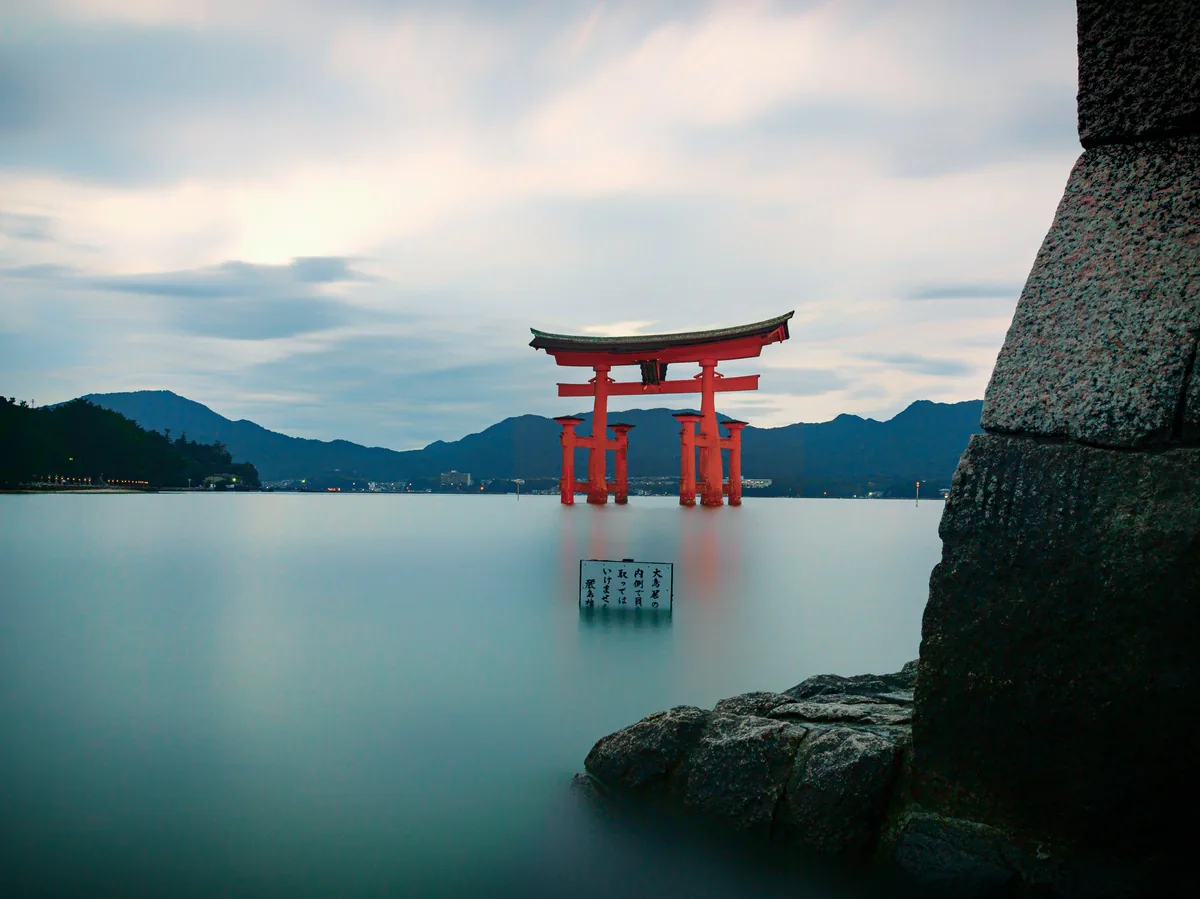 Itsukushima Shrine, Miyajima
Japan
A vermilion torii gate appears to float on the tide off Miyajima Island near Hiroshima, one of Japan's most iconic shrine views.
6
Itsukushima Shrine, Miyajima
Japan
A vermilion torii gate appears to float on the tide off Miyajima Island near Hiroshima, one of Japan's most iconic shrine views.
6
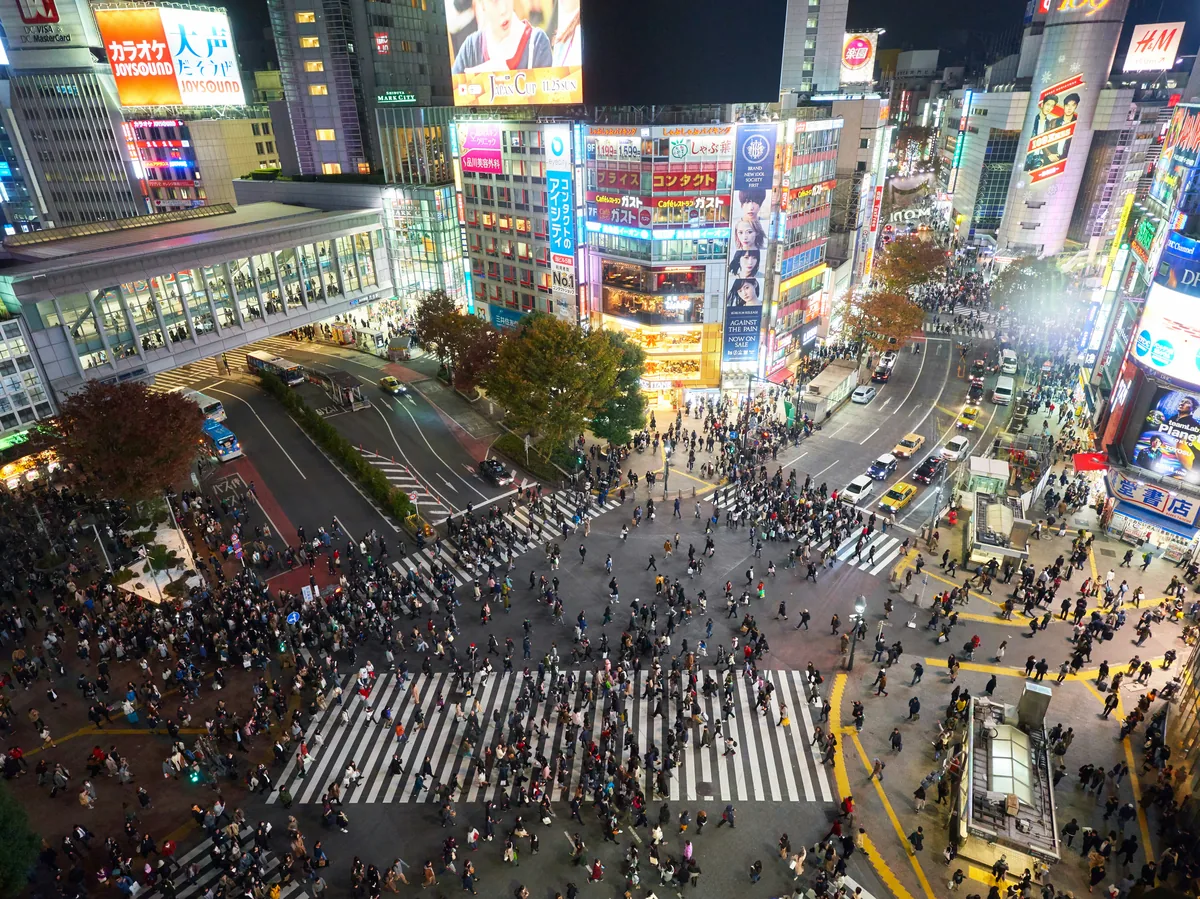
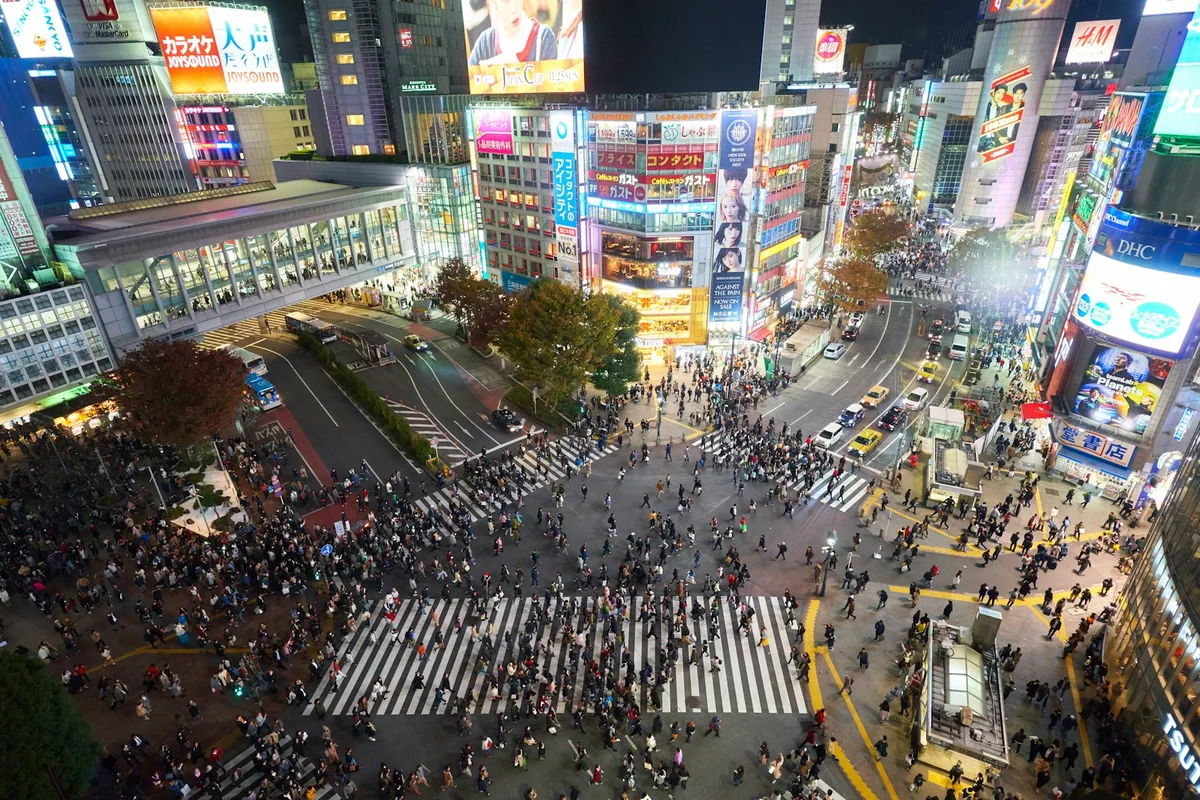 Shibuya Crossing
Japan
The busiest pedestrian crossing in the world, outside Shibuya Station in Tokyo, where as many as 3,000 people cross at once when the lights change.
7
Shibuya Crossing
Japan
The busiest pedestrian crossing in the world, outside Shibuya Station in Tokyo, where as many as 3,000 people cross at once when the lights change.
7
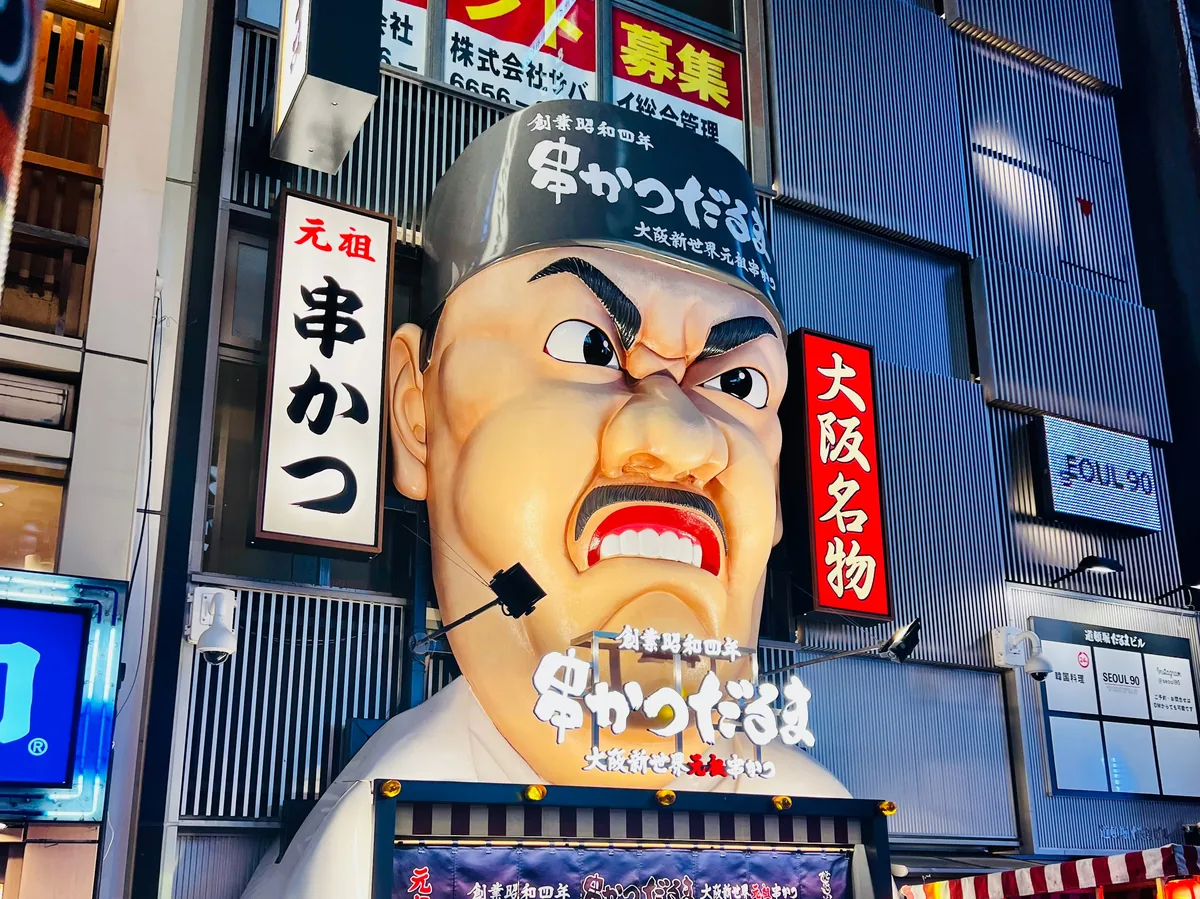
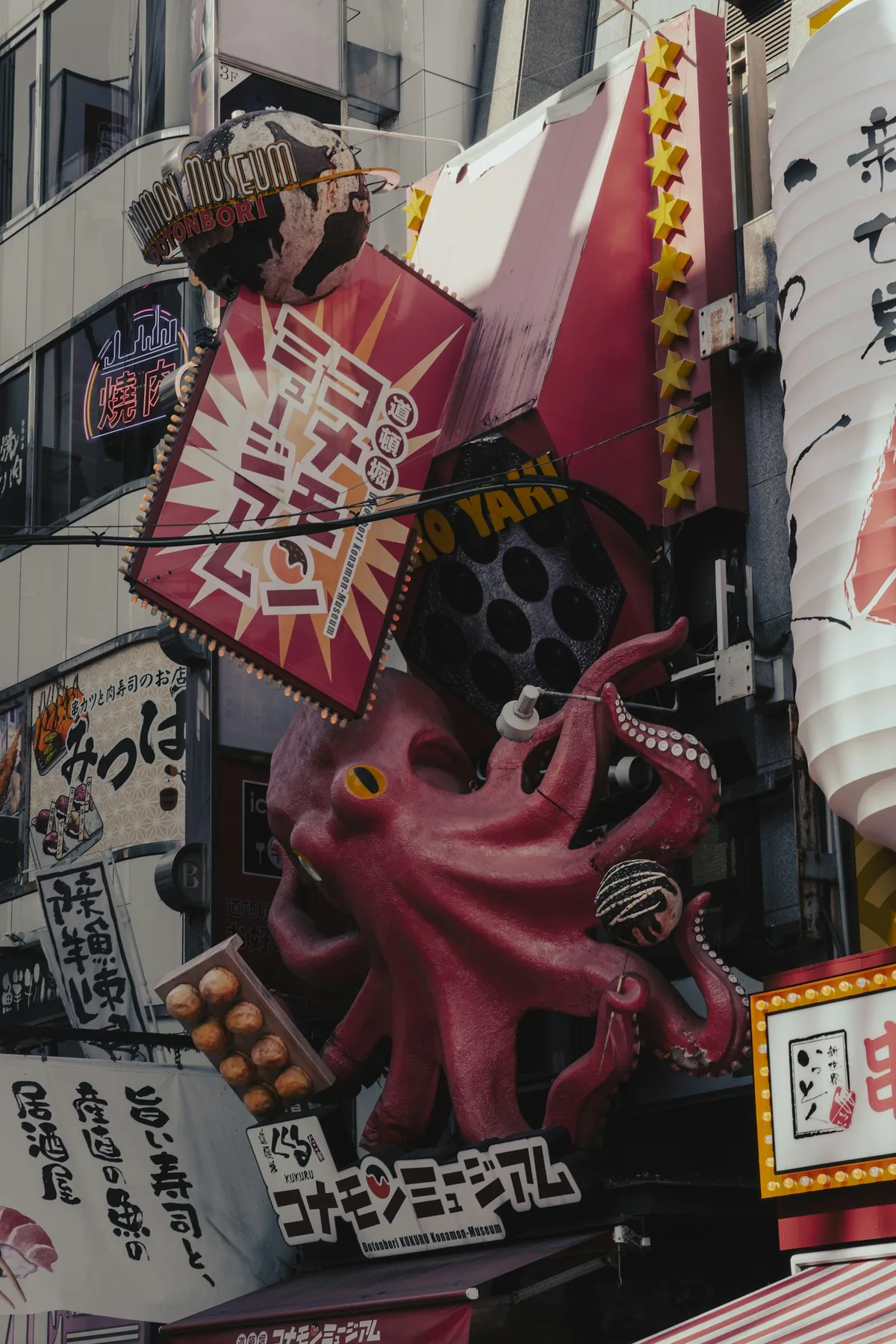 Dotonbori, Osaka
Japan
Osaka's neon-lit canal-side entertainment district, famous for oversized illuminated signs, including the running Glico Man, and street food like takoyaki and okonomiyaki.
8
Dotonbori, Osaka
Japan
Osaka's neon-lit canal-side entertainment district, famous for oversized illuminated signs, including the running Glico Man, and street food like takoyaki and okonomiyaki.
8
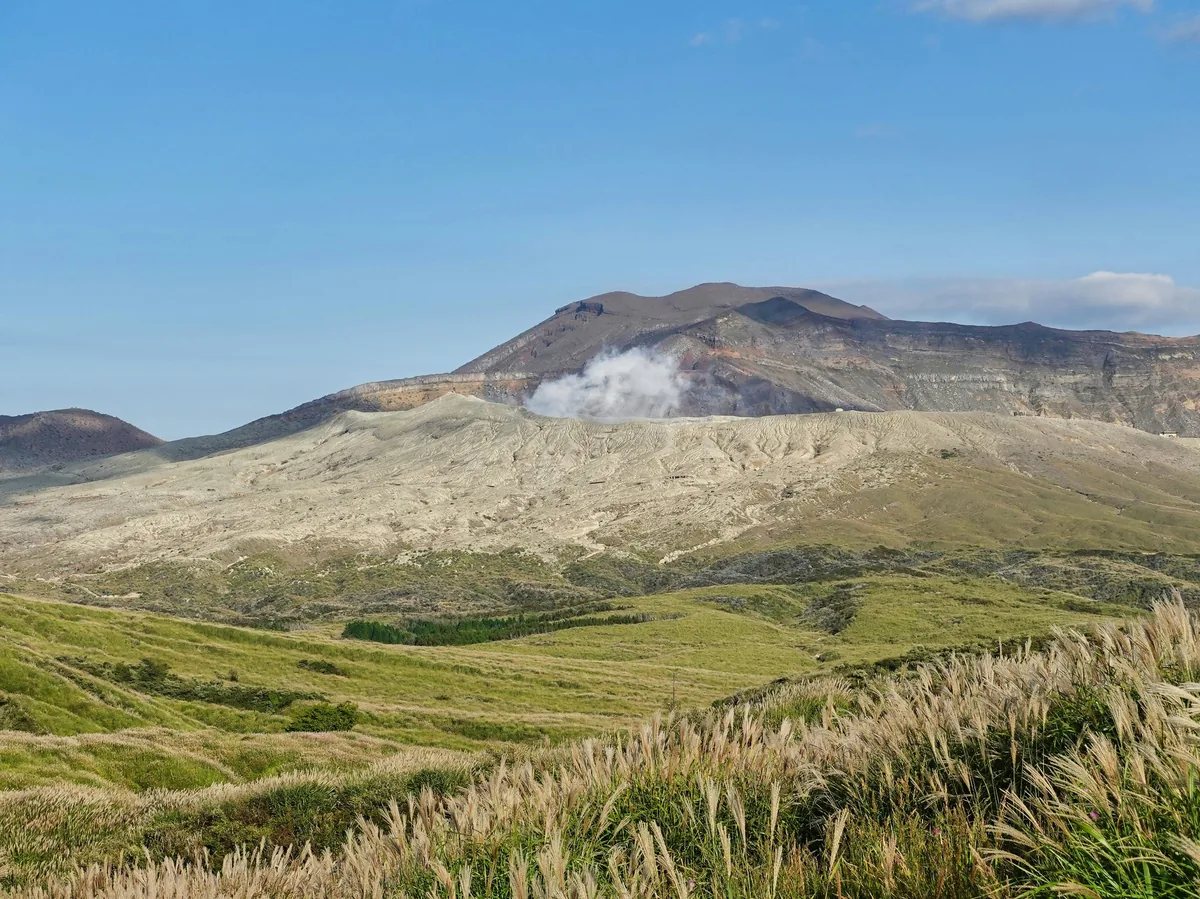
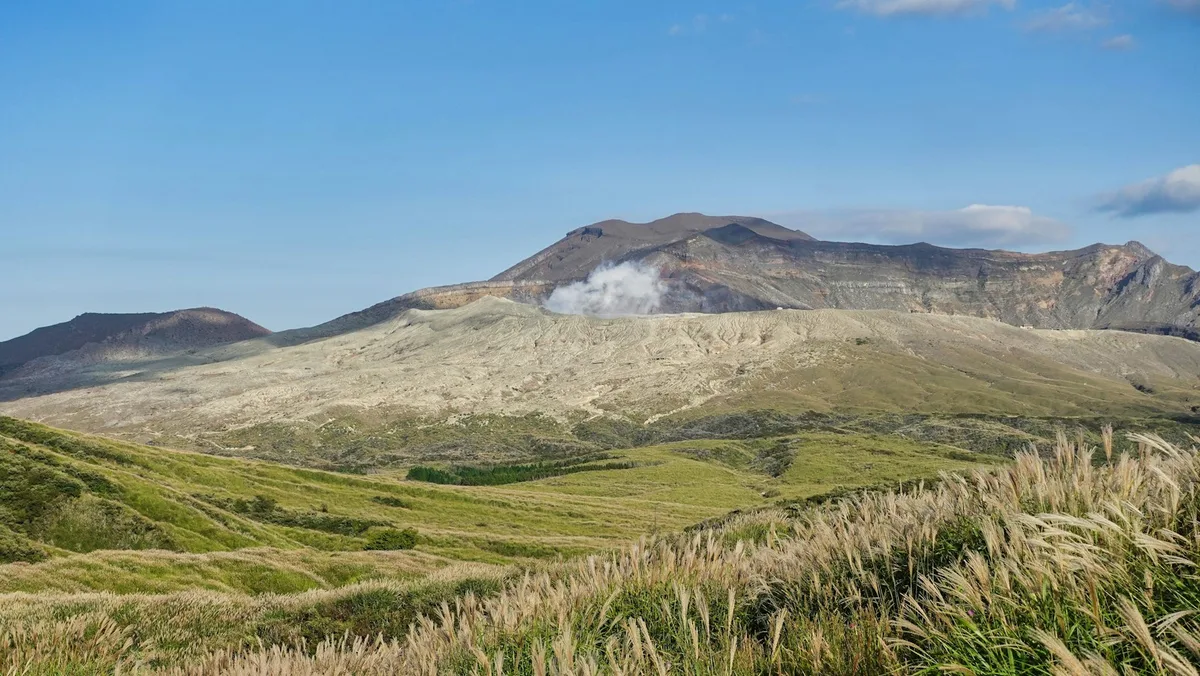 Mount Aso
Japan
One of the world's largest active volcanic calderas, in central Kyushu, with a still-smoking crater visitors can view from an observation area when conditions allow.
9
Mount Aso
Japan
One of the world's largest active volcanic calderas, in central Kyushu, with a still-smoking crater visitors can view from an observation area when conditions allow.
9
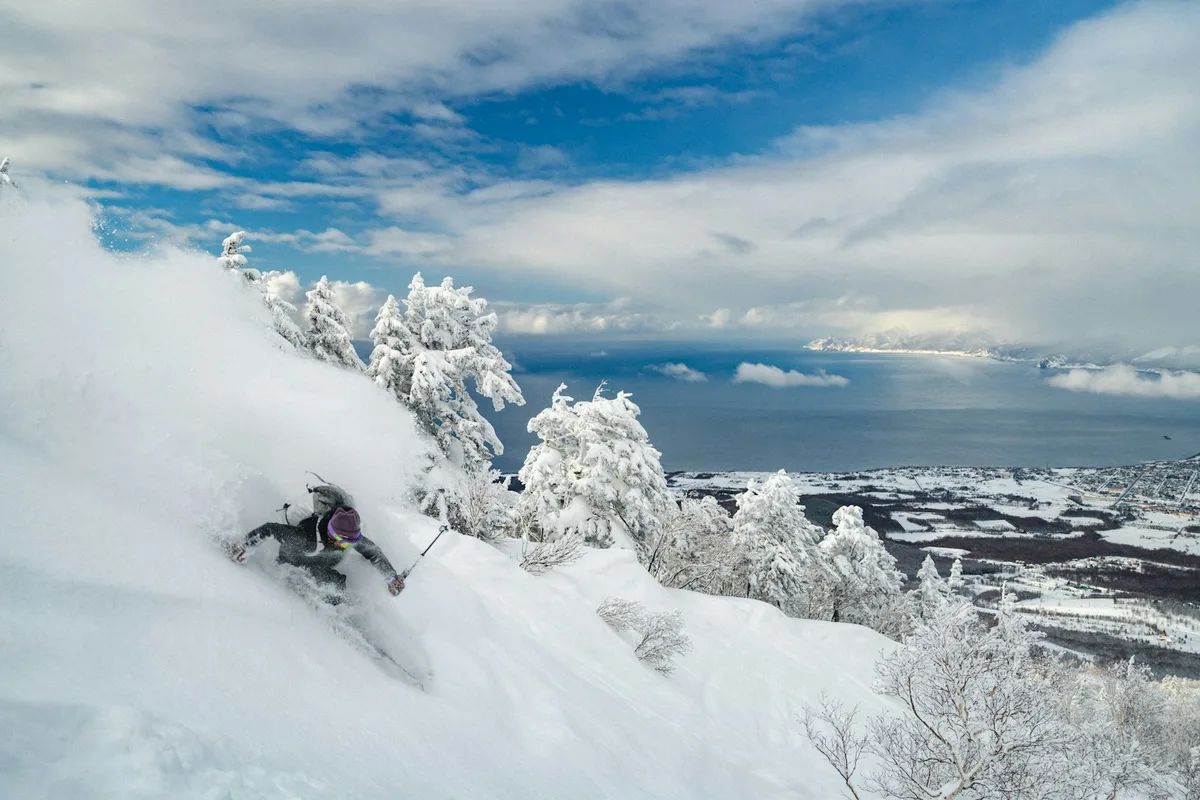 Niseko
Japan
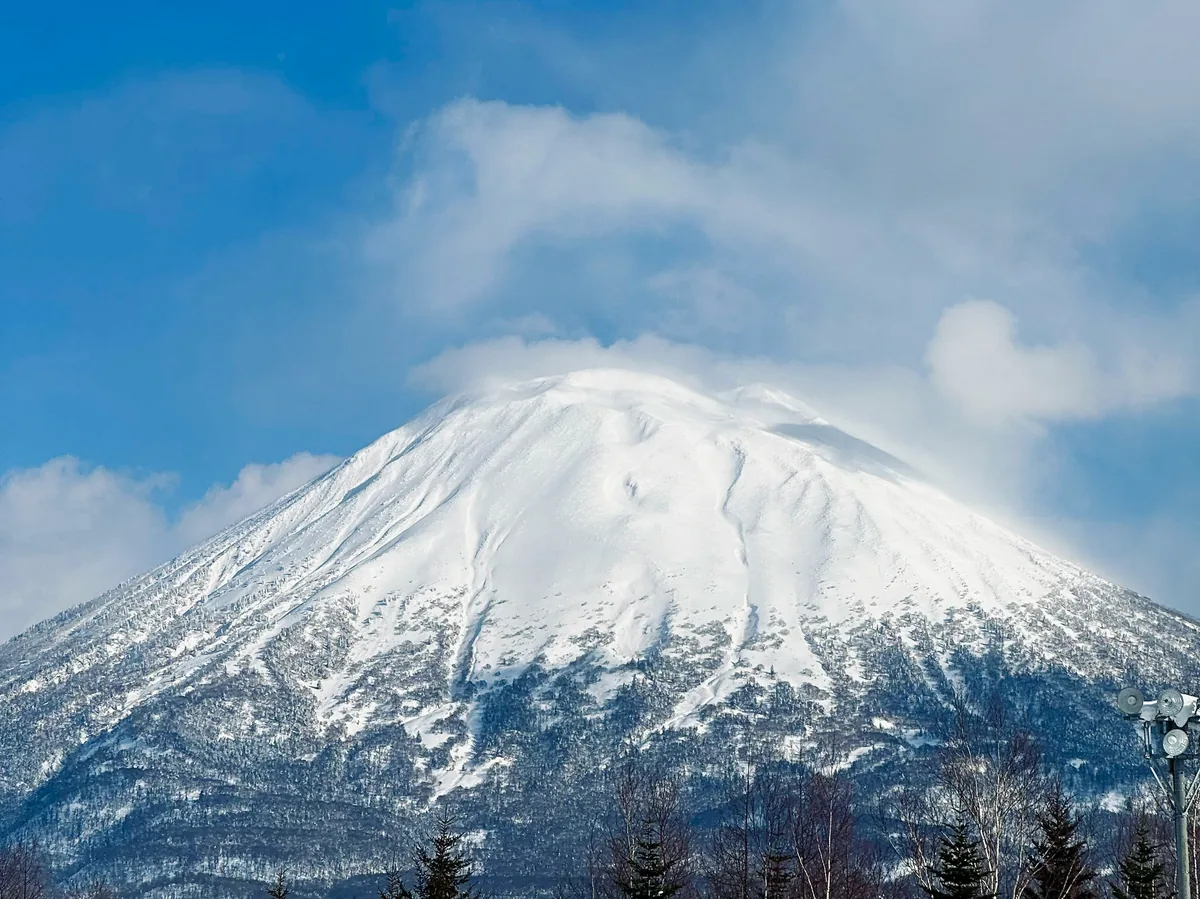
A resort town in Hokkaido renowned among skiers and snowboarders for its consistent, powdery snowfall, drawing visitors from around the world each winter.
10
Niseko
Japan
A resort town in Hokkaido renowned among skiers and snowboarders for its consistent, powdery snowfall, drawing visitors from around the world each winter.
10
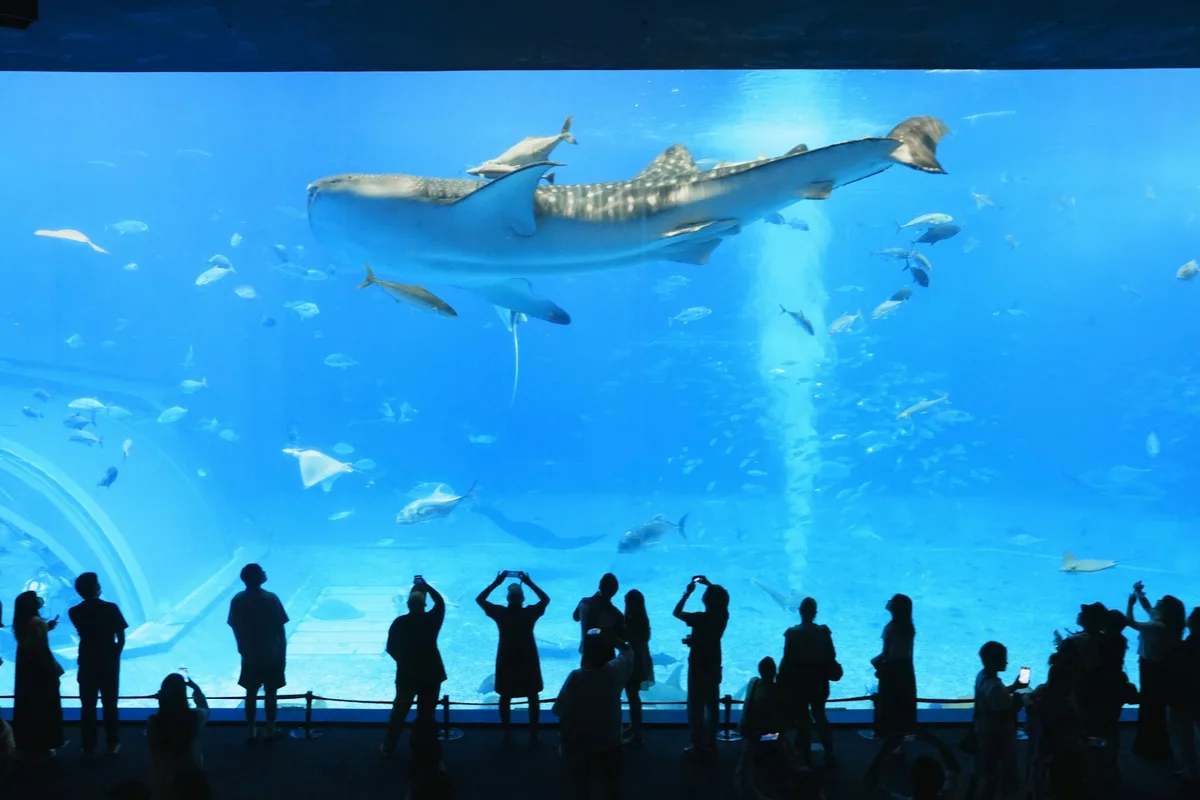 Okinawa Churaumi Aquarium
Japan
One of the largest aquariums in the world, on Okinawa's Motobu Peninsula, home to whale sharks and manta rays swimming in its Kuroshio Sea tank.
Multi-Day Tours
Okinawa Churaumi Aquarium
Japan
One of the largest aquariums in the world, on Okinawa's Motobu Peninsula, home to whale sharks and manta rays swimming in its Kuroshio Sea tank.
Multi-Day Tours
A two-country journey that opens in Seoul and Busan, South Korea, then crosses into Japan for Kyoto's temples, a kimono tea ceremony, and Tokyo's Shibuya Crossing with a Mount Fuji day trip.
 Multi-Day Tours
A 12-day route from Tokyo's neighborhoods and teamLab Borderless, through Hakone's Mount Fuji views, into Kyoto's temples, Nara's deer, Hiroshima's Peace Memorial, and Osaka's street food.
 Multi-Day Tours
An 11-day route across Japan's southern island of Kyushu, from Nagasaki's Peace Park through the hot springs of Beppu and the active crater of Mount Aso to Kagoshima and the ancient forests of Yakushima.
 Multi-Day Tours
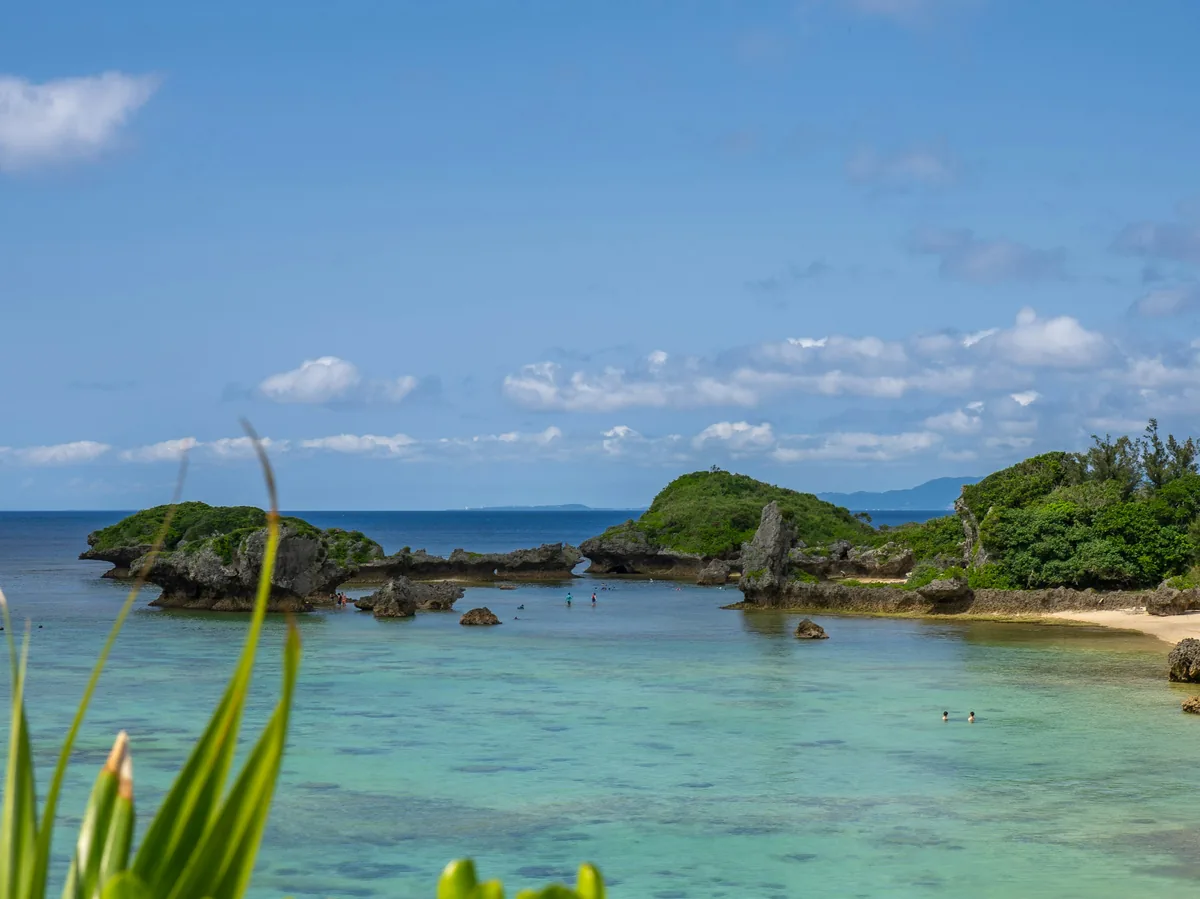
A 7-day private itinerary across Okinawa, from the UNESCO-listed Zakimi Castle ruins to whale sharks at the Churaumi Aquarium, mangrove kayaking, an Awamori sake brewery, and a beginner's karate class.
 Multi-Day Tours
A 10-day family itinerary from Tokyo's kawaii culture and Mount Fuji views to a ninja and samurai experience in Kyoto, Hiroshima's Peace Memorial, and a full day at Universal Studios Japan in Osaka.
 Multi-Day Tours
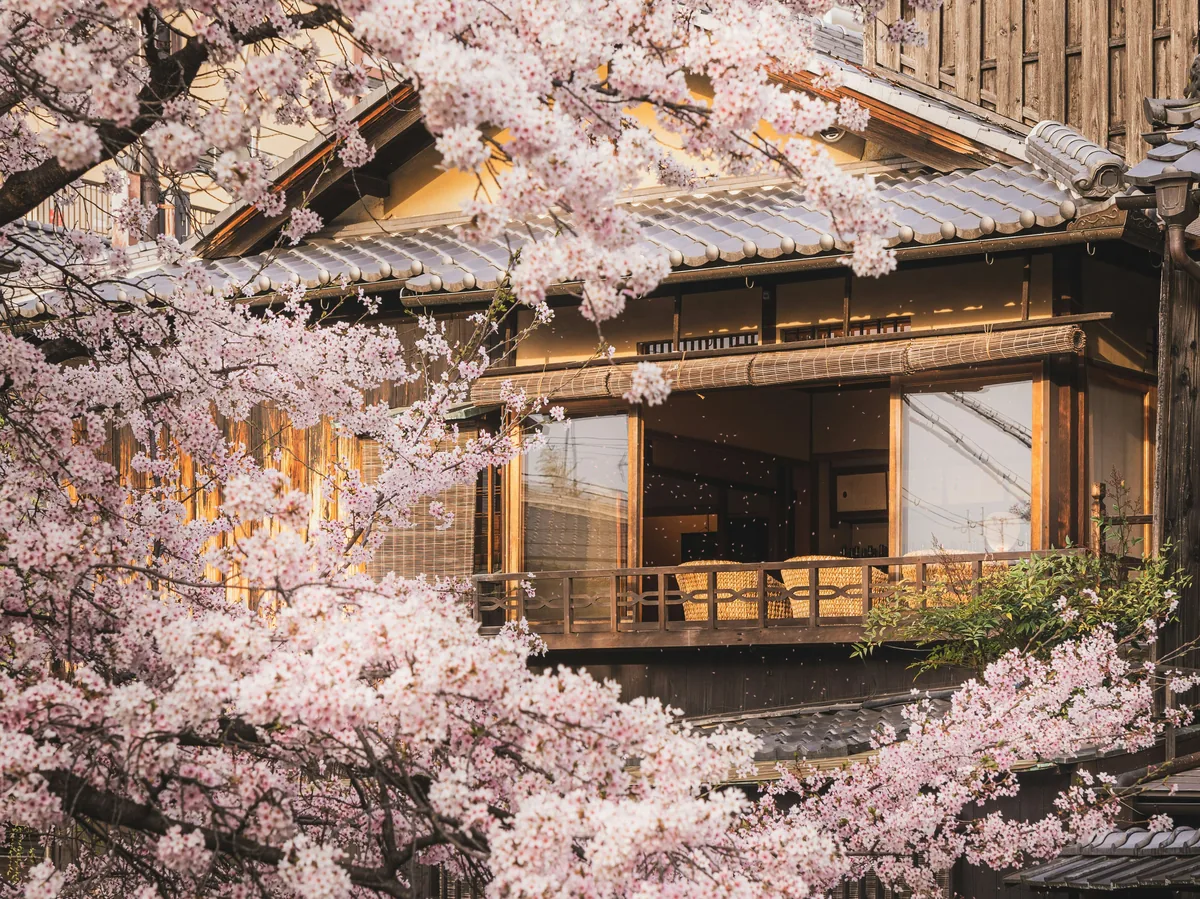
A 10-day route through Tokyo, Nikko's shrines and waterfalls, historic Kamakura, and the hot springs and lake views of Hakone, timed for cherry blossom season.
 Multi-Day Tours
A 7-day winter route across Hokkaido, from Sapporo's Clock Tower and Otaru's music box museums to the steaming Hell Valley of Noboribetsu, Lake Toya, and skiing on Niseko's powder slopes.
 Multi-Day Tours
A 10-day food-focused route from Tokyo's Tsukiji Fish Market and a sushi-making class, through a kimono tea ceremony and grand tour of Kyoto, to Kobe beef, sake tasting, and Osaka's Dotonbori food crawl.
 Multi-Day Tours
A comprehensive 15-day route from Tokyo and Hakone through Kyoto, Nara, and Kanazawa's Kenroku-en Garden, to the thatched village of Shirakawa-Go and the historic streets of Takayama.
Japan is a chain of four main islands running roughly 3,000 km north to south, which is why its climate and character shift so much by region — Hokkaido's snow country in the north is a different world from Okinawa's subtropical beaches in the south.
Japanese is the national language. English signage is common in Tokyo, Kyoto, and major train stations, but everyday spoken English is less reliable outside tourist areas, which is part of why guided and private routes are popular with first-time visitors.
Japan uses the yen. Despite its reputation for technology, many smaller restaurants and shops are still cash-only or have low card-payment limits, so carrying yen is worth doing even in Tokyo.
Many nationalities, including the US, UK, Canada, Australia, and most of the EU, can enter Japan visa-free for short tourist stays under long-standing reciprocal agreements — confirm current requirements for your passport before traveling.
Late March-early April (cherry blossoms) and October-November (autumn foliage) are the most beautiful and most crowded windows; June-July is rainy season and August is hot and humid, so many travelers prefer the shoulder months around those peaks.
Tokyo's Narita and Haneda airports and Osaka's Kansai airport are Japan's main international gateways, with direct flights from North America, Europe, and across Asia; Fukuoka in Kyushu also has useful direct connections for regional itineraries.
Tell us your group size and dates — we'll take care of the rest.