 TorontoOntario · 36 tours
 Niagara FallsOntario · 25 tours
 New York CityNew York · 30 tours
 Las VegasNevada · 8 tours
 San FranciscoCalifornia · 16 tours
 VancouverBritish Columbia · 17 tours
 DubaiUAE · 54 tours
 Abu DhabiUAE · 5 tours
 Buenos AiresArgentina · 23 tours
 AthensGreece · 31 tours
 AucklandNew Zealand · 38 tours
 CancunMexico · 54 tours
No destinations match “”. Try searching all tours instead — that search understands full questions, not just place names.
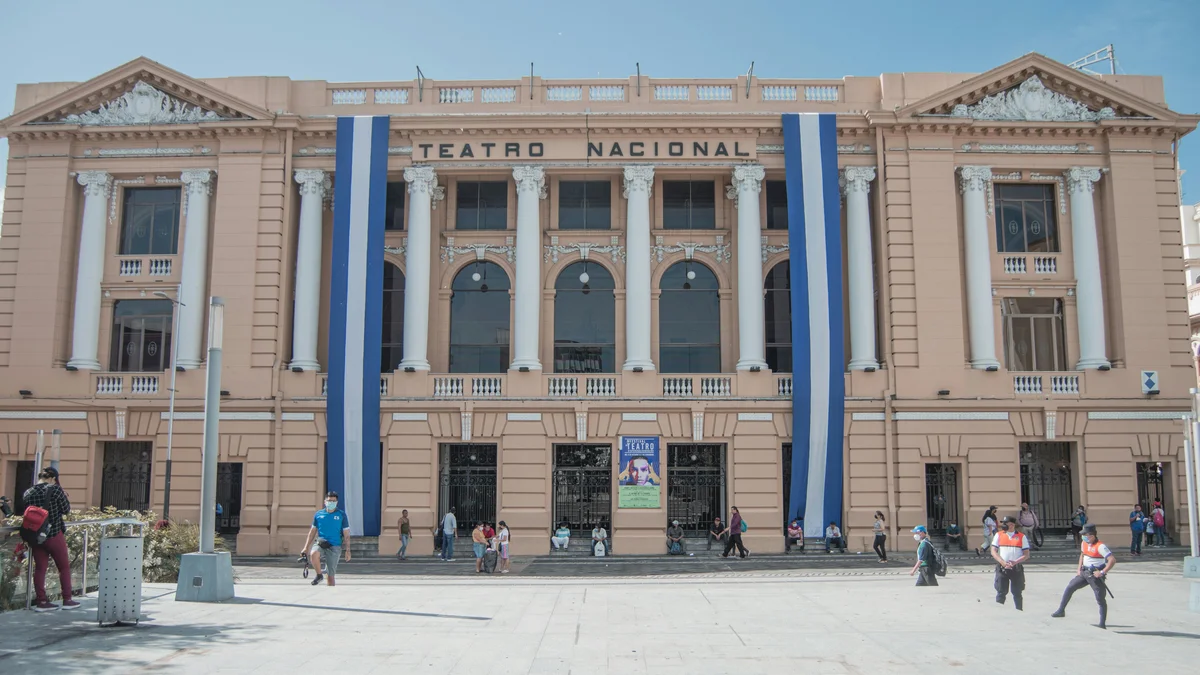
Voyzo runs 3 tours in San Salvador, covering 5 top attractions. A private tour means your own guide, driver, and vehicle and an itinerary built around your group rather than a fixed bus schedule.
Private Tours
A private guide leads you on foot through San Salvador's historic center: the National Theatre, the Metropolitan Cathedral, Iglesia El Rosario, the neoclassical National Palace, the craft market, and the National Library, learning the capital's history and culture at your own pace.
 Private Tours
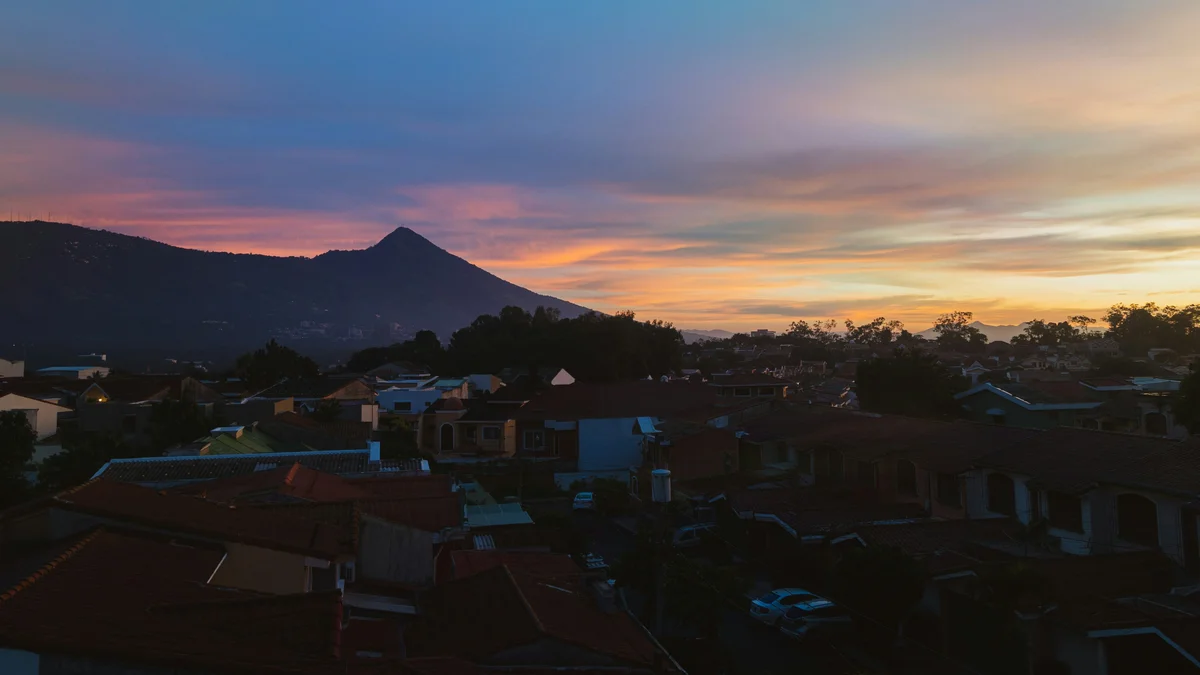
A private 4x4 vehicle drives you through the coffee plantations of the San Antonio Lamatepec farm to the hilltop site of El Teleférico, San Salvador's former cable car that closed in 2001, for panoramic sunset views over the city, finishing with a stop for pupusas.
 Private Tours
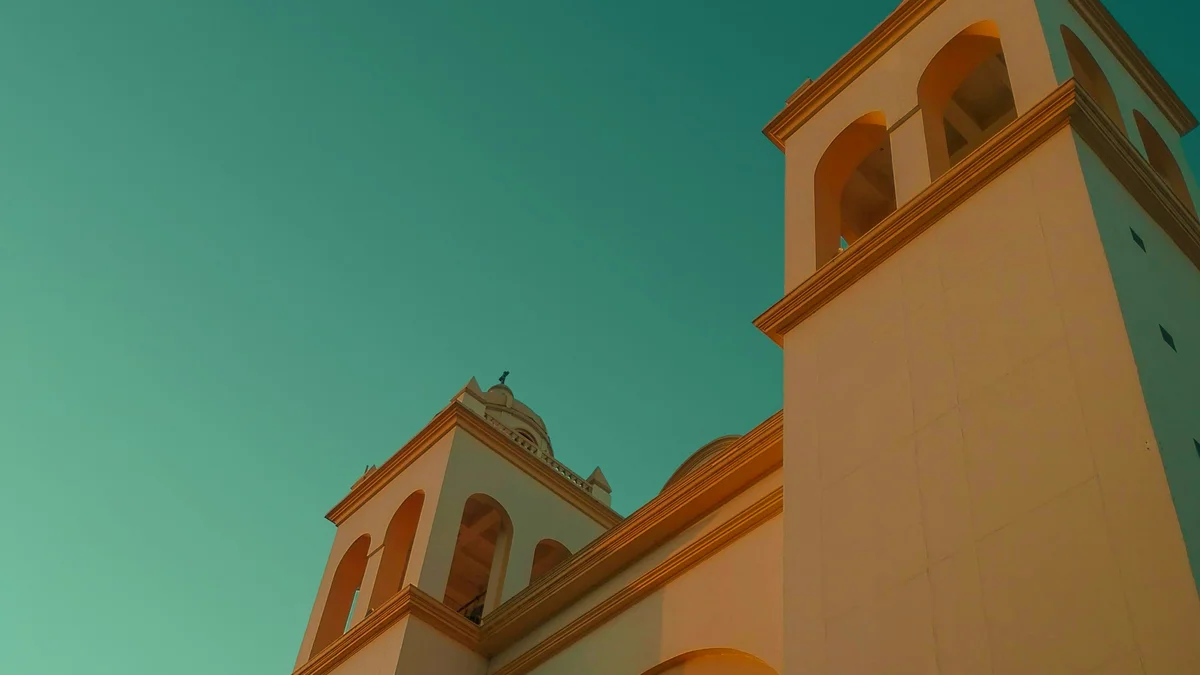
A private walking tour of San Salvador's historic squares and markets with a local, street-smart guide, covering the city's civil war history, the crypt of Archbishop Óscar Romero, the National Library, and the capital's real transformation from one of the world's most dangerous cities to one of its safest.
Private tours in San Salvador are matched to your party size — here's the fleet we draw from for this region.
| Vehicle | Model | Capacity | Best For |
|---|---|---|---|
| Private Car / SUV | Toyota 4Runner or Ford Explorer, 4x4 | Up to 5 guests | A comfortable 4x4 for couples, small families, or solo travelers, suited to both highway transfers and the mountain roads around the Ruta de las Flores and Santa Ana Volcano. |
| Passenger Van | Toyota Hiace, air-conditioned | Up to 12 guests | A spacious, air-conditioned van for larger families or groups moving between San Salvador, the western highlands, and the Pacific coast. |
| Mini-Coach | Mercedes-Benz Sprinter mini-coach | Up to 25 guests | A mini-coach for larger groups traveling together across El Salvador's multi-day routes. |
Popular stops our guides build into San Salvador itineraries — tap any attraction to learn more.
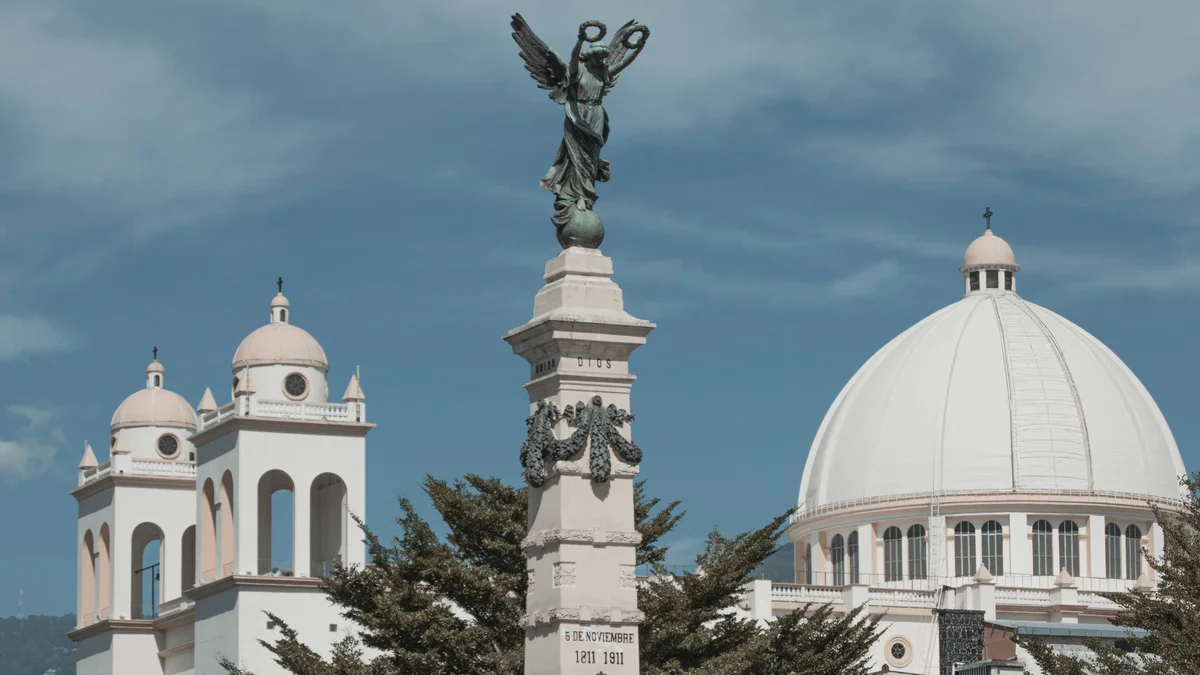 Metropolitan Cathedral of San Salvador
San Salvador
The neo-Gothic cathedral on Plaza Barrios in San Salvador's historic center, seat of the Archdiocese of San Salvador. Its lower-level crypt holds the tomb of Archbishop Óscar Romero, assassinated while celebrating Mass in 1980 and canonized a saint by the Catholic Church in 2018 — his tomb remains one of the most visited sites in the country.
3
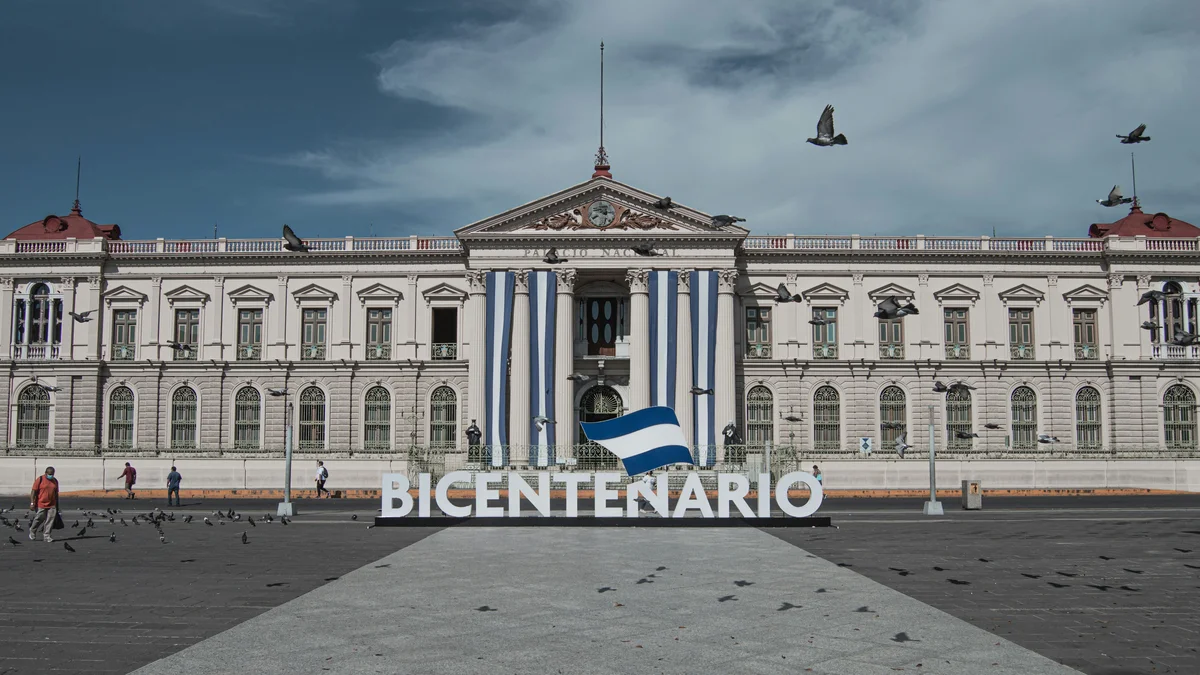 National Palace (Palacio Nacional)
San Salvador
El Salvador's grand neoclassical former seat of government in downtown San Salvador, completed in 1911. The palace witnessed pivotal moments in the country's political history and today is open to the public as a museum, its interior courtyards and period rooms restored to their early-20th-century appearance.
4
Museo Nacional de Antropología David J. Guzmán (MUNA)
San Salvador
El Salvador's national anthropology museum in San Salvador, home to the country's leading collection of pre-Columbian artifacts, including finds excavated from the Joya de Cerén and San Andrés archaeological sites elsewhere in the country. It offers a broader, capital-based introduction to Salvadoran history for travelers who won't be visiting the rural sites themselves.
5
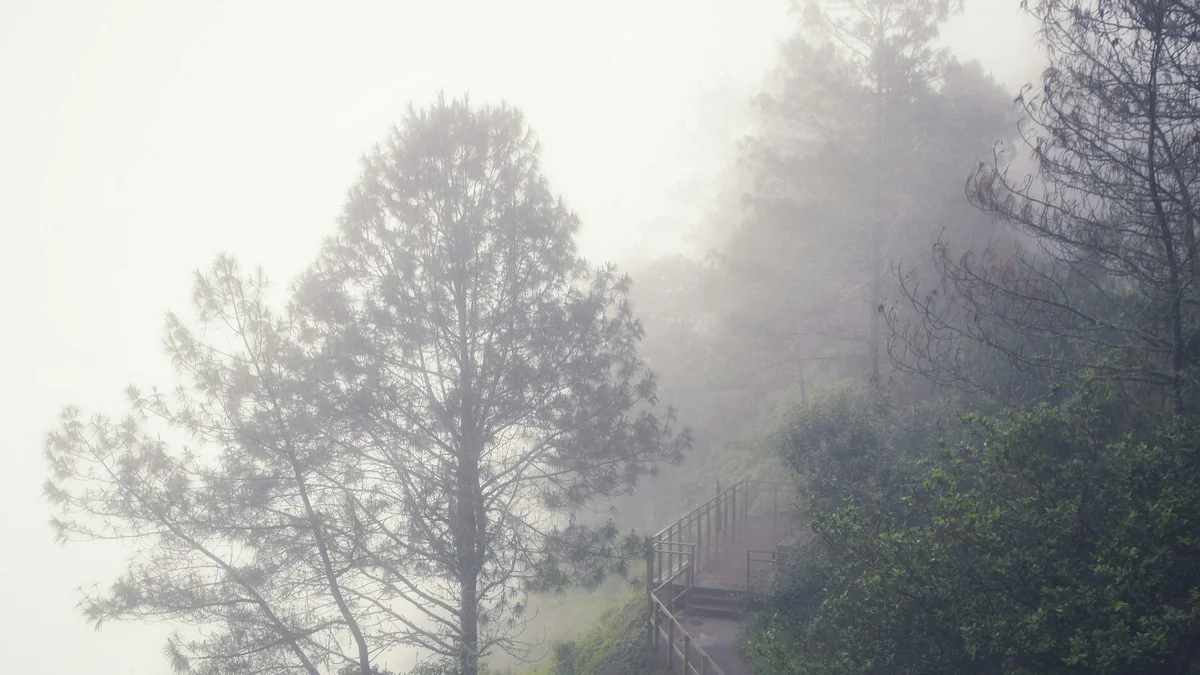 El Boquerón National Park
San Salvador
The crater of San Salvador Volcano (Volcán Quezaltepec), a national park perched directly above the capital. The main crater is about 558 meters (1,831 feet) deep, with published widths ranging from about 1.5 to 5 kilometers, and a smaller cinder cone formed inside it in the 1917 eruption, with walking trails along its forested rim and views back down over the city.
The dry season (November through April) offers the clearest skies for sunset viewpoints and volcano views. The green season (May through October) brings lush landscapes and fewer crowds, with afternoon rain the main trade-off.
San Salvador's downtown mixes major landmarks with everyday city life, and street layouts aren't always intuitive for first-time visitors. A private guide and driver removes the navigation guesswork and adds real historical context you won't get walking it alone.
San Salvador's violent crime rate has dropped sharply since 2019, and the historic center is now a realistic place for visitors to explore. A private guide and driver is still the more comfortable, efficient way to see the city's landmarks without navigation guesswork.
Óscar Romero's tomb in the Metropolitan Cathedral draws visitors from across the region, not just tourists — dress and behave respectfully, as you would at any active religious site.
El Salvador's national dish, thick corn tortillas stuffed with cheese, beans, or pork, is sold everywhere in San Salvador and is worth trying at a local spot rather than only at a tourist-facing restaurant.
Monseñor Óscar Arnulfo Romero International Airport sits roughly 40 minutes south of San Salvador, near the coast — factor this into arrival and departure timing.
San Salvador is Central America's most densely built capital, packed into a valley ringed by volcanoes — the San Salvador Volcano and its El Boquerón crater rise directly above the city itself. A long history of earthquakes has meant the capital was rebuilt more than once, so its historic center mixes surviving neoclassical and colonial-era landmarks — the National Palace, the Metropolitan Cathedral, Plaza Barrios — with striking mid-century architecture like the Brutalist, stained-glass-walled Iglesia El Rosario.
The capital's more recent history is impossible to separate from its present: San Salvador lived through the Salvadoran Civil War (1979–1992) and, in the decades after, a period of gang violence that once made it one of the most dangerous cities in the world. Since 2019, a sharp, well-documented drop in violent crime has reopened the historic center to visitors, and today's San Salvador is a city actively rediscovering its own downtown.
Voyzo's multi-day El Salvador routes already cover a brief capital stop paired with a San Salvador Volcano hike, plus the country's rural highlights further afield. These San Salvador-specific private tours go deeper into the capital itself — a dedicated historic-center walk, a sunset viewpoint above the city, and a plain-spoken history walk covering Archbishop Romero's legacy and the city's own transformation.
Tell us your group size and dates — we'll take care of the rest.
