TorontoOntario · 36 tours
 Niagara FallsOntario · 25 tours
 New York CityNew York · 30 tours
 Las VegasNevada · 8 tours
 San FranciscoCalifornia · 16 tours
 VancouverBritish Columbia · 17 tours
 DubaiUAE · 54 tours
 Abu DhabiUAE · 5 tours
 Buenos AiresArgentina · 23 tours
 AthensGreece · 31 tours
 AucklandNew Zealand · 38 tours
 CancunMexico · 54 tours
No destinations match “”. Try searching all tours instead — that search understands full questions, not just place names.
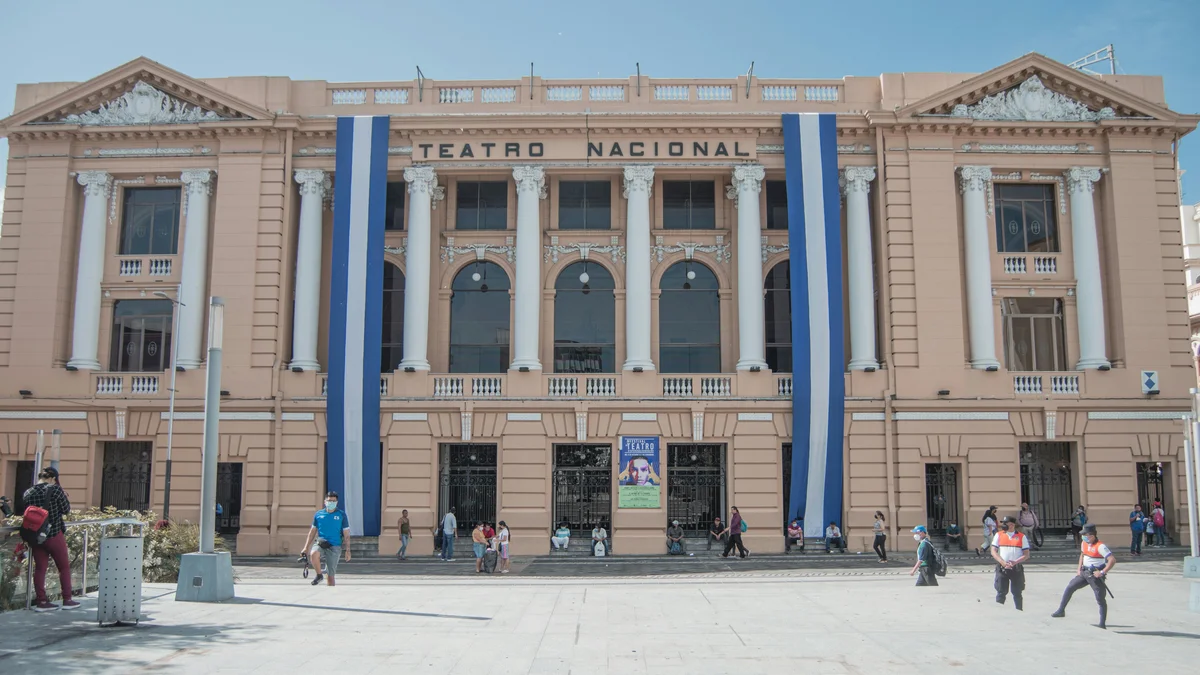
El Salvador's national anthropology museum in San Salvador, home to the country's leading collection of pre-Columbian artifacts, including finds excavated from the Joya de Cerén and San Andrés archaeological sites elsewhere in the country. It offers a broader, capital-based introduction to Salvadoran history for travelers who won't be visiting the rural sites themselves.
Visitor guide
The Museo Nacional de Antropología Dr. David J. Guzmán, known as MUNA, is El Salvador's national anthropology museum in San Salvador. Its displays trace the region's history from the pre-Hispanic era to the present day. It is administered by the country's Ministry of Culture and serves as a capital-based introduction to Salvadoran heritage.
According to Ministry of Culture coverage, the museum was founded on 9 October 1883 by an executive decree issued earlier that year, under the name Museo Nacional de El Salvador. Its first headquarters was in the old building of the Universidad Nacional, and it has moved and been transformed many times since. It is named for David Joaquín Guzmán, who lived from 1843 to 1927 and is described as a polymath and museum curator who was its first director. Accounts differ slightly on who deserves credit for creating it, with one source describing it as a product of cooperation between President Rafael Zaldívar and Guzmán.
The present MUNA building was inaugurated in 2001, following the damage caused by the 1986 earthquake. It stands on Avenida La Revolución in San Salvador. Sources describe several permanent exhibition halls plus space for temporary displays and showcases for artists; counts differ between sources, with one describing five halls and a more recent article describing six, so the layout may have changed over time.
The museum covers the long story of what is now El Salvador, from early peoples and the Maya world through colonial and modern times. Among the pieces mentioned in visitor-oriented descriptions are a ceramic Little Dog with Wheels from Cihuatán, discovered in the 1950s and dated to the Postclassic period, and a figure of Xipe Totec, a deity associated with agriculture and renewal. The Xipe Totec detail comes from a tourism listing and is less authoritative than museum sources.
Items from sites explored elsewhere in the country also connect with the museum. A chacmool sculpture recovered at Tazumal in Chalchuapa is held in the national anthropology museum in San Salvador, according to Wikipedia's article on that site. The collection continues to grow: in 2025 four archaeological pieces dating from about 100 to 1,000 CE were recovered from the United States, and officials said they are now part of the museum's holdings, to be studied and eventually exhibited.
The Ministry of Culture describes the museum's mission as encouraging Salvadorans to engage with their cultural identity and diversity through permanent, travelling and temporary exhibitions, together with educational programmes and research. For visitors, it works well as background before heading to archaeological sites such as Joya de Cerén, Tazumal and San Andrés.
A private guided tour can place the objects in a regional framework, explaining how the region's peoples shaped Salvadoran history. Visitors who plan to see rural sites later in a trip often find it useful to start here, since the museum offers the broader chronology that site visits assume.
See every tour and attraction we cover in San Salvador.