TorontoOntario · 36 tours
 Niagara FallsOntario · 25 tours
 New York CityNew York · 30 tours
 Las VegasNevada · 8 tours
 San FranciscoCalifornia · 16 tours
 VancouverBritish Columbia · 17 tours
 DubaiUAE · 54 tours
 Abu DhabiUAE · 5 tours
 Buenos AiresArgentina · 23 tours
 AthensGreece · 31 tours
 AucklandNew Zealand · 38 tours
 CancunMexico · 54 tours
No destinations match “”. Try searching all tours instead — that search understands full questions, not just place names.
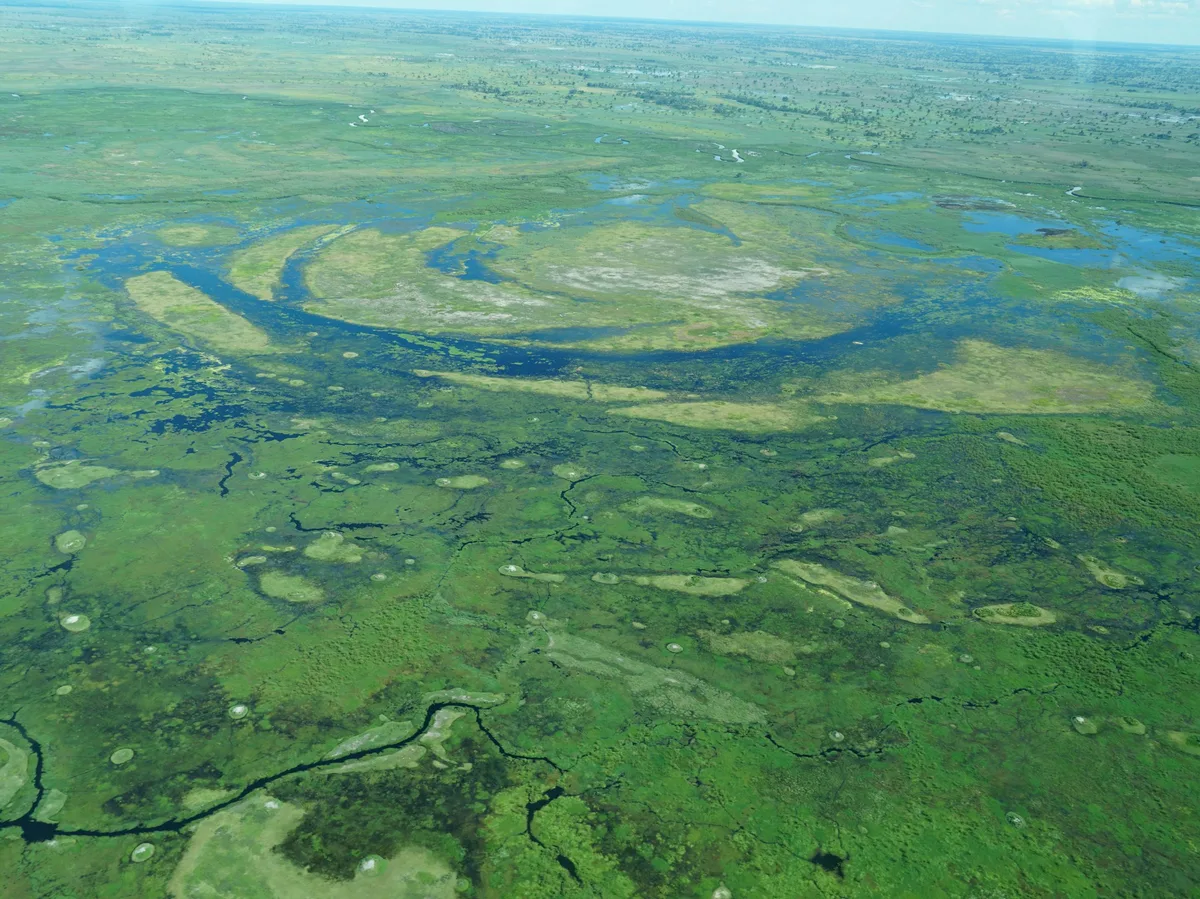
A vast inland delta where the Okavango River fans out into a maze of lagoons, channels, and islands instead of reaching the sea — a UNESCO World Heritage Site and one of Africa's premier destinations for mokoro canoe trips and boat-based game viewing.
 Multi-Day Tours Popular Pick
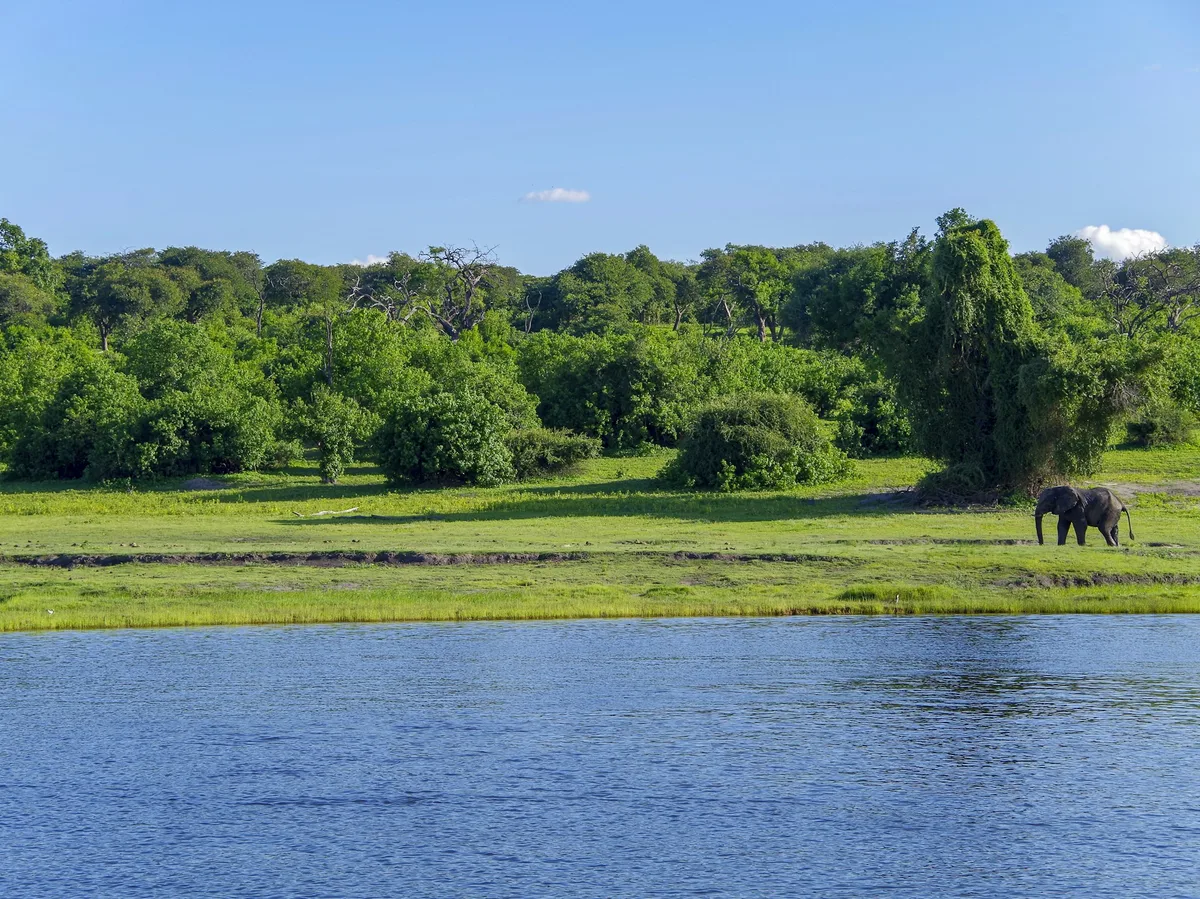
A nine-night circuit through three of Botswana's premier wildlife regions — Moremi Game Reserve, the Okavango Delta, and the Savuti area of Chobe National Park — moving by light aircraft between lodges for twice-daily game drives, boating, and mokoro excursions.
 Multi-Day Tours
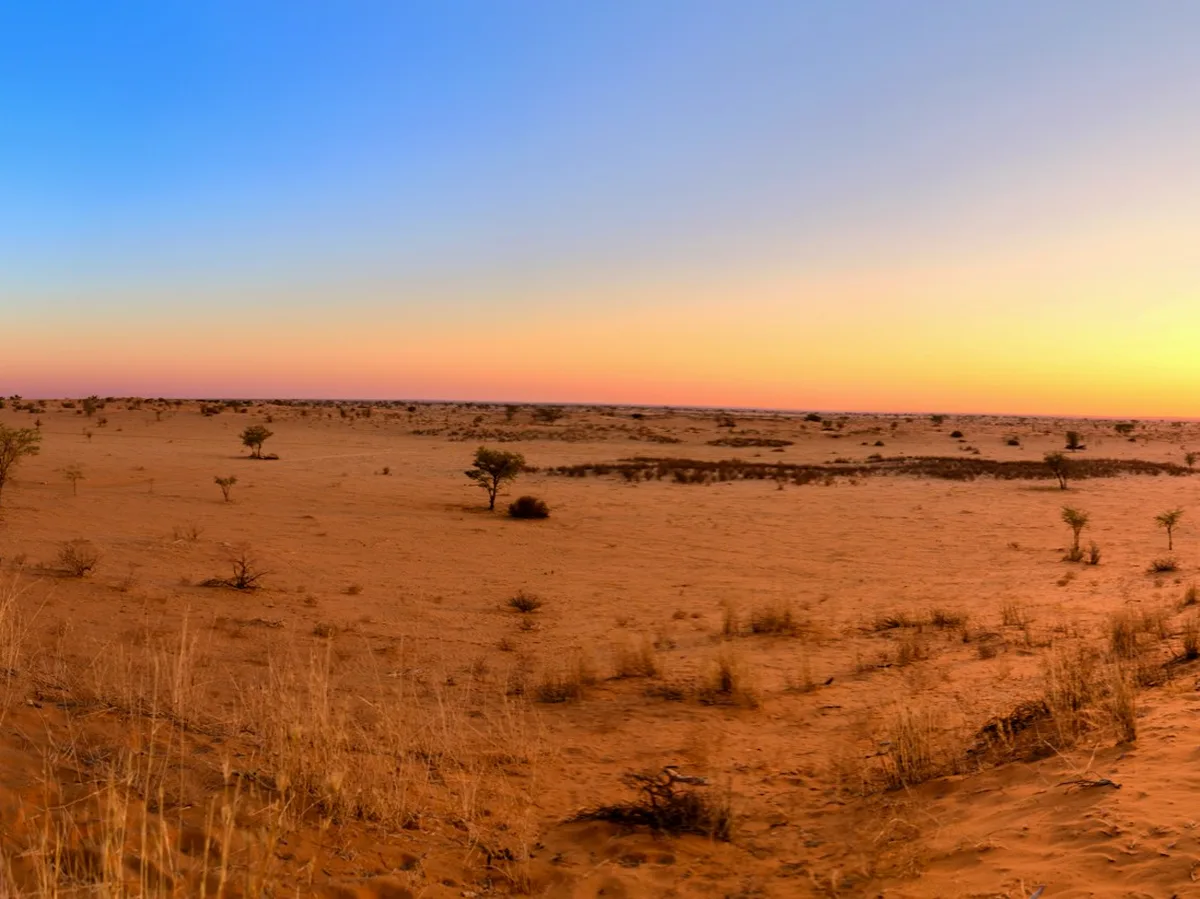
A nine-night journey that pairs the stark beauty of the Central Kalahari with the lush waterways of the Okavango Delta, flying between three camps for game drives, a San Bushmen walking tour, boat cruises, and mokoro excursions.
 Multi-Day Tours
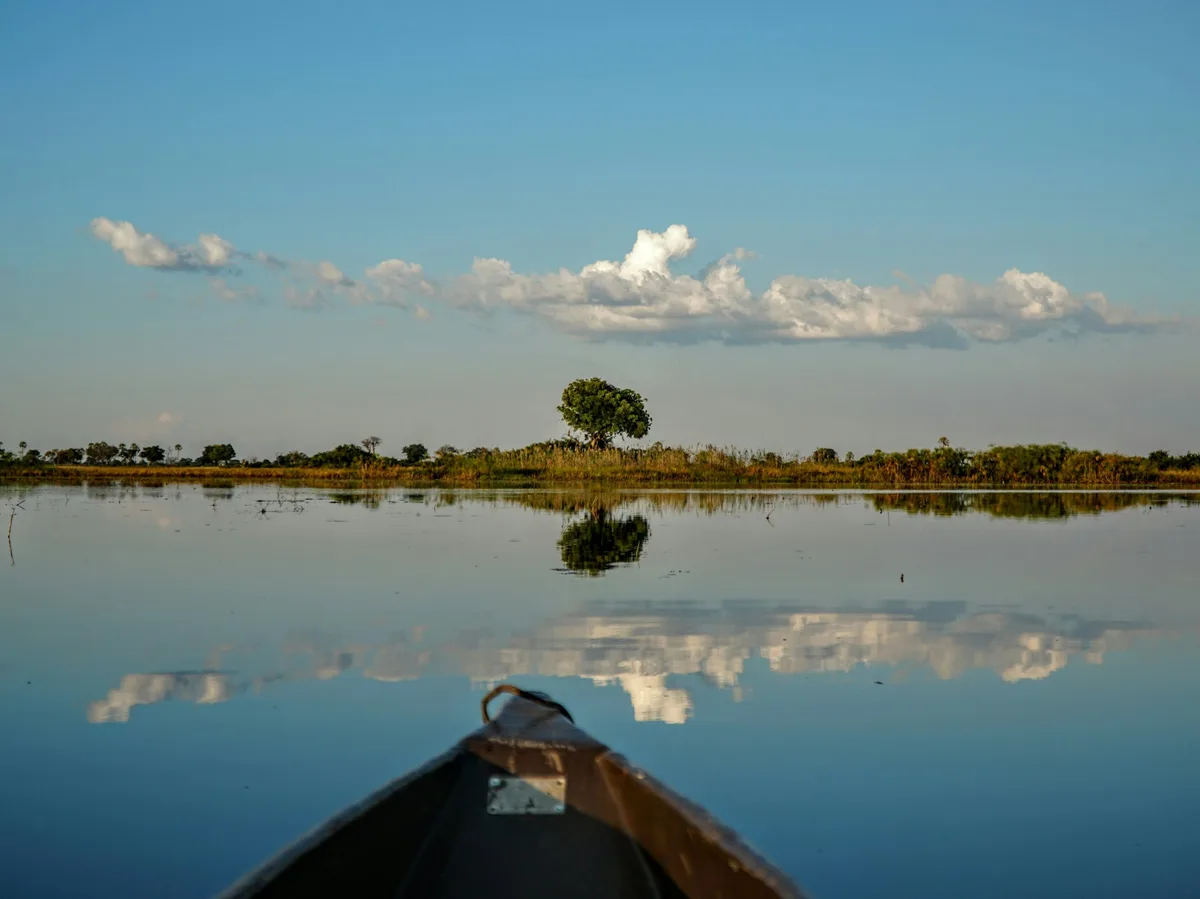
A more affordable six-night safari split between a private reserve on the northern edge of Moremi and the Okavango Panhandle, combining game drives and bush walks with boat trips, fishing, and island-hopping through the Delta's waterways.
 Multi-Day Tours
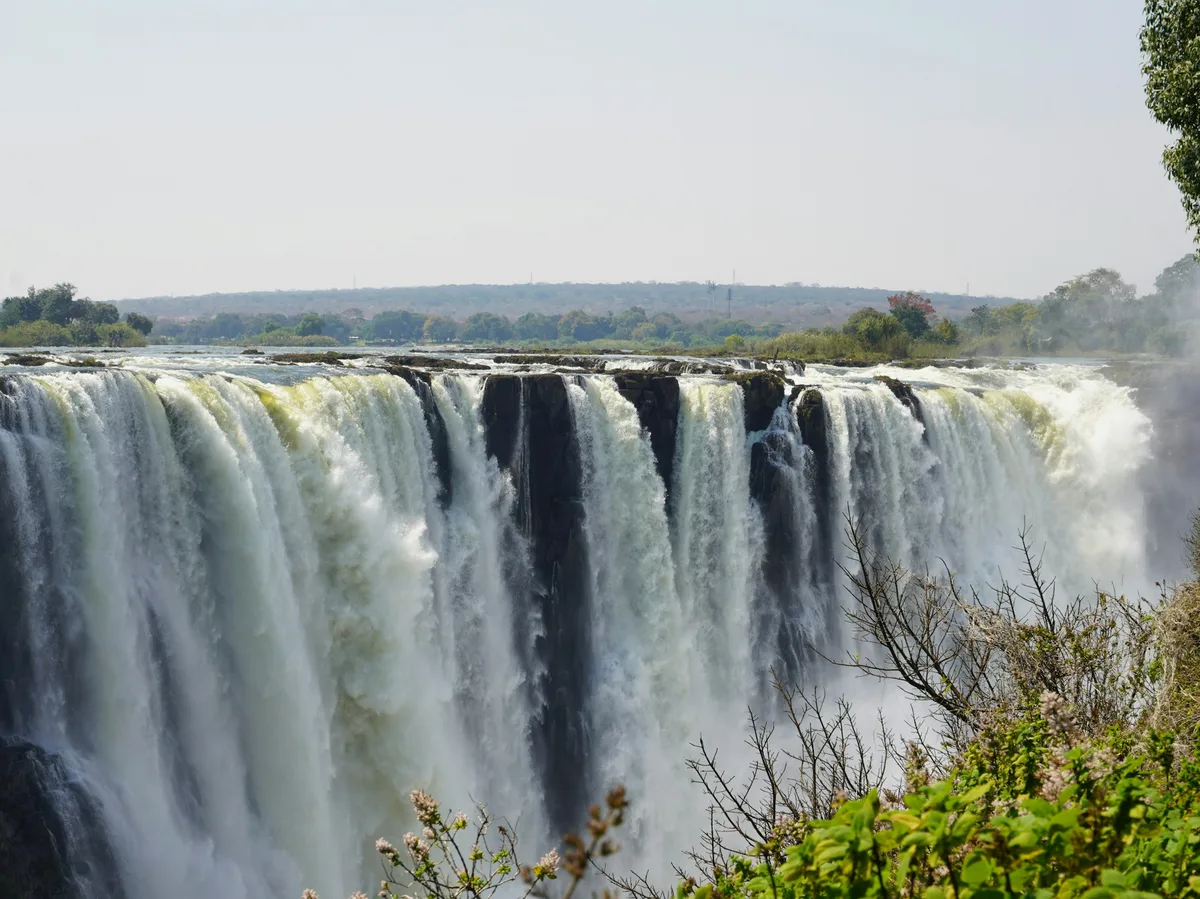
An eleven-night journey that opens with two nights at Victoria Falls before crossing into Botswana for game drives and boat cruises in Chobe National Park, a fly-in stay in the Okavango Delta, and a final safari stretch in Moremi Game Reserve.
Visitor guide
The Okavango Delta is a vast inland delta in northwestern Botswana, where the Okavango River spreads across a tectonic trough in the Kalahari basin instead of reaching the sea. It is a UNESCO World Heritage Site and a Ramsar wetland, known for lagoons, channels, islands and rich wildlife.
According to Wikipedia, floodwater from the Angolan highlands arrives in the summer rains and spreads across the delta between March and June. Flooding peaks from June to August, when the delta grows to about three times its permanent size. Nearly all the water is lost to evaporation and transpiration, so the river never reaches an ocean. The terrain is extremely flat, with less than two metres of height variation across roughly 15,000 square kilometres, and the area receives only about 450 millimetres of rain a year. The result is a green wetland inside an arid landscape, with its high season for water arriving during the dry months.
The delta contains permanent swamps, seasonal floodplains, lagoons and thousands of islands. Many of the islands began as termite mounds, and Chief's Island is the largest. Wikipedia records about 1,068 plant species. Residual moisture left after floods supports crops and fodder in areas known as molapos. Local people travel and fish the channels by mokoro, a traditional dugout canoe that is now often made of fibreglass and poled through shallow water.
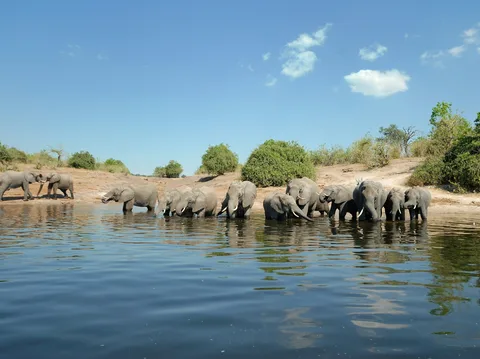
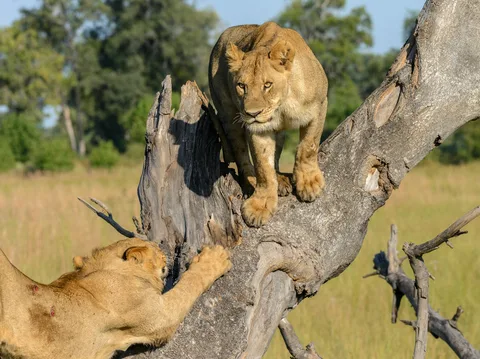
All of the Big Five are present in the delta region. The red lechwe is the most abundant large mammal, and more than 400 bird species have been recorded, along with 71 species of fish. The adjacent Moremi Game Reserve occupies the eastern side of the delta, and much of that reserve lies within the wetland itself. Wildlife concentrations change with the flood: animals gather on the islands and along permanent water as the dry season advances, and the water level shapes where visitors can travel by boat, mokoro or vehicle.
The delta was designated a Ramsar wetland of international importance in 1996 and inscribed as a UNESCO World Heritage Site in 2014. Five ethnic groups live in the delta, and the Batawana have held political control since the late eighteenth century. Maun is the main gateway town. Botswana promotes a low-volume, high-cost tourism model, which is why many camps in the delta are small and spread out.
Wikipedia lists several pressures on the delta, including oil exploration, a proposed hydropower station in Namibia, water extraction upstream in Angola and Namibia, climate change reducing floodplains, and poaching. The delta depends on water that originates far outside Botswana, so decisions made upstream matter for its future.
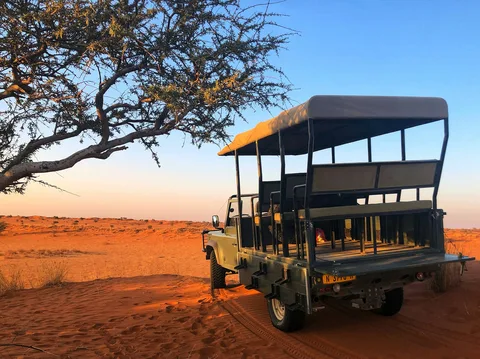
Access to many parts of the delta is by light aircraft, boat or four-wheel-drive track, and conditions change with the seasons and water level. A private guided approach through a licensed operator fits the area's logistics, and a private vehicle and driver can handle road transfers to and from Maun. Best viewing conditions depend on the timing of the flood, which usually arrives after the rains in Angola rather than during the local wet season.
See every tour and attraction we cover in Botswana.