TorontoOntario · 36 tours
 Niagara FallsOntario · 25 tours
 New York CityNew York · 30 tours
 Las VegasNevada · 8 tours
 San FranciscoCalifornia · 16 tours
 VancouverBritish Columbia · 17 tours
 DubaiUAE · 54 tours
 Abu DhabiUAE · 5 tours
 Buenos AiresArgentina · 23 tours
 AthensGreece · 31 tours
 AucklandNew Zealand · 38 tours
 CancunMexico · 54 tours
No destinations match “”. Try searching all tours instead — that search understands full questions, not just place names.
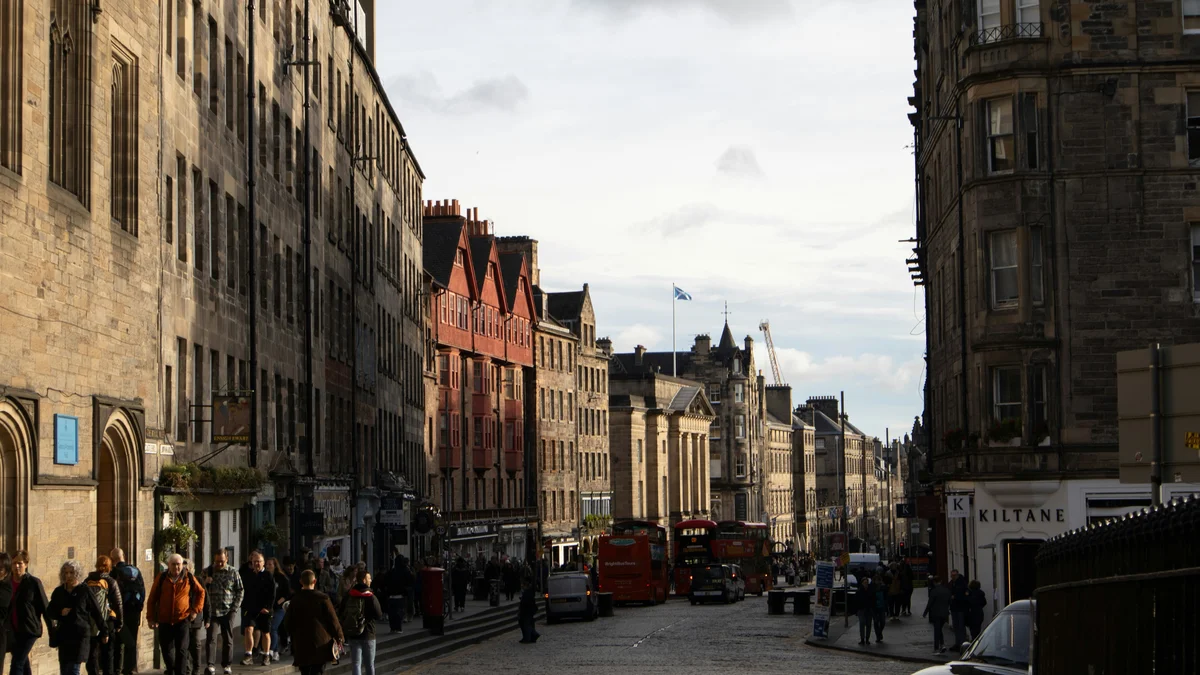
The Royal Mile is Edinburgh's real historic spine, running roughly one mile from Edinburgh Castle down to the Palace of Holyroodhouse through the heart of the Old Town. Along the way it passes through genuine medieval closes and wynds, narrow alleyways branching off the main street that once housed the city's poorest residents in cramped tenements. Today the street is lined with shops, pubs, and historic landmarks including St Giles' Cathedral, making it the natural walking route through the old city.
Visitor guide
The Royal Mile is a succession of streets forming the main thoroughfare of Edinburgh's Old Town in Scotland, running between Edinburgh Castle and the Palace of Holyroodhouse. It is almost exactly a mile long and is one of the busiest streets in the city for visitors, lined with historic buildings, closes and attractions.
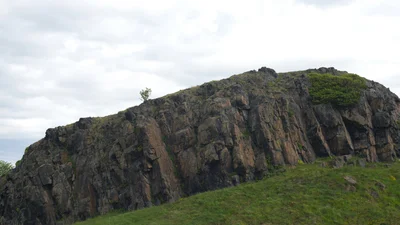
The Royal Mile follows a ridge formed when glaciers deposited debris behind the volcanic plug of Castle Rock, a landform called a crag and tail. Wikipedia gives its length as about 1.43 kilometres, and it falls from around 109 metres at the castle to 42 metres at the palace. Steep alleys called closes run between tall tenements known as lands. The name Royal Mile dates from the early twentieth century.
The Royal Mile is made up of Castlehill, Lawnmarket, High Street, Canongate and Abbey Strand. Castlehill is probably the earliest developed part of the Old Town and is home to Cannonball House, the Scotch Whisky Experience and the Outlook Tower with its Camera Obscura. Lawnmarket takes its name from a 1477 charter making it a market for inland merchandise; Gladstone's Land, a seventeenth-century townhouse, stands here, as does the High Court of Justiciary.
The High Street holds Parliament Square, named for Parliament House, which housed the old Parliament of Scotland and the law courts from the 1630s to 1707, and St Giles' Cathedral, the High Kirk of Edinburgh. The Heart of Midlothian, a heart-shaped pattern in the road, marks the site of the Old Tolbooth prison. The Mercat Cross, where royal proclamations were read, and the City Chambers are nearby.
Further down are John Knox House and the Scottish Storytelling Centre, which opened in 2006. Canongate is named for the canons of Holyrood Abbey, who used the route, and was a separate burgh until 1856. It includes the Canongate Kirk, the Canongate Tolbooth and the modern Scottish Parliament Building. Abbey Strand is the short final stretch leading to Holyrood Palace.
Wikipedia records royal pageantry along the street, including entries staged in 1561 for Mary, Queen of Scots, in 1579 for James VI and in 1590 for Anne of Denmark. After the Great Edinburgh Fire of 1824 the south side of the High Street from St Giles' to the Tron Kirk was rebuilt in Georgian style.
During the Edinburgh Fringe the street fills with performers, and the Edinburgh Military Tattoo is held on the Castle Esplanade at the top. The Old Town is part of the Old and New Towns of Edinburgh World Heritage Site, though the Wikipedia article on the street does not detail this.
A private guided walk starting at the castle and walking downhill suits the route, with a driver meeting you at Holyrood.
See every tour and attraction we cover in Edinburgh.