TorontoOntario · 36 tours
 Niagara FallsOntario · 25 tours
 New York CityNew York · 30 tours
 Las VegasNevada · 8 tours
 San FranciscoCalifornia · 16 tours
 VancouverBritish Columbia · 17 tours
 DubaiUAE · 54 tours
 Abu DhabiUAE · 5 tours
 Buenos AiresArgentina · 23 tours
 AthensGreece · 31 tours
 AucklandNew Zealand · 38 tours
 CancunMexico · 54 tours
No destinations match “”. Try searching all tours instead — that search understands full questions, not just place names.
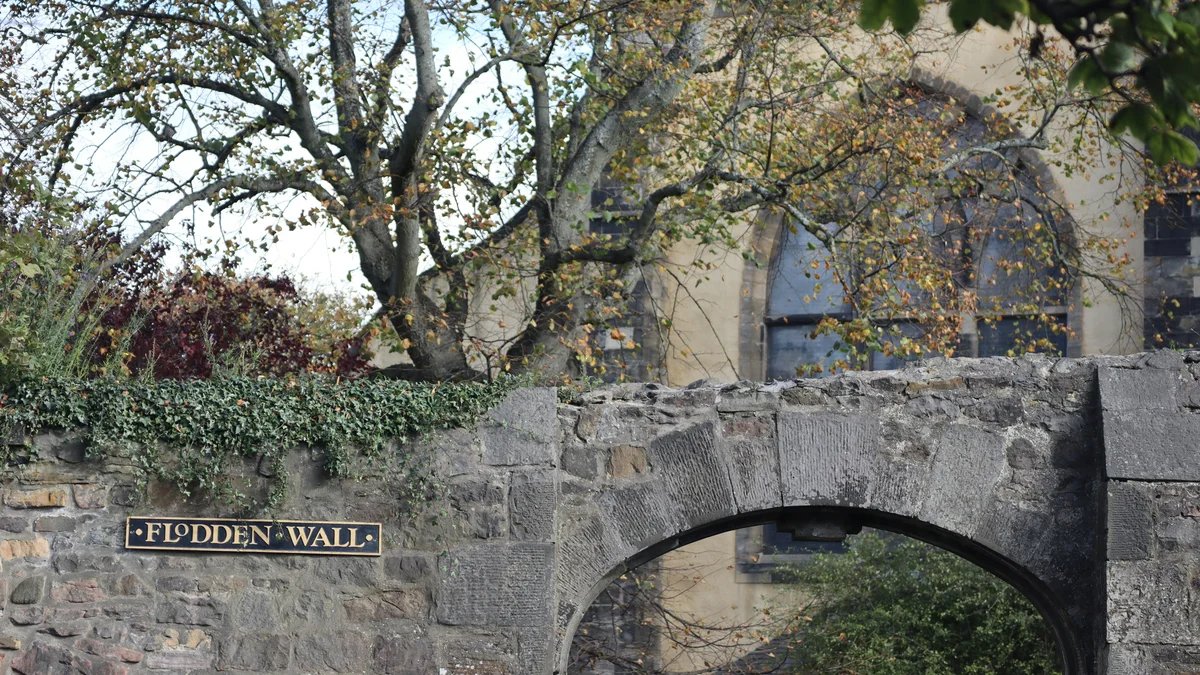
Greyfriars Kirkyard is a real historic graveyard surrounding Greyfriars Kirk, established in 1561 as Edinburgh's first post-Reformation burial ground. It's genuinely tied to ghost stories, most notably tales of the 'Mackenzie Poltergeist' linked to the tomb of Sir George Mackenzie, and to the legend of Greyfriars Bobby, the loyal terrier said to have guarded his owner's grave for years. J.K. Rowling is known to have walked here while writing in nearby cafes, and several real headstones bear names later used in the Harry Potter books.
Visitor guide
Greyfriars Kirkyard is the historic graveyard around Greyfriars Kirk, at the southern edge of Edinburgh's Old Town in Scotland, next to George Heriot's School. It is a Category A listed site that is linked to the Covenanters, to a long list of notable Scots and to the story of Greyfriars Bobby.
The name comes from a Franciscan friary on the site whose friars wore grey habits; the friary was dissolved in 1560. In April 1561 Edinburgh's burgh council resolved that burials should move out of the St Giles' churchyard to a site farther from the town centre, citing a lack of room and the smell in summer. The kirkyard was established in 1561 to 1562 with royal sanction.
The National Covenant, a pledge against religious changes imposed by Charles I, was signed in Greyfriars Kirk on 28 February 1638. After the Battle of Bothwell Brig in 1679, around 1,200 prisoners were brought to Edinburgh, and, according to the site's memorial plaque, over one thousand were held in a makeshift prison in a field south of the kirkyard, enclosed by the Flodden Wall, George Heriot's School wall and a patrolled picket fence. The area became known as the Covenanters' Prison. The Martyrs' Monument commemorates executed Covenanters.
The graveyard has early seventeenth-century mural monuments with mortality symbols, enclosed burial lairs with railings, and two iron mortsafes, low cages used to protect bodies from resurrection men who supplied anatomy schools. The Mackenzie mausoleum was designed by James Smith and modelled on Bramante's Tempietto.
Notable burials include the historian George Buchanan, the goldsmith George Heriot, the physician Joseph Black, the geologist James Hutton, the poet Allan Ramsay, the poet William McGonagall and Captain John Porteous, whose lynching gave the Porteous Riots their name. The poet Duncan Ban MacIntyre has a memorial. In the 1840s the photographers David Octavius Hill and Robert Adamson used the kirkyard as a setting for early portraits.
The kirkyard is associated with Greyfriars Bobby, a dog said to have guarded his master's grave. A headstone at the entrance, erected in 1981 by the Dog Aid Society, marks his reputed burial place, though the details of the story are partly legend. A statue stands opposite the gate at the junction of George IV Bridge and Candlemaker Row. The grave of the shepherd John Gray, where the dog reportedly slept for 14 years, lies on the eastern path, and its stone is modern.
Wikipedia notes that the grave of Thomas Riddell is in the kirkyard and presents him as a possible inspiration for a fictional character in the Harry Potter books. This is a possibility, not a confirmed fact. Visiting is easiest on foot in the Old Town; the Covenanters' Prison section is visited by arrangement with the kirk guides, and a private walking tour with a guide is a good way to see the whole kirkyard.
See every tour and attraction we cover in Edinburgh.