TorontoOntario · 36 tours
 Niagara FallsOntario · 25 tours
 New York CityNew York · 30 tours
 Las VegasNevada · 8 tours
 San FranciscoCalifornia · 16 tours
 VancouverBritish Columbia · 17 tours
 DubaiUAE · 54 tours
 Abu DhabiUAE · 5 tours
 Buenos AiresArgentina · 23 tours
 AthensGreece · 31 tours
 AucklandNew Zealand · 38 tours
 CancunMexico · 54 tours
No destinations match “”. Try searching all tours instead — that search understands full questions, not just place names.
Voyzo runs 100 tours across 5 destinations in Colombia, covering 29 attractions. A private tour means your own guide, driver, and vehicle and an itinerary built around your group rather than a fixed bus schedule.
 Multi-Day Tours
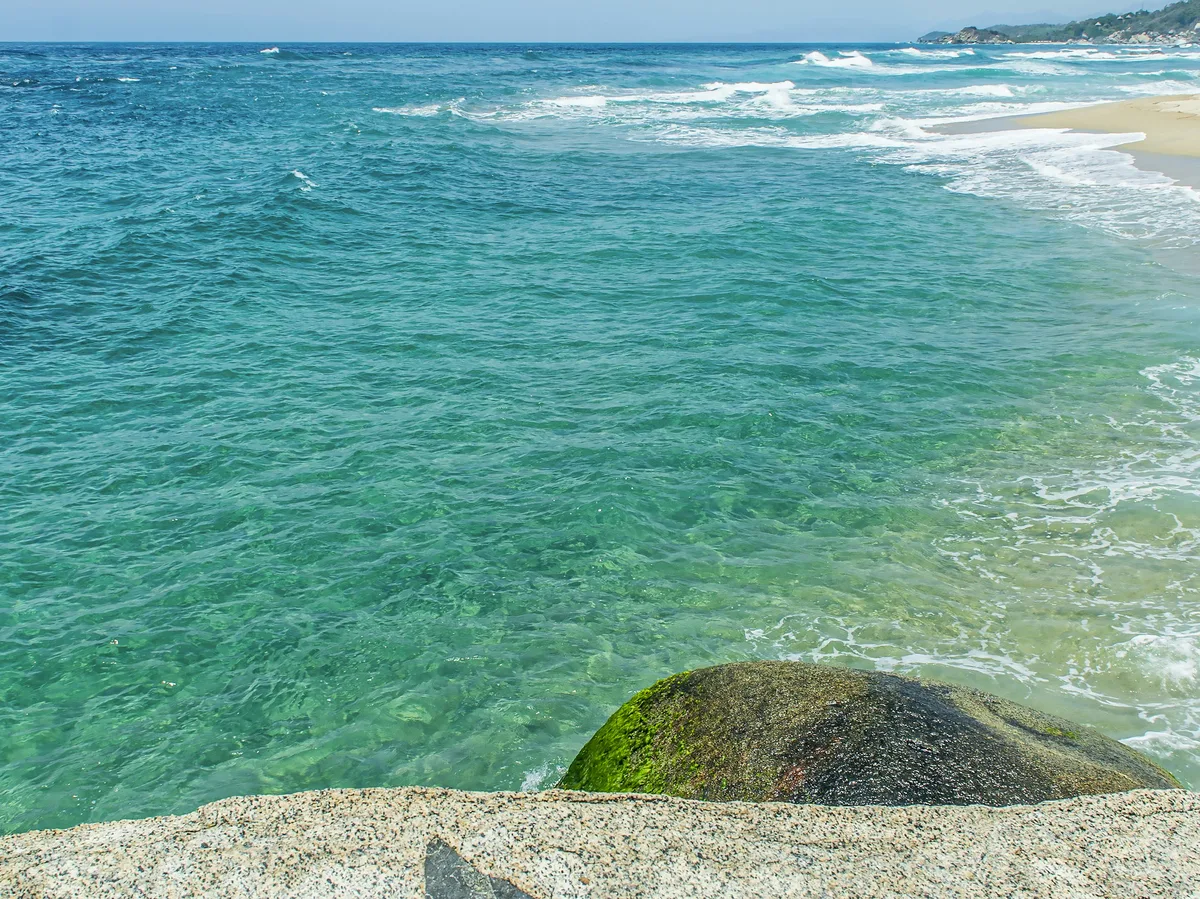
A 12-day run up Colombia's Caribbean coast, from Cartagena's Walled City through Tayrona's jungle beaches to the Wayuu desert and Punta Gallinas, the northernmost point in South America.
 Multi-Day Tours
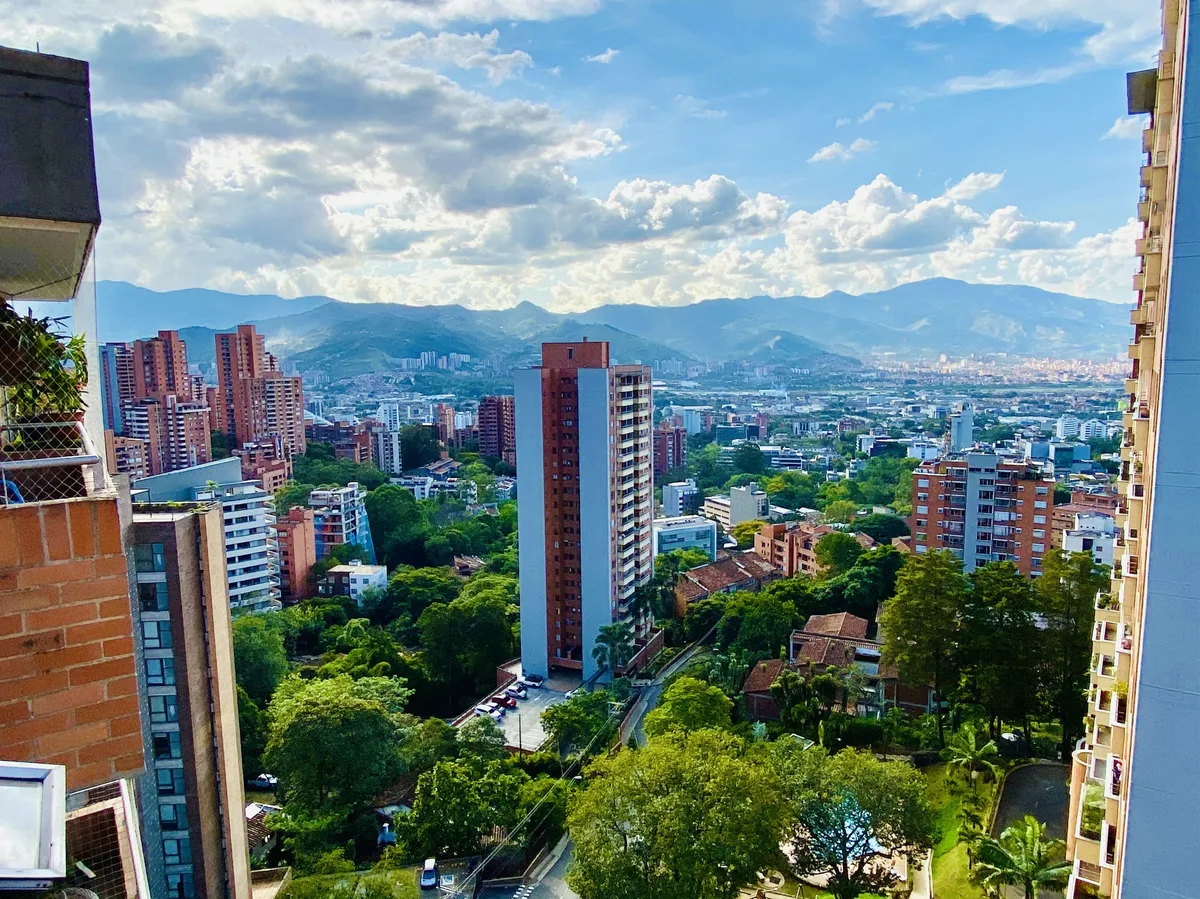
A week pairing Medellín's transformed neighborhoods and street art with the wild, little-visited Pacific coast around Nuquí — humpback whales, hot springs, and Afro-Colombian villages.
 Multi-Day Tours Popular Pick
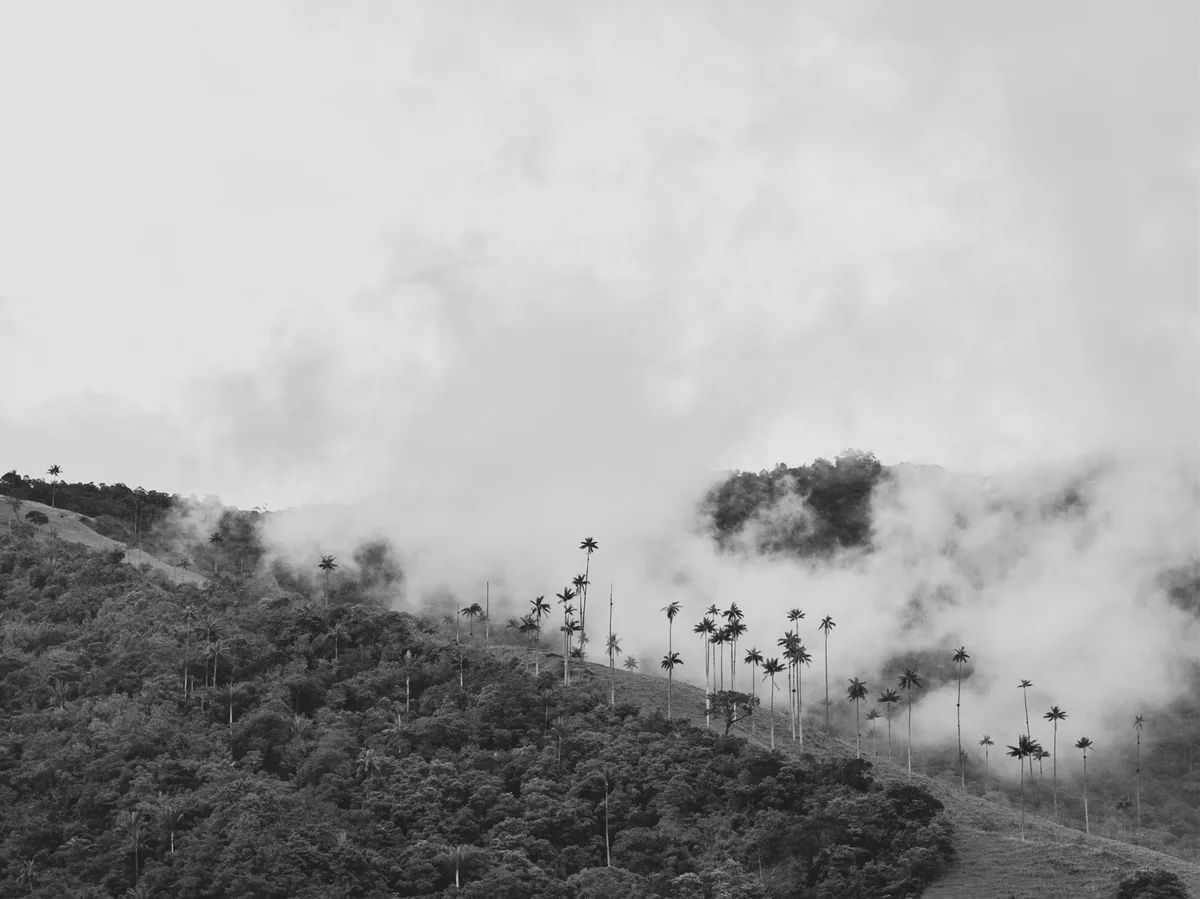
Voyzo's signature Colombia route — Bogotá, the Coffee Triangle's wax-palm valleys, Medellín's Comuna 13, and Cartagena's colonial streets, all in ten unhurried days.
 Multi-Day Tours
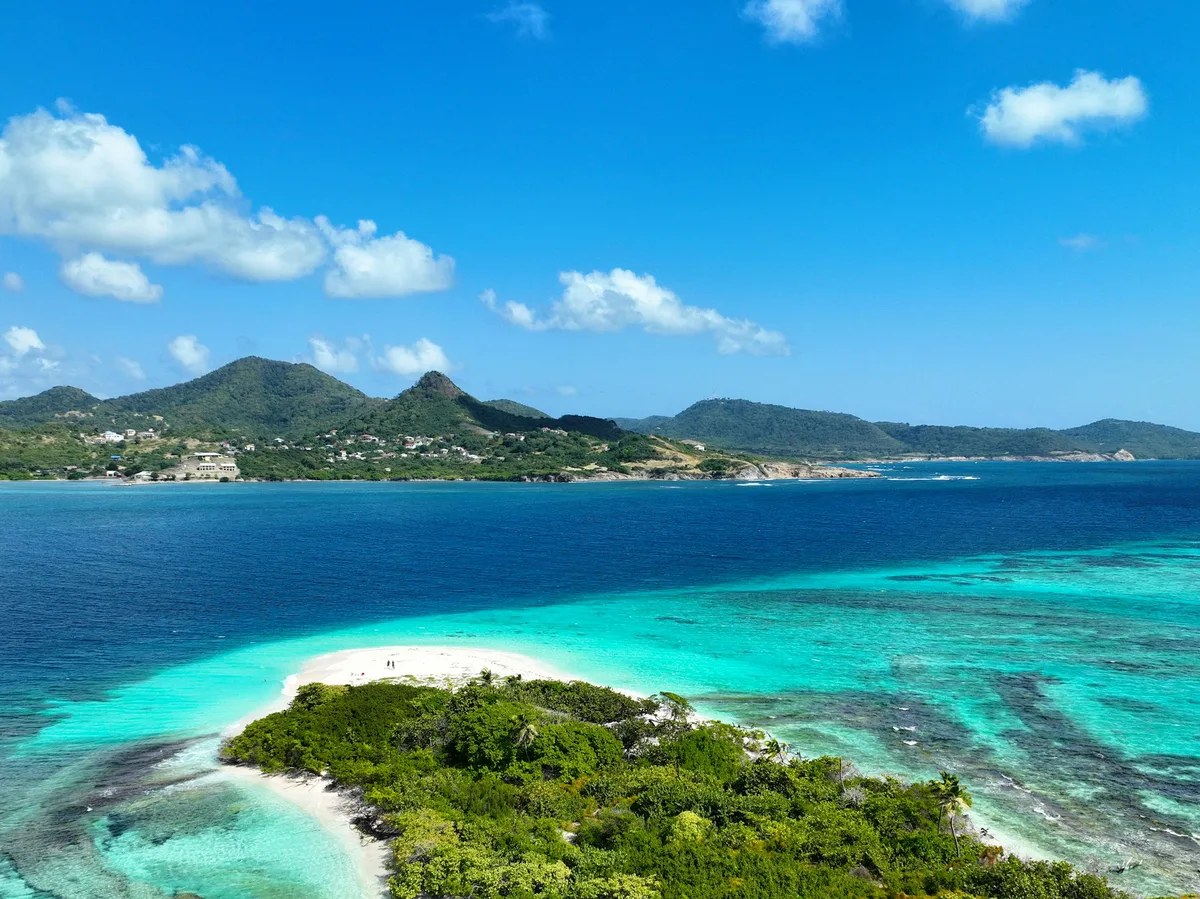
A 12-day family route from Bogotá's colonial center through the coffee region and Tayrona's jungle beaches to a private island finish on Mucurá, built around kid-friendly pacing throughout.
 Multi-Day Tours
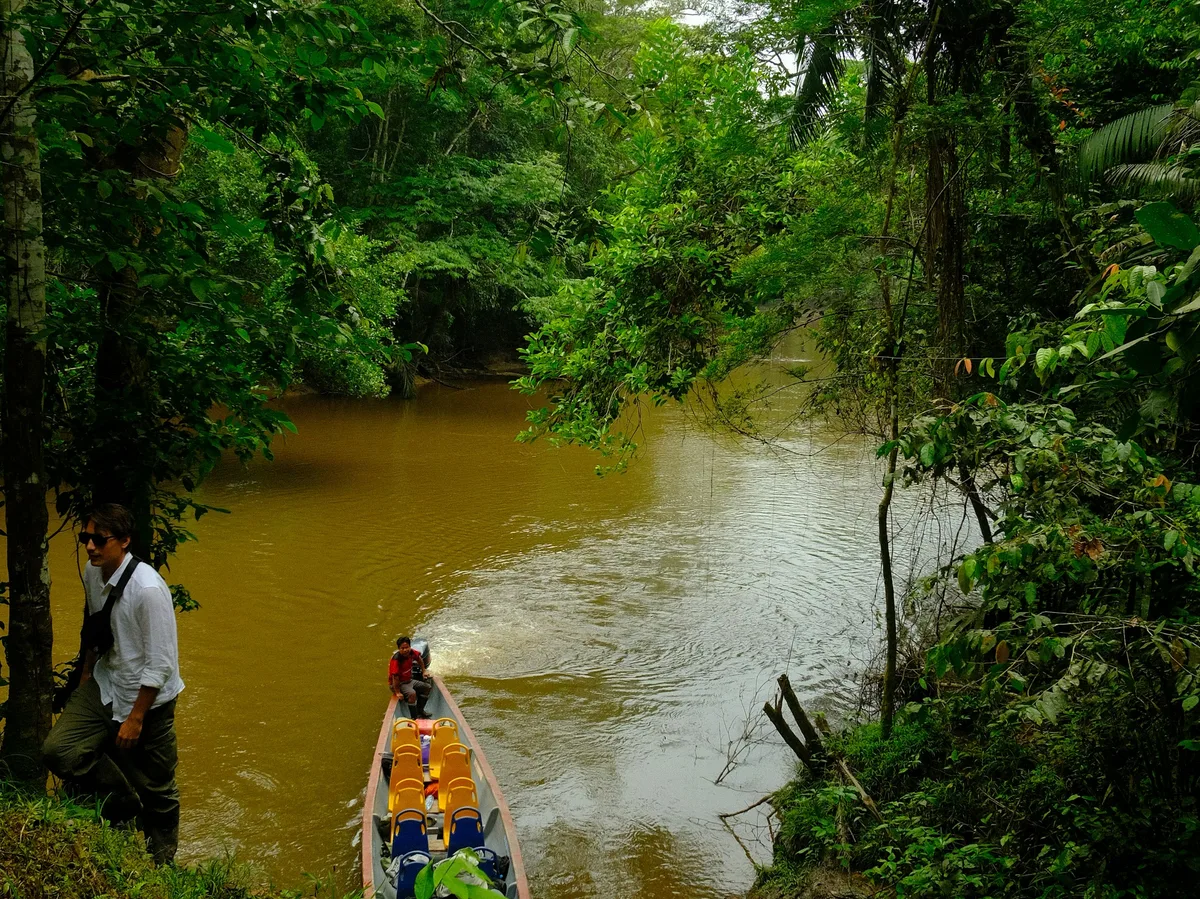
A 14-day nature circuit from Bogotá to the Amazon around Leticia, then across to Medellín and out to the wild Pacific coast at Nuquí — three of Colombia's most distinct ecosystems in one trip.
 Multi-Day Tours
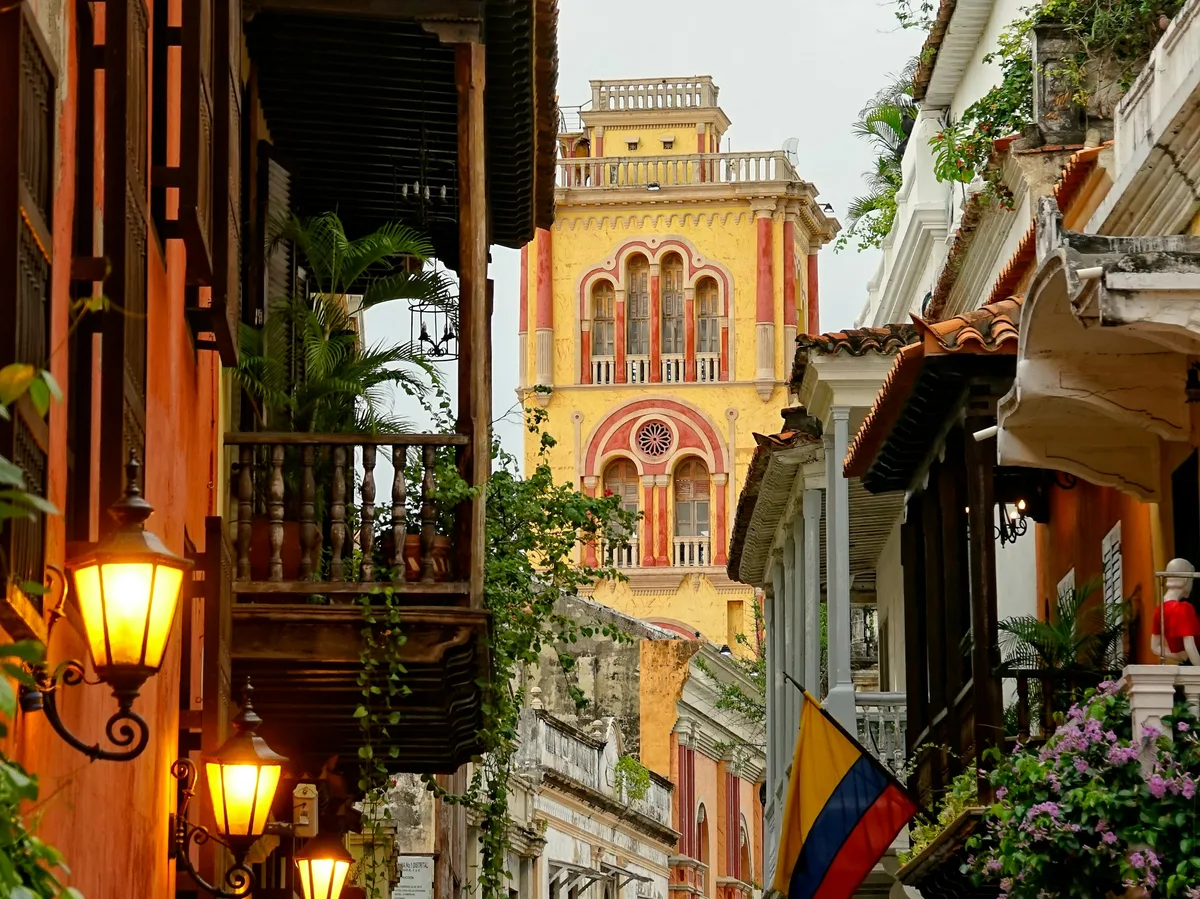
Sixteen days covering Colombia in full — Bogotá, the colonial towns of Villa de Leyva and Barichara, Medellín, the Coffee Triangle, Tayrona, and Cartagena, for travelers who want to see it all.
 Multi-Day Tours
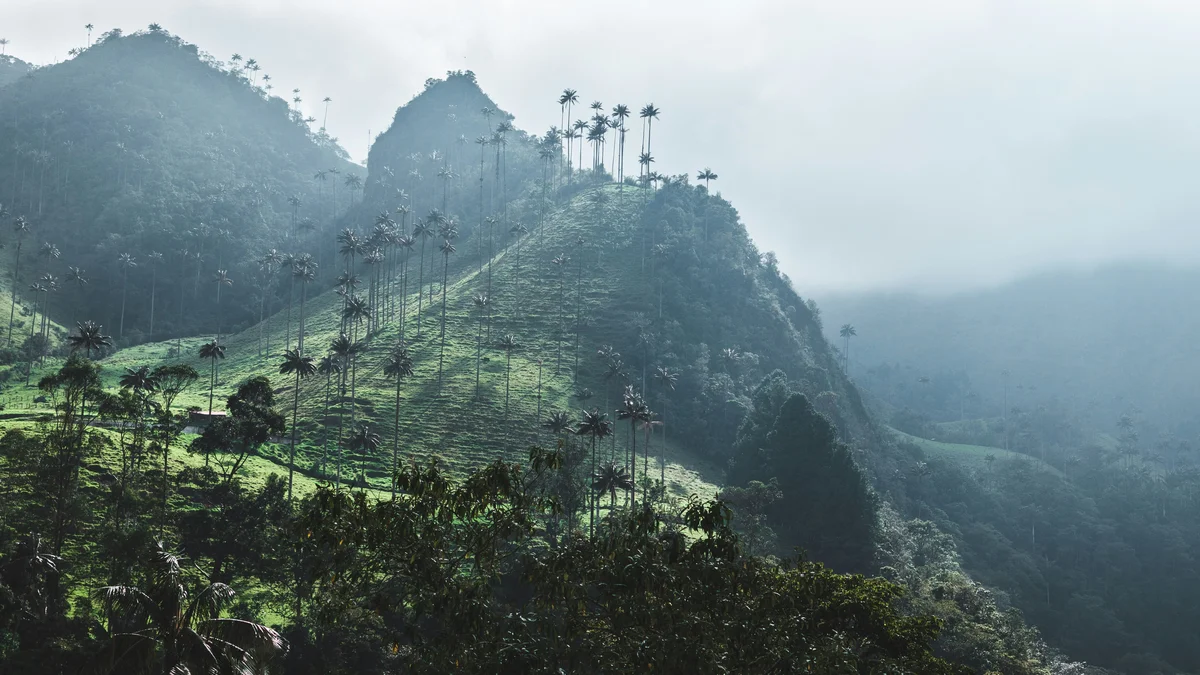
A three-week journey that opens with twelve days across Colombia's coffee region and Caribbean coast, then continues into Ecuador for a wildlife-focused finish in the Galápagos Islands.
 Multi-Day Tours
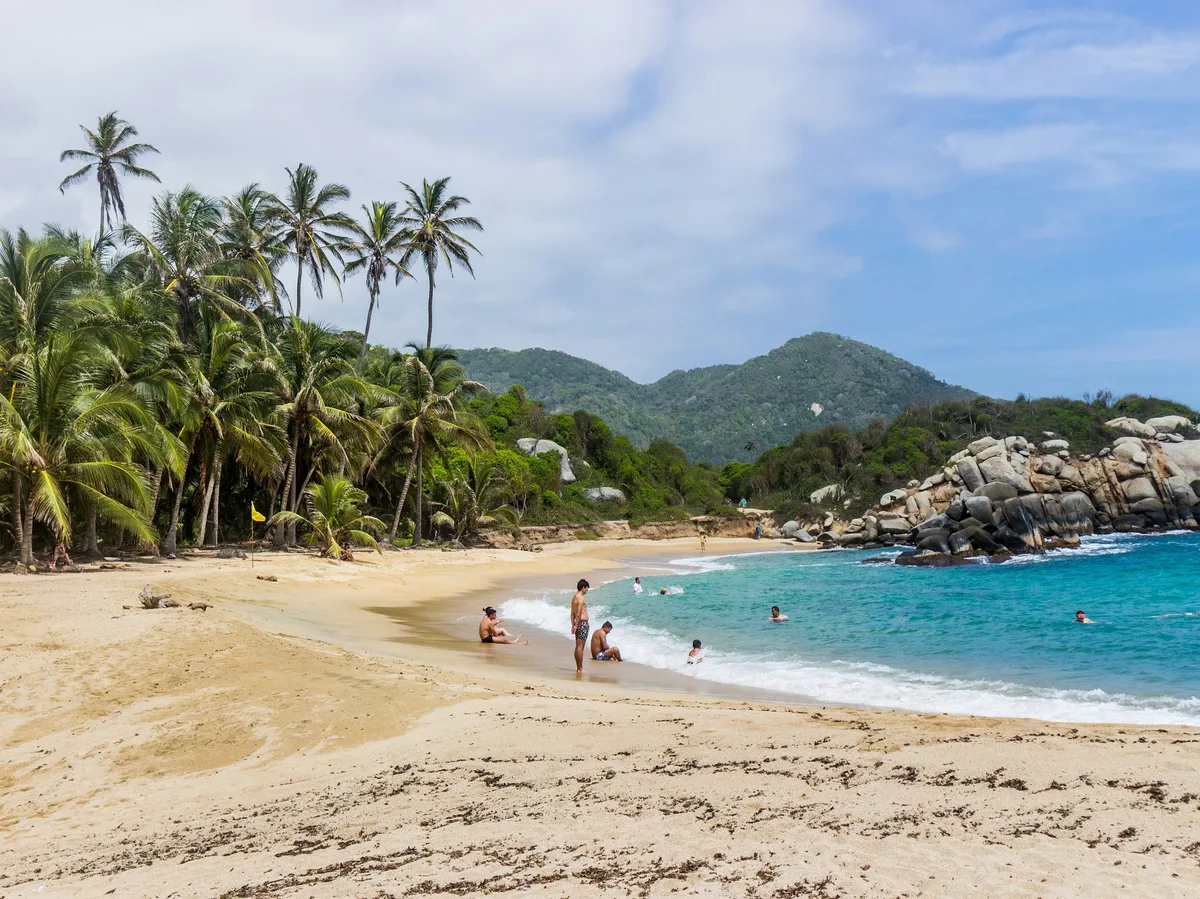
A ten-day wellness-focused route from Bogotá to Tayrona's jungle coast and a private-pool bungalow on Isla Barú, with yoga, spa treatments, and river tubing worked into the days.
The real stops Voyzo's own itineraries are built around — tap any attraction to learn more.
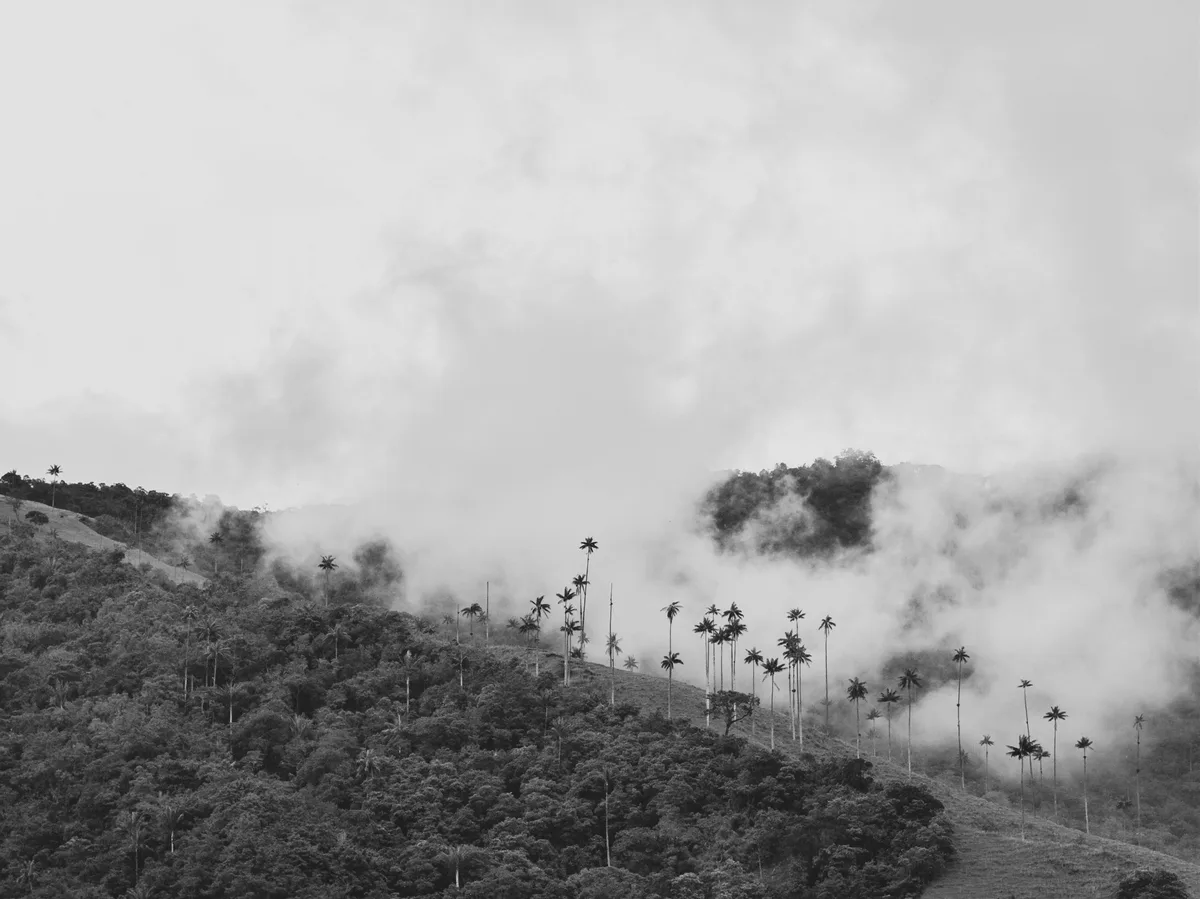 The Coffee Cultural Landscape (Salento & the Cocora Valley)
Colombia
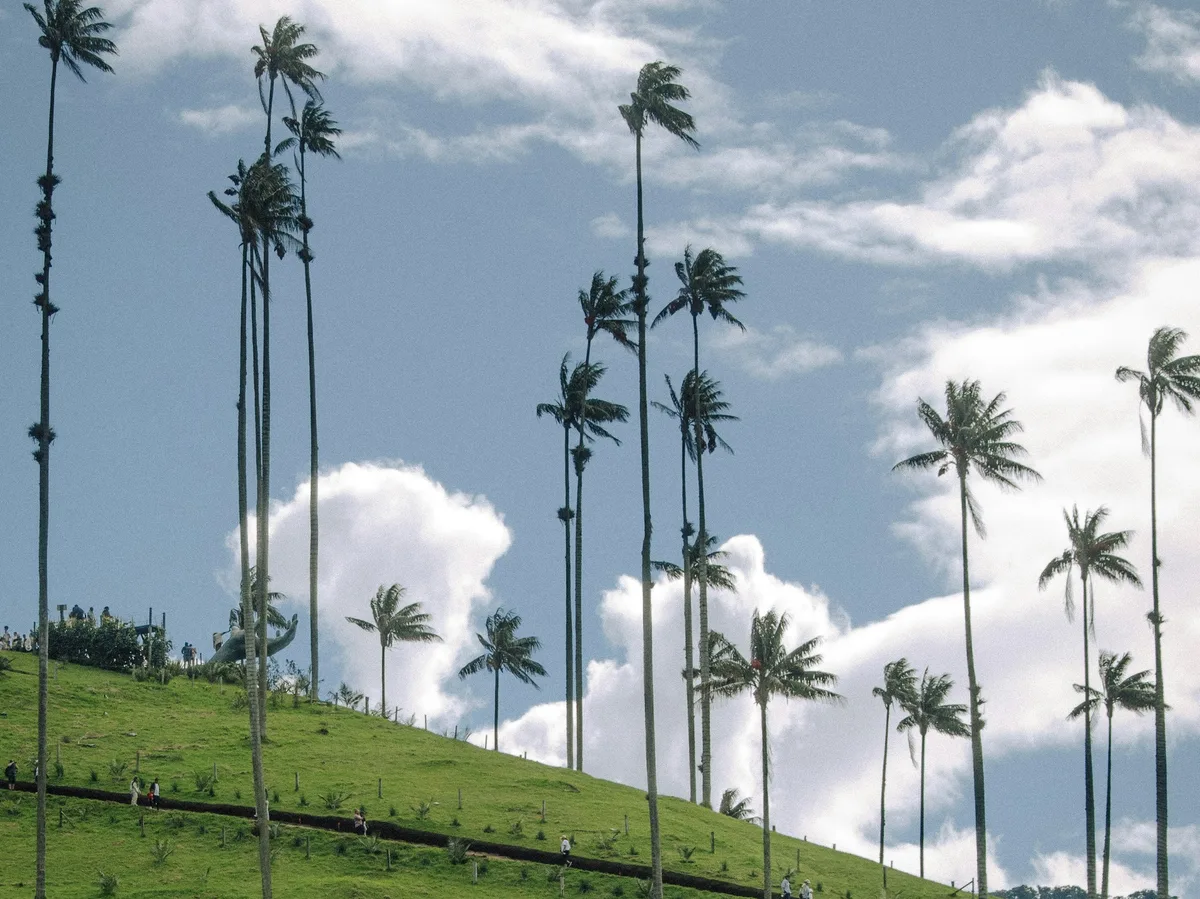
A UNESCO-listed coffee-growing region in Colombia's Andes, centered on the colorful town of Salento and the Cocora Valley, home to the world's tallest wax palm trees.
2
 The Lost City (Ciudad Perdida)
Colombia
An ancient Tayrona settlement hidden deep in the Sierra Nevada de Santa Marta's jungle, reached only by a multi-day trek and 1,200 stone steps to terraces built centuries before Machu Picchu.
3
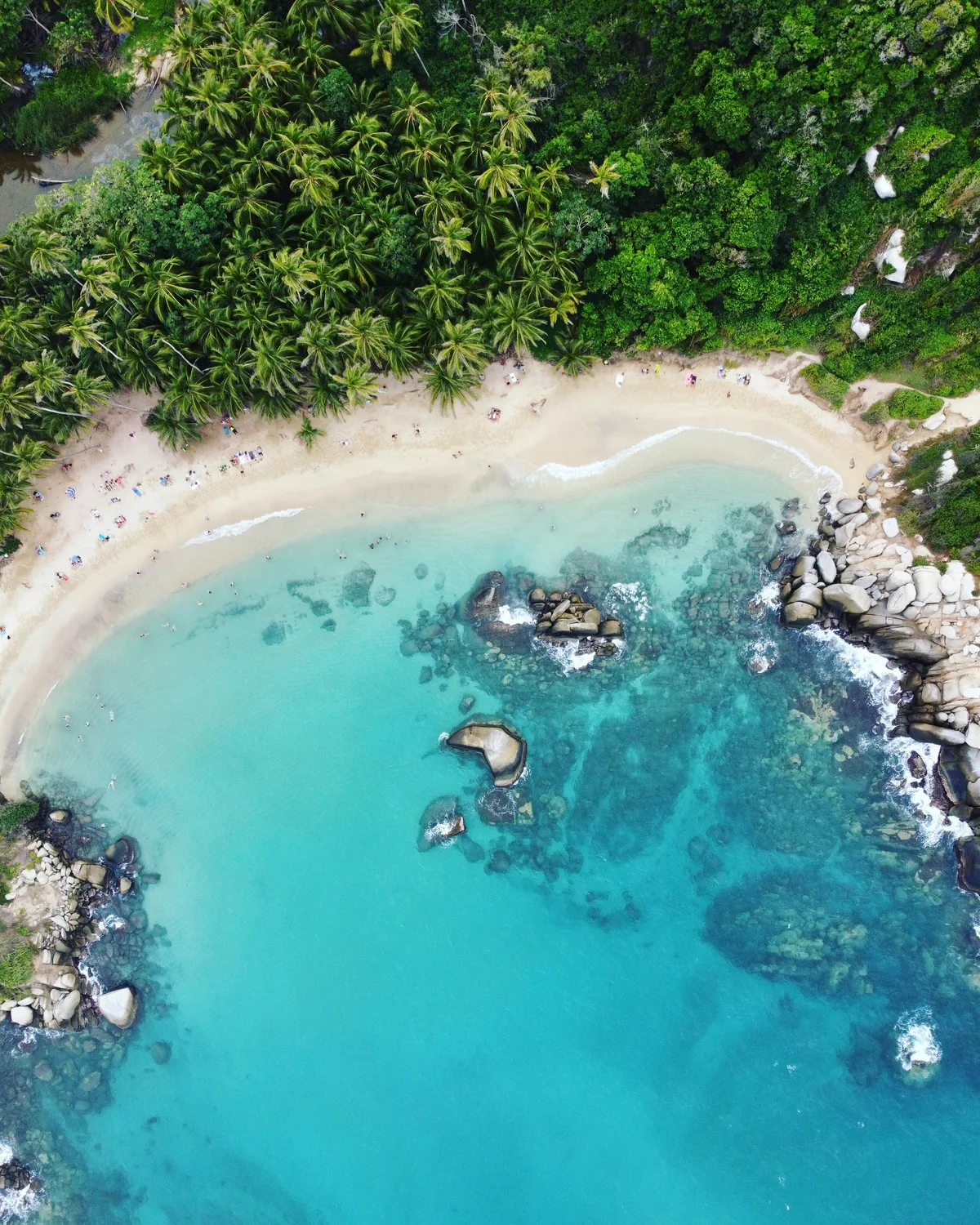 Santa Marta's Caribbean Coastline
Colombia
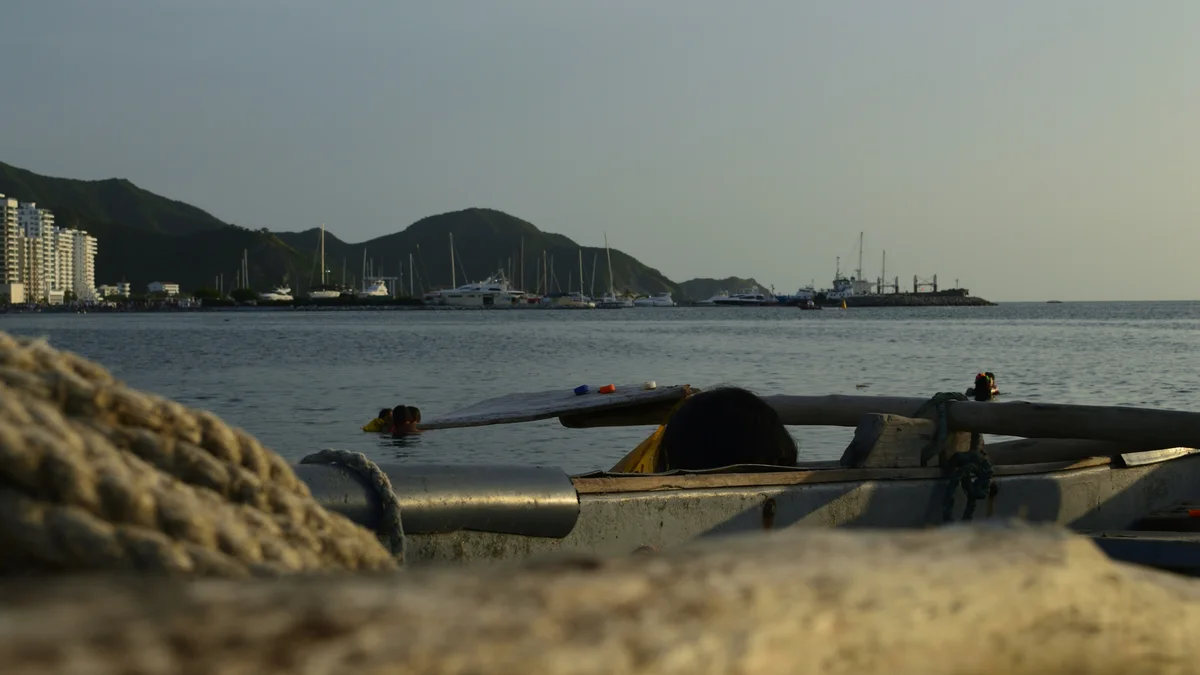
Colombia's oldest surviving Spanish-founded city and the main gateway to Tayrona National Park, with its own laid-back beaches and views up toward the snow-capped Sierra Nevada de Santa Marta, the world's highest coastal mountain range.
4
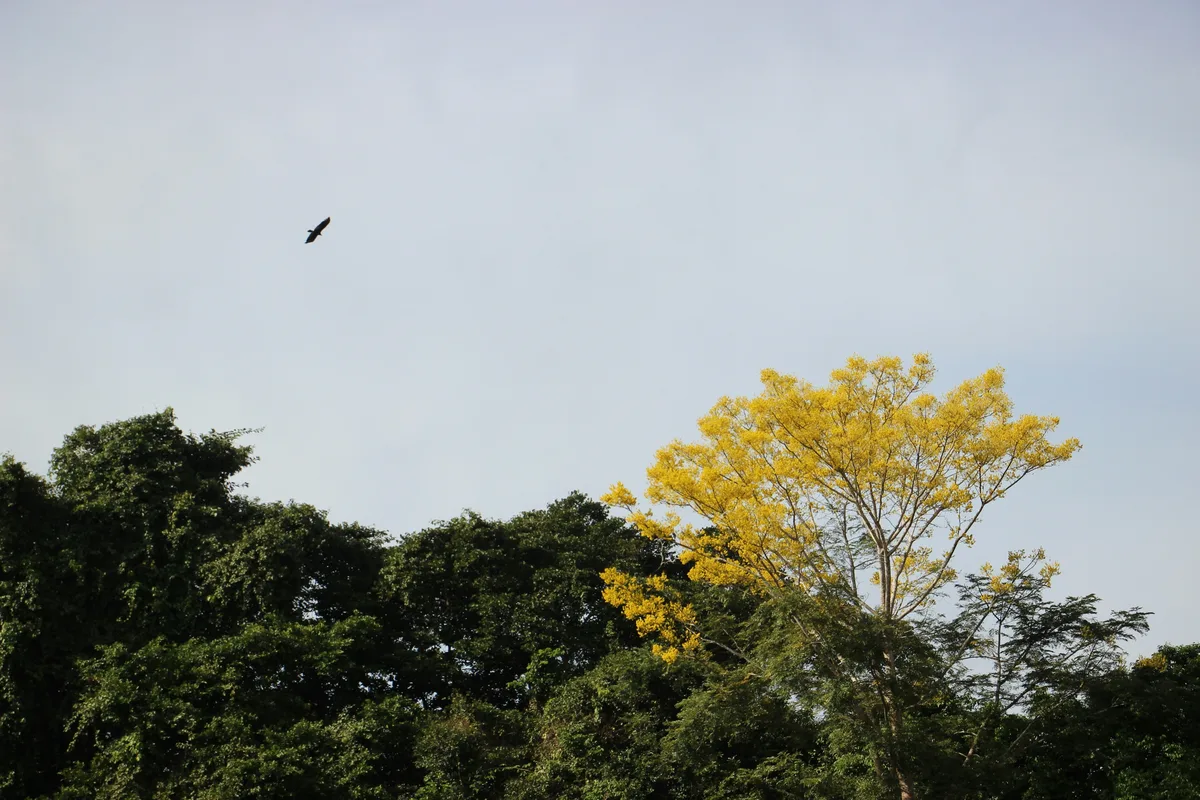 Amazon Rainforest near Leticia
Colombia
Colombia's southern tip drops into the Amazon basin at Leticia, a river port town used as the gateway for jungle lodges, canopy walks, and boat trips along the Amazon River itself.
5
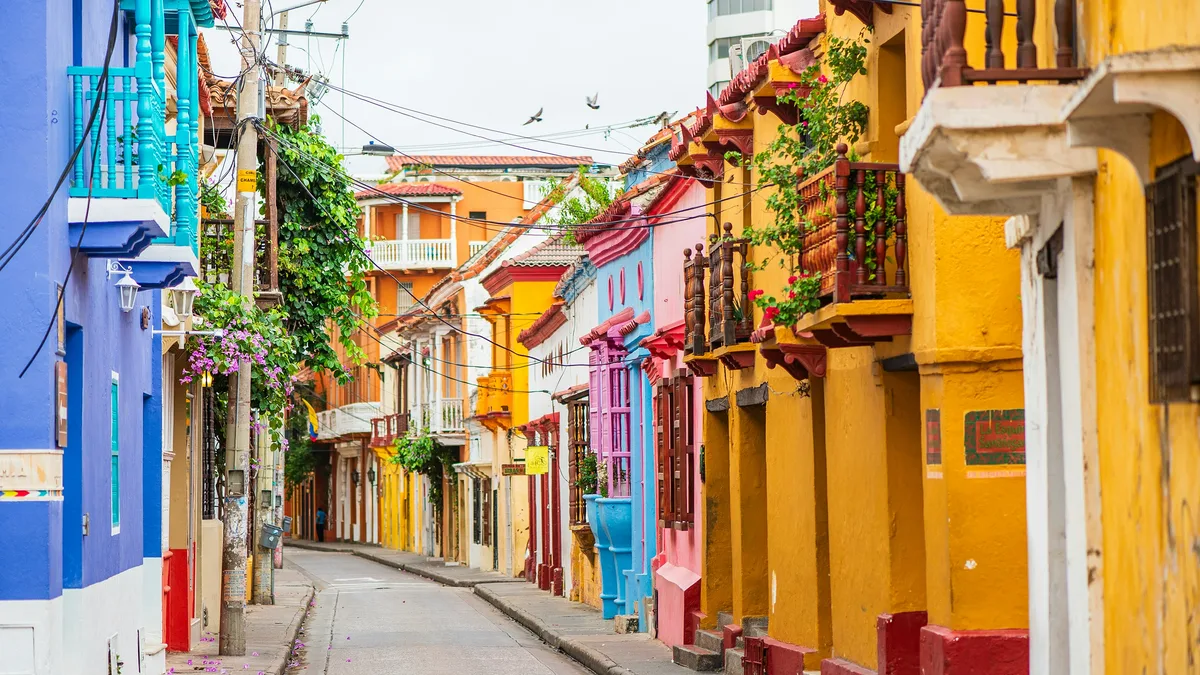 The Walled City (Ciudad Amurallada)
Cartagena
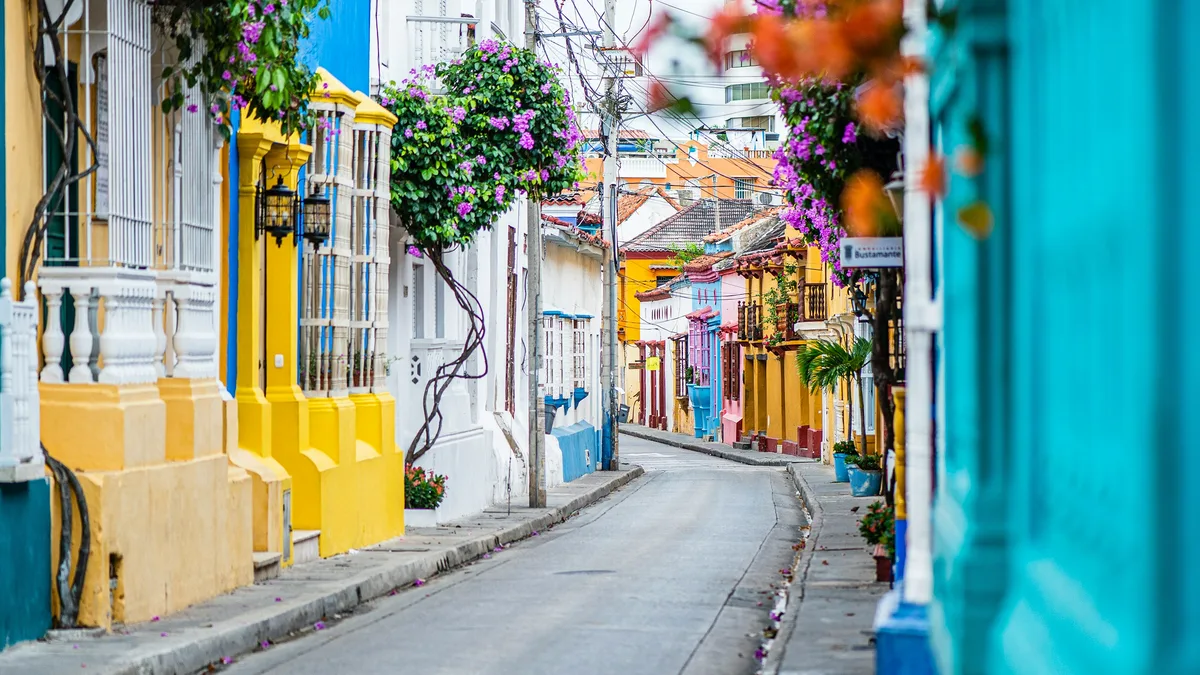
Cartagena's fortified historic center, encircled by roughly 11 kilometers of stone walls built between the 16th and 18th centuries to defend against pirate and naval attacks. Declared a UNESCO World Heritage Site in 1984, its cobblestone streets are lined with colorful colonial mansions, wooden balconies, and plazas including Plaza Santo Domingo and Plaza de los Coches.
6
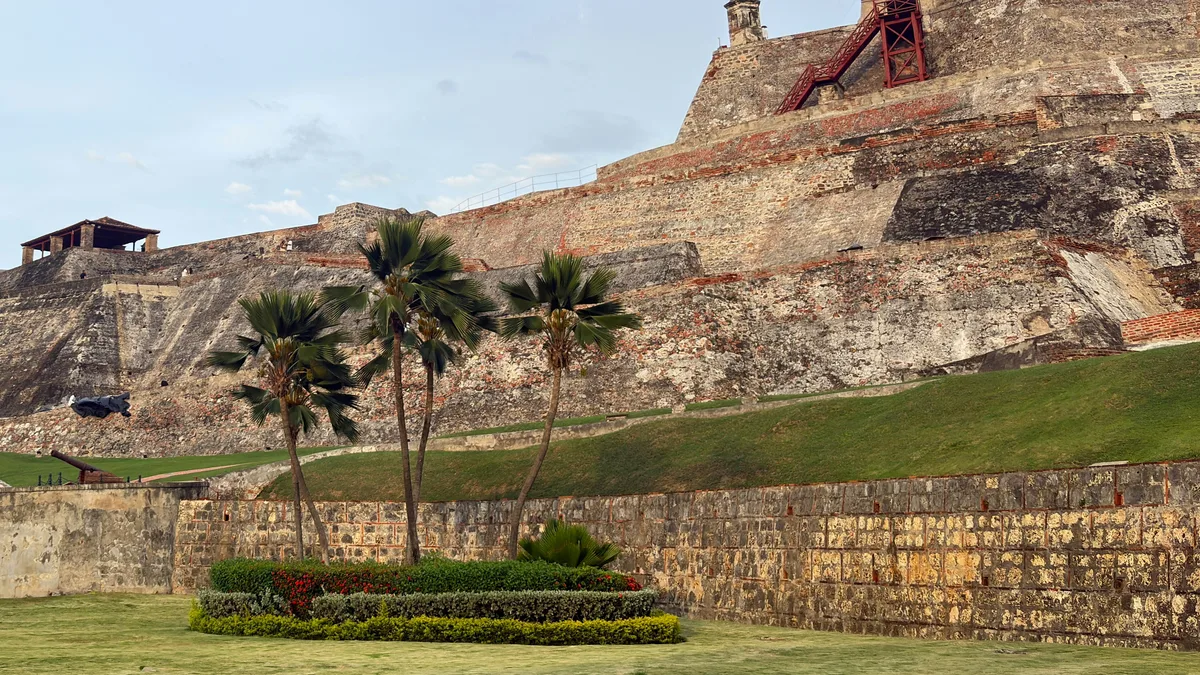 Castillo San Felipe de Barajas
Cartagena
Often described as the largest fortification the Spanish built in the Americas, begun in the sixteenth century and greatly expanded between 1657 and 1798. Its sloped stone walls and network of tunnels helped Cartagena withstand a major 1741 siege by British Admiral Edward Vernon, and it remains one of the best-preserved colonial military structures in the world.
7
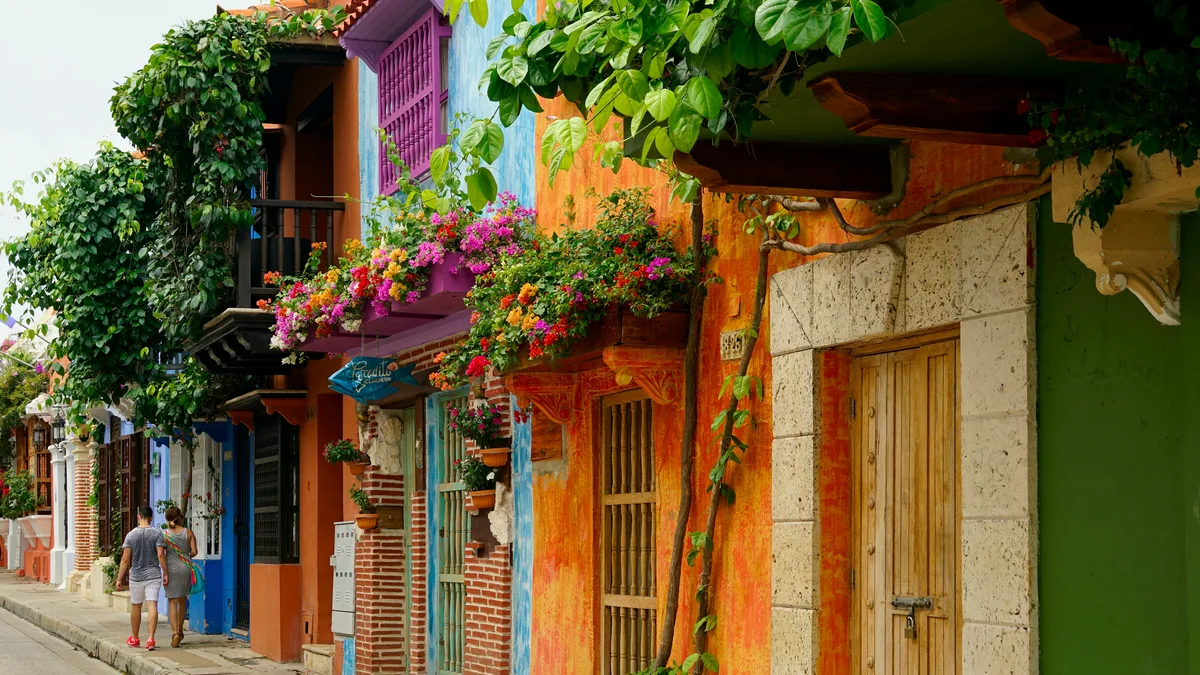 Getsemaní
Cartagena
A formerly working-class neighborhood just outside the city walls, historically home to Cartagena's independence movement, which began here on November 11, 1811. Today Getsemaní is known for its dense layers of street art and murals, lively Plaza de la Trinidad, and a more local, bohemian energy than the Walled City's polished streets.
8
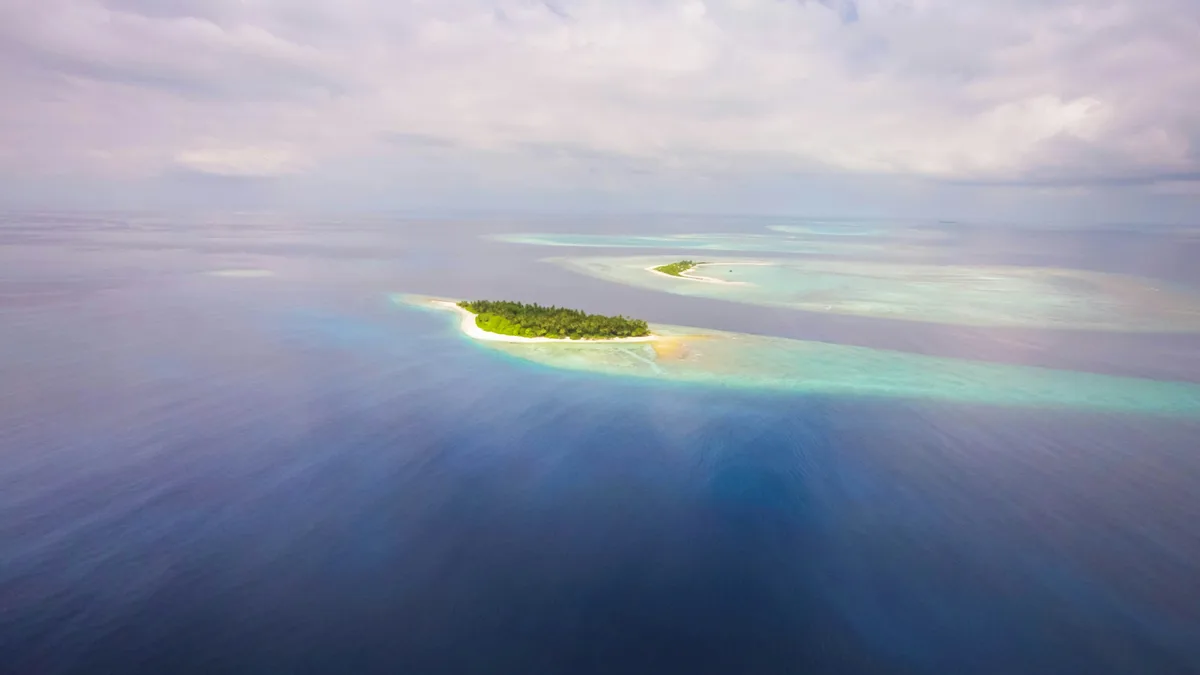 Rosario Islands (Islas del Rosario)
Cartagena
An archipelago of around 30 small coral islands roughly an hour by boat from Cartagena, part of the Corales del Rosario y de San Bernardo National Natural Park. Known for their turquoise, reef-fringed water, the islands are a popular day-trip destination for swimming, snorkeling, and beach time at spots like Cholón, Barú, and La Piscinita.
9
 Las Bóvedas
Cartagena
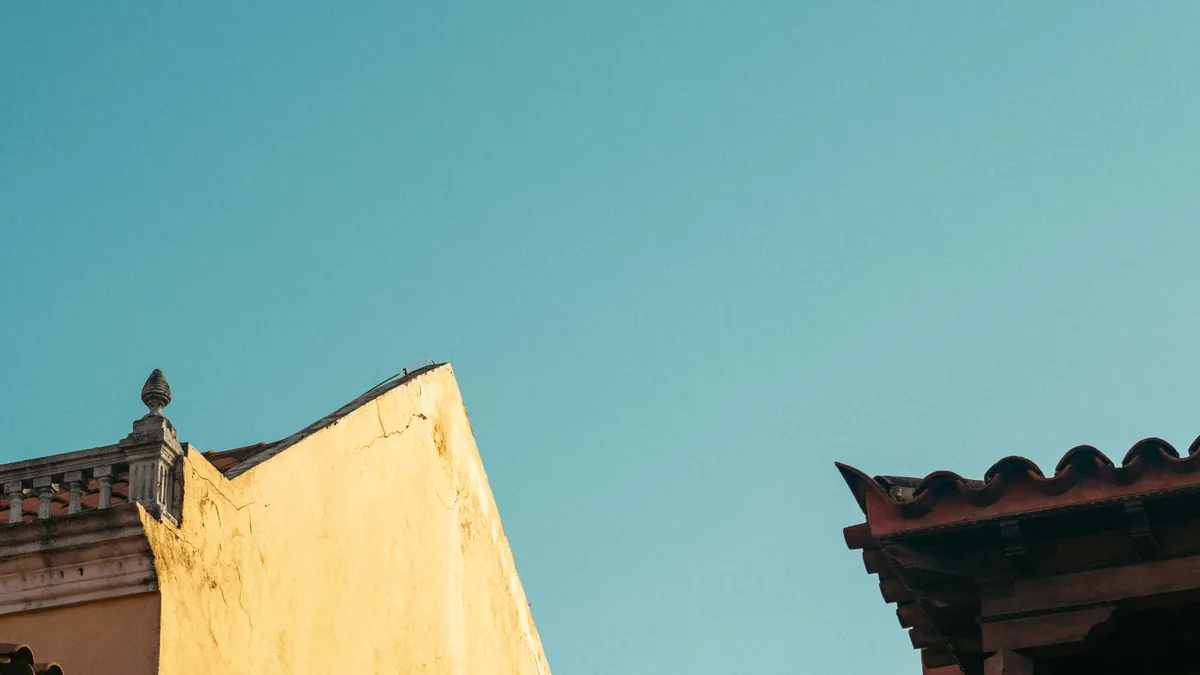
A row of 23 vaulted chambers fronted by 47 arches, built into Cartagena's city walls in the late 1700s, among the last major structures the Spanish added to the fortifications. Originally used to store munitions and later as a military prison, Las Bóvedas today houses small shops selling local handicrafts and souvenirs, just steps from the walls' northern edge.
10
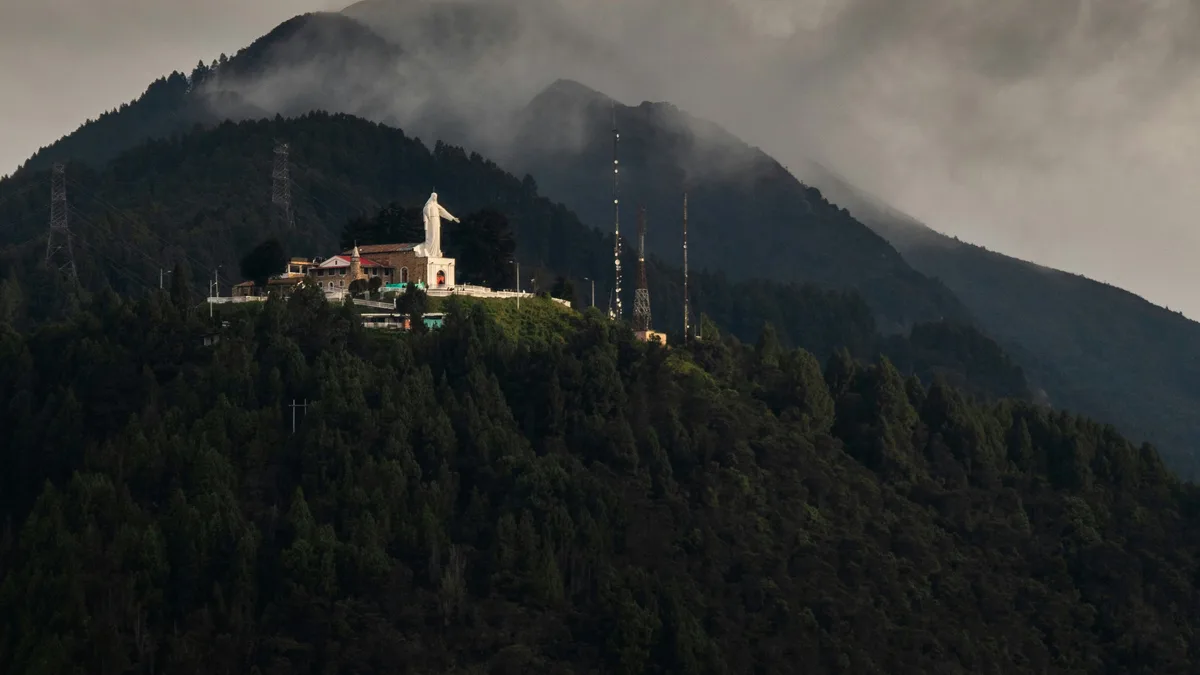
 Monserrate
Bogota
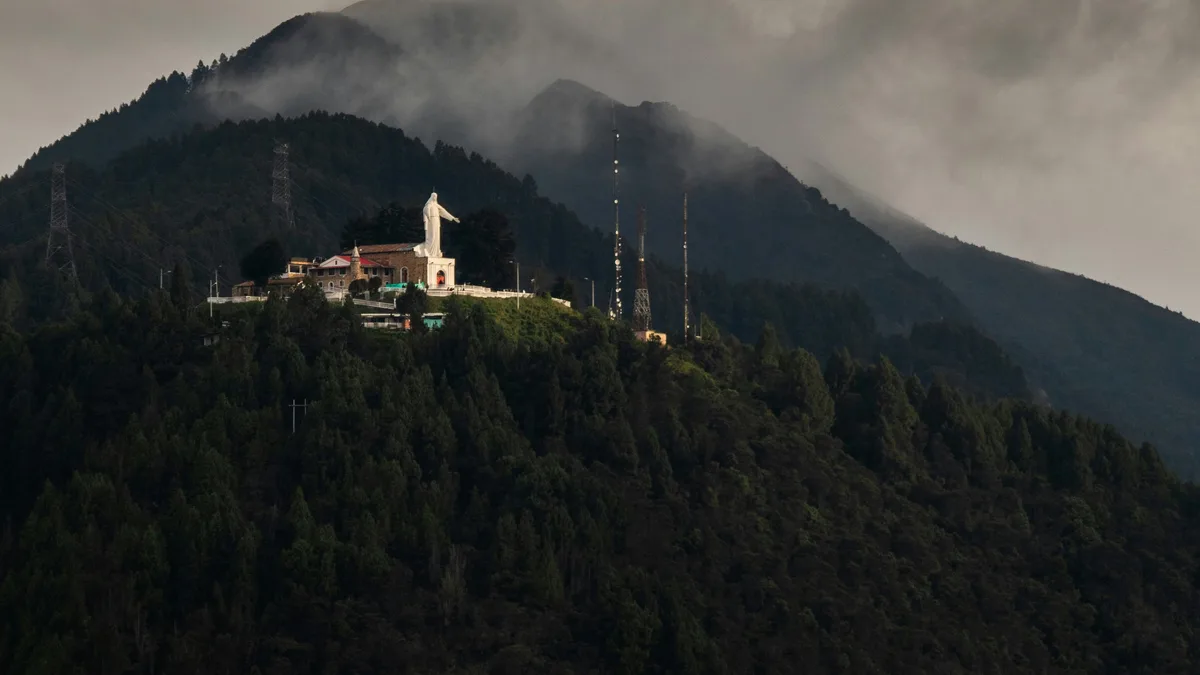
A mountaintop sanctuary rising to 10,300 feet above Bogota, reached by cable car, funicular, or a steep walking trail. The 17th-century church at the summit is still an active pilgrimage site, and the panoramic views stretch across the entire city on a clear day.
11
 La Candelaria
Bogota
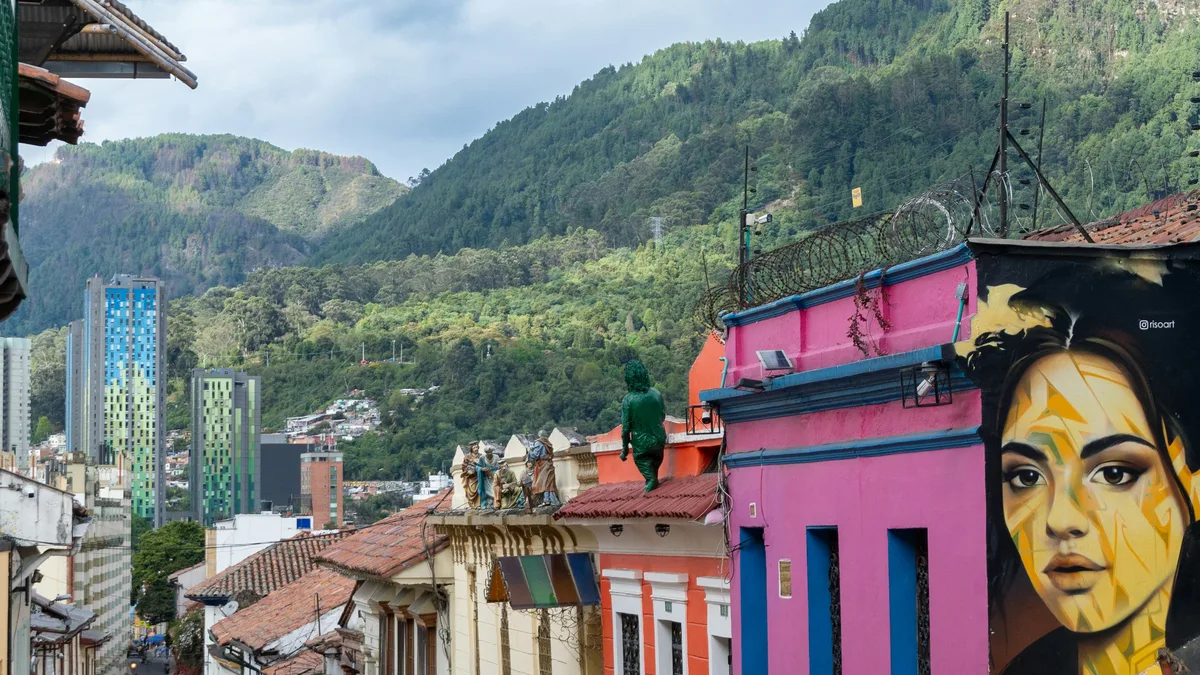
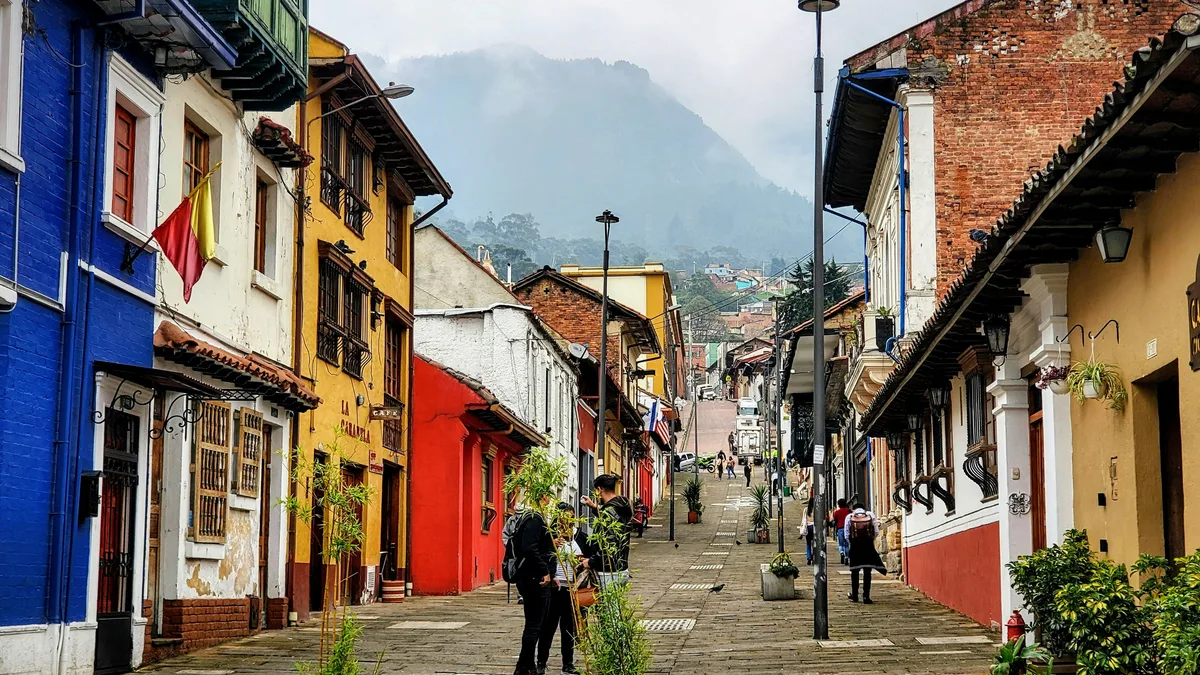
Bogota's historic old town, a dense grid of colonial and Republican-era streets, colorful balconies, and plazas dating back to the city's 1538 founding. Home to the presidential palace, the Gold Museum, the Botero Museum, and some of Latin America's most significant street art.
12
 Gold Museum (Museo del Oro)
Bogota
One of the world's largest collections of pre-Hispanic gold and metalwork, with more than 30,000 gold and tumbaga pieces gathered from cultures across Colombia, including the Muisca goldwork tied to the legend of El Dorado. Closed Mondays.
Because Colombia straddles the equator, temperature depends mainly on altitude rather than season. December through March and July through August are the driest windows in most regions, good for the Caribbean coast and the coffee zone.
Bogotá's international airport is Colombia's main long-haul gateway; Cartagena and Medellín also have direct international flights from the US, making multi-region routes easy to start or end in different cities.
Colombia's regions — Bogotá, Cartagena, Medellín, the coffee zone, the Amazon — are usually connected by short domestic flights rather than long overland drives, given the mountainous terrain between them.
Bogotá sits at roughly 2,640 meters and stays cool year-round, often in the mid-teens Celsius. Cartagena and the Caribbean coast are hot and humid, while Medellín and the coffee region enjoy a mild, spring-like climate thanks to their elevation.
Colombia uses the Colombian peso (COP). A voluntary service charge is sometimes already added to restaurant bills as 'servicio voluntario' — check before adding an extra tip on top.
One itinerary, the Colombia & Galápagos trip, genuinely continues on into Ecuador after its Colombia leg. That routing is disclosed day by day rather than folded quietly into the Colombia label.
Colombia sits at the northwestern tip of South America, bordering Panama, Venezuela, Brazil, Peru, and Ecuador, and is the only South American country with coastlines on both the Pacific Ocean and the Caribbean Sea. It's a presidential republic of roughly 52 million people, and its geography is dominated by three parallel Andean mountain ranges that split the country into a patchwork of climates — which is why temperature in Colombia depends far more on altitude than on season or latitude.
Voyzo's coverage reflects that range: the colonial squares and Andean chill of Bogotá, the palm-lined Caribbean beaches around Cartagena and Santa Marta, the wax-palm valleys of the coffee-growing Zona Cafetera, and the Amazon rainforest around Leticia in the far south.
Most routes stay entirely within Colombia, moving between these regions by private vehicle and short domestic flight. One itinerary — the Colombia & Galápagos trip — honestly continues on into Ecuador after its Colombia leg, and that routing is disclosed day by day rather than folded quietly into the Colombia label.
Tell us your group size and dates — we'll take care of the rest.