TorontoOntario · 36 tours
 Niagara FallsOntario · 25 tours
 New York CityNew York · 30 tours
 Las VegasNevada · 8 tours
 San FranciscoCalifornia · 16 tours
 VancouverBritish Columbia · 17 tours
 DubaiUAE · 54 tours
 Abu DhabiUAE · 5 tours
 Buenos AiresArgentina · 23 tours
 AthensGreece · 31 tours
 AucklandNew Zealand · 38 tours
 CancunMexico · 54 tours
No destinations match “”. Try searching all tours instead — that search understands full questions, not just place names.
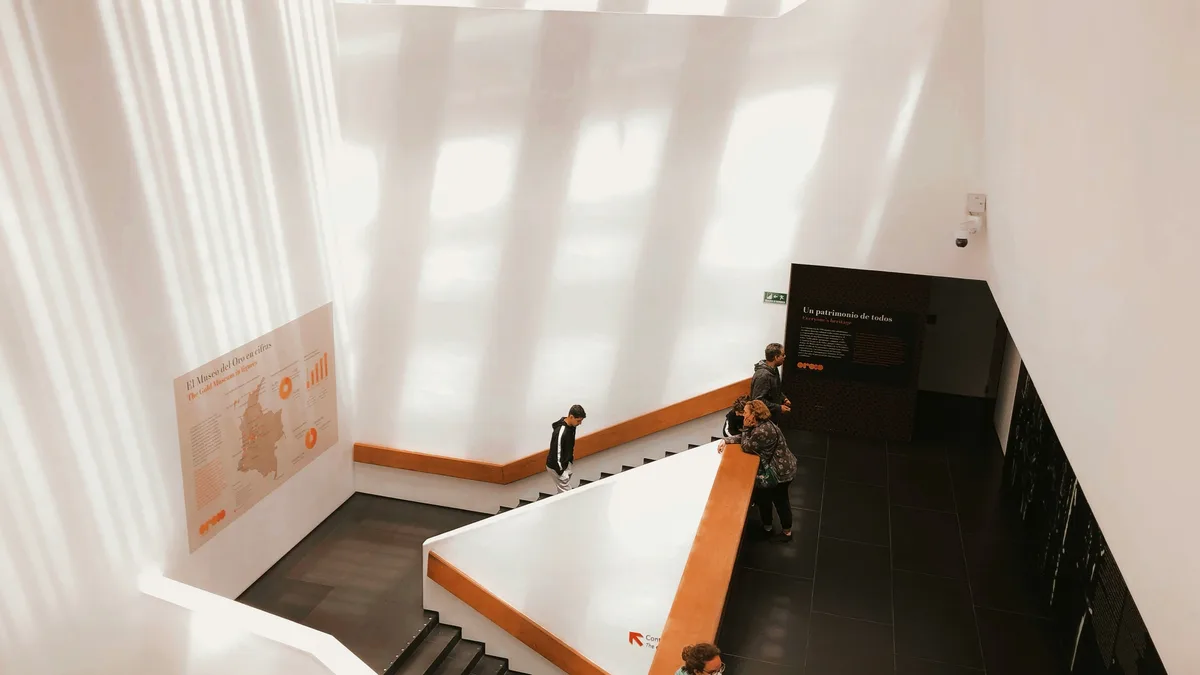
One of the world's largest collections of pre-Hispanic gold and metalwork, with more than 30,000 gold and tumbaga pieces gathered from cultures across Colombia, including the Muisca goldwork tied to the legend of El Dorado. Closed Mondays.
 Private Tours
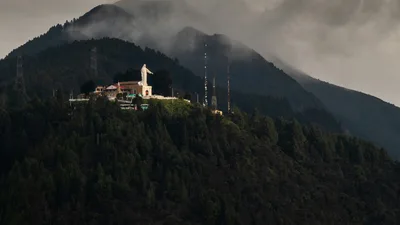
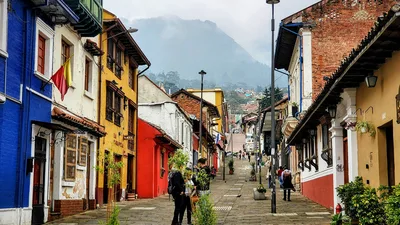
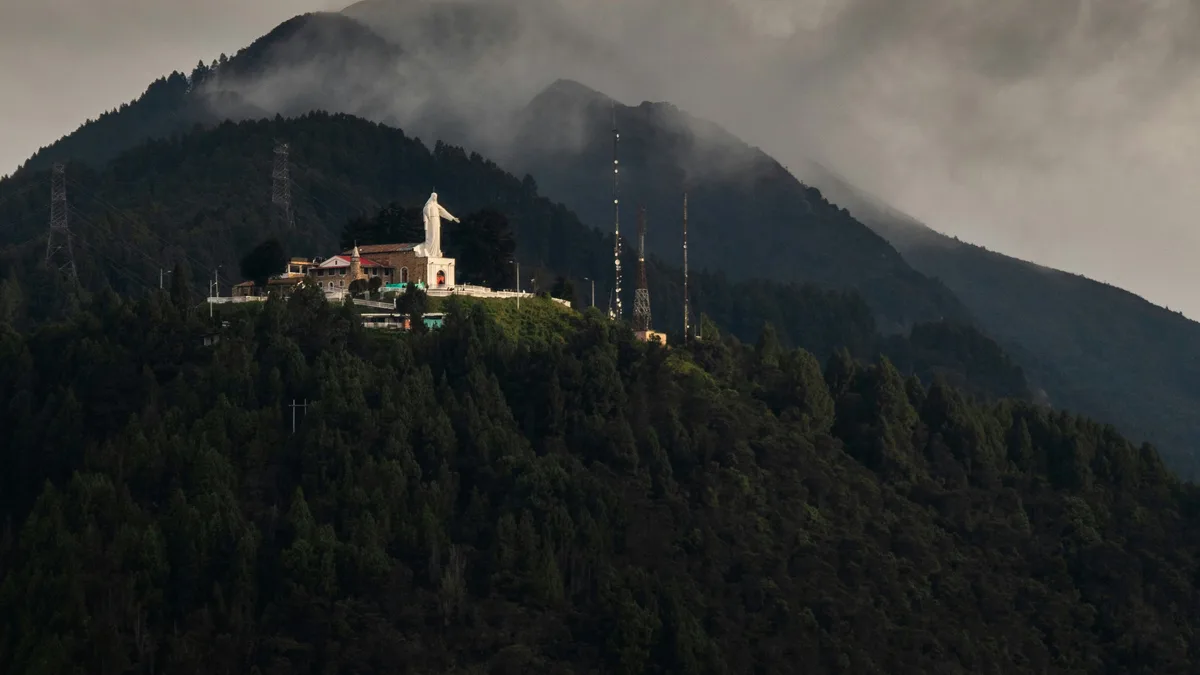
A private guide takes you up Monserrate by cable car or funicular, then through the colonial streets of La Candelaria to the Gold Museum and the Botero Museum.
 Private Tours
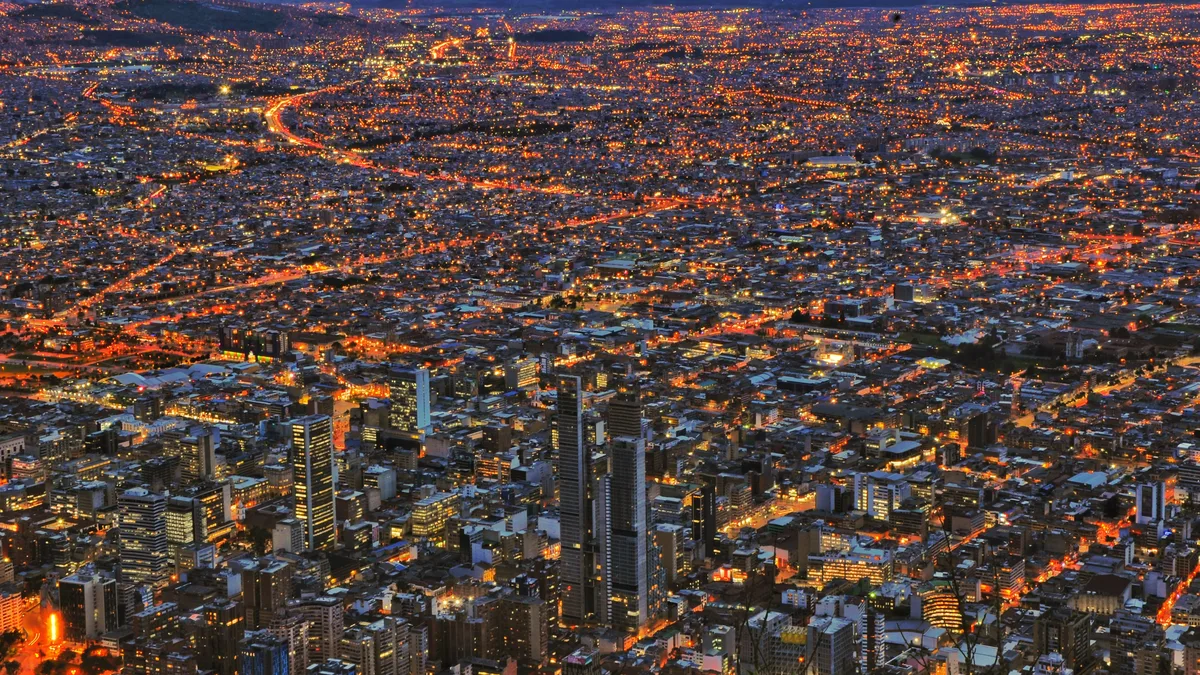
A private guide plans your Bogota layover around your connecting flight, choosing from La Candelaria, the Botero Museum, Monserrate, and more.
Visitor guide
The Gold Museum, or Museo del Oro, is an archaeology museum in the historic centre of Bogota, Colombia, devoted to the pre-Columbian gold and metalwork of the peoples who lived in what is now Colombia. It is administered by Banrepcultural, the cultural arm of the country's central bank.
According to Wikipedia, the Bank of the Republic began helping to protect Colombia's archaeological heritage in 1934, and in December 1939 it acquired the Poporo Quimbaya. That object was the first piece of what became a much larger collection. The museum was expanded and renovated in October 2008, which introduced a permanent exhibition arranged in five rooms with a space for interactive displays.
Collection numbers vary by source. Wikipedia gives a collection of about 55,000 pieces, with roughly 6,000 on display, while other pages cite counts of more than 30,000 gold pieces. Wikipedia also calls it the largest collection of gold artefacts in the world, a claim that is widely repeated but best treated as a general description rather than a verified ranking.
Many Indigenous groups did not consider gold a source of wealth in the European sense. Wikipedia explains that they instead regarded it as a sacred metal charged with symbolic and religious value. Gold and other alloys such as tumbaga were used for offerings, ceremonial objects, ornaments and tools that connected the living with the spirit world. Reports from Spanish chroniclers tell of Inca royalty describing gold as the sweat of the sun and silver as the tears of the moon.
The exhibition begins on the second floor with a main room titled People and Gold in Pre-Hispanic Colombia, where glass cases display goldsmith work from different cultures. Separate halls cover the Calima, Quimbaya, Muisca, Zenu, Tierradentro, San Agustin, Tolima, Tairona and Uraba traditions, and a special room called After Columbus looks at what followed the Spanish arrival. The third floor continues with The Flying Shaman and The Offering, which includes an Offering Room, an Offering Boat and a Lake. Near the end, a Profundization room shows artistic videos about important pieces. The fourth floor holds an Exploratorium aimed at interaction and reflection.
The pottery, stone, shell, wood and textile objects shown alongside the gold help explain the daily life and thought of the societies behind the metalwork. Descriptions are bilingual for almost all exhibits.
The museum holds the Muisca golden raft, found in Pasca in 1969. It represents a ceremony in which the new zipa, the ruler of Muyquyta, was invested, standing at the centre of a raft with the principal chiefs, all adorned with gold and feathers. The object is considered the basis of the El Dorado myth, the legend of a golden king that drew Spanish expeditions into the Andes.
The museum has also lent works abroad, including to a large 2022 exhibition at the Los Angeles County Museum of Art. A private guided visit helps give context to the many cultures represented, and the museum sits close to the other attractions of La Candelaria.
See every tour and attraction we cover in Bogota.