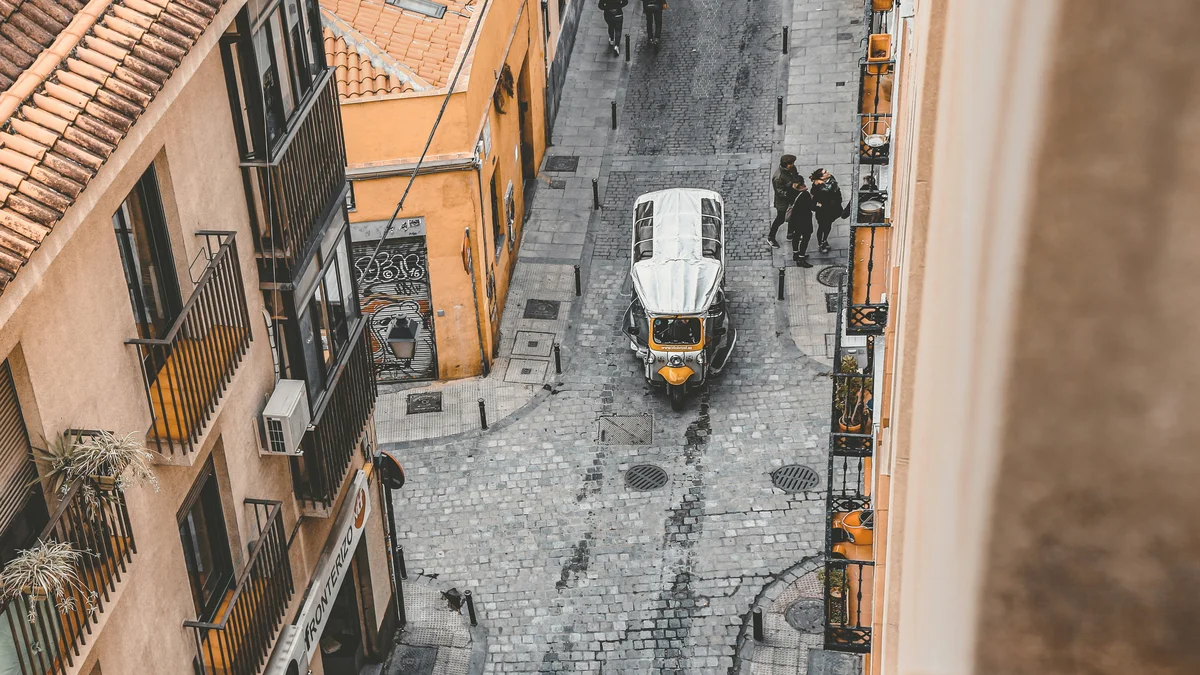
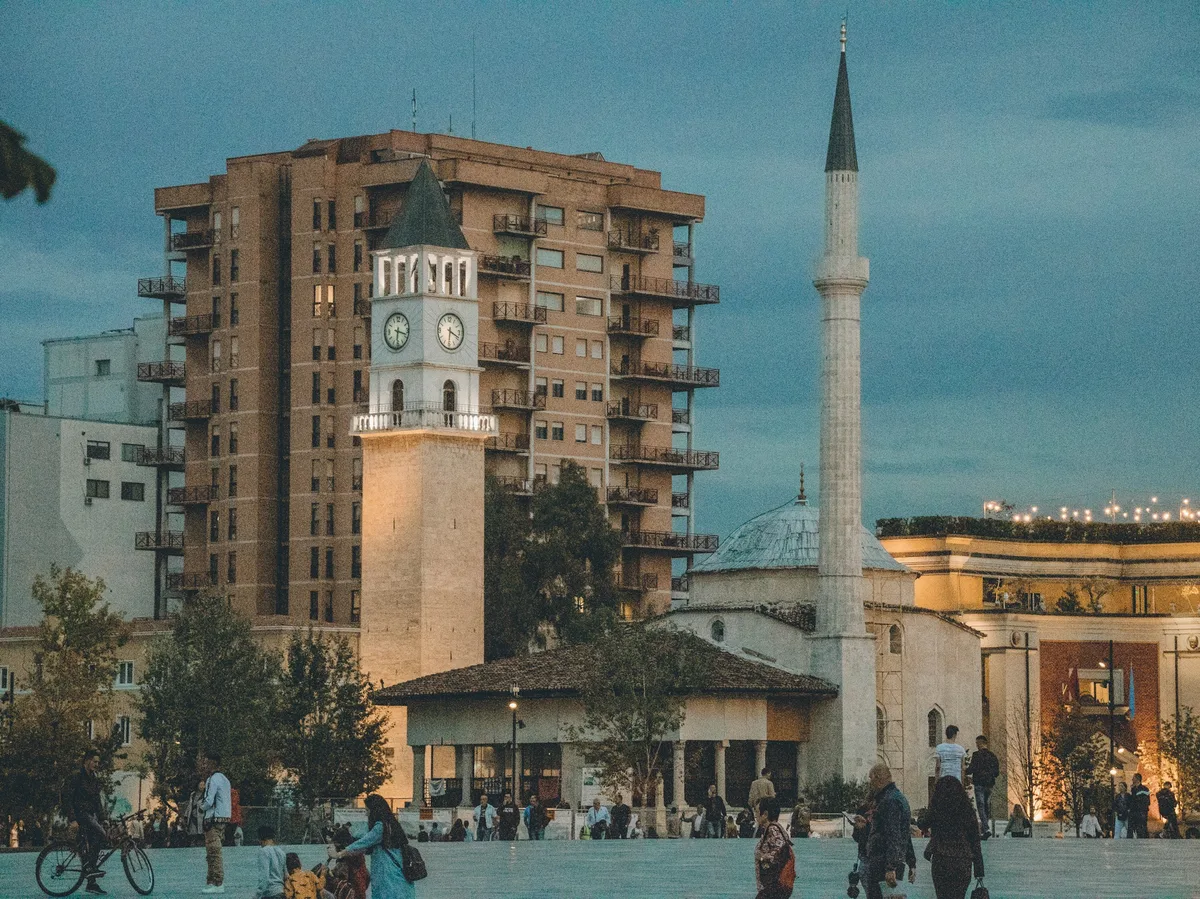
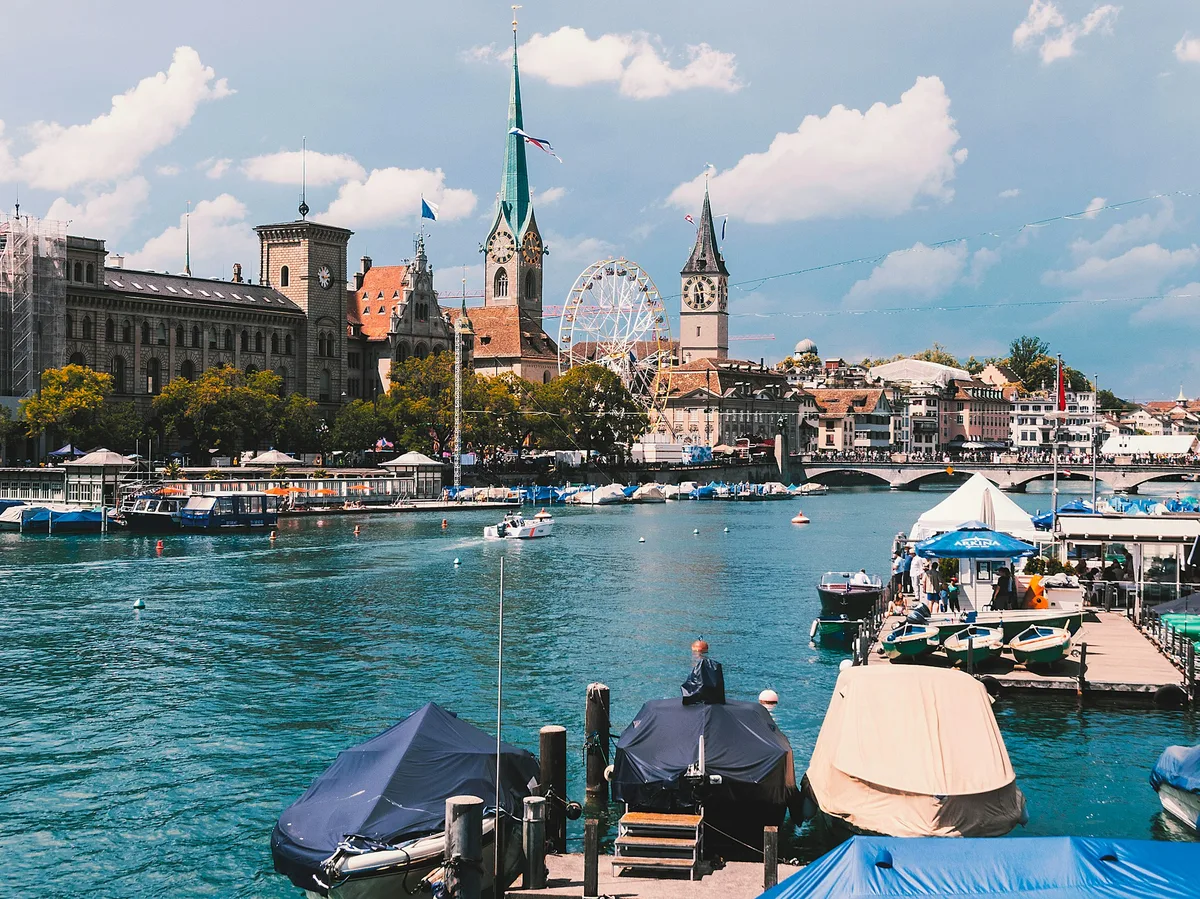
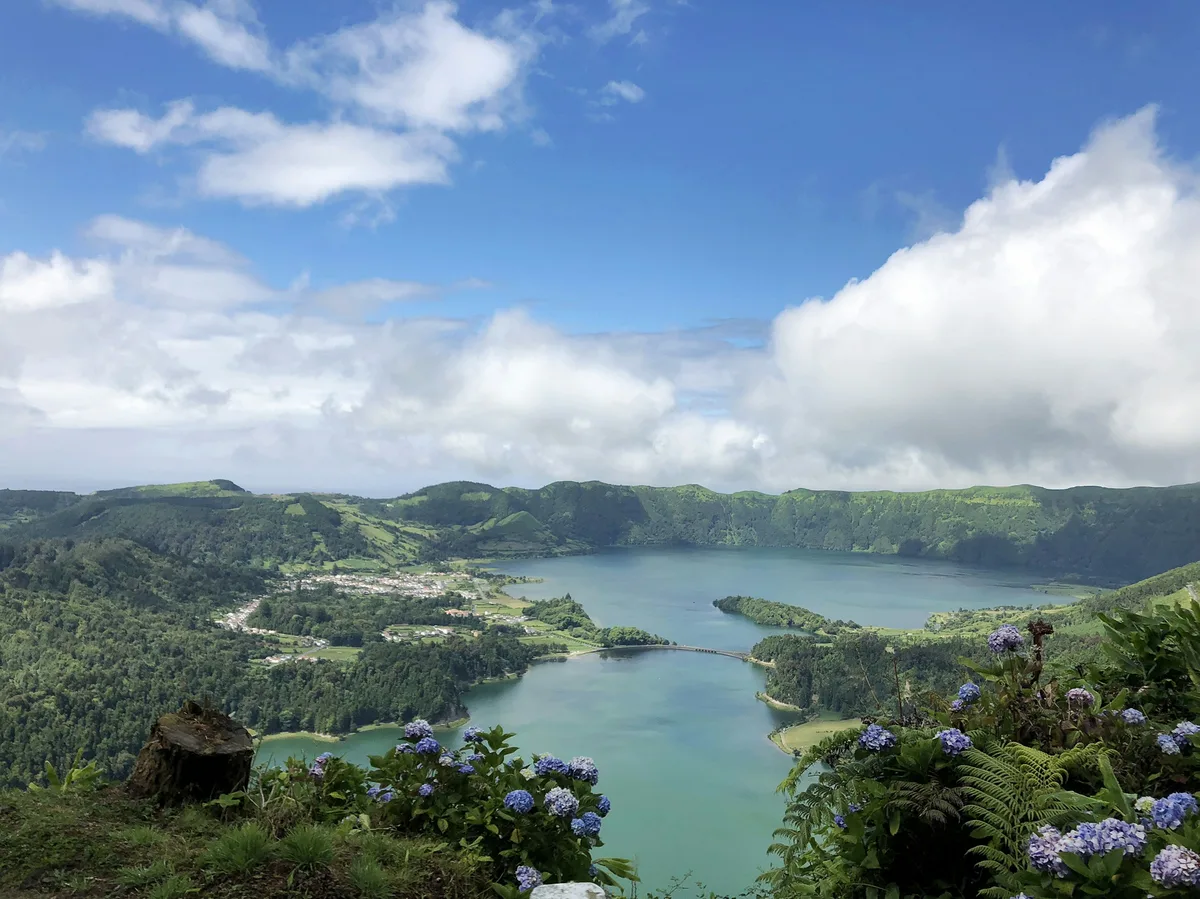
TorontoOntario · 36 tours
 Niagara FallsOntario · 25 tours
 New York CityNew York · 30 tours
 Las VegasNevada · 8 tours
 San FranciscoCalifornia · 16 tours
 VancouverBritish Columbia · 17 tours
 DubaiUAE · 54 tours
 Abu DhabiUAE · 5 tours
 Buenos AiresArgentina · 23 tours
 AthensGreece · 31 tours
 AucklandNew Zealand · 38 tours
 CancunMexico · 54 tours
No destinations match “”. Try searching all tours instead — that search understands full questions, not just place names.
Voyzo runs 113 tours across 2 destinations in Spain, covering 17 attractions. A private tour means your own guide, driver, and vehicle and an itinerary built around your group rather than a fixed bus schedule.
 Multi-Day Tours
A 9-day, family-paced Spain trip through Barcelona and Madrid — Park Güell, the Sagrada Família, a Montserrat day trip, the Royal Palace, the Prado, and Toledo — with kid-friendly workshops and activities built into the itinerary.
 Multi-Day Tours
An 8-day culinary tour of Spain's Basque Country based in San Sebastián — pintxos tastings, an Idiazabal cheese farm, a Basque cooking masterclass, the Camino de Santiago's coastal stretch, and a day in the Rioja wine region.
 Multi-Day Tours
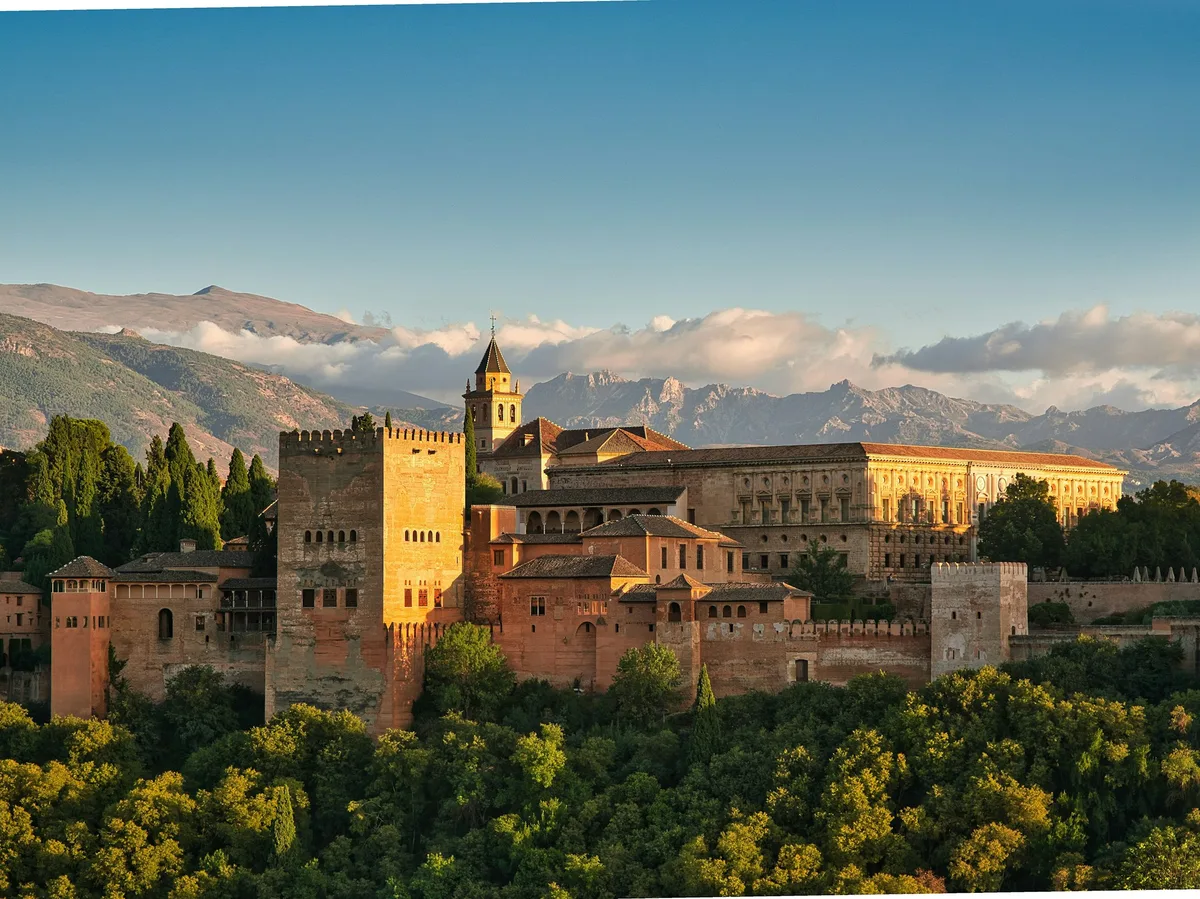
A 10-day Sephardic heritage tour of Spain across Madrid, Toledo, Seville, Córdoba, and Granada — historic synagogues, the Alhambra with a Jewish heritage expert guide, the House of Sepharad museum, and the Jewish Cemetery in Lucena.
 Multi-Day Tours
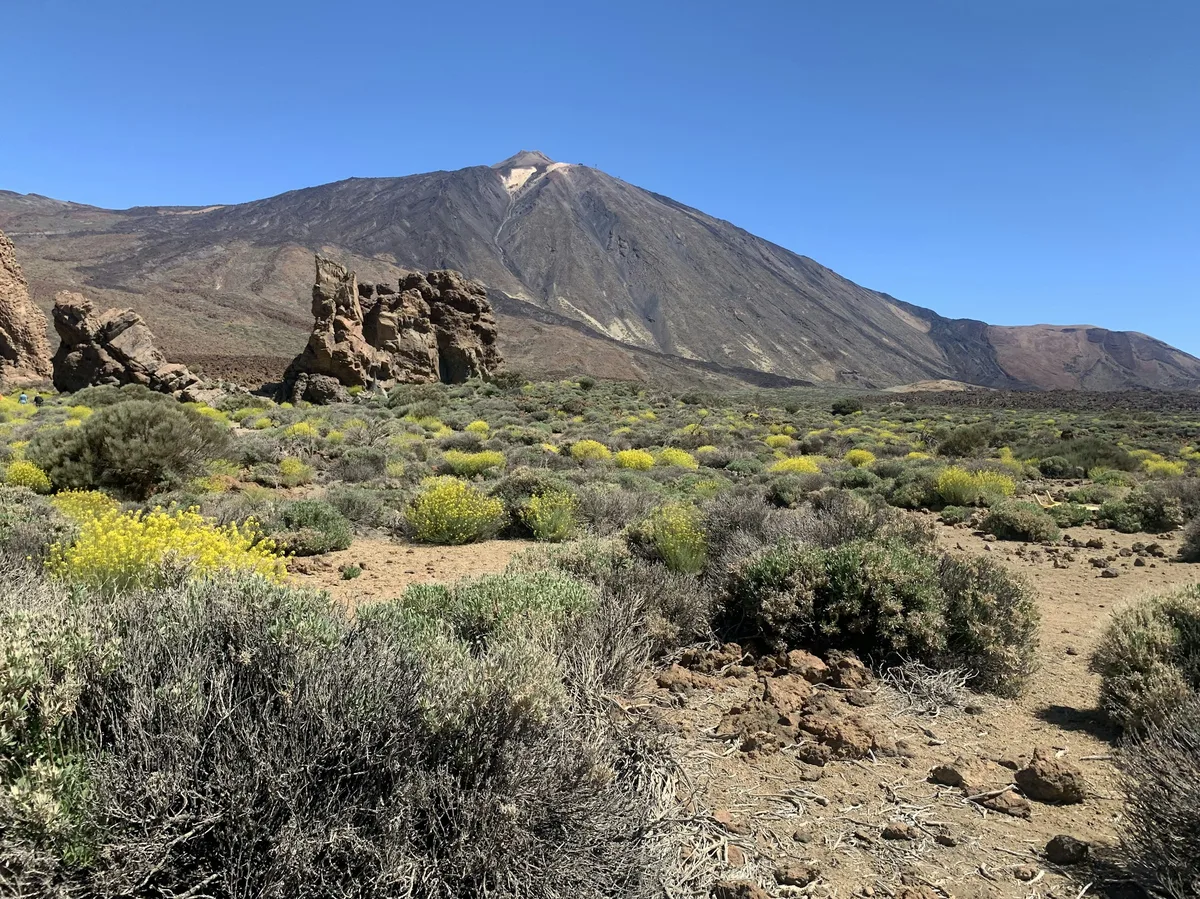
A 7-day Tenerife itinerary centered on Teide National Park — sunset views, stargazing, and mountain dining below Spain's highest peak — plus a northern Tenerife wine and mojo picón tour and a guided hike through the Chinyero volcanic reserve.
 Multi-Day Tours
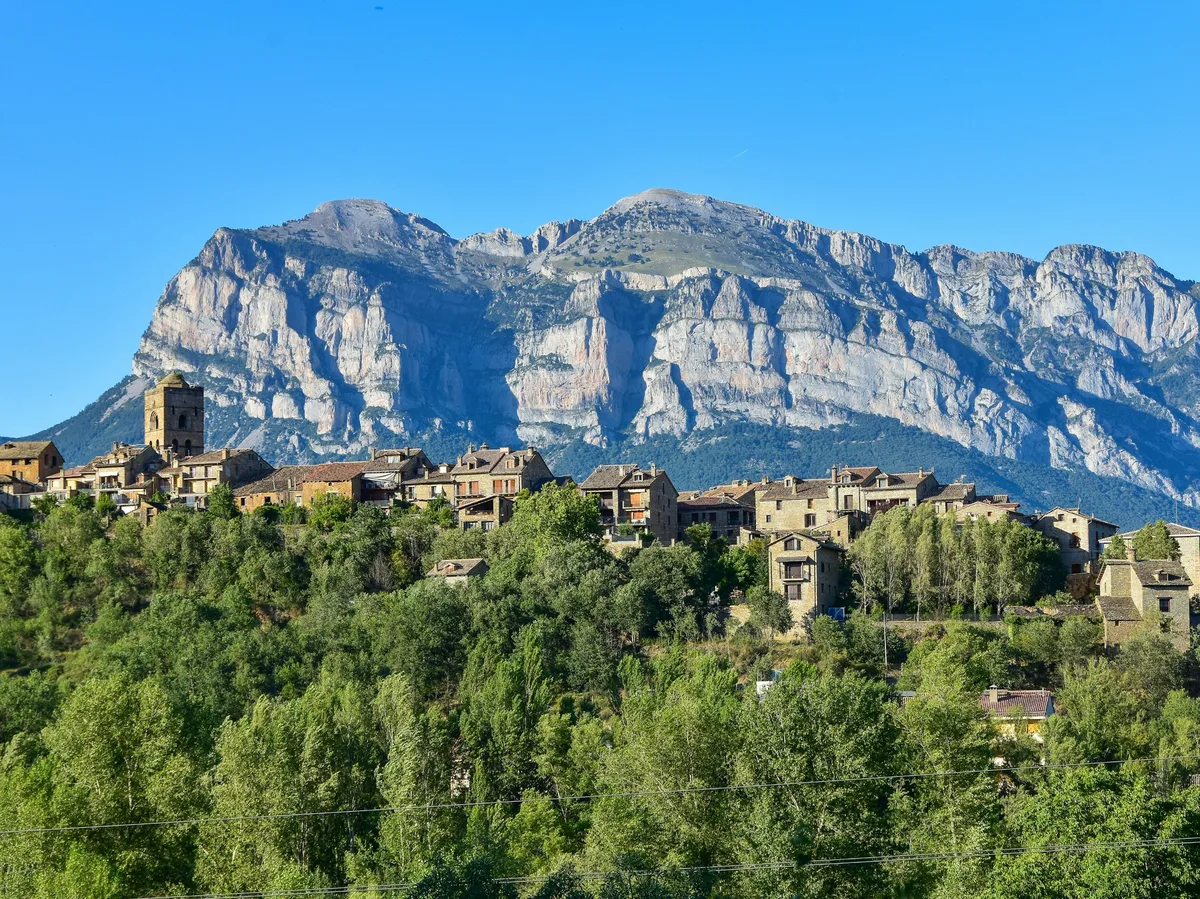
A 7-day active tour of the Aragonese Pyrenees from Zaragoza — the historic Canfranc railway station, Ordesa National Park, paragliding and horseback riding above Benasque, and the medieval villages of Aínsa and Alquézar.
 Multi-Day Tours
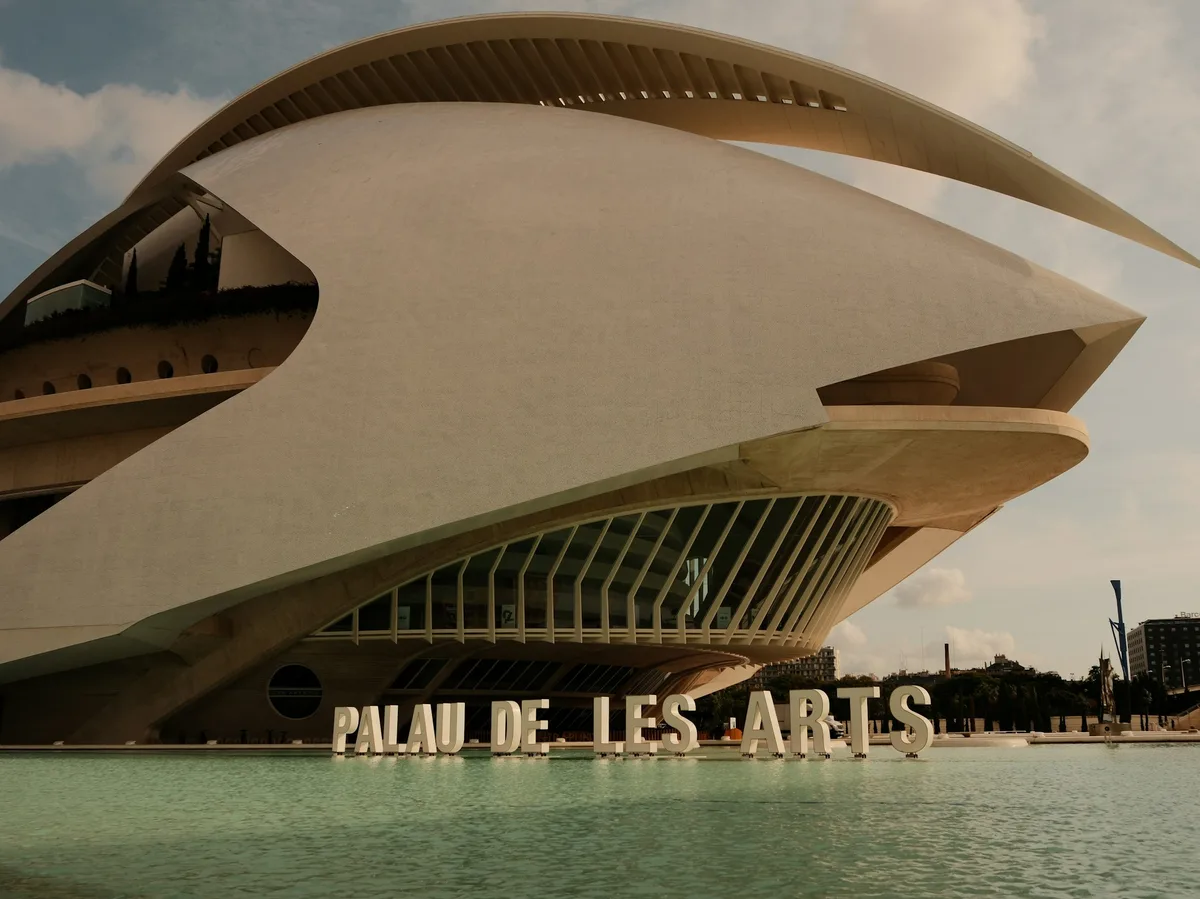
A 13-day grand tour of Spain — Barcelona, a Montserrat day trip, Valencia, Madrid, Toledo, Seville, Córdoba, Ronda, and Granada's Alhambra.
 Multi-Day Tours
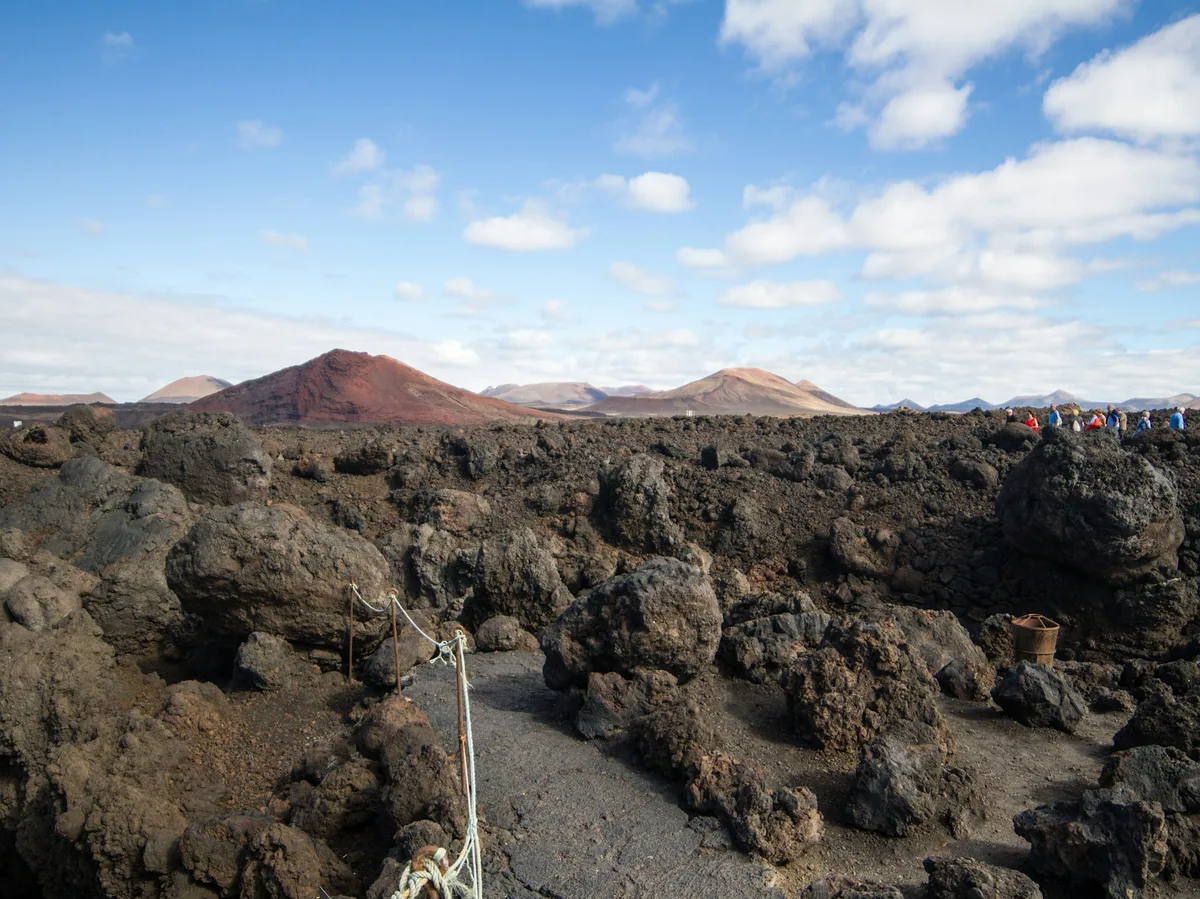
A 7-day Lanzarote itinerary based in Playa Blanca — César Manrique's volcanic-island architecture, a 4x4 Timanfaya safari, La Geria wine country, and a day trip to neighboring Fuerteventura.
 Multi-Day Tours
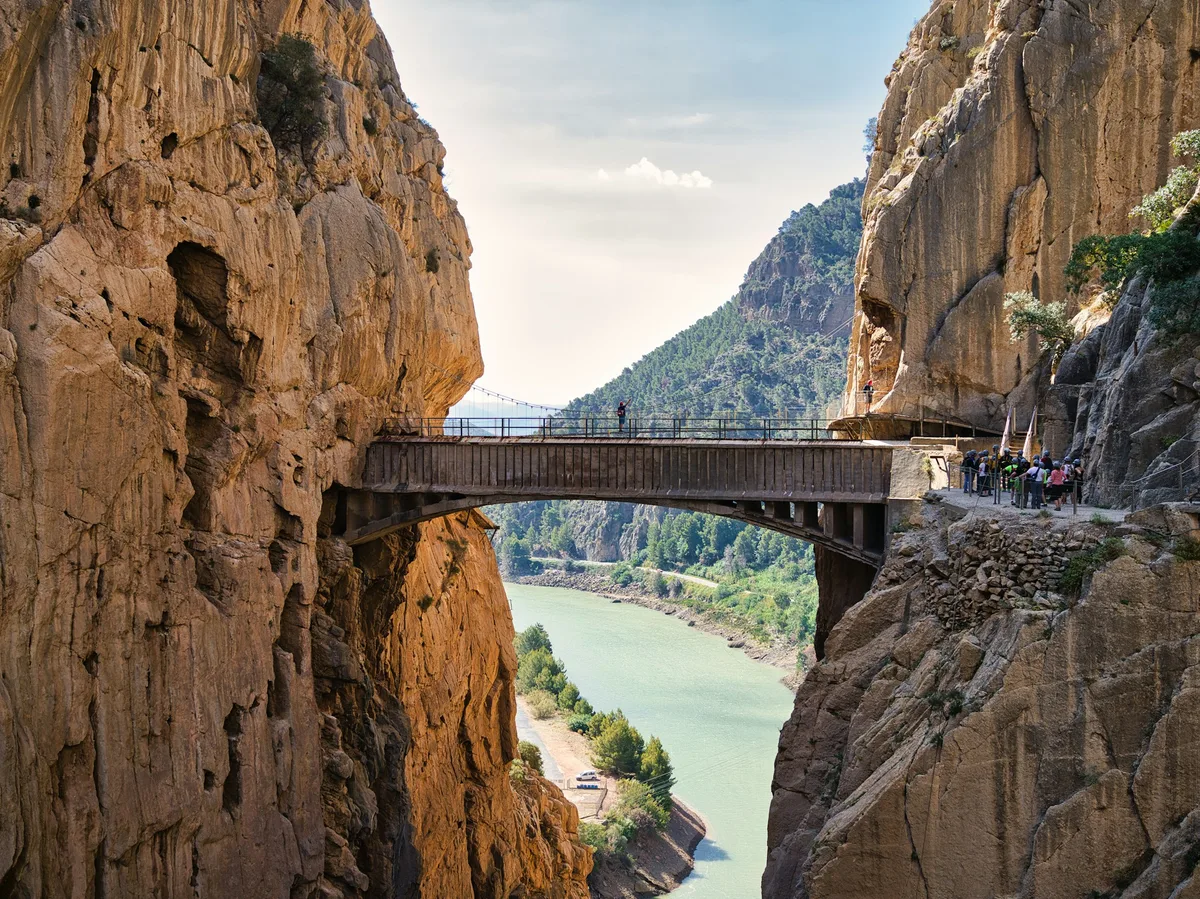
A 7-day Andalucía road-trip route from Seville's Alcázar through the whitewashed village of Vejer de la Frontera, mountaintop Ronda, the El Caminito del Rey gorge trail, and Granada's Alhambra.
The real stops Voyzo's own itineraries are built around — tap any attraction to learn more.
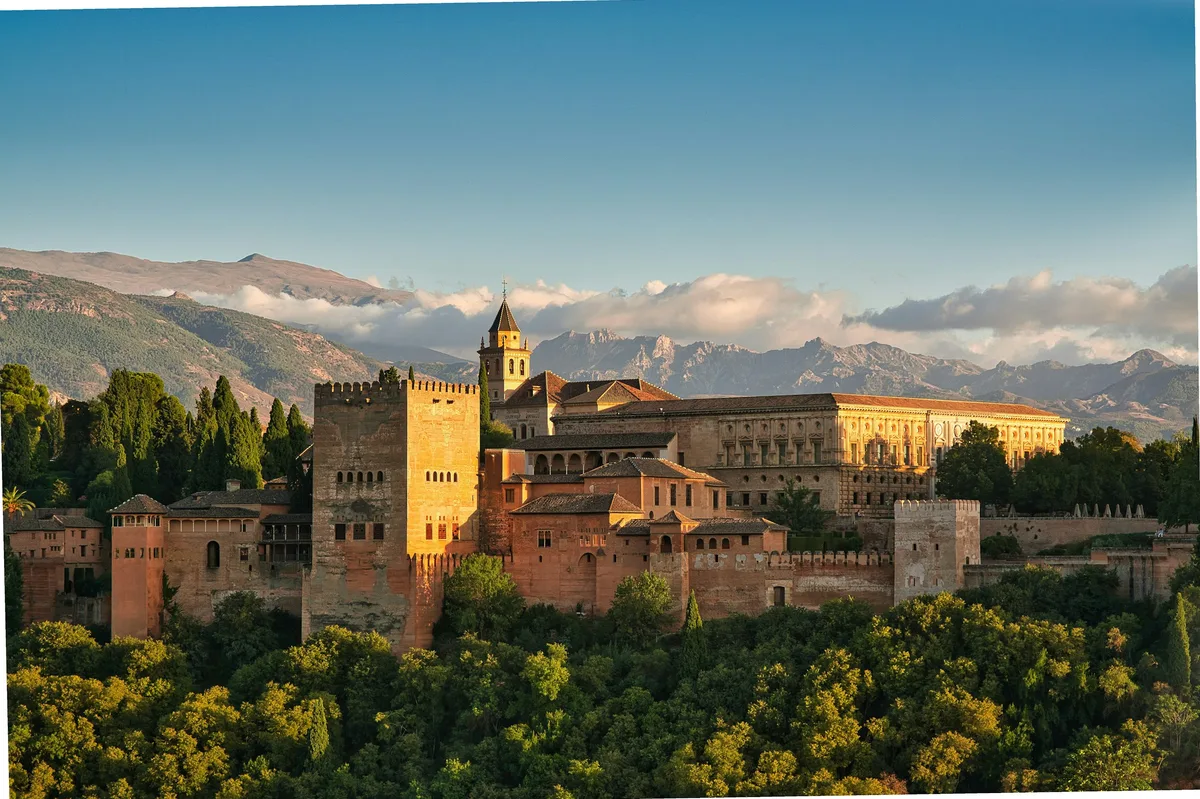 The Alhambra
Spain
A Moorish palace and fortress complex overlooking Granada, its intricate Nasrid-era stucco work, courtyards, and gardens making it one of Spain's most visited monuments.
2
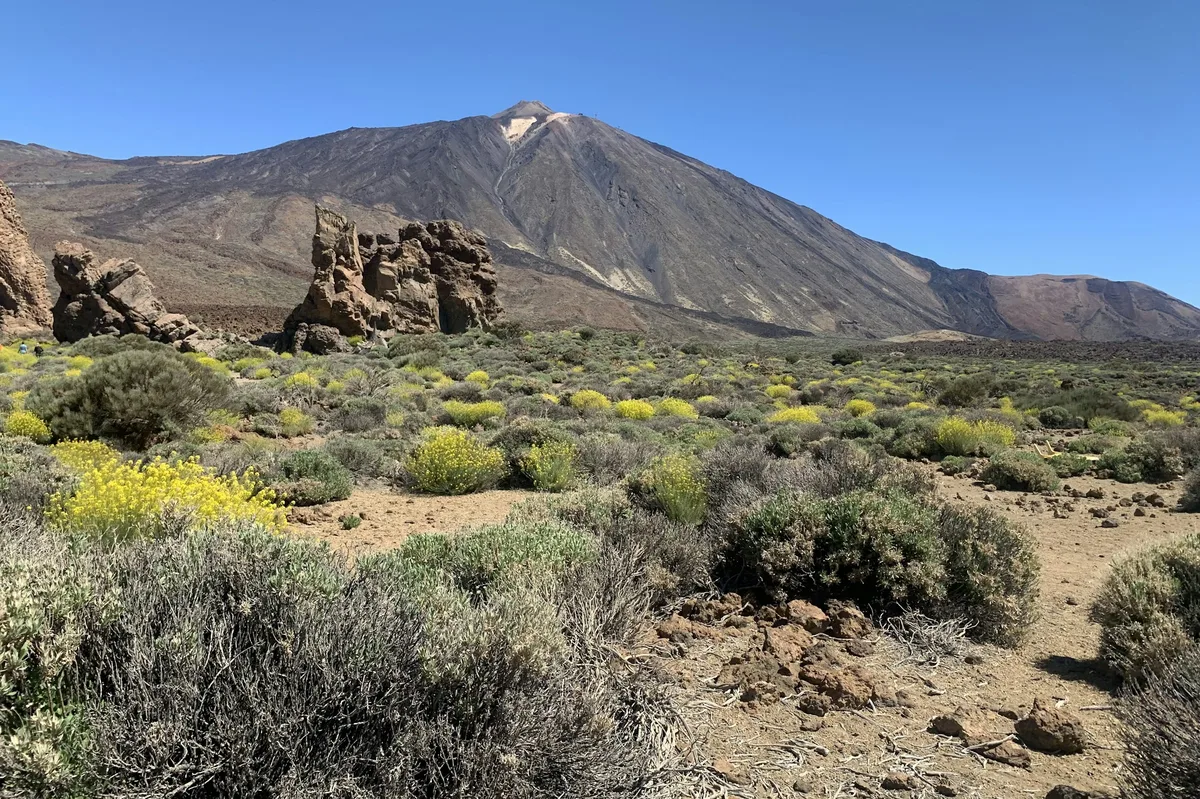 Teide National Park
Spain
A UNESCO World Heritage volcanic landscape on Tenerife surrounding Mount Teide, Spain's highest peak, and considered one of the world's best stargazing sites.
3
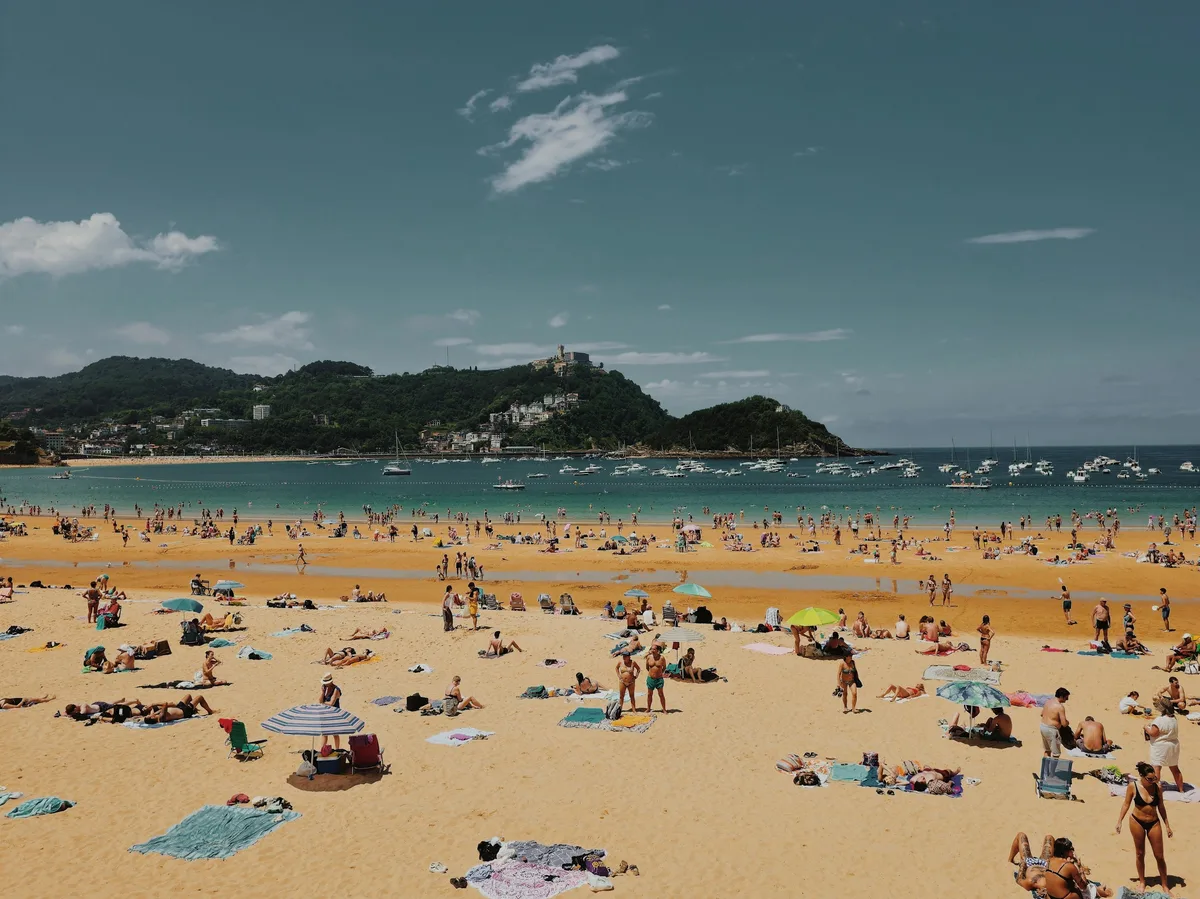
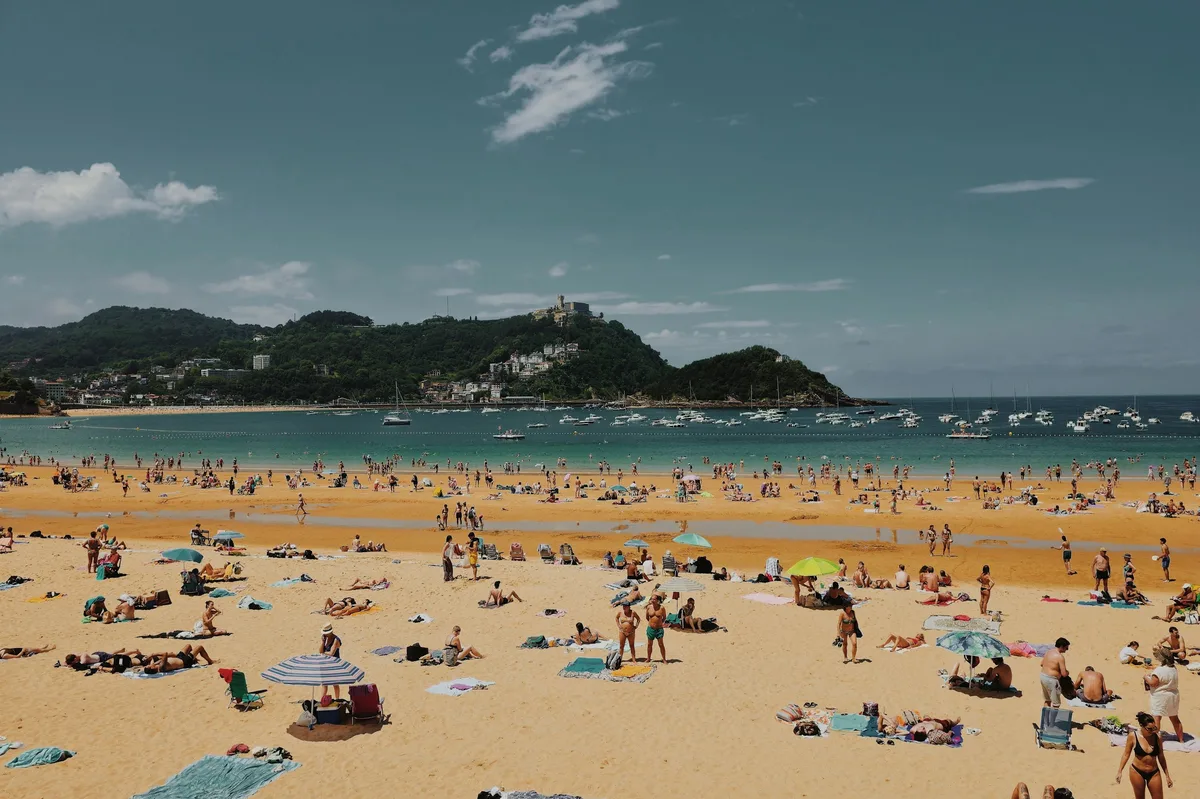 La Concha Beach
Spain
San Sebastián's shell-shaped city beach along the Basque coast, framed by Monte Igueldo and Monte Urgull, and considered one of Europe's finest urban beaches.
4
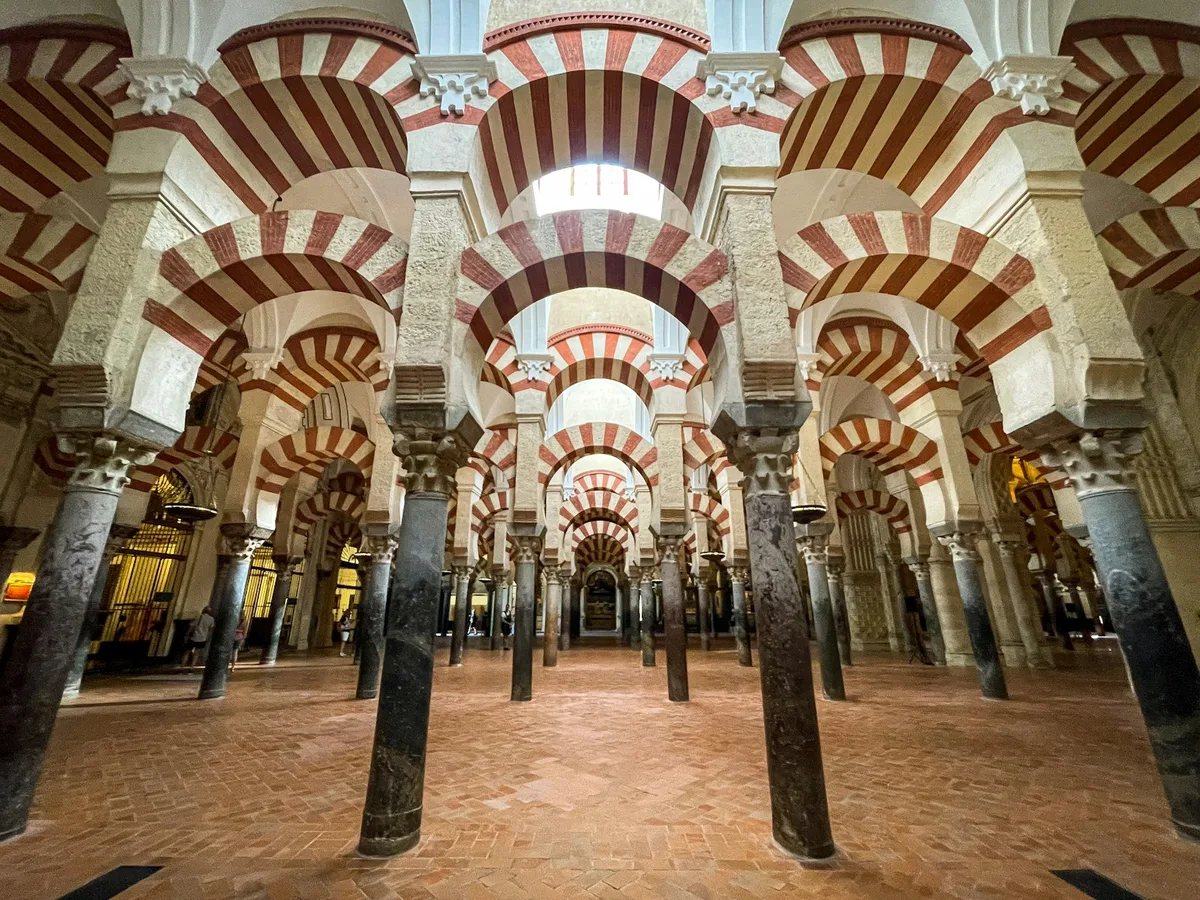 Mezquita-Catedral de Córdoba
Spain
A former mosque turned cathedral, famous for its forest of red-and-white striped horseshoe arches built under Moorish rule and later capped with a Renaissance cathedral nave.
5
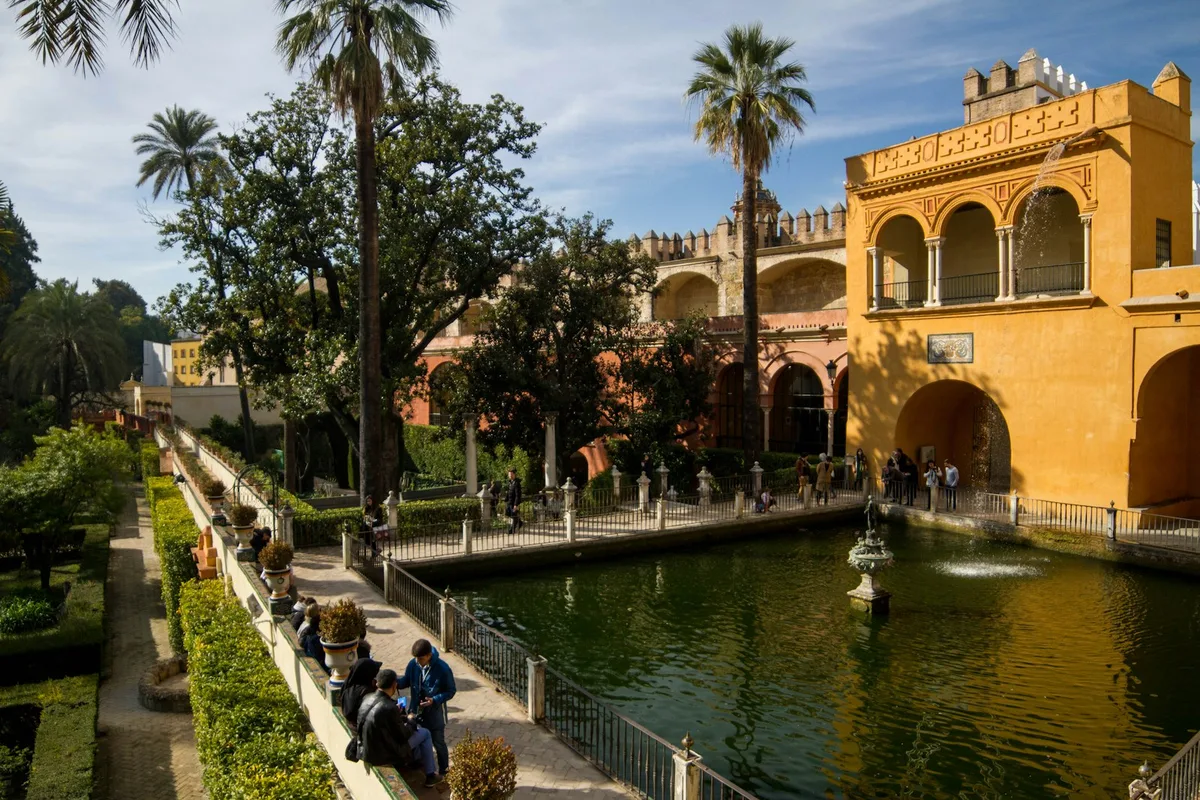 Real Alcázar of Seville
Spain
A royal palace complex of Mudéjar architecture and tiered gardens, still in use by the Spanish royal family and one of the oldest palaces in Europe still functioning as such.
6
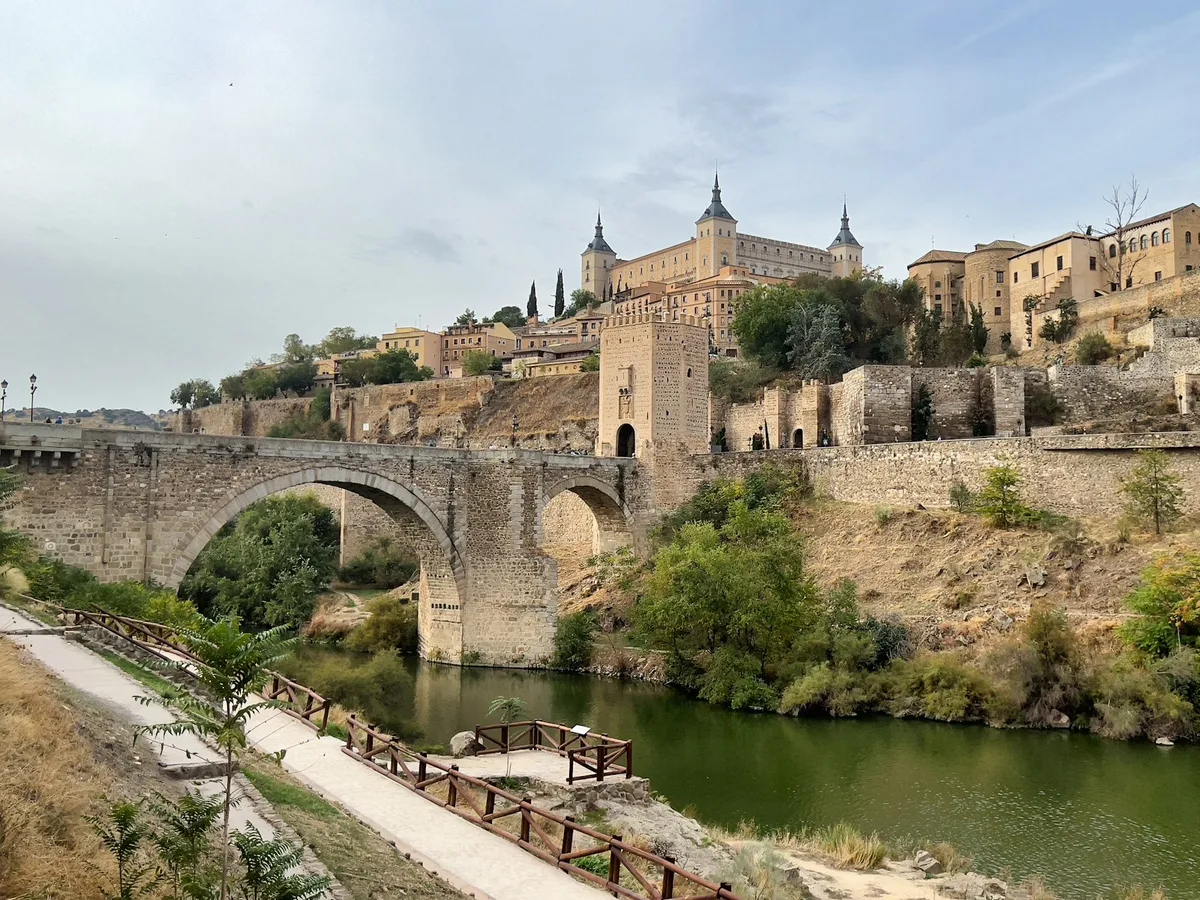 Toledo Old Town & Alcázar
Spain
A walled hilltop city above the Tagus River, its skyline dominated by the Alcázar fortress and Gothic cathedral, and once home to a rare coexistence of Christian, Muslim, and Jewish communities.
7
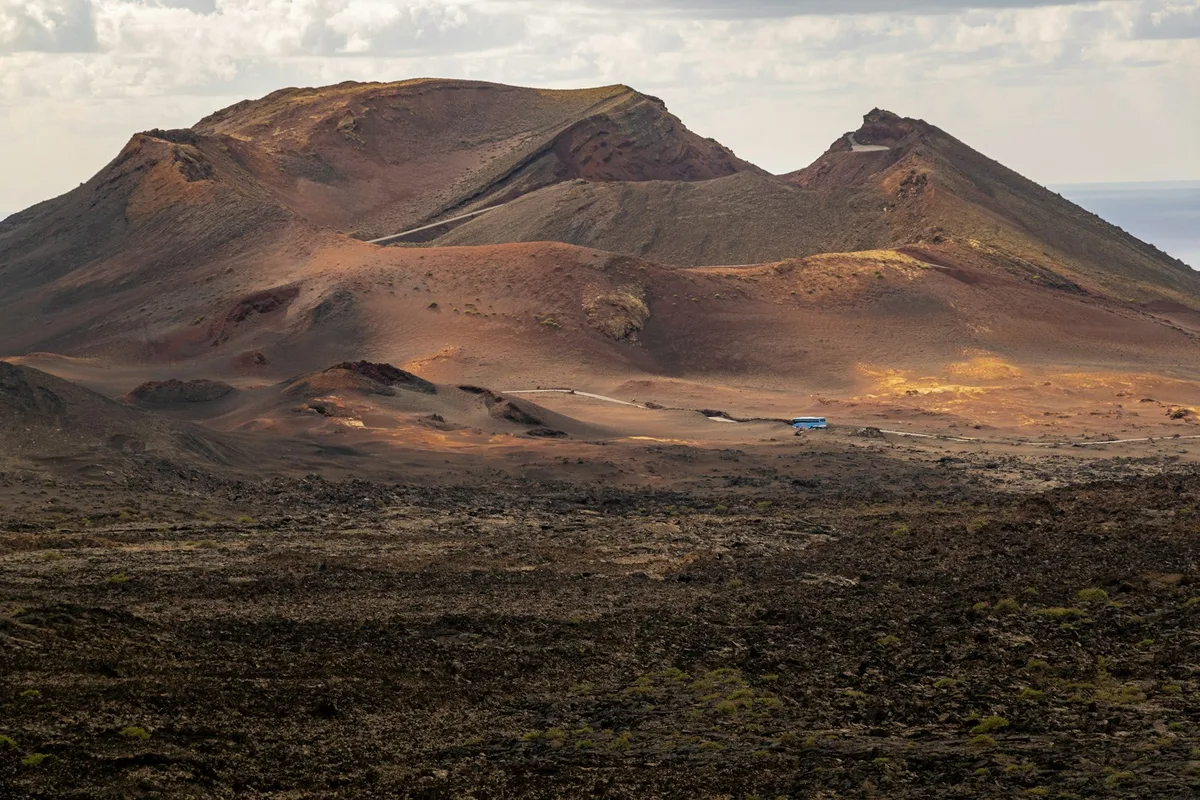 Timanfaya National Park
Spain
A volcanic landscape on Lanzarote formed by 18th-century eruptions that buried a quarter of the island, now crossed by a single road through fields of solidified lava.
8
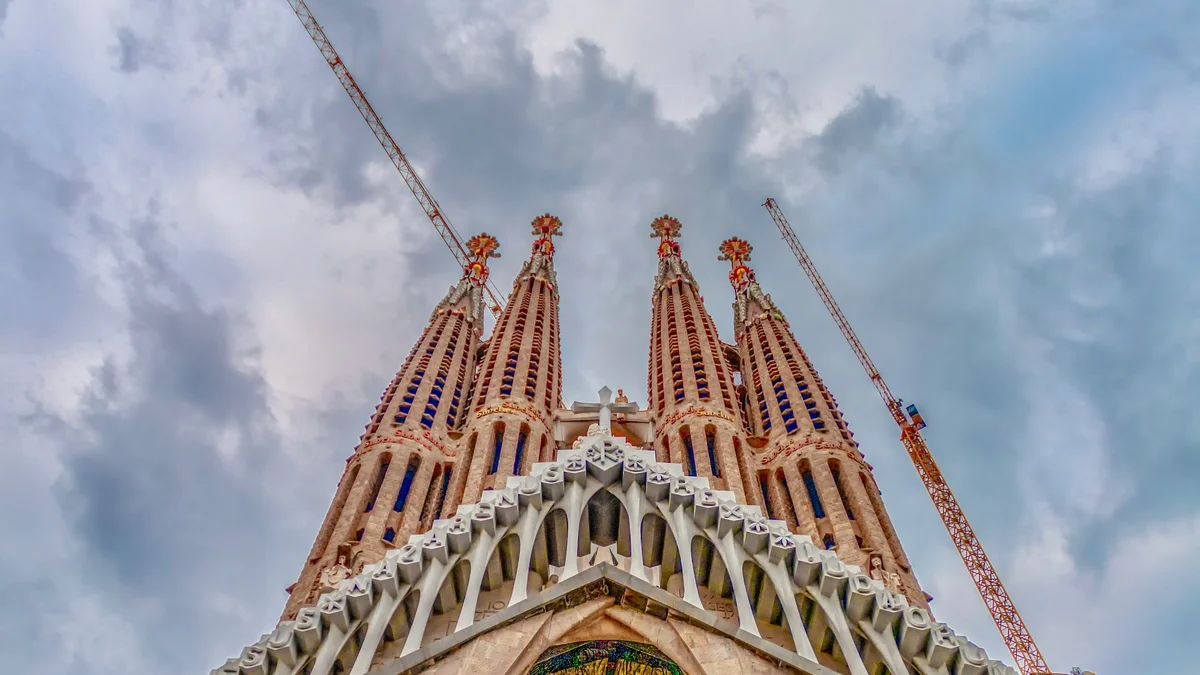
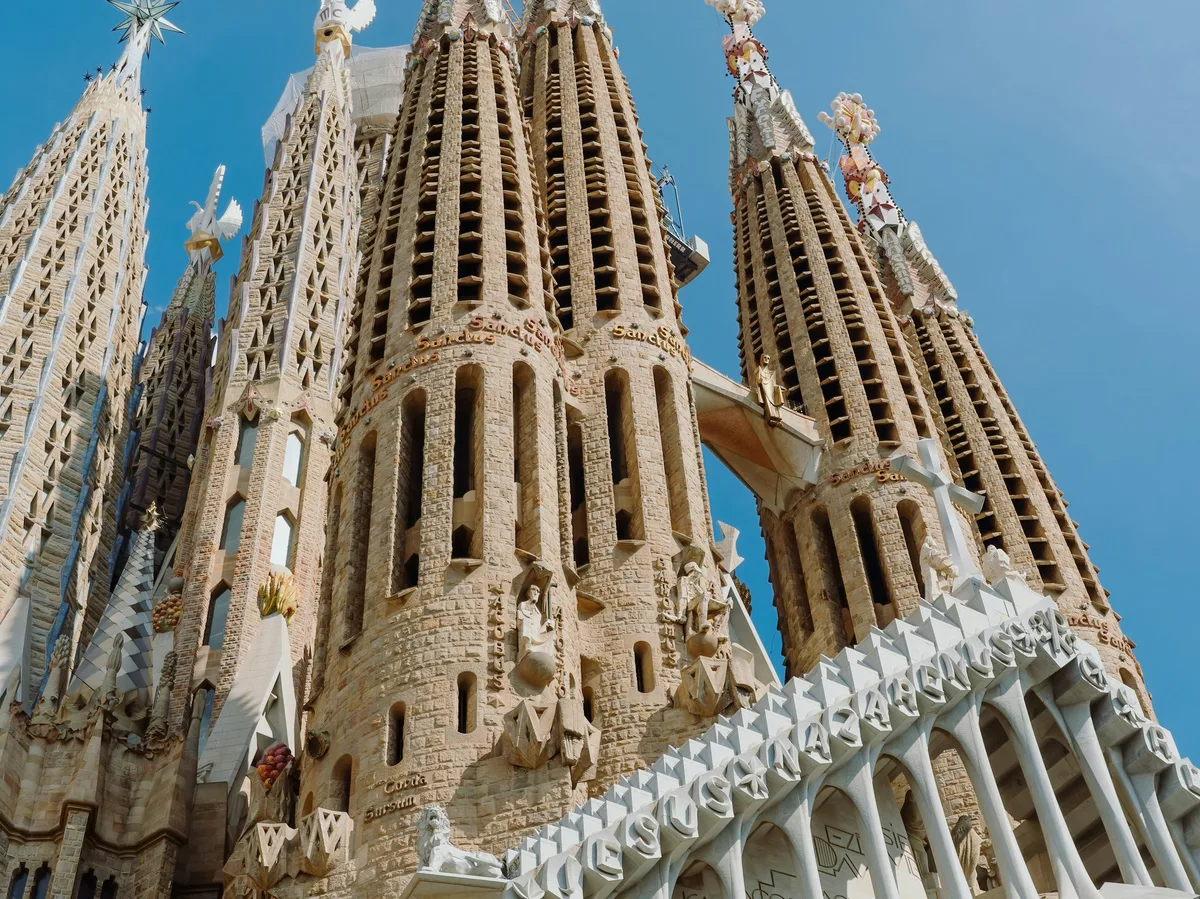
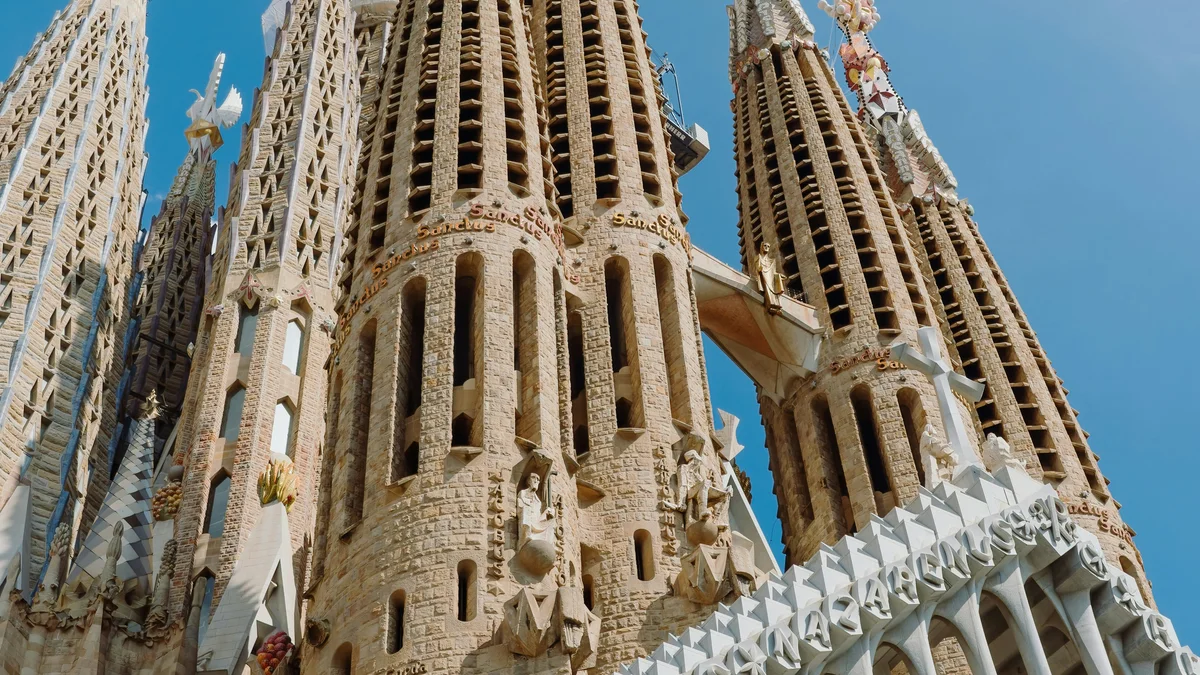 Sagrada Família
Barcelona
The Sagrada Família is Antoni Gaudí's still-unfinished basilica, under continuous construction since 1882 and now one of the most visited monuments in Spain. Gaudí took over the project in 1883 and worked on it until his death in 1926, by which point less than a quarter of the building was complete; construction has continued ever since, funded almost entirely by visitor admissions and donations. Its interior is famous for tree-like columns and stained glass that floods the nave with color, a striking contrast to the elaborate stone façades outside.
9
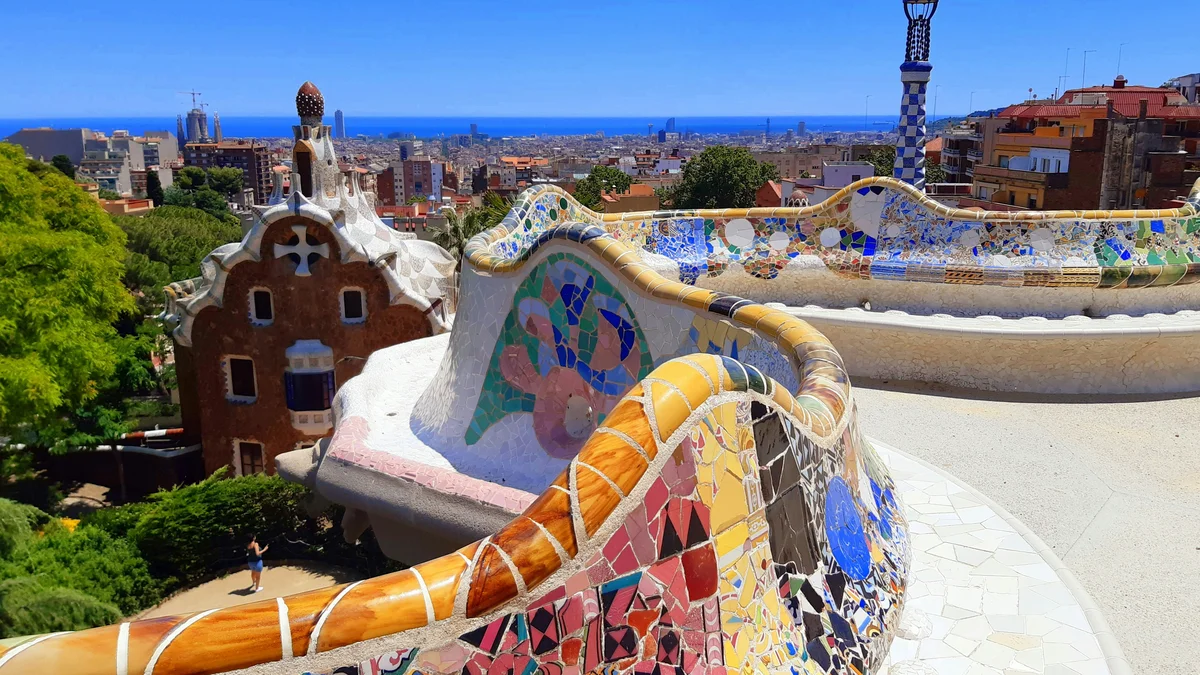 Park Güell
Barcelona
Park Güell is a public park in Barcelona designed by Antoni Gaudí between 1900 and 1914, originally conceived as a private, English-style garden housing estate that never fully materialized commercially. Its most photographed feature is a long, undulating mosaic bench, made of broken ceramic tile (trencadís) in Gaudí's signature style, overlooking sweeping views of the city and the sea. The park was declared a UNESCO World Heritage Site in 1984 as part of Gaudí's body of work.
10
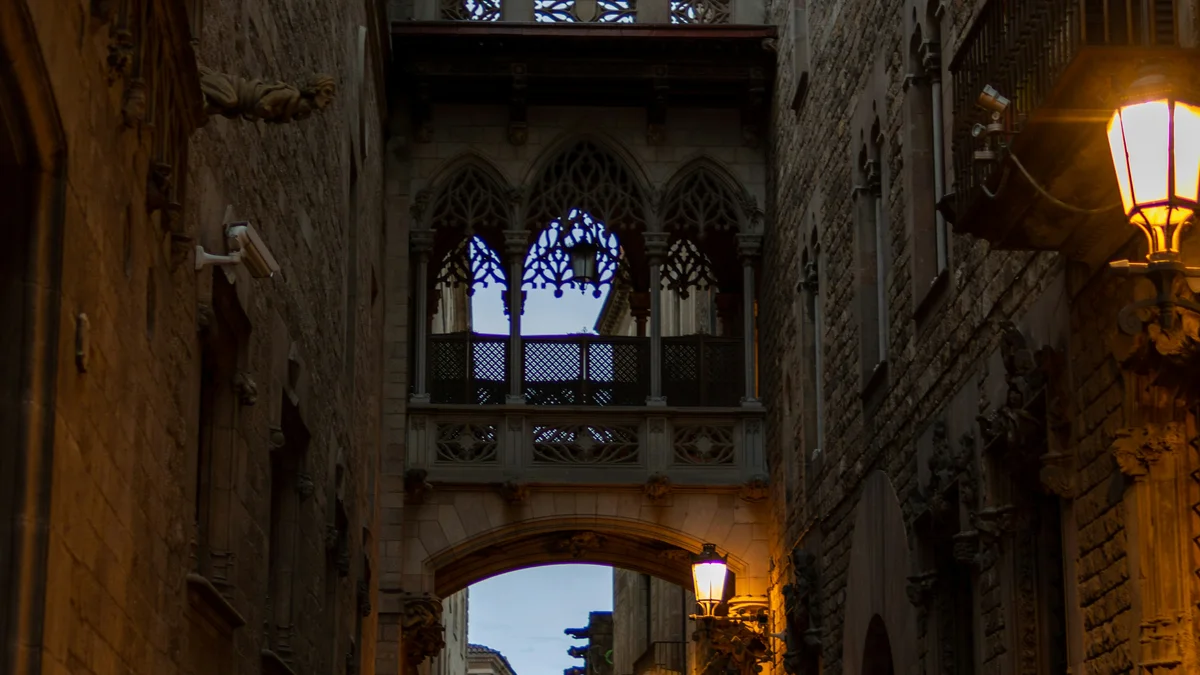 Gothic Quarter (Barri Gòtic)
Barcelona
The Gothic Quarter (Barri Gòtic) is Barcelona's medieval old town, a dense tangle of narrow stone lanes built over the footprint of the original Roman settlement of Barcino. Remnants of Roman walls and columns still surface between Gothic-era churches and palaces, most notably around the 14th-century Barcelona Cathedral. The quarter's small squares and covered passageways, like the arched Pont del Bisbe bridge, make it one of the most atmospheric parts of the city to simply wander.
11
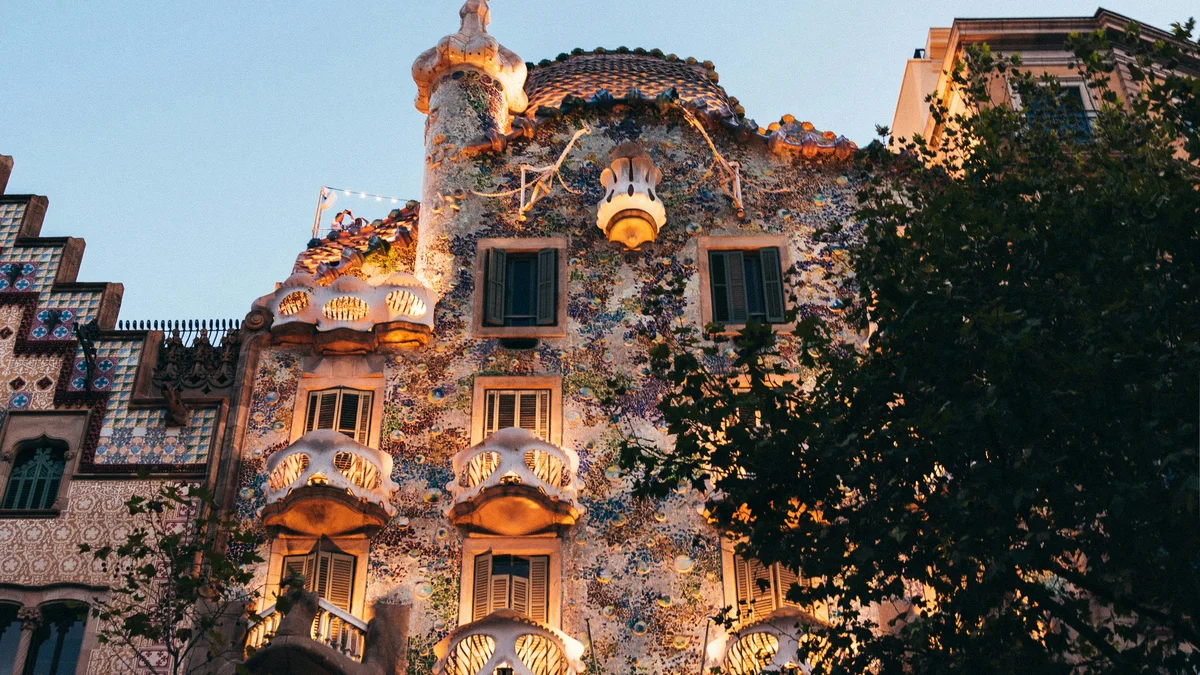 Casa Batlló & La Pedrera
Barcelona
Casa Batlló and La Pedrera (Casa Milà) are two Gaudí-designed apartment buildings standing along Passeig de Gràcia, among his most celebrated residential works. Casa Batlló, completed in 1906, is nicknamed the 'House of Bones' for its skeletal balconies and scaled, dragon-like roofline, while La Pedrera's undulating stone façade and surreal rooftop chimneys have no straight lines at all. Both buildings are UNESCO World Heritage Sites and open to the public, with La Pedrera's rooftop offering close-up views of its sculptural chimney forms.
12
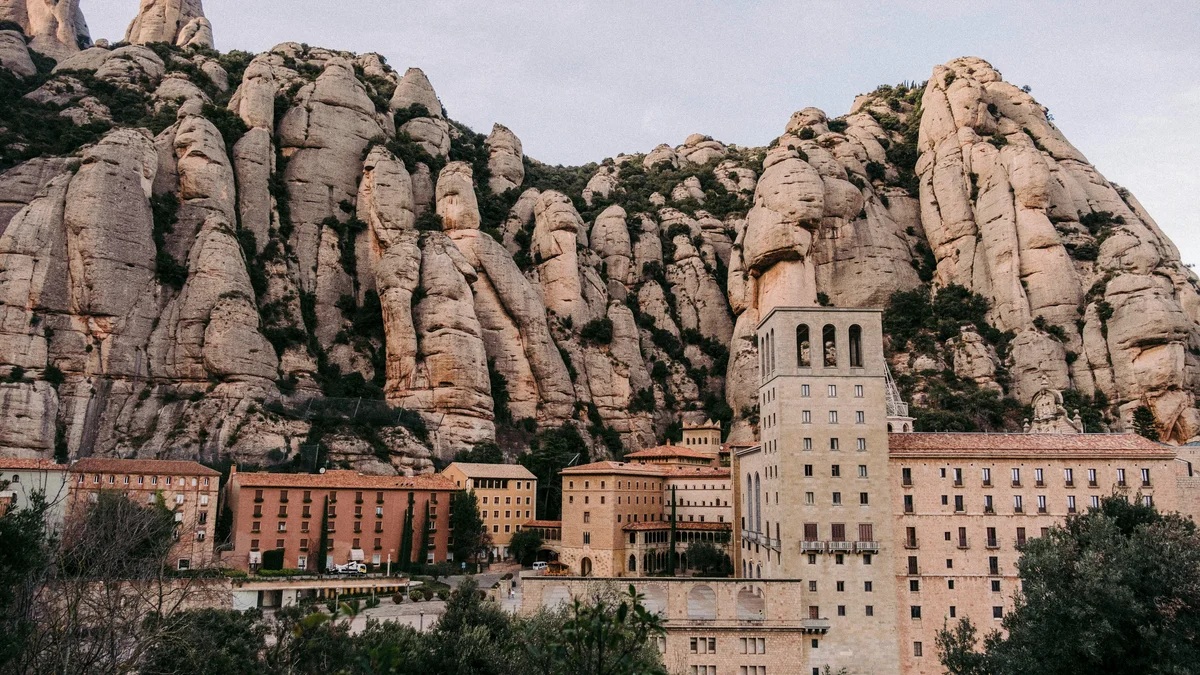 Montserrat Monastery
Barcelona
Montserrat Monastery is a Benedictine abbey perched dramatically on a jagged mountain range about an hour outside Barcelona, founded in the 11th century. It's home to the Virgin of Montserrat, a wooden statue known as La Moreneta ('the little dark-skinned one') and one of Catalonia's most venerated religious icons. The monastery can be reached by road or by a rack railway and cable car that climb the mountain, and the surrounding trails offer views across the Catalan countryside.
April-June and September-October offer the mildest weather across the country; July and August bring intense heat, especially inland in Madrid and Andalusia, while the coasts stay more temperate.
Spain's AVE high-speed rail network connects major cities quickly (Madrid to Seville in under 3 hours), while a private vehicle is the practical way to reach smaller towns, the Pyrenees, or the Canary Islands' volcanic interiors.
Andalusia and the south can exceed 40°C (104°F) in summer, so light clothing and sun protection matter; the Canary Islands (Tenerife, Lanzarote) stay mild year-round but volcanic terrain calls for sturdy shoes.
Spain uses the euro; tipping isn't obligatory, and rounding up or leaving 5-10% at restaurants is generous rather than expected.
Castilian Spanish is spoken nationwide, but Catalan (Barcelona), Basque (San Sebastián), and Galician are official regional languages with real everyday use in their regions — signage is often bilingual there.
Many shops close for a few hours in the early afternoon, especially outside major cities, and dinner is eaten late — often 9pm or later.
Spain is the fourth-largest country in Europe by area and one of the world's most visited nations, with roughly 47 million residents spread across 17 autonomous communities that each carry real cultural and linguistic distinctiveness — Catalan, Basque, and Galician are all official regional languages alongside Castilian Spanish. Its geography spans a long Mediterranean coastline, an Atlantic north defined by Basque and Galician culture, the mountainous interior around Madrid, and volcanic Atlantic islands (the Canaries) off the coast of Africa. Centuries of Moorish rule in the south, ending with the 1492 Reconquista, left an architectural legacy still visible across Andalusia today.
Voyzo's Spain tours cover a wide spread of that geography — Madrid and Barcelona for families, San Sebastián's Basque Country food scene, the Sephardic Jewish heritage of Madrid, Toledo, Seville, Córdoba, and Granada, the volcanic landscapes of Tenerife, and the Aragonese Pyrenees around Zaragoza and Benasque.
Two of these private routes are adapted from self-drive itineraries and now run with a private driver instead of a rental car; the rest are private from the start, each with a dedicated English-speaking guide and vehicle arranging hotels, activities, and transfers for every day.
Tell us your group size and dates — we'll take care of the rest.