TorontoOntario · 36 tours
 Niagara FallsOntario · 25 tours
 New York CityNew York · 30 tours
 Las VegasNevada · 8 tours
 San FranciscoCalifornia · 16 tours
 VancouverBritish Columbia · 17 tours
 DubaiUAE · 54 tours
 Abu DhabiUAE · 5 tours
 Buenos AiresArgentina · 23 tours
 AthensGreece · 31 tours
 AucklandNew Zealand · 38 tours
 CancunMexico · 54 tours
No destinations match “”. Try searching all tours instead — that search understands full questions, not just place names.
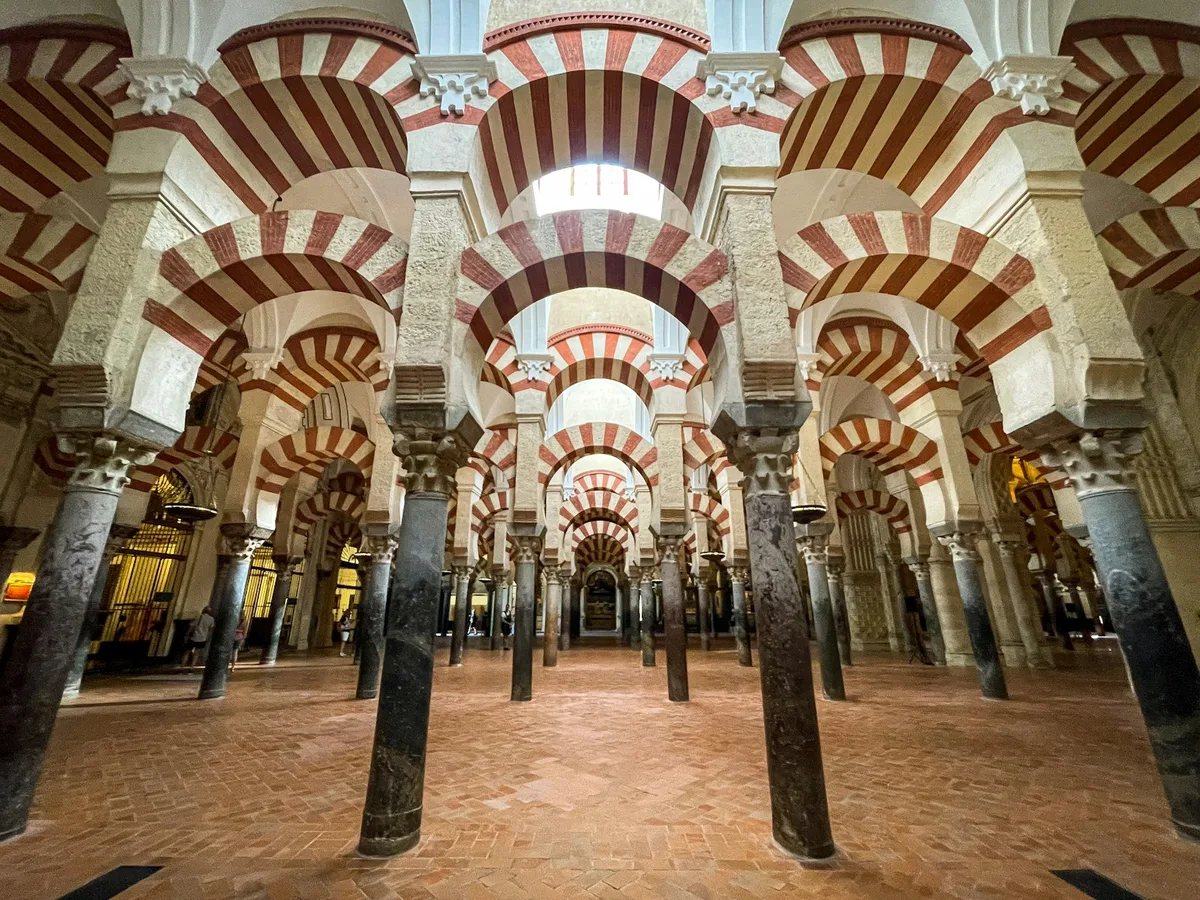
A former mosque turned cathedral, famous for its forest of red-and-white striped horseshoe arches built under Moorish rule and later capped with a Renaissance cathedral nave.
 Multi-Day Tours
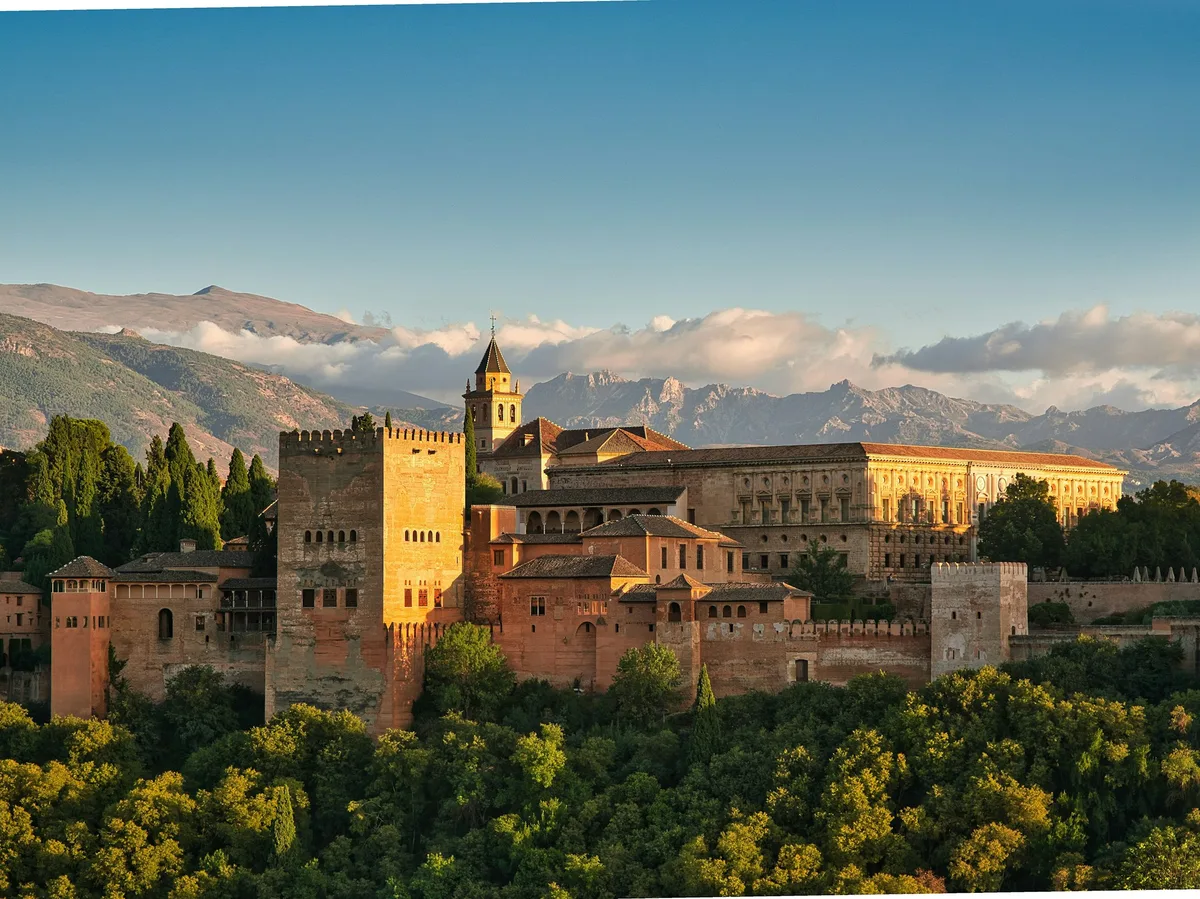
A 10-day Sephardic heritage tour of Spain across Madrid, Toledo, Seville, Córdoba, and Granada — historic synagogues, the Alhambra with a Jewish heritage expert guide, the House of Sepharad museum, and the Jewish Cemetery in Lucena.
 Multi-Day Tours
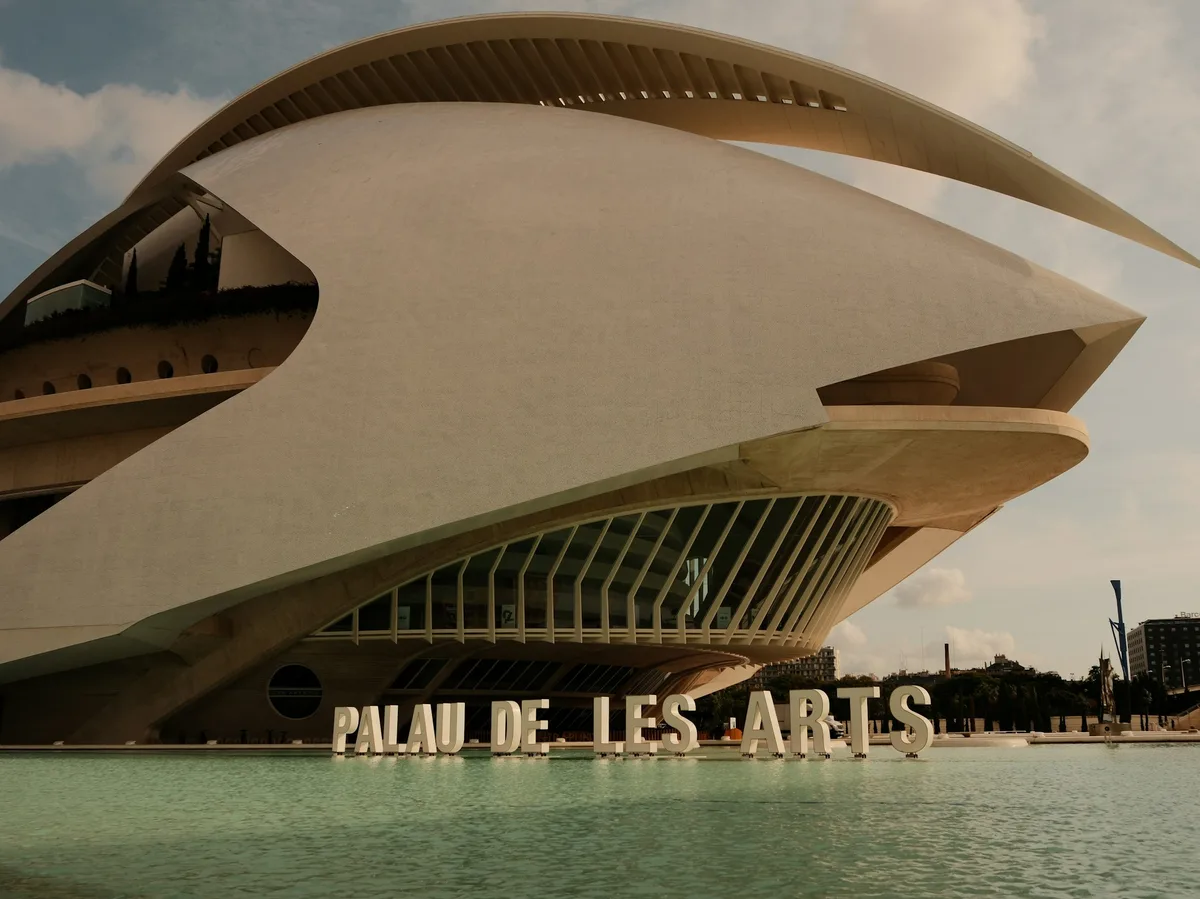
A 13-day grand tour of Spain — Barcelona, a Montserrat day trip, Valencia, Madrid, Toledo, Seville, Córdoba, Ronda, and Granada's Alhambra.
 Multi-Day Tours
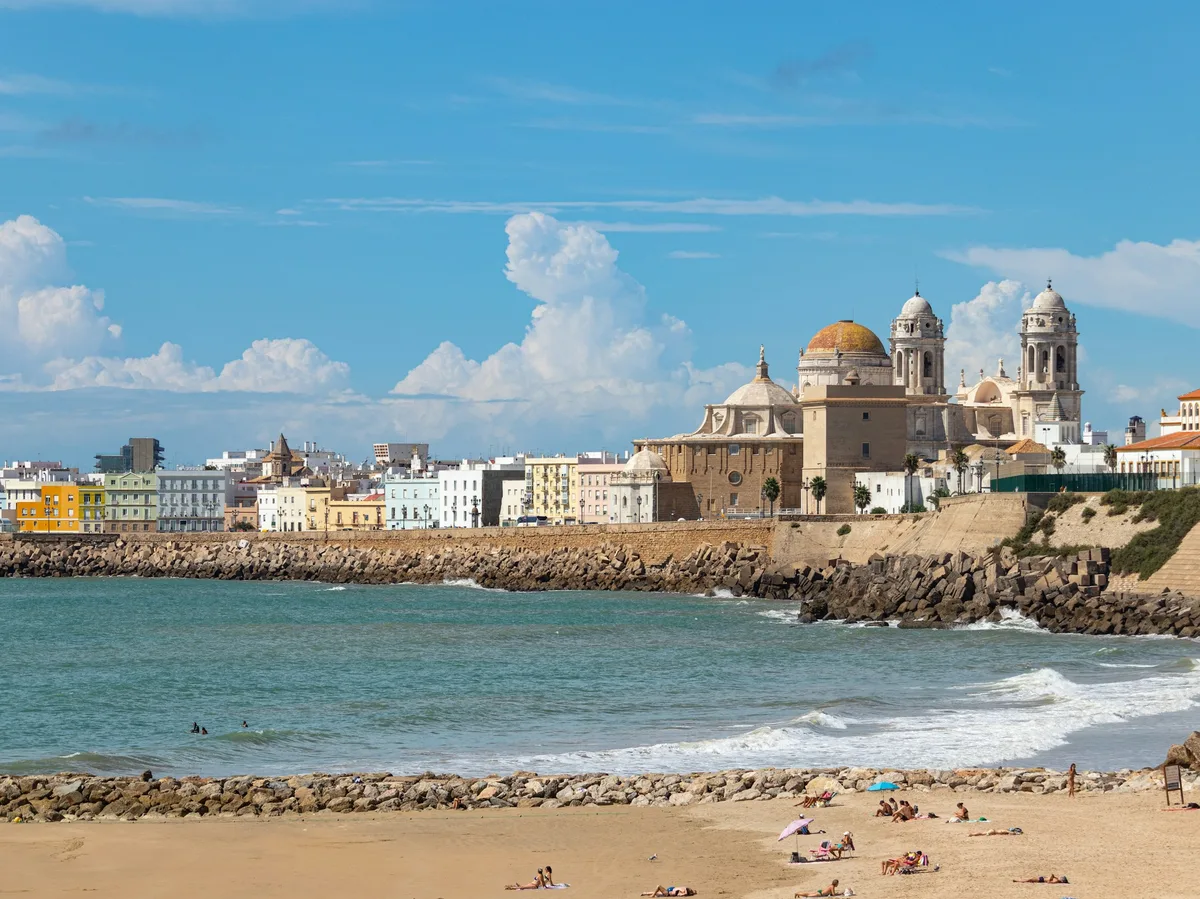
A 14-day Spain honeymoon — Madrid, Seville with a Jerez sherry and Cádiz day trip, a luxury stay at La Bobadilla near Granada with a Córdoba excursion, Barcelona, and a final stretch on the Costa Brava.
Visitor guide
The Mezquita-Catedral of Cordoba, formally the Cathedral of Our Lady of the Assumption, is a building in Andalusia, southern Spain, that has served as both a mosque and a cathedral. It is known for its forest of columns carrying double-tiered arches of red brick and white stone, and for the Renaissance nave built inside its Islamic prayer hall. It is part of the UNESCO-listed historic centre of Cordoba.
Tradition holds that a Visigothic church dedicated to Saint Vincent stood on the site, though scholars dispute the details. According to Wikipedia, in 785 the Umayyad emir Abd al-Rahman I reportedly bought the Christian portion of the site and began building a mosque, finished by about 787. Columns and capitals from earlier Roman and Visigothic buildings were reused in the construction.
The mosque was enlarged several times. Abd al-Rahman II extended the prayer hall in the ninth century, Abd al-Rahman III added a minaret completed in 958 and enlarged the courtyard, and al-Hakam II extended the hall again from 961, adding a richly decorated mihrab and domed areas. Al-Mansur made the final eastward expansion in the late tenth century, giving the building the width it largely retains today.
The prayer hall's most recognisable feature is its repeating arches. Each bay has a lower horseshoe arch and an upper semicircular arch, with voussoirs alternating between red brick and white stone. The hall originally had 11 aisles, increased to 19 by the final expansion, and the building now has around 850 columns of jasper, onyx, marble, granite and porphyry, many of them reused from earlier structures.
The area around the mihrab, built under al-Hakam II, is more elaborate than the rest. Its ribbed domes and gold mosaics, influenced by Byzantine craftsmanship, mark the most sacred part of the original mosque. The Villaviciosa Chapel dome, with its interlacing ribs, comes from the same extension.
The courtyard to the north, known as the Patio de los Naranjos, was the open court of the original mosque and has held trees since at least the ninth century. The Mezquita was declared a National Monument in 1882, and UNESCO inscribed it in 1984, extending the listing to Cordoba's whole historic centre in 1994.
The building is a place of worship as well as a monument, so access arrangements can vary. A private guided visit helps visitors read the layers of Umayyad and Christian history, and Voyzo can arrange this with a private vehicle and driver for your group.
See every tour and attraction we cover in Spain.