 TorontoOntario · 17 tours
 Niagara FallsOntario · 17 tours
 New York CityNew York · 8 tours
 Las VegasNevada · 8 tours
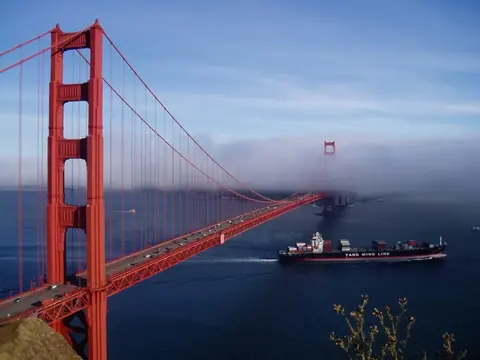 San FranciscoCalifornia · 16 tours
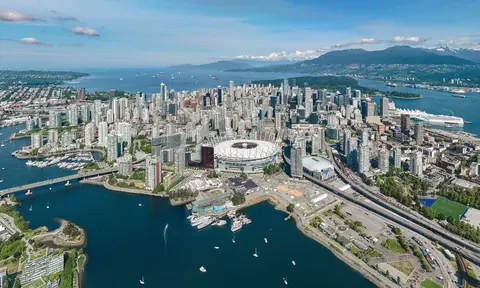 VancouverBritish Columbia · 17 tours
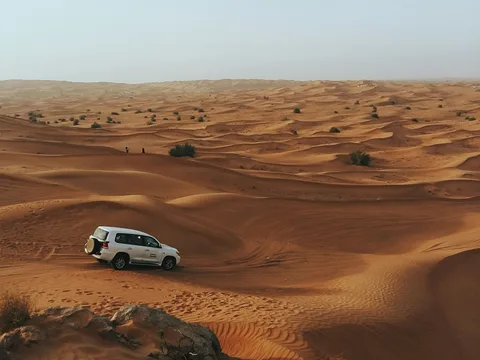 DubaiUAE · 44 tours
 Abu DhabiUAE · 5 tours
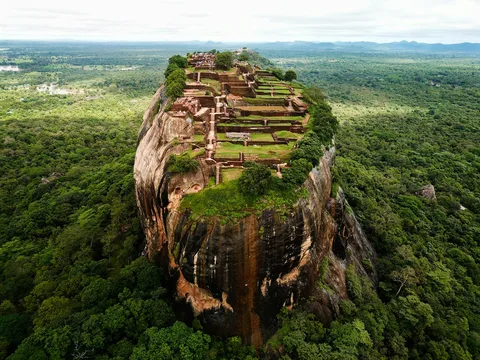 Sri LankaSri Lanka · 16 tours
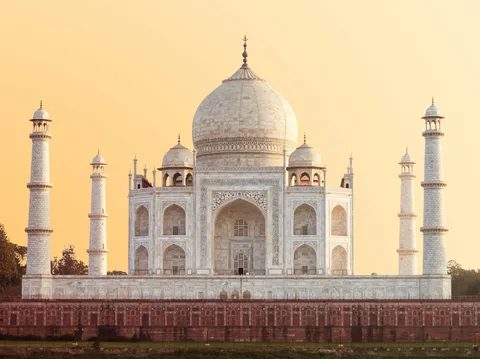 IndiaIndia · 13 tours
 AlbaniaAlbania · 10 tours
 ArgentinaArgentina · 8 tours
No destinations match “”.
Voyzo runs 13 private tours across 1 destination in India, covering 9 attractions — each with your own guide, driver, and vehicle, and an itinerary built around your group rather than a fixed bus schedule.
India is the world's most populous country, home to over 1.4 billion people across 28 states and 8 union territories, with New Delhi as its capital. Hindi and English serve as the main languages of national government and business, alongside more than 20 other officially recognized languages and hundreds more spoken regionally; the currency is the Indian rupee.
Few countries offer this much range within a single trip: the Mughal monuments of the Golden Triangle (Delhi, Agra, Jaipur), the desert forts and royal palaces of Rajasthan, the high-altitude Buddhist culture of Ladakh and Spiti in the Himalayas, wildlife-rich national parks in central India where tiger safaris run at dawn, the backwaters and tea hills of Kerala and Tamil Nadu in the south, the Sikh Golden Temple at Amritsar, and the sacred ghats of Varanasi on the Ganges. Religion, cuisine, architecture, and language all shift noticeably from one region to the next.
Because India's highlights are spread across a subcontinent rather than one region, Voyzo's India tours are built as multi-day private circuits, each with its own driver and vehicle for the full trip and hotels arranged at every stop. Some routes stay within one region — the Golden Triangle, Rajasthan, or the Himalayas — while others cross the country end to end, and each can be reshaped around what matters most to your group.
The real stops Voyzo's own itineraries are built around — tap any attraction to learn more.
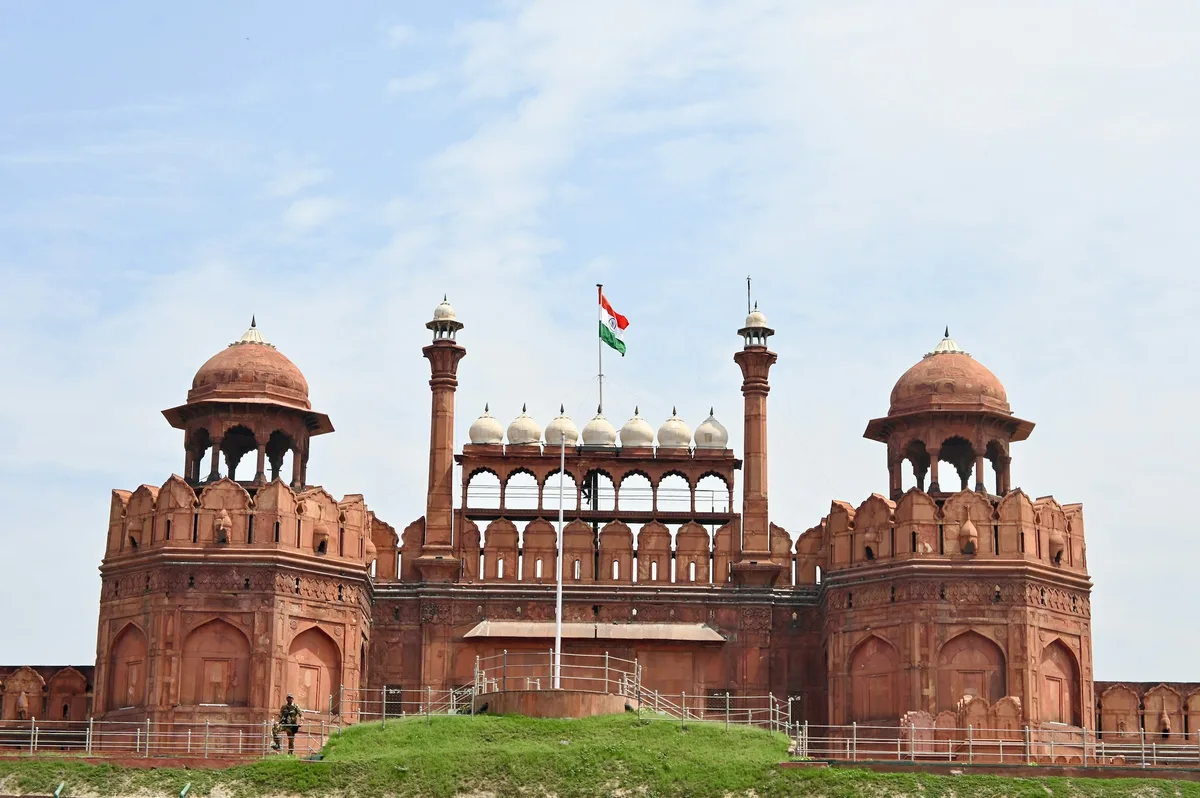 Red Fort
India
A 17th-century Mughal fortress of red sandstone in Old Delhi, once the seat of Mughal emperors and now a UNESCO World Heritage Site.
2
Red Fort
India
A 17th-century Mughal fortress of red sandstone in Old Delhi, once the seat of Mughal emperors and now a UNESCO World Heritage Site.
2
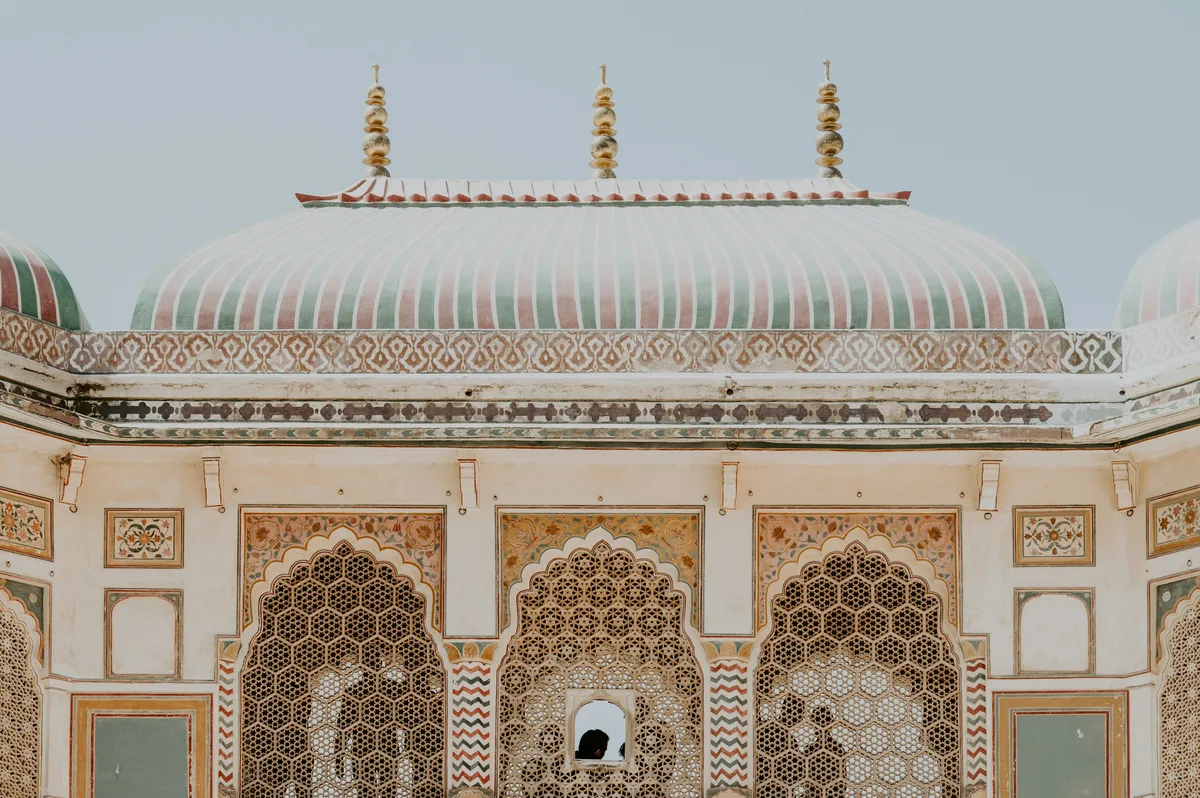 Amber Fort
India
A hilltop fort-palace of pale sandstone and marble overlooking Maota Lake near Jaipur, known for its ornately mirrored Sheesh Mahal and the Ganesh Pol gate.
3
Amber Fort
India
A hilltop fort-palace of pale sandstone and marble overlooking Maota Lake near Jaipur, known for its ornately mirrored Sheesh Mahal and the Ganesh Pol gate.
3
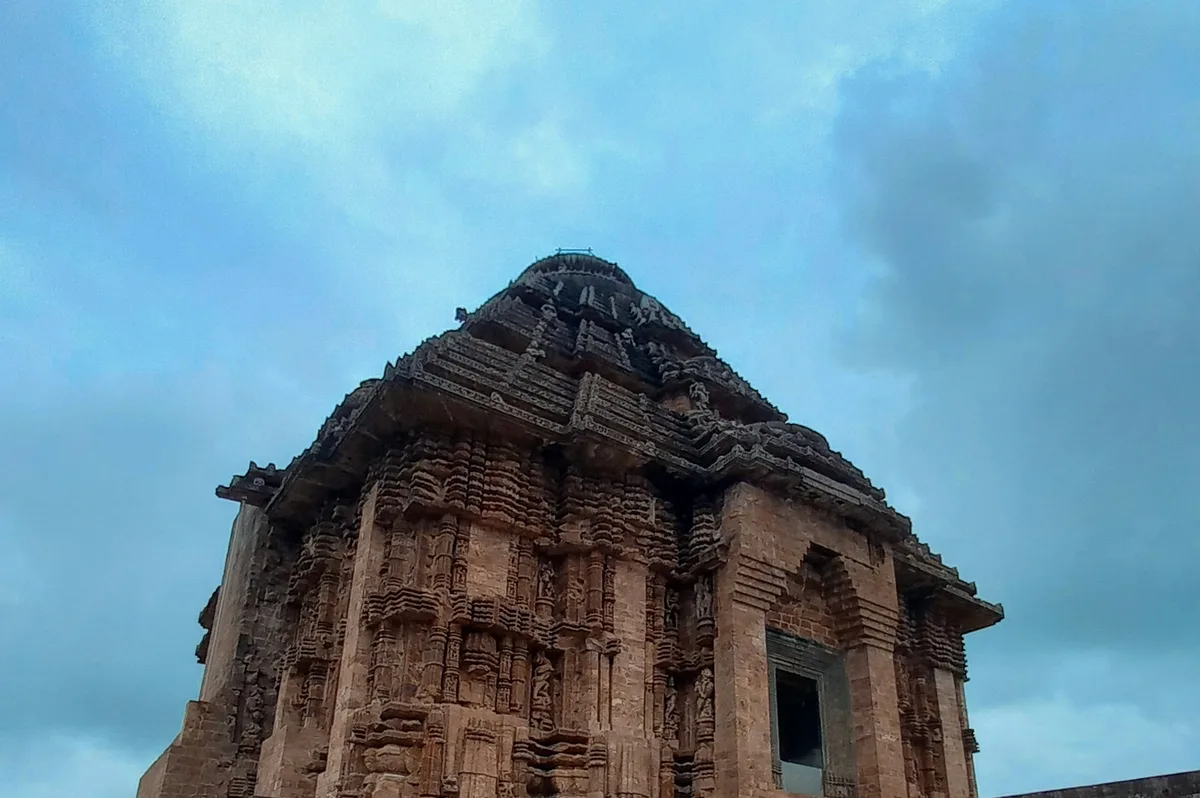 Konark Sun Temple
India
A 13th-century UNESCO World Heritage temple in Odisha built in the form of a giant stone chariot, its base carved with 24 elaborately decorated wheels.
4
Konark Sun Temple
India
A 13th-century UNESCO World Heritage temple in Odisha built in the form of a giant stone chariot, its base carved with 24 elaborately decorated wheels.
4
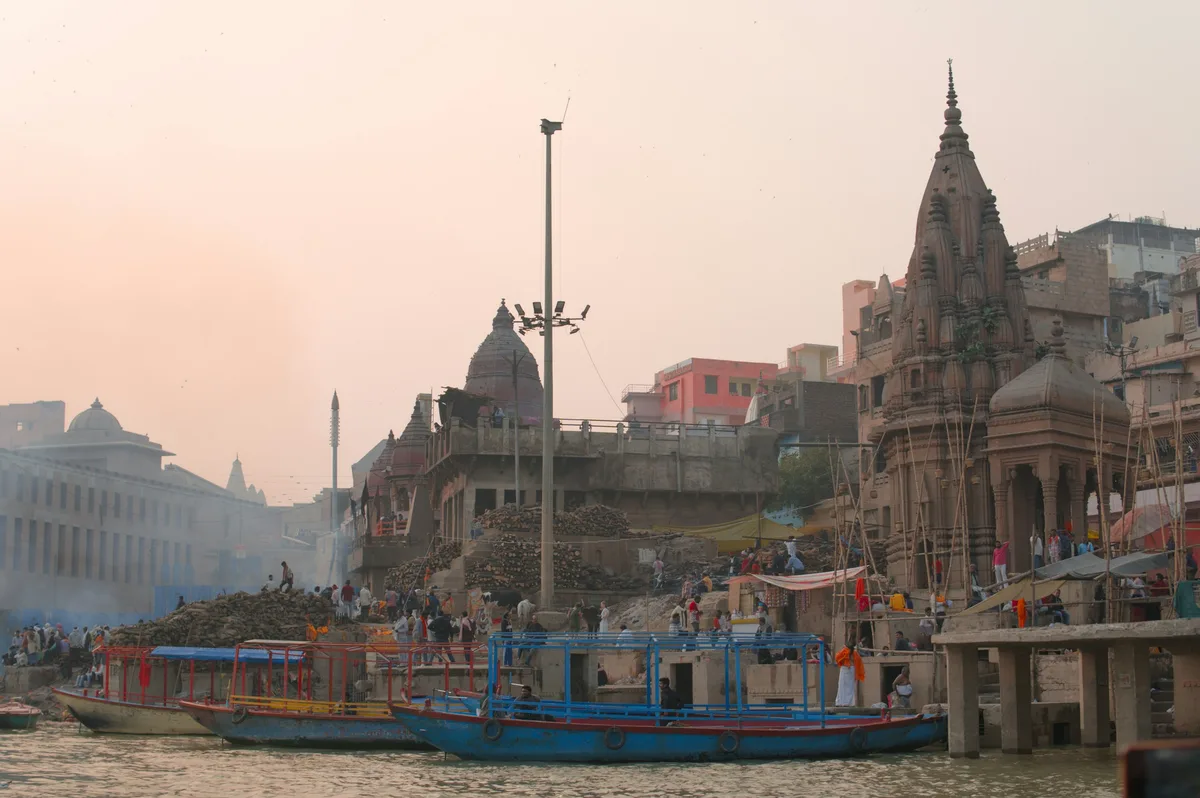 Ganges Ghats, Varanasi
India
The riverside steps of one of the world's oldest continuously inhabited cities, where pilgrims bathe in the sacred Ganges and sunrise boat rides pass centuries-old temples.
5
Ganges Ghats, Varanasi
India
The riverside steps of one of the world's oldest continuously inhabited cities, where pilgrims bathe in the sacred Ganges and sunrise boat rides pass centuries-old temples.
5
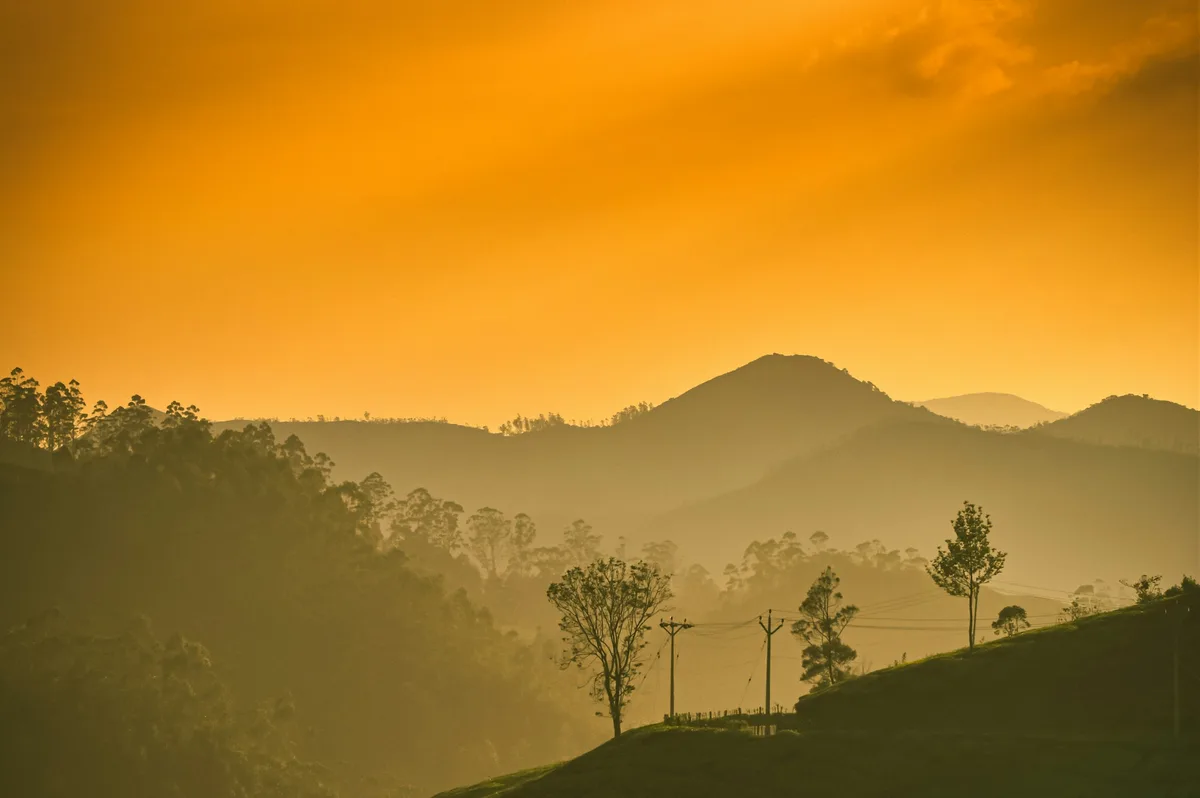 Munnar Tea Gardens
India
Rolling hillsides of tea plantations in Kerala's Western Ghats, one of South India's most scenic hill stations and a major tea-producing region.
6
Munnar Tea Gardens
India
Rolling hillsides of tea plantations in Kerala's Western Ghats, one of South India's most scenic hill stations and a major tea-producing region.
6
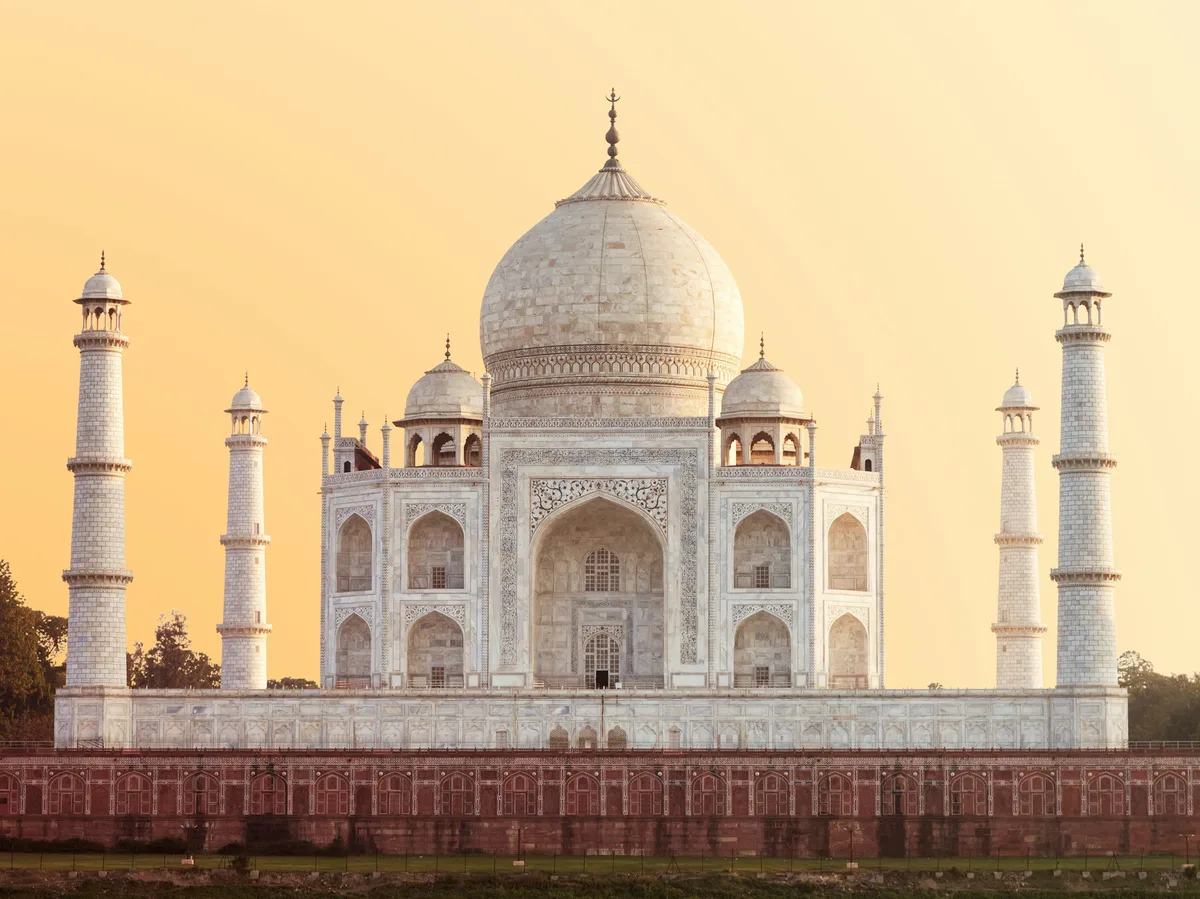
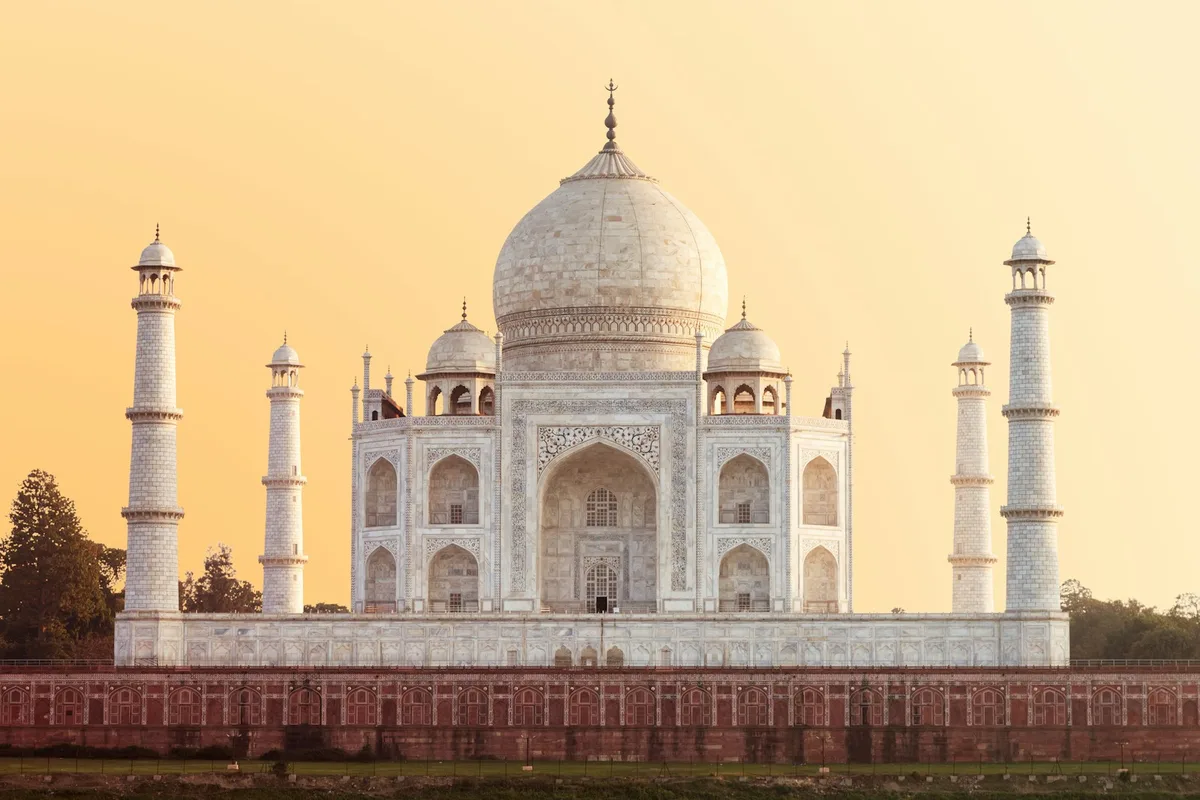 Taj Mahal
India
The white marble mausoleum Mughal emperor Shah Jahan built in Agra for his wife Mumtaz Mahal in the 17th century, and India's most recognized monument.
7
Taj Mahal
India
The white marble mausoleum Mughal emperor Shah Jahan built in Agra for his wife Mumtaz Mahal in the 17th century, and India's most recognized monument.
7
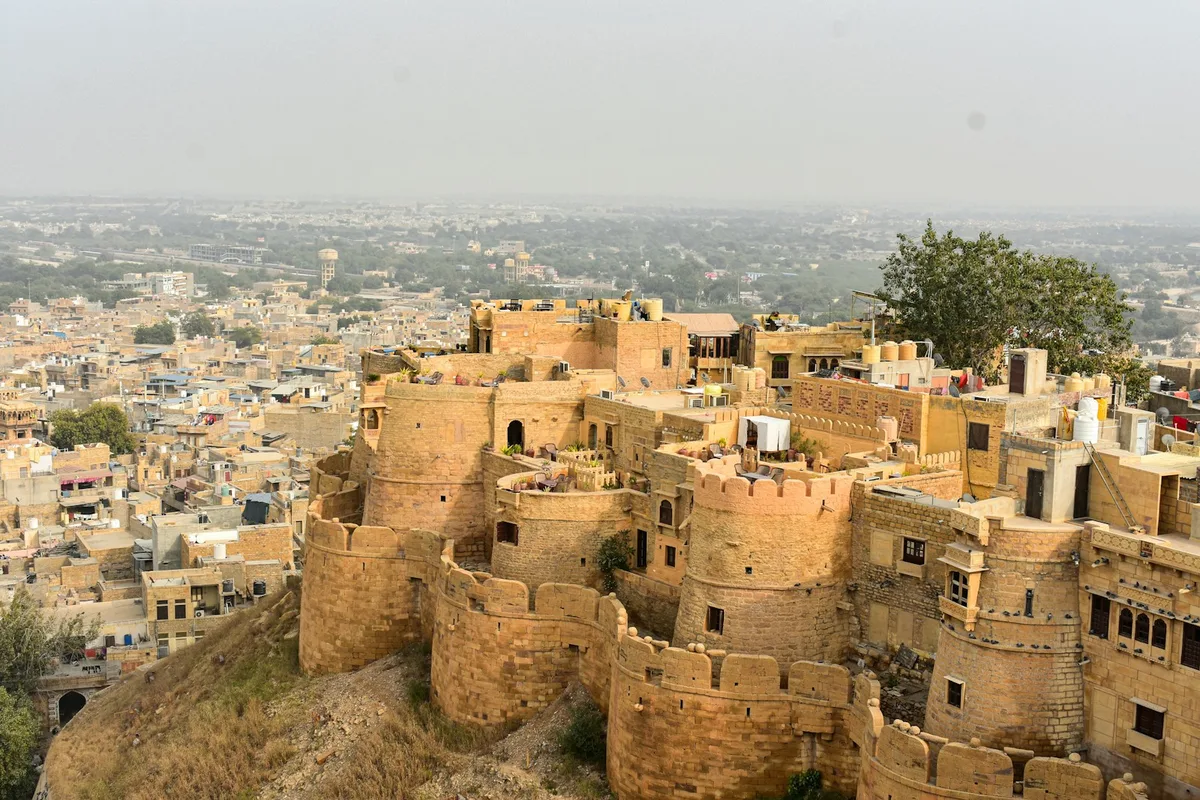 Jaisalmer Fort
India
A living sandstone fort rising out of the Thar Desert, still home to thousands of residents inside its walls, one of the few fortified 'living forts' left in the world.
8
Jaisalmer Fort
India
A living sandstone fort rising out of the Thar Desert, still home to thousands of residents inside its walls, one of the few fortified 'living forts' left in the world.
8
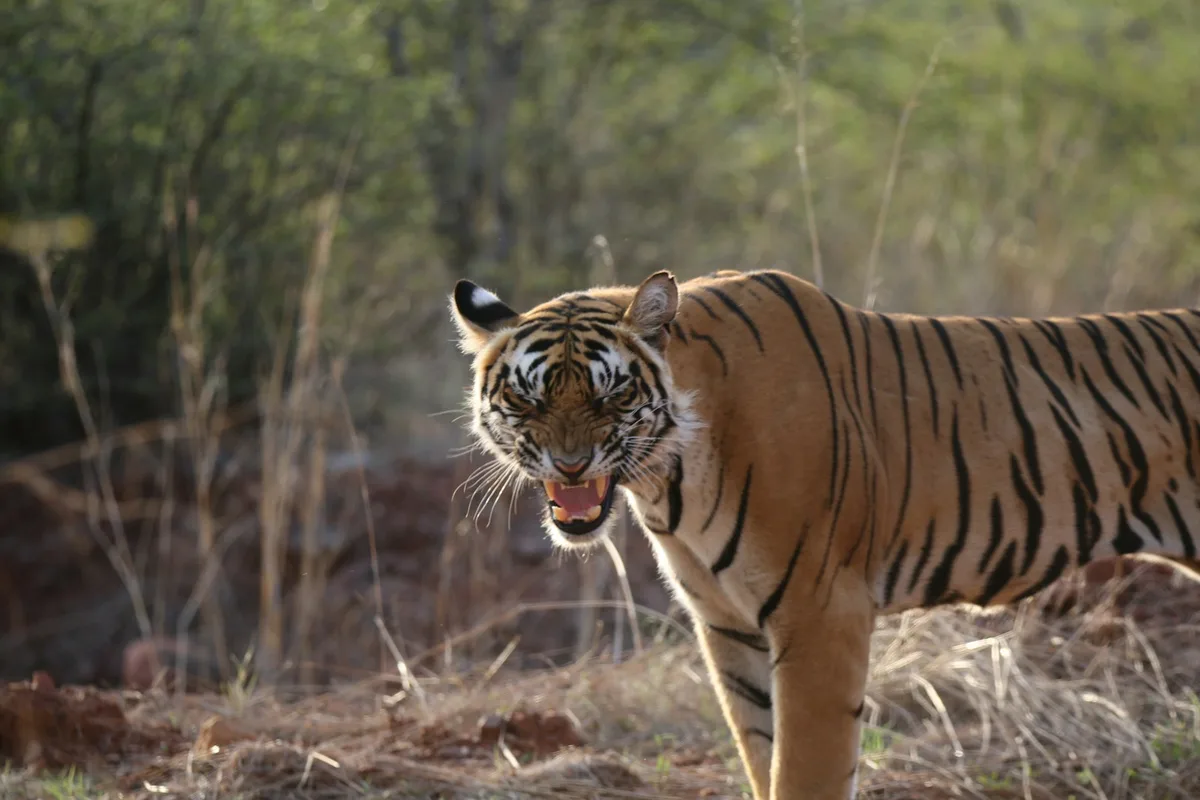 Ranthambore National Park
India
A former royal hunting ground turned tiger reserve in Rajasthan, among the best places in India for a daytime sighting of a wild Bengal tiger.
9
Ranthambore National Park
India
A former royal hunting ground turned tiger reserve in Rajasthan, among the best places in India for a daytime sighting of a wild Bengal tiger.
9
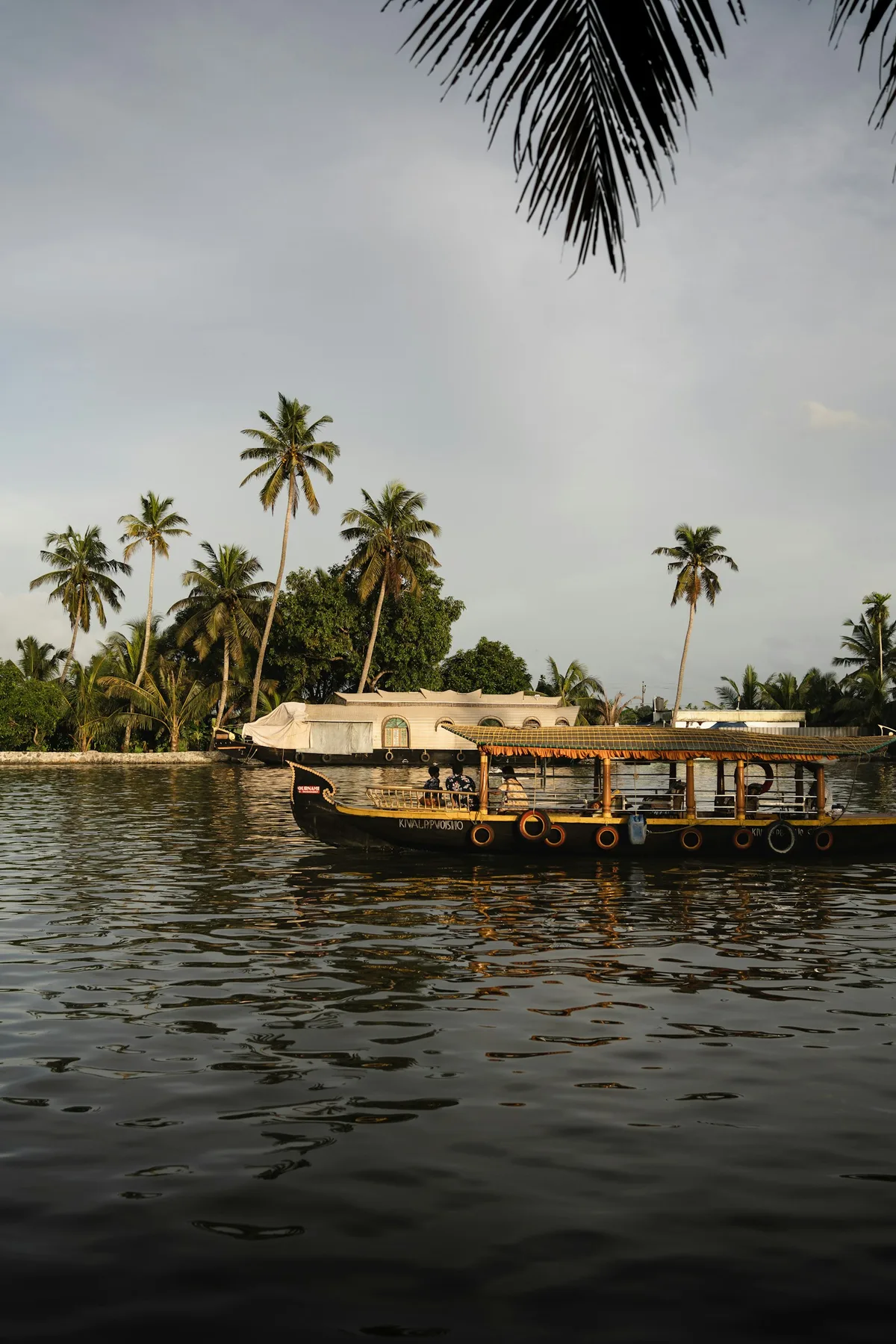 Kerala Backwaters, Alleppey
India
A network of lagoons, canals, and rivers backing onto coconut palms and paddy fields, traditionally explored aboard a converted rice-barge houseboat.
Multi-Day Tours
Kerala Backwaters, Alleppey
India
A network of lagoons, canals, and rivers backing onto coconut palms and paddy fields, traditionally explored aboard a converted rice-barge houseboat.
Multi-Day Tours
A 7-day private circuit through India's classic Golden Triangle — Delhi's Red Fort and Old City, Jaipur's Amber Fort and Hawa Mahal, and a sunrise visit to the Taj Mahal in Agra.
 Multi-Day Tours
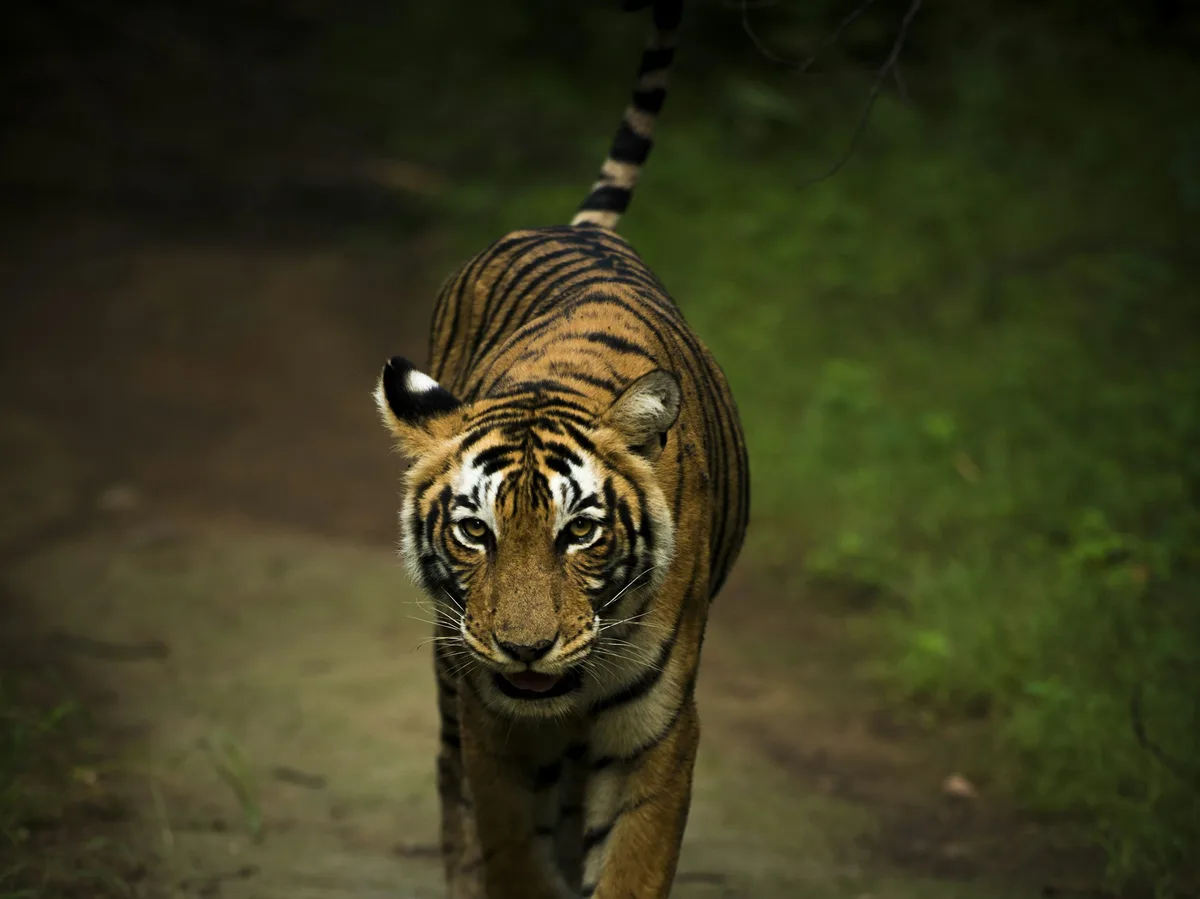
A 9-day private wildlife circuit from Mumbai through Pench, Kanha, and Bandhavgarh National Parks, with dawn safaris in search of tigers, leopards, and Central India's birdlife.
 Multi-Day Tours
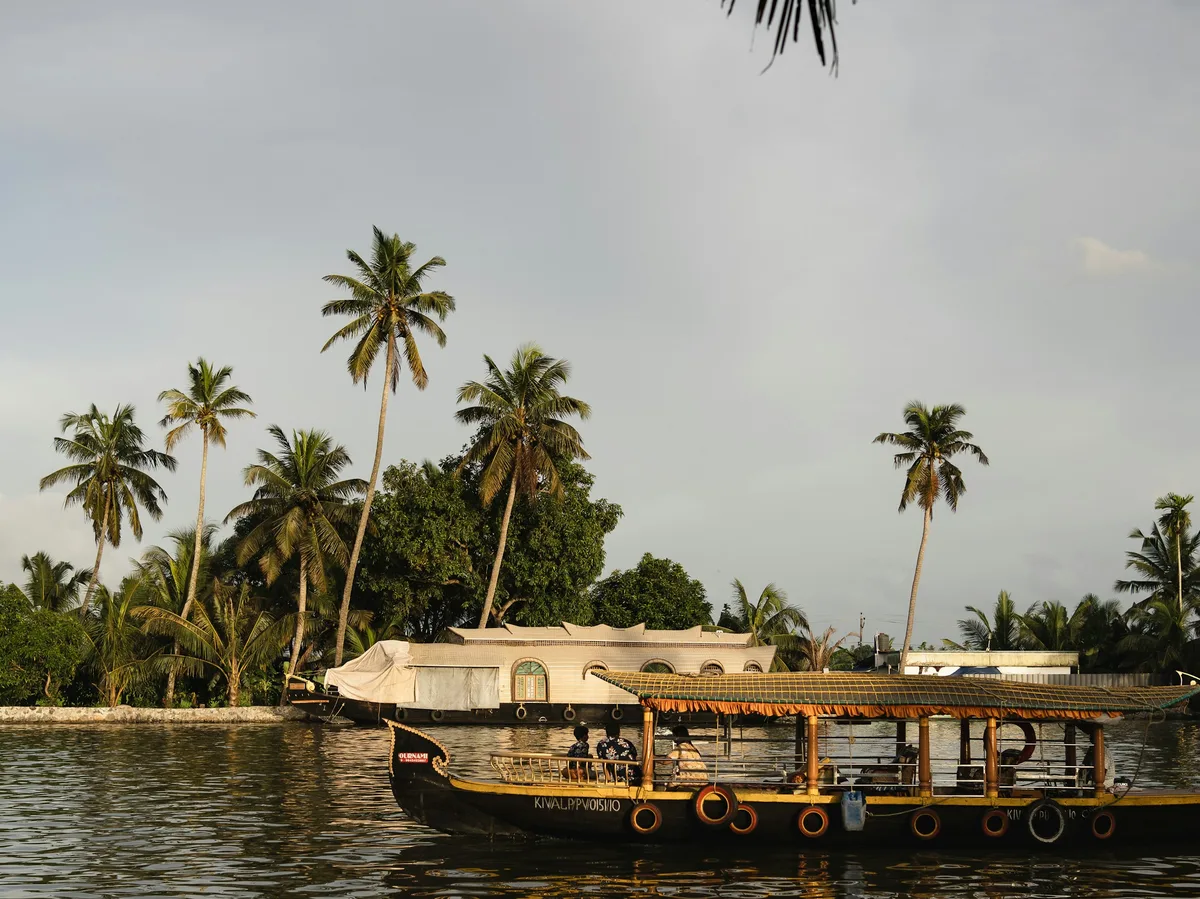
A 13-day private tour across South India — Chennai, French colonial Pondicherry, the temples of Thanjavur and Madurai, Munnar's tea hills, Alleppey's backwaters, and Goa's beaches.
 Multi-Day Tours
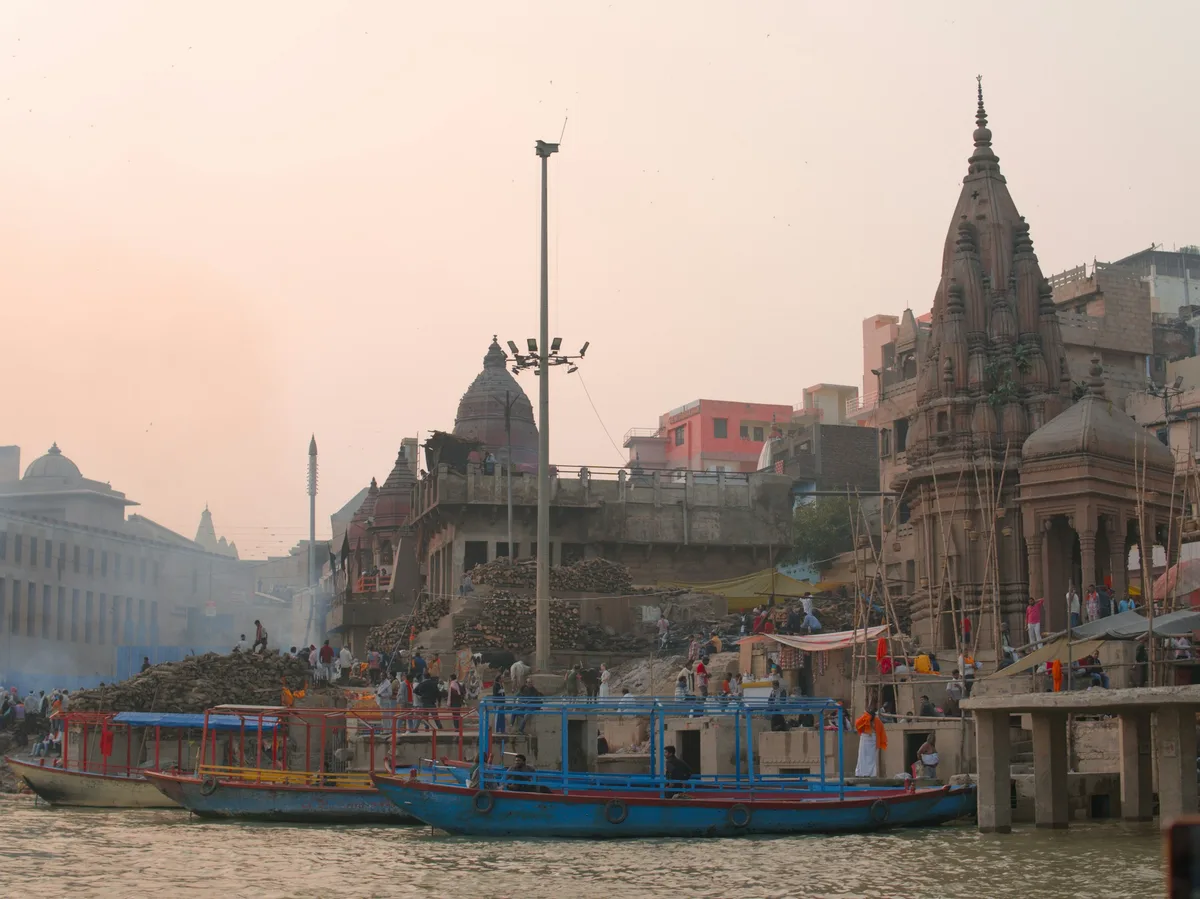
A 16-day deep-dive into Northern India — Delhi's forts, Jodhpur and Udaipur's palaces, Bhopal, the temples of Khajuraho, and sacred boat rides on the Ganges in Varanasi.
 Multi-Day Tours
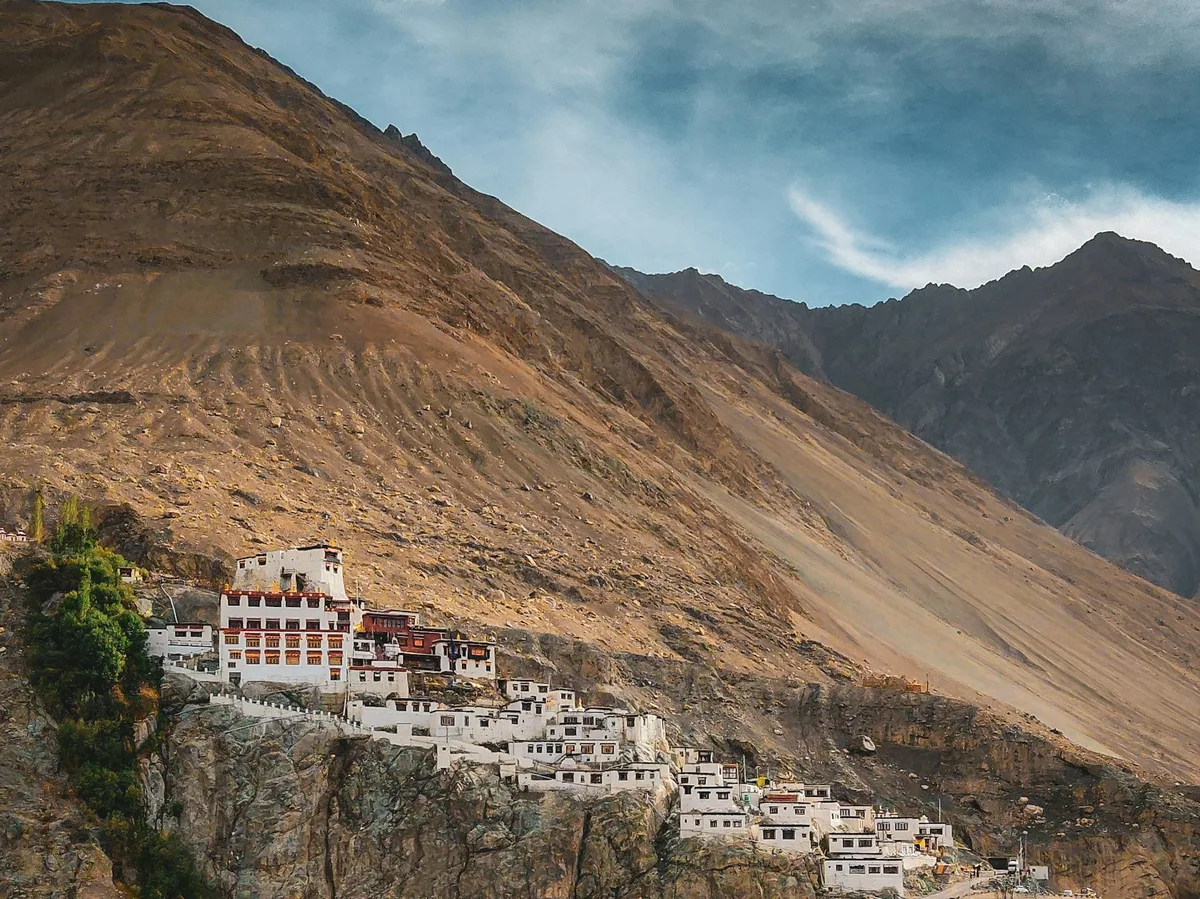
A 10-day private tour through Ladakh's high-altitude Buddhist culture — Leh's old town and palaces, the Nubra Valley, Pangong Lake, and the Hemis and Thiksey Monasteries.
 Multi-Day Tours
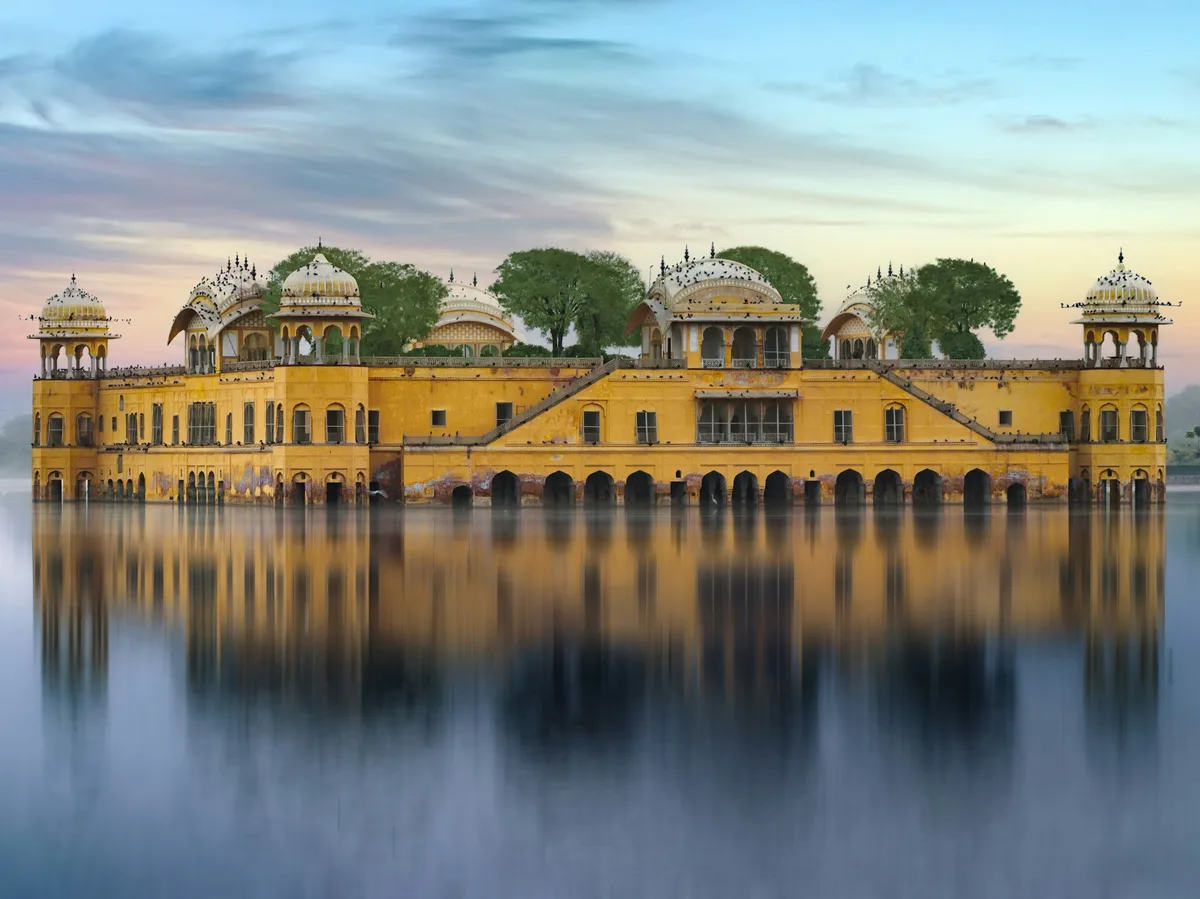
A 10-day private tour through Rajasthan's palaces and rural heart — Delhi, Jodhpur's Mehrangarh Fort, a leopard safari and cooking class in rural villages, royal Jaipur, and a sunrise Taj Mahal visit.
 Multi-Day Tours
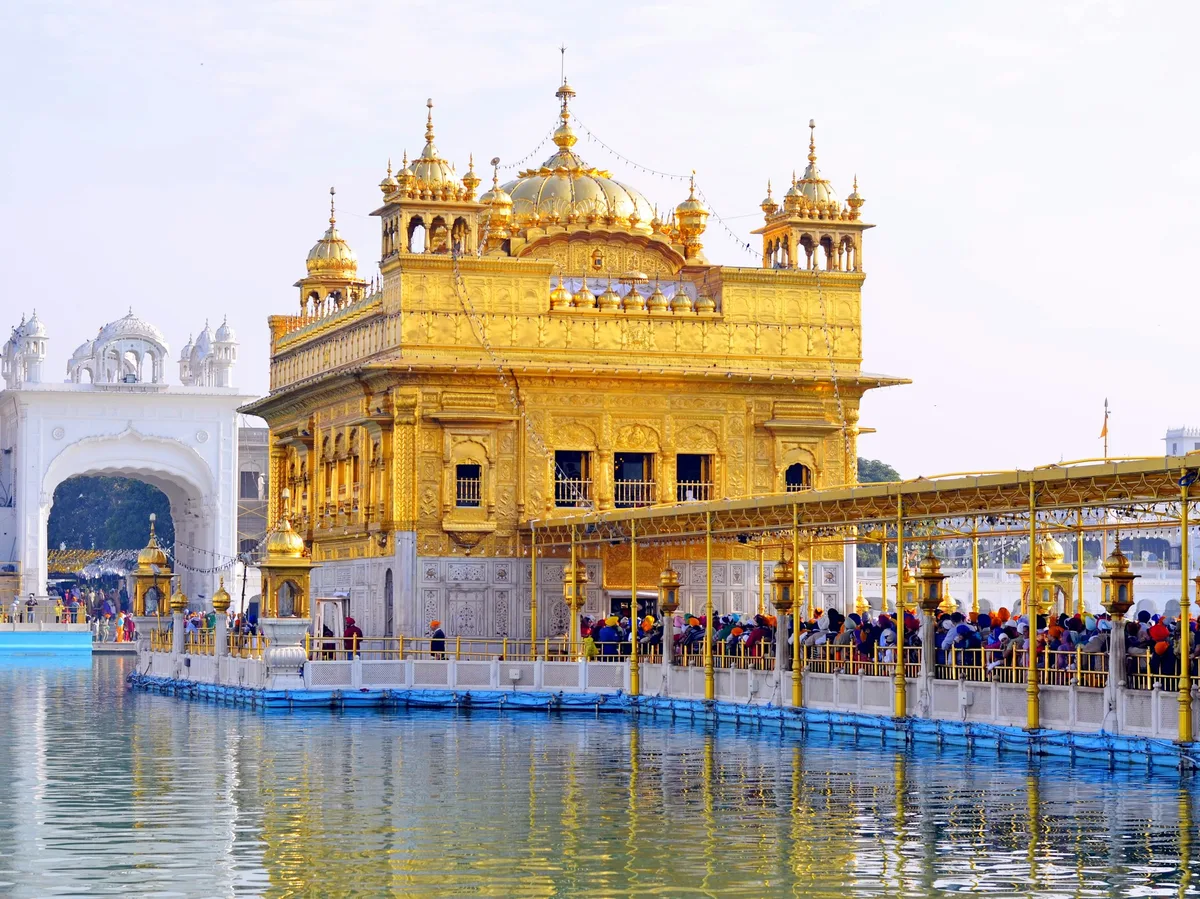
A 19-day journey from Delhi through Amritsar's Golden Temple, spiritual Dharamshala, mountain towns Manali and Chail, the pilgrimage city Haridwar, yoga in Rishikesh, and Jim Corbett National Park.
Multi-Day Tours
A 14-day journey from Delhi through Chandigarh and Manali into the remote Spiti Valley — Key Monastery, Komic (the highest motorable village in Asia), and the UNESCO-listed Tabo Monastery.
 Multi-Day Tours
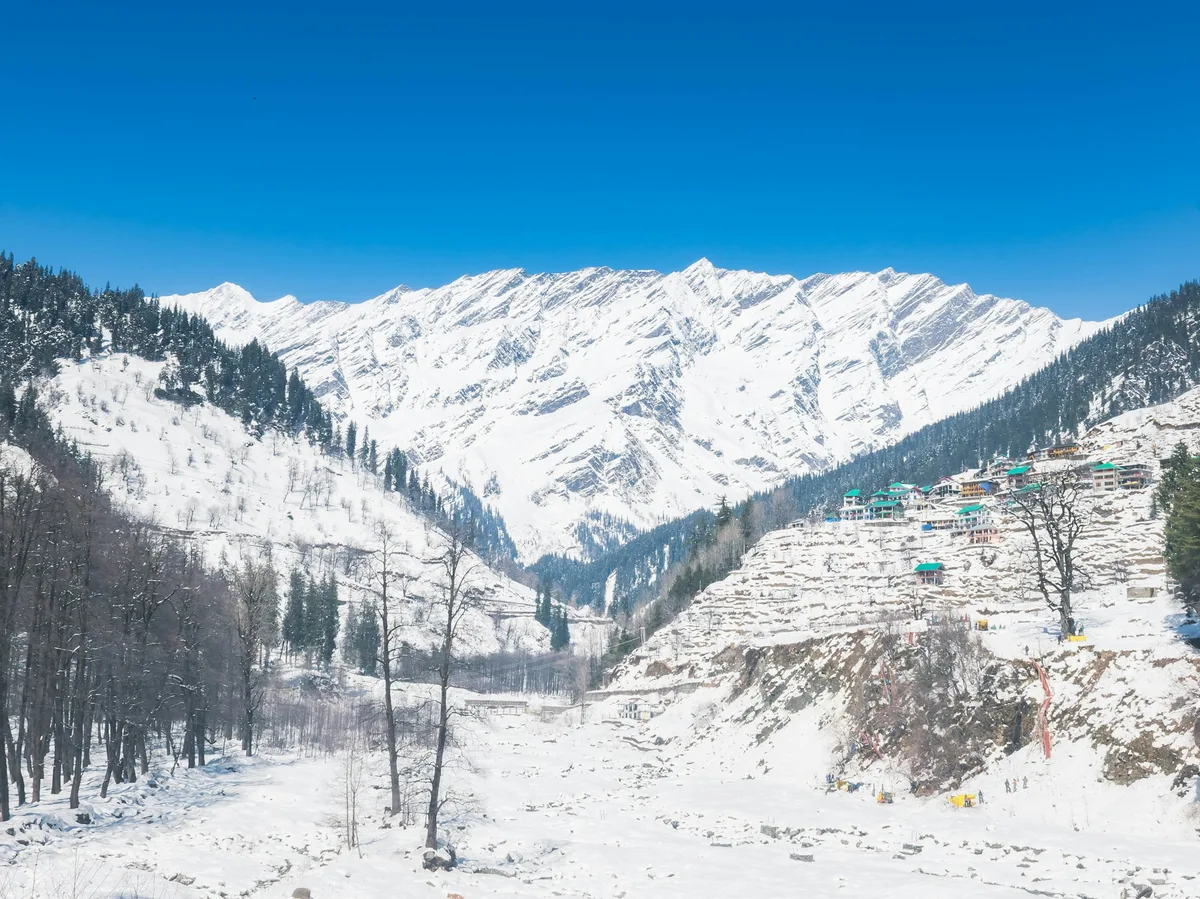
A 6-day private getaway to Manali, the 'Queen of Hill Stations' — a luxury five-star mountain resort, the Solang Valley, and Manali's temples, framed by the Pir Panjal and Dhauladhar ranges.
October through March is the classic window for the north — cooler, drier weather makes Delhi, Agra, and Rajasthan comfortable for sightseeing. April through June turns hot before the monsoon (June–September), and the Himalayan routes (Ladakh, Spiti, Kashmir) are only accessible outside winter, when snow closes the high mountain passes.
Distances between India's highlights are large — Delhi to Agra is 3–4 hours by road, Jaipur another 5–6 hours beyond that — so multi-day tours run on a private driver and vehicle for the whole trip rather than city-to-city flights, with hotels arranged at every stop.
North Indian winters (December–January) can dip close to freezing at night in Delhi and Rajasthan, while the Himalayan routes need serious cold-weather layers even outside winter due to altitude. Summers (April–June) are intensely hot across most of the country.
India uses the rupee (INR). Card payment is common in cities and hotels, but carrying cash is useful for smaller vendors and rural areas; tipping drivers and guides 10% or a modest daily amount is customary.
Most foreign visitors need a visa to enter India; an e-Visa system covers many nationalities and is generally simpler than a traditional embassy visa, but should be applied for well ahead of travel.
Modest dress is expected at religious sites (temples, mosques, gurdwaras) regardless of the weather — covering shoulders and knees, and removing shoes, is standard practice worth planning for.
Tell us your group size and dates — we'll take care of the rest.