TorontoOntario · 36 tours
 Niagara FallsOntario · 25 tours
 New York CityNew York · 30 tours
 Las VegasNevada · 8 tours
 San FranciscoCalifornia · 16 tours
 VancouverBritish Columbia · 17 tours
 DubaiUAE · 54 tours
 Abu DhabiUAE · 5 tours
 Buenos AiresArgentina · 23 tours
 AthensGreece · 31 tours
 AucklandNew Zealand · 38 tours
 CancunMexico · 54 tours
No destinations match “”. Try searching all tours instead — that search understands full questions, not just place names.
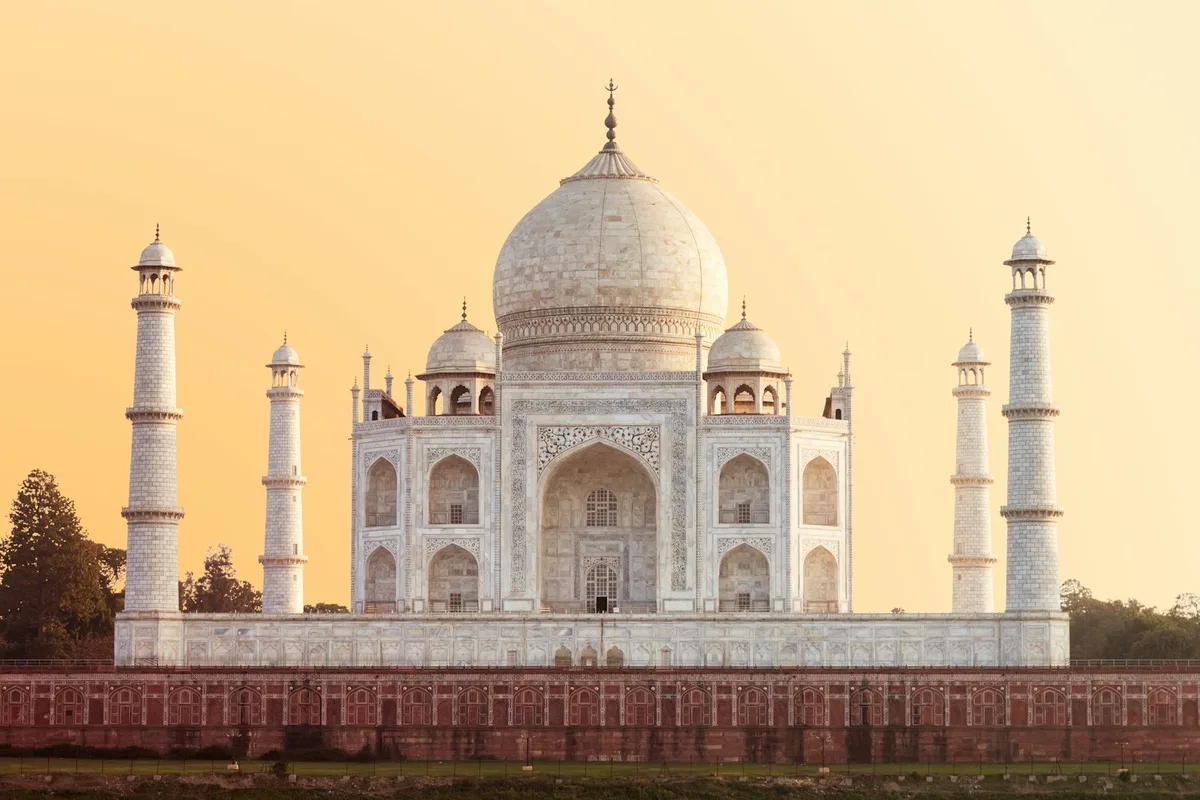
The white marble mausoleum Mughal emperor Shah Jahan built in Agra for his wife Mumtaz Mahal in the 17th century, and India's most recognized monument.
 Multi-Day Tours
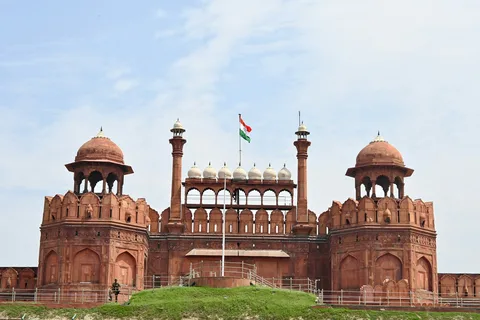
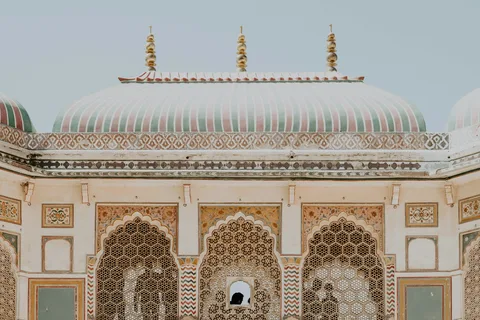
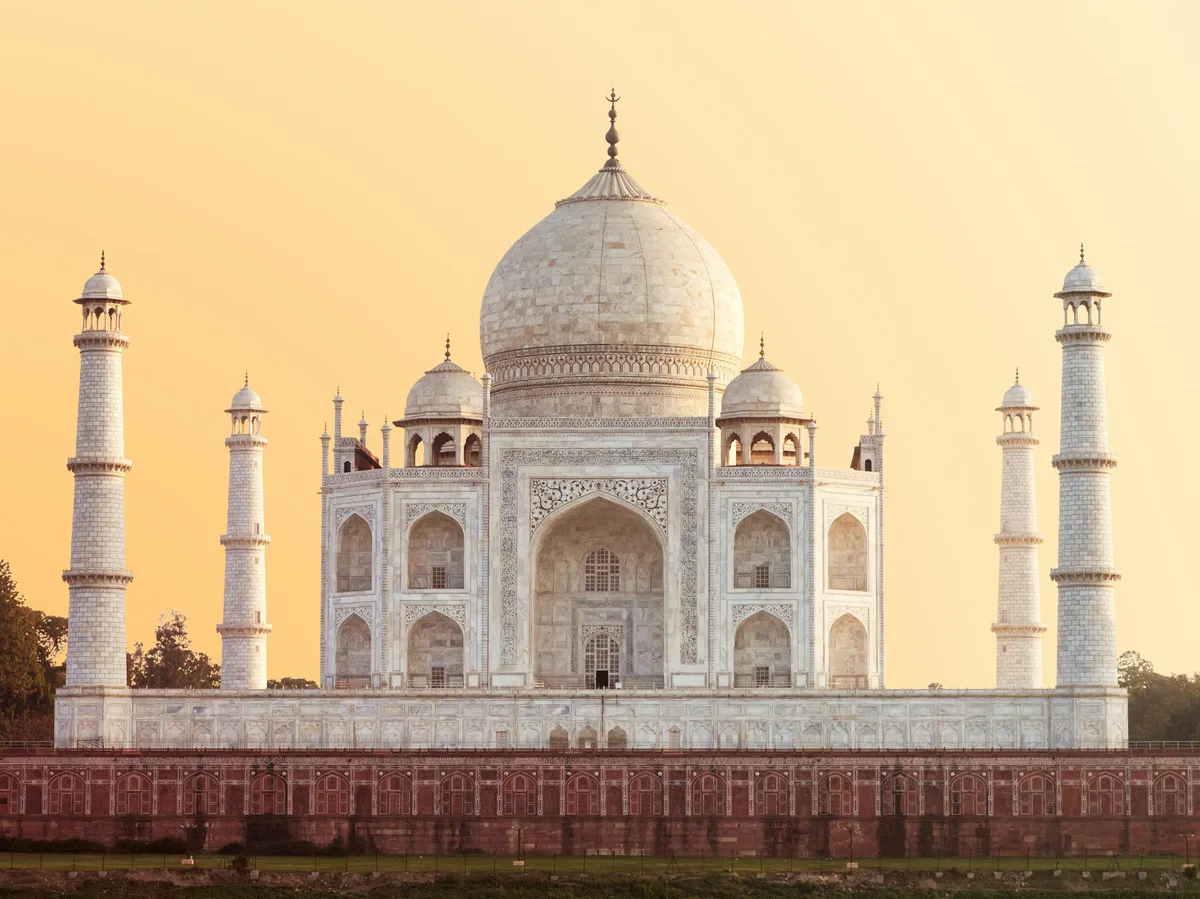
A 7-day private circuit through India's classic Golden Triangle — Delhi's Red Fort and Old City, Jaipur's Amber Fort and Hawa Mahal, and a sunrise visit to the Taj Mahal in Agra.
 Multi-Day Tours
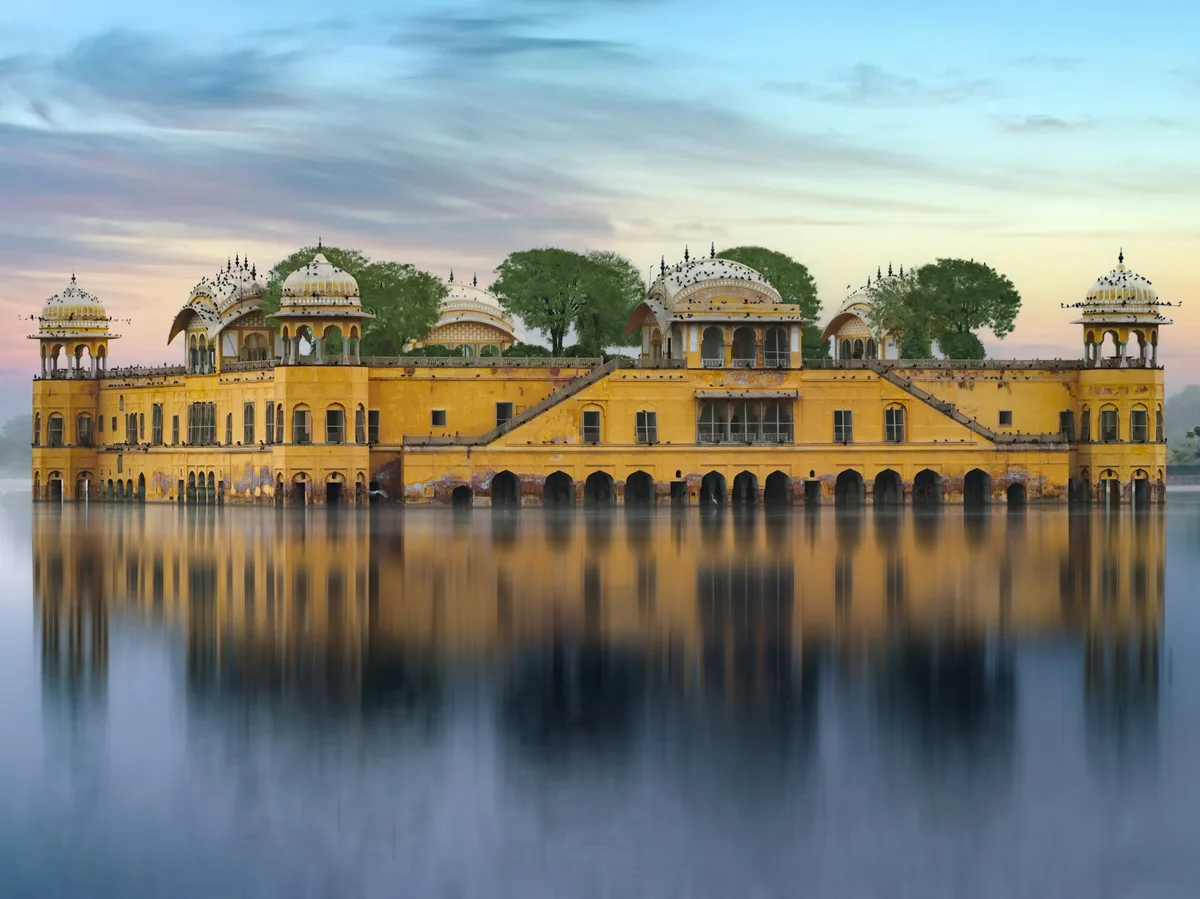
A 10-day private tour through Rajasthan's palaces and rural heart — Delhi, Jodhpur's Mehrangarh Fort, a leopard safari and cooking class in rural villages, royal Jaipur, and a sunrise Taj Mahal visit.
Visitor guide
The Taj Mahal is an ivory-white marble mausoleum on the right bank of the Yamuna River in Agra, Uttar Pradesh, India. Commissioned in 1631 by the Mughal emperor Shah Jahan to hold the tomb of his wife Mumtaz Mahal, it is the centrepiece of a 17-hectare complex and a UNESCO World Heritage Site since 1983.
Wikipedia records that Mumtaz Mahal died on 17 June 1631 while giving birth to the couple's 14th child. Court historians described Shah Jahan's grief, noting that he withdrew from royal affairs for a week and gave up music and lavish dress for two years. He chose land south of the walled city of Agra that had belonged to Raja Jai Singh I, who received a large palace in exchange. Construction began in 1632, the mausoleum was finished in 1648, and the surrounding buildings and gardens were completed about five years later. The name Taj Mahal is generally taken to mean Crown of the Palace.
More than 20,000 workers and artisans were involved, working under a board of architects led by the court architect Ustad Ahmad Lahori. Wikipedia lists specialists from different regions, including a dome designer, Ismail Afandi, and the chief calligrapher Amanat Khan Shirazi. White marble came from Makrana in Rajasthan, red sandstone from Fatehpur Sikri, and semi-precious stones were imported from places as far apart as China, Tibet, Afghanistan and Sri Lanka. A 15-kilometre earthen ramp carried materials to the site.
The tomb stands on a square plinth about 6 metres high, with sides of roughly 95 metres. The building has four identical sides, each with a large arched doorway, called an iwan, framed by a pishtaq about 33 metres high. The marble dome is 23 metres tall, sits on a cylindrical drum and is topped by a gilded finial; four smaller domed kiosks stand at its corners, and four minarets, each over 40 metres tall, flank the plinth.
Surfaces are decorated with relief carving, pietra dura inlay and calligraphy. Because Islamic tradition avoids human figures, the decoration consists of calligraphy, geometric patterns and plant motifs. Qur'anic passages around the gateway arches are written in thuluth script, with higher panels in larger lettering to reduce distortion when seen from below. Inside, the octagonal main chamber holds the cenotaphs of Mumtaz Mahal and Shah Jahan, while the actual burials lie in the chamber below. Marble lattice screens carved from eight panels surround the cenotaphs.
The complex is laid out around a charbagh, a Persian-style garden divided by walkways into four quadrants and 16 sunken beds, symbolising the paradise garden with four rivers. Unusually, the tomb stands at the end of the garden rather than in its centre. A raised marble tank with a reflecting pool lies midway to mirror the mausoleum. The Archaeological Survey of India has proposed, based on the discovery of the Mehtab Bagh across the river, that the Yamuna itself was meant to be part of the design.
UNESCO describes the Taj Mahal as the jewel of Muslim art in India and one of the universally admired masterpieces of world heritage. It was named a winner in the New 7 Wonders of the World initiative in 2007. Wikipedia also stresses that several popular stories have no evidence behind them, including the legend of a black marble twin across the river and stories that craftsmen were mutilated after the work was completed.
The Taj Mahal is a monument of national importance managed by the Archaeological Survey of India. A private tour with a driver and guide can make the visit easier to follow, as the guide can explain the calligraphy, inlay and garden design, and the Taj is often paired with Agra Fort and Delhi on a wider itinerary.
See every tour and attraction we cover in India.