TorontoOntario · 36 tours
 Niagara FallsOntario · 25 tours
 New York CityNew York · 30 tours
 Las VegasNevada · 8 tours
 San FranciscoCalifornia · 16 tours
 VancouverBritish Columbia · 17 tours
 DubaiUAE · 54 tours
 Abu DhabiUAE · 5 tours
 Buenos AiresArgentina · 23 tours
 AthensGreece · 31 tours
 AucklandNew Zealand · 38 tours
 CancunMexico · 54 tours
No destinations match “”. Try searching all tours instead — that search understands full questions, not just place names.
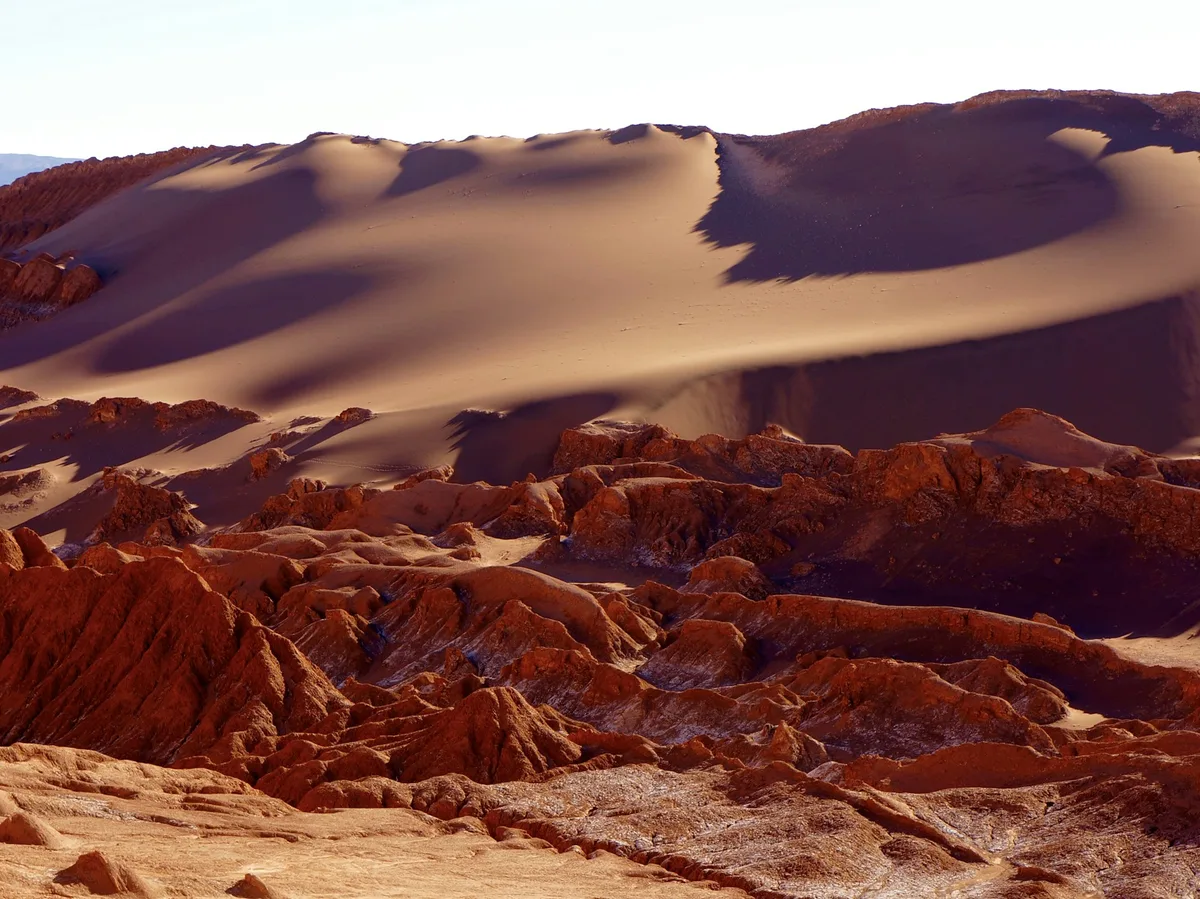
The driest non-polar desert on Earth, famous for its Mars-like salt formations, sand dunes and the eroded ridges of Valle de la Luna (Moon Valley) near San Pedro de Atacama.
 Multi-Day Tours Popular Pick
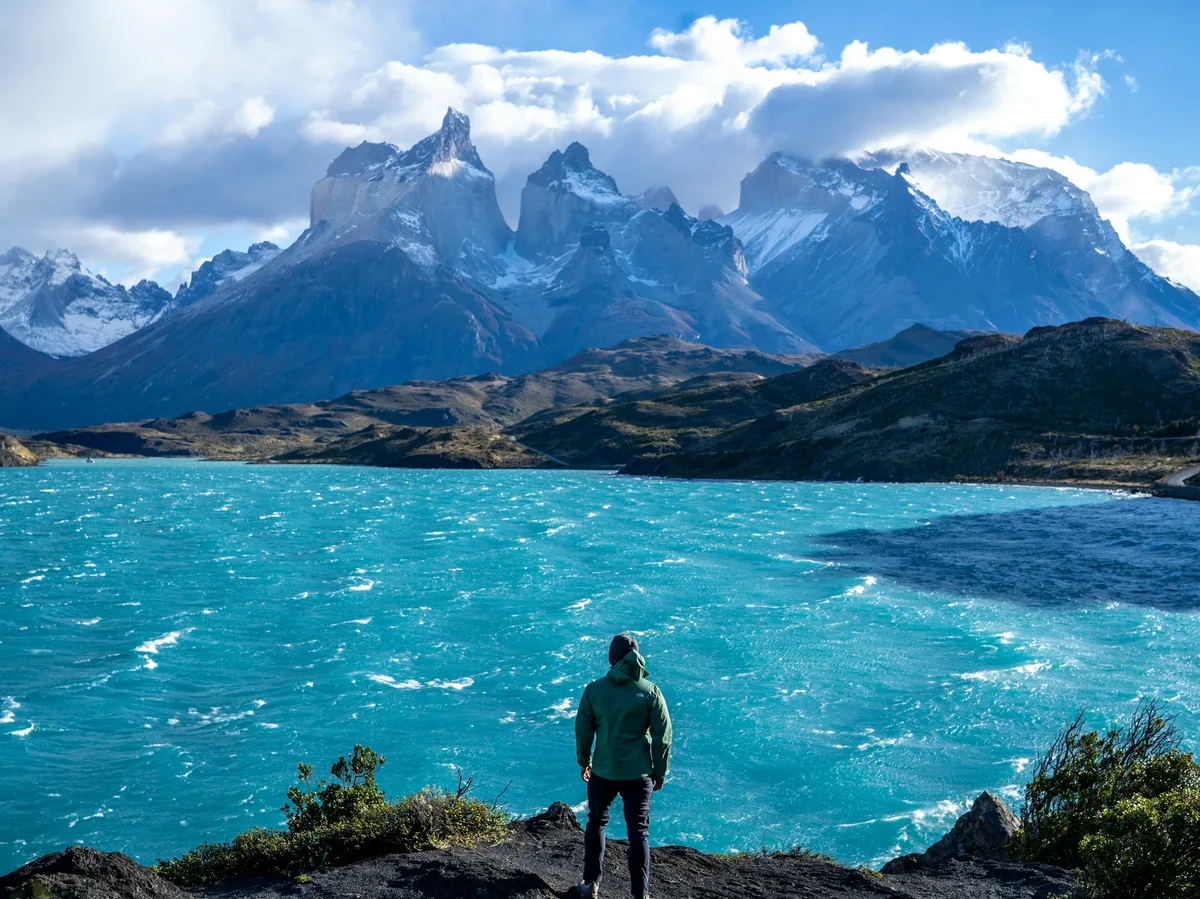
Chile's flagship grand tour — Santiago and the coast, the Atacama Desert's geysers and salt flats, the volcanoes and lakes of Pucón and Puerto Varas, Chiloé's stilt villages, and Patagonia's glaciers and Torres del Paine.
 Multi-Day Tours
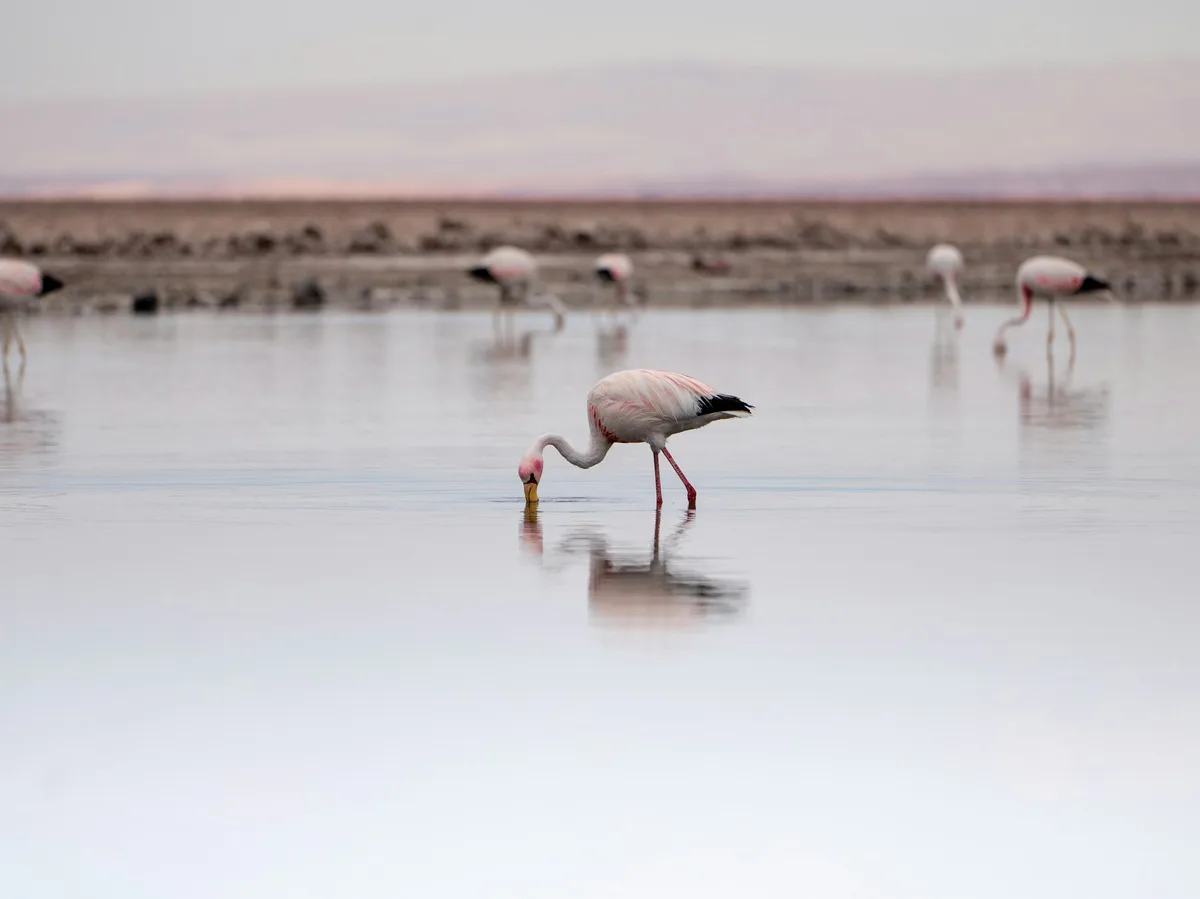
An eight-day desert crossing linking Bolivia's Sur Lípez lagoons with Chile's San Pedro de Atacama — the Rainbow Valley, the Atacama Salt Flat and El Tatio's geysers — before returning across the Altiplano to Uyuni.
 Multi-Day Tours
A luxury-paced loop through Chile's three signature landscapes — Santiago and the coast, Torres del Paine's cave paintings and hikes, and a flexible menu of Atacama Desert adventures from a lodge base.
Visitor guide
The Atacama Desert is a desert plateau on the Pacific coast of South America, stretching about 1,600 kilometres through northern Chile west of the Andes. Wikipedia describes it as the driest non-polar desert in the world, and its best-known visitor landscape is Valle de la Luna, the Valley of the Moon, a short distance from the oasis town of San Pedro de Atacama.
The extreme dryness of the Atacama comes from its position between the Andes and the Chilean Coast Range, which together block moisture from both the Pacific and the Atlantic, creating a two-sided rain shadow. The cool Humboldt Current reinforces the effect. Wikipedia gives average annual rainfall of around 15 millimetres, with some weather stations never recording rain at all, and notes that the desert is also described as the largest fog desert on Earth.
The desert has been inhabited since at least 7000 BCE, when the Chinchorro culture settled along its coast. Later peoples included the Atacameno, and during the Inca Empire, Aymara communities. In the nineteenth century the nitrate deposits of the region made it a zone of conflict between Chile, Bolivia and Peru during the War of the Pacific. Tourism, copper mining and astronomy are the main industries today.
Valle de la Luna lies roughly 13 to 15 kilometres west of San Pedro de Atacama, in the Cordillera de la Sal. Wikipedia describes stone and sand formations carved by wind and water, dry lakebeds with a white crust of salt, saline outcrops that look like sculptures and a variety of caverns. The name refers to the lunar appearance of the terrain.
The valley is part of the Los Flamencos National Reserve and was declared a Nature Sanctuary in 1982. Wikipedia also notes that a prototype Mars rover was tested in the valley because of its dry and forbidding terrain. At sunset, the low light sharpens the ridges and the sky shifts from pink through purple, a time of day that many travellers plan their visit around.
The altitude, dry air and near absence of light pollution make the Atacama one of the premier sites in the world for astronomy, hosting major observatories including the Atacama Large Millimeter Array and the Very Large Telescope, according to Wikipedia. The same article notes that the desert's soils and scarcity of microbial life have made it a testing ground for instruments designed for Mars missions.
Most visitors base themselves in San Pedro de Atacama, a town at about 2,400 metres above sea level where Wikipedia notes mild altitude sickness can occur. Days can be warm while nights regularly drop below freezing, so layers are advisable. The dry air and strong sun make sun protection and water essential.
The wider area offers salt flats, lagoons, geysers and archaeological sites, so many itineraries combine Valle de la Luna with other nearby stops. A private guided visit with a dedicated vehicle and driver lets a group choose its pace and time the valley for the evening light.
See every tour and attraction we cover in Chile.