TorontoOntario · 36 tours
 Niagara FallsOntario · 25 tours
 New York CityNew York · 30 tours
 Las VegasNevada · 8 tours
 San FranciscoCalifornia · 16 tours
 VancouverBritish Columbia · 17 tours
 DubaiUAE · 54 tours
 Abu DhabiUAE · 5 tours
 Buenos AiresArgentina · 23 tours
 AthensGreece · 31 tours
 AucklandNew Zealand · 38 tours
 CancunMexico · 54 tours
No destinations match “”. Try searching all tours instead — that search understands full questions, not just place names.
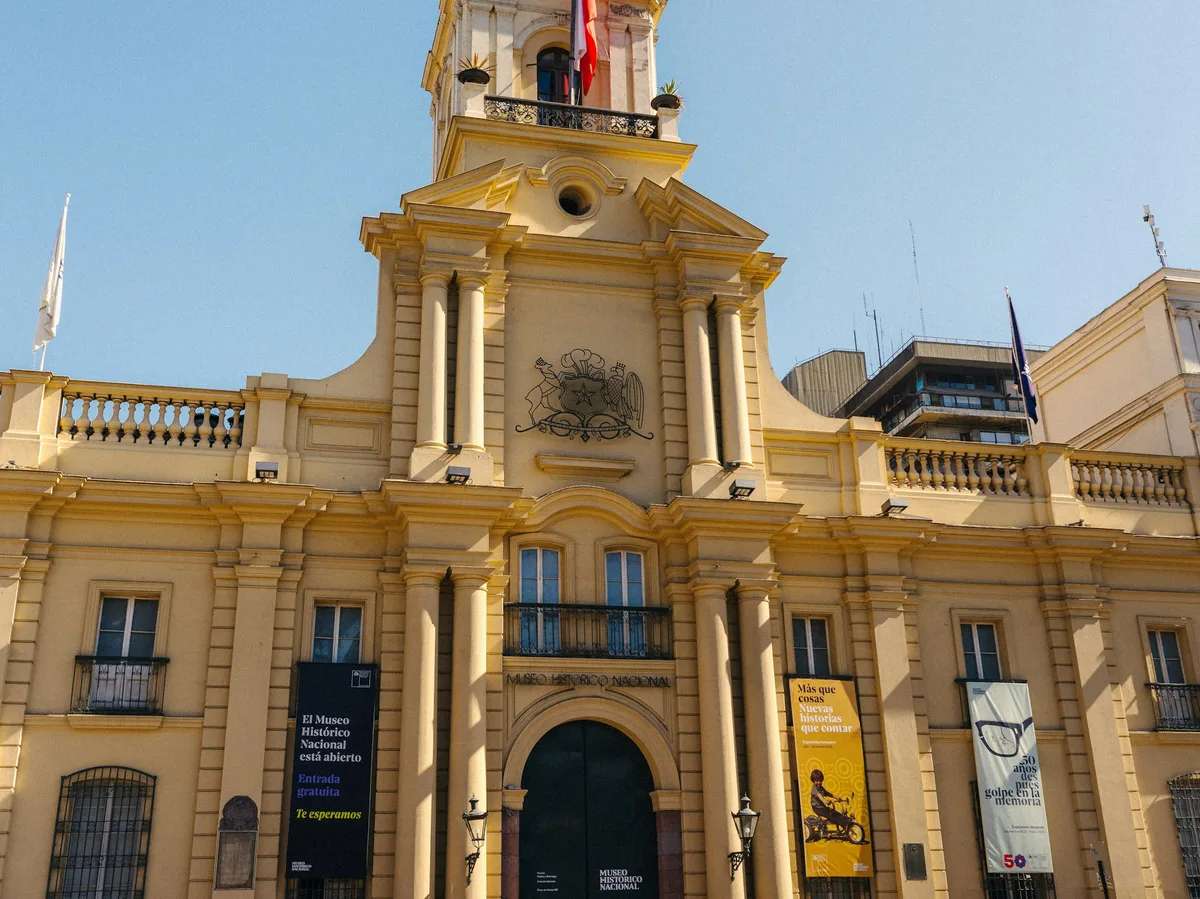
The historic heart of Chile's capital, ringed by the Metropolitan Cathedral, colonial-era buildings and the National History Museum.
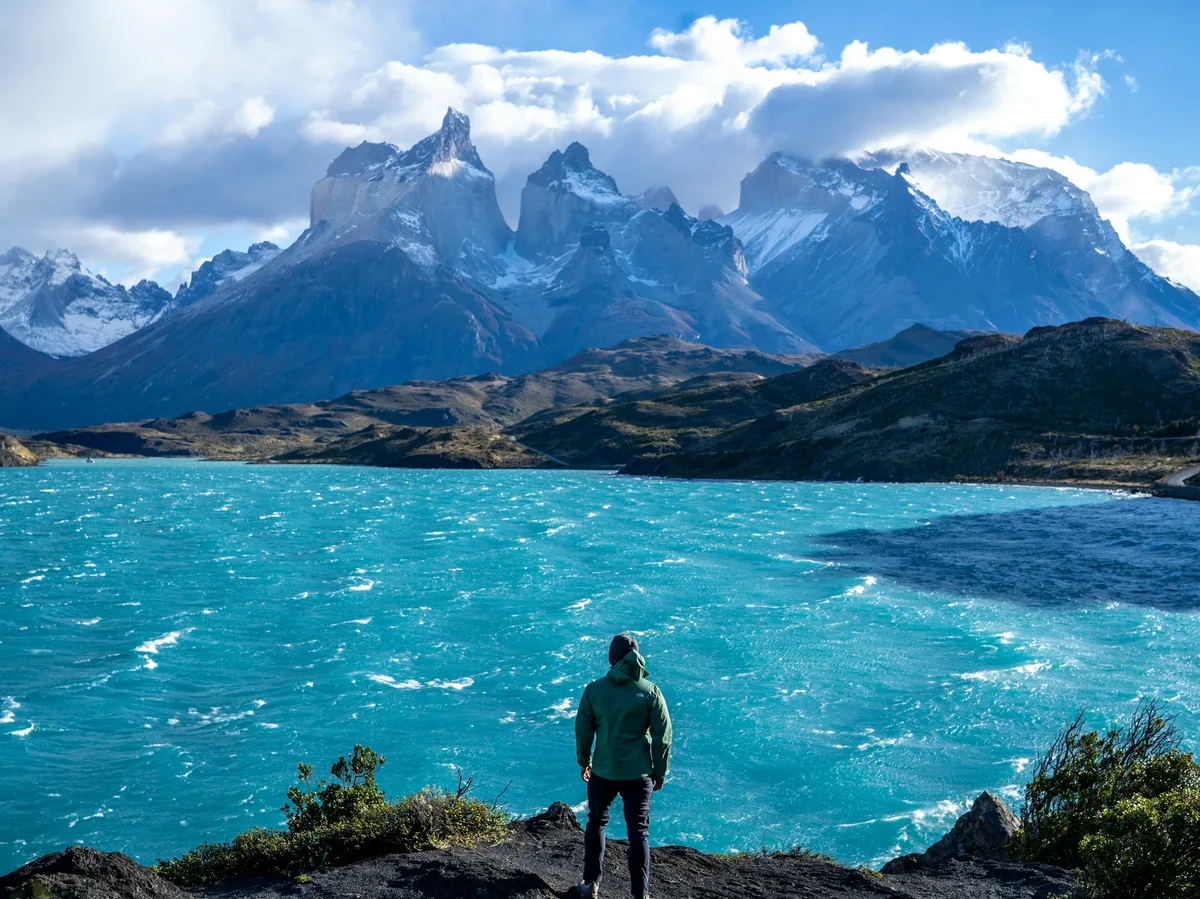 Multi-Day Tours Popular Pick
Chile's flagship grand tour — Santiago and the coast, the Atacama Desert's geysers and salt flats, the volcanoes and lakes of Pucón and Puerto Varas, Chiloé's stilt villages, and Patagonia's glaciers and Torres del Paine.
 Multi-Day Tours
A short, easy introduction to Chile — Santiago's landmarks, a day trip to Valparaíso and Viña del Mar, and tastings in the Casablanca and Maipo wine valleys.
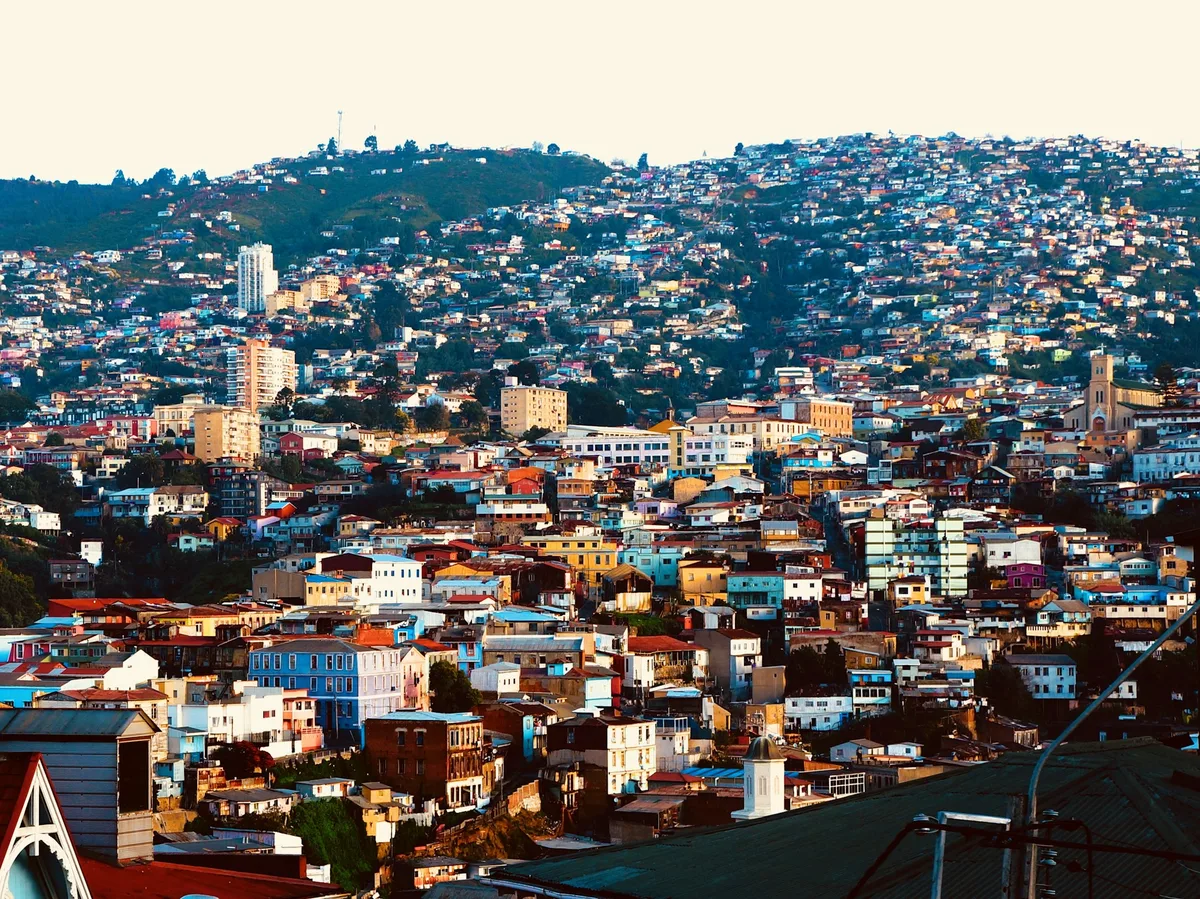 Multi-Day Tours
A boutique wine crawl from Santiago through Casablanca, Colchagua and Maipo — organic and biodynamic vineyards, a vineyard carriage ride, and Chile's biggest producer, Concha y Toro.
Visitor guide
The Plaza de Armas is the main square of Santiago, the capital of Chile. Surrounding it stand the Metropolitan Cathedral, the Central Post Office, the Historical National Museum and the city hall, and the square forms the starting point of the city laid out in 1541.
Santiago was founded by Pedro de Valdivia, and Wikipedia credits Pedro de Gamboa with laying out the original chequerboard grid in 1541 around a central square. The plaza was the focus of administrative and religious life, and merchants' arcades formed around it during the colonial period. Some researchers argue that an earlier Inca settlement lies beneath the old city, though this remains a proposal.
The square and nearby historic buildings were registered as a national monument in the zona tipica category on 3 December 1986. A metro station named Plaza de Armas sits beneath the square.
The Metropolitan Cathedral stands on the northwest corner and, according to Wikipedia, is the fifth church on the site. Construction of the present building began in 1748 and finished in 1775, and the architect Joaquin Toesca designed a new facade in 1780.
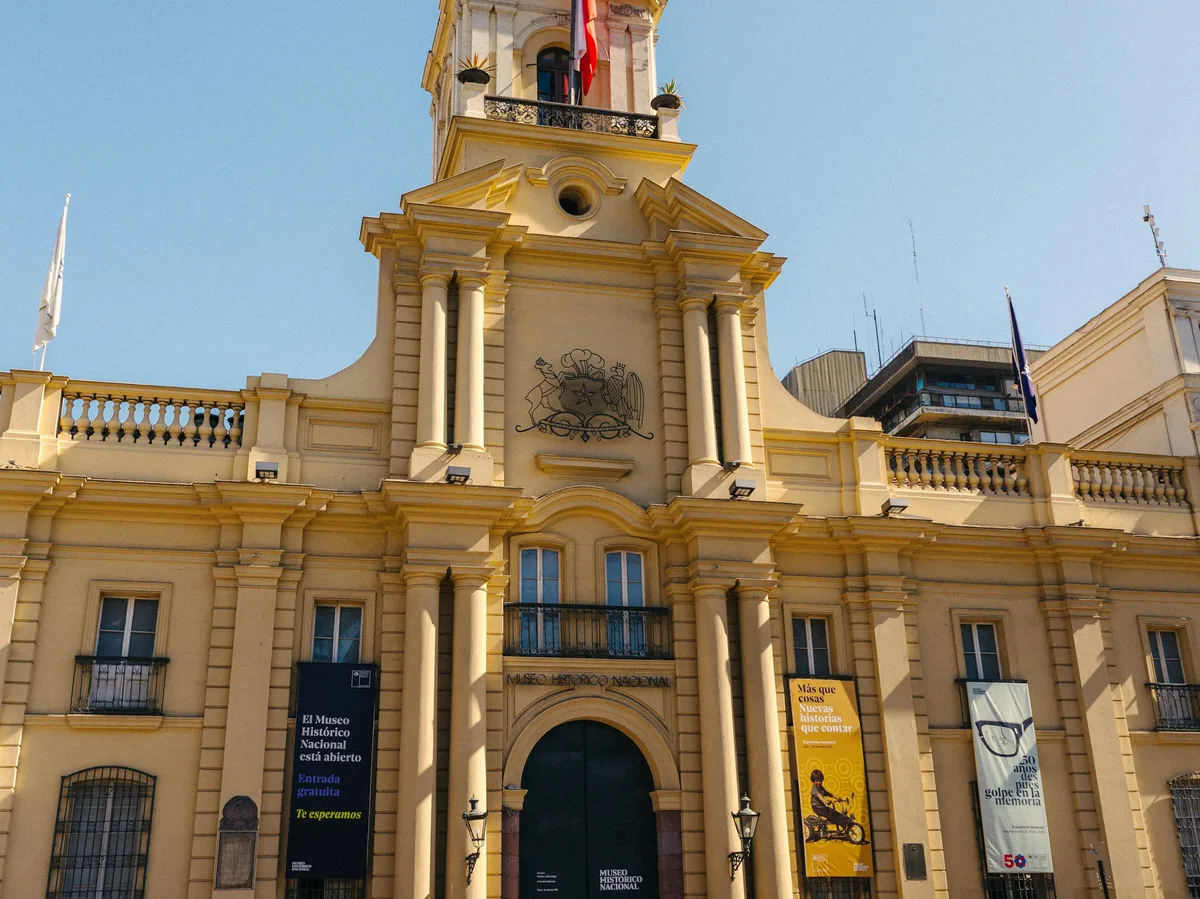
On the north side are the Central Post Office, the Historical National Museum and the Santiago city hall. The post office occupies the site assigned to Valdivia at the founding and was restored in a neoclassical style after a fire in the nineteenth century. The museum is housed in the former Palacio de la Real Audiencia, built between 1804 and 1807.
At the centre stands a Carrara marble monument depicting an allegory of freedom, sculpted by Francesco Orselino. It replaced a bronze fountain made in 1671, which is now in La Moneda Palace. Other monuments include an equestrian statue of Pedro de Valdivia, a statue of James the Great, a memorial to indigenous peoples and a plaque marking the kilometre zero of Santiago.
Other buildings facing the square include the Capilla del Sagrario, the archbishop's palace, the Edificio Comercial Edwards and the Portal Fernandez Concha. A short walk away are the Casa Colorada, the headquarters of the Santiago fire brigade and the Museo Chileno de Arte Precolombino.
The Central Post Office stands on the plot assigned to Pedro de Valdivia at the founding. Wikipedia explains that it later became the residence of the governors of Chile and, after independence, of the presidents, until 1846 when the presidential residence moved to La Moneda Palace. A fire destroyed much of the earlier building and it was restored in 1881 in its present neoclassical style, with a third floor and upper dome added in 1903.
The plaza is an easy starting point for a walking tour of the old centre, with the Museo Chileno de Arte Precolombino and the Casa Colorada a short walk away. A private guided visit with a dedicated vehicle and driver can link it with La Moneda, Cerro San Cristobal and the Mercado Central.
See every tour and attraction we cover in Chile.