TorontoOntario · 36 tours
 Niagara FallsOntario · 25 tours
 New York CityNew York · 30 tours
 Las VegasNevada · 8 tours
 San FranciscoCalifornia · 16 tours
 VancouverBritish Columbia · 17 tours
 DubaiUAE · 54 tours
 Abu DhabiUAE · 5 tours
 Buenos AiresArgentina · 23 tours
 AthensGreece · 31 tours
 AucklandNew Zealand · 38 tours
 CancunMexico · 54 tours
No destinations match “”. Try searching all tours instead — that search understands full questions, not just place names.
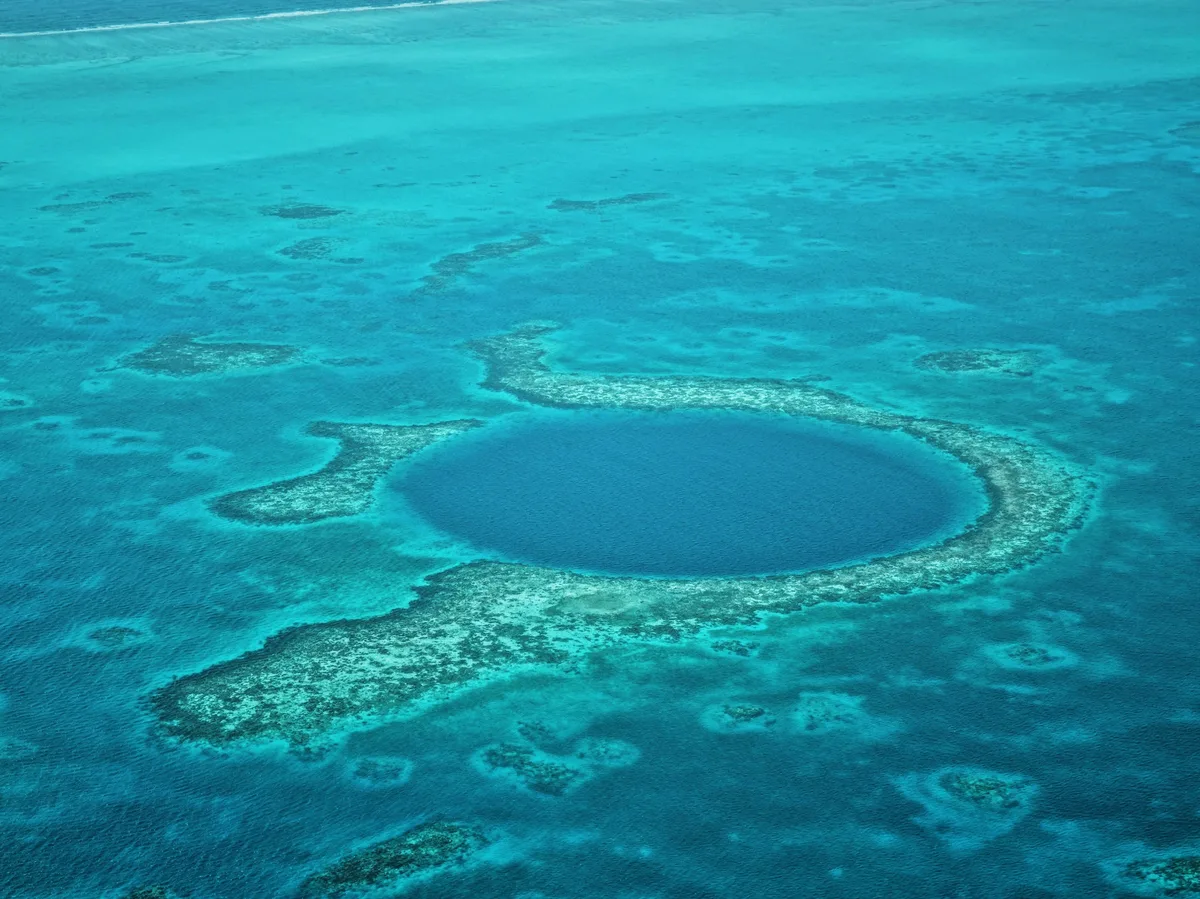
A vast circular marine sinkhole in the Lighthouse Reef Atoll, over 300 metres across and 124 metres deep, made famous as a world-class dive site by Jacques Cousteau.
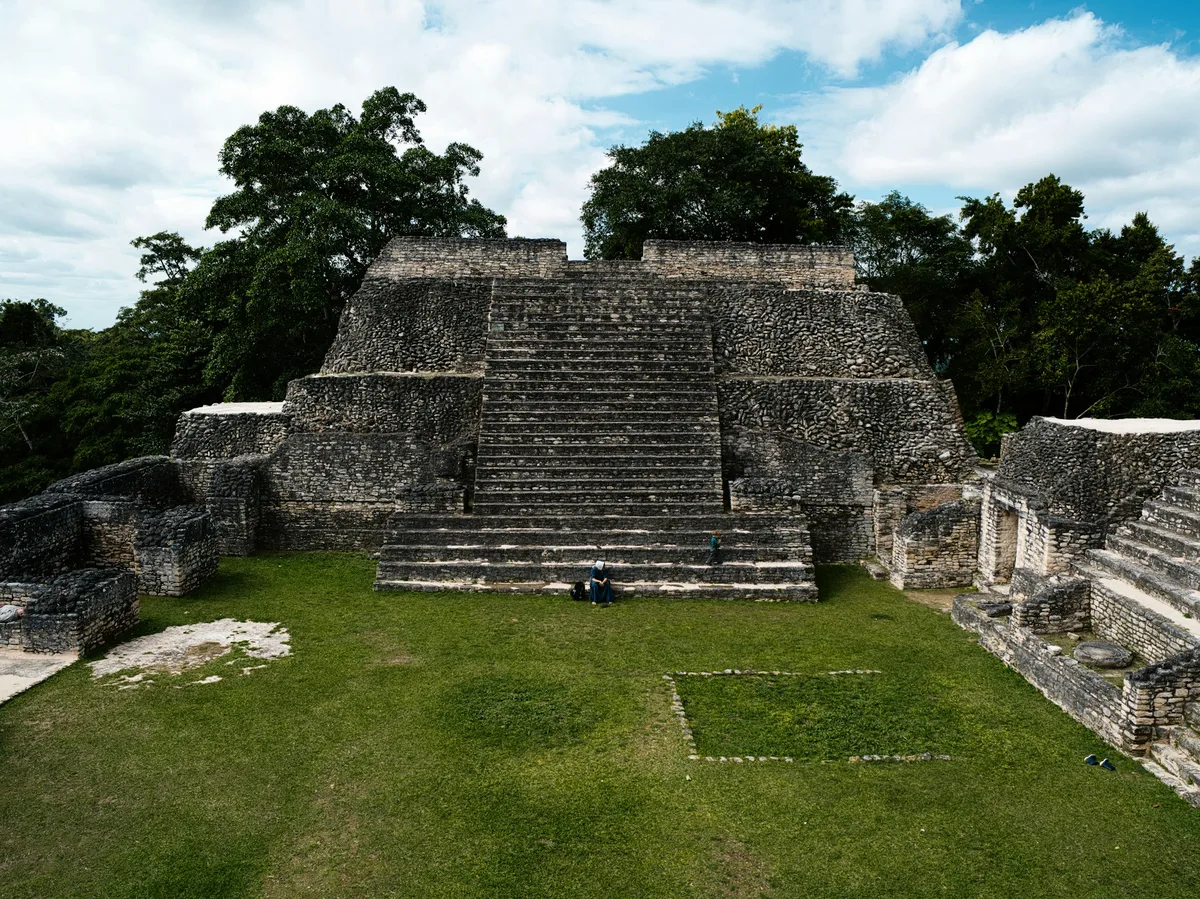 Multi-Day Tours Popular Pick
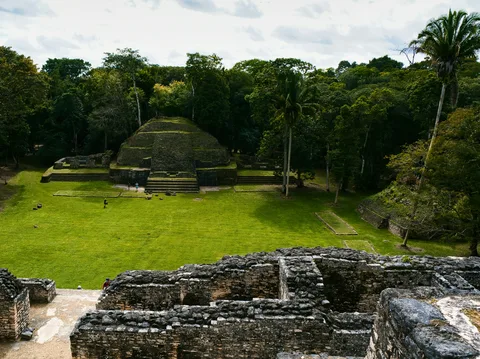
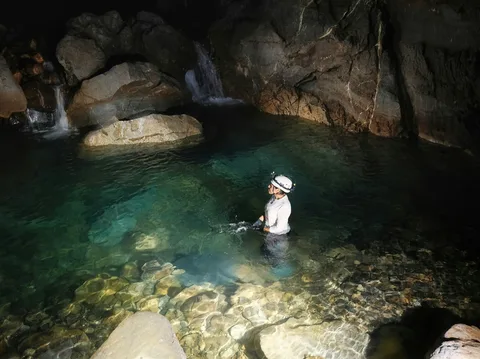
An 11-day circuit through western Belize's Maya ruins, caves and jungle lodges, finishing with a few days of snorkeling and sunsets on the Placencia Peninsula.
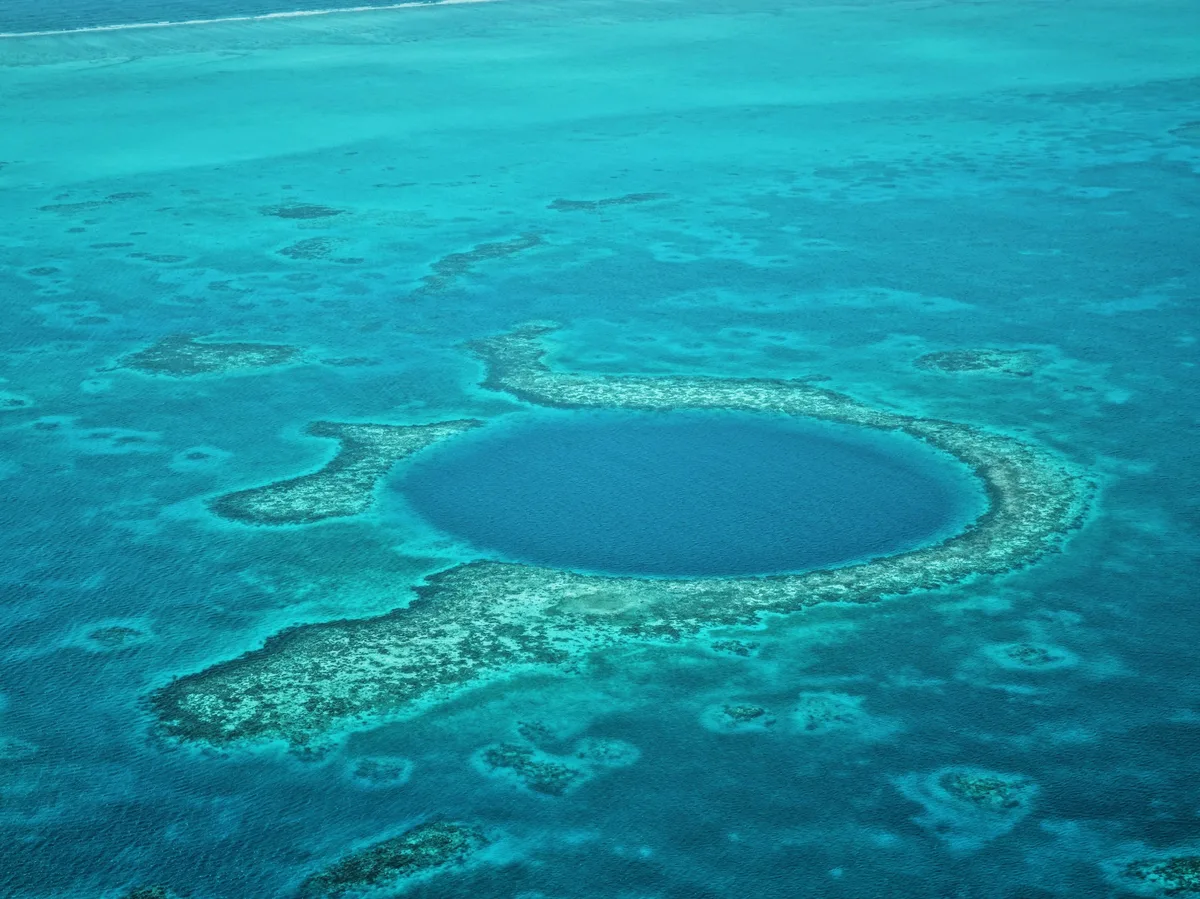 Multi-Day Tours
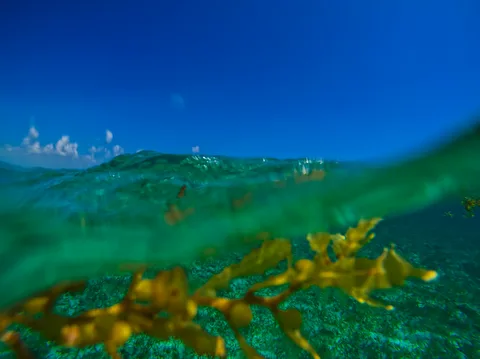
A week based on Ambergris Caye built entirely around diving the Belize Barrier Reef, with a dedicated day diving the world-famous Great Blue Hole.
Visitor guide
The Great Blue Hole is a giant marine sinkhole off the coast of Belize, near the centre of Lighthouse Reef, a small atoll roughly 70 km from the mainland. Its near-perfect circle of deep blue water, ringed by pale shallows, is one of the best-known sights of the Caribbean and forms part of the Belize Barrier Reef Reserve System, a UNESCO World Heritage Site.
According to Wikipedia, the hole is circular, about 318 metres across and 124 metres deep. It is a karst limestone formation that took shape over several phases of the Quaternary glaciation, when sea level was much lower and the structure was a dry cave system. As the ocean rose again, the cave flooded and its roof collapsed, leaving the open circular shaft seen from the air today.
Stalactites recovered from inside the hole record that history. Dating suggests they grew at roughly 153,000, 66,000, 60,000 and 15,000 years ago, which indicates several periods when the cave stood above the water. Some of the stalactites are tilted by about five degrees, which researchers take as a sign that the underlying plateau itself shifted over time and not only that sea level changed.
The hole became internationally known after Jacques Cousteau brought his ship Calypso to Lighthouse Reef in 1971 to chart its depths. He is recorded as ranking it among the top scuba diving sites in the world, and the depth he measured, about 125 metres, remains the most commonly cited figure.
A 1997 expedition collected core samples from the floor and documented the cave system, with divers needing specialist cave and mixed-gas qualifications. In December 2018 two submersibles mapped the interior with sonar. They found a layer of hydrogen sulfide at about 91 metres, below which the water holds no oxygen and no life.
Inside the rim the walls drop in a series of ledges, with Wikipedia giving depths of about 21, 49 and 91 metres. The reef edge around the hole lies in only a few metres of water before sloping away and then falling in a near-vertical wall. Species recorded around the rim include groupers, squirrelfish, angelfish, butterflyfish and midnight parrotfish, along with nurse sharks, Caribbean reef sharks and blacktip sharks.
Most of the life is found near the rim and on the surrounding Lighthouse Reef. The deeper interior is far less populated, and much of the attraction below the upper ledges is geological, with the limestone stalactites standing as the main feature.
Because of its size, the hole is best appreciated from above, and scenic flights from the mainland are a common way to view it. Boat trips to Lighthouse Reef Atoll are the other main route. Diving inside the hole is technical and generally reserved for experienced divers.
A private guided visit suits a site like this, as the logistics involve the mainland, the atoll and the weather, and sea conditions can change the plan. Voyzo can arrange a private vehicle and driver for the mainland leg of a trip like this.
See every tour and attraction we cover in Belize.