TorontoOntario · 36 tours
 Niagara FallsOntario · 25 tours
 New York CityNew York · 30 tours
 Las VegasNevada · 8 tours
 San FranciscoCalifornia · 16 tours
 VancouverBritish Columbia · 17 tours
 DubaiUAE · 54 tours
 Abu DhabiUAE · 5 tours
 Buenos AiresArgentina · 23 tours
 AthensGreece · 31 tours
 AucklandNew Zealand · 38 tours
 CancunMexico · 54 tours
No destinations match “”. Try searching all tours instead — that search understands full questions, not just place names.
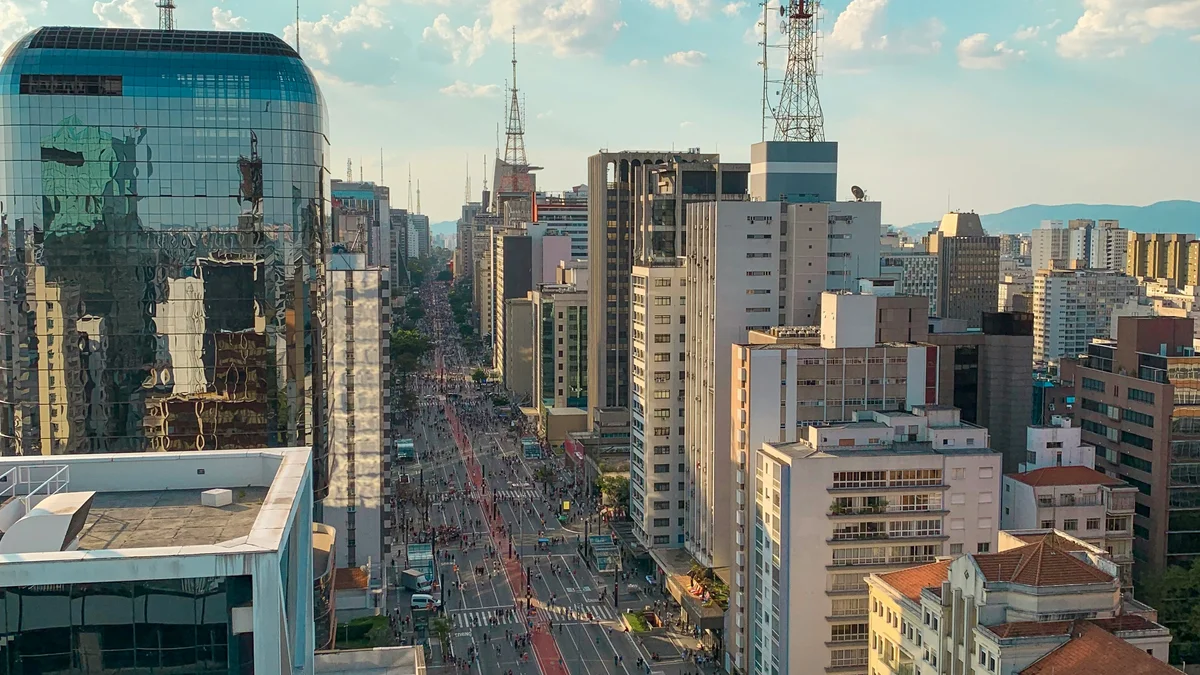
Avenida Paulista is São Paulo's financial and cultural spine, a 2.8-kilometer stretch lined with banks, skyscrapers, and cultural institutions including MASP. Closed to cars on Sundays and holidays, it becomes a pedestrian gathering point for street performers, markets, and protests alike — a real window into the city's civic life.
 Private Tours
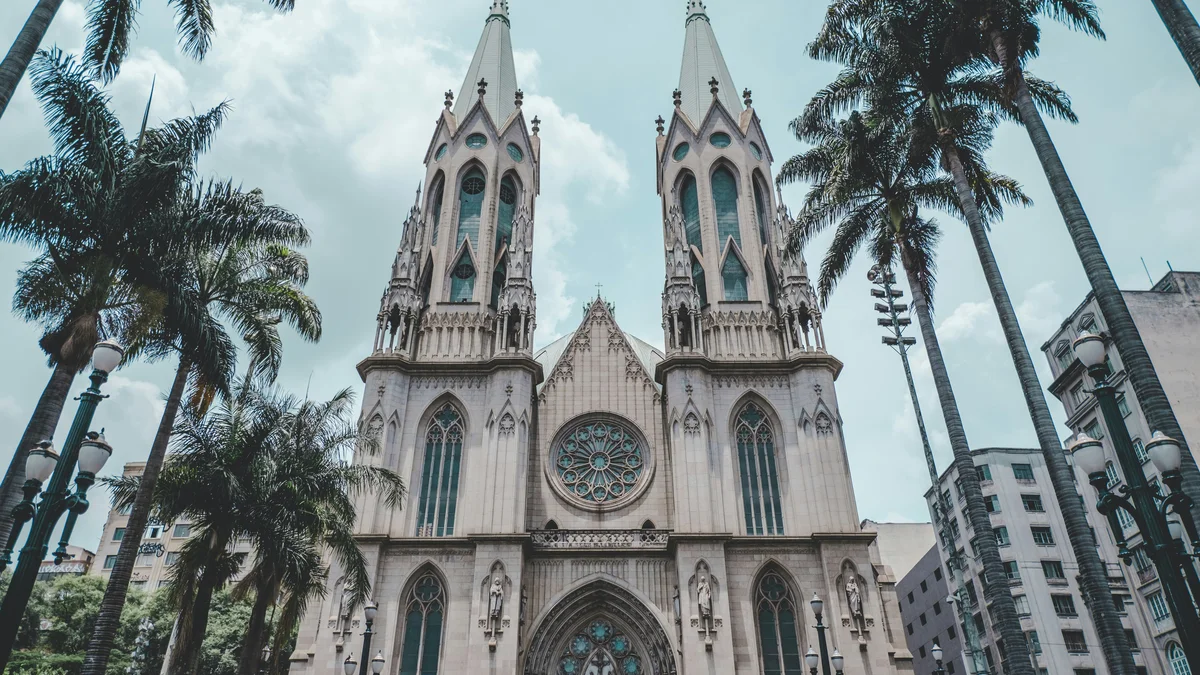
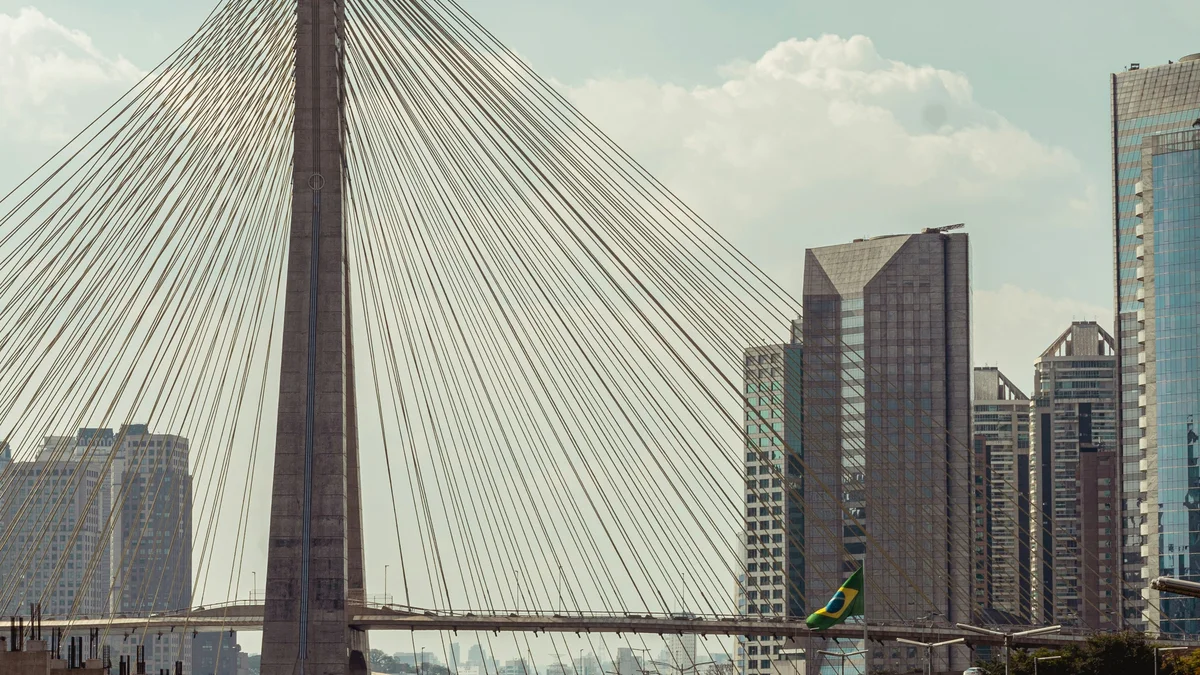
A private half-day tour with a driver-guide covering São Paulo's must-see landmarks, from Paulista Avenue to the historic Sé Cathedral and Municipal Market, with optional airport pickup.
 Private Tours
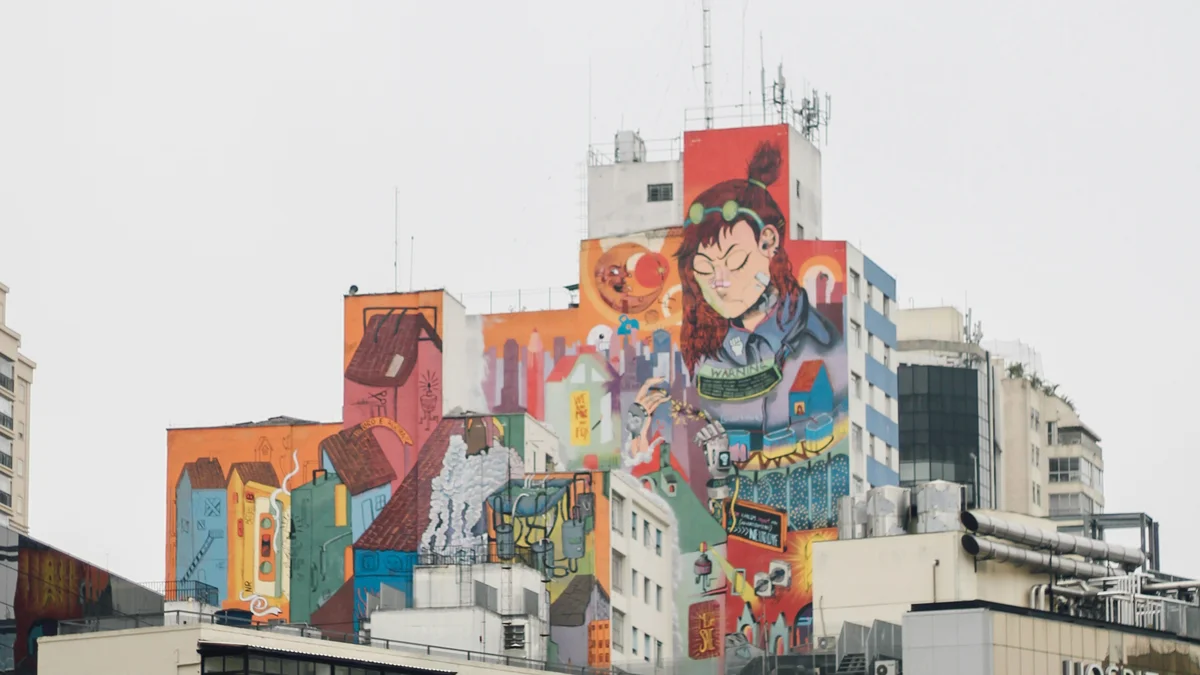
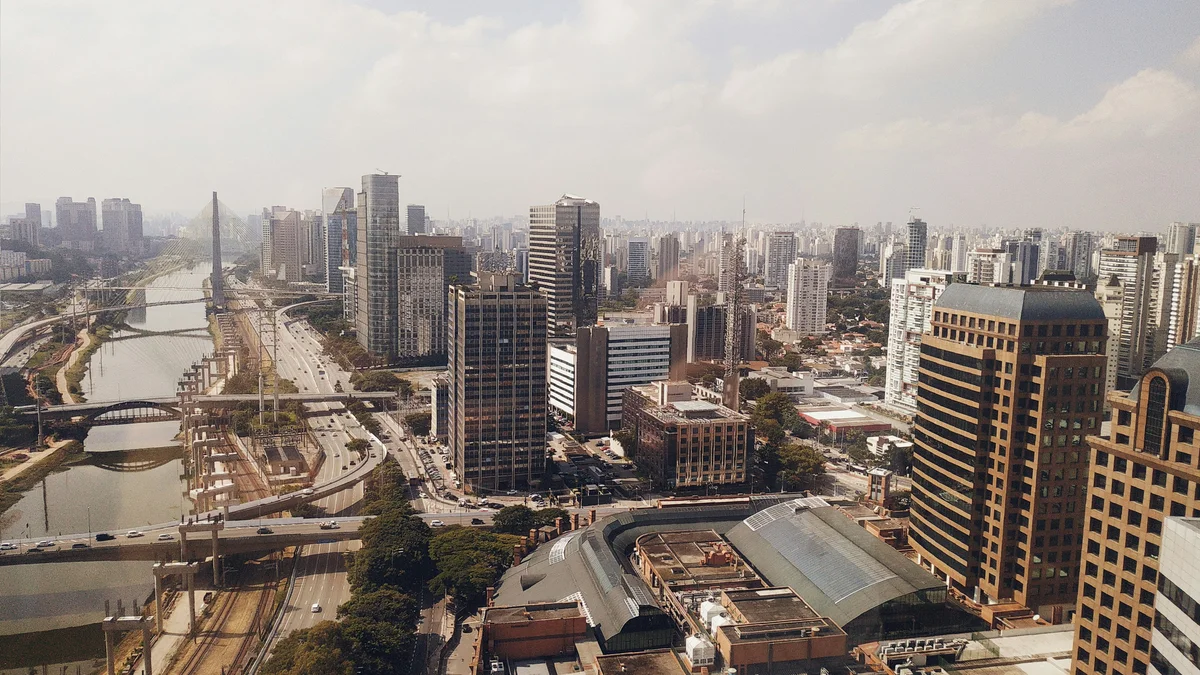
A comprehensive full-day private tour giving you unhurried time at São Paulo's downtown landmarks, Avenida Paulista, Ibirapuera Park, and the street art of Vila Madalena, with optional Guarulhos Airport pickup.
 Private Tours
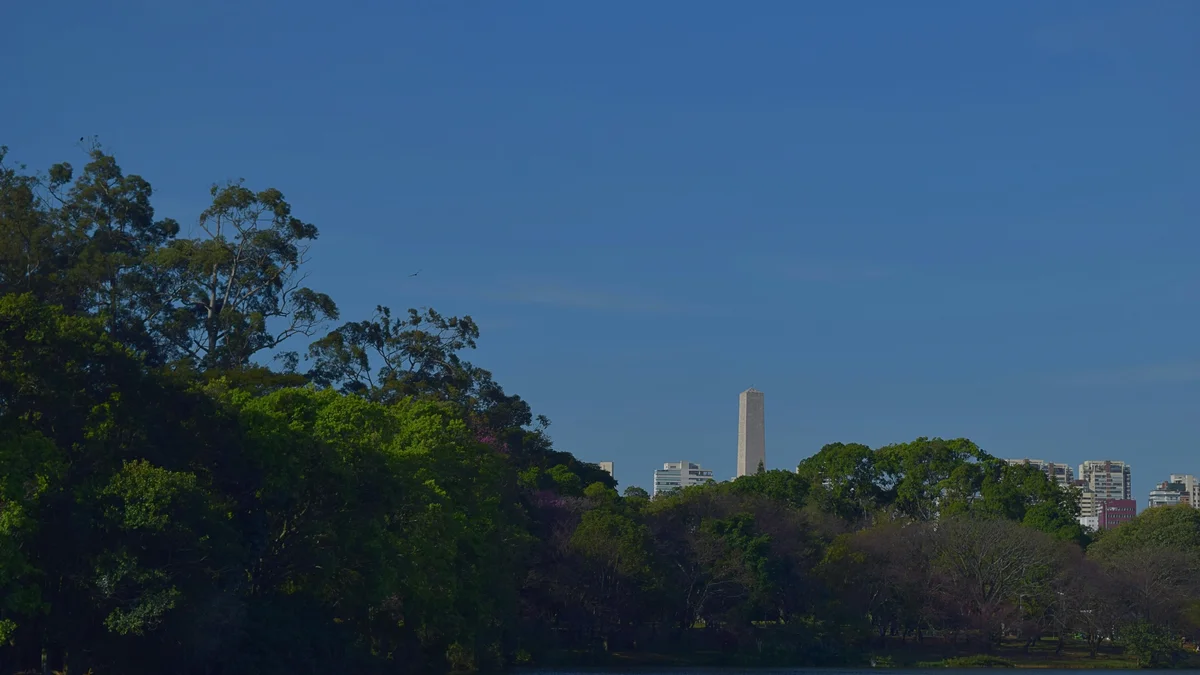
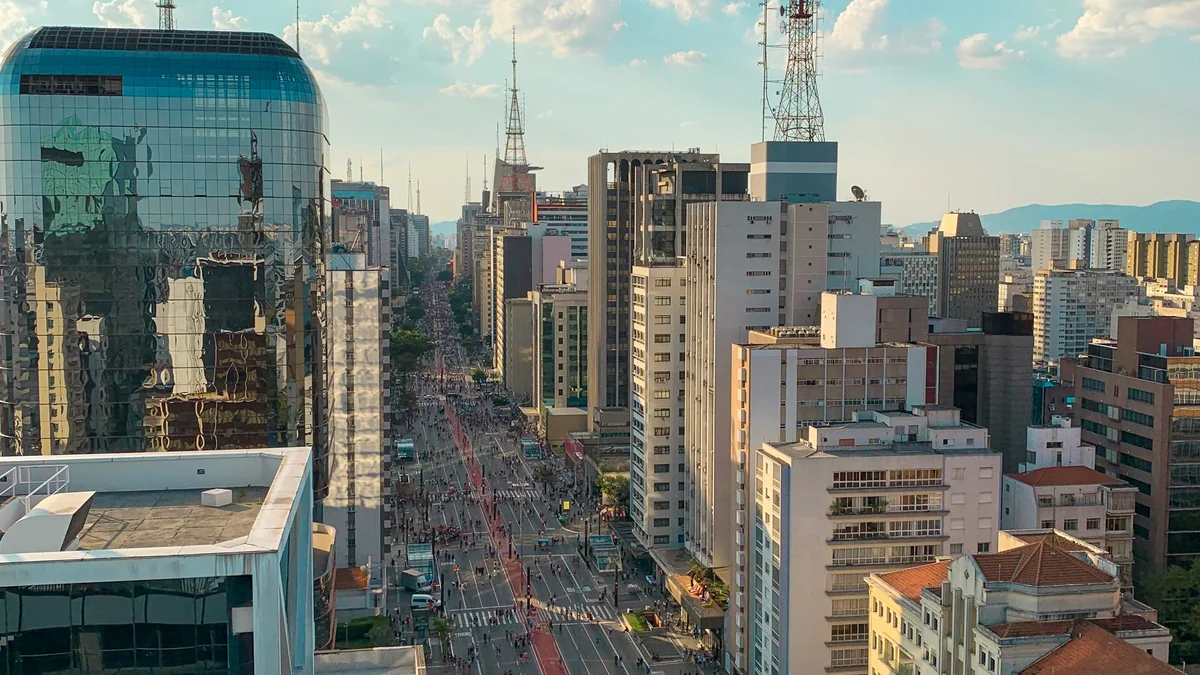
A private tour focused on three of São Paulo's defining faces — Niemeyer's Ibirapuera Park, the skyscrapers of Avenida Paulista, and the colonial streets of the historic downtown.
Visitor guide
Paulista Avenue, or Avenida Paulista, is a major boulevard in São Paulo, Brazil, about 2.8 kilometres long. It began as a street of coffee barons' mansions and is now the city's financial and cultural spine, home to museums, cultural centres, banks and broadcasting masts.
Wikipedia gives the avenue's inauguration date as 8 December 1891, and credits the Uruguayan-Brazilian civil engineer Joaquim Eugênio de Lima with its construction. It is often said to have become the city's first asphalt-paved street in 1909, using asphalt imported from Germany, though some researchers dispute that claim. The avenue was originally residential, lined with ornate mansions built by coffee barons and industrialists such as the Matarazzo family.
From the 1950s many of the older Neoclassical and period buildings were demolished as high-rise construction began, and financial institutions moved in. The avenue became a symbol of the economic power of São Paulo state. In 1972 the Novo Paulista plan raised vehicle capacity from about 20,000 to over 100,000 per day, and the article says hundreds of trees were removed, with replanting in 2007 and 2008 bringing the count to 390.
Casa das Rosas, near Praça Oswaldo Cruz, is described as the most notable surviving mansion from the coffee era. It became a cultural centre in the late 1980s and gives a glimpse of the avenue's earlier residential character.
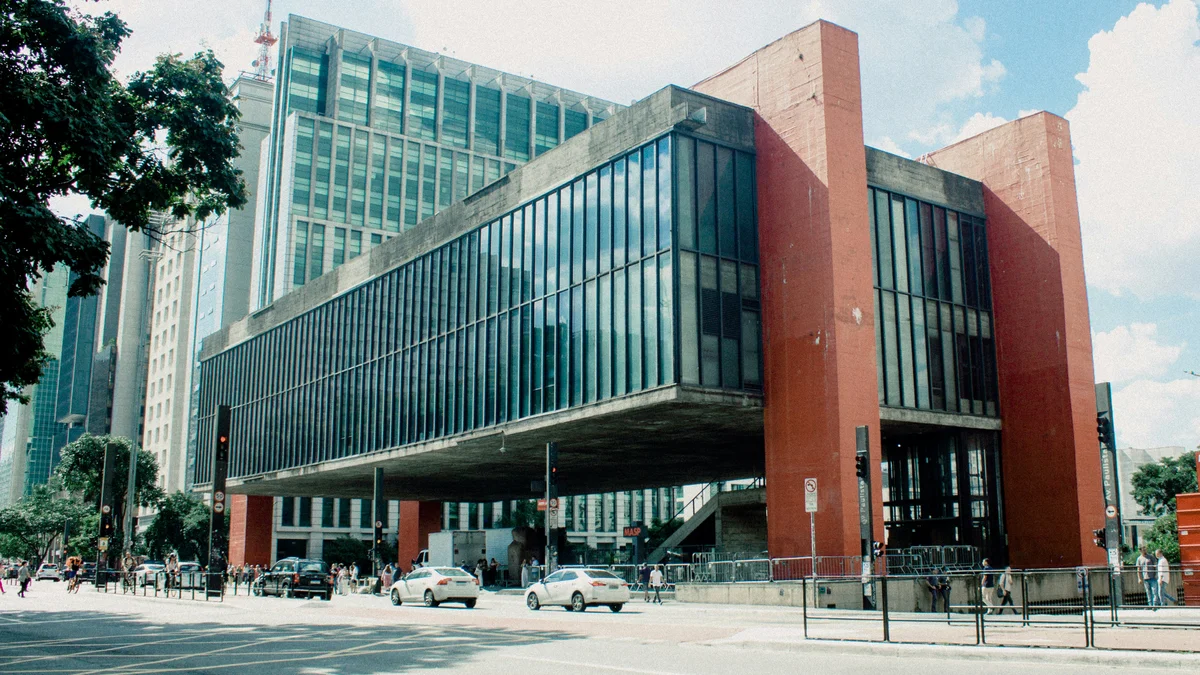
The most famous landmark is the São Paulo Museum of Art, MASP, whose exhibition space is suspended between two concrete columns, with a vault below that hosts a Sunday antique fair and other events. Other venues named by Wikipedia include Centro Cultural Itaú, the FIESP/CIESP cultural centre, which houses the Teatro Brasileiro de Comédia, and the small native-forest Parque Siqueira Campos, known as Trianon. Malls along the avenue include Conjunto Nacional, Gazeta and Shopping Pátio Paulista.
More than 800,000 commuters are reported to use the avenue each day, and Line 2 of the São Paulo Metro runs beneath it. The avenue is also a public stage. It is the route of the São Paulo Pride Parade, which Wikipedia describes as the largest in the world, a claim to treat with some caution, as well as the Saint Silvester Road Race on New Year's Eve, football celebrations and political demonstrations dating back to 1929.
Some historic mansions and banks are decorated at Christmas and draw crowds. One of the highest points in the city, the avenue also carries radio and television masts.
Paulista Avenue is best experienced by combining a museum visit with a walk past the surviving mansions and parks. A private guide can add context on the coffee-baron era and the city's growth, and a driver can link it with other districts.
See every tour and attraction we cover in Sao Paulo.