TorontoOntario · 36 tours
 Niagara FallsOntario · 25 tours
 New York CityNew York · 30 tours
 Las VegasNevada · 8 tours
 San FranciscoCalifornia · 16 tours
 VancouverBritish Columbia · 17 tours
 DubaiUAE · 54 tours
 Abu DhabiUAE · 5 tours
 Buenos AiresArgentina · 23 tours
 AthensGreece · 31 tours
 AucklandNew Zealand · 38 tours
 CancunMexico · 54 tours
No destinations match “”. Try searching all tours instead — that search understands full questions, not just place names.
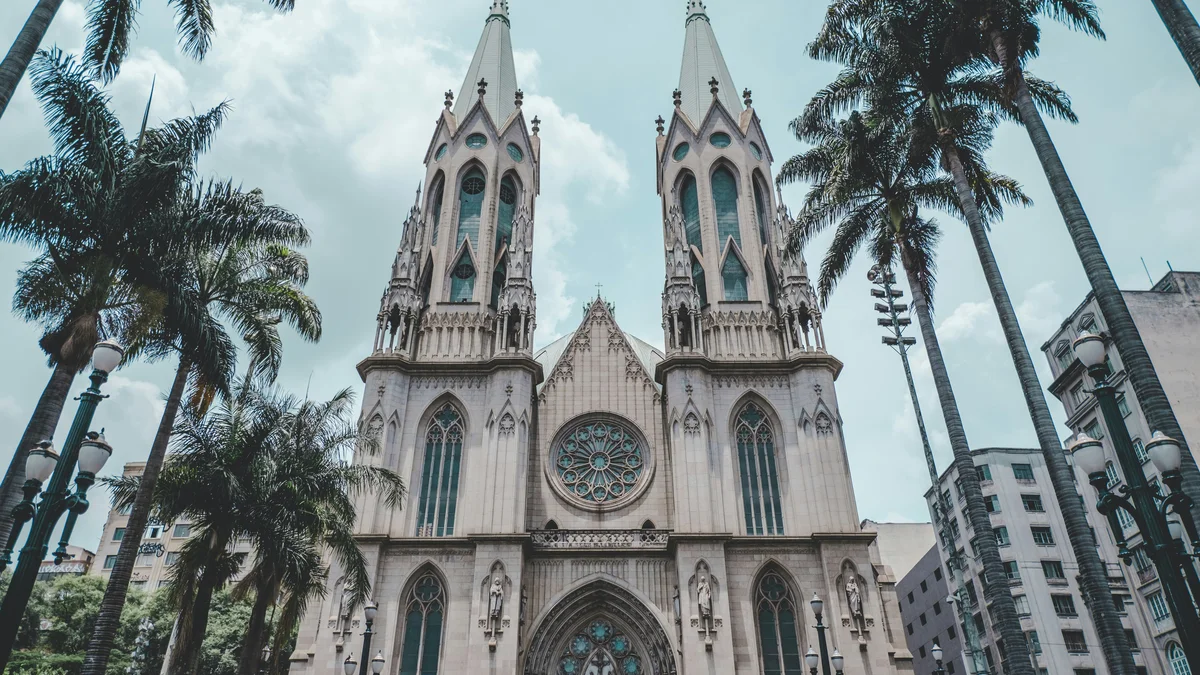
The Catedral da Sé is a Gothic-Renaissance cathedral built over more than four decades in the early 20th century, standing at Praça da Sé, the symbolic center point from which all distances in São Paulo are measured. Its crypt holds the remains of some of the city's earliest bishops and indigenous leaders.
 Private Tours
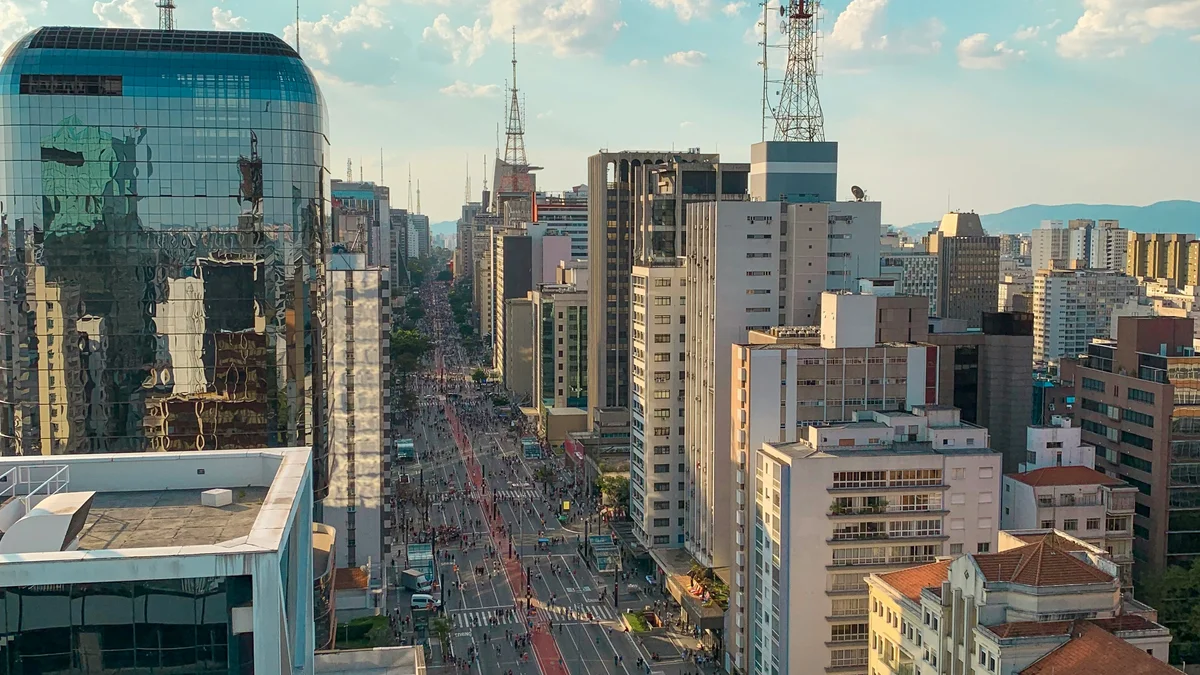
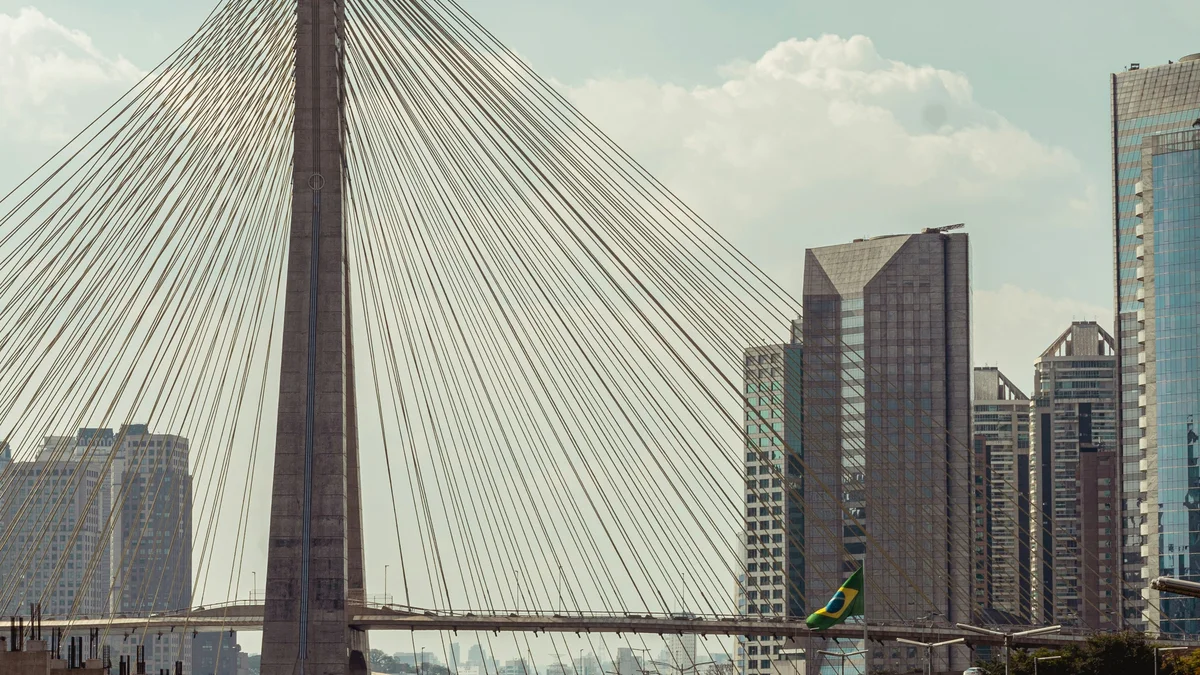
A private half-day tour with a driver-guide covering São Paulo's must-see landmarks, from Paulista Avenue to the historic Sé Cathedral and Municipal Market, with optional airport pickup.
 Private Tours
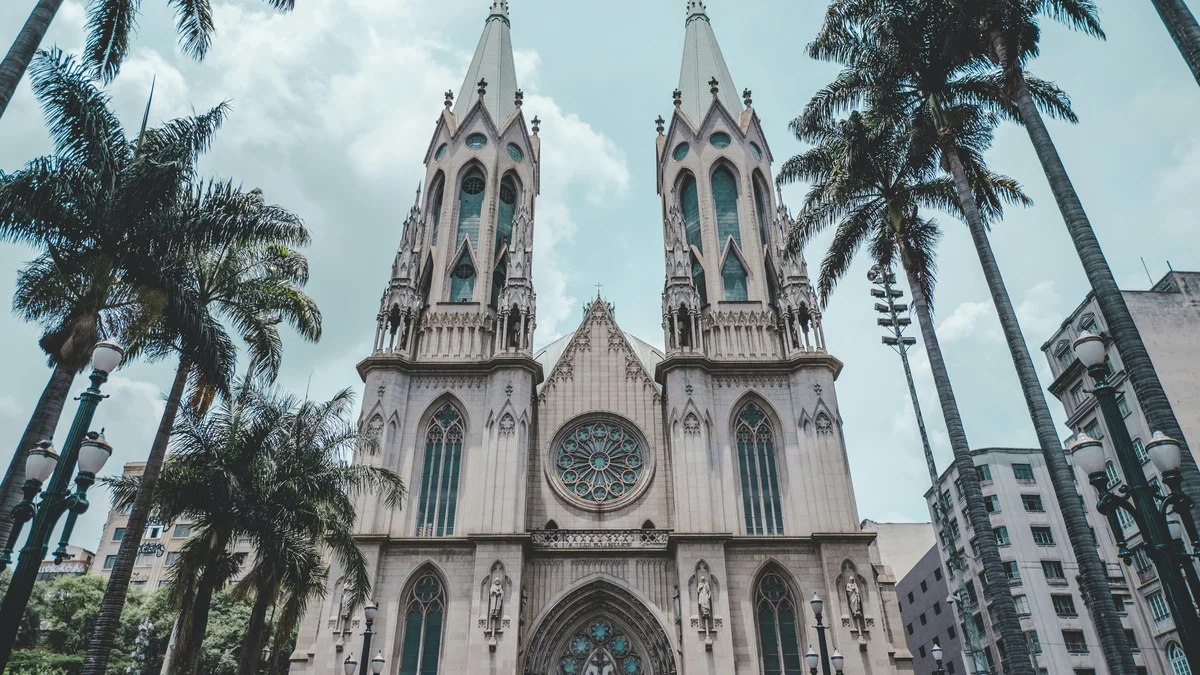
A private walking tour through São Paulo's historic center, tracing the city's growth from a small colonial settlement to the largest metropolis in the Southern Hemisphere.
Visitor guide
The Metropolitan Cathedral of Sao Paulo, commonly called the Catedral da Se, is the seat of the Roman Catholic Archdiocese of Sao Paulo in Brazil. It is a neo-Gothic cathedral on the Praca da Se in the city centre, with a dome inspired by the Renaissance dome of Florence Cathedral.
Portuguese Wikipedia records that in 1589 it was decided to build a main church in the small village of Sao Paulo de Piratininga. That church stood where the Padre Anchieta monument now is in the Praca da Se and was finished around 1616. After Sao Paulo became a diocese in 1745, it was replaced by a Baroque church, finished around 1764, which served as the cathedral until it was demolished in 1911. The parish of Nossa Senhora da Assuncao was created on 10 August 1591.
The current cathedral was promoted by Dom Duarte Leopoldo e Silva, the first archbishop of Sao Paulo, and designed by the German architect Maximilian Emil Hehl in an eclectic style that is predominantly neo-Gothic. Work began on 6 July 1913. The furnishings, mosaics and sculptures were shipped from Italy, and the two world wars made completion difficult. The cathedral was inaugurated on 25 January 1954 for the 400th anniversary of the city, with the towers still unfinished. The towers were inaugurated on 15 November 1969, and the infobox gives 1967 as the completion year.
Between 2000 and 2002 the building was fully renovated. Sketches of the towers dated 1912 were found in the choir, allowing a faithful restoration of the original design, and many pinnacles were added over the nave and towers. The work also covered the stained-glass windows, the bells, structural repairs and cleaning, and the cathedral reopened on 28 September 2002.
The plan is a Latin cross with five naves and a transept, with a dome over the crossing. The facade has a main portal, a large rose window and two tall towers. The building is about 111 metres long and 46 metres wide, with towers reported at 92 metres in some sources and 100 metres by the São Paulo city government, and a total height of about 65 metres to the top of the dome. It is said to hold up to 8,000 people and to include about 800 tons of marble. Wikipedia calls it the largest Catholic church in the city and says some consider it the fourth largest neo-Gothic cathedral in the world, a ranking that should be read as an opinion rather than a fixed fact.
The organ was built in Milan in 1954 by the Italian firm Balbiani and Rossi and inaugurated on 25 November 1954 as a gift from a brewery. Portuguese Wikipedia describes it as the largest pipe organ in Brazil and Latin America, with five manuals of 61 keys, about 12,000 pipes and around 124 stops. English sources give slightly different stop counts. The east tower holds a carillon of 61 bells cast by Petit and Fritsen of the Netherlands, installed in 1959.
Beneath the main altar lies a large crypt supported by columns and Gothic-profile arches. It holds the tombs of bishops and archbishops of Sao Paulo and of figures from Brazilian history, including Tibirica, a Guaiana chieftain who in the sixteenth century welcomed the first Jesuits to the Piratininga Plateau, and Diogo Antonio Feijo, regent of Brazil. Part of the remains of Bartolomeu de Gusmao, who received a patent in 1707, was transferred to the crypt, and Dom Paulo Evaristo Arns was buried there on 16 December 2016.
The cathedral stands in the historic centre, so it combines well with a walk through the surrounding squares and nearby landmarks. A private guide can point out the architectural detail and the history of the site.
See every tour and attraction we cover in Sao Paulo.