 TorontoOntario · 36 tours
 Niagara FallsOntario · 25 tours
 New York CityNew York · 30 tours
 Las VegasNevada · 8 tours
 San FranciscoCalifornia · 16 tours
 VancouverBritish Columbia · 17 tours
 DubaiUAE · 54 tours
 Abu DhabiUAE · 5 tours
 Buenos AiresArgentina · 23 tours
 AthensGreece · 31 tours
 AucklandNew Zealand · 38 tours
 CancunMexico · 54 tours
No destinations match “”. Try searching all tours instead — that search understands full questions, not just place names.
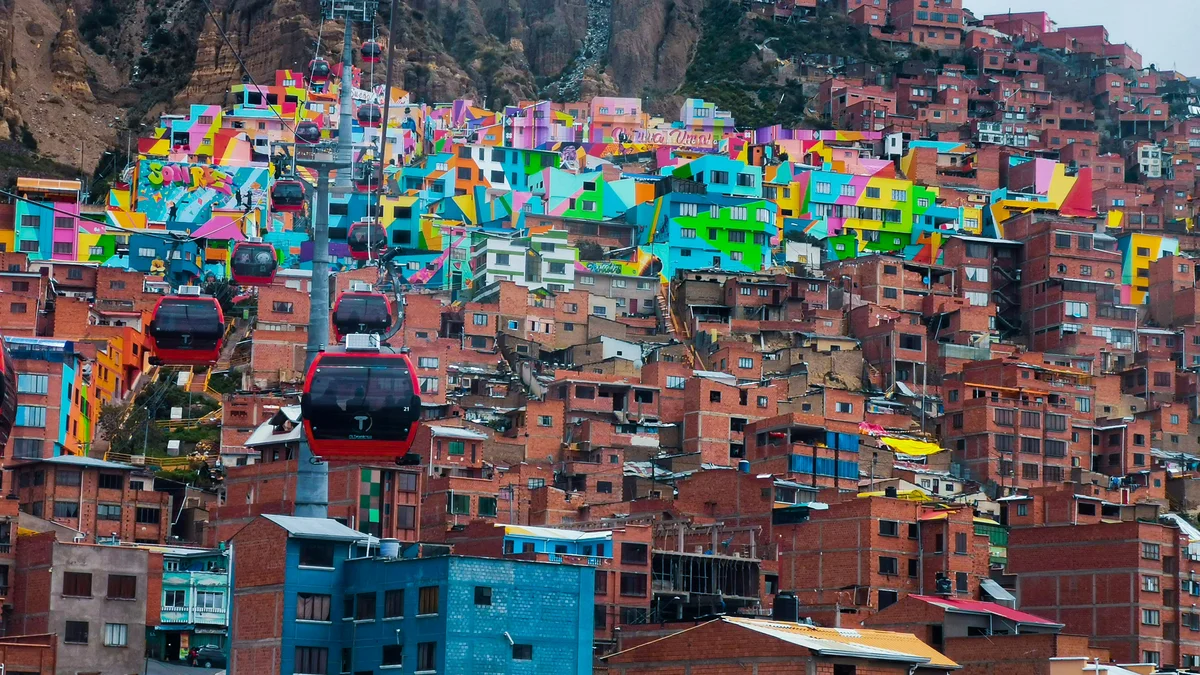
Voyzo runs 15 tours in La Paz, covering 5 top attractions. A private tour means your own guide, driver, and vehicle and an itinerary built around your group rather than a fixed bus schedule.
Private Tours
A private half-to-full-day tour through downtown La Paz — Plaza Murillo, San Francisco Church, the Witches' Market, and the otherworldly Valle de la Luna badlands on the city's edge.
 Private Tours
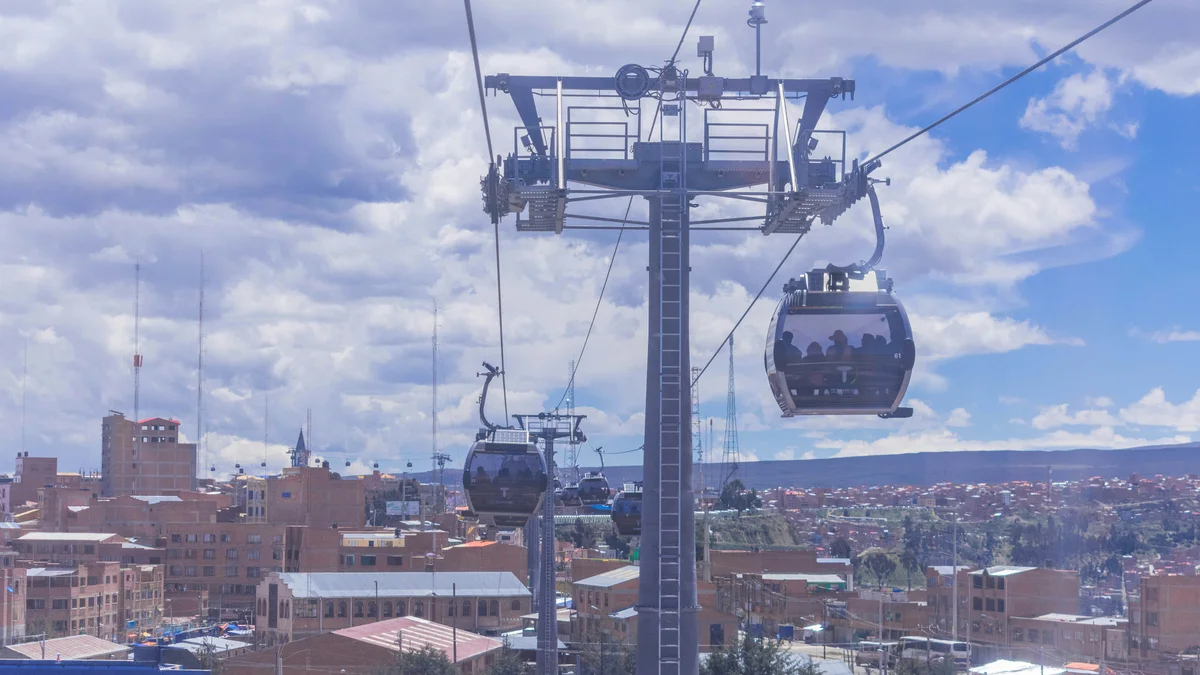
A private half-day tour on foot through La Paz's historic streets and markets, followed by a Mi Teleférico cable car ride over the city and a visit to the Valle de la Luna badlands.
 Private Tours
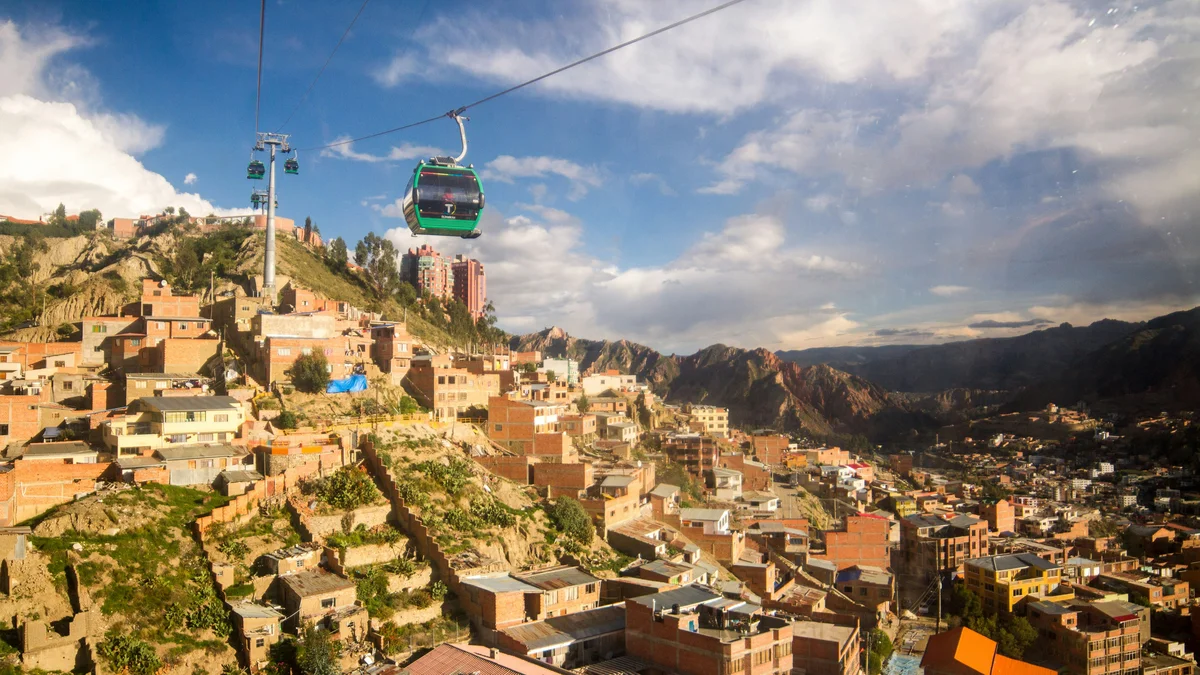
A private half-day tour to La Paz's General Cemetery and its open-air street art, then a cable car ride up to El Alto to meet a local Aymara yatiri (traditional healer) and browse the El Alto Witches' Market.
 Private Tours
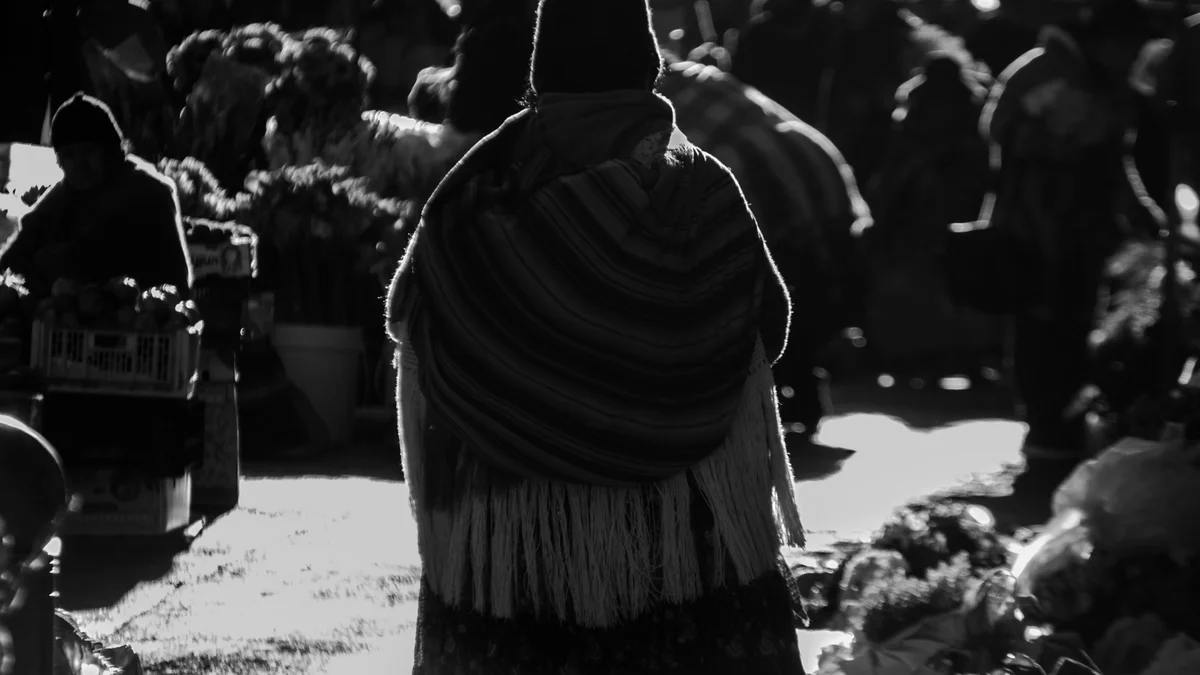
A deep, private dive into La Paz's Witches' Market — an Andean mural gallery, a traditional textile shop, an Afro-Bolivian coffee tasting, a purification ritual, and a vegetarian Bolivian lunch.
 Private Tours
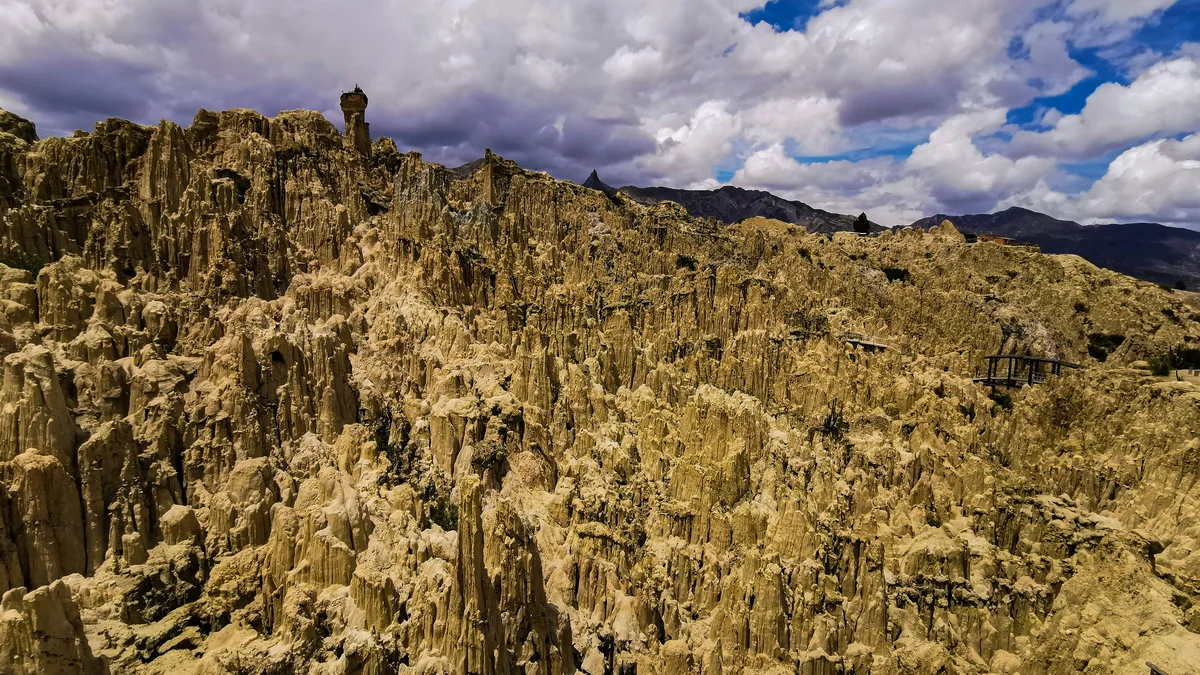
A private sunrise tour to Valle de las Animas (Valley of the Souls), where eroded rock spires rise up to 650 feet, followed by the Valle de la Luna badlands on the way back into the city.
 Private Tours
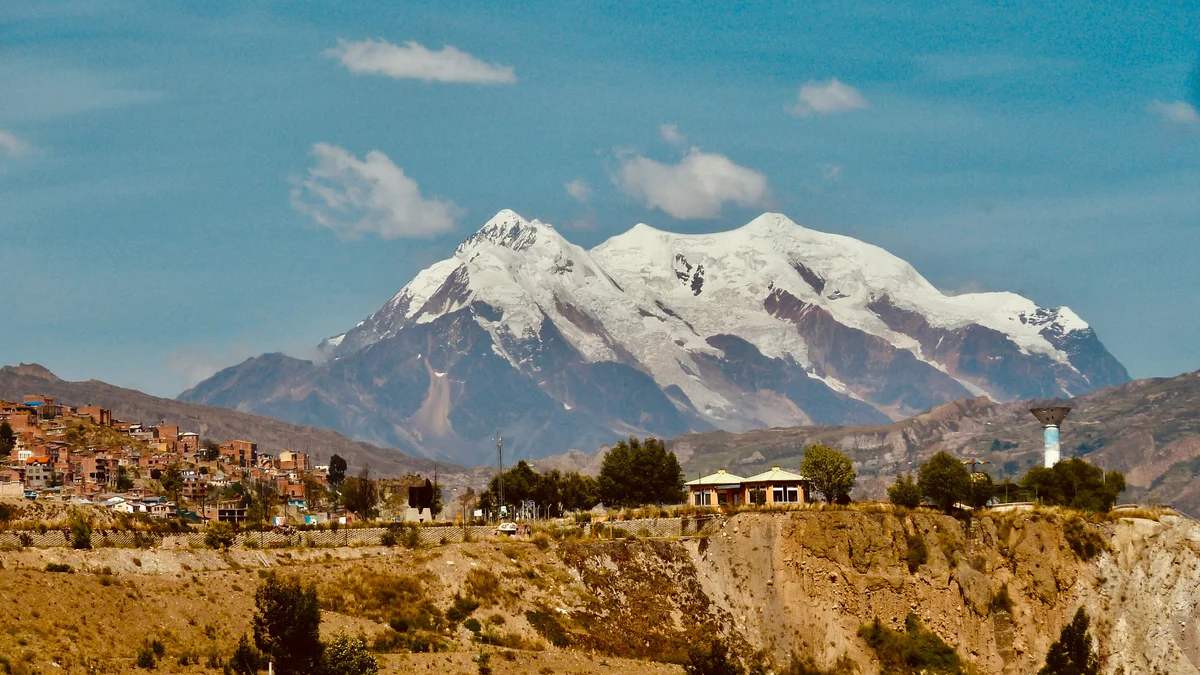
A private full-day tour up to Chacaltaya at 17,700 feet — once home to the world's highest ski resort before its glacier melted — with views toward Huayna Potosí and Lake Titicaca, then the Valle de la Luna badlands on the return.
 Private Tours
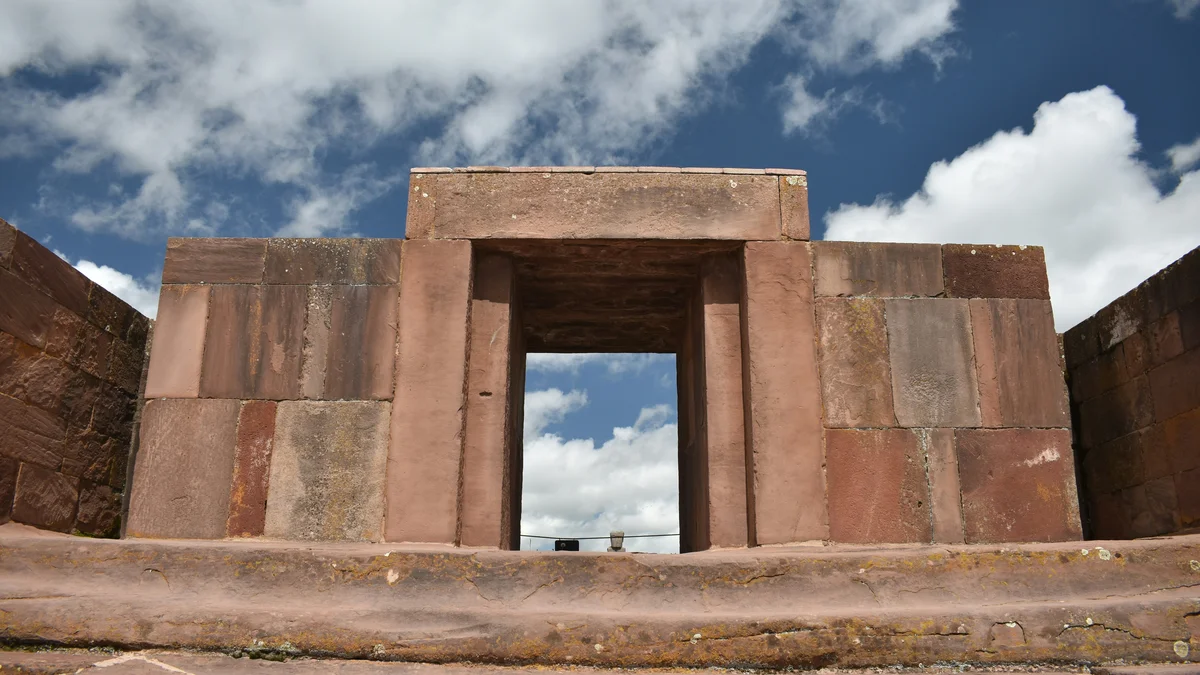
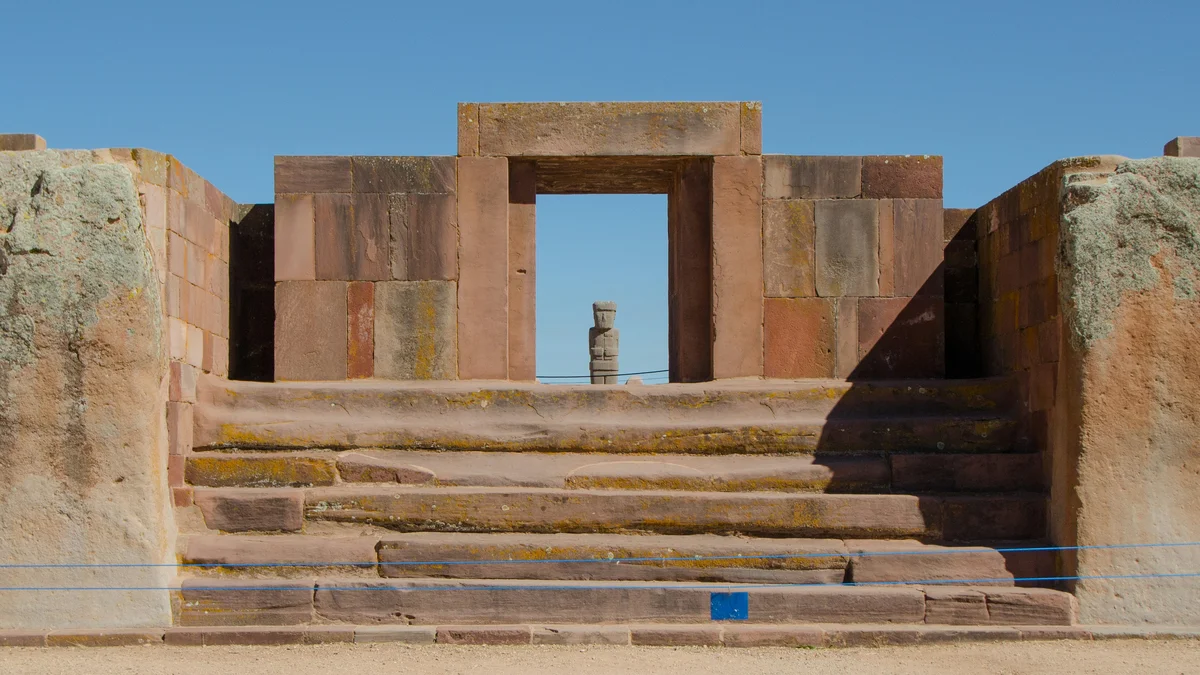
A private full-day trip to Tiwanaku, the UNESCO-listed ceremonial capital of a civilization that flourished on the Bolivian altiplano centuries before the Inca, including the megalithic stonework at Puma Punku and the on-site museums.
 Private Tours
A private full-day trip combining the Tiwanaku ruins with a stop at Lake Titicaca's shore — a longer day than the standalone Tiwanaku trip, for travelers who want both without a second day trip.
 Private Tours
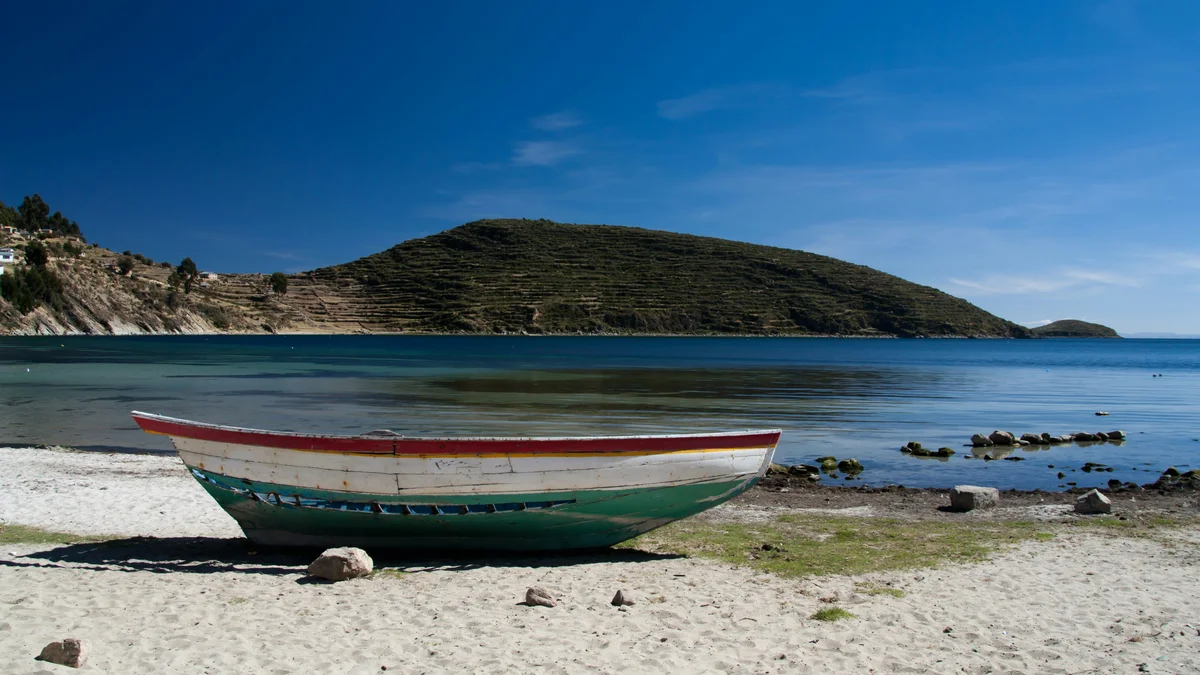
A private full-day trip from La Paz to the lakeside town of Copacabana and, by boat, Isla del Sol — the island Inca mythology names as the birthplace of the sun.
 Multi-Day Tours
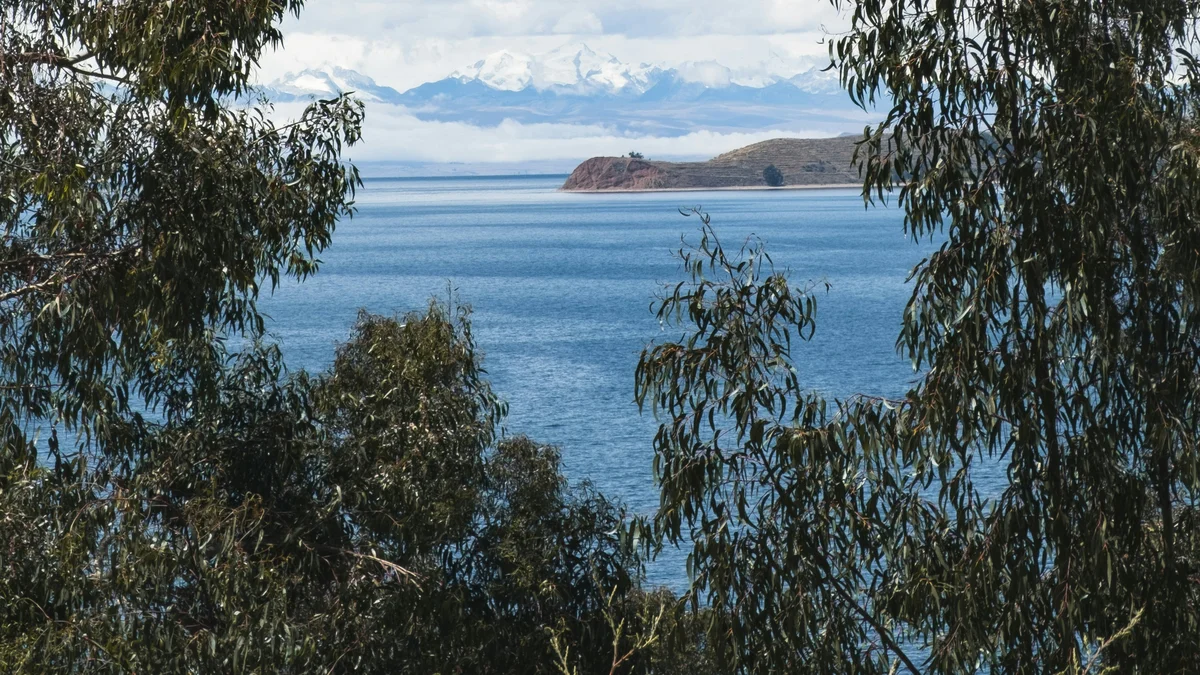
A private 2-day, 1-night version of the Copacabana and Isla del Sol trip, with an overnight by the lake so you're not rushing the return drive to La Paz the same day.
 Private Tours
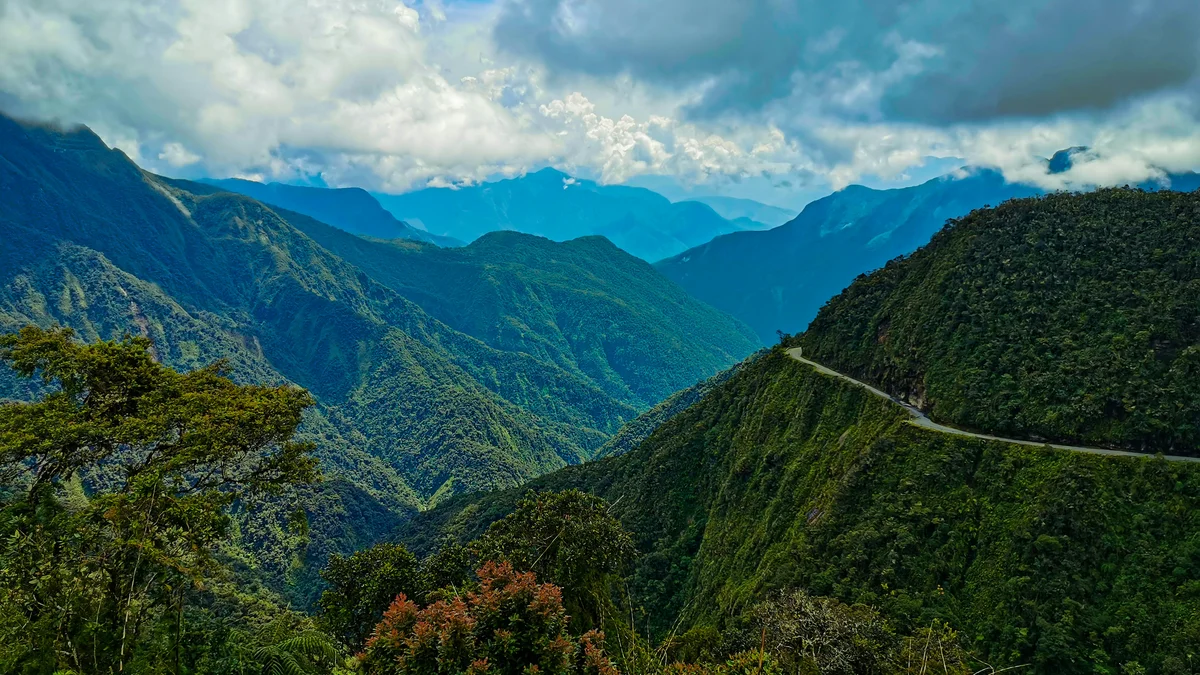
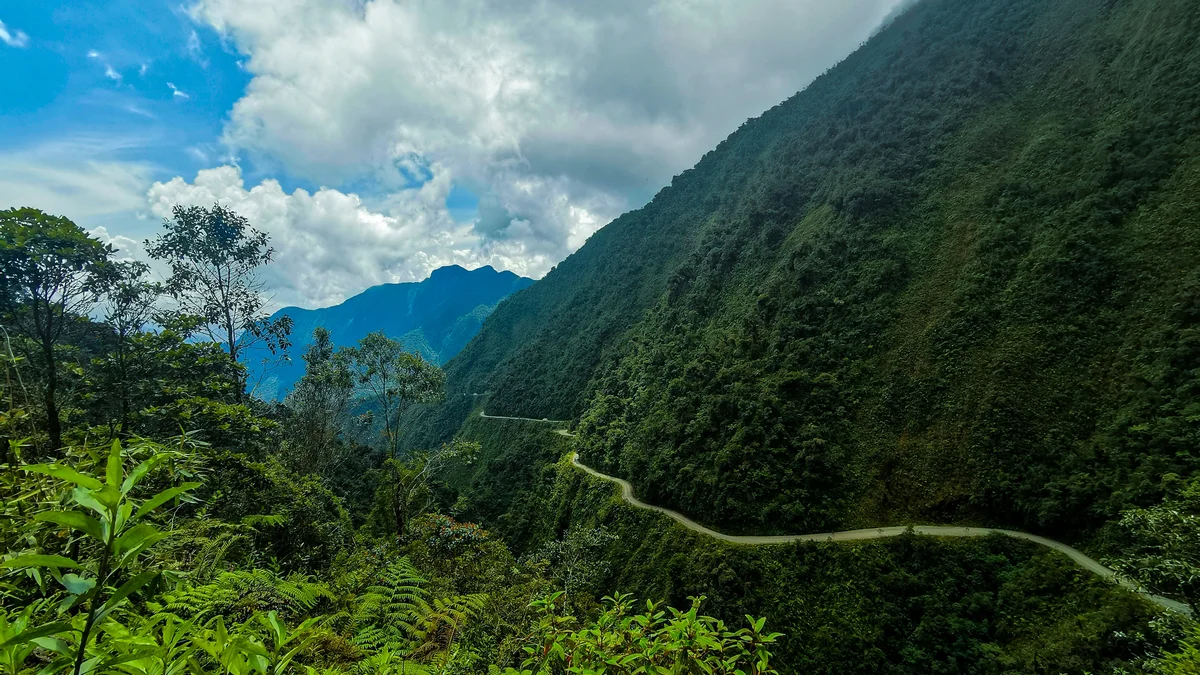
A private, professionally guided mountain bike descent down the North Yungas Road — roughly 40 miles and over 11,000 feet of elevation loss from the high Andes into subtropical jungle, ending with lunch and a stop to see rescued wildlife.
 Private Tours
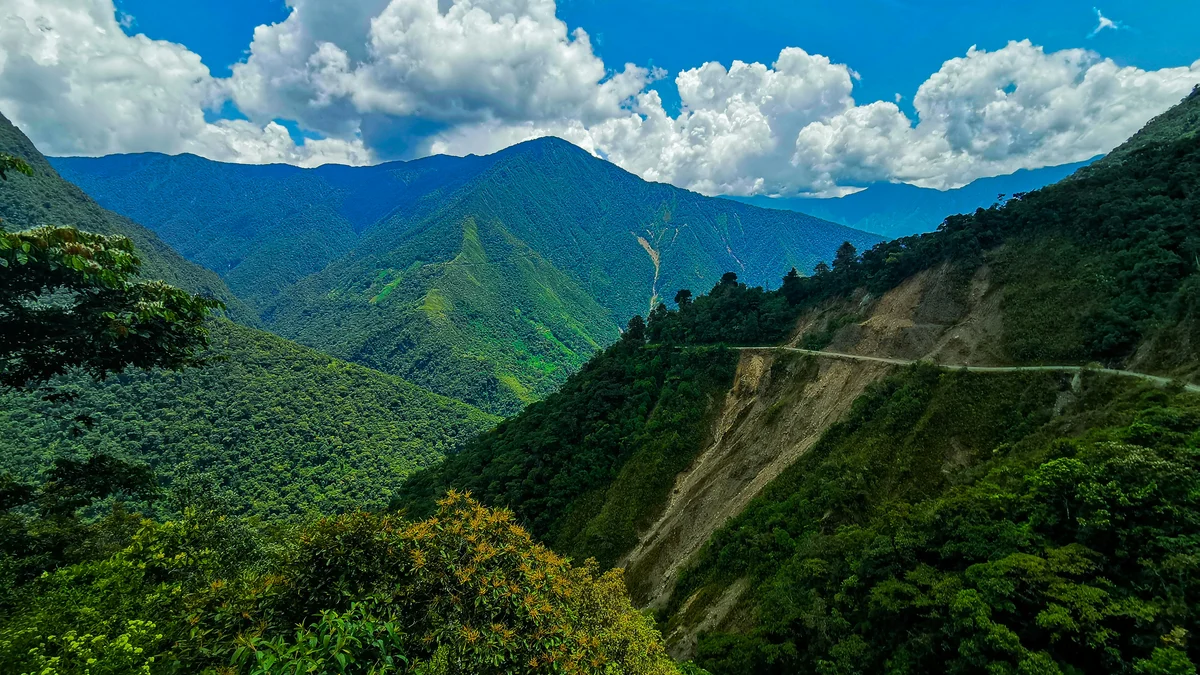
The same private North Yungas Road mountain bike descent, extended with a zipline stop in Yolosa afterward — a series of cables over 1,500 meters long crossing the subtropical valley.
 Private Tours
A private full-day drive along the old North Yungas Road route down into the subtropical Yungas valley and the town of Coroico — for travelers who want the scenery and the history without mountain biking it.
 Multi-Day Tours
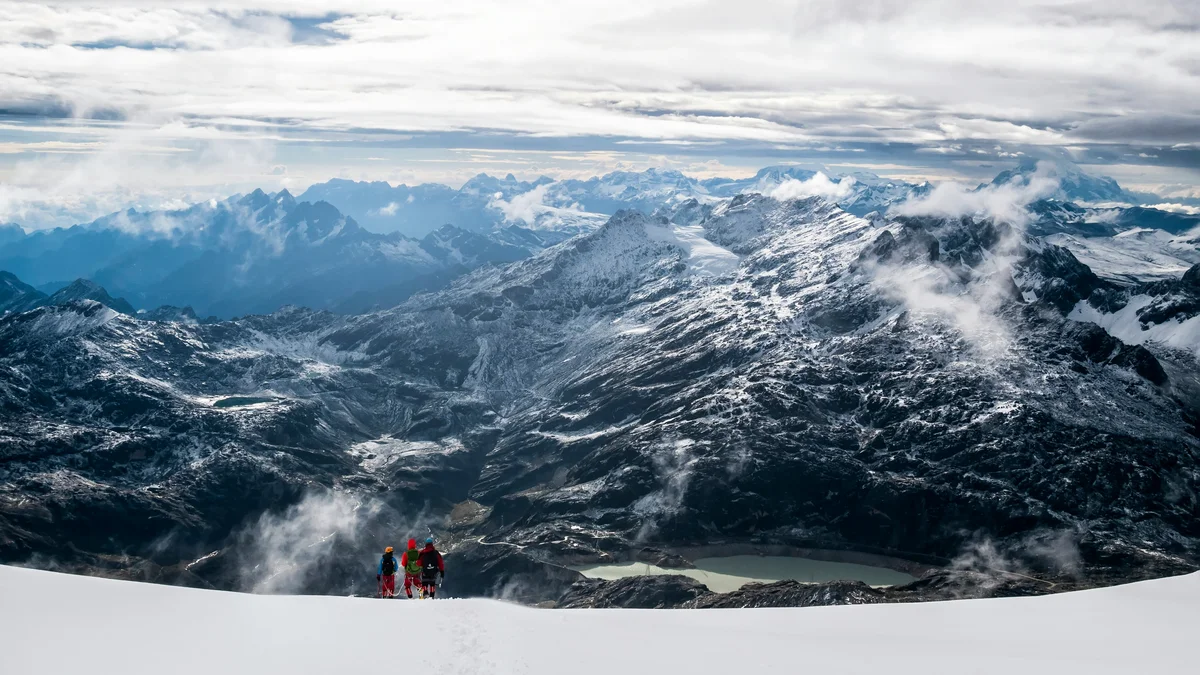
A private 2-day guided climb of Huayna Potosí, a 19,974-foot glaciated peak considered one of the world's more approachable 6,000-meter mountains — base camp, basic ice climbing practice, and a pre-dawn summit push.
 Multi-Day Tours
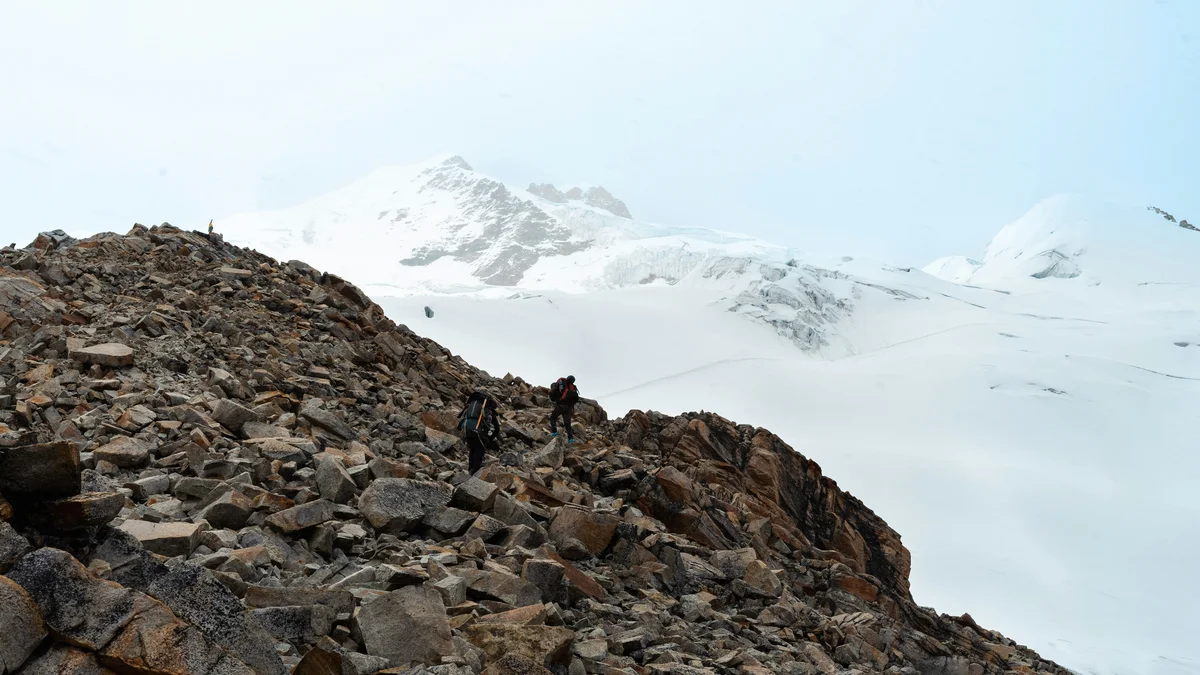
A private 3-day version of the Huayna Potosí climb, adding a full extra day at altitude for acclimatization and more thorough ice climbing practice before the summit push — a better option for climbers newer to altitude.
Private tours in La Paz are matched to your party size — here's the fleet we draw from for this region.
| Vehicle | Model | Capacity | Best For |
|---|---|---|---|
| Private Car / SUV | Toyota Land Cruiser 4x4 | Up to 5 guests | A rugged 4x4 built for the Altiplano's salt flats, high mountain passes and unpaved desert routes, with a private driver throughout. |
| Private Van | Toyota Hiace, air-conditioned | Up to 12 guests | A comfortable, air-conditioned van for small groups and families touring La Paz, the colonial cities and longer highland routes. |
| Mini-Coach | Mercedes-Benz mini-coach | Up to 25 guests | A spacious mini-coach for larger groups traveling together across Bolivia's cities, salt flats and highland routes. |
Popular stops our guides build into La Paz itineraries — tap any attraction to learn more.
 Plaza Murillo
La Paz
Plaza Murillo is La Paz's central square, named for independence martyr Pedro Domingo Murillo, who was executed here by Spanish royalist forces in 1810. It's flanked by the Palacio Quemado (Presidential Palace), the Bolivian Legislative Assembly, and the Metropolitan Cathedral, and remains the city's ceremonial and political heart, with resident pigeons and an occasional changing-of-the-guard ceremony.
2
 San Francisco Church
La Paz
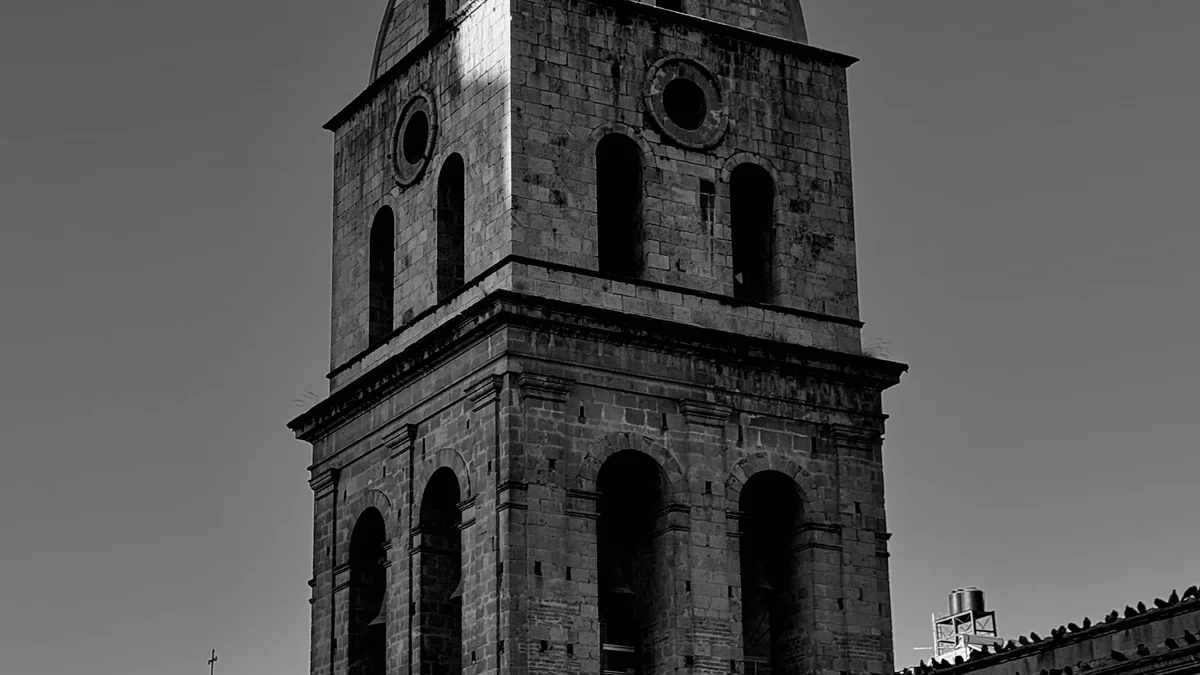
The Basilica of San Francisco was originally built in 1549 and largely rebuilt in the 18th century after earlier structures suffered damage, giving it the Andean Baroque, or 'mestizo,' facade it's known for today, blending Catholic imagery with carved pumas, native plants, and other indigenous motifs. It sits at the top of the street leading down into the Witches' Market, on the plaza of the same name.
3
 Witches' Market (Mercado de las Brujas)
La Paz
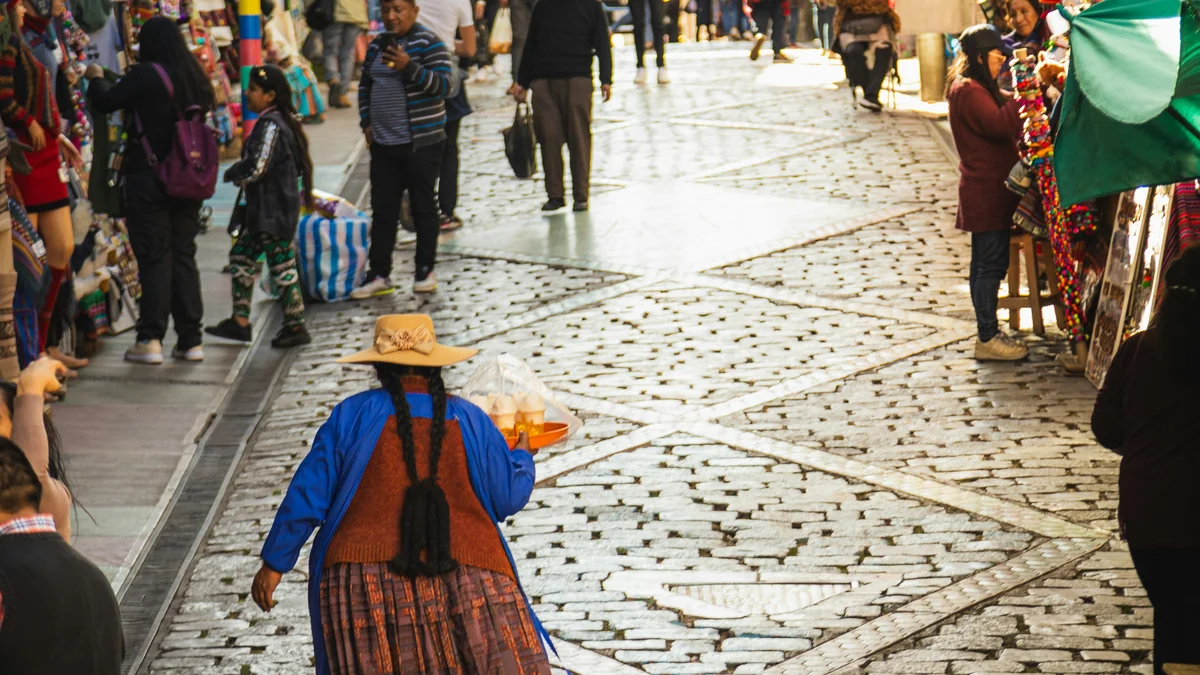
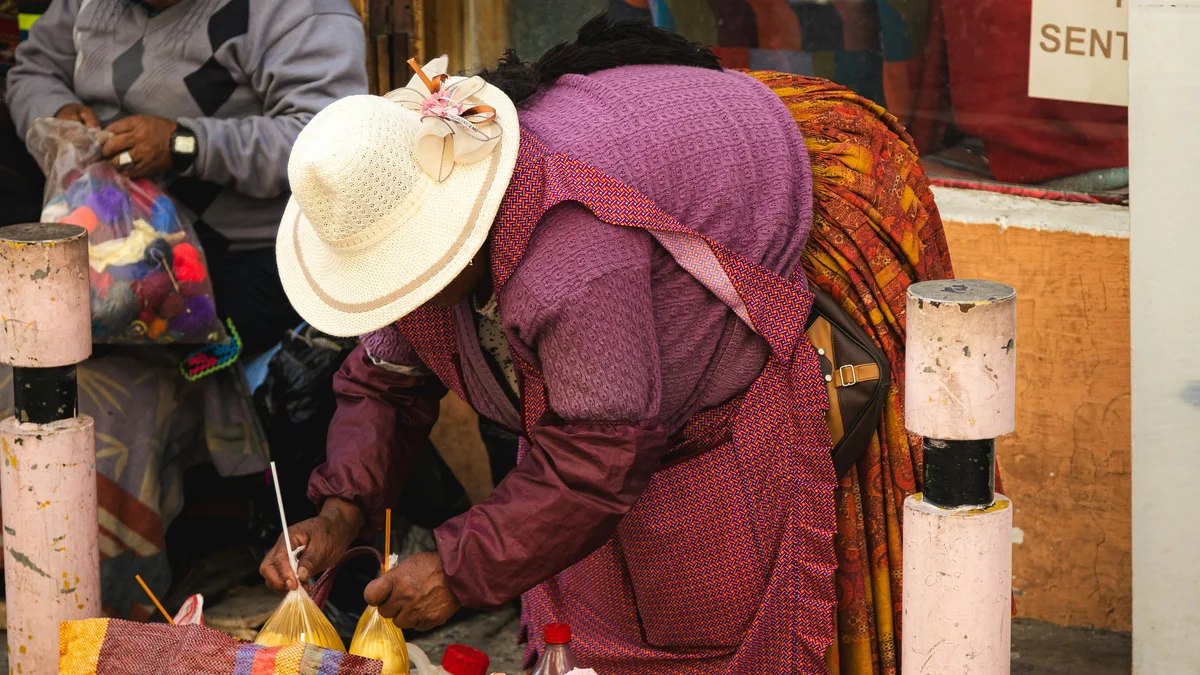
The Witches' Market runs along Calle Linares and Jiménez in La Paz's historic center, where Aymara vendors sell herbal remedies, amulets, and dried llama fetuses traditionally buried under the foundations of new buildings as an offering to Pachamama, the earth goddess. It's a real, still-functioning part of Aymara spiritual practice in the city, not a tourist recreation.
4
 Mi Teleférico (Cable Car Network)
La Paz
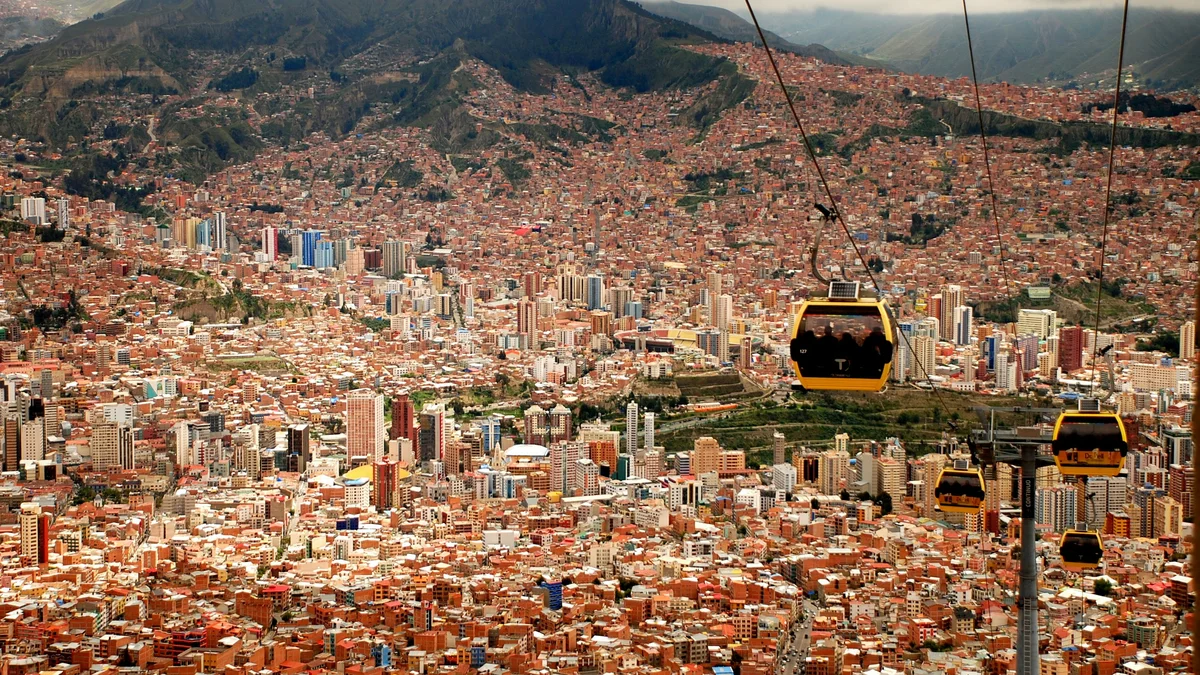
Opened in 2014, Mi Teleférico is recognised by Guinness World Records as the largest public-transit cable car network in the world, with multiple lines connecting downtown La Paz (around 11,900 feet) up to El Alto on the canyon rim above (around 13,600 feet). Built as genuine public transit rather than a tourist attraction, it doubles as one of the best ways to see the city's dramatic canyon setting and, on clear days, the snow-capped peak of Illimani.
5
 Valle de la Luna (Moon Valley)
La Paz
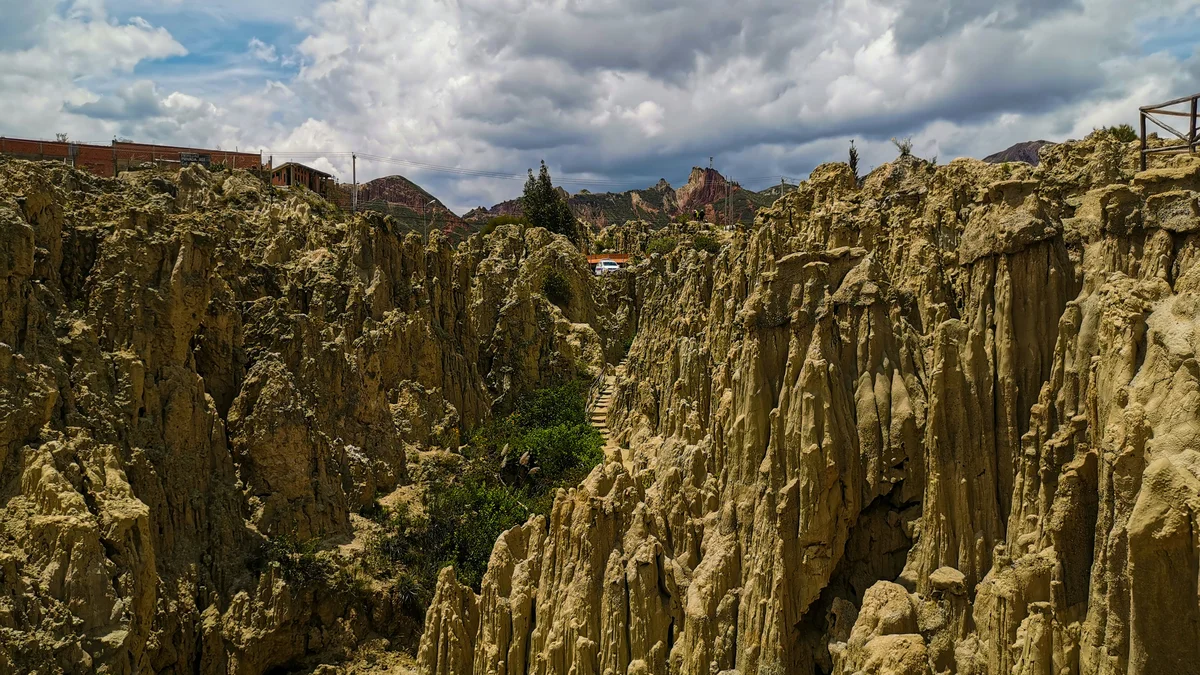
On La Paz's southern outskirts, Valle de la Luna is a badlands landscape where centuries of wind and rain have eroded clay and sandstone into a maze of spires, canyons, and towers that resemble a lunar surface. A marked walking loop of roughly 30 to 45 minutes winds through the formations, making it an easy add-on to a city tour.
At around 11,900 feet (3,640 m) in the city center, and higher in El Alto above it, altitude sickness (soroche) is a real possibility for most visitors on arrival, regardless of fitness level. Plan a light first day, drink plenty of water, go easy on alcohol at first, and consider coca tea, a traditional local remedy sold widely in the city.
El Alto International Airport (LPB) sits at roughly 13,300 feet (4,061 m) — many travelers feel the altitude the moment they step off the plane, before even reaching the city below.
The North Yungas Road mountain bike descent and the Huayna Potosí climb are both genuinely demanding — the bike route runs narrow cliffside single-track, and the climb requires crampons, an ice axe, and real fitness. Neither should be treated casually, and both are safest with an experienced, well-equipped operator.
The informal tours that once let visitors pay their way inside San Pedro Prison have long been shut down by Bolivian authorities. Today the prison is seen from Plaza San Pedro's exterior only, as part of a city tour — not entered.
May through October is La Paz's dry season, with sunny days, cold nights, and the most reliable conditions for Death Road, Huayna Potosí, and day trips to Tiwanaku or Titicaca. The wet season, roughly November through March, brings afternoon showers and greener landscapes but can occasionally disrupt road conditions on more remote routes.
Bolivia's currency is the Boliviano (BOB). Cash is preferred at markets, smaller restaurants, and some rural stops; larger hotels and tour operators more often accept cards, but small bills are worth carrying for day-to-day spending.
La Paz is Bolivia's seat of government and its largest urban center, set dramatically inside a canyon carved by the Choqueyapu River, with the sprawling city of El Alto rising above it on the canyon rim. At roughly 11,900 feet (3,640 m) in the city center — and higher still in the neighborhoods climbing the canyon walls — it's genuinely one of the highest capitals travelers visit anywhere in the world, a real factor to plan around rather than just a number on a map. (Sucre, not La Paz, is Bolivia's constitutional capital and seat of the judiciary; La Paz is where the executive and legislative branches actually sit, and where most visitors experience the country's political and cultural center.)
The city layers Aymara tradition and Spanish colonial history openly, side by side — the Witches' Market's herbal stalls and Pachamama offerings sit a few blocks from the Baroque facade of San Francisco Church and the government buildings on Plaza Murillo. Mi Teleférico, the cable car network that opened in 2014, has become both real public transit and one of the best ways to see the city's canyon setting. Just outside town, the Valle de la Luna badlands, the pre-Inca ruins of Tiwanaku, and the old North Yungas Road (better known as Death Road) give La Paz some of the most distinctive day-trip country in South America. Voyzo's private La Paz tours run with your own driver and guide, not folded into a shared group departure.
Tell us your group size and dates — we'll take care of the rest.
