TorontoOntario · 36 tours
 Niagara FallsOntario · 25 tours
 New York CityNew York · 30 tours
 Las VegasNevada · 8 tours
 San FranciscoCalifornia · 16 tours
 VancouverBritish Columbia · 17 tours
 DubaiUAE · 54 tours
 Abu DhabiUAE · 5 tours
 Buenos AiresArgentina · 23 tours
 AthensGreece · 31 tours
 AucklandNew Zealand · 38 tours
 CancunMexico · 54 tours
No destinations match “”. Try searching all tours instead — that search understands full questions, not just place names.
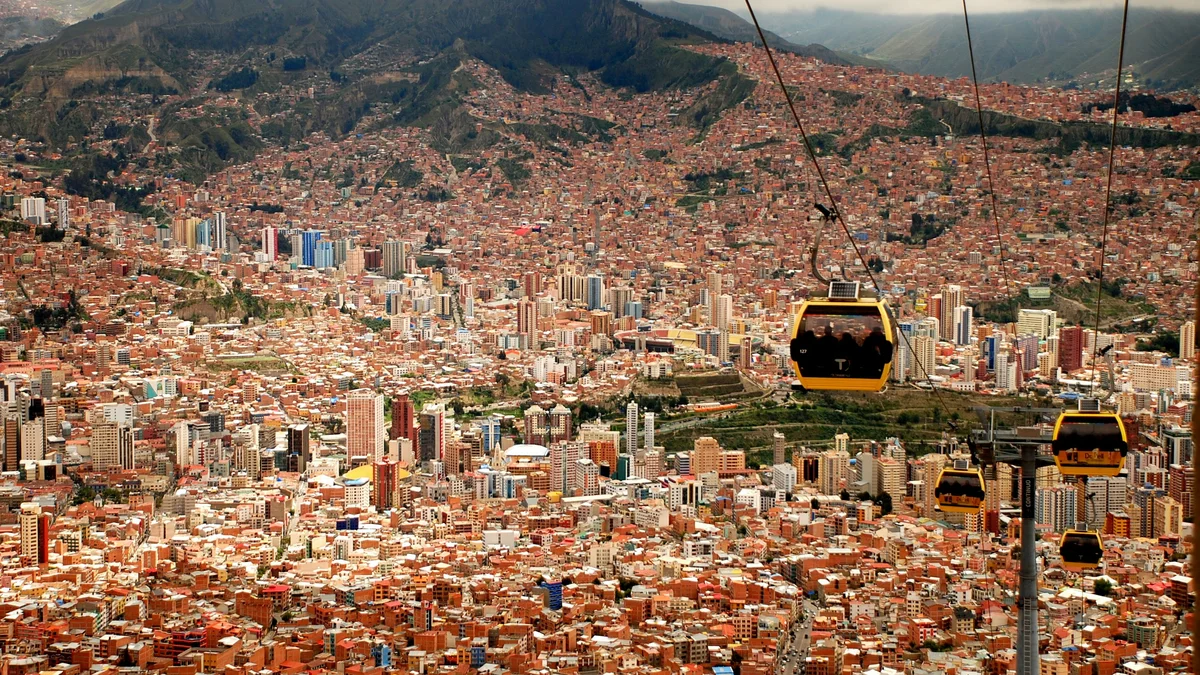
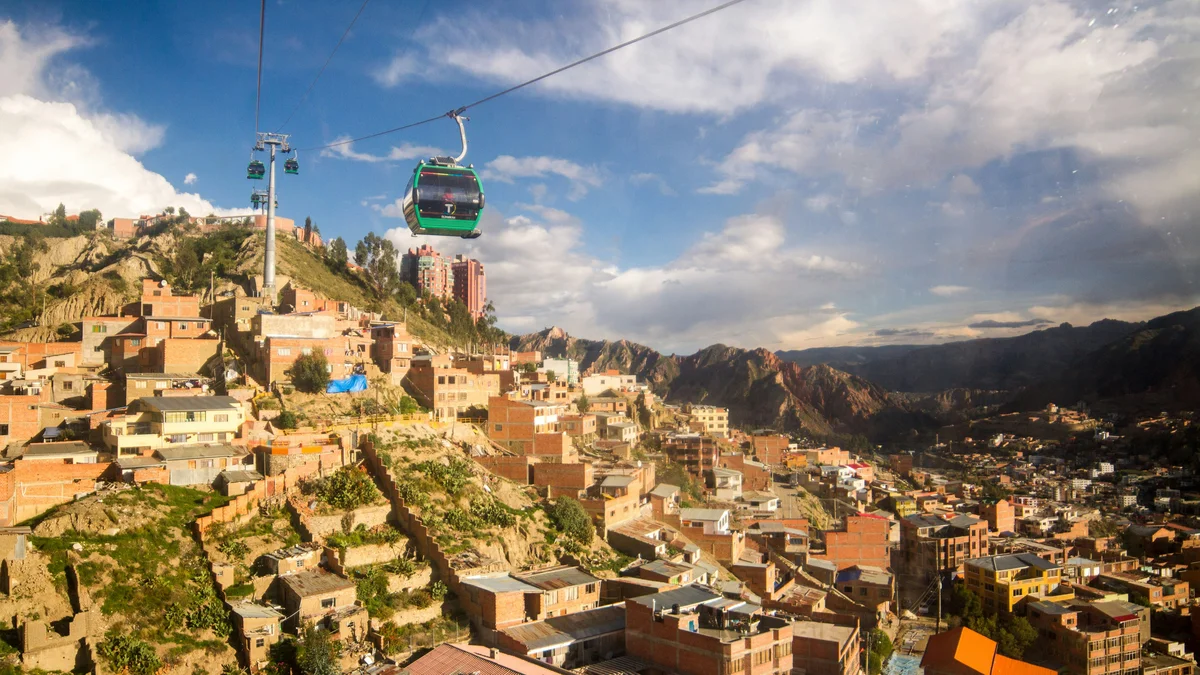
Opened in 2014, Mi Teleférico is recognised by Guinness World Records as the largest public-transit cable car network in the world, with multiple lines connecting downtown La Paz (around 11,900 feet) up to El Alto on the canyon rim above (around 13,600 feet). Built as genuine public transit rather than a tourist attraction, it doubles as one of the best ways to see the city's dramatic canyon setting and, on clear days, the snow-capped peak of Illimani.
 Private Tours
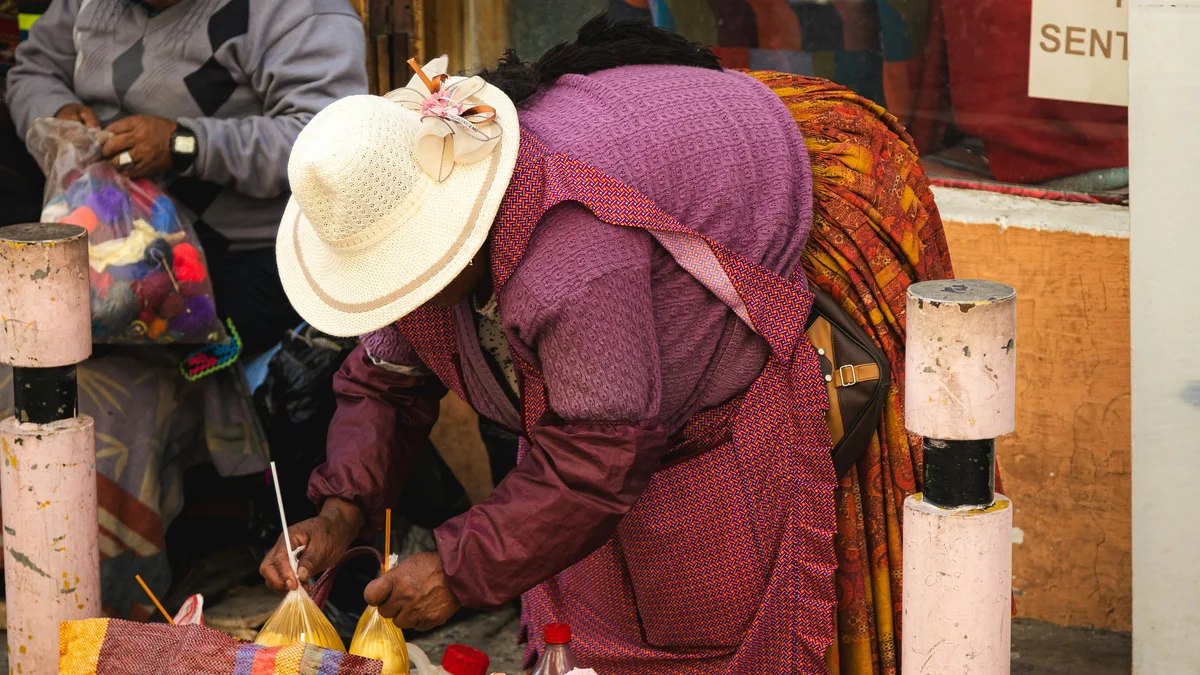
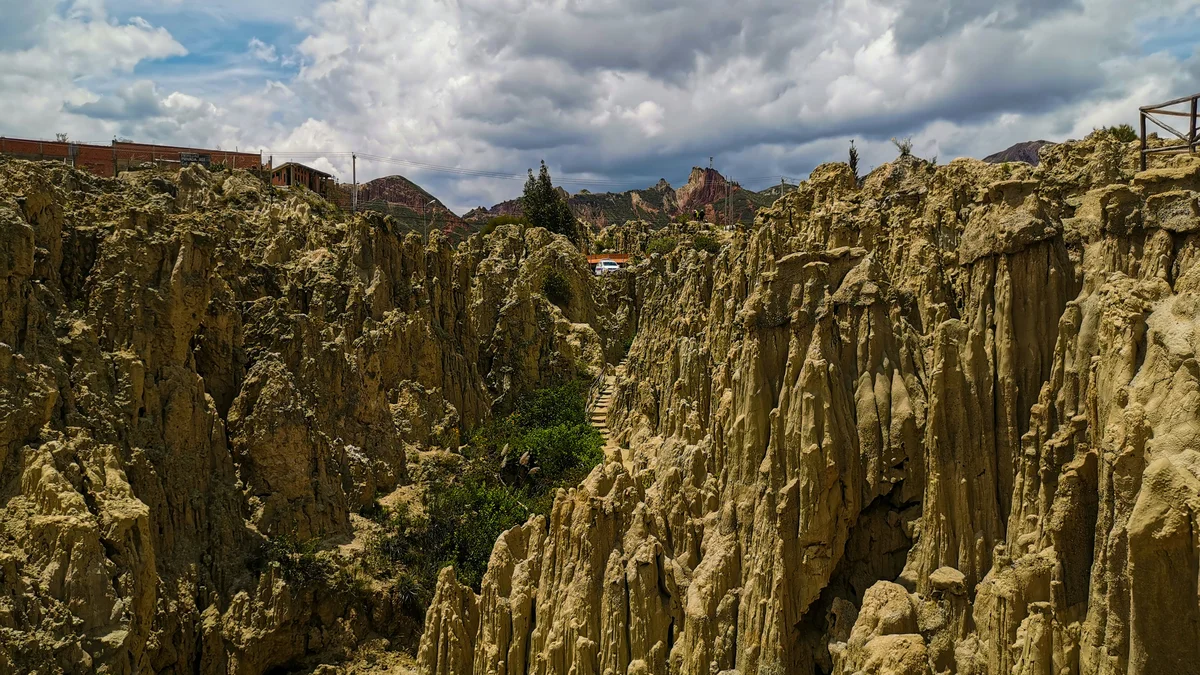
A private half-day tour on foot through La Paz's historic streets and markets, followed by a Mi Teleférico cable car ride over the city and a visit to the Valle de la Luna badlands.
 Private Tours
A private half-day tour to La Paz's General Cemetery and its open-air street art, then a cable car ride up to El Alto to meet a local Aymara yatiri (traditional healer) and browse the El Alto Witches' Market.
Visitor guide
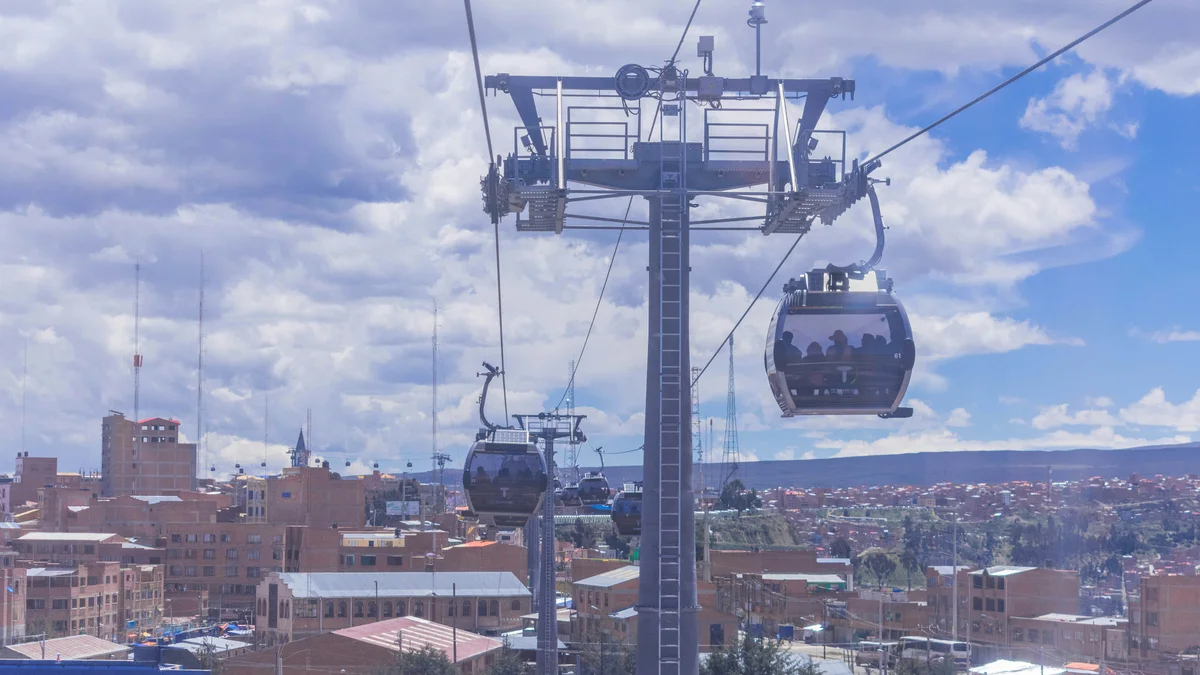
Mi Teleferico is an aerial cable car network serving La Paz and El Alto in Bolivia. It began operating on 30 May 2014 and links the city in its canyon with El Alto on the Altiplano rim about 400 metres higher, serving as urban public transport rather than purely a sightseeing ride.
La Paz sits in a canyon, and El Alto, a growing city with a majority Indigenous population, lies on the Altiplano above it. Before the cable car, travel between them relied on congested, winding roads and buses that often got stuck in traffic. A 2011 municipal study counted 1.7 million trips per day across the city, including 350,000 between La Paz and El Alto. Cable car proposals date back to the 1970s.
In July 2012 President Evo Morales drafted a bill for the project, which was financed by the National Treasury through an internal loan from the Central Bank of Bolivia. The Doppelmayr Garaventa Group designed the system and served as general contractor, and was required to train local staff. Phase One, the Red, Yellow and Green lines, opened in 2014. Law 652 of January 2015 authorised Phase Two, with planned new lines and a commitment of US dollars 450 million, later raised to 506 million.
Wikipedia lists lines identified by colour, with Blue and Orange opening in 2017 and White, Sky Blue, Purple and Brown following in 2018 and Silver in 2019, though its text is inconsistent about how many are in operation. Cabins carry up to ten people, the system runs about 17 hours a day with headways of around 12 seconds, and average speed is about 18 kilometres per hour. The lines have a stated capacity of 3,000 passengers per hour per direction on most lines.
According to the operating company, the Red, Yellow and Green lines together carry 80,000 to 90,000 passengers daily, and the Yellow and Red lines that link the two cities account for about 70,000 of those rides. A trip from El Alto to central La Paz is reported to be about three times faster than by bus or taxi. A 2024 study credits the system with reducing travel time, shifting trips to public transit and creating jobs.
Wikipedia states that the system is the longest aerial cable car system in the world, citing an Inter-American Development Bank paper, and that it is the first to use cable cars as the backbone of an urban transit network. It does not make a claim that the network is the highest, so that wording is not used here. The article also notes that it won a 2018 Latam Smart City Award.
Because the line climbs from the canyon to the rim, riders get views of the dense city on the slopes below and the surrounding mountains. A private guided visit can include the cable car as a way to understand how La Paz and El Alto are connected.
See every tour and attraction we cover in La Paz.