 TorontoOntario · 17 tours
 Niagara FallsOntario · 17 tours
 New York CityNew York · 8 tours
 Las VegasNevada · 8 tours
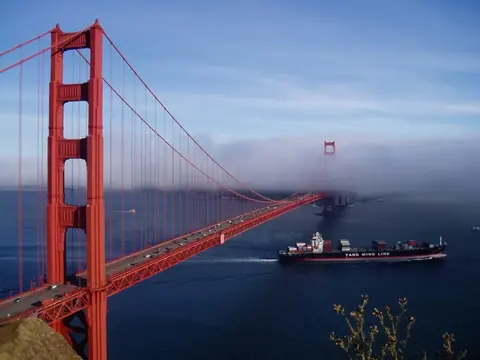 San FranciscoCalifornia · 16 tours
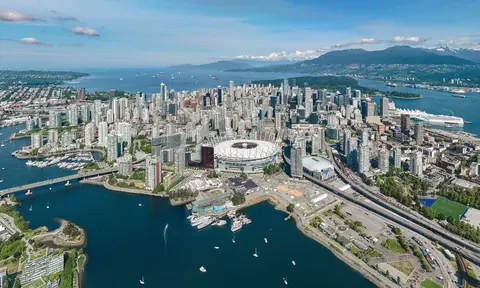 VancouverBritish Columbia · 17 tours
 DubaiUAE · 44 tours
 Abu DhabiUAE · 5 tours
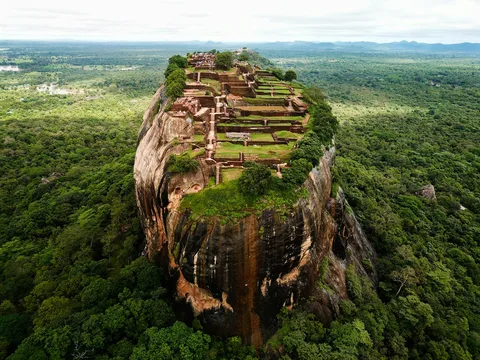 Sri LankaSri Lanka · 16 tours
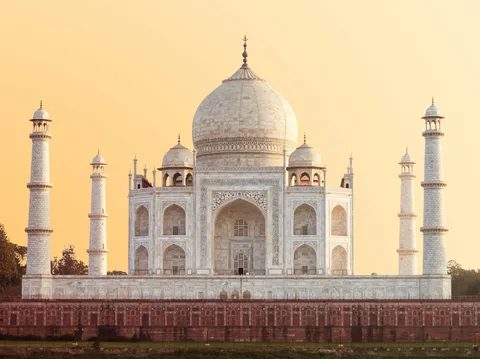 IndiaIndia · 13 tours
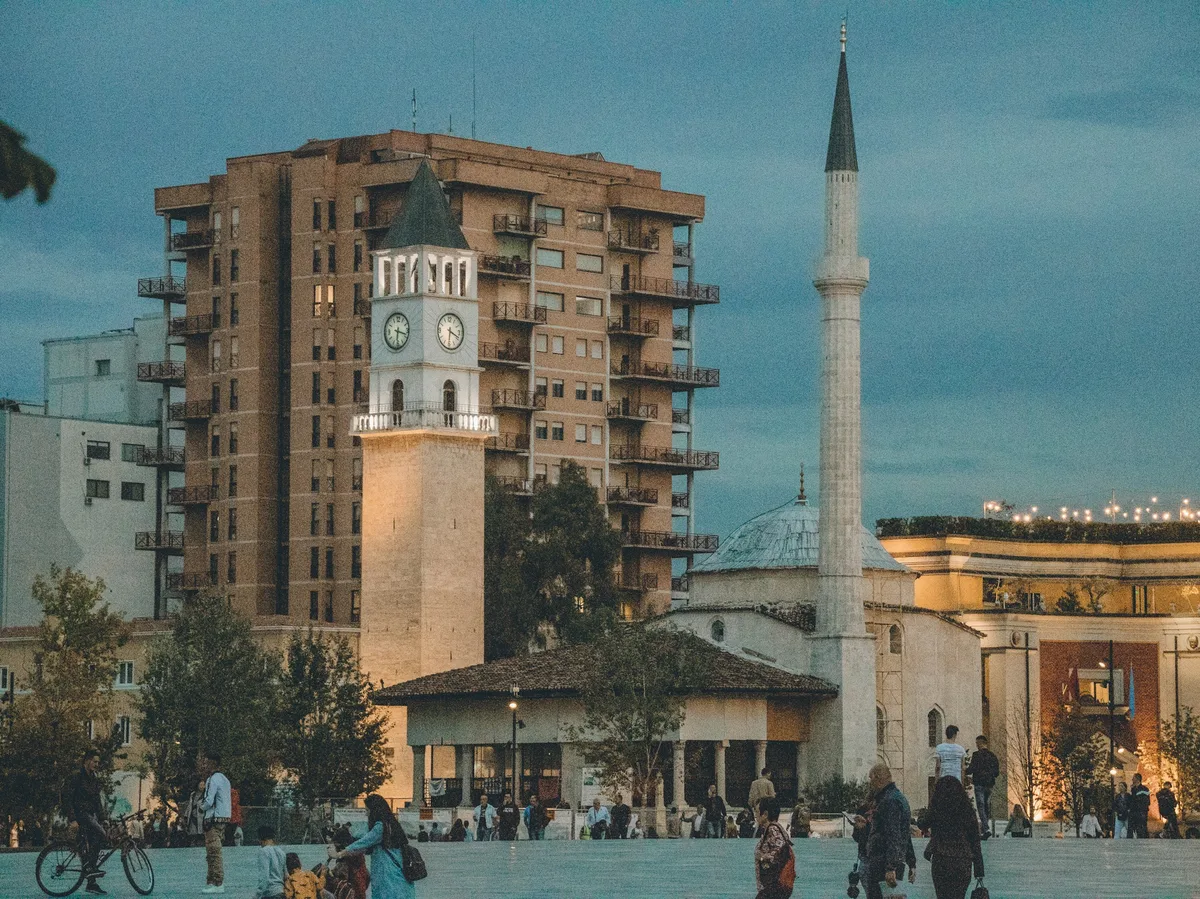
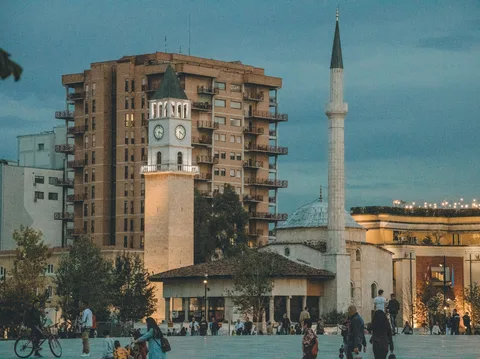 AlbaniaAlbania · 10 tours
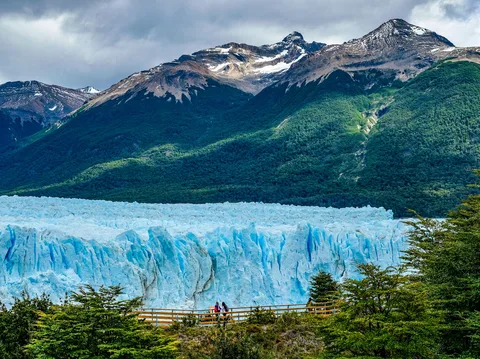 ArgentinaArgentina · 8 tours
No destinations match “”.
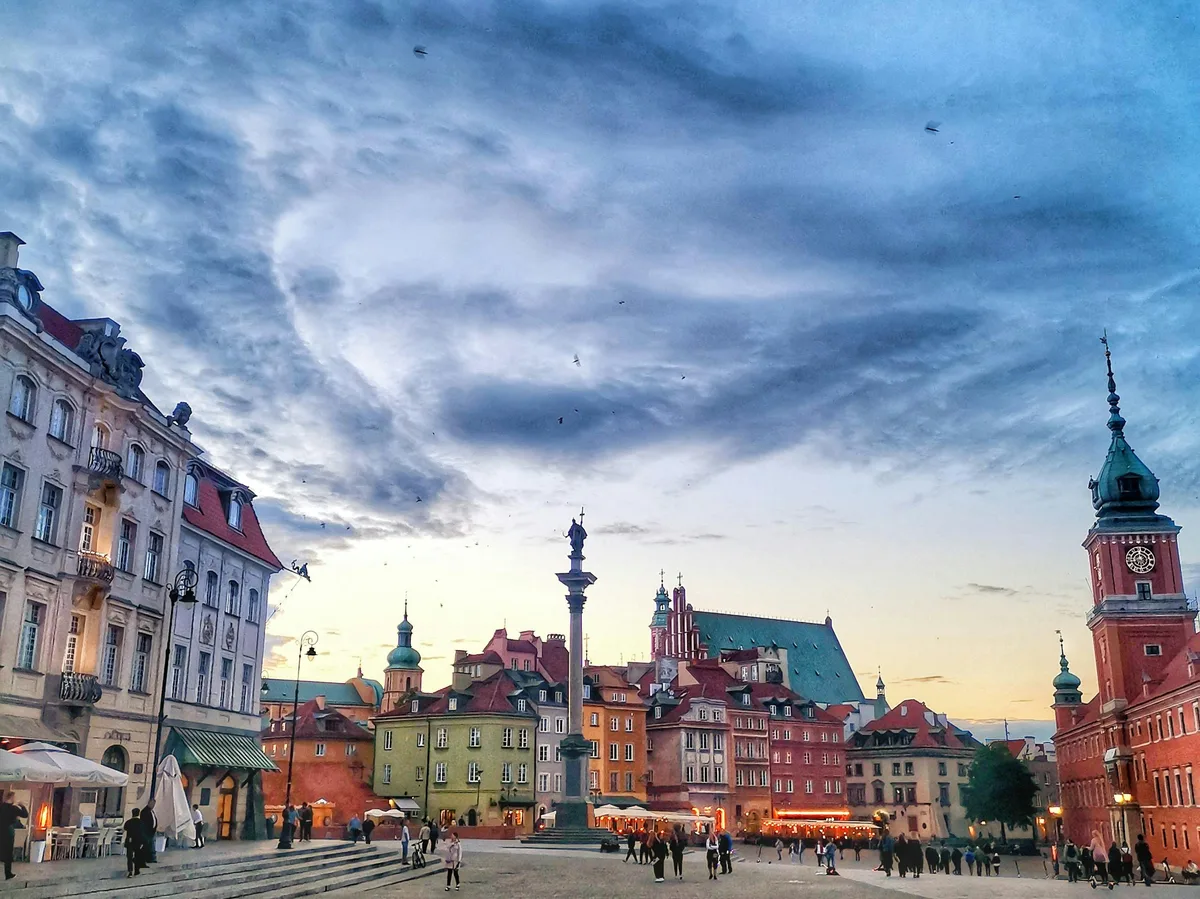
Voyzo runs 5 private tours across 1 destination in Poland, covering 8 attractions — each with your own guide, driver, and vehicle, and an itinerary built around your group rather than a fixed bus schedule.
Poland is a Central European republic of about 38 million people bordered by Germany, the Czech Republic, Slovakia, Ukraine, Belarus, Lithuania, and a short stretch of Russia's Kaliningrad exclave — a member of both the EU and NATO, though it kept its own currency, the Polish złoty, rather than adopting the euro. Polish is the official language, and the country's modern shape and identity were profoundly reshaped by the near-total destruction of the Second World War, followed by four decades under communist rule until 1989.
Voyzo's routes split between Poland's historic cities — Kraków's Wawel Castle and Kazimierz Jewish quarter, Warsaw's meticulously rebuilt Old Town, the Baltic port of Gdańsk — and sites that sit apart from any one city: the Auschwitz-Birkenau Memorial, the underground Wieliczka Salt Mine, and the Tatra Mountains around Zakopane.
Because those highlights are spread the length of the country and public transit doesn't always reach them directly, Voyzo pairs a private driver and vehicle for every day of ground transport with English-speaking guides at the historically dense stops — Auschwitz-Birkenau above all, where a guided visit is close to essential for understanding the site rather than just seeing it.
The real stops Voyzo's own itineraries are built around — tap any attraction to learn more.
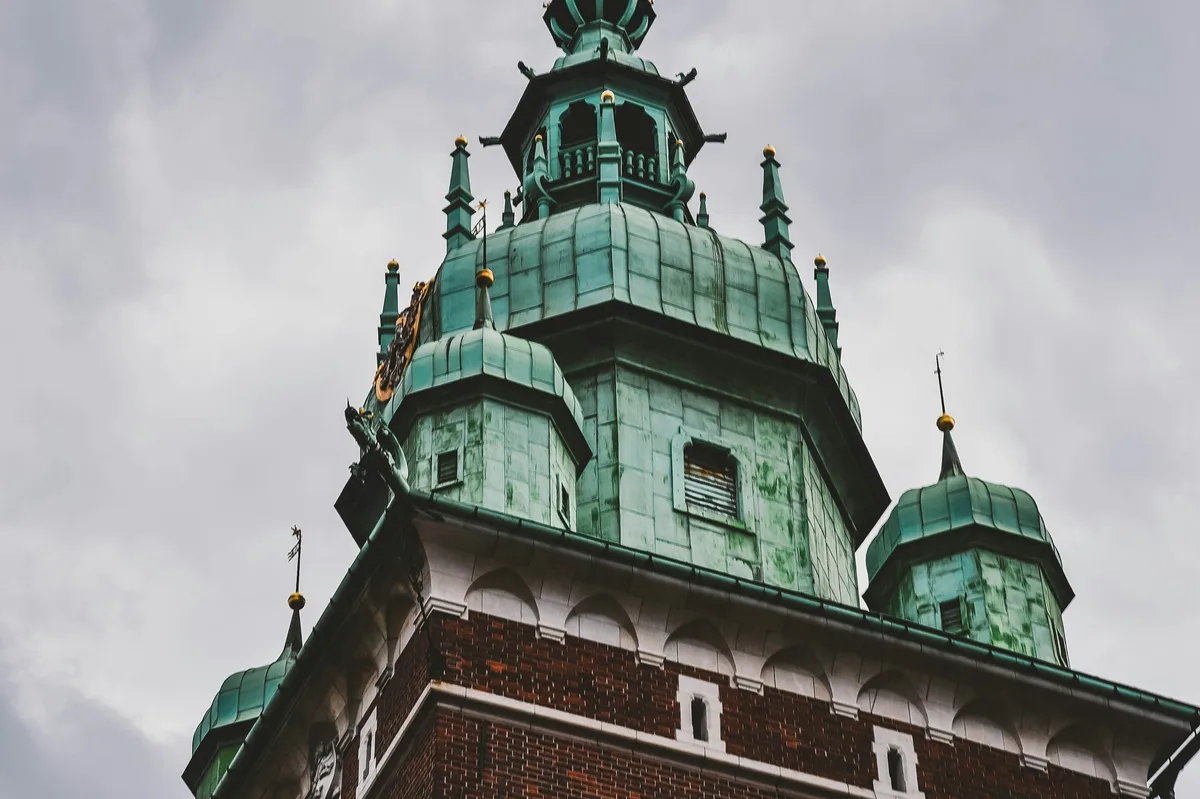 Wawel Royal Castle & Cathedral
Poland
The former seat of Polish kings on Wawel Hill above the Vistula River in Krakow, combining a Renaissance royal castle with the cathedral where Polish monarchs were crowned and buried.
2
Wawel Royal Castle & Cathedral
Poland
The former seat of Polish kings on Wawel Hill above the Vistula River in Krakow, combining a Renaissance royal castle with the cathedral where Polish monarchs were crowned and buried.
2
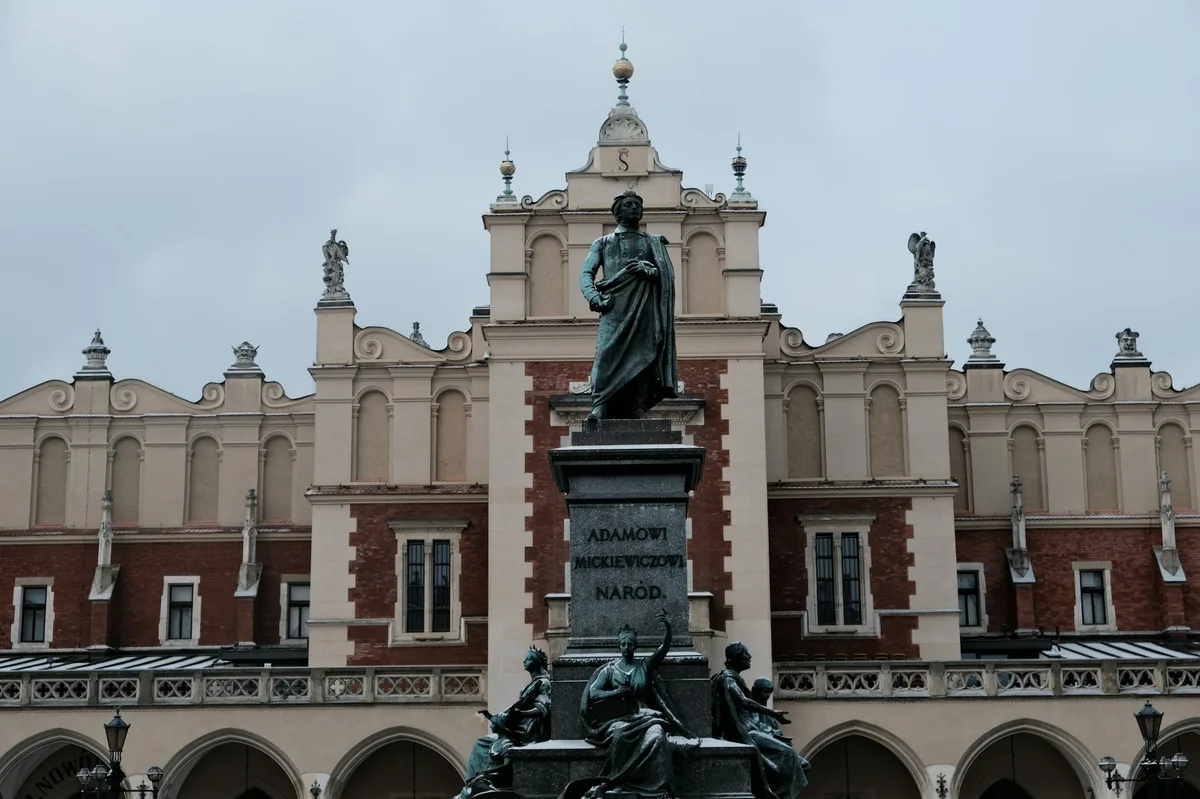 Main Market Square (Rynek Główny)
Poland
One of the largest medieval market squares in Europe, anchored by the Cloth Hall (Sukiennice) and St. Mary's Basilica in the heart of Krakow's Old Town.
3
Main Market Square (Rynek Główny)
Poland
One of the largest medieval market squares in Europe, anchored by the Cloth Hall (Sukiennice) and St. Mary's Basilica in the heart of Krakow's Old Town.
3
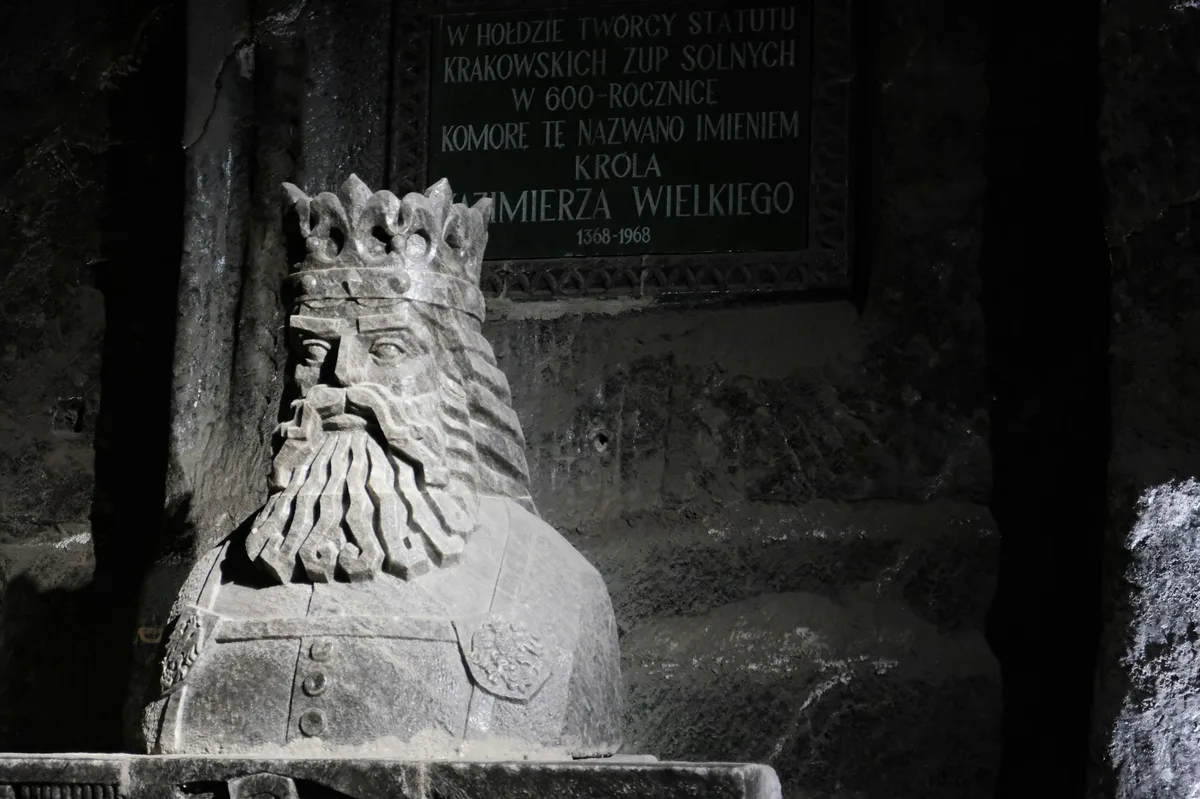 Wieliczka Salt Mine
Poland
A UNESCO World Heritage-listed mine near Krakow, in continuous operation since the 13th century, with underground chapels, chambers, and sculptures carved entirely from rock salt.
4
Wieliczka Salt Mine
Poland
A UNESCO World Heritage-listed mine near Krakow, in continuous operation since the 13th century, with underground chapels, chambers, and sculptures carved entirely from rock salt.
4
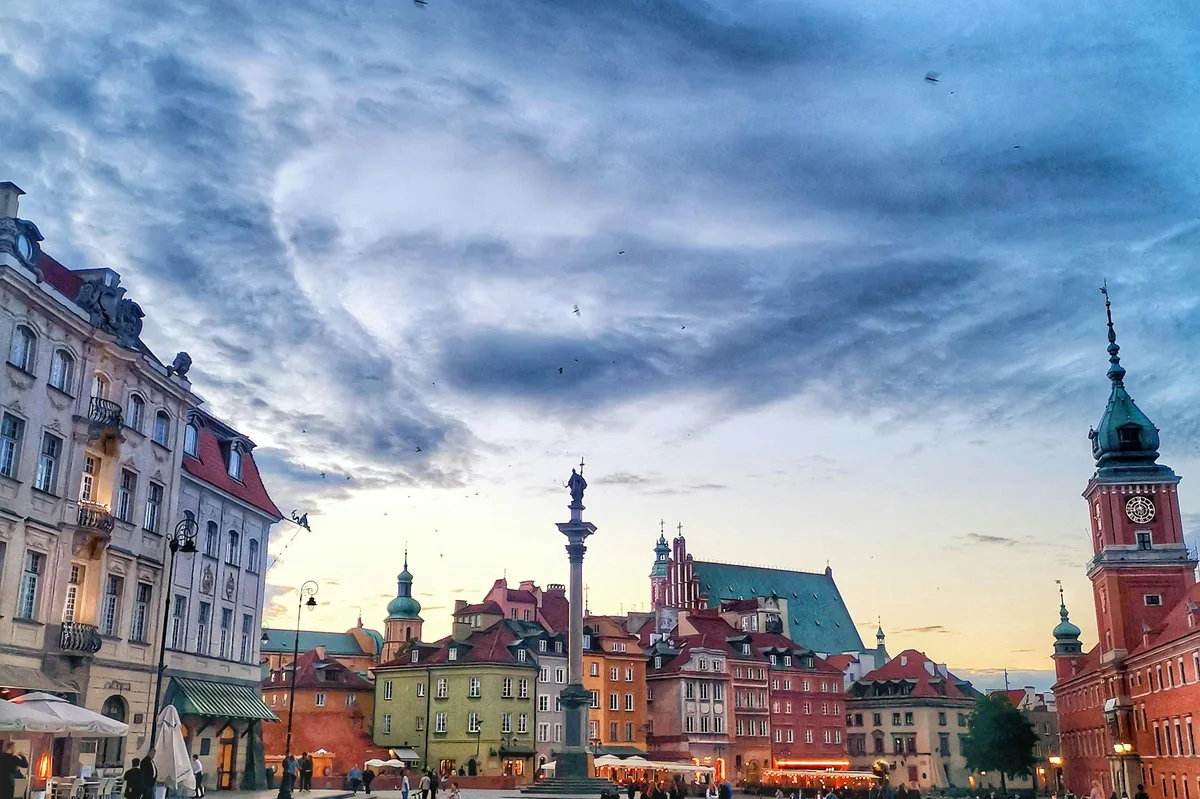 Warsaw Old Town
Poland
A UNESCO World Heritage Site rebuilt after WWII, with the colorful facades of its Market Square, the Royal Castle, and the Barbican gateway forming the historic heart of Poland's capital.
5
Warsaw Old Town
Poland
A UNESCO World Heritage Site rebuilt after WWII, with the colorful facades of its Market Square, the Royal Castle, and the Barbican gateway forming the historic heart of Poland's capital.
5
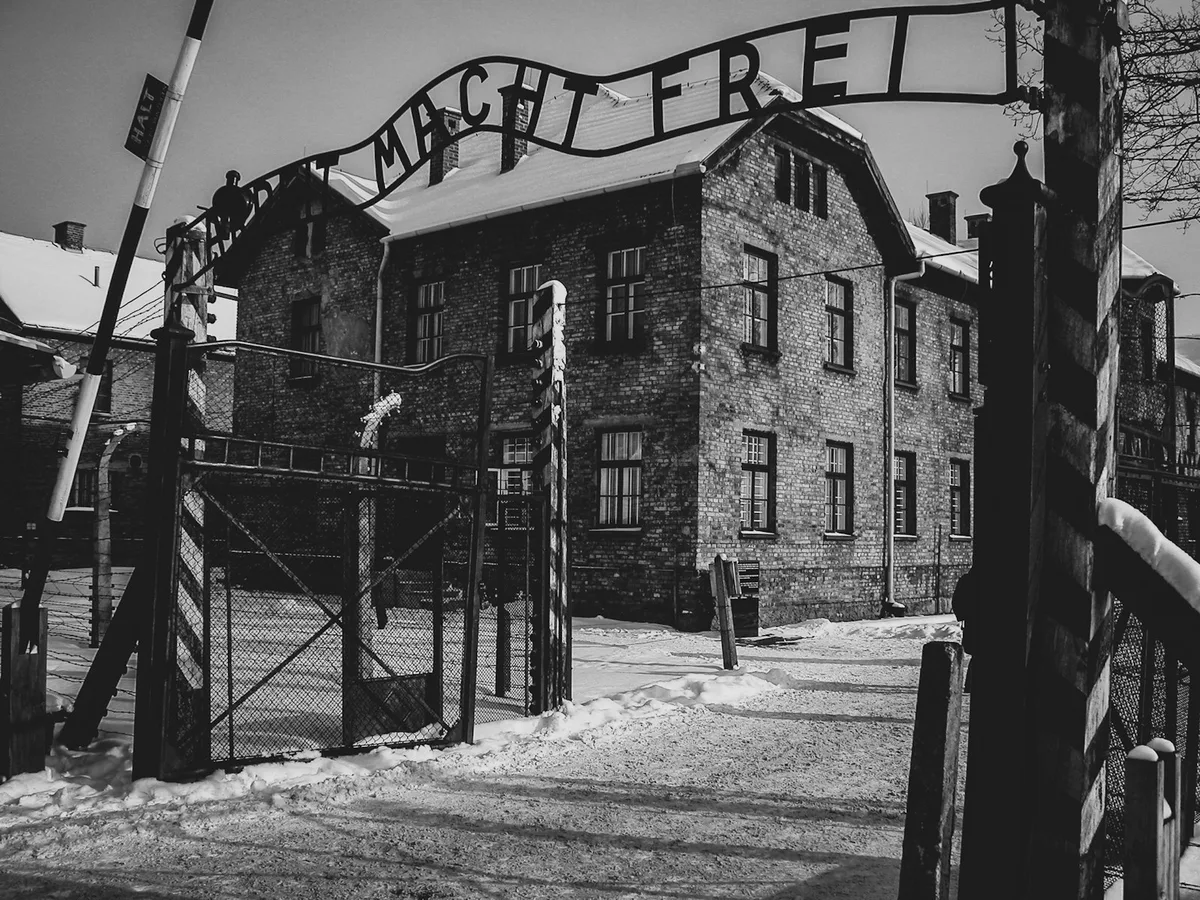 Auschwitz-Birkenau Memorial and Museum
Poland
The former Nazi concentration and extermination camp near Oświęcim, preserved as a memorial and museum documenting the Holocaust — the site where over a million people were murdered during World War II.
6
Auschwitz-Birkenau Memorial and Museum
Poland
The former Nazi concentration and extermination camp near Oświęcim, preserved as a memorial and museum documenting the Holocaust — the site where over a million people were murdered during World War II.
6
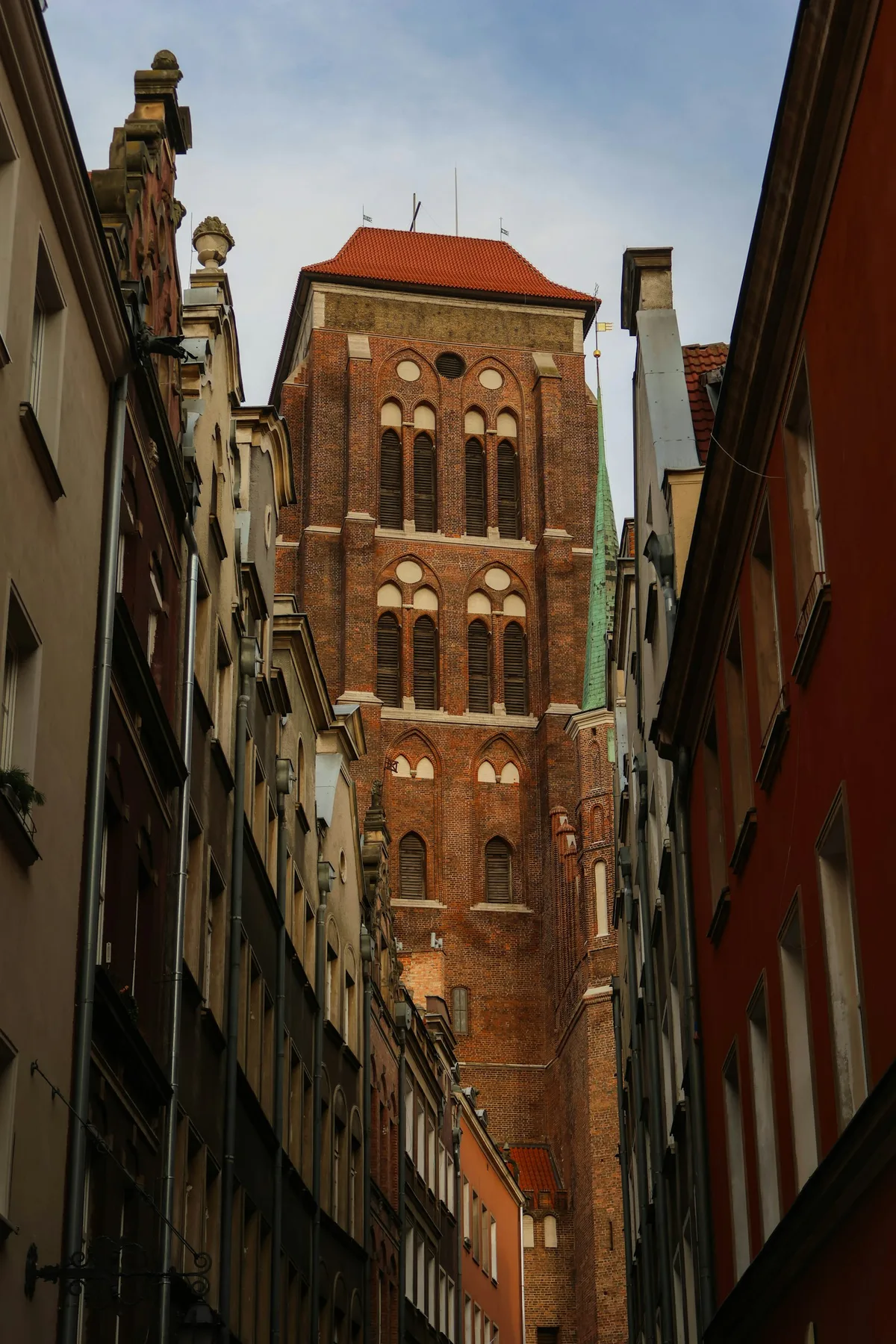 Gdańsk Main Town
Poland
The rebuilt historic core of Poland's Baltic port city, its Gothic red-brick churches and merchant townhouses lining Długi Targ, once the wealthiest trading city on the Baltic under the Hanseatic League.
7
Gdańsk Main Town
Poland
The rebuilt historic core of Poland's Baltic port city, its Gothic red-brick churches and merchant townhouses lining Długi Targ, once the wealthiest trading city on the Baltic under the Hanseatic League.
7
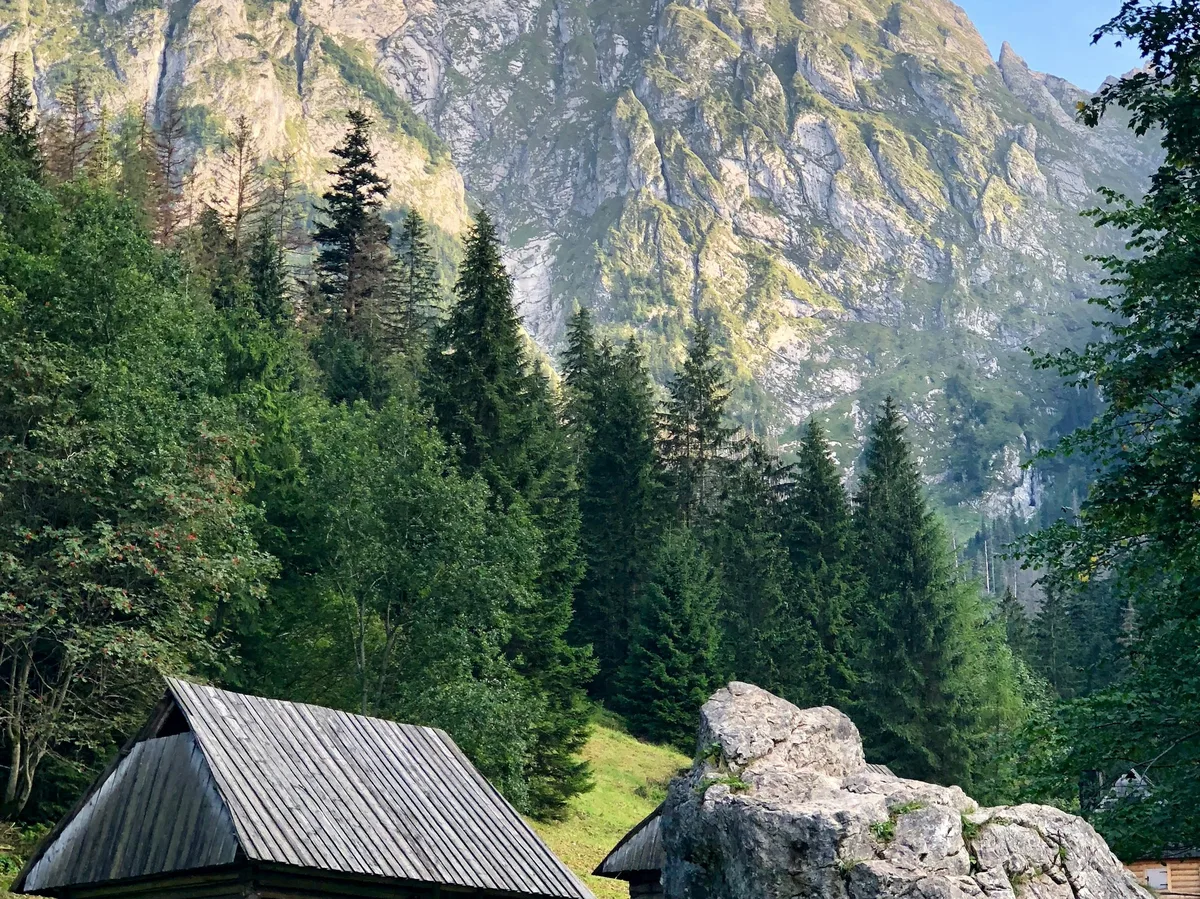
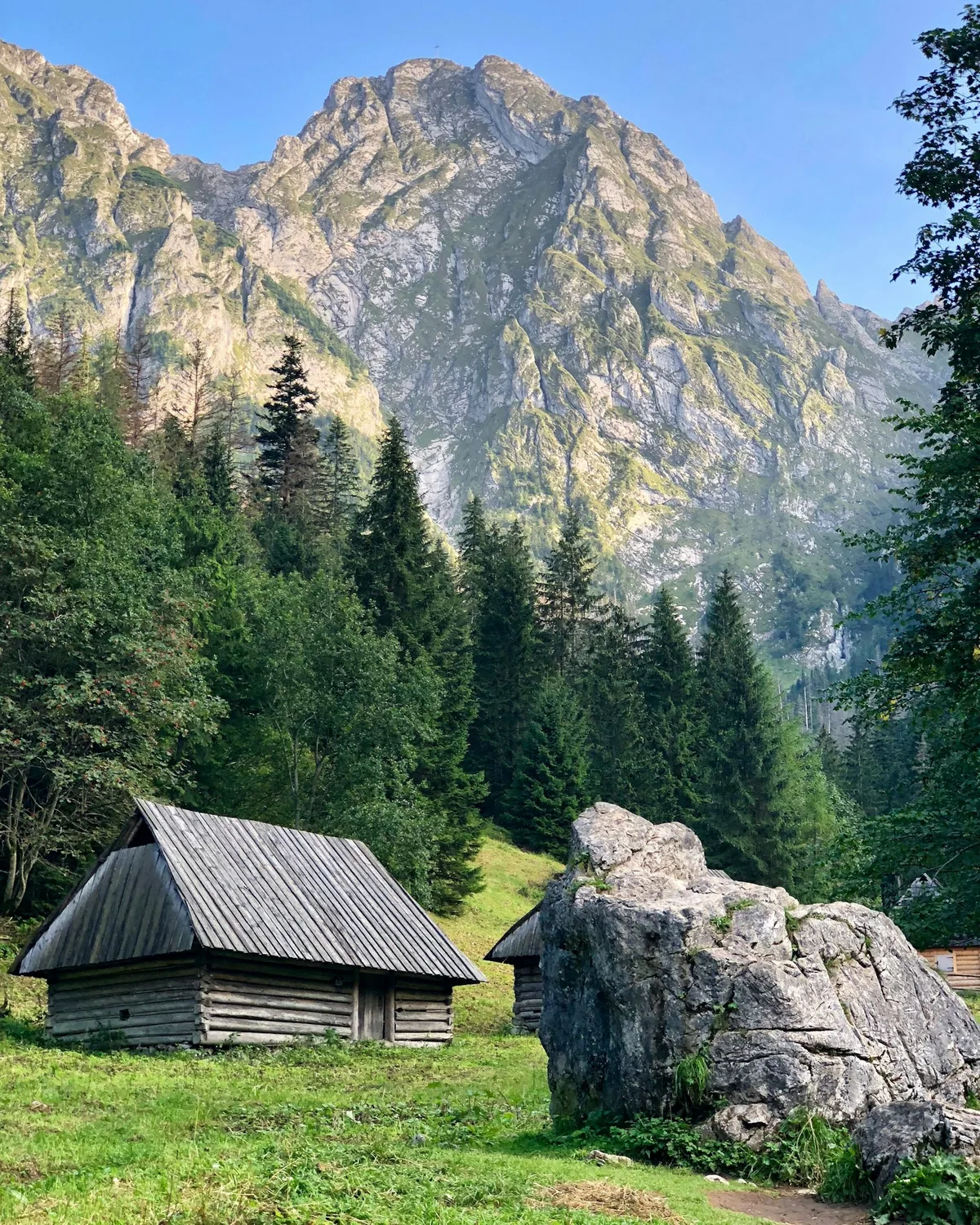 Zakopane & the Tatra Mountains
Poland
Poland's mountain resort town at the foot of the Tatras, its wooden highlander architecture and folk culture the gateway to hiking trails into the country's highest peaks.
8
Zakopane & the Tatra Mountains
Poland
Poland's mountain resort town at the foot of the Tatras, its wooden highlander architecture and folk culture the gateway to hiking trails into the country's highest peaks.
8
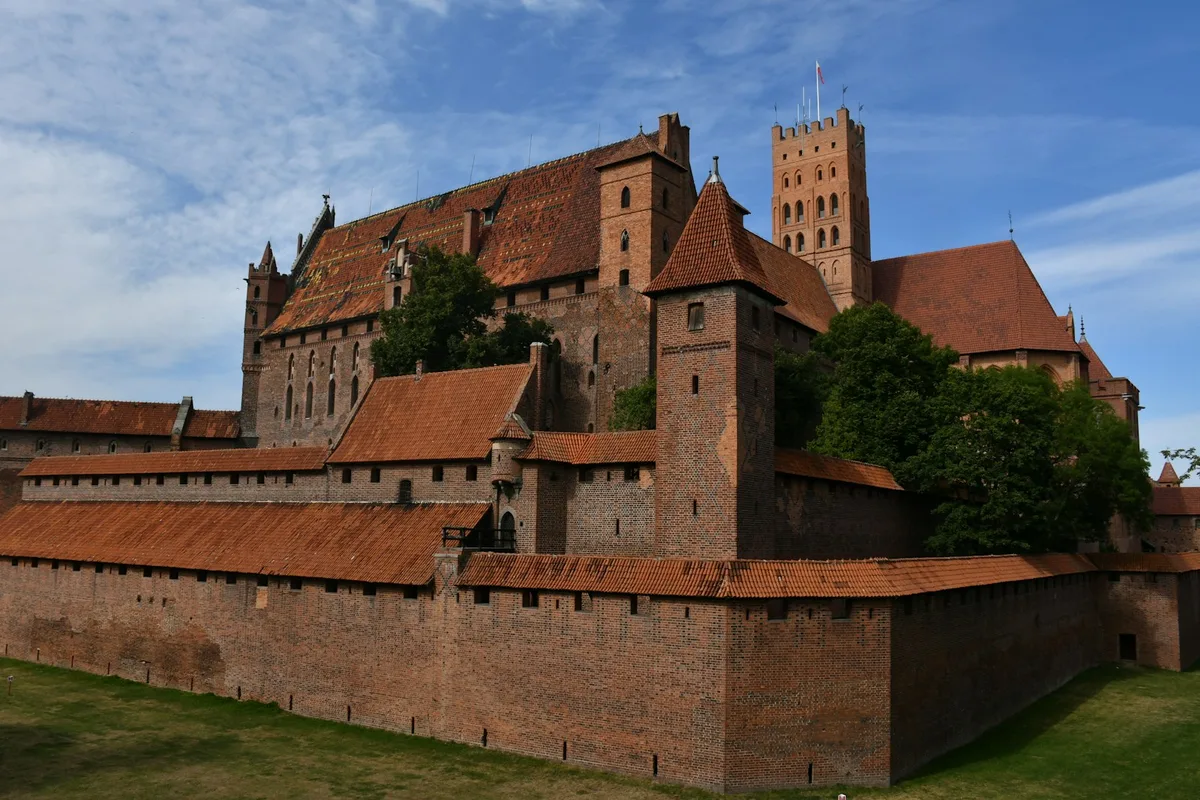 Malbork Castle
Poland
The largest brick castle in the world by land area, built by the Teutonic Knights on the Nogat River in the 13th century and now a UNESCO World Heritage Site.
Multi-Day Tours
Malbork Castle
Poland
The largest brick castle in the world by land area, built by the Teutonic Knights on the Nogat River in the 13th century and now a UNESCO World Heritage Site.
Multi-Day Tours
A 12-day route across Poland — Warsaw's Old Town and Wilanów Palace, the Baltic coast at Gdańsk and Sopot, Poznań and Wrocław, Krakow's Wawel Castle and Kazimierz, the Wieliczka Salt Mine, Auschwitz-Birkenau, and the Tatra Mountains at Zakopane.
 Multi-Day Tours
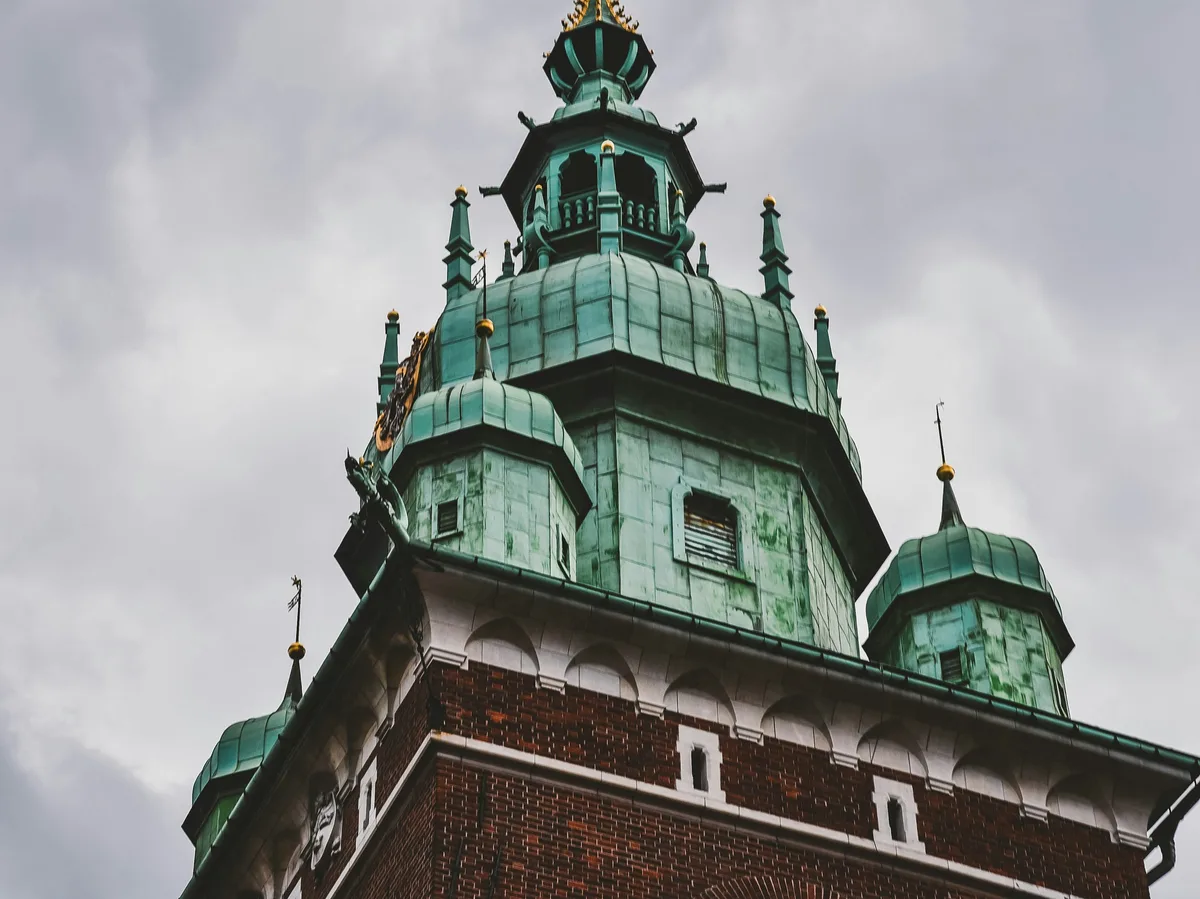
A 7-day route through Krakow and the Małopolska region — the Old Town and Kazimierz Jewish Quarter, Auschwitz-Birkenau, the Tatra Mountains at Zakopane, Ojców National Park, the Wieliczka Salt Mine, and the birthplace of Pope John Paul II in Wadowice.
 Multi-Day Tours
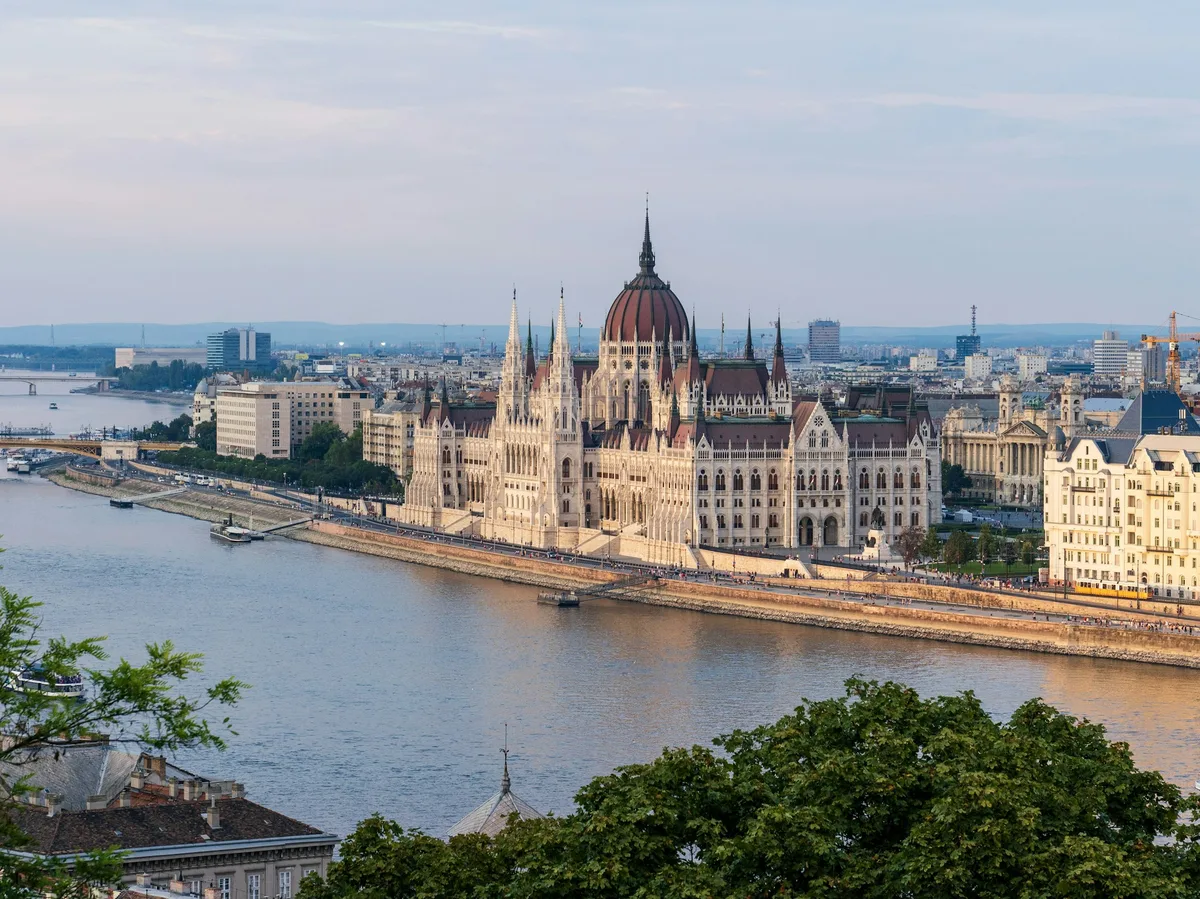
A 12-day route across northern and southern Poland — Gdańsk, Sopot, Malbork Castle, Warsaw, Kraków, Auschwitz-Birkenau, Częstochowa, Zakopane, and a Boleławiec pottery workshop — before crossing into Hungary for three nights in Budapest.
 Multi-Day Tours
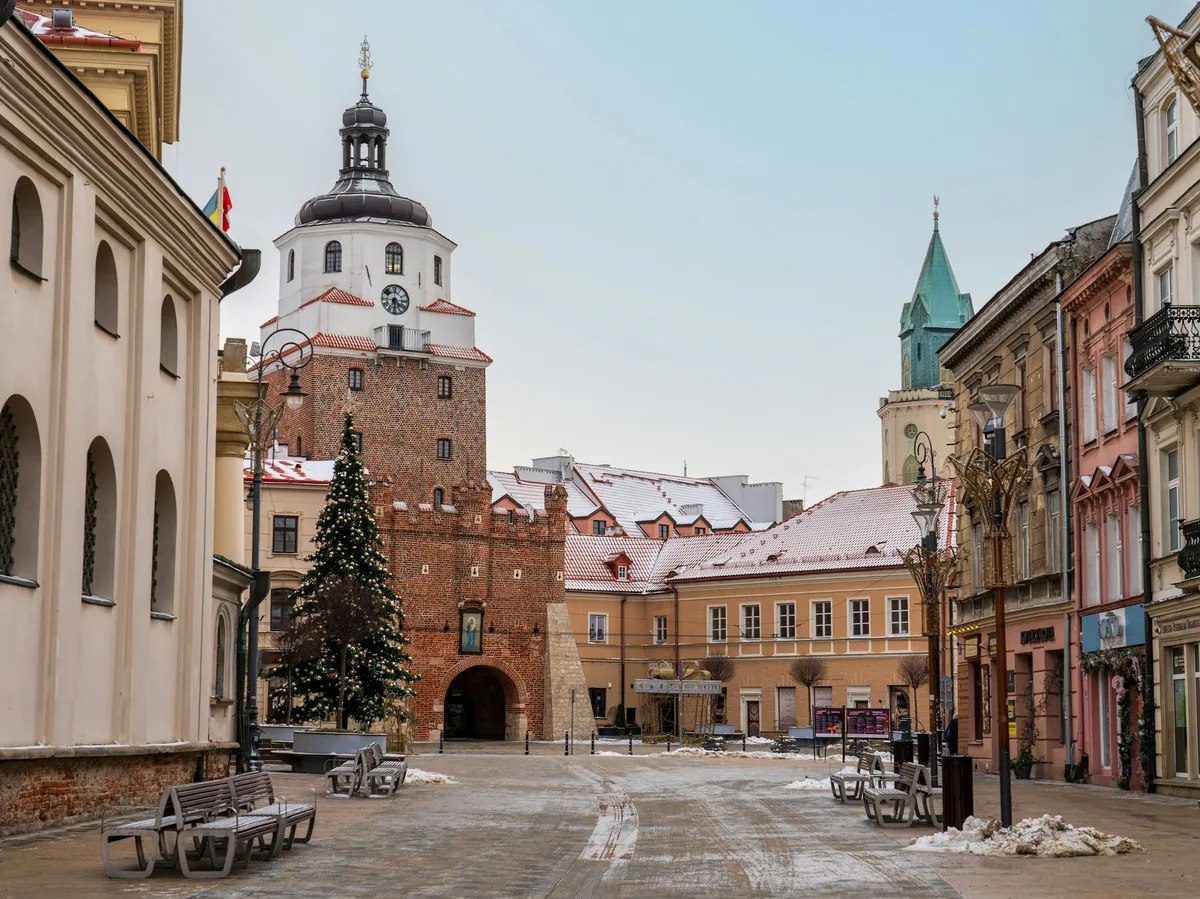
A 9-day Jewish heritage route through Warsaw's POLIN Museum and Nowżyk Synagogue, Lublin Castle and the Majdanek Memorial, Kraków's Kazimierz quarter and a full day at Auschwitz-Birkenau, Wrocław, and Łódź's former textile district.
 Multi-Day Tours
A 15-day route from Gdańsk and Warsaw through Kraków, Auschwitz-Birkenau, and Zakopane, across the border into Slovakia for Orava Castle, Vlkolínec, and Bratislava, then on to Budapest, Hungary.
Poland is part of the Schengen Area; citizens of the US, UK, Canada, Australia, and most EU countries can enter visa-free for short tourist stays under standard Schengen rules, though it's worth confirming current requirements for your nationality before you travel.
Polish is the official language; English is widely spoken among younger Poles and in the tourism industry in Kraków, Warsaw, and Gdańsk, though less so among older generations in smaller towns.
Poland is generally regarded as a safe country for travelers, with low violent crime rates in its major cities; ordinary precautions around petty theft in crowded tourist areas apply, as in most European destinations.
Poland uses the Polish złoty (PLN) rather than the euro, despite its EU membership — card payment is widely accepted in cities, but it's worth having some local cash for smaller towns and rural stops.
A visit to the Auschwitz-Birkenau Memorial is emotionally heavy and worth preparing for — most visitors go with a guide, both because entry is often limited to guided groups at busy times and because the historical context a guide provides changes how the site reads.
Poland has been an EU member since 2004 and part of the Schengen Area since 2007, meaning no routine border checks when arriving from most other European countries — though it retained its own currency rather than adopting the euro.
Tell us your group size and dates — we'll take care of the rest.