TorontoOntario · 36 tours
 Niagara FallsOntario · 25 tours
 New York CityNew York · 30 tours
 Las VegasNevada · 8 tours
 San FranciscoCalifornia · 16 tours
 VancouverBritish Columbia · 17 tours
 DubaiUAE · 54 tours
 Abu DhabiUAE · 5 tours
 Buenos AiresArgentina · 23 tours
 AthensGreece · 31 tours
 AucklandNew Zealand · 38 tours
 CancunMexico · 54 tours
No destinations match “”. Try searching all tours instead — that search understands full questions, not just place names.
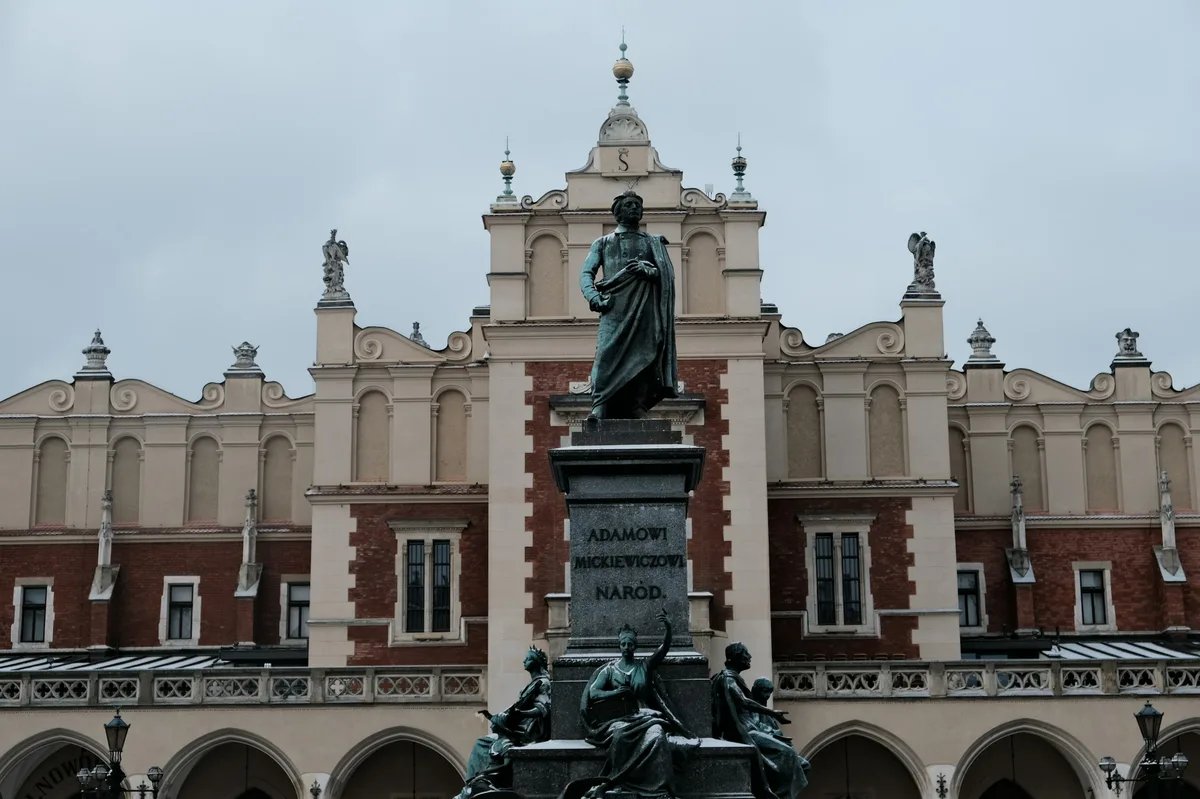
One of the largest medieval market squares in Europe, anchored by the Cloth Hall (Sukiennice) and St. Mary's Basilica in the heart of Krakow's Old Town.
 Multi-Day Tours
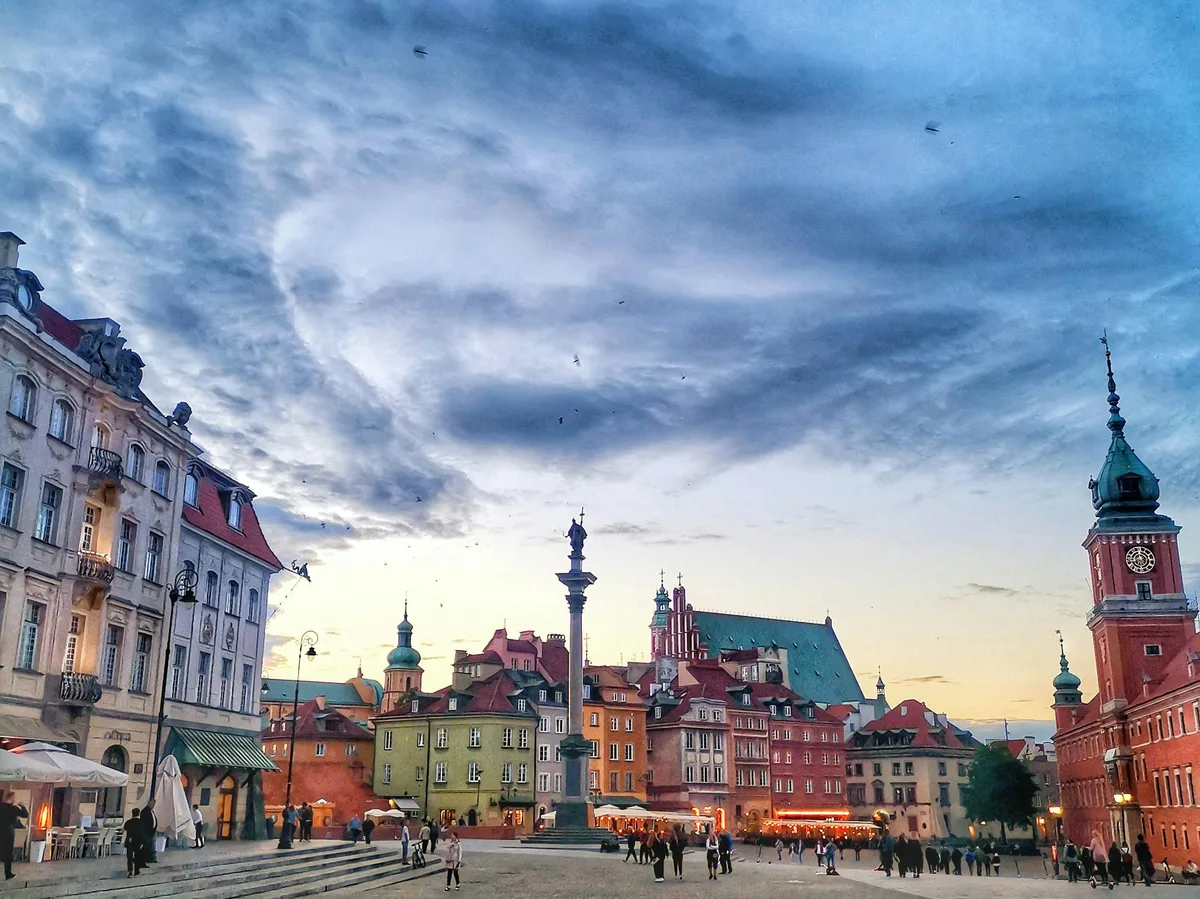
A 12-day route across Poland — Warsaw's Old Town and Wilanów Palace, the Baltic coast at Gdańsk and Sopot, Poznań and Wrocław, Krakow's Wawel Castle and Kazimierz, the Wieliczka Salt Mine, Auschwitz-Birkenau, and the Tatra Mountains at Zakopane.
 Multi-Day Tours
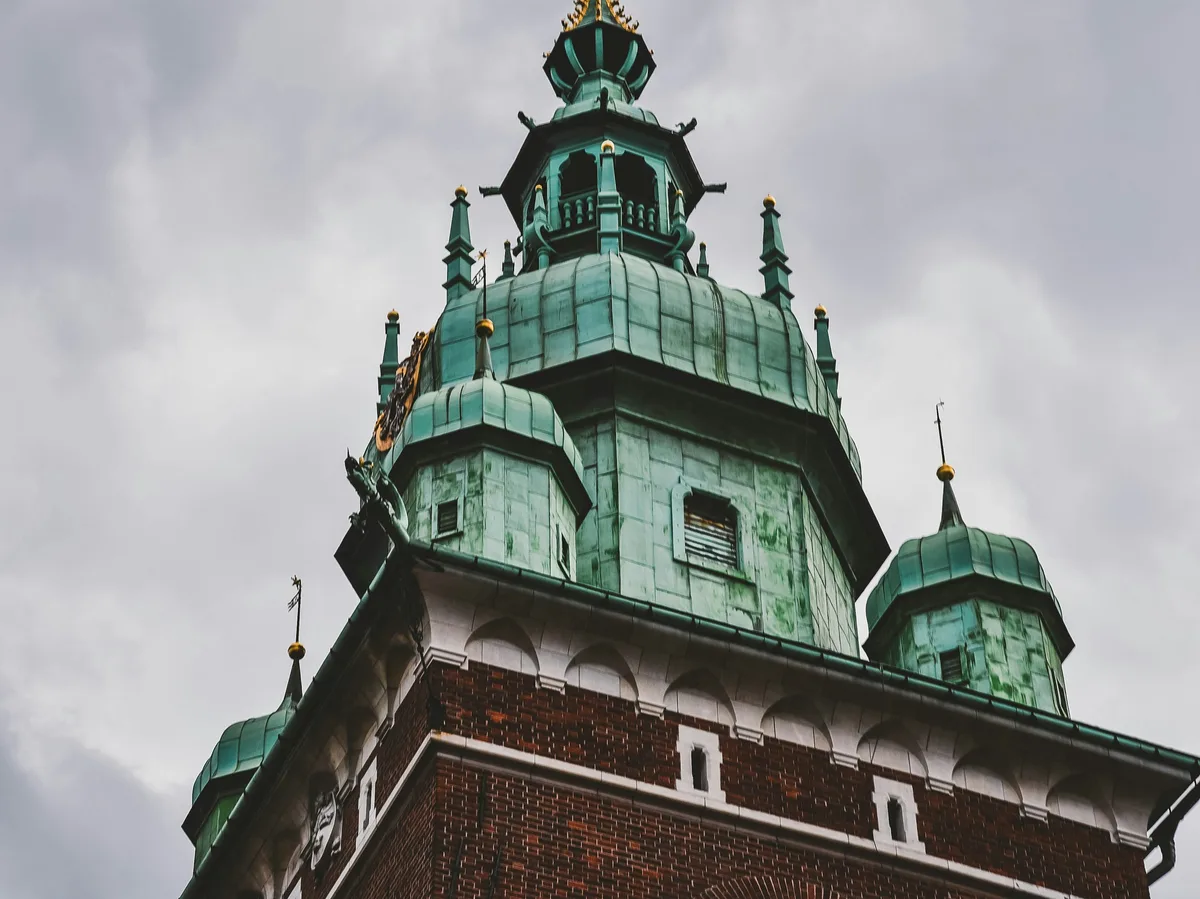
A 7-day route through Krakow and the Małopolska region — the Old Town and Kazimierz Jewish Quarter, Auschwitz-Birkenau, the Tatra Mountains at Zakopane, Ojców National Park, the Wieliczka Salt Mine, and the birthplace of Pope John Paul II in Wadowice.
Visitor guide
The Main Market Square, known in Polish as Rynek Glowny, is the central square of the Old Town of Krakow, Poland. Dating from the 13th century and covering about 3.8 hectares, it is sometimes described as one of the largest medieval town squares in Europe, and it is dominated by the Renaissance Cloth Hall and the Gothic towers of St. Mary's Basilica.
According to Wikipedia, the square was laid out in 1257 after the city was destroyed in the Mongol invasion of 1241, when the prince of Krakow, Boleslaw V the Chaste, re-founded the city under Magdeburg law. The plan is strikingly regular, with each side repeating a pattern of three evenly spaced streets meeting the square at right angles. The exception is Grodzka Street, which is much older and links the square with Wawel Castle. Commerce was always the main function: the square was once filled with low market stalls and administrative buildings, and Casimir III the Great built the original Gothic Cloth Hall and a town hall that filled nearly a quarter of the space. Krakow was then the capital of the Kingdom of Poland and a member of the Hanseatic League.
The square also lay on the Royal Road, the route followed by coronation processions and visiting dignitaries on their way to Wawel. Historic moments recorded there include the Prussian Homage of Albert I, Duke of Prussia, to Sigismund I the Old in 1525, and the proclamation of the Kosciuszko Uprising by Tadeusz Kosciuszko on 24 March 1794. The square later became a gathering place during the Solidarity era.
The Cloth Hall, or Sukiennice, stands in the middle of the square. Wikipedia describes it as a centre of international trade whose 15th-century golden age brought spices, silk, leather and wax from the east, while Krakow exported textiles, lead and salt from the Wieliczka Salt Mine. After a fire it was rebuilt in the Renaissance style in 1555, with a parapet decorated with carved masks, and the arcades were added in the 19th century. Its ground floor still holds shops and cafes, while upstairs the Sukiennice Museum, a branch of the National Museum, shows 19th-century Polish painting and sculpture.
St. Mary's Basilica is a brick Gothic church built in the 14th century on the site of an earlier church destroyed in the Tatar raids of 1241. Its altarpiece is by the sculptor Wit Stwosz, also known as Veit Stoss. A trumpet call called the hejnal is played every hour from the tallest tower. The Town Hall Tower, the Church of St. Adalbert and the Adam Mickiewicz Monument also stand on the square; the monument was unveiled in 1898, destroyed during the Nazi German occupation and reconstructed after the war.
The square is ringed by old brick townhouses and palaces, most of which acquired a neoclassical look over the centuries while keeping older structures in their doorways and interiors. Vast medieval cellars beneath many of them are used today as restaurants, pubs and cabarets. The Pod Krzysztofory Palace houses the Historical Museum of Krakow, and the Spiski Palace has long been home to the Hawelka cafe, founded in 1876. The Wierzynek restaurant is linked by legend to a feast in 1364, said to have lasted twenty-one days, held during the Congress of Krakow hosted by Casimir III.
In 1978 UNESCO placed the Old Town of Krakow, including the Main Square, on the World Heritage List. Wikipedia notes that in 2013 a Lonely Planet guide rated the square as the most beautiful in the world. The square is the natural start for walking the Old Town and the Royal Road to Wawel Hill, and a private guided visit with your own driver for transfers lets you pair it with nearby sights at your own pace.
See every tour and attraction we cover in Poland.