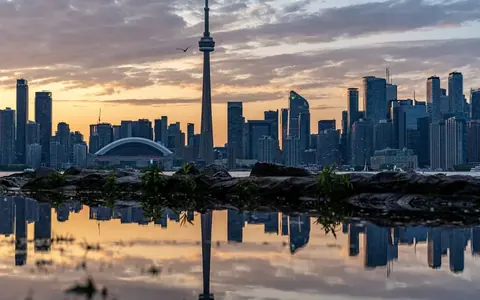
 TorontoOntario · 17 tours
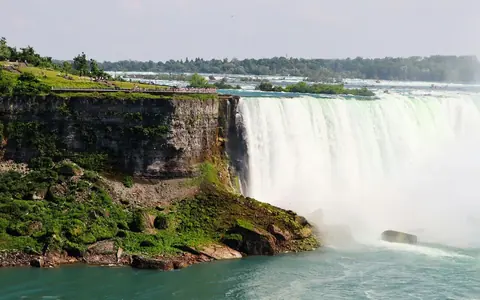 Niagara FallsOntario · 17 tours
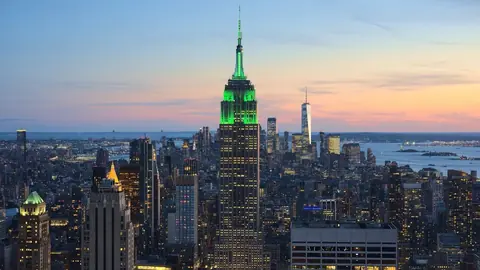 New York CityNew York · 8 tours
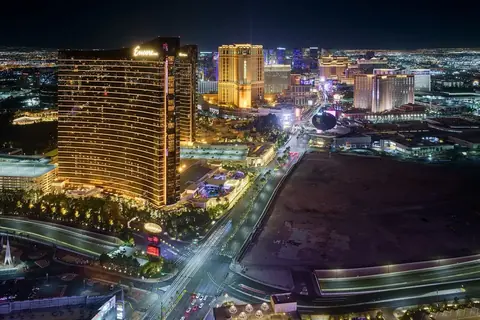 Las VegasNevada · 8 tours
 San FranciscoCalifornia · 16 tours
 VancouverBritish Columbia · 17 tours
 DubaiUAE · 44 tours
 Abu DhabiUAE · 5 tours
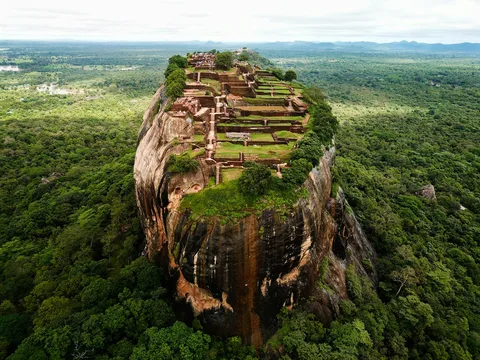 Sri LankaSri Lanka · 16 tours
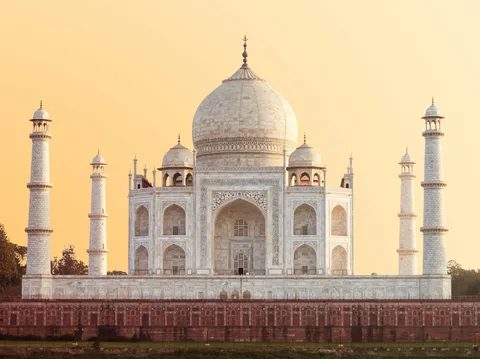 IndiaIndia · 13 tours
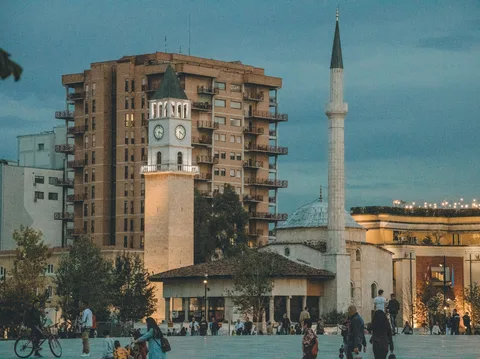 AlbaniaAlbania · 10 tours
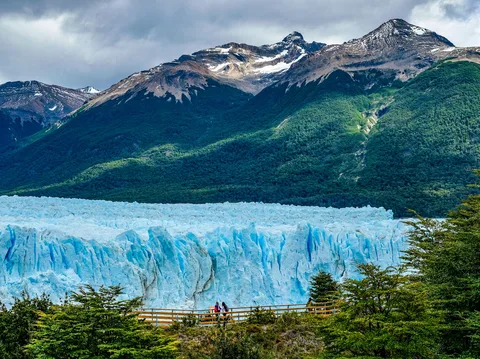 ArgentinaArgentina · 8 tours
No destinations match “”.
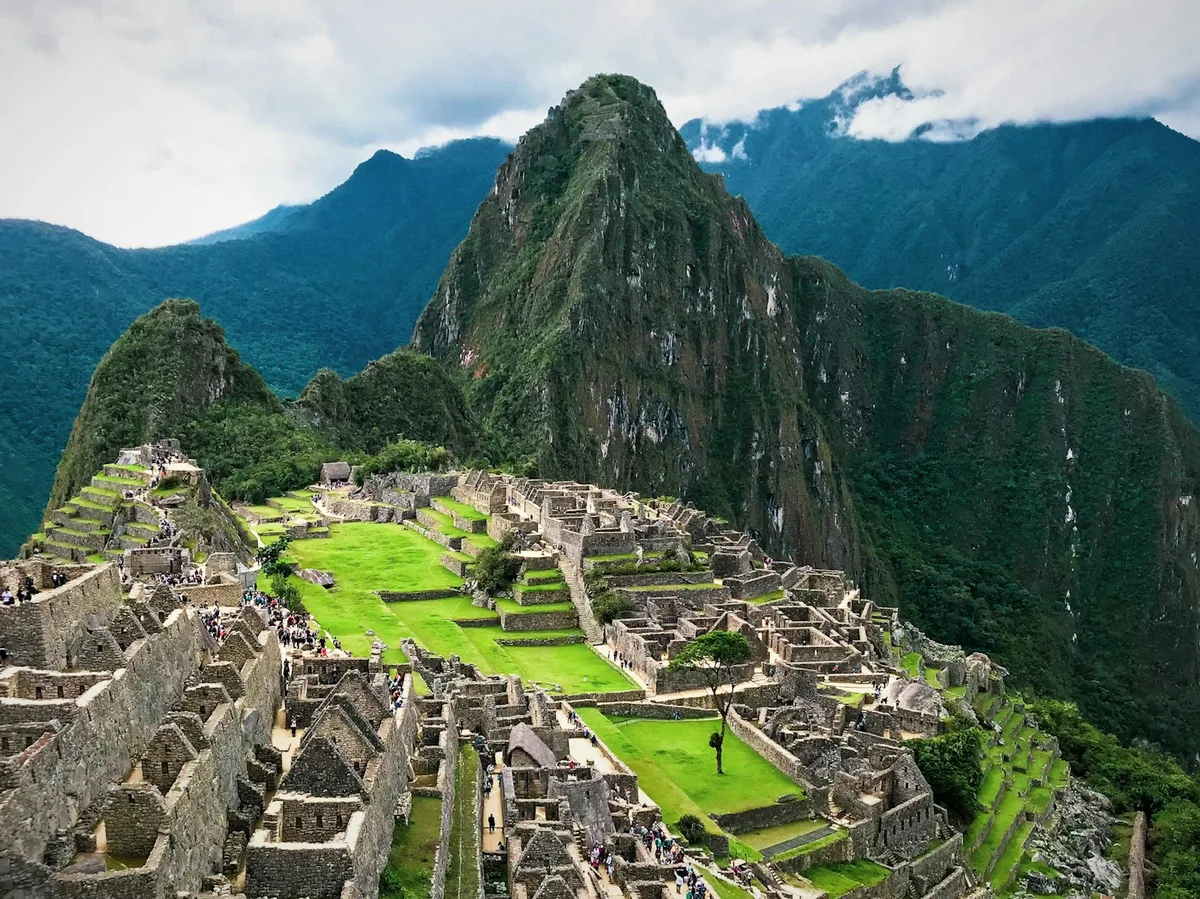
Voyzo runs 24 private tours across 1 destination in Peru, covering 9 attractions — each with your own guide, driver, and vehicle, and an itinerary built around your group rather than a fixed bus schedule.
Peru is a South American republic of about 34 million people, with Spanish as the main official language alongside Quechua and Aymara — a legacy of the Inca Empire, whose 15th- and 16th-century capital was Cusco, and of pre-Inca cultures that go back thousands of years further still. Geographically the country runs in three long bands: a narrow Pacific desert coast (Lima sits on it), the Andes mountain range down the middle, and the Amazon rainforest to the east — a range few countries pack into one territory. The currency is the Peruvian sol.
Voyzo's Peru routes center on the country's best-known circuit — Cusco, the Sacred Valley, and Machu Picchu, the 15th-century Inca citadel reached by train since no road goes there — but range further to the volcanic highlands around Arequipa and Colca Canyon, the shores of Lake Titicaca, the desert Nazca Lines, and the Amazon basin around Tambopata and Manu. Several routes also cover trekking alternatives to Machu Picchu itself — the classic Inca Trail, the more remote Choquequirao and Salkantay routes, and the high-altitude Ausangate circuit.
Peru's regions sit far enough apart that Voyzo's routes combine private driving with the unavoidable Machu Picchu train and, on longer itineraries, a domestic flight — hotels and, for treks, camping logistics arranged at every stop. A number of Peru's most popular routes were originally sold as small-group departures; Voyzo runs each of these exclusively as a private tour for your own group instead.
The real stops Voyzo's own itineraries are built around — tap any attraction to learn more.
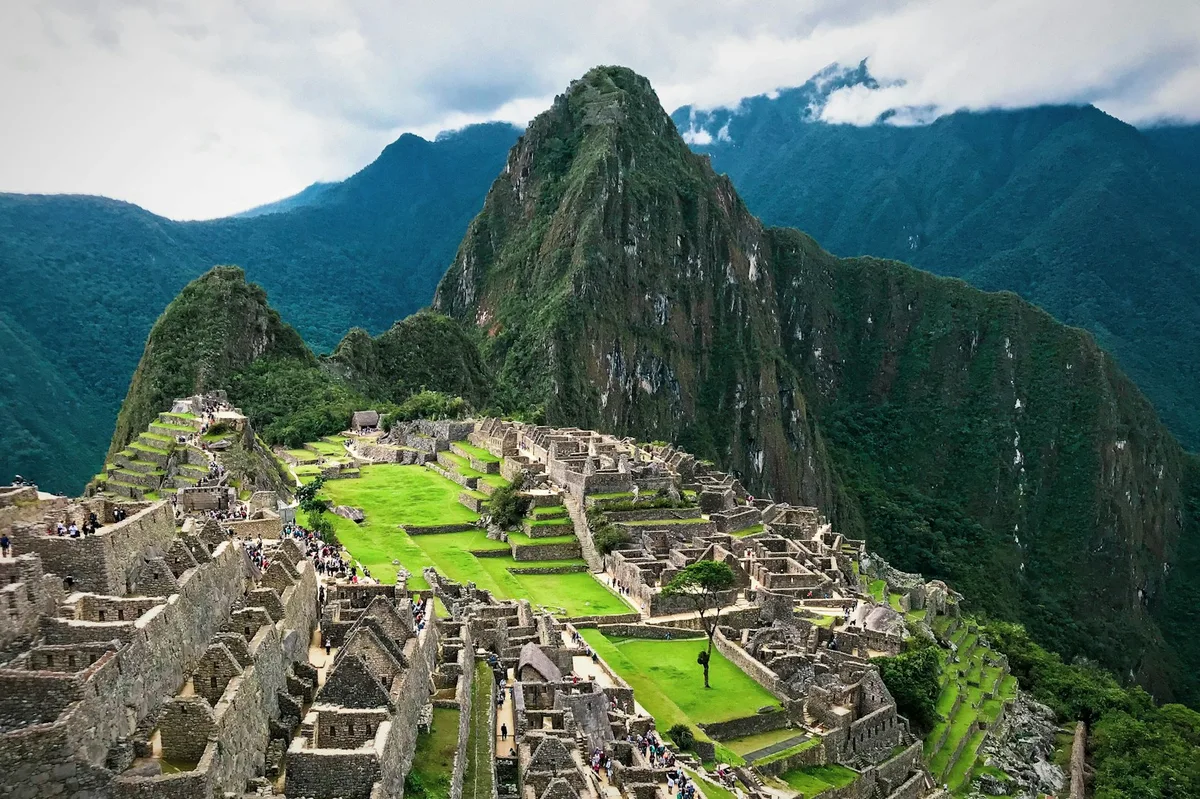 Machu Picchu
Peru
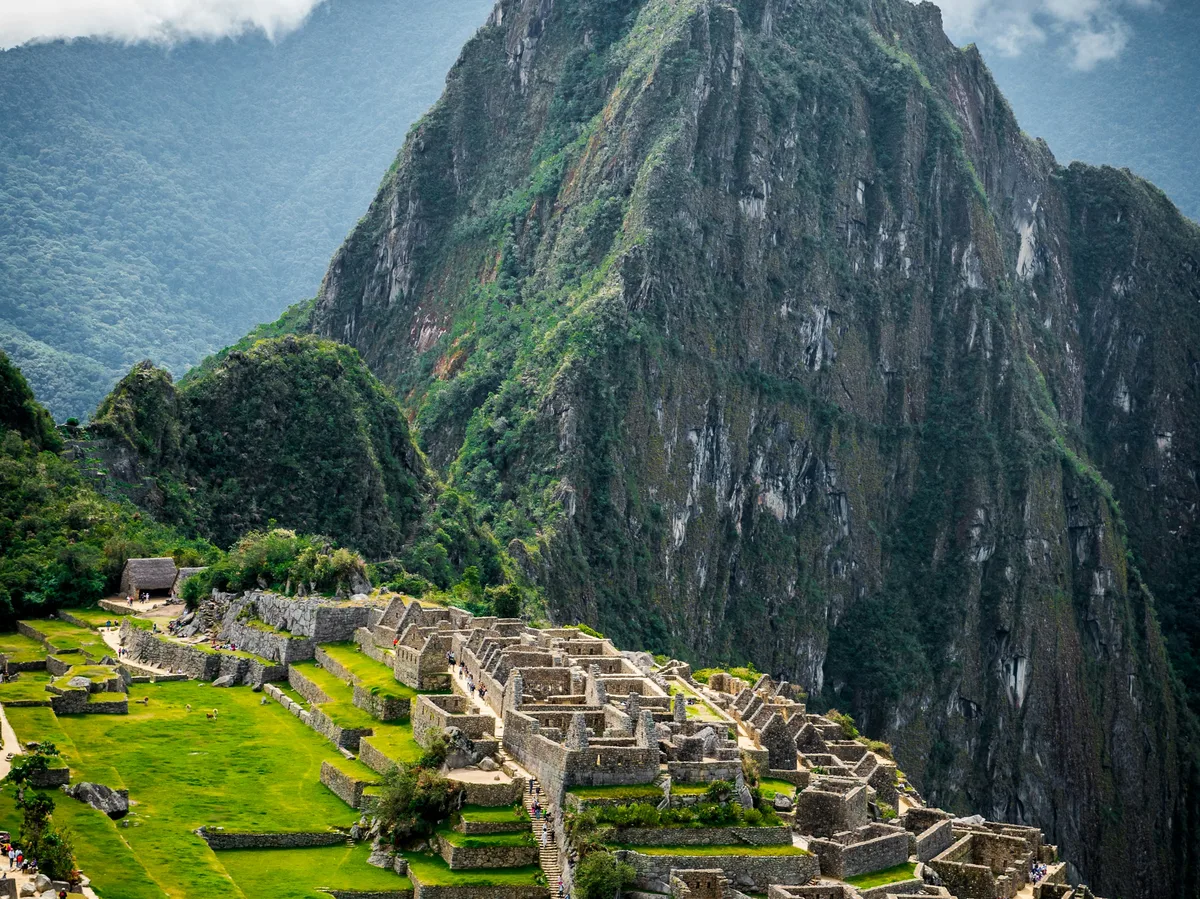
The 15th-century Inca citadel set high above the Urubamba River, Peru's best-known archaeological site and a UNESCO World Heritage Site.
2
Machu Picchu
Peru
The 15th-century Inca citadel set high above the Urubamba River, Peru's best-known archaeological site and a UNESCO World Heritage Site.
2
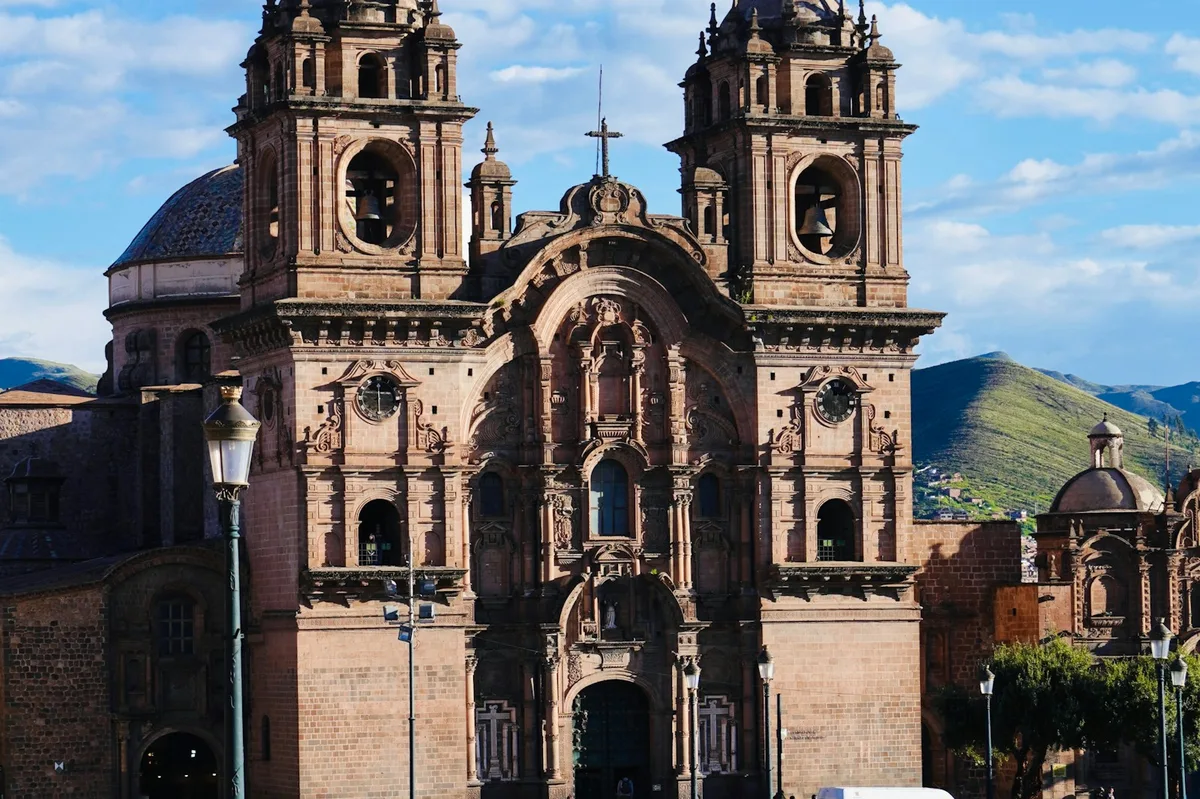 Cusco's Plaza de Armas
Peru
The historic main square of the old Inca capital, ringed by colonial-era cathedrals and arcades built on Inca stone foundations.
3
Cusco's Plaza de Armas
Peru
The historic main square of the old Inca capital, ringed by colonial-era cathedrals and arcades built on Inca stone foundations.
3
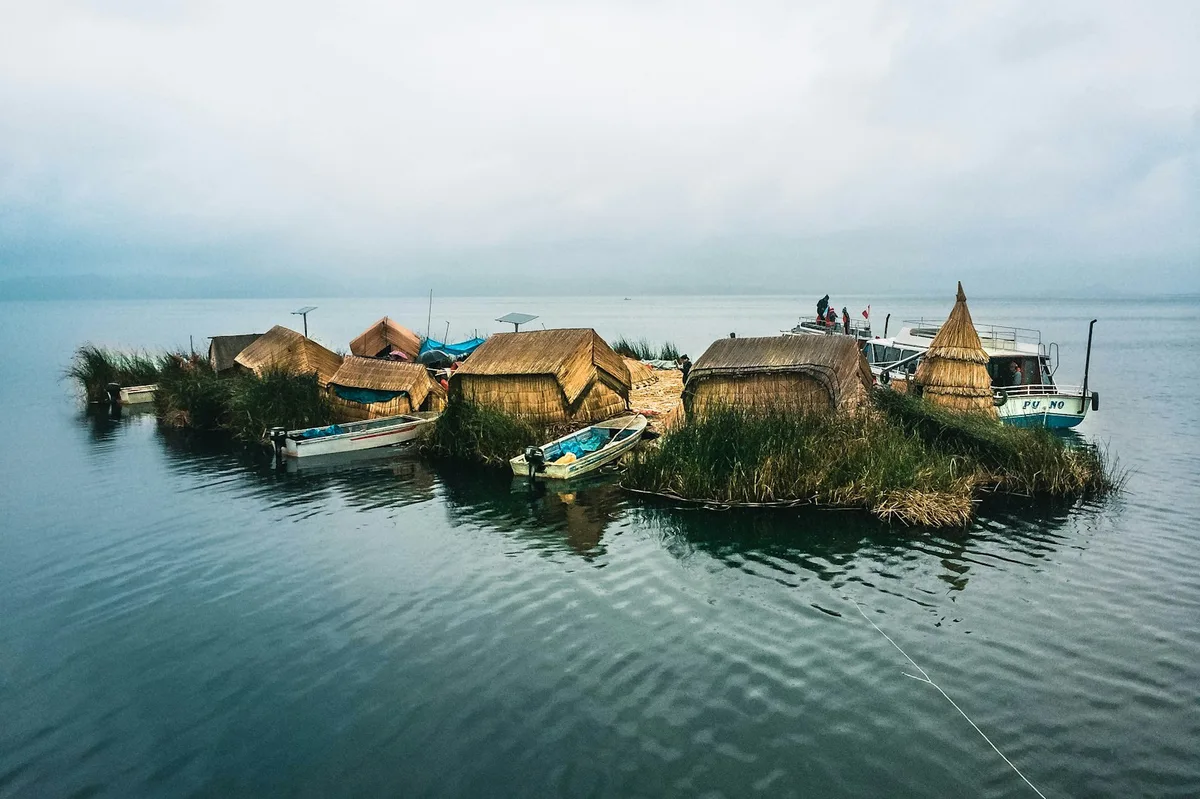 Lake Titicaca (Puno)
Peru
The highest navigable lake in the world, on the Peru-Bolivia border, home to the Uros people's hand-built floating reed islands near Puno.
4
Lake Titicaca (Puno)
Peru
The highest navigable lake in the world, on the Peru-Bolivia border, home to the Uros people's hand-built floating reed islands near Puno.
4
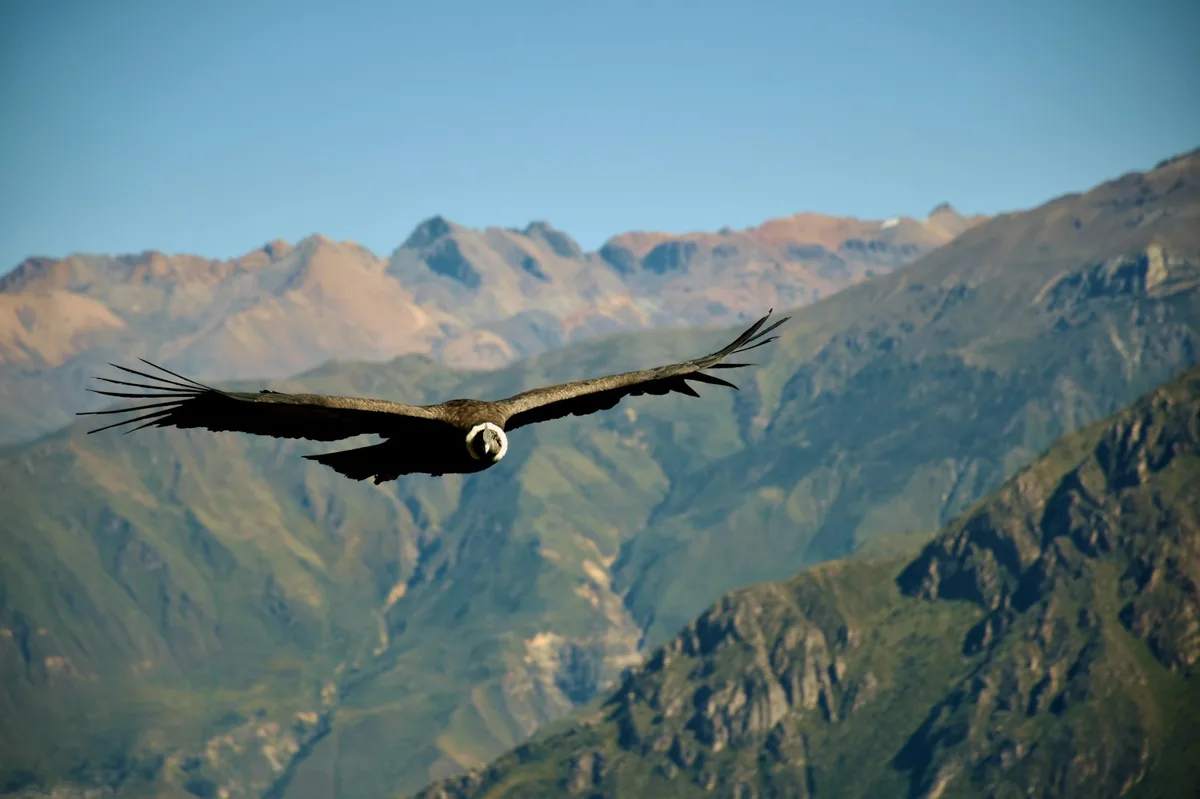 Colca Canyon
Peru
One of the world's deepest canyons, near Chivay in southern Peru, best known for Andean condors soaring past the Cruz del Cóndor viewpoint.
5
Colca Canyon
Peru
One of the world's deepest canyons, near Chivay in southern Peru, best known for Andean condors soaring past the Cruz del Cóndor viewpoint.
5
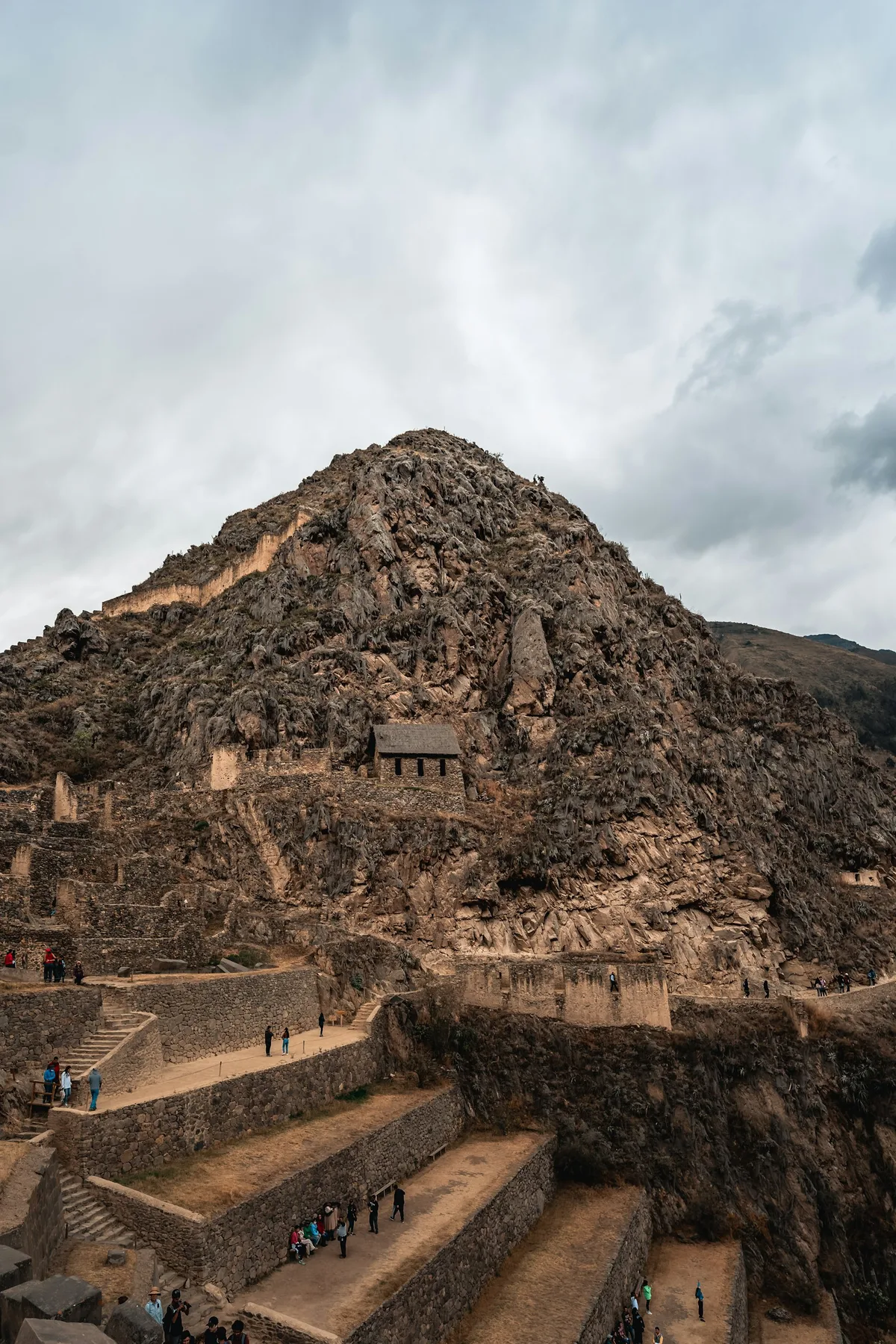 Ollantaytambo
Peru
A Sacred Valley town built directly on Inca foundations, its massive terraced hillside fortress and working irrigation channels among the best-preserved Inca engineering still in daily use.
6
Ollantaytambo
Peru
A Sacred Valley town built directly on Inca foundations, its massive terraced hillside fortress and working irrigation channels among the best-preserved Inca engineering still in daily use.
6
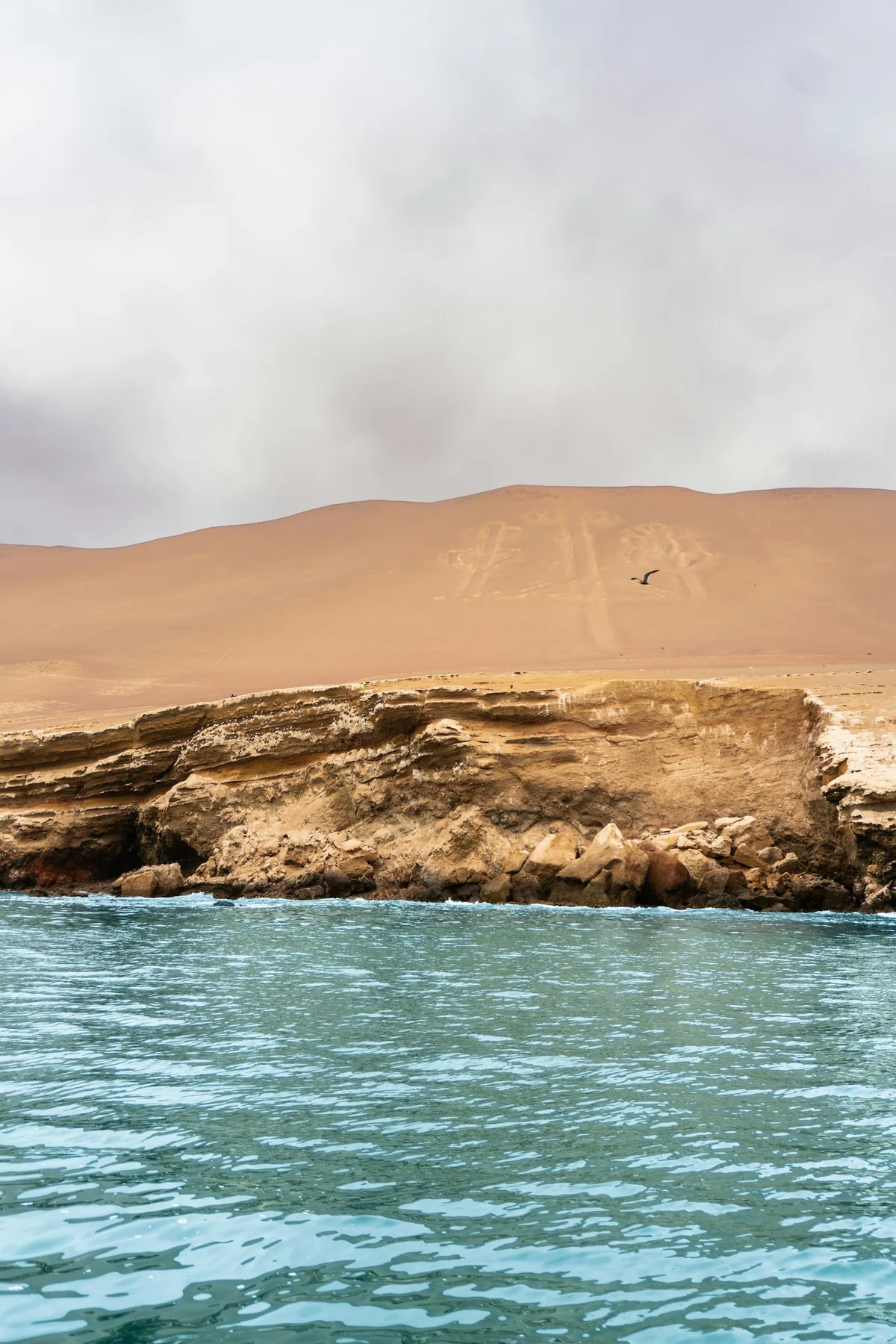 Nazca Lines
Peru
Giant geoglyphs etched into Peru's southern desert over 1,500 years ago, depicting animals, plants, and geometric shapes only fully legible from the air.
7
Nazca Lines
Peru
Giant geoglyphs etched into Peru's southern desert over 1,500 years ago, depicting animals, plants, and geometric shapes only fully legible from the air.
7
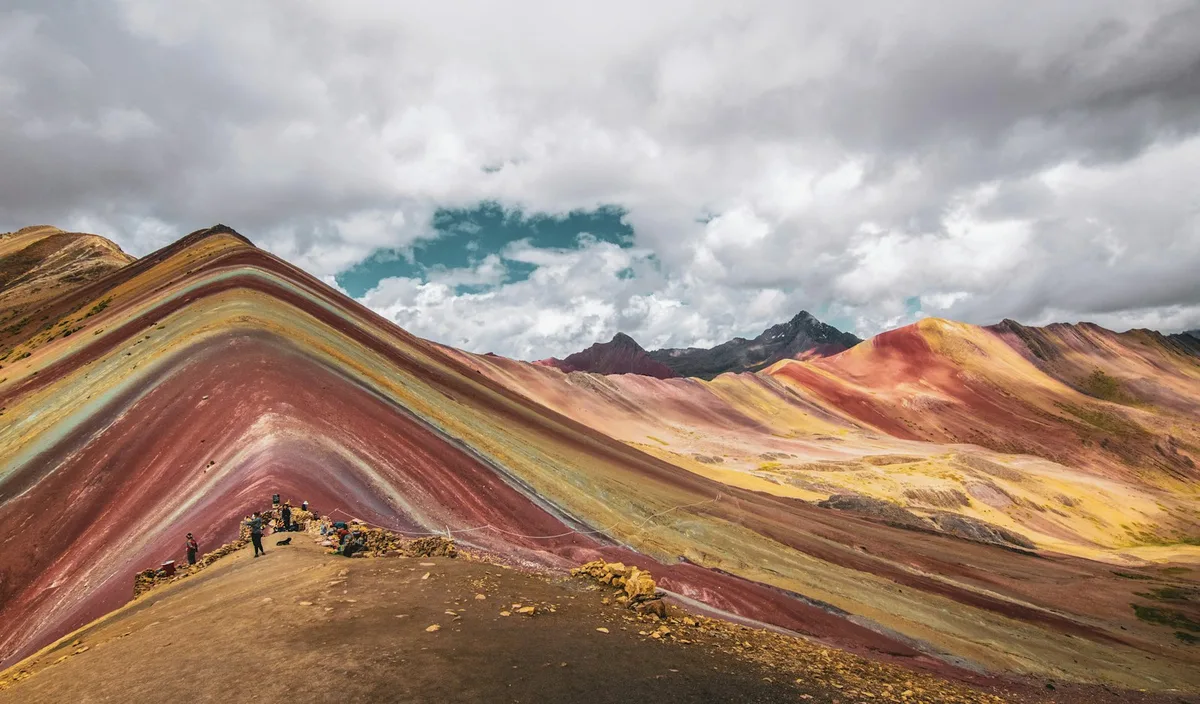 Rainbow Mountain (Vinicunca)
Peru
A mineral-streaked peak in the Andes near Cusco, its bands of red, gold, and lavender colored by different sediment layers, reached by a high-altitude hike above 5,000m.
8
Rainbow Mountain (Vinicunca)
Peru
A mineral-streaked peak in the Andes near Cusco, its bands of red, gold, and lavender colored by different sediment layers, reached by a high-altitude hike above 5,000m.
8
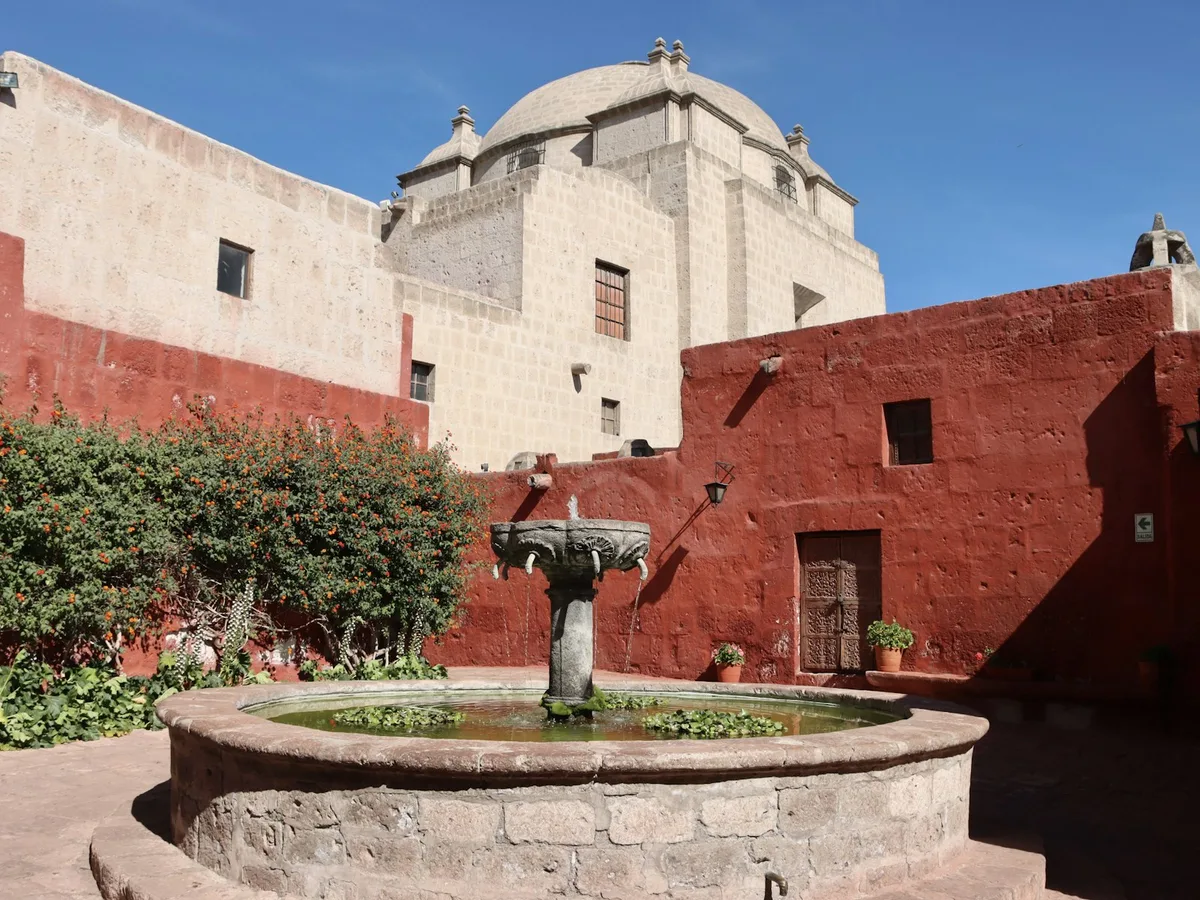 Santa Catalina Monastery
Peru
A walled 16th-century convent covering a full city block in Arequipa, its maze of cobbled streets and courtyards painted in Andalusian blues and the sillar volcanic-stone red that gives the city its "White City" nickname.
9
Santa Catalina Monastery
Peru
A walled 16th-century convent covering a full city block in Arequipa, its maze of cobbled streets and courtyards painted in Andalusian blues and the sillar volcanic-stone red that gives the city its "White City" nickname.
9
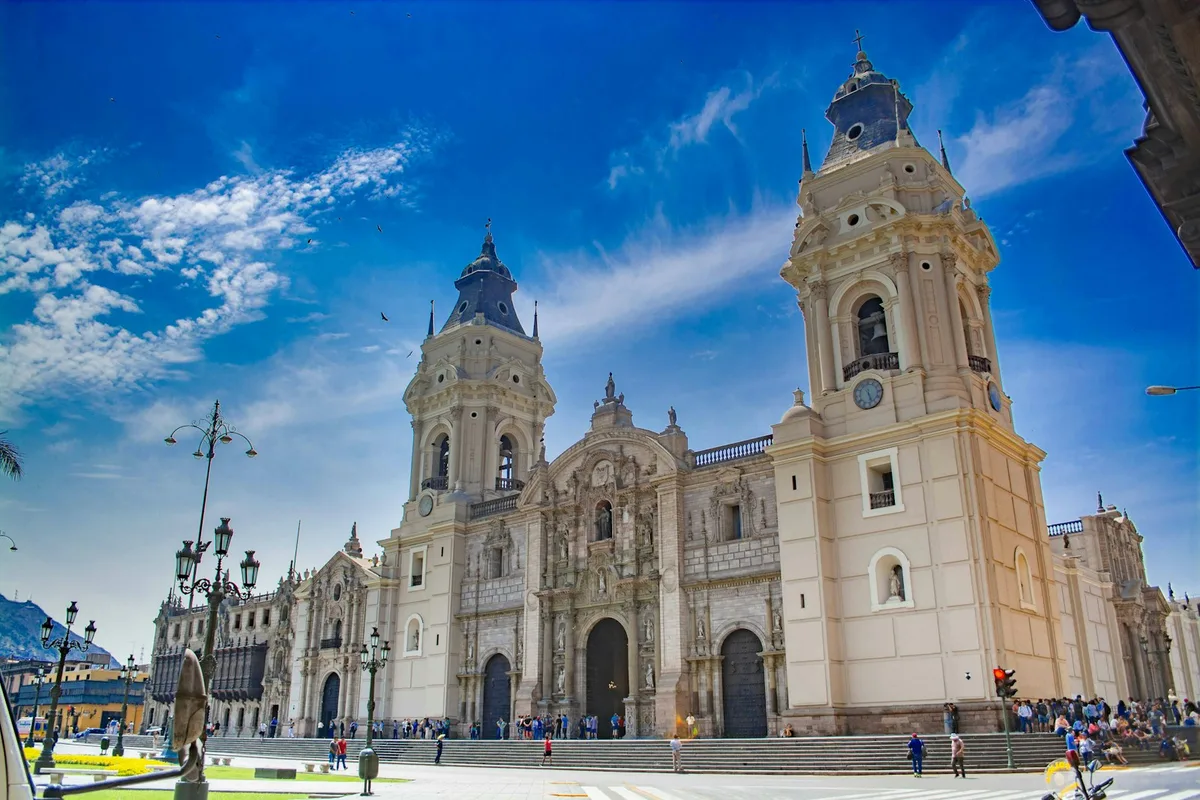 Lima's Plaza Mayor
Peru
The founding square of Lima's historic center, ringed by the 16th-century Cathedral, the Government Palace, and colonial balconied buildings, at the heart of a UNESCO World Heritage district.
Multi-Day Tours
Lima's Plaza Mayor
Peru
The founding square of Lima's historic center, ringed by the 16th-century Cathedral, the Government Palace, and colonial balconied buildings, at the heart of a UNESCO World Heritage district.
Multi-Day Tours
A 7-day, food-focused private route from Lima's ceviche and pisco culture through the Sacred Valley's Maras salt flats and a Pachamanca lunch, to Machu Picchu and a Cusco cooking class.
 Multi-Day Tours
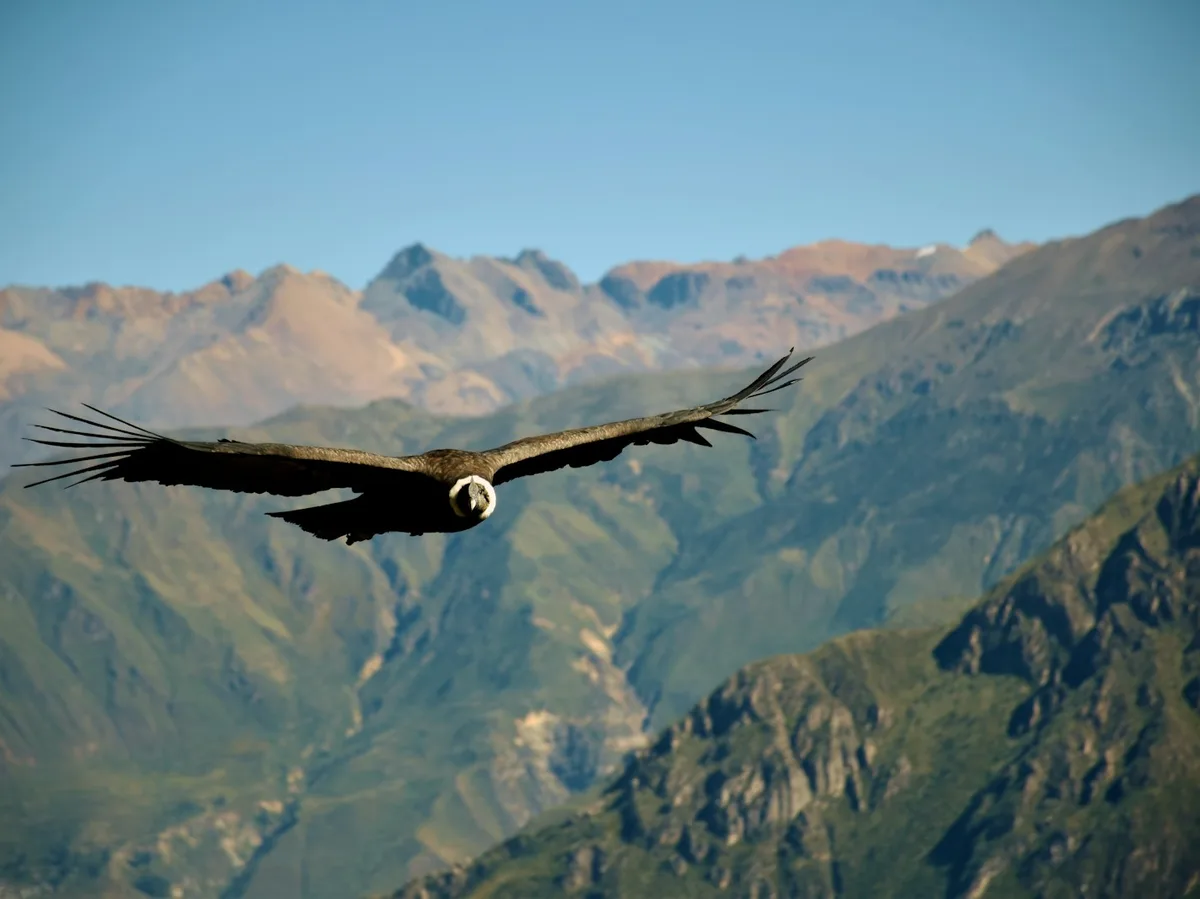
A 14-day private route from Lima down the coast to Paracas and the Nazca Lines, up to Arequipa and Colca Canyon's condors, along Lake Titicaca, and through the Sacred Valley to Machu Picchu.
 Multi-Day Tours
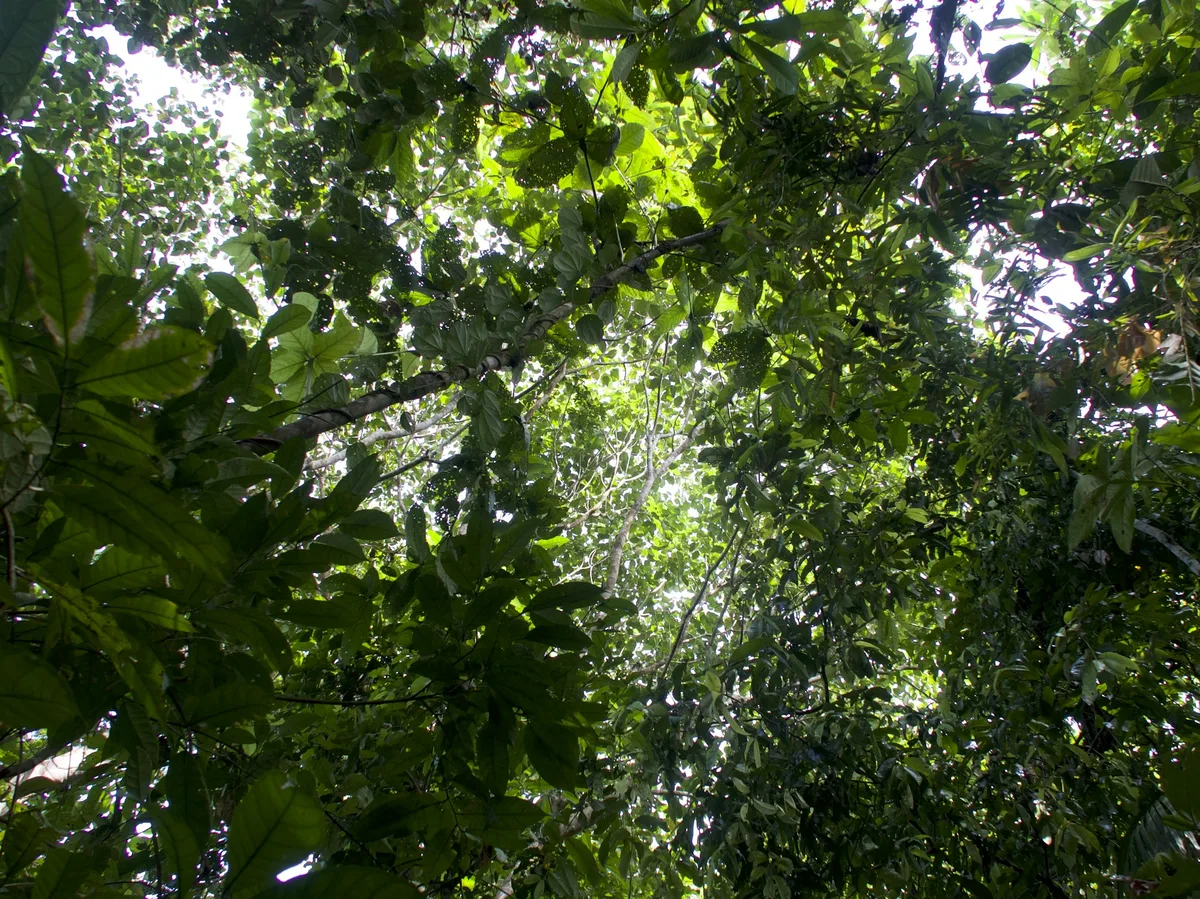
A 10-day private route from Lima through the Tambopata Amazon rainforest to Cusco, the Sacred Valley, and Machu Picchu.
Multi-Day Tours
A 10-day private route from Cusco and the Sacred Valley, over Rainbow Mountain and Machu Picchu, to a final stretch of beach time on Peru's northern coast at Punta Sal.
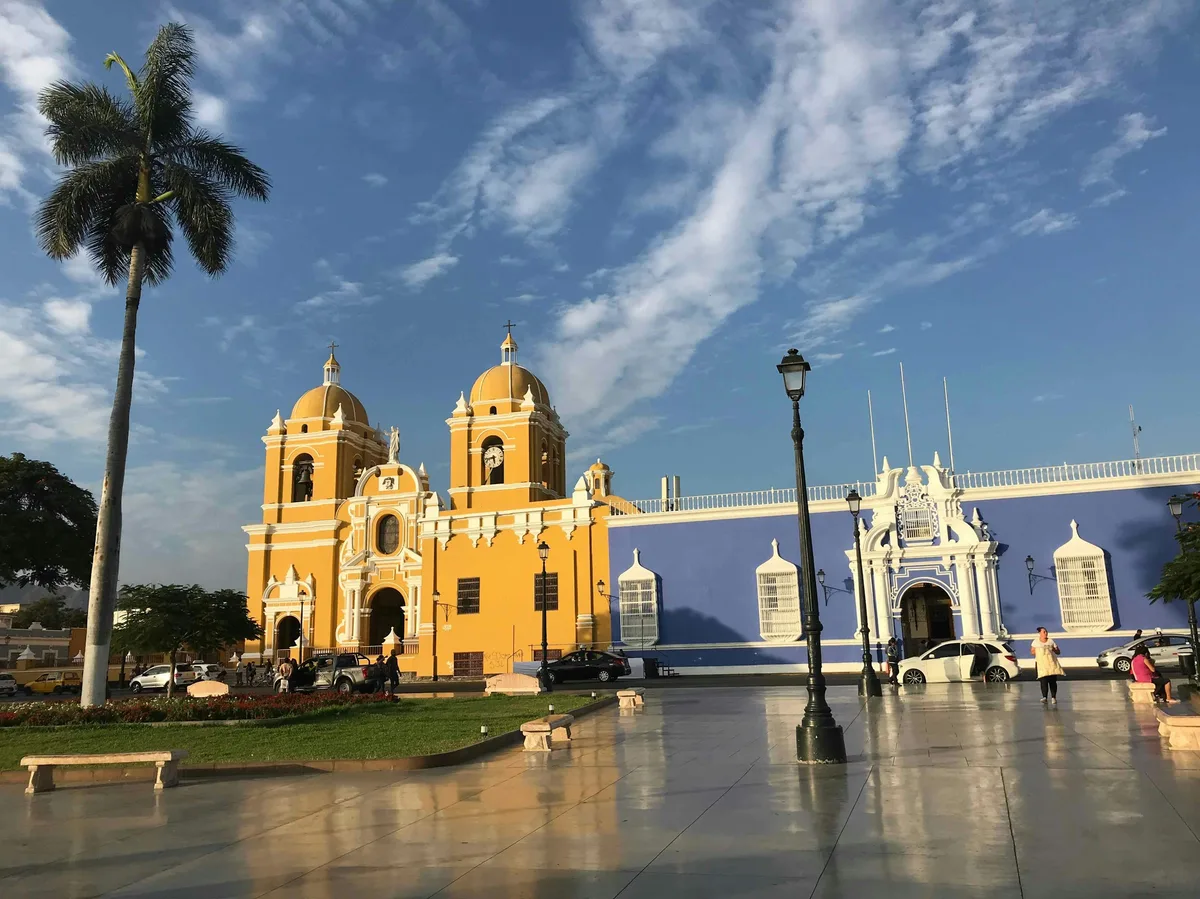 Multi-Day Tours
A 7-day private route through northern Peru's pre-Inca civilizations and cloud forest — Chan Chan, the Lord of Sipán's tombs, Gocta Waterfall, and the Kuelap fortress — with no Cusco or Machu Picchu on the route.
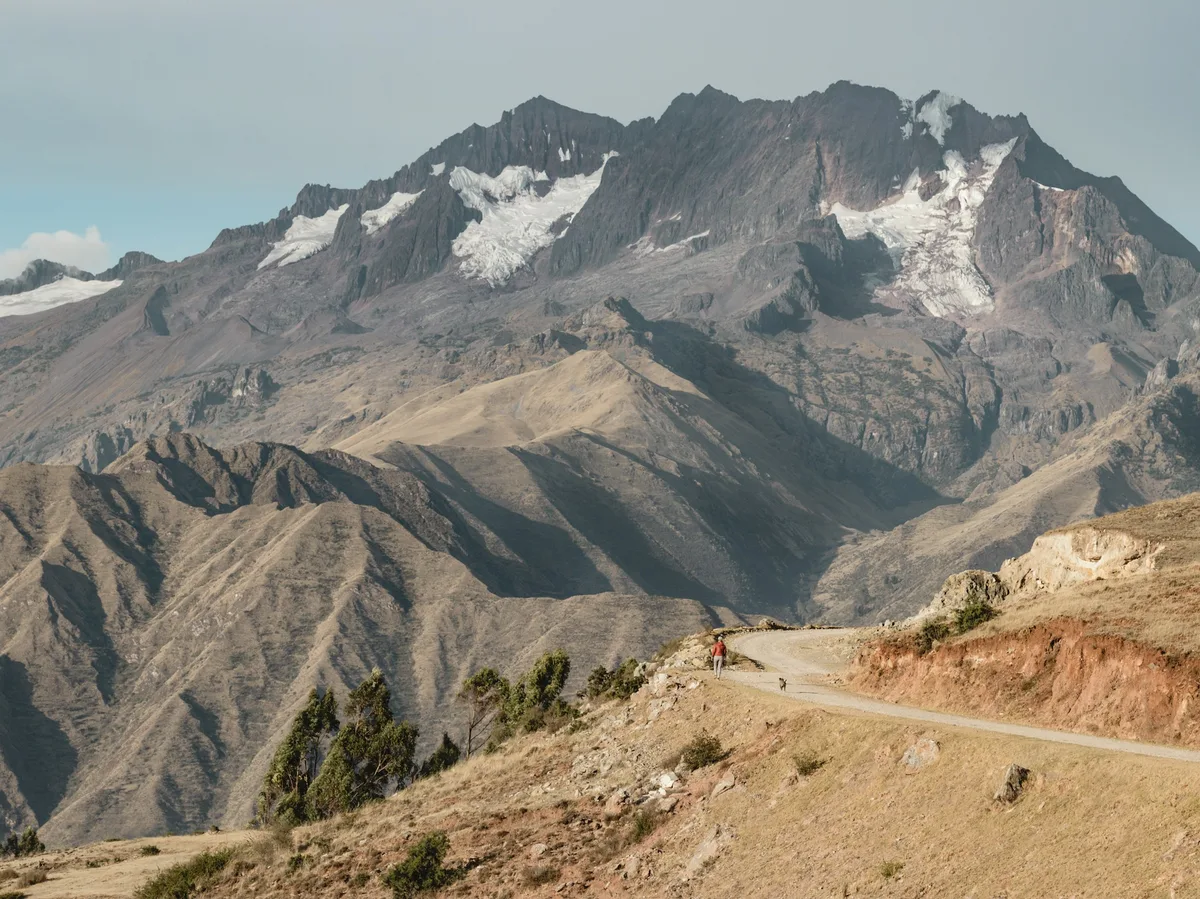 Multi-Day Tours
A 7-day private soft-adventure route through the Sacred Valley — ziplining, a night glamping in a hanging capsule, and a hidden Inca palace hike — before Machu Picchu and Cusco.
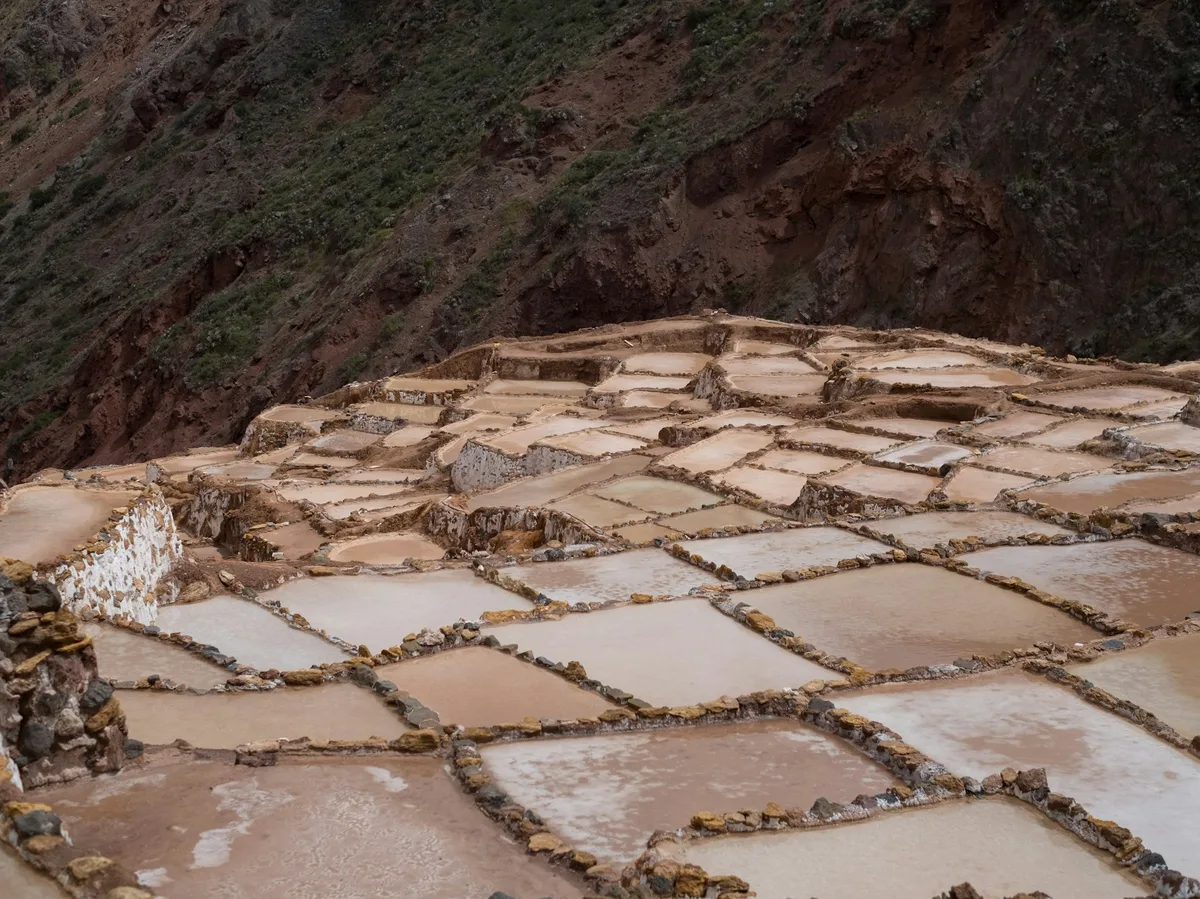 Multi-Day Tours
A 7-day private, boutique-hotel route through the Sacred Valley, Machu Picchu by premium train, and Cusco, with countryside lunches, a private painting session, and a farewell tasting dinner.
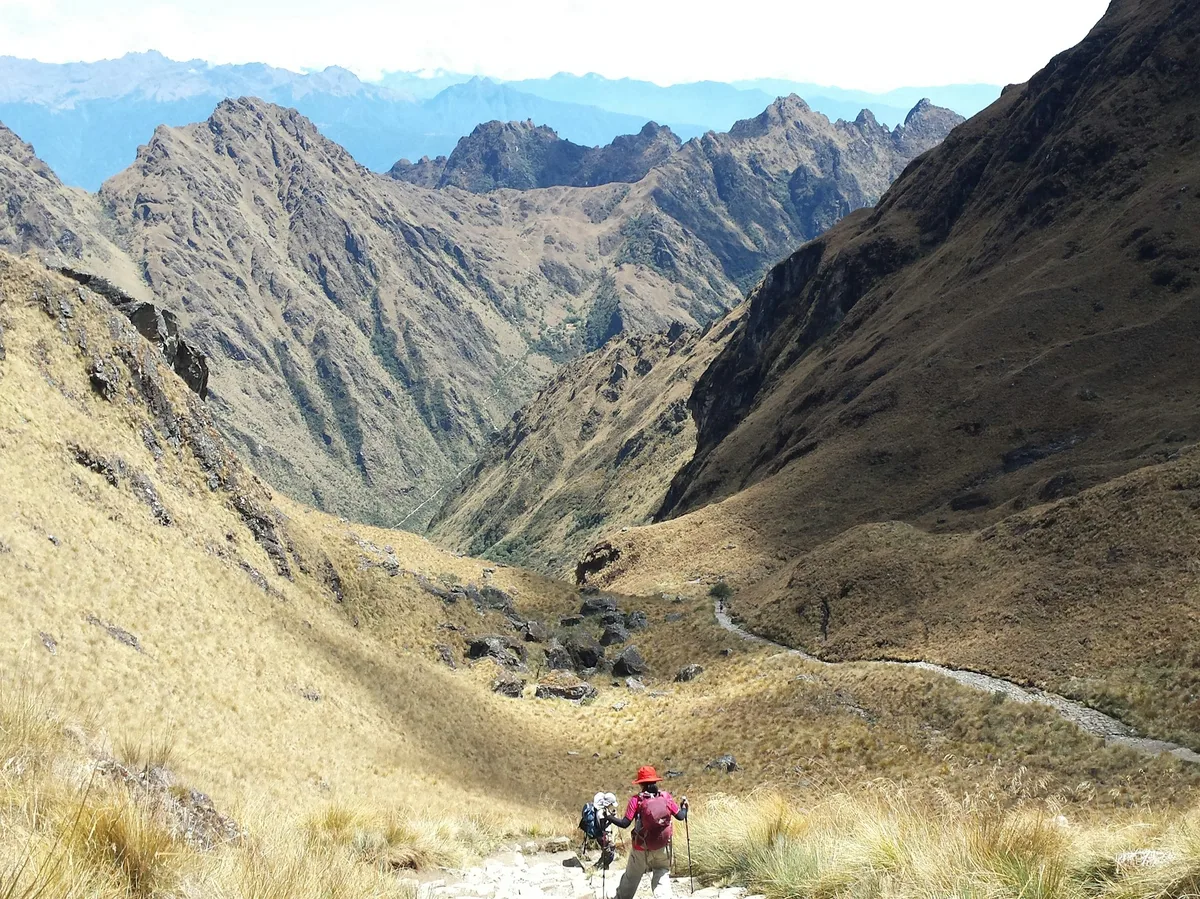 Multi-Day Tours
A 7-day private route built around the classic 4-day Inca Trail trek to Machu Picchu, via Dead Woman's Pass, with the Sacred Valley and Cusco either side.
Multi-Day Tours
A 10-day private route joining Peru's two classic regions — Cusco, the Sacred Valley and Machu Picchu in the south, then Chachapoyas, Gocta Waterfall and the Kuelap fortress in the north.
Most Western nationalities — including US, UK, EU, Canadian, and Australian citizens — can enter Peru visa-free for tourism, typically for up to 90 days, though it's worth confirming the current allowance for your nationality before you travel.
Spanish is Peru's main official language, alongside Quechua and Aymara, which remain widely spoken in Andean communities; English is common in Cusco and Lima's tourist areas but less so in smaller towns.
Cusco, the Sacred Valley, Machu Picchu, and Peru's other major tourist routes are generally considered safe for travelers, with the usual precautions around petty theft worth taking in crowded areas of Lima and Cusco, as in most major cities.
Peru has one of the most internationally recognized food scenes in South America — Lima in particular is known for ceviche and for Nikkei (Japanese-Peruvian) and Chifa (Chinese-Peruvian) fusion cooking, a product of the country's immigration history.
Peru uses the sol (PEN); cards are widely accepted in Lima and Cusco's restaurants and hotels, but small bills and coins are genuinely useful for markets, rural stops, and tipping guides or drivers on multi-day tours.
Several of Peru's tour routes run through Andean farming communities and are built around community-based tourism — homestays, local guides, and income that goes directly to the villages a route passes through, rather than only through hotels and agencies.
Tell us your group size and dates — we'll take care of the rest.