TorontoOntario · 36 tours
 Niagara FallsOntario · 25 tours
 New York CityNew York · 30 tours
 Las VegasNevada · 8 tours
 San FranciscoCalifornia · 16 tours
 VancouverBritish Columbia · 17 tours
 DubaiUAE · 54 tours
 Abu DhabiUAE · 5 tours
 Buenos AiresArgentina · 23 tours
 AthensGreece · 31 tours
 AucklandNew Zealand · 38 tours
 CancunMexico · 54 tours
No destinations match “”. Try searching all tours instead — that search understands full questions, not just place names.
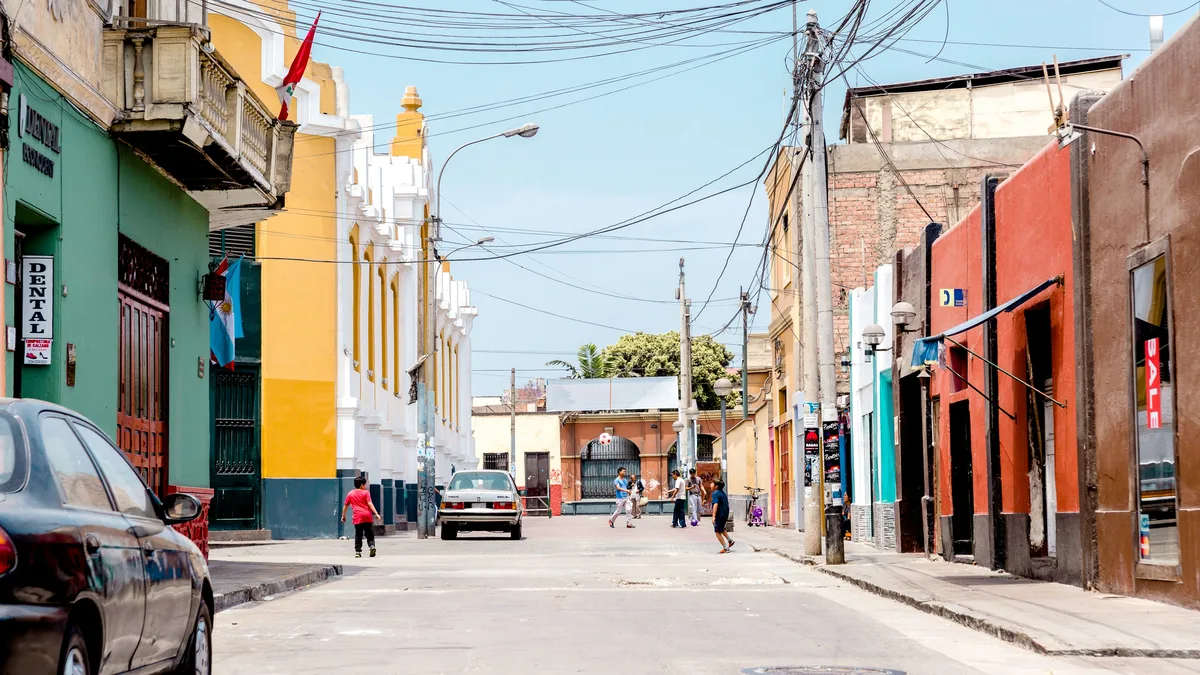
The Puente de los Suspiros is a wooden footbridge crossing a ravine in Barranco, Lima's bohemian former beach resort turned arts district. Local tradition holds that if you cross it while holding your breath and make a wish, it will come true — a small, genuine piece of neighborhood folklore in one of Lima's most colorful districts.
 Private Tours
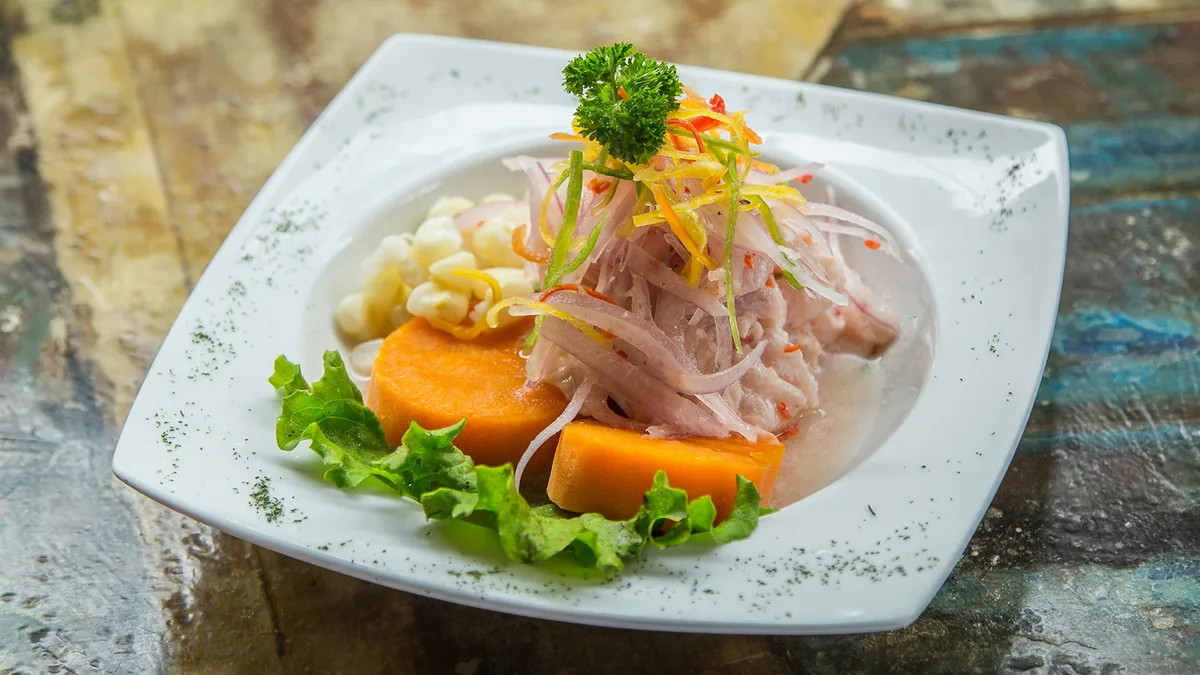
Learn about Peruvian street food and culinary culture while sampling local flavors on this private guided tour, visiting markets and a restaurant in the bohemian Barranco district to try ceviche, exotic fruits, and desserts.
 Private Tours
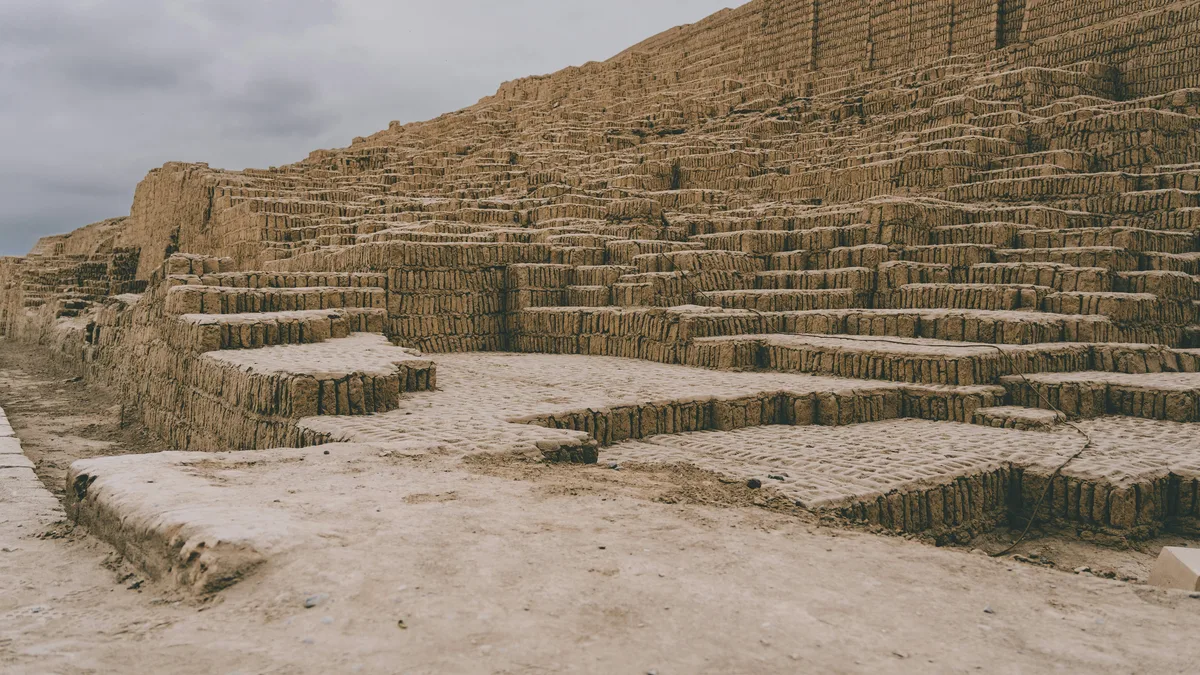
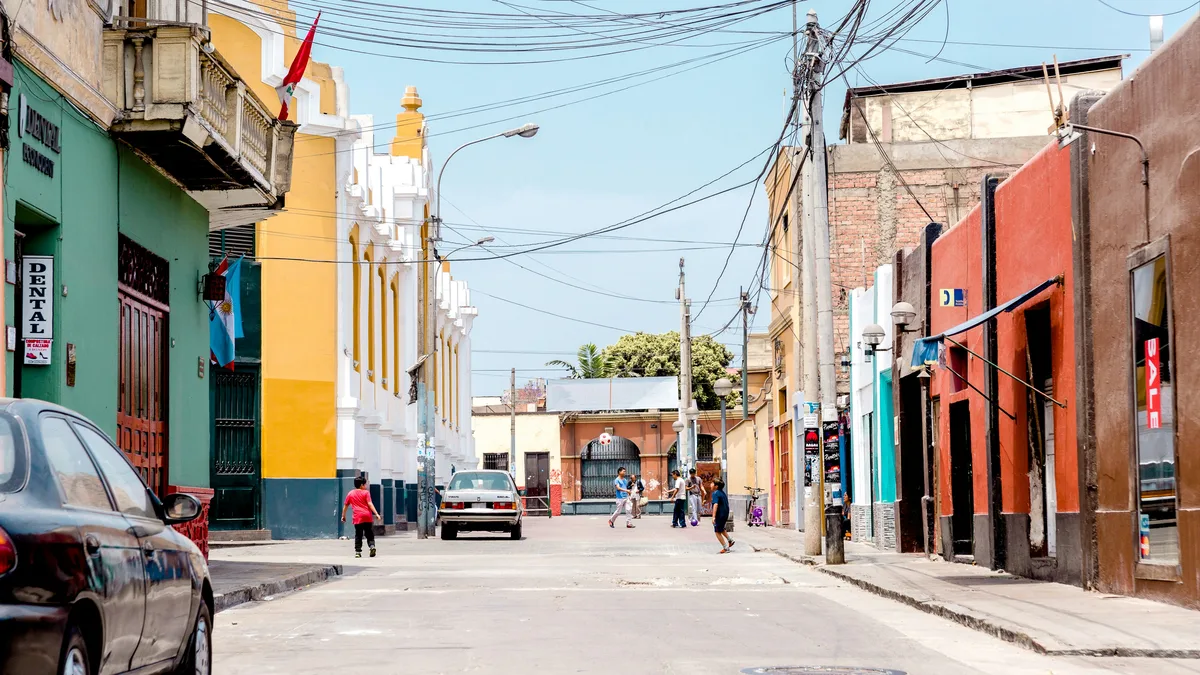
Adapted from a small-group experience — Voyzo runs this exclusively as a private tour for your group only. Explore Lima by bike, covering top attractions including the pre-Inca ruins of Huaca Pucllana, El Malecón, and the Bridge of Sighs, plus hidden corners of the bohemian Barranco neighborhood.
Visitor guide
The Bridge of Sighs, or Puente de los Suspiros, is a wooden pedestrian bridge in the Barranco district of Lima, Peru. It spans a ravine between Ayacucho Street and the access to the Hermitage of Barranco, and it is one of the most visited spots in the district.
According to Wikipedia, the bridge is 44 metres long and 3 metres wide and crosses a height of about 8.5 metres. Below it, the Bajada de Banos road, a path that leads down the ravine toward the district's beaches, passes through. The bridge links the street of Ayacucho with the hermitage side, near the Paseo Chabuca Granda, formerly Pasaje Zepita.
The bridge was inaugurated on 14 February 1876 during the mayoralty of Francisco Garcia Monterroso, although some sources give his first name differently. During the War of the Pacific, Chilean troops destroyed it after the Battle of Chorrillos in January 1881, and it was later rebuilt, with sources differing on when and by whom. In December 2014 the bridge reopened after about six months of restoration. In June 2023 a partial collapse of a wall of an adjoining early twentieth-century building led to a closure of the area, so visitors should expect conditions to change.
Popular tradition holds that the spot was a meeting place for lovers, which gave the bridge its name. Wikipedia describes this as tradition, not documented history. A well-known local custom, sometimes repeated to visitors, says that if you cross the bridge while holding your breath and make a wish, it will come true; this is neighbourhood folklore.
In 1960 the Creole composer Chabuca Granda dedicated the Peruvian waltz El puente de los suspiros to the bridge, and the district later placed a monument to her beside it.
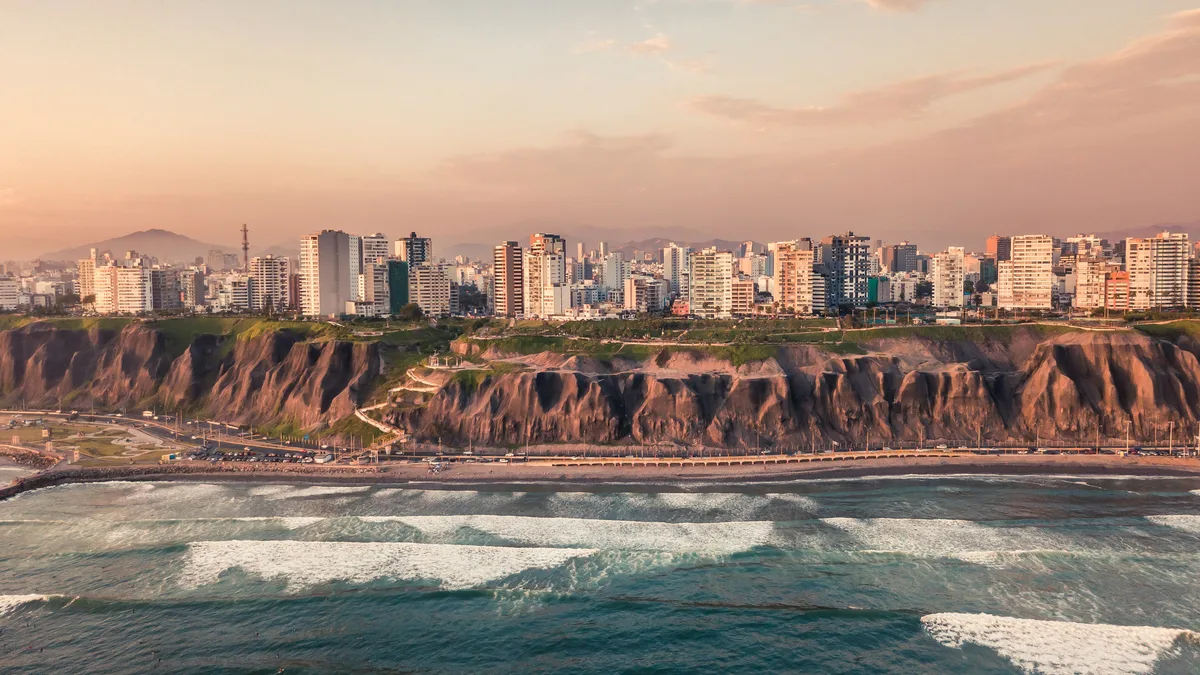
Barranco is a coastal district of Lima long associated with artists, musicians and writers, and it is known for colourful houses and a relaxed evening atmosphere. The bridge sits close to the Hermitage of Barranco, a small church, and the stepped lane of the Bajada de Banos, which fishermen are said to have used for descending to the sea. The wooden deck is short, so most visitors combine it with a stroll through the surrounding lanes and cliff-top paths.
The bridge is short and lightly built, and its appeal lies more in its setting than its engineering. Looking down the ravine, visitors see the stone path descending toward the sea, while on the other side the lane leads past old villas and small galleries that give Barranco its reputation as Lima's bohemian quarter.
A private guided visit with a driver suits Barranco well, as a local guide can explain the history of the resort district while the vehicle handles transfers within Lima.
See every tour and attraction we cover in Lima.